

There’s a moment most dog owners know well. You’re sitting quietly, maybe having a hard day, and your dog simply walks over, leans against your leg, and stays there. No words. No fuss. Just presence. It turns out that moment is doing a lot more for you than you might realize.
For many older adults, dogs are more than just pets. They’re lifelines that provide comfort, purpose, and joy – especially during a life stage that often comes with increased risks of loneliness, chronic disease, or cognitive decline. The bond between a person and their dog is one of the most studied relationships in behavioral science, and the evidence is genuinely fascinating.
What follows are eight specific things dogs do – sometimes deliberately, sometimes instinctively – that have real, measurable effects on the emotional and physical well-being of aging humans.
1. They Offer Consistent, Nonjudgmental Physical Presence
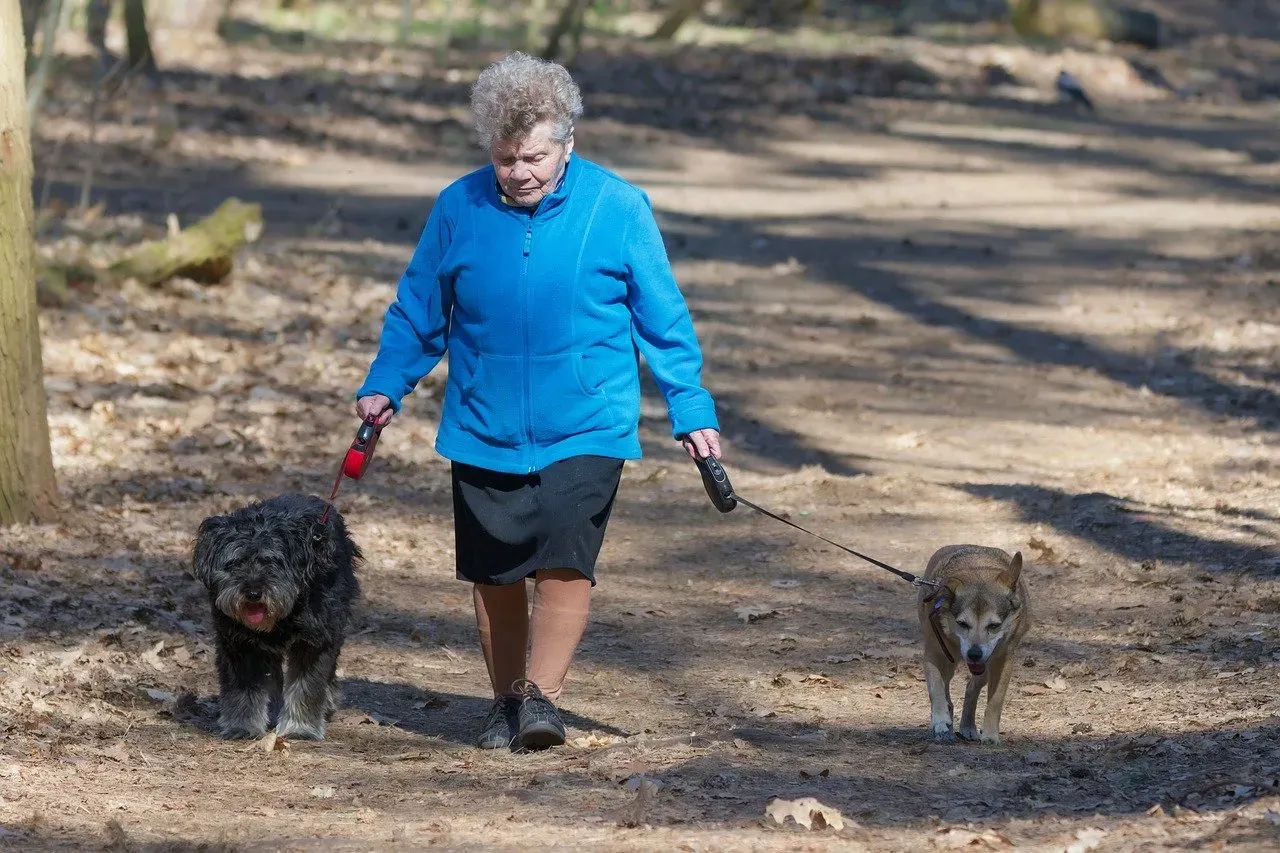
Dogs don’t offer comfort in complicated ways. They simply show up. Whether you’re having a quiet morning or a difficult afternoon, your dog gravitates toward you without needing to be asked. That consistency is surprisingly powerful for older adults who may live alone or have limited social contact.
Unlike people, building a relationship with a dog doesn’t take a long time. Within the first few minutes of interacting with someone, a dog may be nuzzling their knee or laying at their feet. They aren’t there to judge or criticize. They just want to be with you. For many seniors, that is exactly what they need.
In more recent times, dogs have become emotional companions and human substitutes for people living in solitude, and they have given new meaning to elderly people’s lives. This isn’t a small thing. When a senior wakes up to a dog waiting at the foot of the bed, there’s an immediate sense of being needed – a feeling that carries real weight throughout the day.
2. They Trigger a Calming Hormonal Response Through Touch
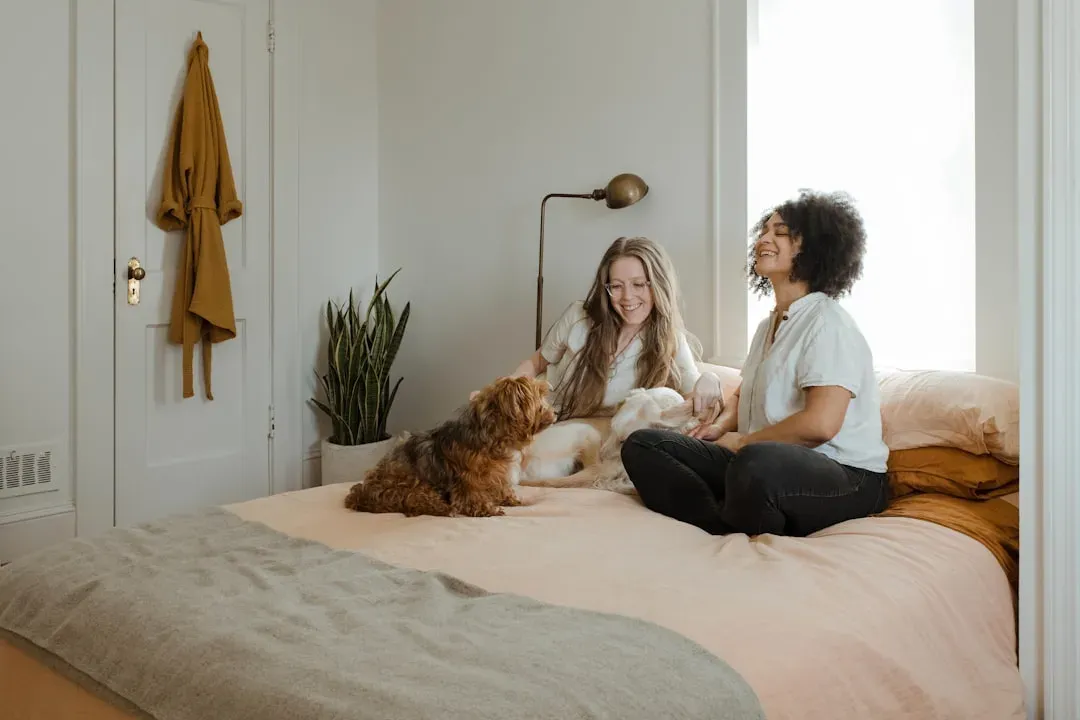
The act of stroking a dog feels good, and that’s not just sentiment. There’s genuine biochemistry behind it. Studies have shown a positive feedback between humans and dogs powered by the release of the hormone oxytocin, also called the “cuddle hormone.” It’s the same chemical reaction produced when a mother looks into the eyes of her infant.
Interaction between humans and dogs that includes pleasant non-noxious sensory stimulation can induce oxytocin release in both humans and dogs and generate effects such as decreased cortisol levels and blood pressure. In plain terms, petting your dog calms your nervous system and lowers stress hormones. That’s a meaningful daily benefit for older adults managing anxiety, grief, or health-related stress.
Petting a dog causes your body to release oxytocin, which is often called the “love hormone.” This interaction reduces stress, improving one’s mental health. Dogs can help alleviate negative feelings, including depression, grief, or anxiety, providing a calming presence that softens the emotional challenges many seniors face. Regular, gentle contact with a dog builds that effect over time.
3. They Sense Emotional Distress and Move Closer

One of the most striking things dogs do is change their behavior when something feels off with their person. You don’t need to say a word. A dog may become more attentive or stay closer to their owner when they sense an illness or emotional distress. This behavior is both instinctive and finely tuned.
Whether it’s an illness responsible for physical pain or a difficult time that has knocked emotional well-being off balance, a dog can sense that distress. They do this by reading your body language, responding to subtle shifts in your tone of voice, and using their powerful sense of smell to detect hormonal changes. When a dog gets close to someone who is sick or depressed, the dog could be sensing a decrease in hormones such as oxytocin, dopamine, and serotonin. Studies have shown that petting a dog can reduce a person’s blood pressure, and the dog may sense it can make a person feel better.
For aging adults dealing with chronic illness, grief, or low moods, having an animal that responds to them without being prompted is a quiet, consistent form of emotional validation that human care alone often can’t replicate at every moment of every day.
4. They Create Structure and Daily Purpose

One of the less obvious but deeply impactful things a dog does for aging humans is force a routine. Feeding schedules, morning walks, playtime in the yard – these aren’t burdens. They’re anchors. Having a pet creates a sense of responsibility and purpose, as older adults follow a consistent schedule for feeding, grooming, and walking their furry companions. This routine can contribute to lower stress levels, boosted mental well-being, and improved overall quality of life for seniors.
Research findings suggest that the role of pet ownership may benefit community-dwelling older adults by providing companionship, giving a sense of purpose and meaning, reducing loneliness, and increasing socialisation. Purpose isn’t a luxury. As people age and retire, or lose loved ones, the absence of daily structure can quietly accelerate mental and physical decline.
Many people need a reason to get up in the morning, go for a walk, and visit the grocery. Without a purpose, many seniors fall into harmful patterns of behavior that ultimately lead to depression, illness, or worse. A dog provides that reason every single day, reliably and without complication.
5. They Encourage Physical Movement and Keep the Body Active
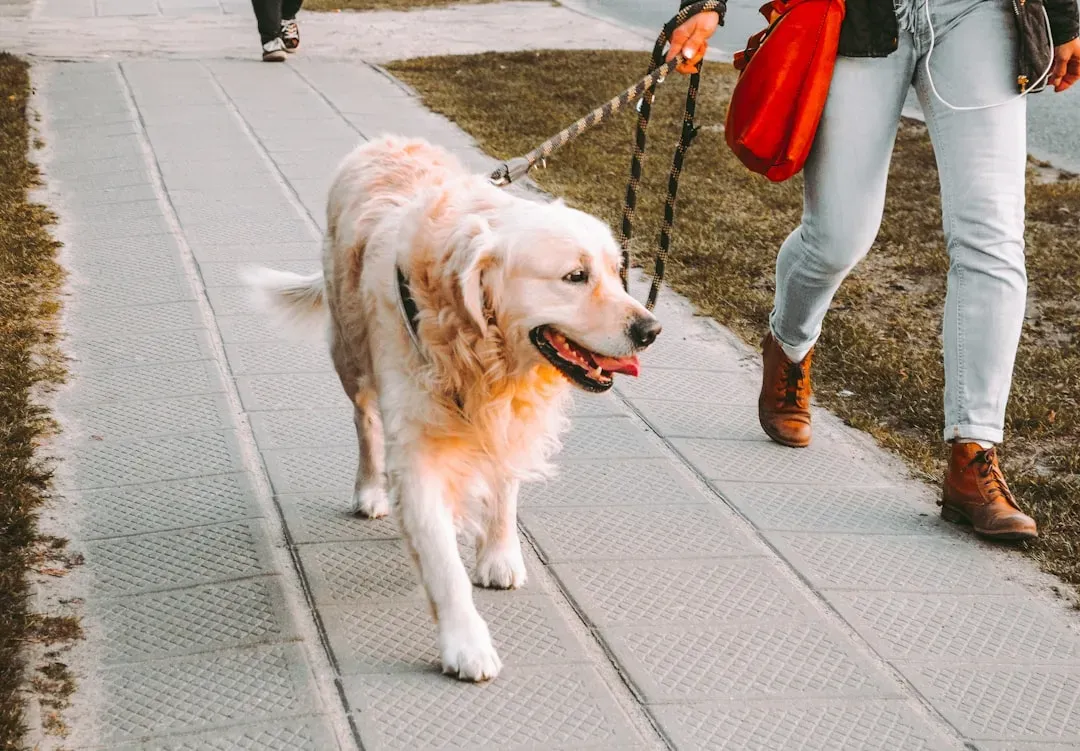
Dogs need walks. And that need quietly becomes a gift to their owners. Pets give you a clear reason to walk every day, and that rain-or-shine accountability can help you form a lasting exercise habit. Research in the BMC Public Health Journal found that people who own a dog walk roughly twenty-two minutes longer on average than those who do not have a dog.
Physical function and leisure time physical activity declined with aging across all outcomes, but the decline was slower among pet owners in overall physical performance, gait speed, cardiorespiratory fitness, and physical well-being. That’s a significant finding from America’s longest-running aging study. Slower physical decline means greater independence for longer.
Dog walking was associated with lower body mass index, fewer limitations in activities of daily living, fewer doctor visits, and more frequent moderate and vigorous exercise. None of these benefits require a gym or a complicated plan. They just require a dog and a leash, which is a beautifully simple equation for healthy aging.
6. They Reduce Loneliness and Open Doors to Social Connection
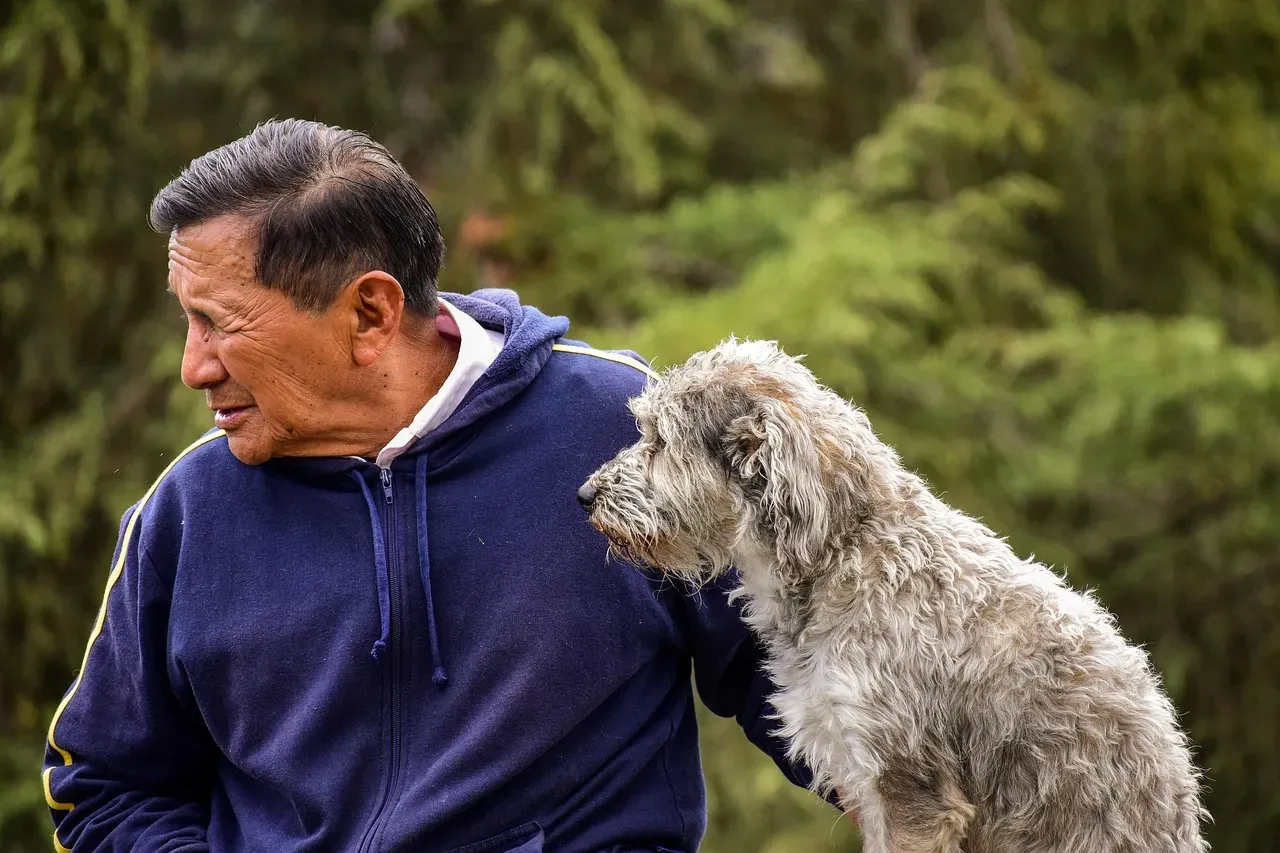
Loneliness among older adults is not a minor inconvenience. The increased risk of isolation and loneliness in older adults has a profound impact on health and well-being, and is often associated with depression, lower overall life satisfaction, and with reductions in mobility and activities of daily living. The effect of loneliness and isolation on mortality is comparable to the impact of well-known risk factors such as obesity and smoking cigarettes. Dogs are one of the most natural buffers against that risk.
Research has found that older adults who reported owning a pet were roughly a third less likely to report loneliness than older adults who don’t have pets. Beyond the companionship at home, dogs also serve as social connectors in the wider community. Walking with a dog results in a significantly higher number of chance conversations with complete strangers than walking alone.
A random sampling of adults aged fifty and over who owned dogs said they felt a “sense of community” as they walked their dogs because they often talked to their neighbors during the walk. Those brief, friendly exchanges with neighbors or fellow dog walkers are exactly the kind of low-stakes social interaction that keeps older adults engaged with the world around them.
7. They Support Heart Health in Measurable Ways

The cardiovascular benefits of owning a dog are among the most well-documented in human-animal research. Dog owners have lower blood pressure and healthier cholesterol levels, and a lower risk of heart disease, than non-owners. These aren’t trivial differences, especially for older adults for whom heart health is a primary concern.
The American Heart Association has issued a statement in support of the role that dog ownership can play in reducing the risk of developing cardiovascular disease, noting that pet ownership, particularly dog ownership, is probably associated with decreased cardiovascular disease and may have some causal role in reducing cardiovascular risk. That’s a meaningful endorsement from a leading medical institution.
According to the American Heart Association, heart attack survivors who live alone had a notably reduced risk of death if they owned a dog. For seniors recovering from cardiac events or managing hypertension, the calming, active, and socially enriching presence of a dog can be a genuine part of their health picture. Studies showed that dogs have a positive influence concerning heart rate and blood pressure.
8. They Provide Comfort to Aging Minds, Including Those With Dementia
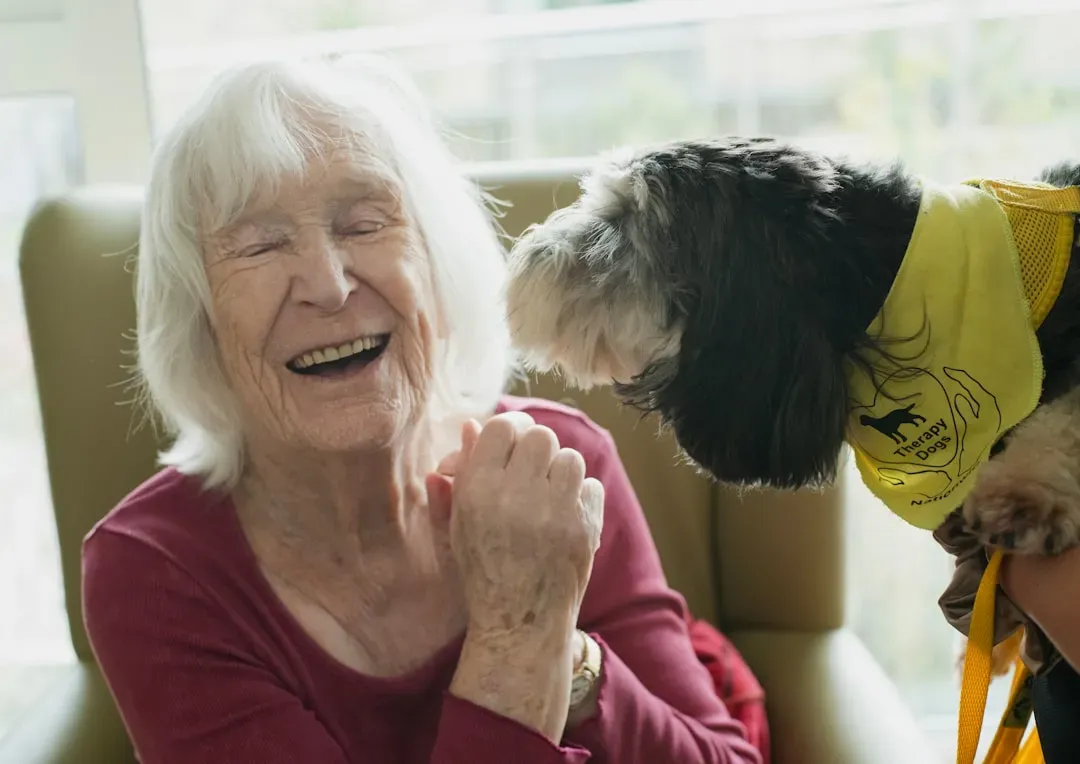
One of the most moving areas of research concerns the effect of dogs on older adults experiencing cognitive decline. The results are consistently encouraging. Results from studies in care settings showed an increase in positive behaviors like smiles, willingness to communicate, and spontaneous interaction with dogs, and found that human-dog interaction could effectively reduce social isolation.
After three weeks of visits with a trained dog, patients with Alzheimer’s disease showed a substantial improvement in anxiety and sadness, as well as a general improvement in arousal, motor expression, and vocal expression. These are not small or incidental findings. They represent meaningful improvements in quality of life for people who may otherwise have very few moments of calm or joy.
The majority of results from studies on animal-assisted interactions indicated that when older adults interact with companion animals, depression scores are reduced. Even for seniors without a formal diagnosis of cognitive decline, the grounding, sensory richness of being near a dog – the warmth, the soft breathing, the familiar weight – can ease agitation and anchor a person in the present moment in ways few other interventions can match.
A Note on Caring Well for the Dog Who Cares for You

It’s worth pausing to acknowledge that this relationship is a two-way street. Dogs encourage us to be more active, make us laugh, provide comfort and affection, help us feel safer, and can even help us connect with our neighbors and make new friends. They do a lot. They deserve the same thoughtfulness in return.
As your dog ages alongside you, watch for behavioral cues that something may be off. A dog who is uncomfortable may become withdrawn, clingy, quieter than usual, less tolerant of touch, or even a little irritable. A dog who once loved affection may start moving away when touched in certain places. These subtle changes are worth a veterinary conversation, not a quiet dismissal as “just getting old.”
Pets offer humans opportunities to nurture and feel needed, to provide a purpose, structure and routine for daily life, to enhance feelings of security, to give and receive affection, and to maintain older adults’ ability to care for themselves independently. The relationship thrives when both partners are cared for with attention and love.
Conclusion
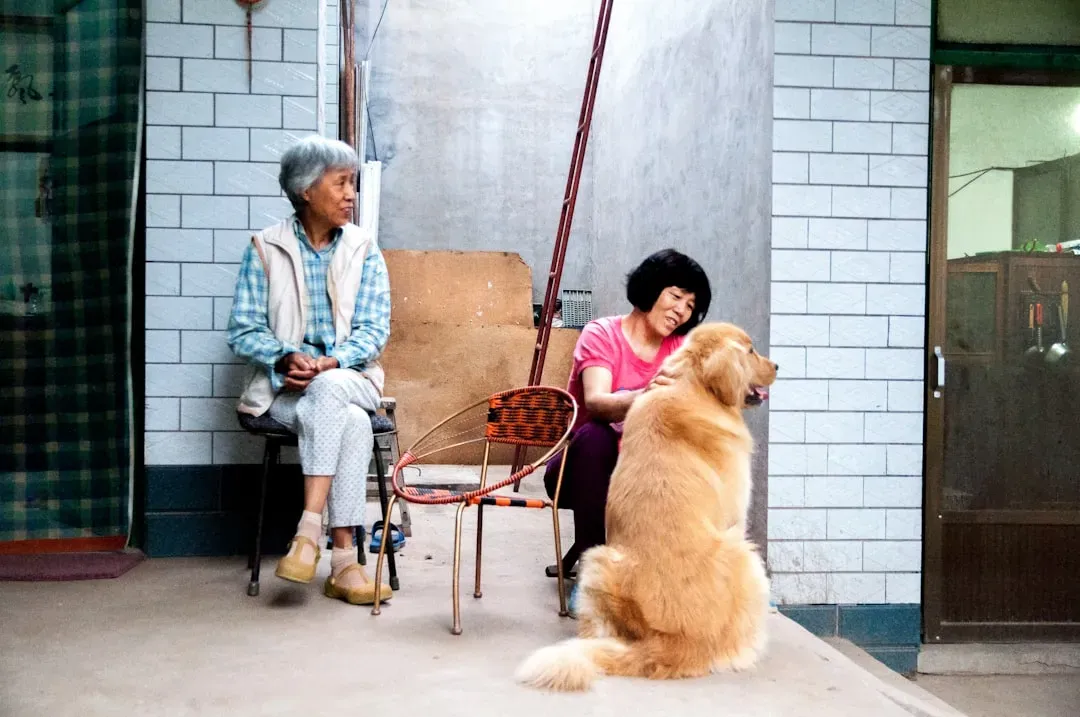
What dogs offer aging humans isn’t magic, but it can feel like it. The lean against your knee, the morning nudge, the steady breathing beside you on a hard night – these simple acts carry real physiological and emotional weight backed by a growing body of research.
Pet ownership has a profound impact on senior health, providing emotional support, improving mental health, and enhancing overall well-being, ultimately leading to a better quality of life for the elderly. That’s not a sentiment. That’s science catching up to what dog owners have known all along.
The most powerful thing a dog does for an aging person may simply be this: it reminds them, every single day, that they are needed, they are not alone, and there is still a warm, living reason to get up and face the world. That’s worth more than almost anything a prescription can offer.


