
Picture this: it’s a sweltering July afternoon, and your dog is sprawled on the kitchen floor, panting heavily, tail barely moving. You think they’re just tired from their morning walk. Maybe they are. Or maybe they’re telling you something more urgent.
The trouble is, dogs can’t speak up when they’re dangerously hot. Unlike humans, dogs cannot sweat through their skin. They mostly rely on panting to regulate their body temperature, which is less efficient at cooling them down. That gap between what we assume and what’s actually happening inside our dogs’ bodies is where heat-related illness quietly takes hold.
The good news? Keeping your dog safe, cool, and genuinely comfortable in summer isn’t complicated. It just takes the right knowledge, applied with consistency and care. These nine strategies are practical, vet-informed, and built for real life with a real dog by your side.
1. Rethink Your Walk Schedule Entirely
Most dog owners know summer mornings are better for walks, but “better” isn’t quite specific enough. While the most direct sunlight occurs around noon, the day will be hottest towards late afternoon, around 3 to 5 p.m. Plan for walks in the early morning or evening hours to avoid the hottest times of the day. That window matters more than most people realize.
Strenuous exercise should be especially avoided during the hottest parts of the day, very humid days, and during the early summer when pets may not yet be acclimated to the higher temperatures. This is a detail many owners miss in the first warm weeks of the season, when enthusiasm outpaces caution.
Your pup may think playing fetch for hours in the sun sounds like a great plan, but on hot summer days try to limit their exercise time and intensity. High-energy dogs and those that love to play have a hard time knowing when they’ve had enough. They rely on you to make responsible choices for them. That responsibility is one of the most meaningful parts of sharing your life with a dog.
2. Always Check the Pavement Before You Step Out
Hot pavement is one of the most underestimated hazards of summer dog walking. Blacktop retains a lot of heat and can be much hotter than the ambient temperatures. While the pads on dogs’ paws are a lot tougher than our skin, they can still suffer burns from walking on hot pavement. If you cannot put your own hand or stand barefoot on the pavement for about 10 seconds, then it is likely too hot for your dog to walk on too.
On walks in the heat, you may also risk their paw pads getting burnt. As a general rule, if the ground is too hot for your hand, it’s too hot for your dog’s feet. Stick to grassy paths, shaded trails, or early morning routes when the pavement has had the overnight hours to cool down.
3. Hydration Is Non-Negotiable – Make It Easy
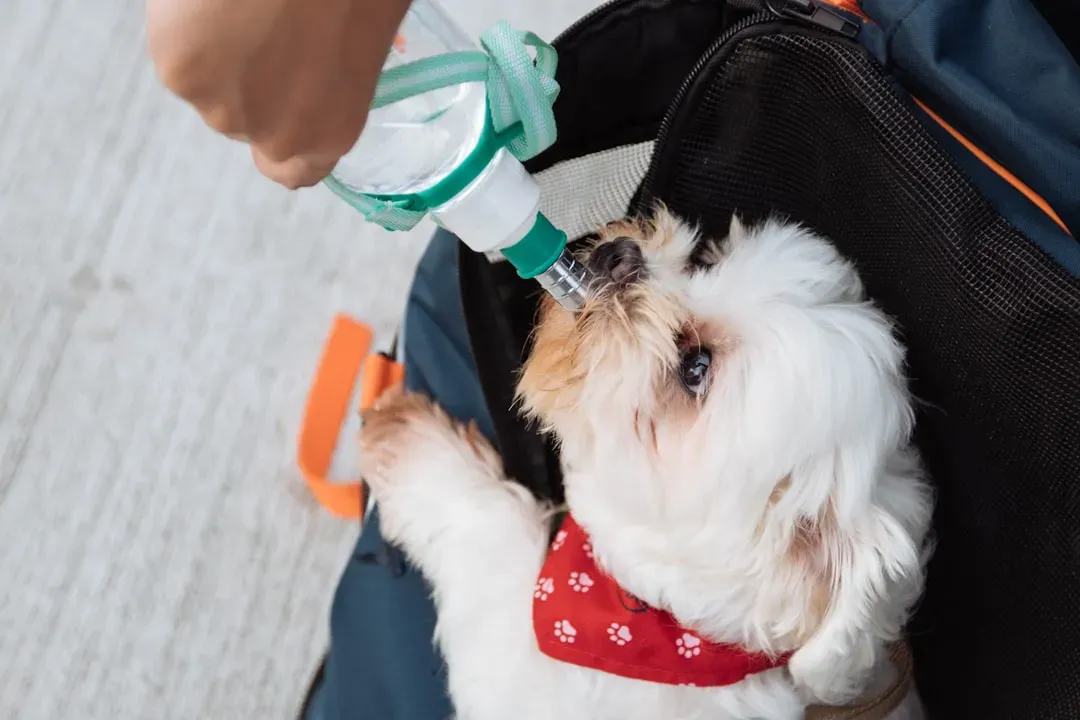
Keeping your dog hydrated is the most important step in a heatwave. You should give your dog plenty of opportunities to drink cool, fresh water. Place multiple bowls in different spots around the house and in the garden. Multiple access points mean your dog doesn’t have to go far when thirst hits.
It’s estimated that a dog’s water requirements may more than double when exercising in warm temperatures. Bring a portable, collapsible water bowl or squirt bottle and make sure they receive adequate hydration by giving small amounts of water every 15 to 20 minutes during exercise. On outdoor adventures, that collapsible bowl is one of the most useful things in your bag.
Dogs need approximately 1 ounce of water per pound of body weight daily. In hot weather, this increases to roughly 1.5 to 2 ounces per pound. For larger breeds, that’s a significant volume, so topping up water frequently throughout the day isn’t extra care – it’s basic summer care.
4. Create a Cool Indoor Retreat

In extreme temperatures, high humidity, or on days when there is a dramatic temperature change, it may be best to keep pets cool indoors, ideally with air conditioning or fans. This isn’t coddling your dog; it’s simply recognizing that some days are too hot for outdoor rest, full stop.
Your dog may gravitate towards cool surfaces when they feel hot. There are a range of specially-designed cooling mats available to buy. These are especially useful if you do not have any cold or stone surfaces in your home. Tile floors, basement spaces, and shaded corners are your dog’s natural summer allies.
For outdoor dogs or dogs spending time in the yard, avoid relying on a dog house for shade. Most dog houses don’t allow for airflow, making them dangerous in the summer heat. If you need to keep outside dogs cool in summer, give them plenty of shady areas where they can lounge with fresh, cool water on hand.
5. Add Water Play to Your Dog’s Summer Routine
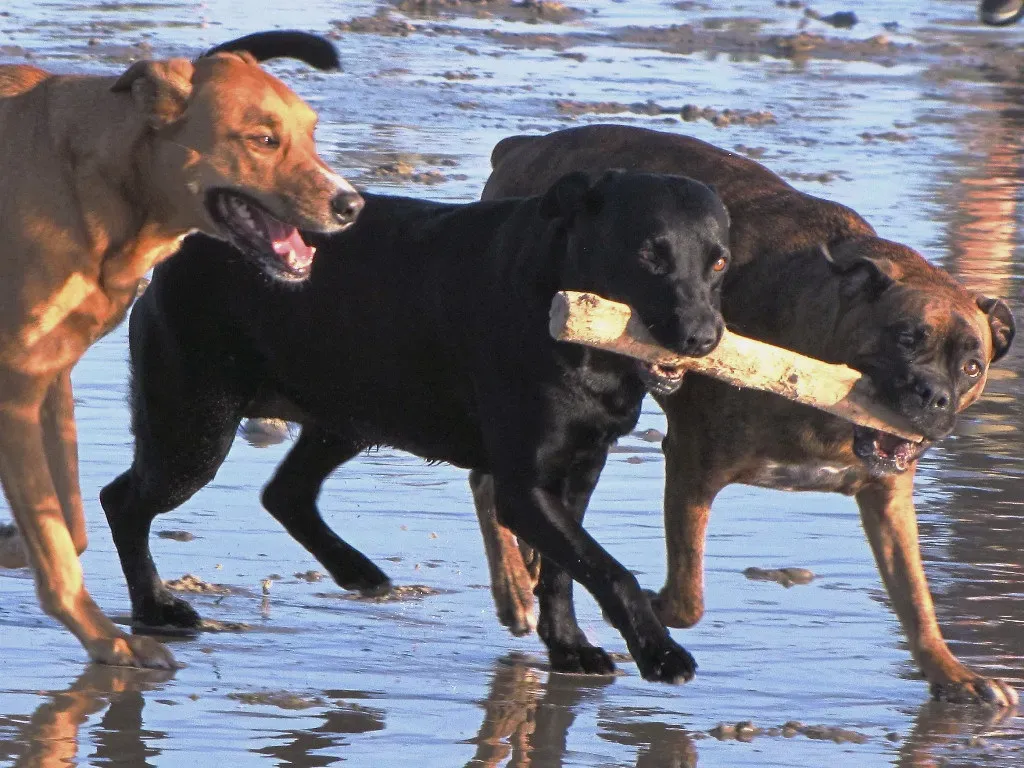
If your dog tolerates water, summer is the perfect time to lean into it. A wet dog is a cool dog. Plan outdoor summer activities with your dog that involve playing in water, whether it’s running through sprinklers or swimming in pools or lakes. Water activities are one of the most fun ways to protect your dog from the summer heat.
A paddling pool in a shady spot can provide a refreshing escape for your dog. As dogs release heat through their paws, it’s an effective way of cooling them down quickly. Fill the pool halfway with cold – but not freezing – water, and add some of your dog’s favourite toys to encourage them.
One important caveat: not all dogs naturally love the water, and that’s perfectly fine. Use frozen toys, paddling pools, or water sprinklers to entertain and cool your dog down. But remember, not all dogs like water, so don’t force them if they don’t want to. Gentle encouragement works; pressure doesn’t.
6. Use Cooling Tools the Right Way
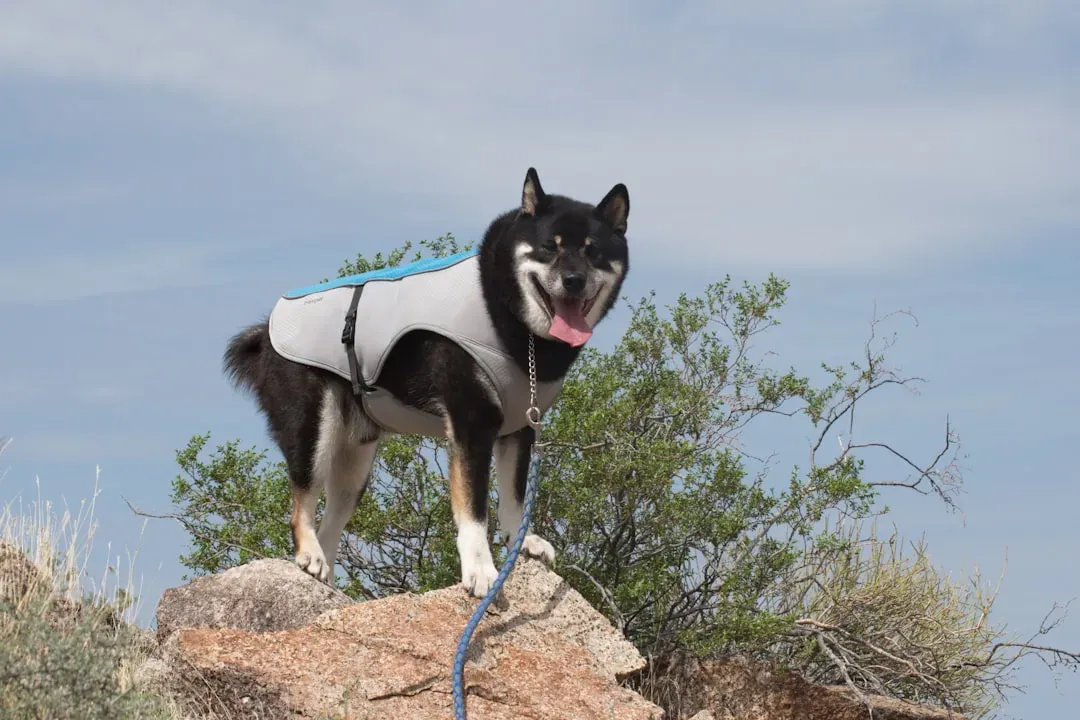
Cooling vests, damp towels, and spray bottles are all effective tools – but only when used correctly. A cooling vest deflects the heat and cools the dog through evaporation, while a cooling crate pad or a cold, wet towel can be spread out for your dog to lie on. These work by encouraging evaporation, which draws heat away from the body.
There’s one important mistake to avoid when cooling an overheated dog. You don’t want to put anything ice-cold onto a dog, because that shrinks the blood vessels and actually generates more internal heat. Room temperature or slightly cool water is always the right call. Place a cool, wet towel on your dog’s underbelly and inner thighs. The femoral artery is located in this area and can help regulate your dog’s body temperature.
A spray bottle filled with cool water works well too. Spray the underside of your dog’s body that’s not exposed to the hot sun, such as the groin area where the hair is less dense, the bottoms of their feet, and inside their mouth. These targeted spots make a real difference in how quickly your dog cools down.
7. Know Your Dog’s Individual Risk Level
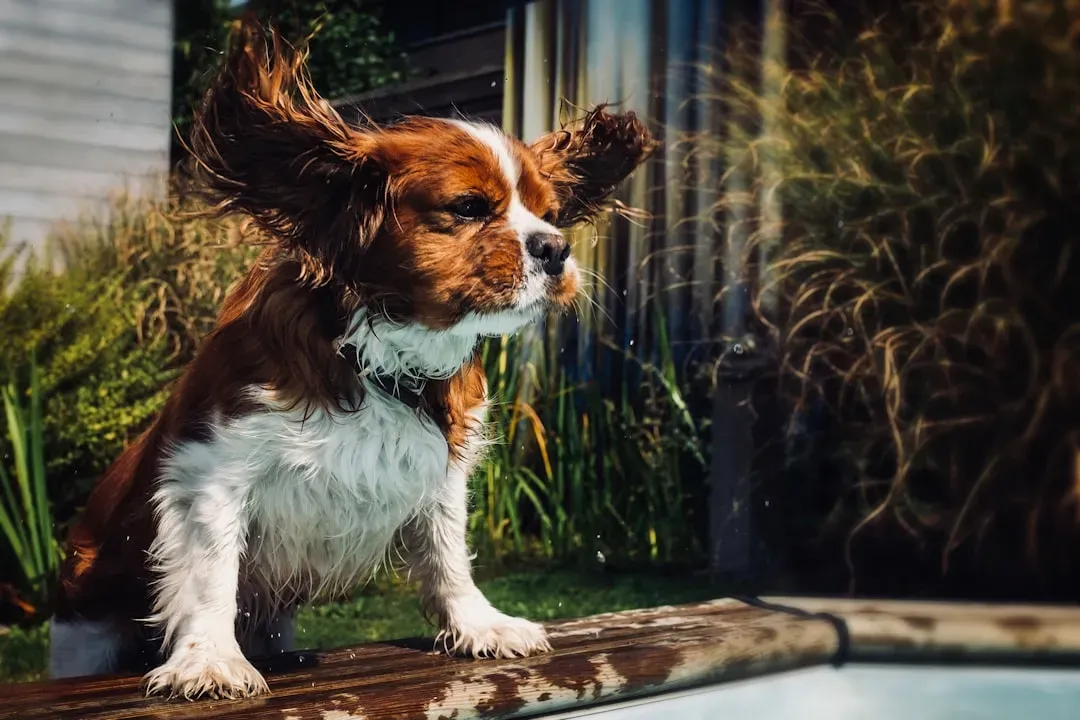
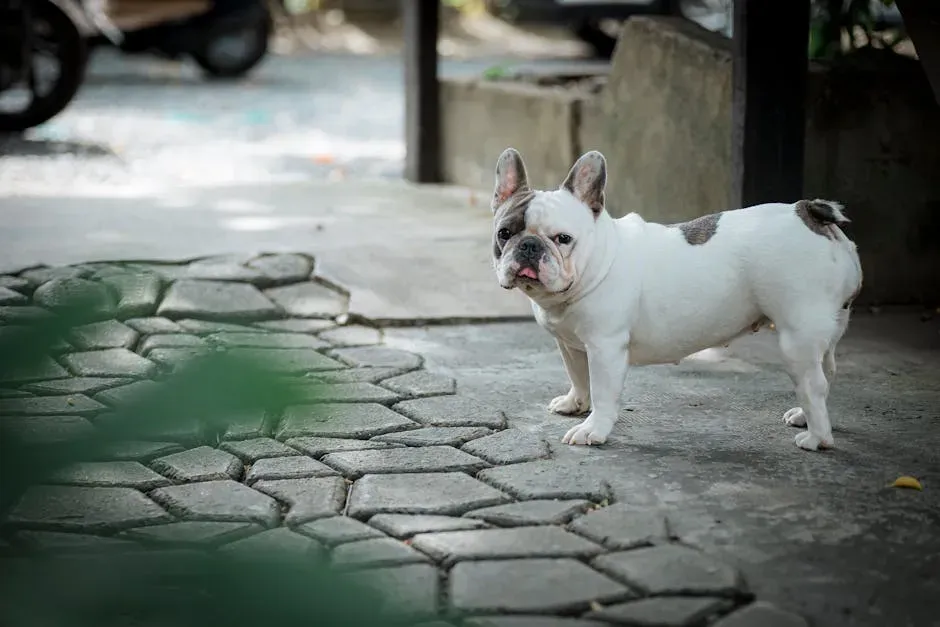
Not all dogs face the same level of heat risk, and knowing your dog’s specific vulnerabilities can help you act sooner and smarter. Brachycephalic breeds, also called short-nosed or snub-nosed breeds like Bulldogs, Pekingese, and Pugs, are at an increased risk for breathing issues when it’s hot out. Because of their unique facial structure, they can’t pant as efficiently, which means they can’t cool down as efficiently either. This puts them at higher risk for heat stroke and other heat-related complications.
While sunscreen is important for all dogs, some breeds need special consideration when it comes to the sun. White or fine-coated breeds, like Bull Terriers and Greyhounds, are especially vulnerable to sunburn, while the black coats of dogs like the Schipperke absorb heat, adding to the danger of overheating and heatstroke.
Age, health, breed, and even fur color all play a role in how quickly a dog overheats. Senior dogs, overweight dogs, and those with heart or respiratory conditions all warrant extra caution, even on days that seem mild to us.
8. Learn to Read the Early Warning Signs
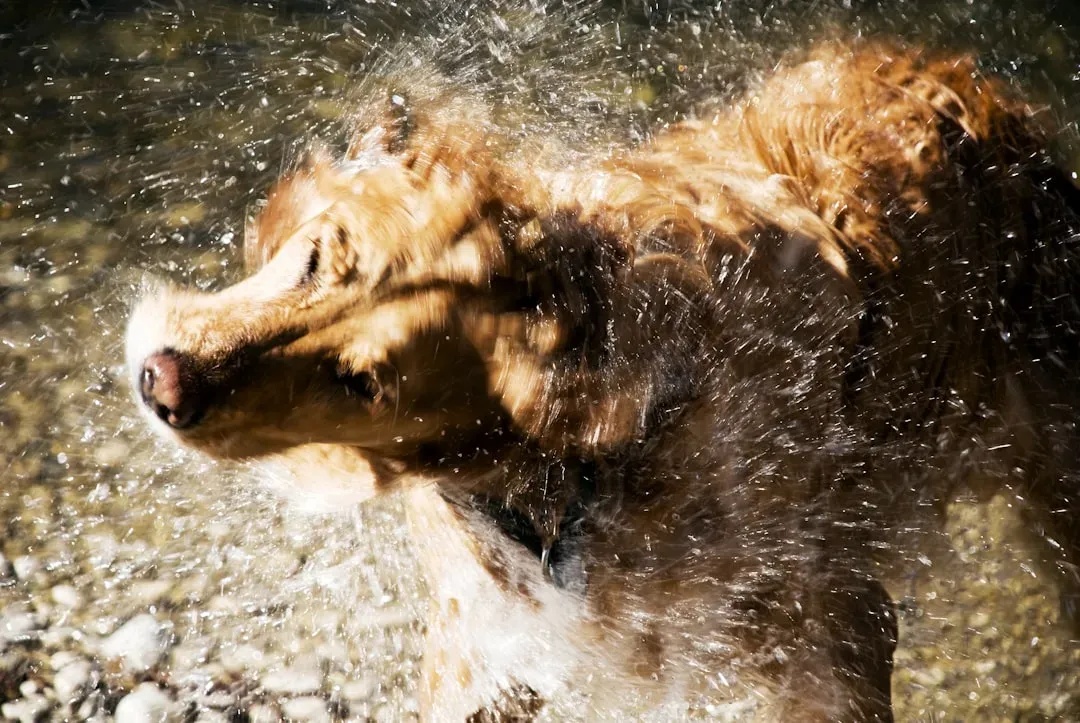
Dogs communicate discomfort through body language long before a crisis sets in. Excessive panting, lethargy, increased drooling, and disorientation are all signs your dog is overheating. By spotting these signs early, you can act quickly before more serious symptoms such as vomiting, collapse, or heatstroke occur.
If your dog suddenly starts holding back on a walk or run, that’s a clear sign to take a break and cool off. Another thing to look for is how they hold their ears and tail. If your dog’s ears are erect and he’s alert and looking around, great. If they start to droop, that’s worrisome. These subtle postural cues are easy to miss when you’re distracted, which is why keeping your dog in your sightline during summer outings matters.
Early signs of heatstroke include heavy panting and rapid breathing, excessive drooling, dry mucous membranes, bright red gums and tongue, skin that’s hot to the touch, and a higher heart rate. If you notice any combination of these, stop all activity immediately and begin cooling your dog before anything else.
9. Never Leave Your Dog in a Parked Car
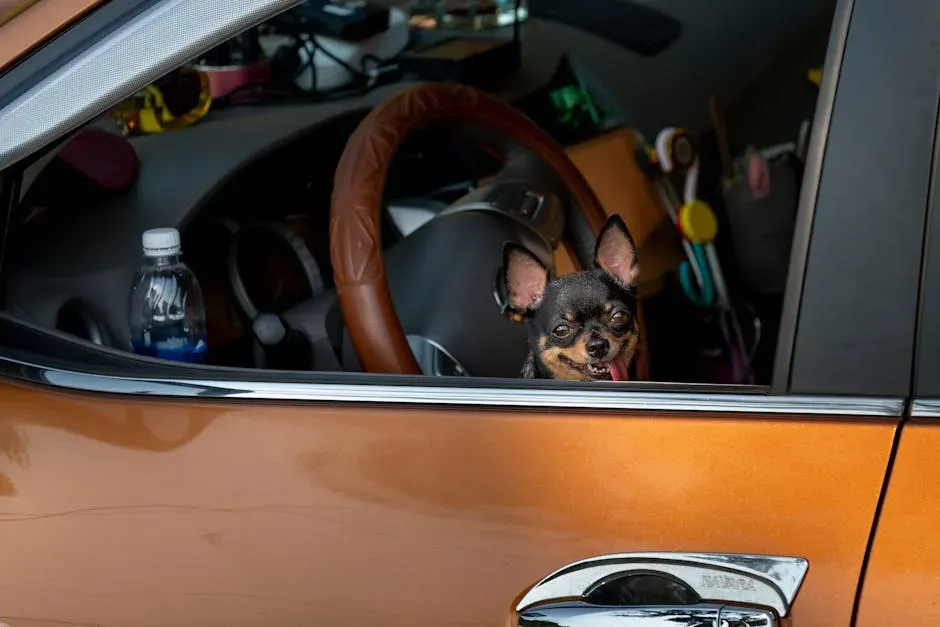
This one deserves to be said plainly, without softening. There is no safe amount of time for a dog to remain in a hot car, and temperatures can rise extremely fast – even with your windows open. This applies to every season, every weather condition, every errand length.
Even if it is only 70 degrees Fahrenheit outside, the temperature inside of the car can increase by 40 degrees in an hour. This can happen even more quickly, since the majority of the temperature increase occurs during the first 15 to 30 minutes. That’s the window where serious harm can begin.
The most common cause of heat stroke or hyperthermia is leaving a dog in a car with inadequate ventilation. The dog’s body temperature in this situation can elevate very rapidly, often within minutes. If your plans involve stops where your dog can’t come with you, the right call is always to leave them safely at home.
What to Do If Your Dog Overheats
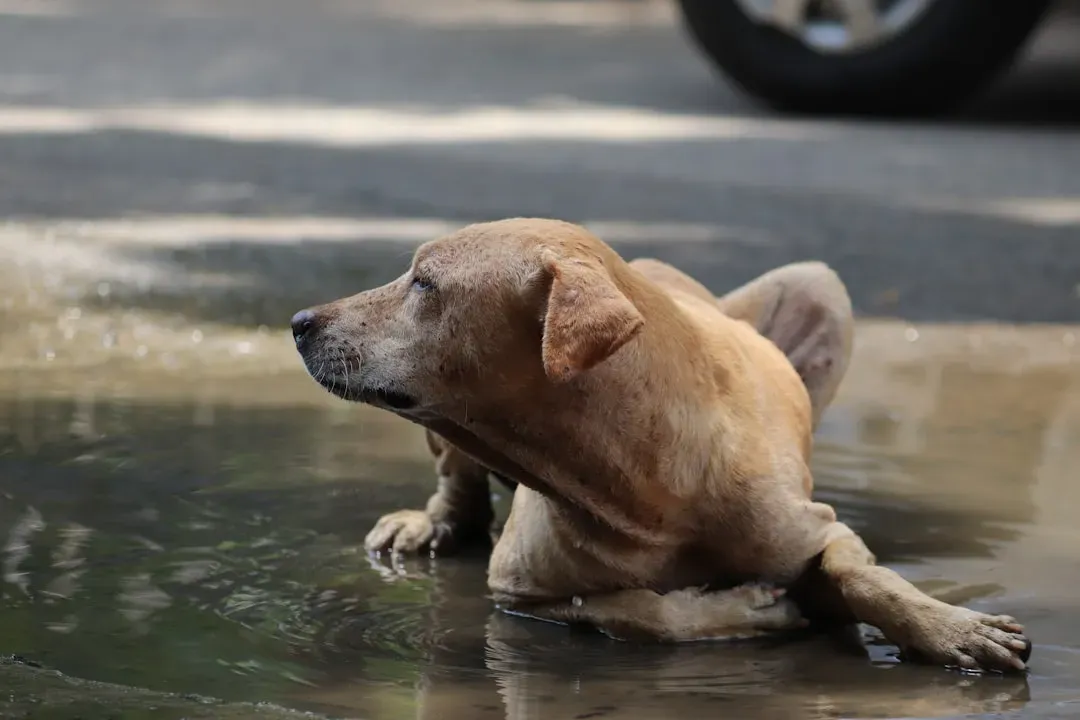
Even with every precaution in place, emergencies can still happen. Knowing how to respond quickly can make a decisive difference. If you suspect your dog is suffering from heatstroke, move them to a cool place and keep them still and calm. Wet their coat with cold water, ideally poured over your dog constantly to decrease their body temperature as fast as possible, and contact your vet immediately.
Cooling your pet prior to arrival at the hospital has been shown to increase their chances of survival from 50% to 80%. The cooling technique is crucial to preventing more damage. When cooling your pet, never use ice, as it can increase the risk of shock and even cause hypothermia.
Even if your dog seems stable, it’s a good idea to contact your vet, who can advise you on whether your dog needs to be evaluated and, if necessary, treated for heatstroke. Seeming okay and being okay are two different things after a heat event, and a professional check is always worth it.
A Final Word for Every Dog Owner This Summer
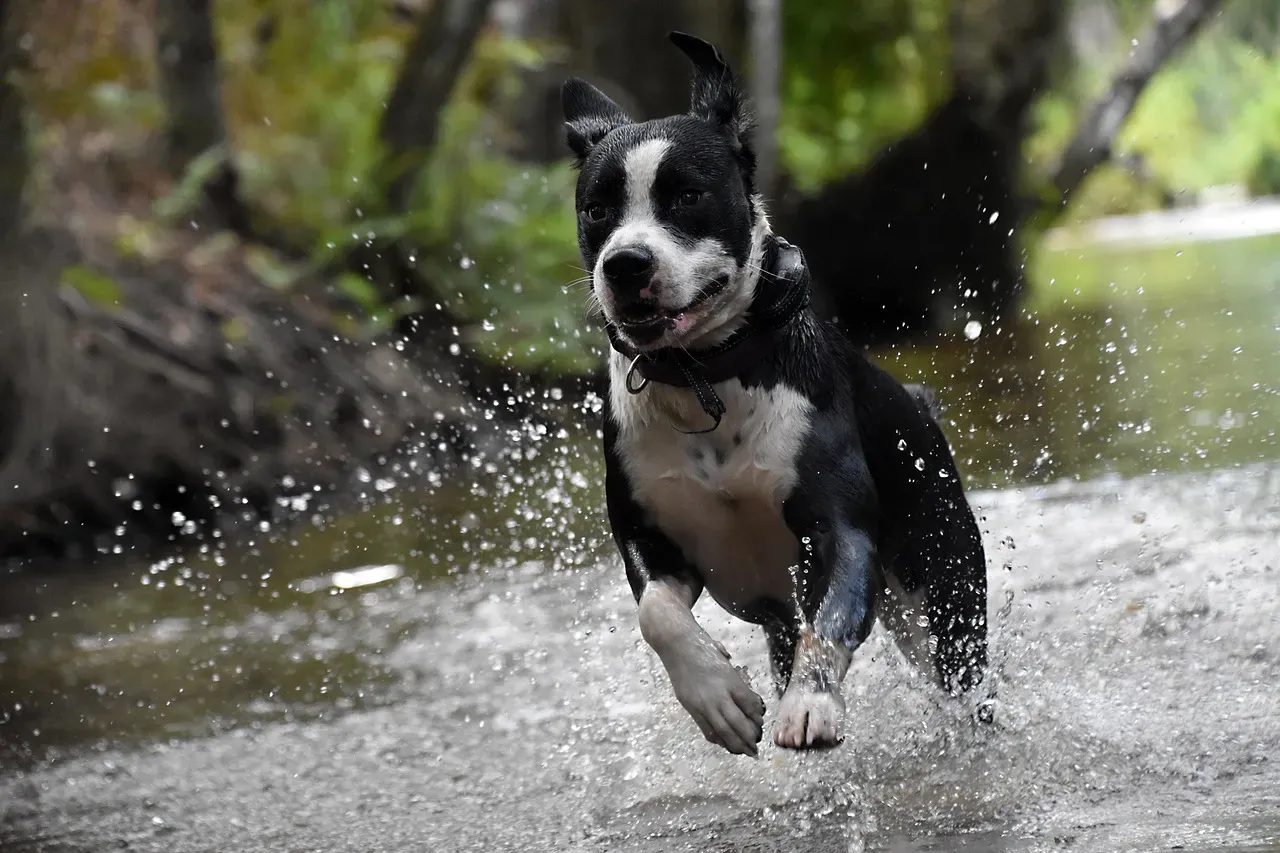
Summer with a dog should be joyful. Morning walks before the world wakes up, backyard sprinkler sessions, shaded picnic spots – it’s genuinely one of the best seasons for bonding with your dog. The heat is just a variable you need to plan around, not a reason to stay indoors together all season.
The nine strategies above aren’t a rigid checklist. They’re a toolkit. Use the ones that fit your dog’s breed, age, personality, and lifestyle, and stay flexible as conditions change day to day. Some days call for a full walk; others call for a shaded yard, a frozen treat, and a cooling mat.
Your dog trusts you completely. In summer, that trust means watching the thermometer, reading their body language, and choosing their comfort over convenience. That quiet, consistent care is something they feel, even if they can’t say so.


