
You’ve probably come home more than once to a suspiciously rearranged couch cushion, a mysteriously empty counter, or a dog who greets you with just a little too much enthusiasm – like they’re overcompensating for something. Dogs have a whole private life going on when you step out. Some of it is harmless and absolutely adorable. Some of it is a window into how they’re really feeling when no one’s around to notice.
When left to their own devices, dogs engage in a surprisingly diverse range of behaviors. They sleep, play, patrol, and sometimes even exhibit signs of anxiety or boredom, depending on their personality, environment, and level of training. The more you understand what’s happening behind closed doors, the better equipped you’ll be to support your dog’s well-being – even when you’re miles away.
1. They Sleep (A Lot More Than You’d Think)
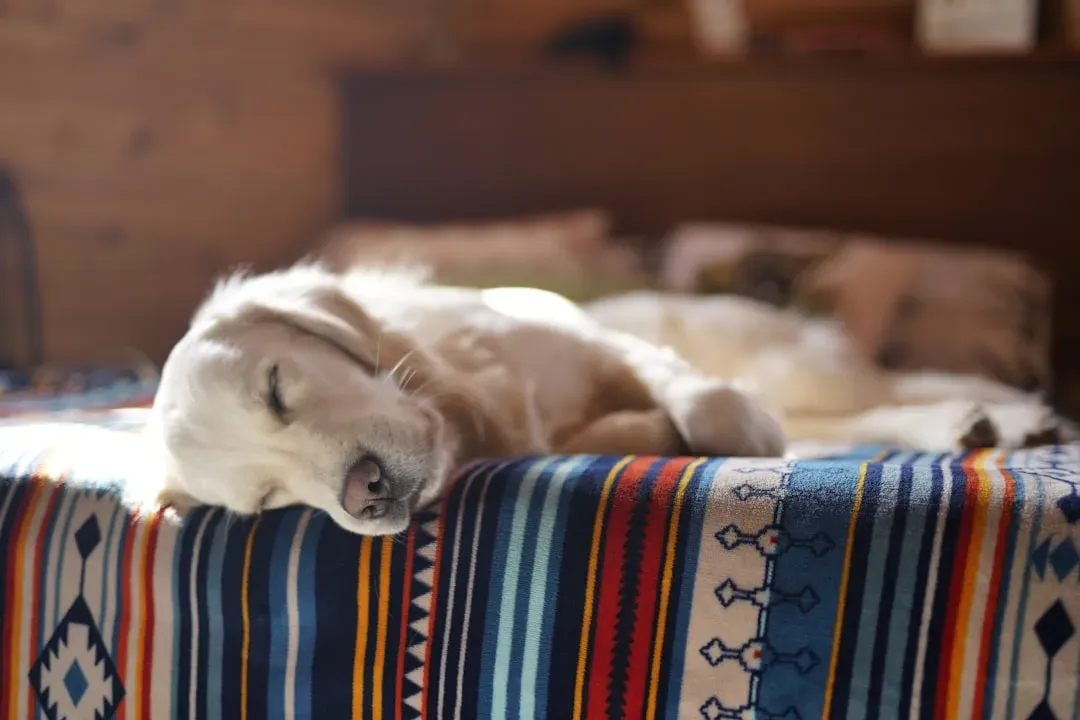
This might sound anticlimactic, but it’s actually reassuring. Dogs typically sleep anywhere from 12 to 14 hours a day, and when left alone, they often find a cozy spot – whether it’s a favorite bed, a sunlit patch on the floor, or a comfortable chair – and curl up for a nap. It’s their default mode, not a sign of sadness.
Dogs are crepuscular animals by nature, meaning they are most active during dawn and dusk. During the day when left alone, many dogs simply choose to rest or sleep. So that long absence you’ve been feeling guilty about? Your dog may have slept right through most of it.
Experts emphasize that dogs spend most of their solitary time sleeping, and that this is healthy as long as the rest of their environment is sufficiently stimulating. The key is making sure the time they are awake – and the time you spend together – actually counts.
2. They Dream About You
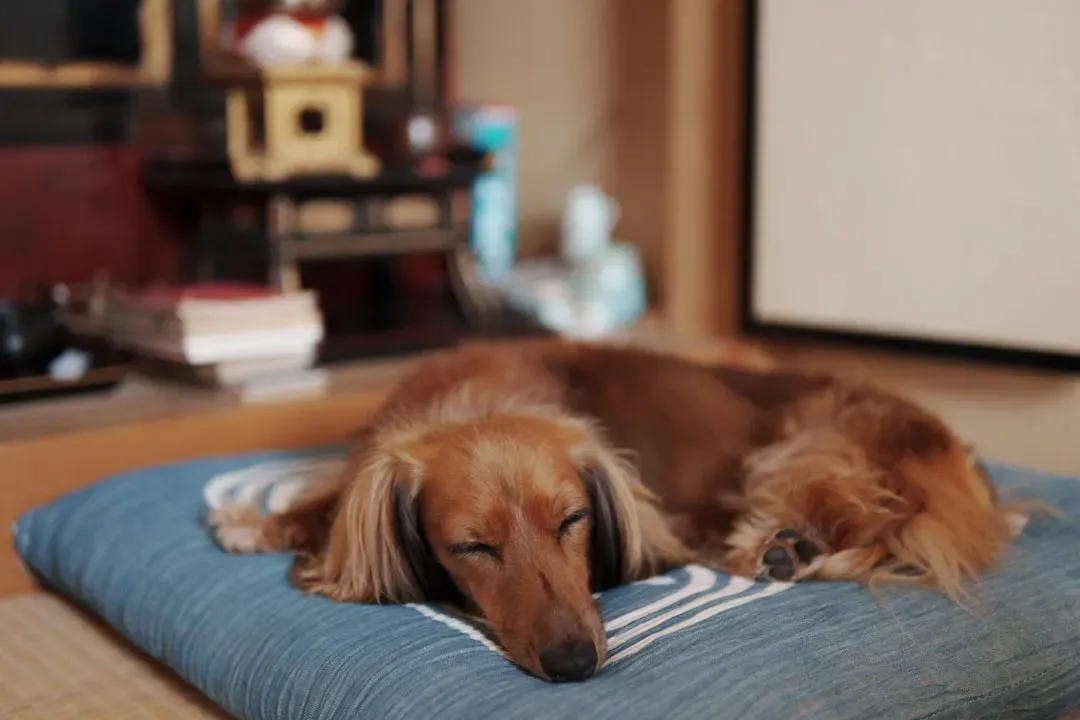
Dogs do dream, and science has shown that their sleep patterns share striking similarities to humans. When your dog dozes off after a long day at the park, their brain enters a series of sleep stages that allow them to process experiences, store memories, and even relive their favorite moments.
While we can’t ask our pets if they’re dreaming, scientists have learned that dogs go through similar brain-wave patterns as humans do during deep sleep. Dogs also experience REM sleep – the same stage when we dream – meaning it’s likely our pets dream just as we do. Scientists and psychologists believe that dogs dream about their everyday adventures, replaying things like play sessions, walks, or favorite games.
Those twitching paws and soft little yips are more than cute. Some dog breeds even act out breed-specific behaviors in their sleep, such as pointers pointing and spaniels showing flushing behaviors. If you want your dog to have sweet dreams, a mentally and physically fulfilling day genuinely makes a difference. While most twitching during sleep is harmless and dream-related, there are times to be cautious: if movements are stiff, last a long time, or are accompanied by drooling, confusion, or incontinence, they could point to something more serious, such as a seizure. When in doubt, a quick call to your vet is always the right move.
3. They Guard the House Like It’s Their Job
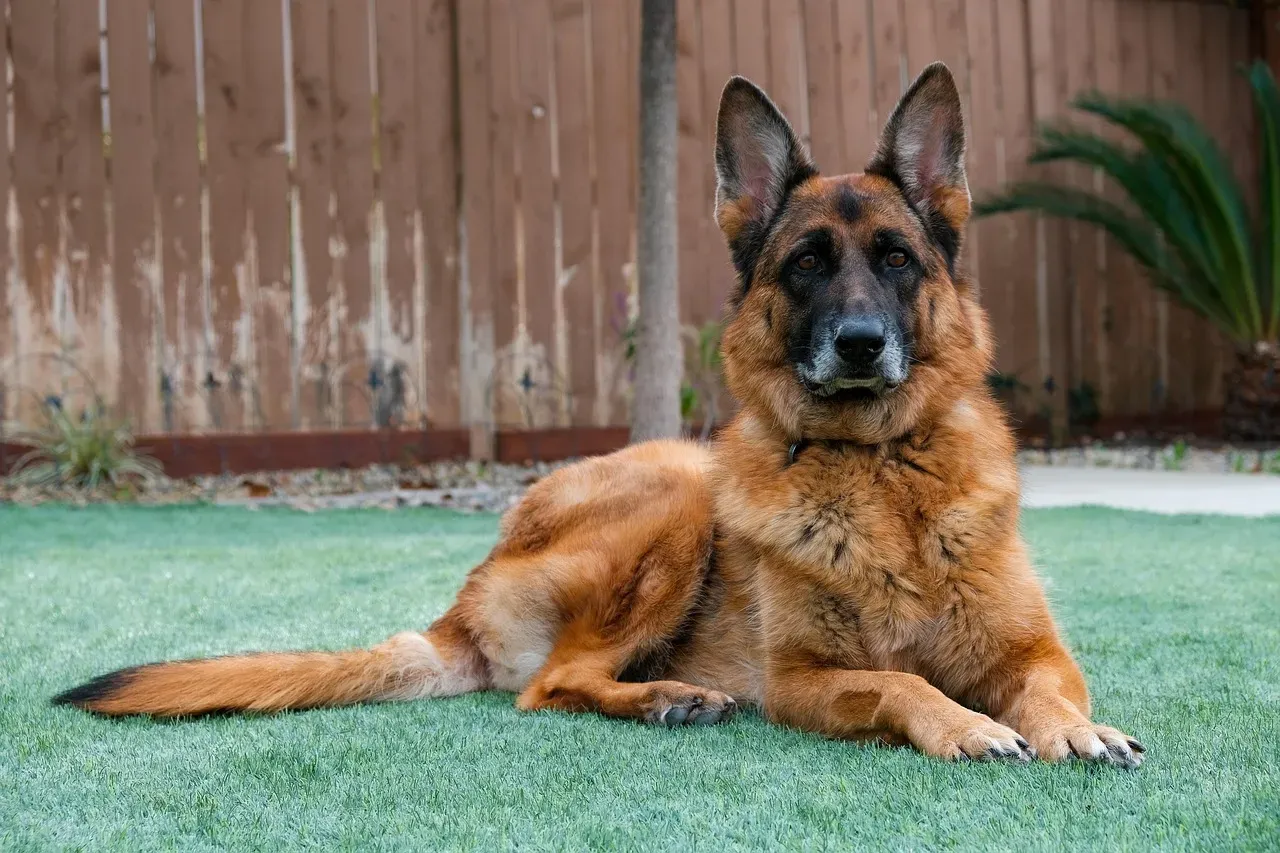
Dogs are natural protectors, and even when you’re not home, they might take their guarding duties seriously. They may bark at unfamiliar sounds or movements outside, ensuring they alert you to any potential threats. This behavior is instinctual and part of their protective nature.
When not peacefully snoozing, dogs may also engage in what is known as “vigilant behavior” – performing their self-assigned duty of guarding your home. Dogs have keen hearing and are sensitive to a wide range of sounds in their environment. When home alone, dogs may listen intently to various sounds, including the chirping of birds, rustling of leaves, or distant noises from neighboring homes or streets. Dogs have an innate sense of vigilance and may remain alert even when left alone.
This guarding instinct is deeply embedded in canine DNA, so it shouldn’t concern you on its own. Many dogs with barking tendencies are merely exhibiting normal canine behavior in response to environmental stimuli. Some breed types, including terriers and scent hounds, have been bred to bark more than others. If the barking is constant and distressed-sounding, that’s worth investigating further with a trainer or vet.
4. They Steal Your Spot on the Couch
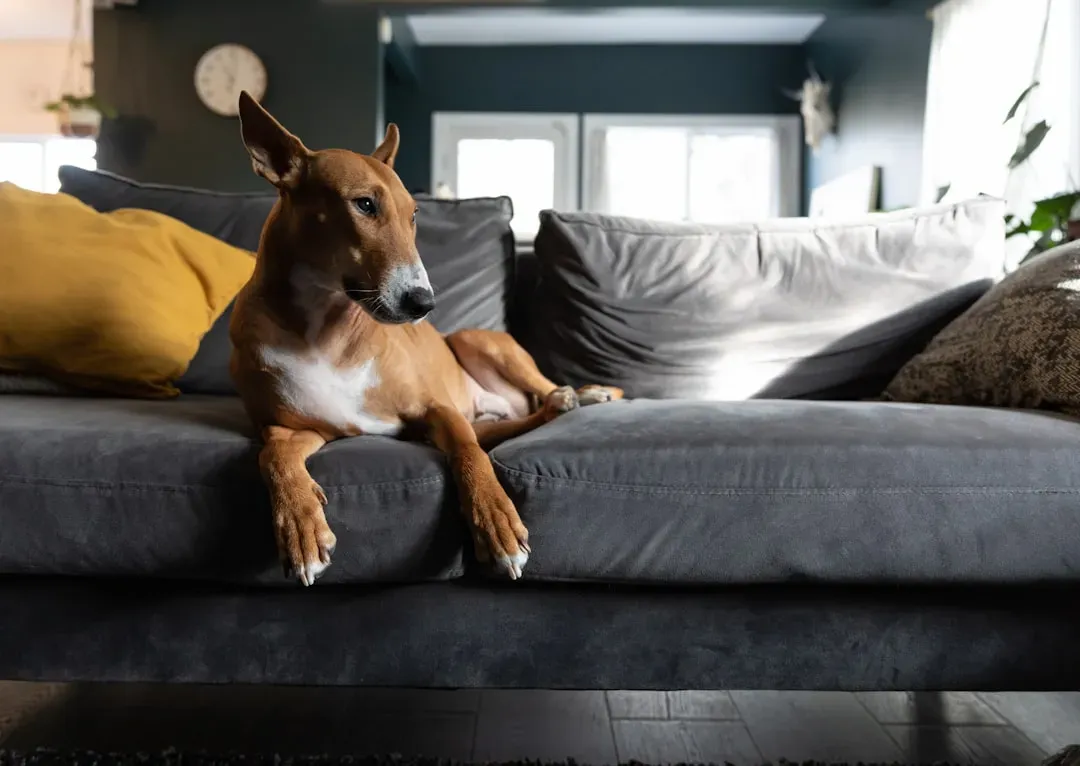
Dogs may seek comfort in your absence by curling up in your favorite chair or lying on your bed. The familiar scents and warmth can provide a sense of security and help them feel closer to you when you’re not around. It isn’t defiance. It’s actually a sign of attachment.
MRI tests of dogs’ brains confirm that dogs associate the sounds and smells of their preferred humans with positive rewards. Because dogs are intelligent and perceptive about their environment, they quickly figure out patterns that indicate a human is about to leave – and clearly communicate feelings of distress when that happens. Settling into your scent is one way they self-soothe.
This behavior is generally harmless, but worth being intentional about. If you’d rather keep the furniture dog-free, a comfortable dog bed placed near your usual spot can offer the same sensory comfort. The goal is the smell and the warmth – not necessarily your actual cushion.
5. They Counter-Surf the Kitchen

That sandwich you left on the counter? Fair game, according to your dog. Smart dog owners understand that canids are naturally “opportunistic eaters” – they are genetically programmed to eat food when they see or find it. A pooch is less likely to grab food off the counter when a human is next to the food, probably because he considers the food to be in the human’s possession. But as soon as food is left unattended, there is nothing to stop a dog from seeing the food as a community morsel.
While pet owners might find counter-surfing dogs amusing, it is potentially a very dangerous habit. Just think of your dog getting hold of something poisonous or knocking over a boiling saucepan. It is the pet parent’s responsibility to take proper preventive measures.
Every time your dog jumps up on the counter and snags even a crumb of food, they’re hugely rewarded, which means that behavior will be repeated, without doubt. Your dog simply cannot be rewarded with food, which means you simply cannot leave food out. The most effective prevention tip is also the simplest: keep counters clear when you leave. Baby gates to block kitchen access are another practical solution that works surprisingly well.
6. They Hide or Rearrange Their Toys
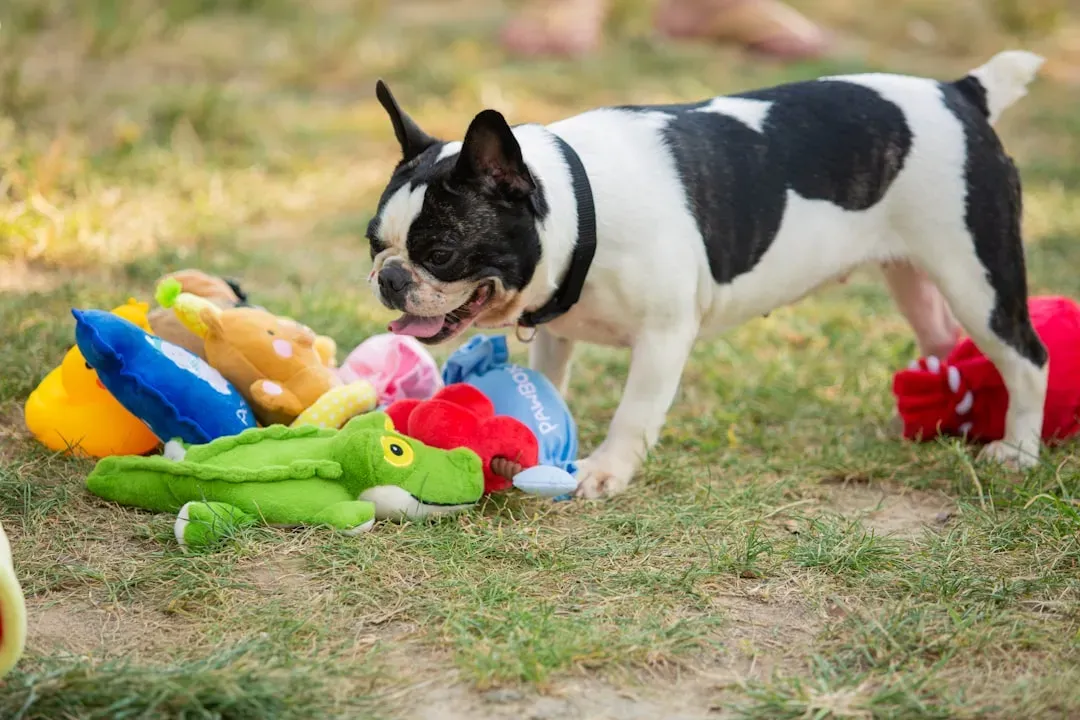
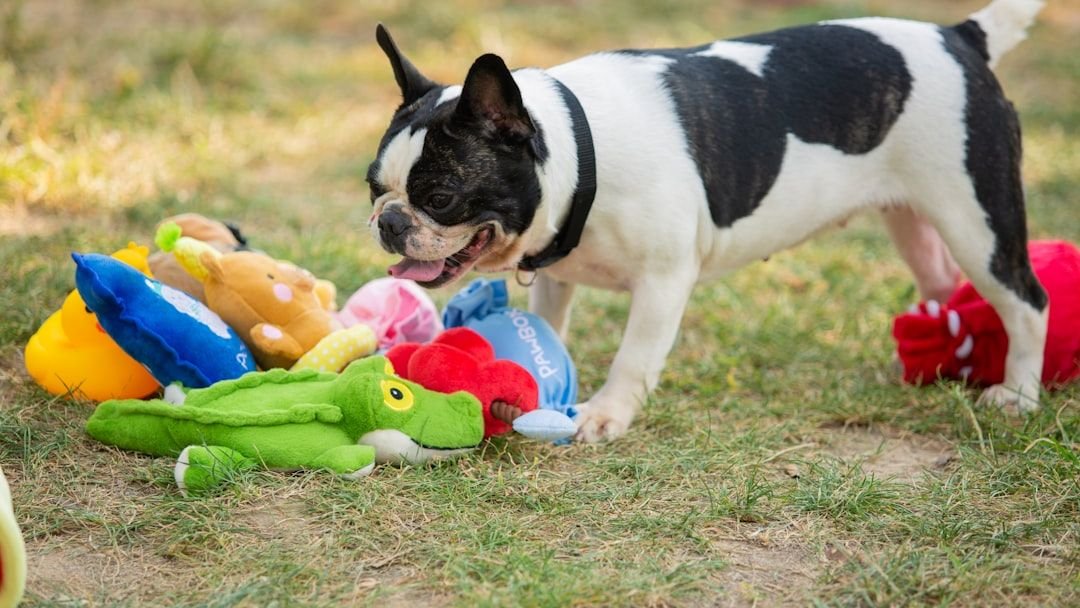
Do you often come home to find your dog’s toys spread around the house? Just what is your dog doing with all those toys? Some dogs like to take all their toys out of their basket without ever playing with them. They hide them around the room, sometimes in places even they struggle to remember. It looks chaotic. It’s actually instinct.
This behavior is rooted in the ancestral drive to “cache” valuable resources. Toys are essential for a dog’s mental and physical well-being, and many dogs enjoy playing with them even when left alone. Toys that dispense treats or provide mental stimulation, such as puzzle toys or chew toys, can keep dogs entertained and engaged while their owners are away.
If you come home to a scattered toy collection with no obvious reason, take it as a good sign. Your dog found something to do. The more enrichment toys you provide – especially food-dispensing or puzzle varieties – the more likely your dog is to stay mentally engaged rather than turning to less desirable solo hobbies.
7. They Vocalize When No One Answers
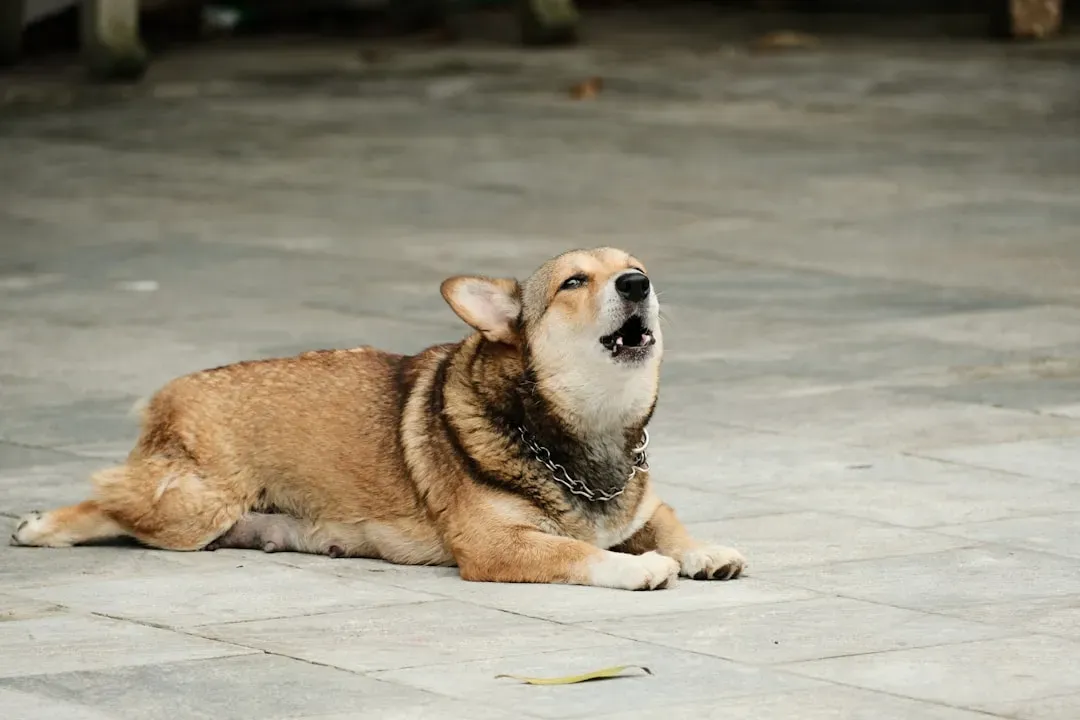
When dogs are left at home alone, they may become anxious and voice their dismay by barking or howling. Some dogs are vigilant, too, and will bark whenever they hear an unusual noise. For others, it’s simply how they express the discomfort of being alone.
Dogs can develop separation-related behaviors such as barking, howling, pacing, toileting, or destroying household items when they are left without human company. Research provides empirical support for the assumption that separation-related behavioral responses of dogs might be triggered by different emotions. One of the main eliciting factors of canine attachment behavior is that the dog experiences a moderate level of stress in the absence of the owner.
Red flags to watch for include constant pacing, prolonged howling, or chewing on potentially dangerous items like electrical cords. If your dog’s vocalization seems distressed and consistent rather than occasional, it’s worth setting up a camera to observe them and, if needed, consulting a certified separation anxiety trainer or your vet. Catching this early makes a real difference.
8. They Stand by the Door and Wait
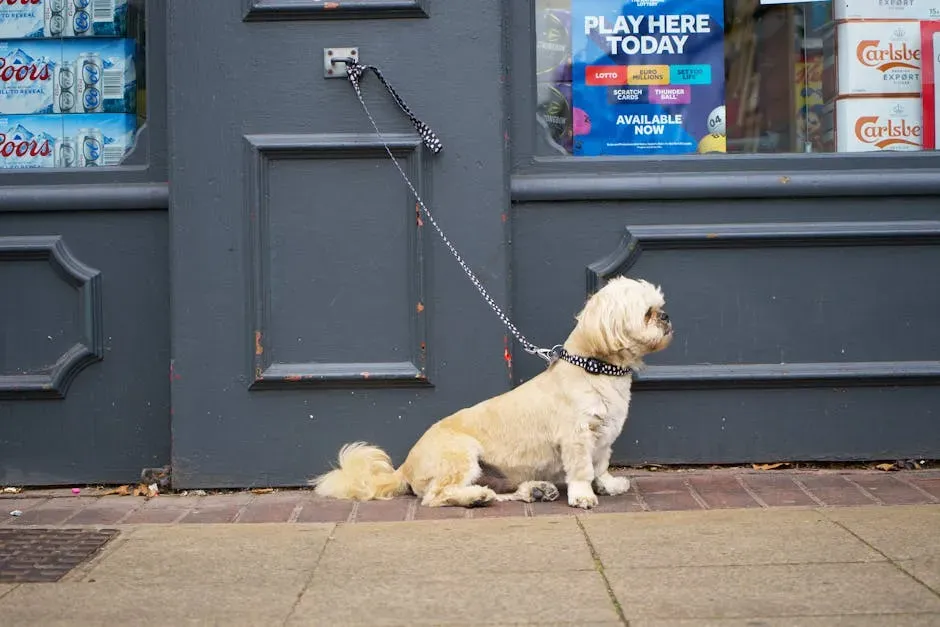
When secretly recorded, dogs who are alone in their homes often spend time at the door where their preferred human left, quite likely hoping they will soon return. It’s one of the most quietly heartbreaking things a pet camera can reveal – and one of the most touching.
If your dog sits right by the door as you leave and hasn’t moved an inch by the time you get back, it’s not necessarily a sign of separation anxiety. Strange as it might sound, they might just be that excited for your grand entrance. Body language context matters enormously here.
Experts suggest that owners work on helping their dogs tolerate being left alone. Dogs are social animals, so the owner leaving can be upsetting. You can help by practicing lots of short departures – like running out to check the mail and coming back in, or taking a quick trip to the grocery store. Building that tolerance gradually, especially with a new dog, can prevent the door-waiting from becoming full-blown separation distress.
9. They Explore Rooms They’re Normally Supervised In
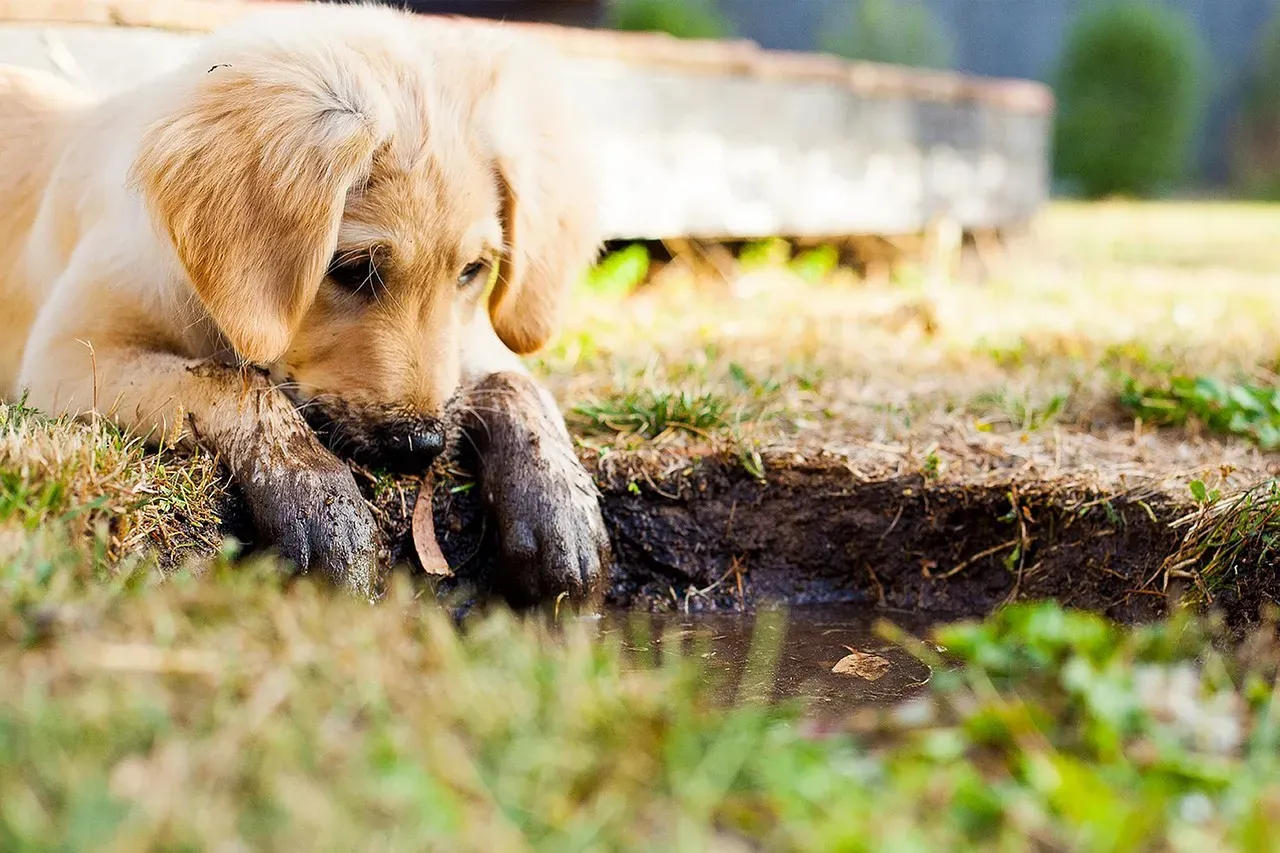
Curiosity is inherent in dogs. When they’re home alone, especially if they’re inquisitive by nature, they might take the opportunity to explore their surroundings. They may sniff around different rooms, investigate corners, and check out objects they might not have noticed when their owners are present.
Some dogs engage in behaviors that are probably less desirable to their owners, like counter surfing, getting into the trash, or vocalizing. Some dogs simply take advantage of the owner not being there to explore places – like the counter – where they are usually forbidden from going. It’s less about rebellion and more about opportunity.
Prevention here is straightforward: dog-proof the spaces your dog has access to. Make sure all food items are put away or stored in dog-proof containers. Make sure you have a lid on your garbage can and it is placed somewhere your dog cannot reach. If your dog has a habit of opening cabinet doors, install child-proof latches. Use baby gates and close doors to keep your dog out of certain areas when you are not around to supervise. A little preparation goes a long way.
10. They Self-Groom, Pace, or Show You Exactly How They’re Feeling

Self-grooming is a natural behavior for dogs and serves several purposes, including cleaning their fur, removing loose hair, and promoting relaxation. Dogs may engage in self-grooming activities such as licking or chewing their fur to keep themselves clean and comfortable while alone. In moderation, this is completely normal.
However, compulsive licking or pacing tells a different story. Beyond simply recognizing absence, dogs also experience a range of emotions associated with being home alone. These emotions can range from mild boredom to severe anxiety. Without stimulation, some dogs become bored and may engage in destructive behaviors. Separation anxiety is a common condition characterized by excessive distress when a dog is left alone.
One common myth is that dogs are just being spiteful when they’re destructive. In fact, destructive behavior is usually a sign of anxiety or boredom, not spite. Research highlights that for many dogs, separation-related behavior occurrence can change with circumstance. Both the development of new behaviors and the improvement of existing signs indicate that such behaviors are not necessarily fixed, and changes in management can influence their occurrence. That’s genuinely encouraging news – it means things can get better with the right support.
Conclusion: Their Secret Life Tells You Everything You Need to Know
Your dog’s solo behavior isn’t random. Every nap in your spot, every toy rearranged, every bark at a passing delivery truck – these are all pieces of who your dog actually is when the social pressure lifts. What dogs do when we are not around also depends on the individual, age, location, and even the quality of relationship we share with them.
By understanding your dog’s individual personality, needs, and behavior, you can create a safe, stimulating, and enriching environment that promotes their well-being, even in your absence. That starts with observation – and if you haven’t set up a pet camera yet, you might be genuinely surprised by what you see.
The hidden life your dog leads isn’t a mystery to be solved. It’s an invitation to know them better. Pay attention to the small signals, respond to the bigger ones, and remember that even the most independent-seeming dog is counting down the minutes until you walk back through that door.


