
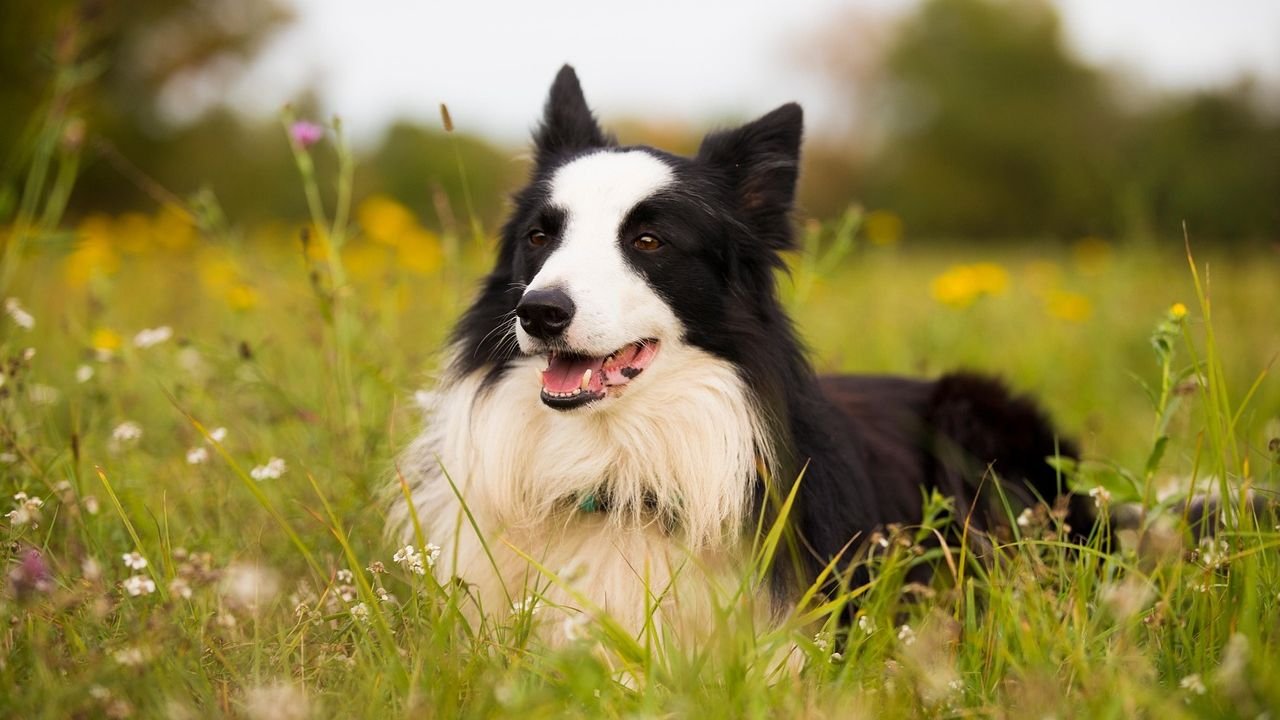
Most of us can read the obvious ones: tail between the legs, cowering under the bed during fireworks. But the truth is, dogs are giving us signals all the time, and most of those signals are surprisingly easy to miss. A flick of the tongue, a sudden refusal to move, a yawn at the exact wrong moment. These are not random quirks. They’re your dog’s attempt to tell you something important.
The signs of anxiety in dogs are often subtle and can easily be misinterpreted unless the full context is understood. That’s exactly why so many overwhelmed dogs get mislabeled as stubborn, badly behaved, or just “weird.” The better you understand what’s really going on, the better you can support the animal who depends on you completely.
1. Excessive Yawning at Odd Moments
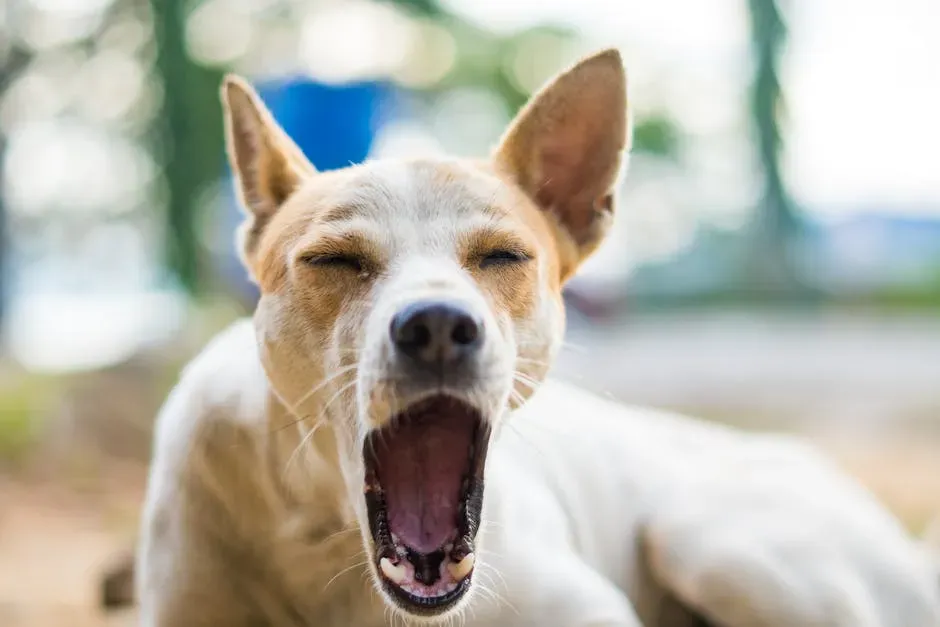
We all associate yawning with tiredness, and a lot of the time, that’s exactly what it is. But context changes everything. Dogs yawn when they are tired or bored, and they also yawn when stressed. A stressful yawn is more prolonged and intense than a sleepy yawn.
Yawning can indicate anxiety, anticipation of something stressful, or an attempt to calm themselves or others in the environment. Some dogs yawn when they’re conflicted about a situation, wanting to do something but feeling nervous about it. If your dog yawns during a training session, while being groomed, or when strangers lean in close, take note. That’s not boredom. That’s a request for space.
Prevention tip: When you notice repeated yawning in a high-stimulation setting, it’s worth stepping back and reducing the intensity of whatever’s happening. Give your dog a moment to breathe before continuing.
2. Lip Licking and Tongue Flicks
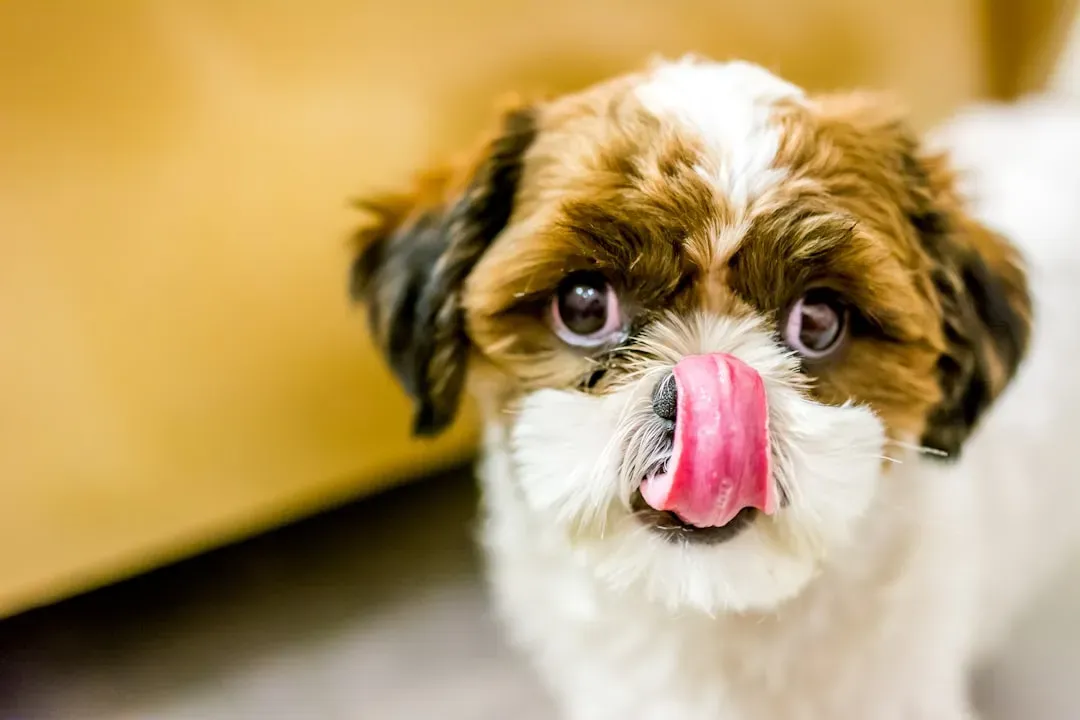
Lip licking is one of the most frequent stress signals dogs display, and it’s often misinterpreted as the dog simply being hungry or licking food residue from their mouth. It looks like a quick tongue flick that licks the nose or lips, often so fast you might miss it if you’re not paying attention. This is different from the slower, more deliberate licking after eating or drinking.
This behavior is a calming signal that dogs use to self-soothe when they’re feeling anxious or to communicate peaceful intentions to others. It’s their way of saying, “I’m uncomfortable with this situation.” You’ll often see it during vet visits, when being hugged or restrained, when meeting unfamiliar dogs, or when you’re speaking to them in a stern voice. Pay attention during training too. If your dog is lip licking frequently during a session, they may be stressed by the training method or environment.
3. Whale Eye: When the Whites Show
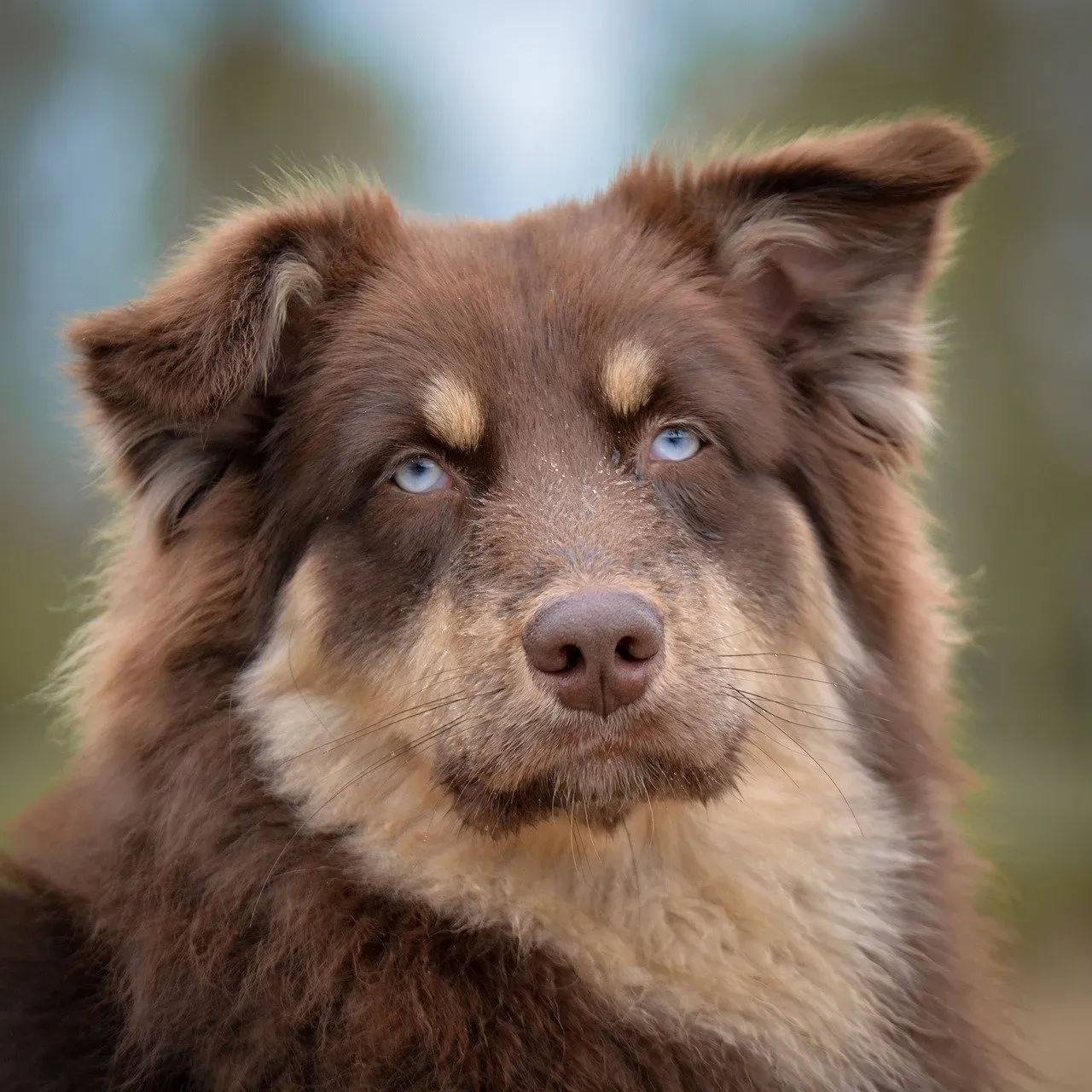
This one has a name for a reason. Dog body language called “whale eyes” is a dog’s way of trying to remove herself from the situation, while also trying to keep an eye out for any potential signs of danger. Her nose will stay pointed forward, but her eyes will move sideways so she can monitor the situation.
Stressed dogs, like stressed people, may have dilated pupils and blink rapidly. They may open their eyes wide and show more sclera, the white, than usual, giving them a startled appearance. Imagine your dog being hugged tightly by an enthusiastic child. If their nose stays forward but their eyes slide sideways, showing white at the corners, your dog is telling you clearly they want out of that situation. Don’t dismiss it.
If you see whale eye, calmly redirect the situation. Move the child gently away, give your dog an exit route, and reward calm behavior afterward.
4. Panting Without Physical Cause
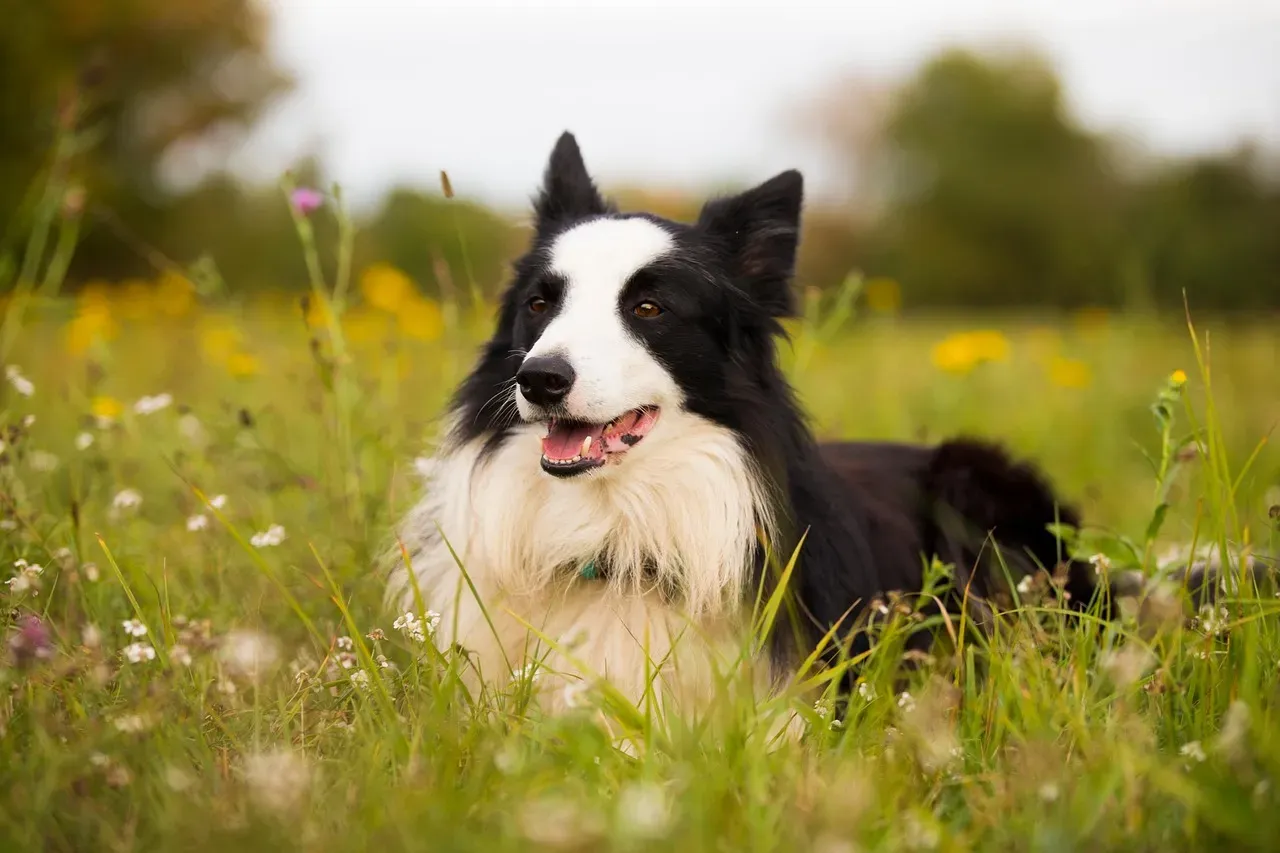
Panting is a known behavior. Dogs pant when hot, excited, or stressed. If your dog is panting even though they have not exercised, they may be experiencing stress. The tricky part is knowing which kind of panting you’re looking at.
The tongue positioning can also help identify stressed panting versus heat panting. Usually a loose, floppy side tongue is more due to heat than anxiety, while a panting dog with a stiffer, more drawn-back tongue is more likely to be stress-related. Watch for this at the vet’s office, at busy dog parks, or during loud social events. If your dog is panting heavily in a cool, calm room, something in their environment is almost certainly causing distress.
5. Sudden and Intense Shedding
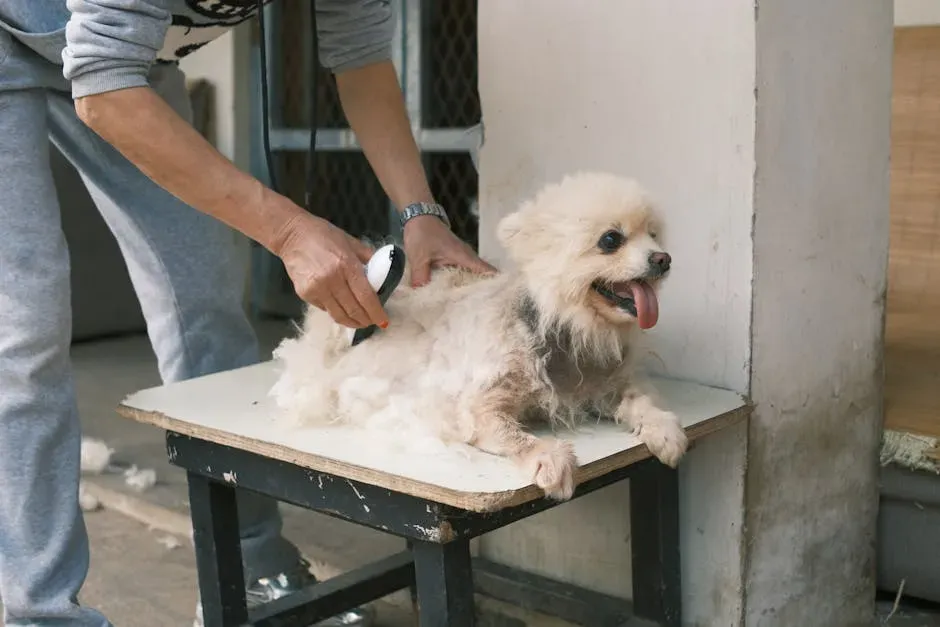
This one surprises a lot of owners. You might not think twice about fur floating off your dog during a routine event, but the timing matters. Shedding is a recognized stress sign. Show dogs that become nervous in the show ring often “blow their coat.” Dogs also shed a lot when in the veterinary clinic. Although less noticeable in outside settings, such as visiting a new dog park, shedding increases when a dog is anxious.
A real-world example: you walk your dog into the vet’s waiting room, and within minutes, the floor is covered in fur despite a recent grooming session. That sudden coat dump is your dog’s nervous system responding to stress hormones. It’s also common for stressed dogs to shed more than usual or have dilated pupils. Noting when and where the shedding spikes can help you identify your dog’s specific stress triggers.
6. Freezing in Place

A dog who suddenly stops moving is often dismissed as being distracted or stubborn. In reality, freezing can be a serious stress signal. Freezing means your dog is feeling overwhelmed, and too stressed to handle the situation. It’s the canine equivalent of a deer in headlights, and it deserves immediate attention.
A dog freezes if they’re scared or guarding something, such as food or a toy, or if they feel cornered. This is a low-level warning sign on the ladder of dog aggression. Not respecting this warning can lead to escalation of growling, snapping, and potentially biting. If your dog freezes during a greeting, a handling session, or a crowded encounter, give them room. A freeze is a yellow light, not a green one.
7. Pacing and Inability to Settle
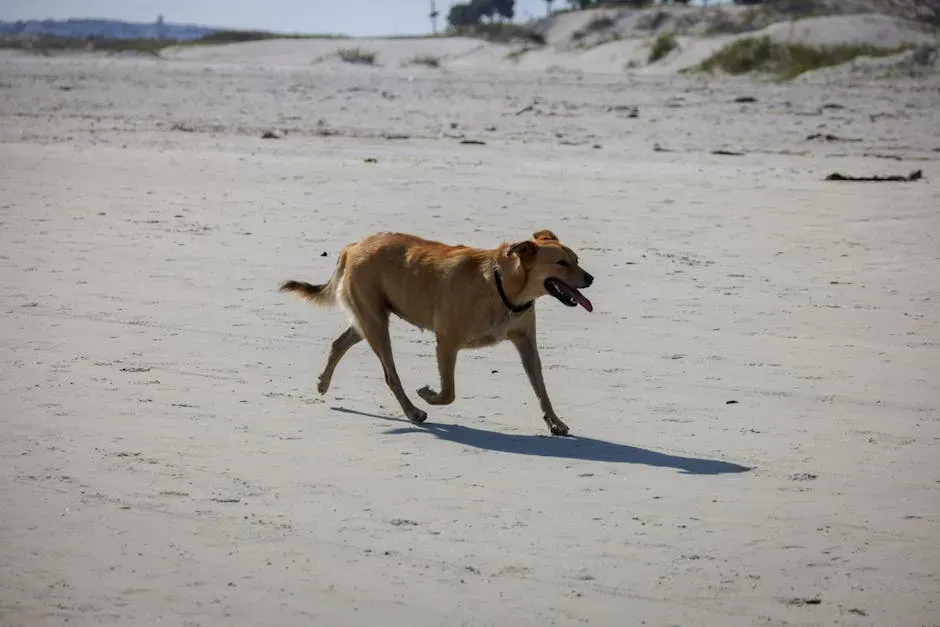
When dogs are pacing back and forth, it’s a sign they can’t settle down because something is stressing them. If this happens during mealtimes or for short periods, it might not be a big deal. Noticing when your dog engages in this behavior, however, can give you clues as to what’s triggering their anxiety.
A dog that’s stressed might have difficulty settling down. They may pace, seem unusually agitated, or be unable to find a comfortable resting position. Think of a dog pacing the house during a thunderstorm, or circling relentlessly before guests arrive. The pacing is not dramatic behavior. It’s a real physiological response to an elevated stress state, and it means your dog genuinely cannot relax. It’s worth addressing the root cause rather than redirecting it.
8. Growling as a Warning, Not a Threat
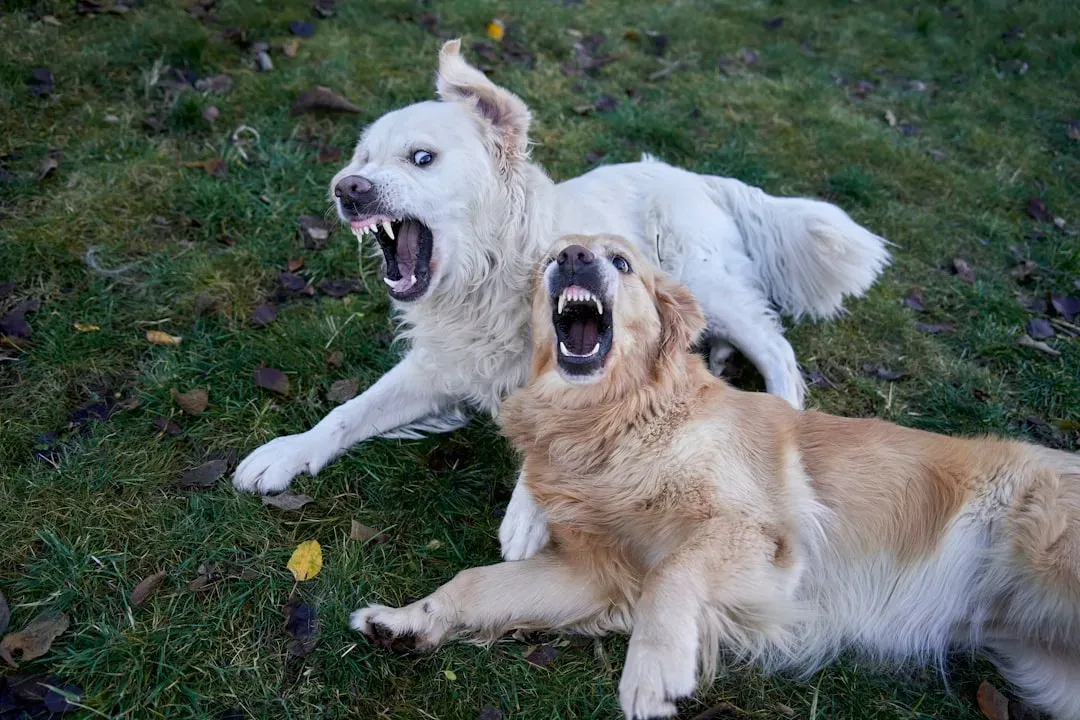
Many people instinctively try to stop growling, and while that’s understandable, suppressing it can actually make your dog less safe over time. Growling is an obvious way to tell if your dog is uncomfortable. It could mean that someone is in their space, they feel threatened, or that something hurts. It’s not usually meant to be aggressive but is rather often a warning that your dog feels uncomfortable.
It’s important not to punish these behaviors. Growling, freezing, or trying to move away are your dog’s way of saying, “I’m not okay.” When we listen and respond calmly, we help build trust and prevent escalation. When a dog learns that growling gets punished, they may stop growling and skip straight to biting, which is a much more dangerous outcome. Think of a growl as a gift: your dog is still communicating instead of reacting.
9. Avoiding Eye Contact and Turning Away
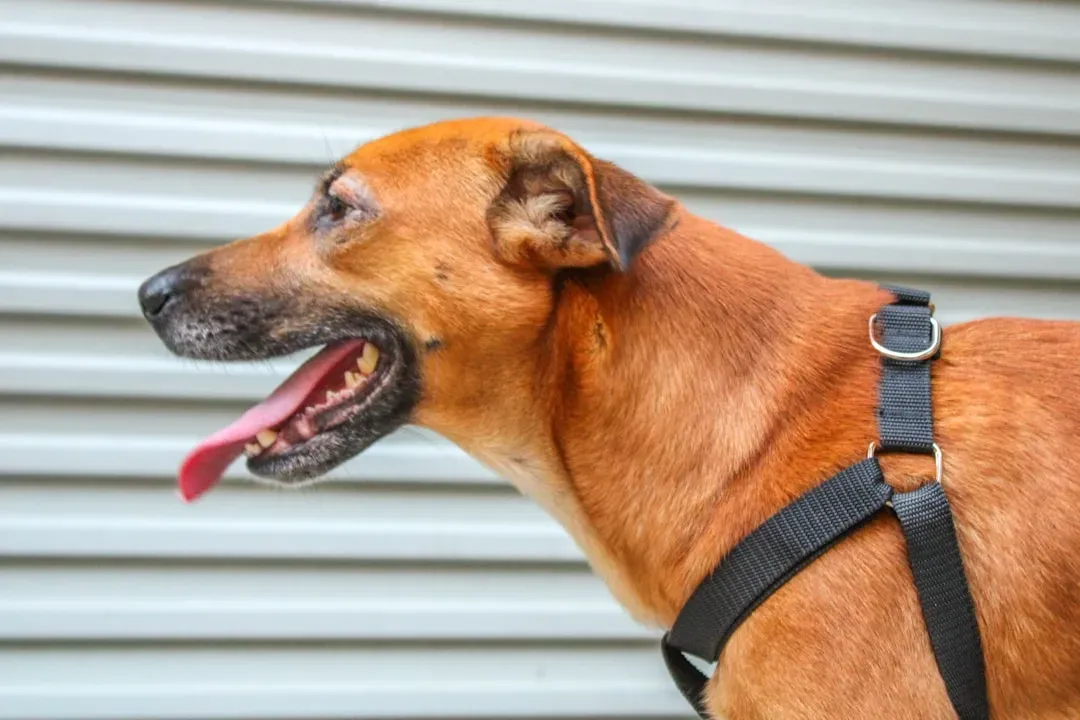
A dog who looks away when you approach isn’t being dismissive. Stressed dogs often avoid eye contact or look at the trigger, then quickly look away. This is one of those calming signals that can easily be misread as disinterest or even rudeness when it’s actually the opposite.
Calming signals that are most commonly displayed by dogs include freezing, licking of the nose, and turning of the body away from the source of the escalation, such as a dog baring its teeth or growling. If your dog consistently turns away from another dog during greetings, or looks to the side when someone reaches over their head, they’re using one of the most socially sophisticated tools in their communication kit. Give them the space they’re asking for.
10. Hiding and Escape Attempts
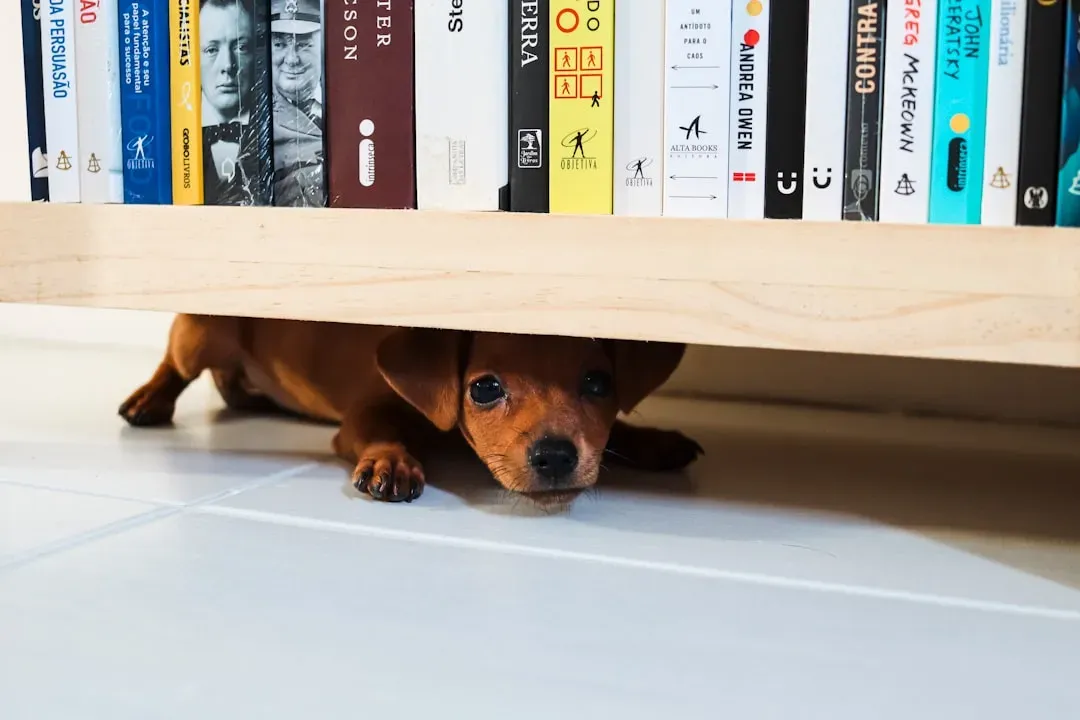
If your dog is feeling overwhelmed, they might try to escape the situation by hiding under furniture or staying away from people and other pets. This behavior is often most visible during holidays, house parties, or when new people move into the home. A dog retreating to a bedroom or squeezing behind the couch is not being antisocial. They’re telling you the environment has become too much.
Hiding or escape behavior is an extension of avoidance. Some tense dogs move behind a trusted person or behind a nearby object. They may even nudge or jump on their person to prompt them to move along. Prevention tip: always make sure your dog has an accessible safe space during high-activity events. A crate, a quiet bedroom, or even a corner behind a sofa with their bed can make a significant difference in how they process a challenging day.
11. Refusing Food or Grabbing Treats Roughly
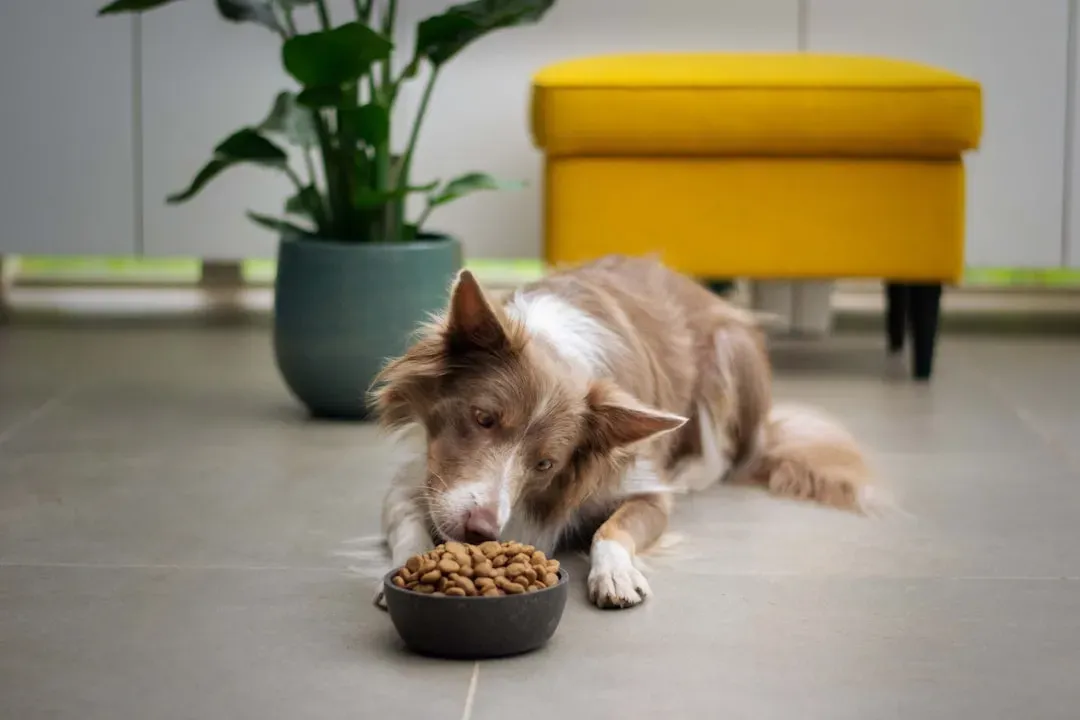
A stressed dog often changes the way they interact with food, and both extremes tell a story. A dog under stress might find it difficult to follow well-known requests because the stress response in their body makes it harder to stay still or concentrate. They might grab a treat from your hand when they would usually take it gently, or even refuse to take it at all.
Stress can significantly affect eating patterns, and any prolonged change in eating habits should be taken seriously. If your usually food-motivated dog turns away from their favorite treat during a training session or a vet visit, that’s a significant sign of emotional flooding. Conversely, snatching food frantically instead of their usual gentle take suggests that their impulse control is compromised by stress. Both are worth noting as baseline changes.
12. Destructive Behavior and Indoor Accidents
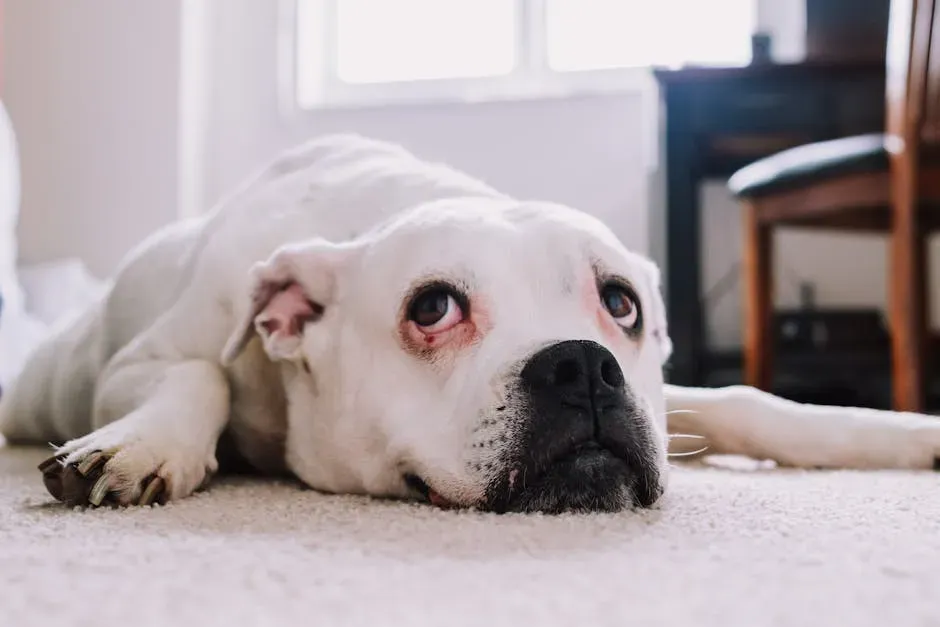
Chewing, scratching, digging, and ultimately destroying things around the house could be a sign of separation anxiety. Acting out in these ways means that your dog may need some more physical and mental stimulation to use as an outlet. It’s not revenge, and it’s not spite. Dogs don’t operate that way. What looks like destructive rebellion is almost always a coping mechanism.
Inconsistent bathroom habits can also signal stress. A trained dog might start having accidents indoors, and this behavior often stems from anxiety or uncertainty. If a dog who’s been reliably house-trained for years suddenly starts having indoor accidents, rule out medical causes first, then consider what has changed in their environment. A new baby, a move, a shift in your schedule, or even a change in your own stress levels can all be significant contributing factors.
What to Do When
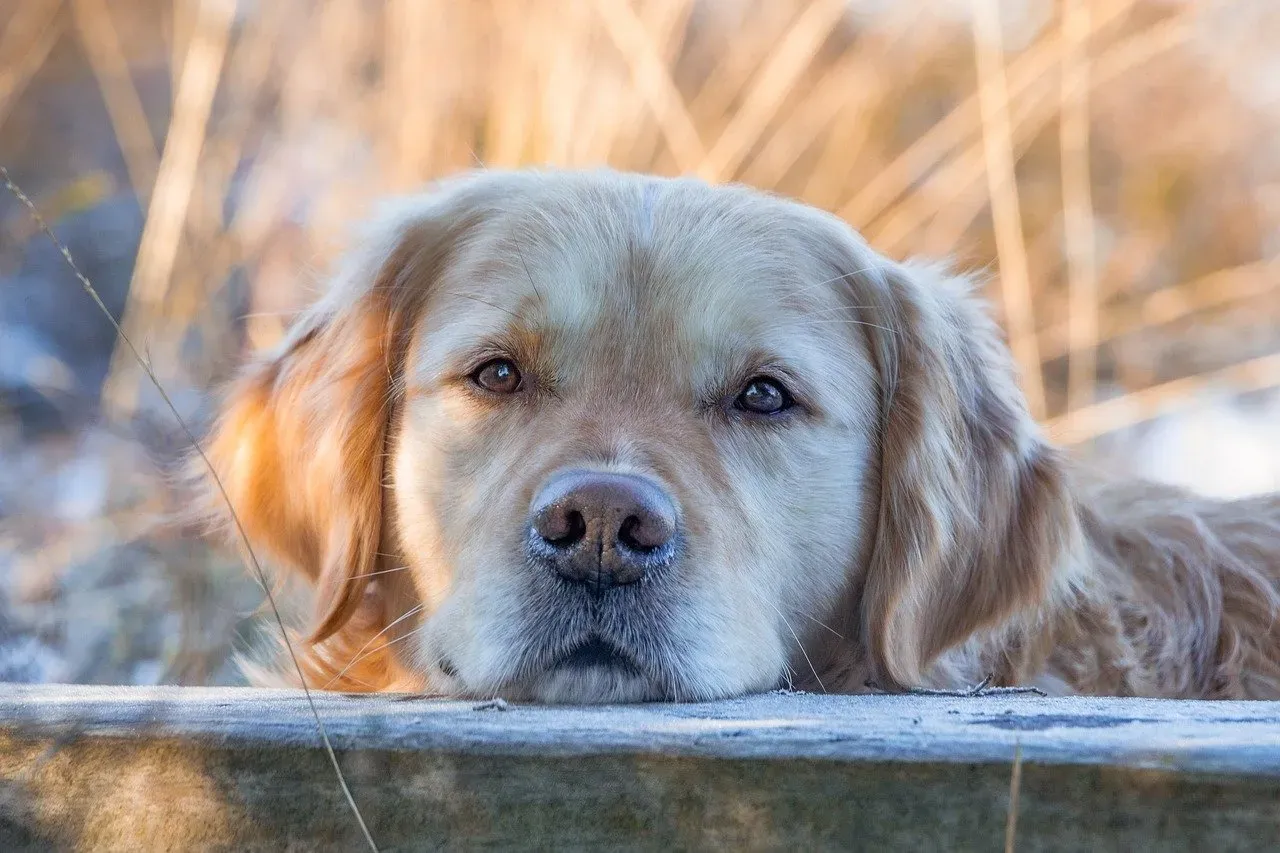
The most important thing you can do in the moment is simple: remove your dog from whatever is causing the distress. If you notice signs that your dog is stressed, first remove them from the stressor and find a quiet place to regroup. Don’t flood them with comfort or commands. Just give them space and let their nervous system settle.
Short-term stress, like a sudden noise, typically resolves in a few days, but chronic stress can take weeks or months to dissipate. Stress hormones linger, keeping dogs in a heightened state of alertness. Long-term, routine matters enormously. Dogs thrive on predictability, and keeping to their usual feeding, walking, and playtimes provides much-needed reassurance. If the signs you’re seeing are persistent or escalating, a visit to your veterinarian is always the right first step. If your dog becomes stressed often or in response to many triggers, see your veterinarian. After ensuring that your dog’s behavior does not have a physical basis, your veterinarian may refer you to a trainer or veterinary behaviorist for further assessment.
Your dog is always communicating. The 12 behaviors above are not problems to be fixed. They’re messages to be heard. The more fluent you become in your dog’s language, the deeper the trust between you grows, and that trust is the foundation of everything else.


