
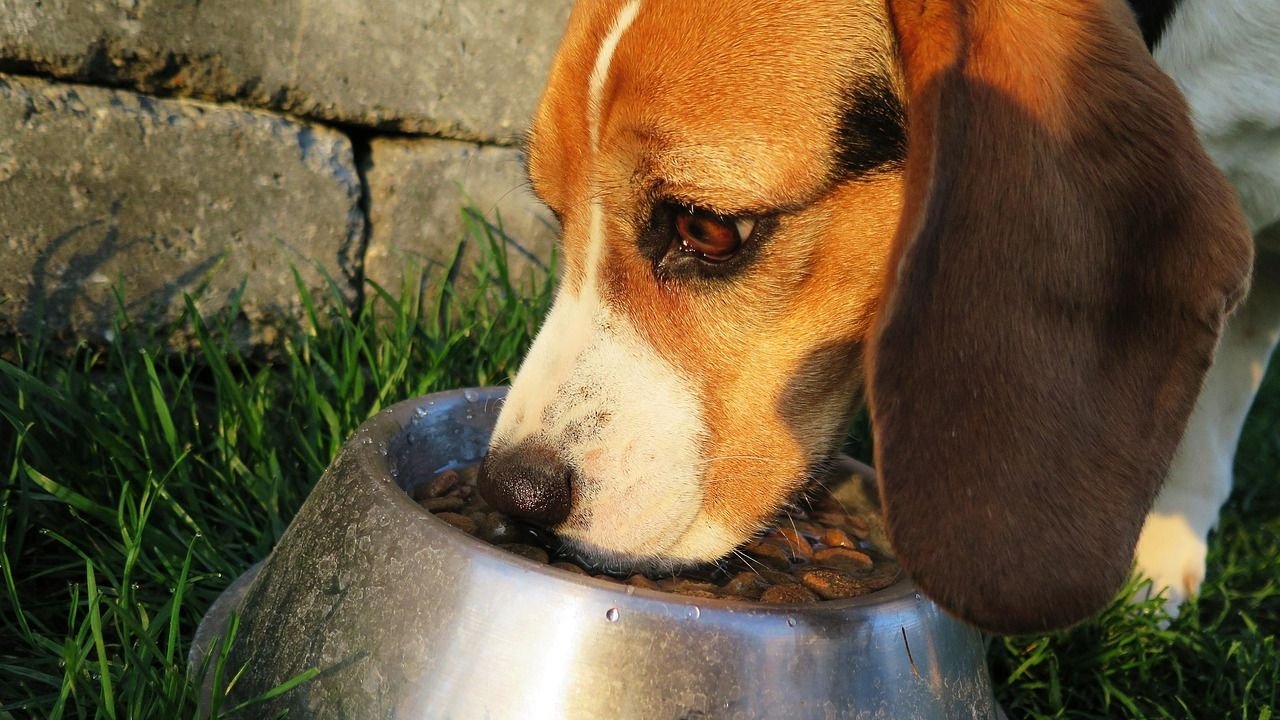
You fill the bowl, your dog eats, and everything seems fine. But here’s something most pet owners don’t think about until it becomes a problem: a dog can finish every last bite and still be missing something critical. Nutrition isn’t just about a full stomach. It’s about what’s actually inside that food, whether it matches your dog’s needs right now, and whether their body is actually absorbing it.
The reality is that nutritional gaps in dogs often don’t look dramatic at first. They tend to creep in quietly through a dull coat, low energy, or a digestive system that never quite settles. By the time things become obvious, the issue has usually been building for a while. This guide is here to help you catch it sooner, understand what to look for, and feel confident about the choices you’re making for your dog every single day.
The Basics Your Dog Actually Needs in Every Meal

Dogs need a balanced mix of nutrients, including protein, carbohydrates, fats, vitamins, and minerals. That might sound straightforward, but the nuances matter. Protein fuels muscle repair and immune function. Fats support brain health and keep the coat shiny. Vitamins and minerals keep organ systems running smoothly.
There are six major classes of nutrients: protein, fat, carbohydrate, vitamins, minerals, and water. Within these six classes, there are approximately 50 essential nutrients for dogs listed by the National Research Council. That’s a lot to account for in a single bag of kibble. Most high-quality commercial foods do the heavy lifting, but not all are created equal.
Missing even one essential nutrient can have a significant impact on overall health. Think about that the next time you’re comparing two foods based on price alone. The gap between a nutritionally complete meal and a deficient one isn’t always visible on the bag. Your dog needs the full list of carbohydrates, fats, proteins, vitamins, and minerals to live a happy, healthy life.
How to Tell If Your Dog’s Body Is Getting Enough
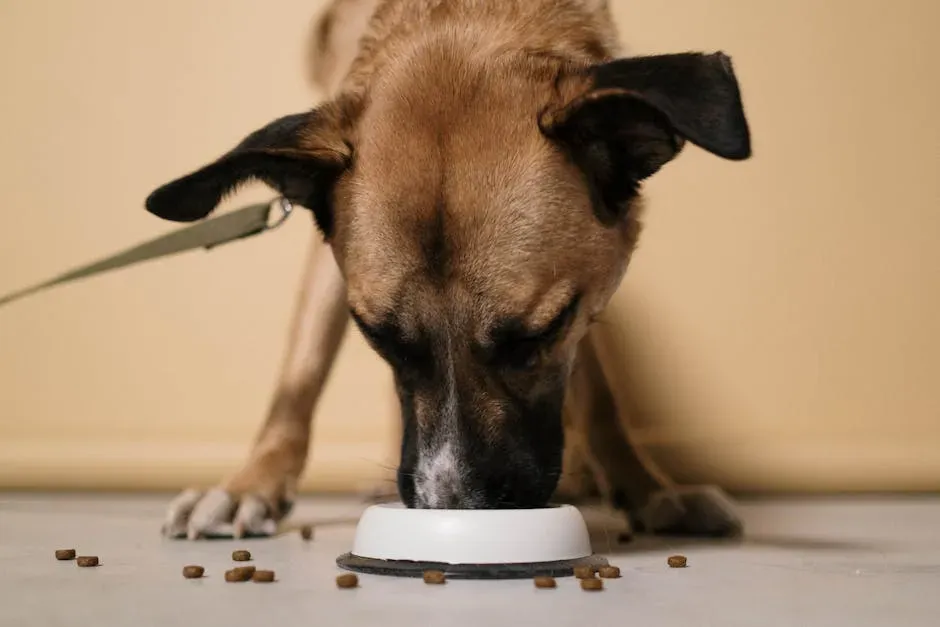
Your dog can’t tell you they’re running low on zinc or iron. What they can do is show you, through their body. One of the earliest and most noticeable signs of a nutritional deficiency is a change in the condition of their coat and skin. A dull, brittle coat or excessive shedding may indicate a lack of essential fatty acids, particularly omega-3 and omega-6. Dry, flaky skin or frequent itching might also suggest a deficiency in vitamins like A, E, or B-complex.
Dogs lacking key vitamins or proteins may seem tired or sluggish, indicating they may not be getting enough calories or the nutrients they need to sustain their energy. You might write it off as a lazy day or too much exercise the day before. But if it happens consistently, pay closer attention. Changes in feces are another key signal. Your dog’s stool should be chocolate brown, malleable, contain no foreign objects, and be free of mucus residue. Any abnormalities outside of this for more than 24 to 48 hours could signal digestive issues, including nutritional deficiency.
Nutrition doesn’t just influence your dog’s body. It shapes their behavior, too. Dogs lacking essential nutrients like B vitamins, magnesium, or omega-3 fatty acids may show signs of irritability, anxiety, or hyperactivity. If your usually calm dog has been acting out of character, it may be worth looking at the bowl before blaming the leash.
The Quick Body Check Every Owner Should Do at Home
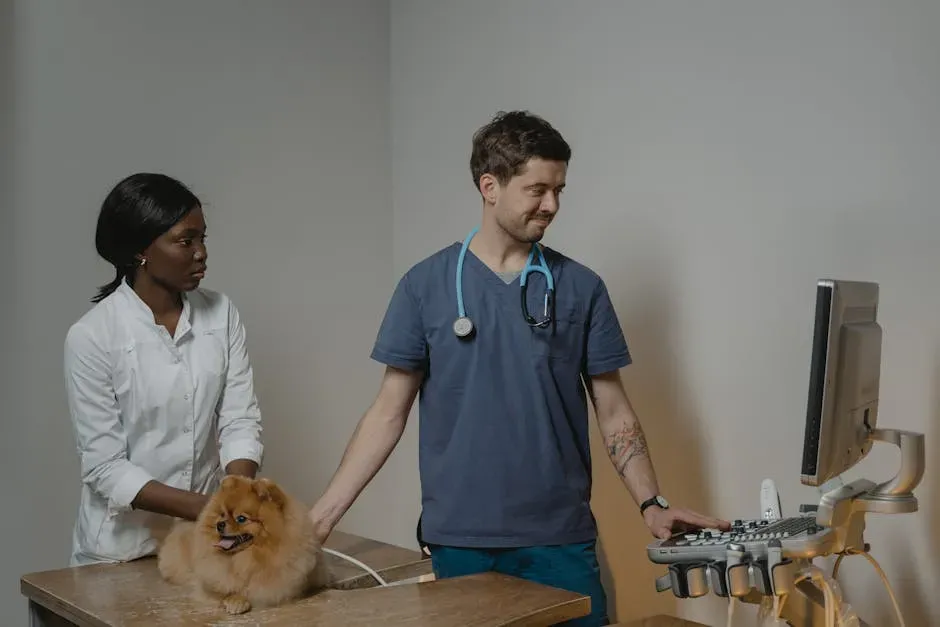
You don’t need a veterinary degree to do a basic physical check-up on your dog’s weight and condition. A Body Condition Score (BCS) is a quick visual and hands-on way to estimate body fat and muscle, helping you decide whether your dog is too thin, ideal, or overweight. Vets use this tool regularly, and you can easily do a version of it at home.
An ideal dog has ribs that are easy to feel with light pressure but not visible, a clear waist when viewed from above, and an abdominal tuck when viewed from the side. Run your hands along your dog’s ribcage gently. If your dog is a healthy weight, you should feel a thin layer of fat with the ribs right underneath. Think of it like the feeling of the knuckles on your hand when it rests flat on a surface.
Sudden changes in weight or appetite may reflect a dietary deficiency or imbalance. Some pets may lose weight despite eating normally if their diet lacks calories or digestible nutrients. If you notice this, don’t wait. It’s one of the clearest signs that something needs to change, either in the food itself or in how much is being offered.
Why Life Stage and Breed Actually Change Everything

One of the most common and well-meaning mistakes dog owners make is assuming that “good dog food” works the same across every dog. It really doesn’t. Different quantities and ratios of nutrients are ideal for different life stages. An active, growing puppy needs nutrients in different quantities and ratios than a mature pet. Calorie-rich foods designed for young animals may make a less active adult obese.
Puppies need higher calories, more protein, and omegas to support healthy growth. Since they’re still growing, puppies generally require more calories and higher levels of protein than adult dogs. Senior dogs sit on the opposite end of the spectrum. In their senior years, a dog’s metabolism slows down and they become less active, needing fewer calories, higher protein, lower sodium, and fewer carbohydrates. Many senior diets also contain prebiotics, probiotics, increased omega-3 fatty acids, and antioxidants to combat inflammation.
Your dog’s daily diet and exercise habits should be re-evaluated on a regular basis to take into consideration the animal’s activity levels, overall condition, and their age. Size and breed are also important considerations when choosing a dog food, as certain dog foods cater to small breeds while others specialize in large breed dogs. A working Border Collie and a retired Bulldog simply don’t have the same caloric needs, even at the same weight.
Reading the Bag: What Pet Food Labels Actually Mean
Picking up a bag of dog food can feel like decoding a small legal document. The most important phrase to find is “complete and balanced.” When a dog food is labeled as “complete and balanced,” it means that it contains all the essential vitamins, minerals, amino acids, and fatty acids in the correct proportions. This isn’t just marketing language. It has a specific regulatory meaning.
Nutritional adequacy standards established by the AAFCO must be met or exceeded for a pet food to be marketed as “complete and balanced” for a certain life stage. Look for this statement on the packaging, usually found beneath the ingredient list. If a diet does not meet all nutrient requirements, it will be labeled as “intended for intermittent or supplemental feeding only.” That label matters more than most pet owners realize.
Treats are another area where the math adds up quickly without you noticing. Treats are commonly given to dogs as part of bonding and training, but they are not complete and balanced and may impact overall nutrient intake. For this reason, treats should provide no more than ten percent of total daily calories, with complete and balanced pet food making up the remaining ninety percent. It’s an easy rule to follow once you know it.
Conclusion: The Bowl Matters More Than You Think
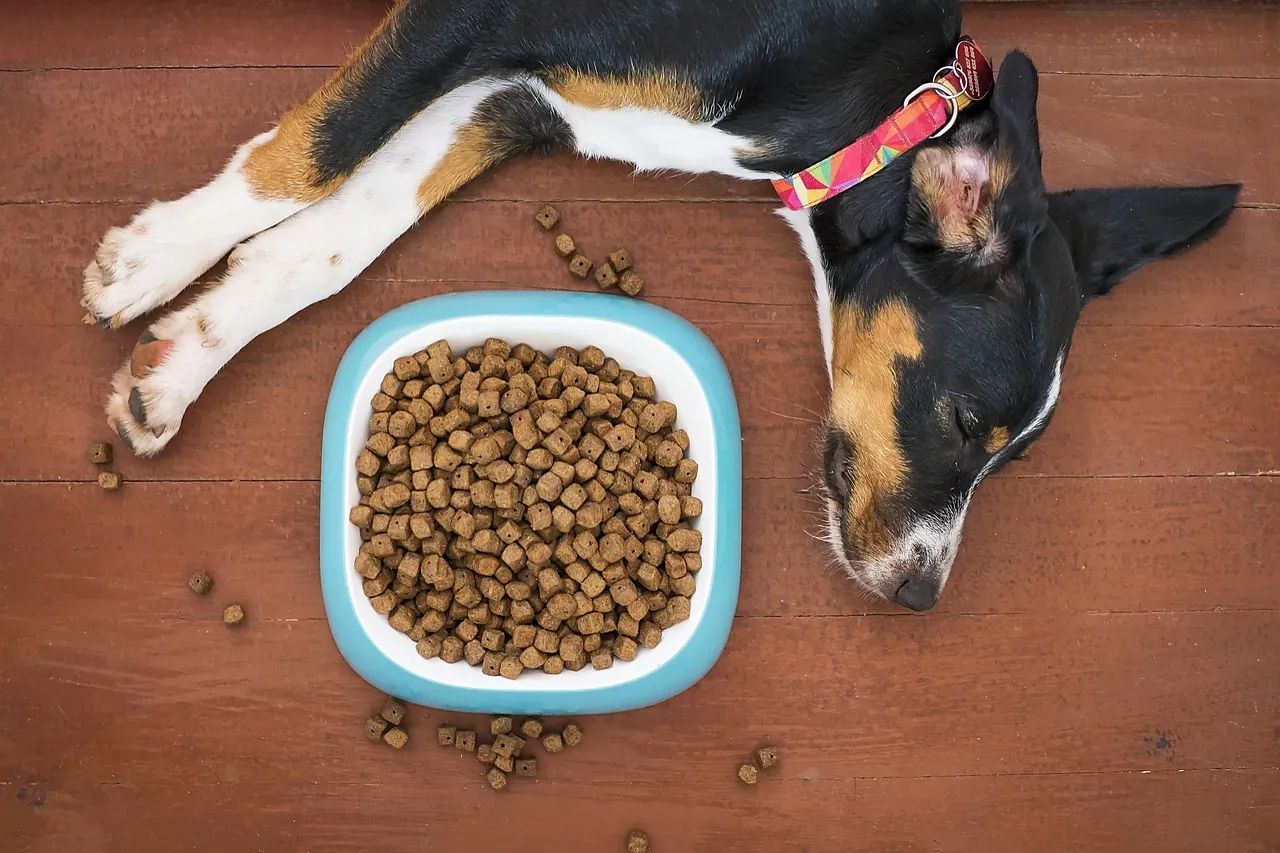
There’s something quietly important about filling your dog’s bowl each day. It’s not just a routine. It’s a direct line to their health, energy, coat, behavior, and longevity. Watch for subtle changes in coat, energy, or appetite. Your dog’s body often whispers before it shouts. Those early signals are genuinely useful if you’re paying attention.
If you’re ever genuinely unsure whether your dog is getting what they need, the first step is to talk to your vet. Your vet can recommend supplements and assist you with finding the right dog food to meet their needs, and will also be able to identify what’s causing any nutritional deficiency and help you find a solution. No amount of online research quite replaces that conversation.
Feeding your dog the right diet for their life stage will lower their chance of developing chronic diseases, help them maintain a healthy weight, and prevent nutritional excesses or shortages. The goal isn’t perfection. It’s consistency, awareness, and a willingness to adjust as your dog grows and changes. Get that right, and the bowl becomes one of the most powerful tools you have.


