

Picture your senior dog on a Tuesday morning. They used to bolt toward the back door the moment you jingled the leash. Now they stretch slowly, glance up at you with those wise, cloudy eyes, and take their time getting to their feet. Most dog parents chalk that up simply to “getting old.” But here’s what many don’t realize: what’s in that bowl matters far more than the calendar age.
While a balanced diet goes a long way in supporting overall health, aging dogs often have special needs that a standard diet may not fully address. Whether it’s supporting their immune system, promoting joint comfort, or keeping their minds sharp, vitamins for older dogs can play an important role in maintaining quality of life. The gap between a dog that ages gracefully and one that slows dramatically is, very often, a nutritional one. These 15 nutrients are the ones that actually move the needle.
1. High-Quality Protein: The Foundation of Muscle and Vitality
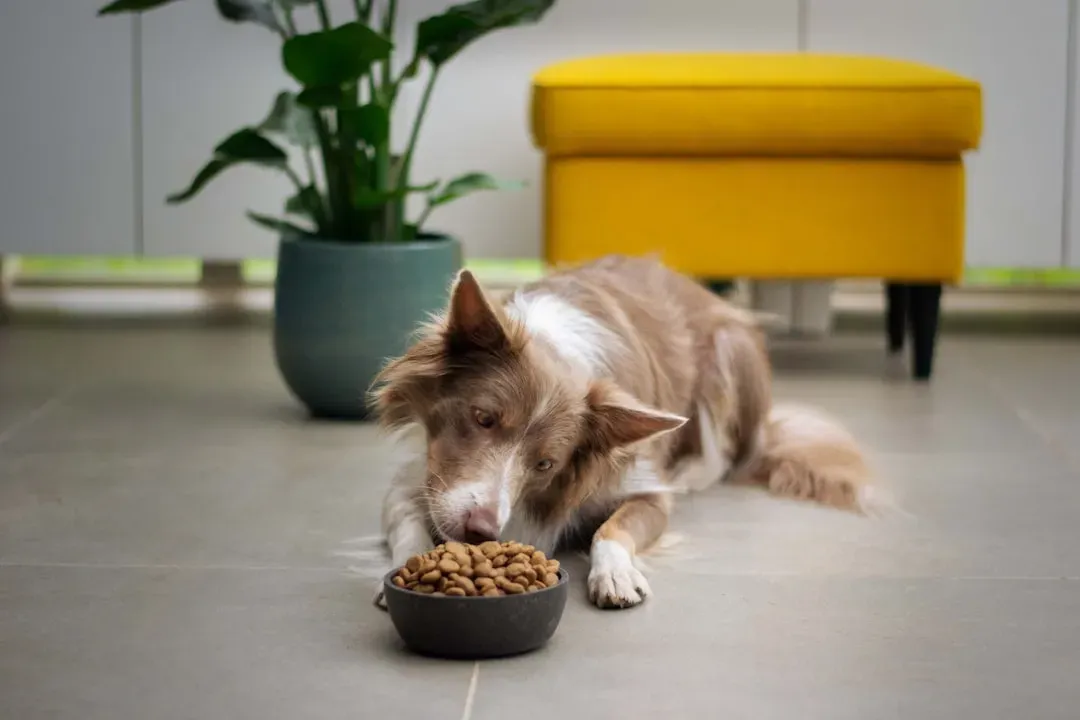
Senior dogs, contrary to standard advice, actually require higher ratios of protein to retain muscle mass as they get older. Protein is rich in essential amino acids, vitamins, and minerals that contribute towards healthy muscles, optimal organ function, and balanced immunity, each of which are vital to older dogs in particular.
High biological value proteins, those with a good balance of amino acids and high digestibility, are ideal for seniors. Think of real, minimally processed protein sources like cooked meats or veterinary-formulated fresh diets rather than protein from lower-quality by-product meals. Unless your dog has a specific medical condition like advanced kidney disease requiring protein moderation, don’t skimp on protein for your gray-muzzled friend.
Adequate protein helps combat muscle loss, supports daily energy and immune defenses, and can even aid healing and tissue repair in older age. Watch for signs like visible rib prominence, a tucked-up abdomen, or general weakness – these can all signal a protein shortfall.
2. Omega-3 Fatty Acids (EPA and DHA): Nature’s Anti-Inflammatory Powerhouse
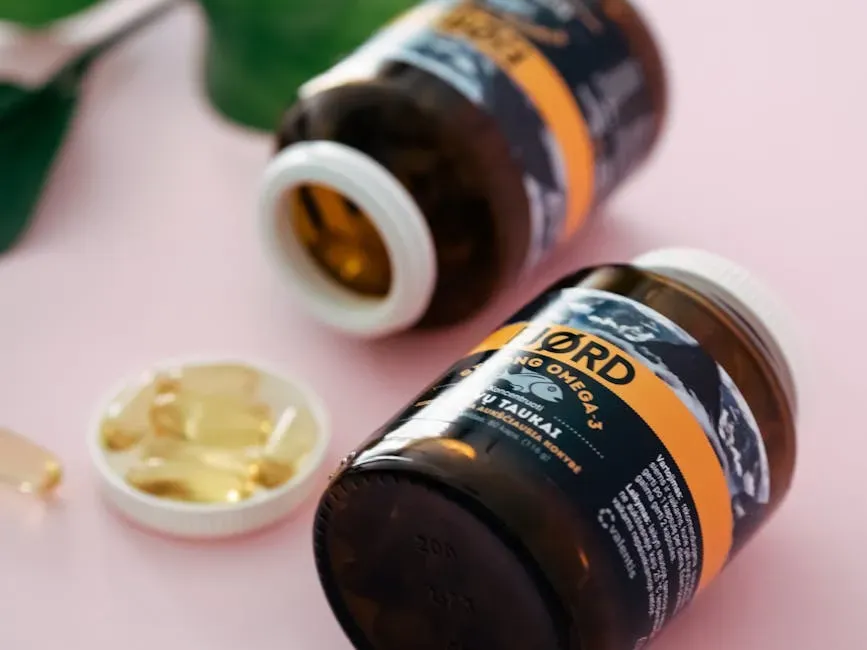
Joint health is a common concern for senior dogs, and omega-3 fatty acids are known for their anti-inflammatory properties. Ingredients like fish oil, flaxseed, and chia seeds are excellent sources of omega-3s. These nutrients can help reduce inflammation, ease joint pain, and improve mobility, allowing your senior dog to stay active and comfortable.
When it comes to senior dog nutrition, omega-3 fatty acids are essential for supporting joint mobility, cognitive health, skin integrity, and a balanced inflammatory response. Look for clean, bioavailable sources such as algae oil or fish oil. Algae oil is especially beneficial because it provides a concentrated, sustainable source of DHA, a long-chain omega-3 that plays a vital role in maintaining brain function, memory, and nerve health in aging dogs. If your senior dog has started hesitating on stairs or moving with stiffness after a nap, omega-3 supplementation is often one of the first things a vet will suggest.
3. Glucosamine: The Joint Cartilage Guardian
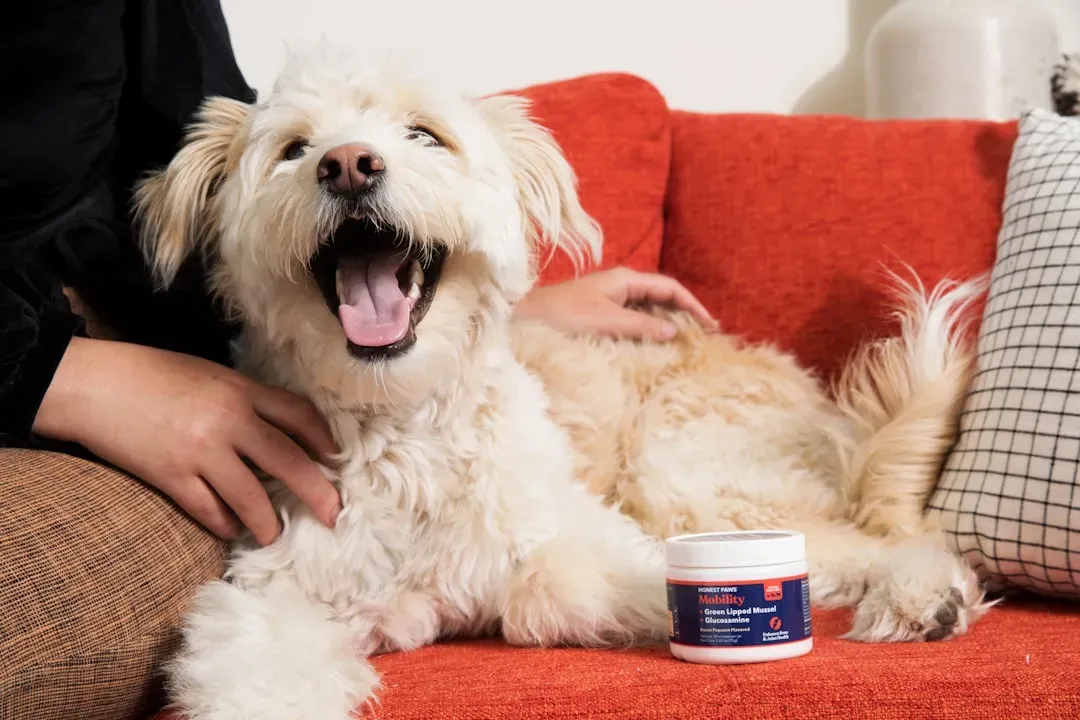
Glucosamine is necessary for the synthesis of mucopolysaccharides, the building blocks of the body’s tendons, ligaments, cartilage, and synovial fluid. It stimulates the creation of chondrocytes in the cartilage on the joint surface. It also stimulates the creation of synovial tissue cells, which line the joint capsule and are responsible for the creation of synovial fluid.
Arthritis is the number one issue senior dogs face. These compounds help maintain cartilage, reduce inflammation, and improve joint mobility. Vets widely recommend glucosamine and chondroitin as a first-line supplement. A dog who gets up slowly, licks their joints obsessively, or avoids jumping onto their favorite couch is giving you a direct signal. Glucosamine works best when introduced early and given consistently over several weeks before you expect visible results.
4. Chondroitin Sulfate: The Cartilage Protector That Pairs With Glucosamine
Chondroitin sulfate has been proven to inhibit degradation of articular cartilage and improve the production of hyaluronic acid, the primary component of joint fluid. Think of glucosamine as the builder and chondroitin as the preservationist. One adds structure; the other keeps it from breaking down.
Supplements containing glucosamine and chondroitin are widely recommended for supporting joint health. These ingredients help maintain cartilage, reduce inflammation, and alleviate pain associated with arthritis. Including these in your senior pet’s diet can significantly improve their mobility and comfort. Many senior dogs given this combination long-term maintain their playful trot well into their later years, which is reason enough to start the conversation with your vet.
5. B Vitamins: The Energy Metabolism Trio
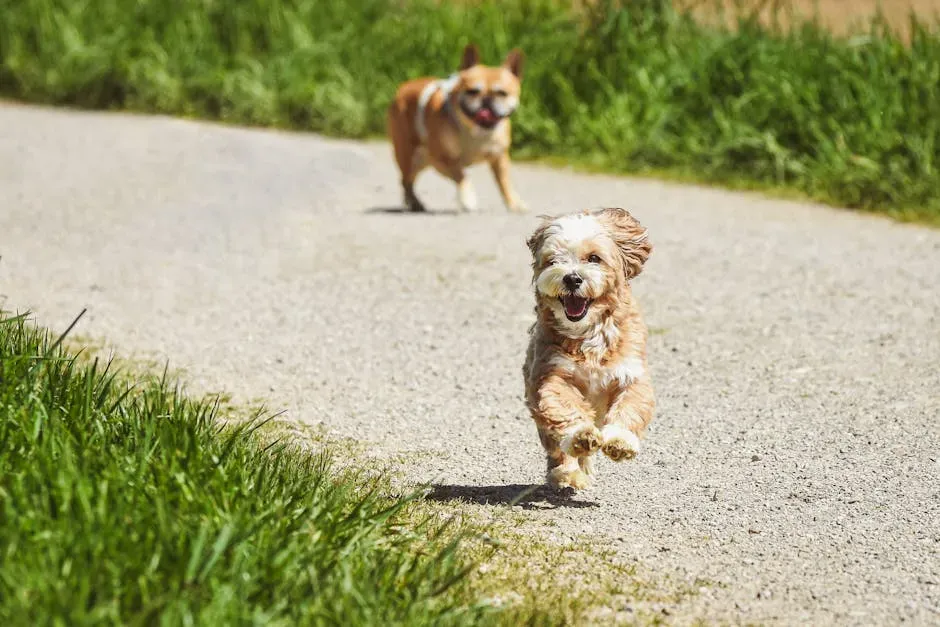
The B vitamins, including B1 (thiamine), B6, and B12, support energy production and nervous system function. These are crucial for maintaining alertness and activity levels in aging dogs. When a dog seems mentally foggy – staring into corners, not responding to their name as quickly, or appearing more anxious – a B vitamin deficiency can sometimes be a contributing factor.
Vitamin B plays a major role in multiple areas of your dog’s health. From boosting energy to supporting brain health, there is very little this vitamin doesn’t do. This vitamin also keeps your pet’s skin, hair, and coat looking healthy as they get older. It may even be linked to improved learning and memory. B vitamins including Folic Acid, Biotin, and Niacin support mood, memory, and cellular health in dogs.
6. Vitamin E: The Cellular Shield
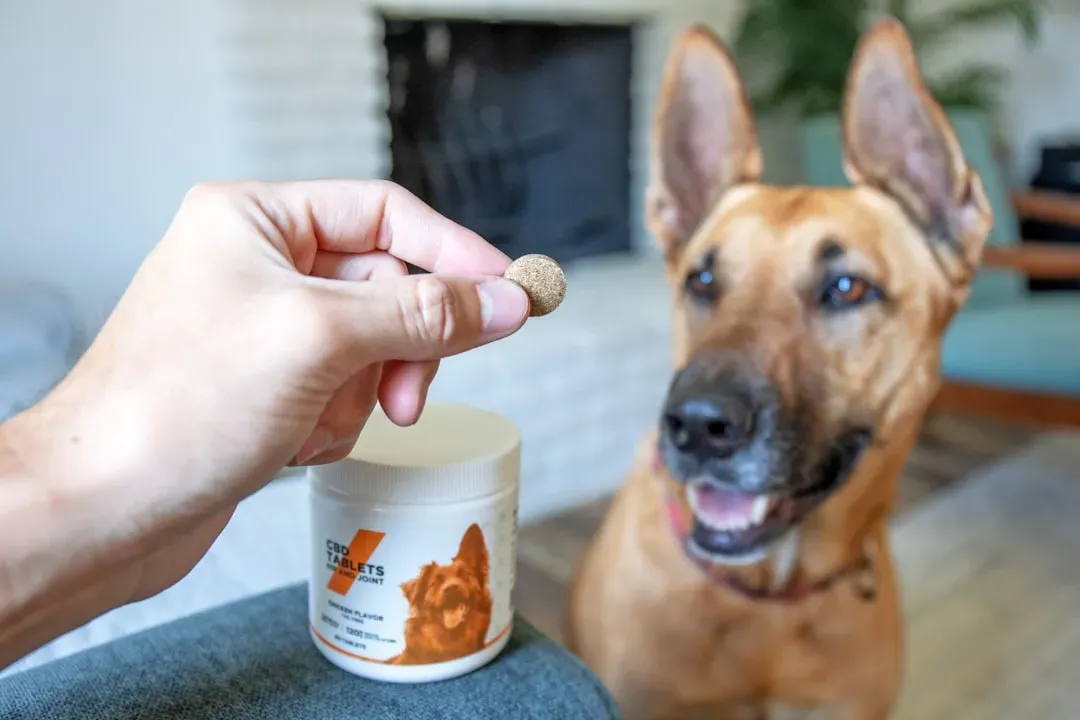
This powerful antioxidant helps protect your dog’s cells from damage caused by free radicals. As senior dogs age, their bodies produce more free radicals and become less efficient at neutralizing them. That oxidative imbalance accelerates everything from cognitive decline to coat dullness and immune weakness.
Vitamins E and C, along with other antioxidants like alpha-lipoic acid and coenzyme Q10, help protect brain cells from oxidative damage. A combination of antioxidants appears to be more effective than any single one. Many senior dog supplements include antioxidant blends for cognitive support. Vitamin E is particularly valuable when combined with other antioxidants, as they work together synergistically rather than independently.
7. Vitamin C: Immune Booster and Brain Protector
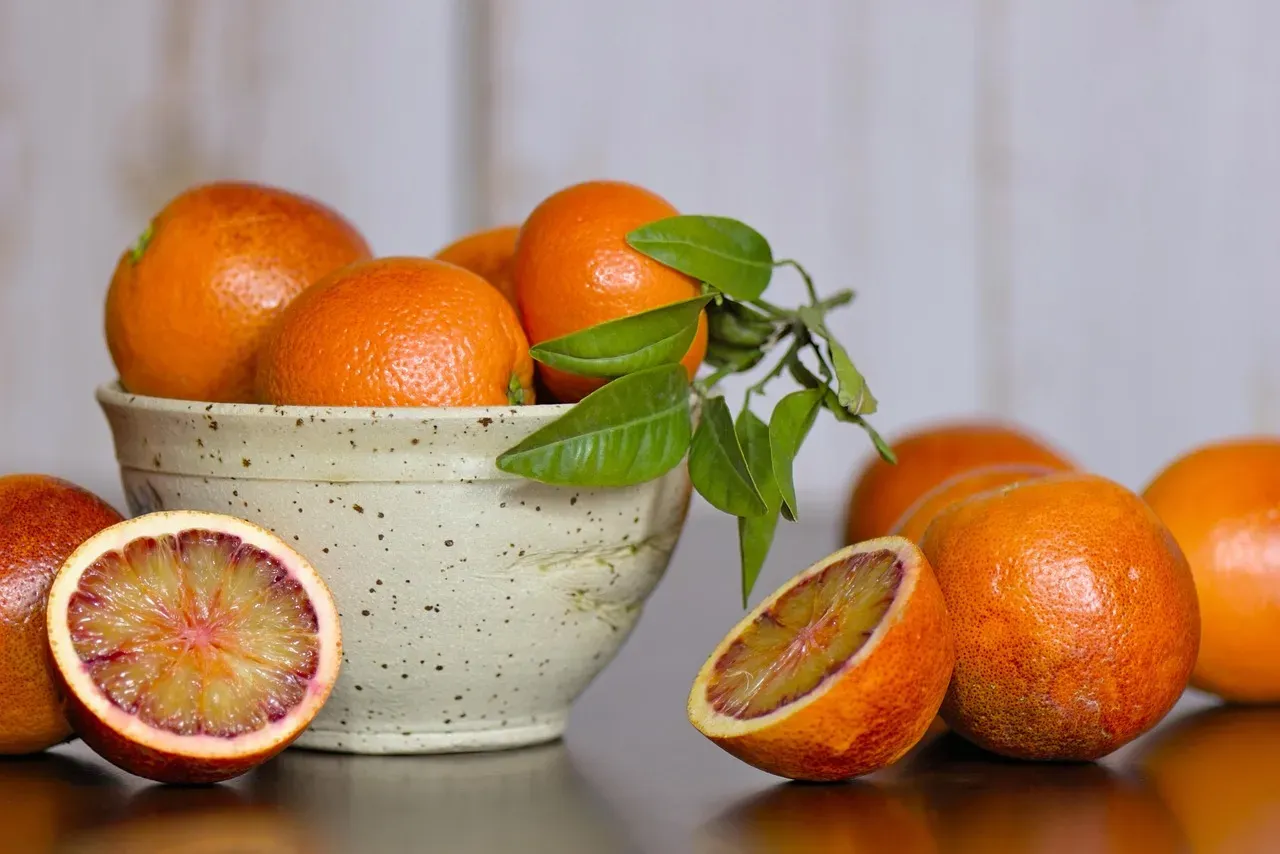
Antioxidants are another potentially important supplement. Scientific studies have shown that, when combined with behavioral enrichment, antioxidants can improve memory and cognitive function in senior dogs. Vitamin C works especially well as part of a broader antioxidant strategy rather than in isolation, so look for formulas that pair it with Vitamin E and other protective compounds.
Antioxidants such as vitamin C, vitamin E, and Coenzyme Q10 help fight free radicals, reduce cell damage, and support immune system health. Senior dogs with weakened immune systems are more prone to opportunistic infections and slower recovery from illness. Keeping vitamin C levels adequate is a simple but effective line of defense.
8. Vitamin D3: The Calcium Activator and Bone Supporter

Adequate vitamin D helps with calcium absorption and supports skeletal health. This is particularly important for senior dogs because even when their diet contains sufficient calcium, without adequate Vitamin D3 that calcium can’t be properly absorbed and used where it’s needed most.
Vitamin D3 helps the body to absorb, retain, and use calcium, which supports strong, healthy bones. Dogs that seem unusually fragile, or that fracture bones more easily than expected, may be dealing with a long-standing Vitamin D deficiency. The good news is that it’s straightforward to address with the right senior-formulated diet or supplement, always under veterinary guidance.
9. Vitamin A: Vision, Skin, and Immune Integrity

Vitamin A plays a role in maintaining healthy vision, skin, and coat. It also supports immune function, something that naturally declines as dogs age. While most dog foods contain this essential vitamin, it may be worth supplementing in older dogs who need that extra support.
Vitamins A, C and E offer important antioxidant benefits to protect against damage from free radicals and support the immune system. You might notice a senior dog’s coat becoming dry and brittle, or their eyes seeming more sensitive to light. These are subtle cues worth paying attention to. Vitamin A, in the right amounts and balance, helps preserve the quality of those external indicators as well as the internal systems they reflect.
10. Calcium and Phosphorus: The Structural Mineral Duo
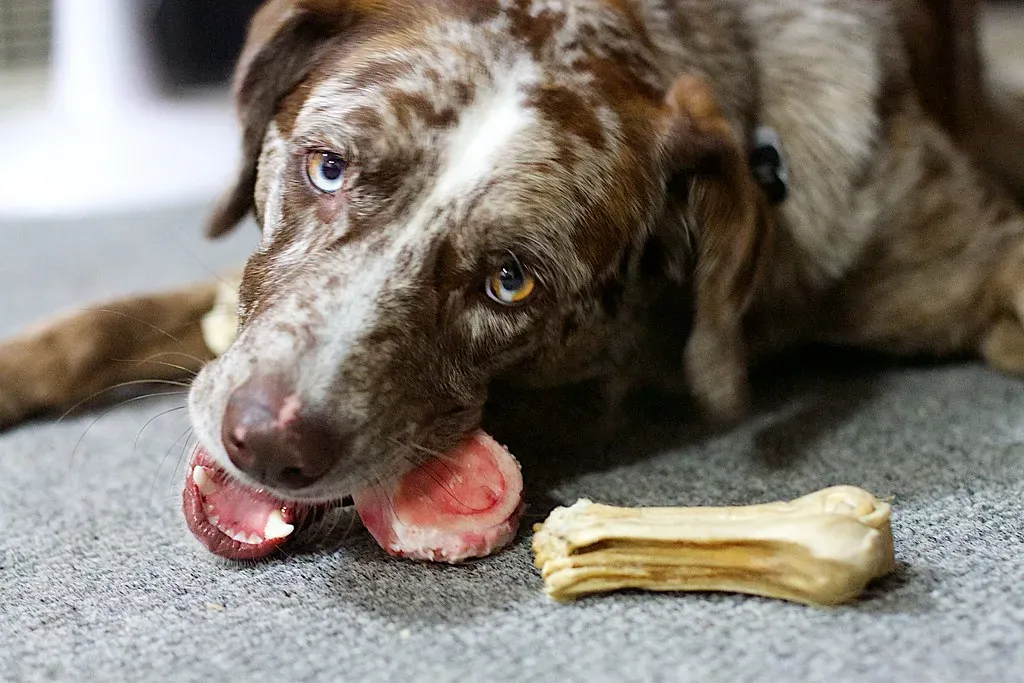
Minerals including Calcium, Phosphorus, Iron, and Zinc all help to support bone structure, muscle and nerve function, thyroid function, skin health and structure, and the production of red blood cells. For senior dogs, the balance between calcium and phosphorus is especially critical. Too much or too little of either can create problems that compound over time.
Calcium and phosphorus build strong bones, B vitamins enable energy production, and antioxidants like vitamin E protect cells from oxidative damage. A dog whose back legs seem wobbly, who stumbles on smooth floors, or who appears genuinely weak despite eating normally may be experiencing mineral imbalances affecting nerve and muscle signaling. Bone broth, certain raw foods, and targeted senior supplements can help restore that equilibrium.
11. Probiotics and Digestive Enzymes: The Gut-Health Architects
Probiotics help maintain a healthy gut, improve nutrient absorption, and reduce digestive issues such as gas, bloating, and diarrhea that are more common in older dogs. The gut isn’t just about digestion. It’s the frontline of the immune system, and a disrupted microbiome in an aging dog often shows up as more than just stomach trouble – it affects energy, mood, and overall resilience.
Since the majority of your senior dog’s immune system is located in the gut, probiotics also help to maintain health throughout the body. Probiotics, prebiotics, and digestive enzymes can contribute to a healthy gut flora, promoting proper digestion and nutrient absorption. These supplements aid in maintaining gastrointestinal balance, reducing the risk of stomach discomfort and improving overall digestive well-being. If your dog is producing inconsistent stools, showing reduced appetite, or seems tired after meals, gut health is a great starting point for investigation.
12. Coenzyme Q10 (CoQ10): The Cellular Energy Currency
Coenzyme Q10 deserves special attention among antioxidants due to its unique role in cellular energy production. This compound is concentrated in the mitochondria, the energy-producing components of cells, where it facilitates the production of ATP, the body’s primary energy currency. As dogs age, natural CoQ10 production declines, potentially contributing to the decreased energy and stamina often observed in senior pets. This reduction is particularly significant in heart muscle cells, where energy demands are exceptionally high.
Beyond its role in energy production, CoQ10 functions as a powerful antioxidant that protects against oxidative damage in cell membranes and DNA. This protective effect extends to brain cells, potentially supporting cognitive function in aging dogs. Supplements containing Coenzyme Q10 and L-carnitine support heart function in aging pets. These nutrients help improve energy production in heart cells and support overall cardiovascular health.
13. Taurine: The Heart’s Best Friend

Taurine is another essential amino acid that is vital to everyday health, especially the heart and cardiovascular functions. This amino acid often flies under the radar in senior nutrition conversations, but for aging dogs, it’s a genuinely important player. A dog that tires unusually fast on a short walk, breathes heavily after minimal exertion, or seems to have lost stamina unexpectedly deserves a cardiac evaluation that includes checking taurine status.
Taurine, L-carnitine, and omega-3s are commonly recommended to support cardiovascular function in senior dogs, especially active breeds. Taurine is found naturally in animal-based protein, which is yet another reason why high-quality meat protein matters so much in a senior dog’s diet. Dogs on grain-heavy or heavily plant-based diets may be at greater risk of insufficient taurine intake.
14. MCT Oil (Medium Chain Triglycerides): Fuel for the Aging Brain

Starting at around age seven, a dog’s brain begins to lose its ability to use glucose as its primary energy source. It can adversely affect memory, learning, awareness, and decision-making. MCT oils provide the brain with an alternative energy source, and studies have shown diets containing these ingredients can help improve an older dog’s cognitive functioning.
MCTs, typically from coconut oil, provide an alternative energy source for brain cells. Some research suggests that aging brains become less efficient at using glucose, and MCTs provide ketones as an alternative fuel. Some commercial senior dog foods include MCTs, and supplemental MCT oil can be added to your dog’s diet. If your senior dog seems confused in familiar environments, wanders at night, or stares blankly at their food bowl, these could be early signs of canine cognitive dysfunction where MCT oil may offer meaningful support.
15. Zinc, Iron, and Selenium: The Trace Mineral Trio That Keeps Everything Running

Trace minerals such as zinc, selenium, and manganese are crucial for various enzymatic reactions, immune function, and antioxidant defenses. Although many dog foods add these minerals, they may be in forms that are not easily absorbed. This bioavailability issue can lead to mild but chronic shortages, showing up in issues like skin problems, dull fur, or suboptimal immune responses.
Senior-specific multivitamins typically include B-complex vitamins for energy and metabolism, vitamins A, D, E, and K at appropriate levels, essential minerals like zinc, selenium, and manganese, and sometimes added joint support and antioxidant ingredients. Zinc is particularly important for wound healing, coat quality, and immune function. A dull, flaky coat in an older dog isn’t always “just age.” It’s frequently a sign that trace mineral intake or absorption needs attention.
Putting It All Together: How to Make These Nutrients Work for Your Dog

Nutrition plays a significant role in helping senior dogs stay active, comfortable, and healthy. Senior dogs need adjusted nutrition to support slower metabolism, healthy weight, digestion, and vital organ function. The key is not simply loading up a bowl with every supplement available, but building a thoughtful, targeted plan.
After starting a new supplement, keep an eye on your dog’s behavior, appetite, and energy levels. Every dog is different, and some may react better to some supplements than others. In most cases it takes at least one to two months before you will notice a difference, so don’t give up right away. Consistency is key, but if something doesn’t seem right, always check in with your vet.
Supplements may help with joint health, cognition, digestion, and more but should be used cautiously and with veterinary guidance. Transition to new foods slowly, monitor your dog’s response, and work with your veterinarian to adjust the diet as your dog ages. Think of it as an ongoing conversation with your vet, not a one-time checklist.
Conclusion: Your Senior Dog Has More Good Days Ahead
Senior pets truly thrive when they’re nourished, not just fed. The right diet can make an enormous difference in an older dog’s vitality, mobility, and even mood. Unfortunately, many off-the-shelf senior diets fall short of providing the nutrients aging animals need to maintain sharp minds, strong muscles, and pain-free joints.
Your dog can’t tell you what’s missing from their diet. They tell you through their energy, their gait, their eyes, and the way they greet you at the door. When those signals start to change, that’s not just aging – that’s your dog asking for better fuel. The 15 nutrients covered here are not a magic fix, but they are a science-backed framework for giving your senior companion more of what they need to stay genuinely vibrant.
The bowl you fill each day is one of the most powerful tools you have. Use it wisely, and your gray-muzzled best friend might just surprise you on that Tuesday morning walk.


