

You walk through the door after one of those days. You haven’t said a word. Your dog hasn’t asked a single question. Yet somehow, there they are, already pressed against your leg, tail moving in that soft, measured way that says something entirely different from their usual exuberant greeting. It’s not magic, and it’s not coincidence. It’s a form of perception that science is only beginning to fully understand.
Dogs have spent thousands of years living side by side with humans, and that proximity has shaped them into something remarkable: emotional detectives who read us through sight, sound, scent, and an almost uncanny attunement to our body language. The more researchers study this, the more they find that our dogs know us in ways we’ve consistently underestimated.
Reading Your Face: The Visual Language Dogs Understand
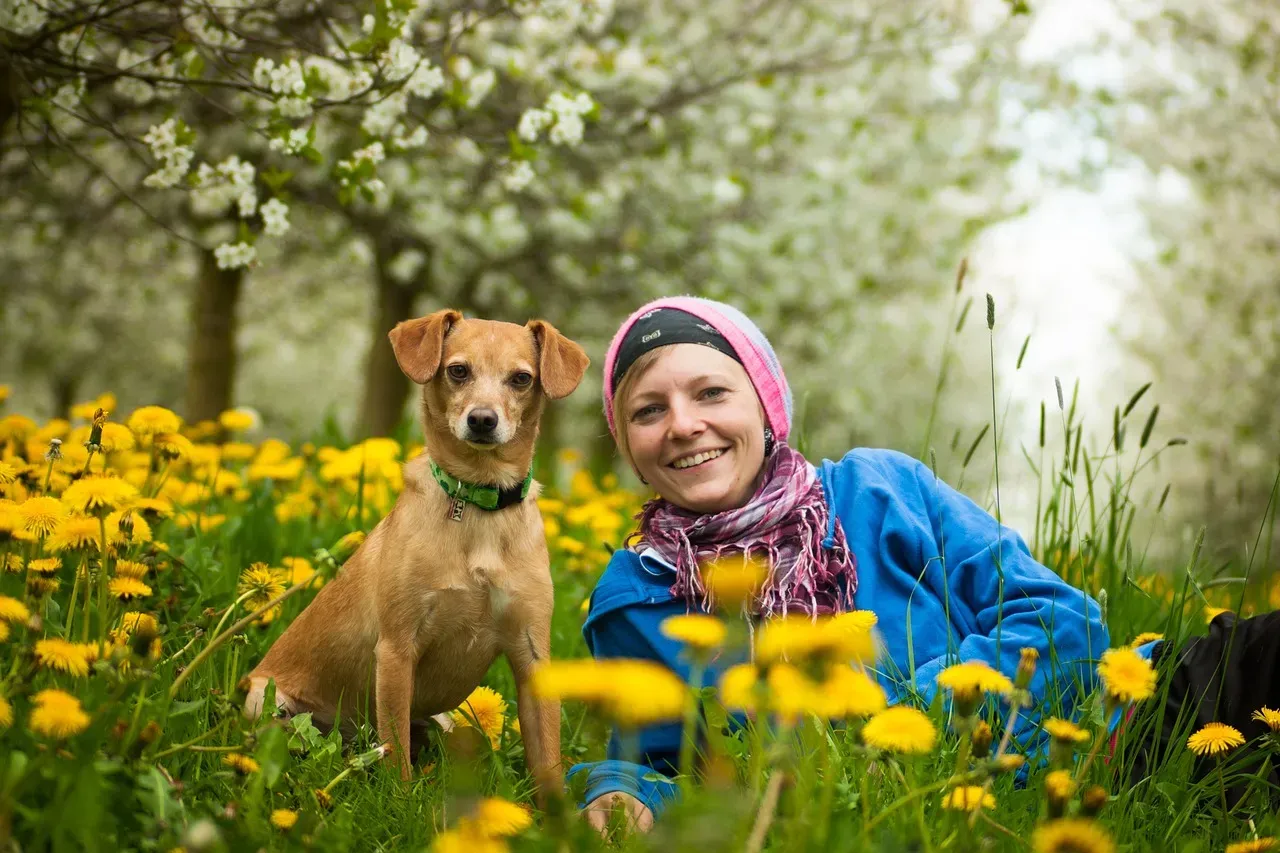
Research from institutions like the University of Lincoln and the University of Vienna found that dogs can distinguish between happy and angry human facial expressions, even when those faces belong to strangers. This isn’t simply a learned response to their owner’s familiar look. It’s a broader, more sophisticated visual skill.
A Finnish research team showed images of both dogs and humans to 31 dogs of 13 different breeds and found that the viewers looked first at the eye region, generally examining eyes longer than nose or mouth areas. If the photograph displayed a threatening human, the viewing canine would avoid looking at the face altogether. That avoidance isn’t confusion. It’s a deliberate social signal.
Dogs show a subtle right-hemisphere bias when processing emotional cues, tending to gaze toward the left side of a human’s face when assessing expressions, a pattern also seen in humans and primates. Interestingly, dogs show stronger responses when viewing their owner’s face compared to strangers. So the longer you’ve lived with your dog, the more finely tuned their reading of you becomes.
The Nose Knows: Scenting Your Stress and Fear
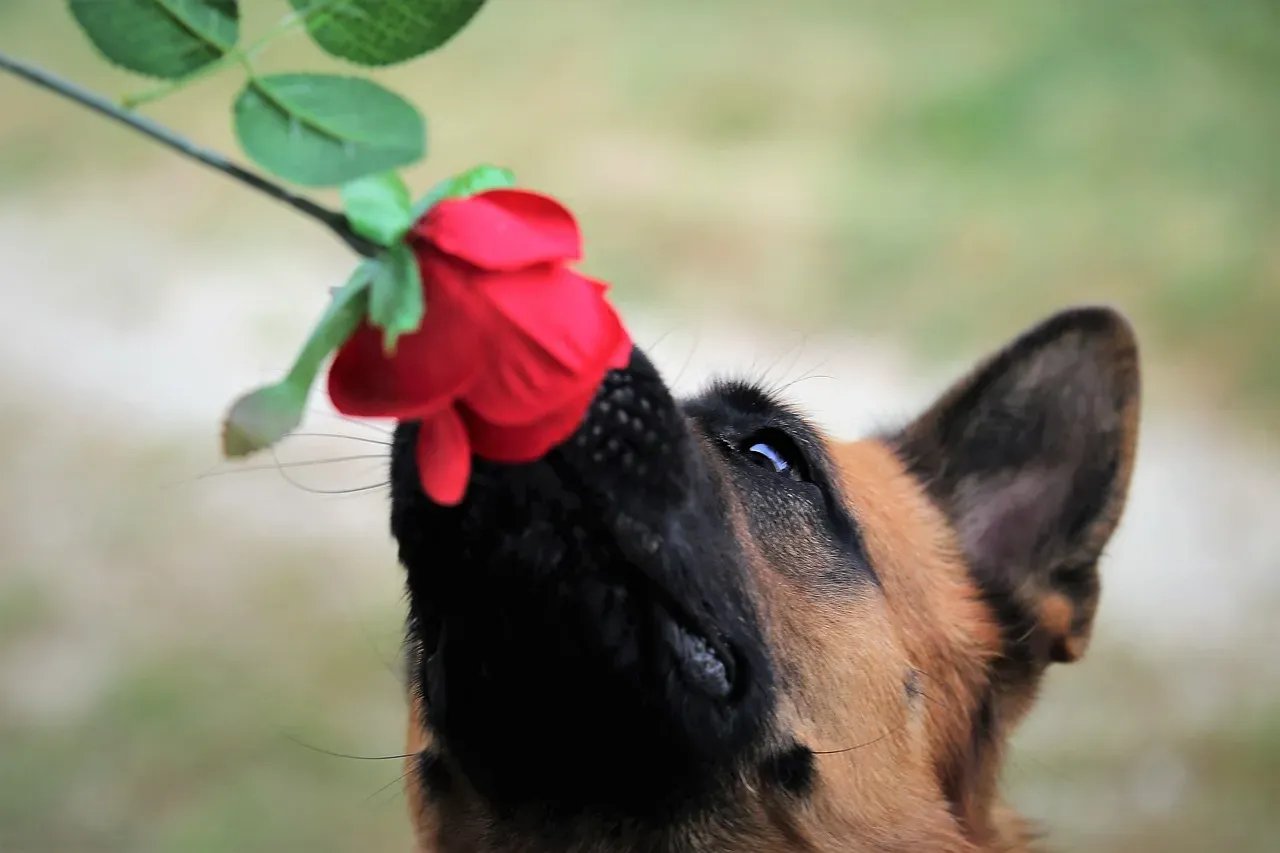
Most dog owners know their dog has a powerful nose. What’s more surprising is just how deeply that nose is tuned into our emotional chemistry. A dog has about 300 million scent receptors, compared with a human’s 6 million. That difference isn’t just about finding truffles or tracking trails. It means dogs are processing a chemical picture of your internal world that you can’t even perceive yourself.
Researchers conclude that dogs can detect an odor associated with the change in Volatile Organic Compounds produced by humans in response to stress. The study demonstrated that dogs can discriminate between breath and sweat taken from humans before and after a stress-inducing task, finding that an acute, negative, psychological stress response alters the odor profile of our breath and sweat.
One study examined dogs’ behavioral responses to a stranger after exposure to sweat samples, one collected from a happy human, the other collected from a frightened human. Overall, the dogs exhibited more social behaviors toward a neutral stranger after experiencing the “happy” sample and more avoidance after the “fear” sample. Your emotional state, in other words, isn’t just visible to your dog. It’s detectable, like a weather pattern rolling in before the storm.
Emotional Contagion: When Your Dog Actually Catches Your Feelings
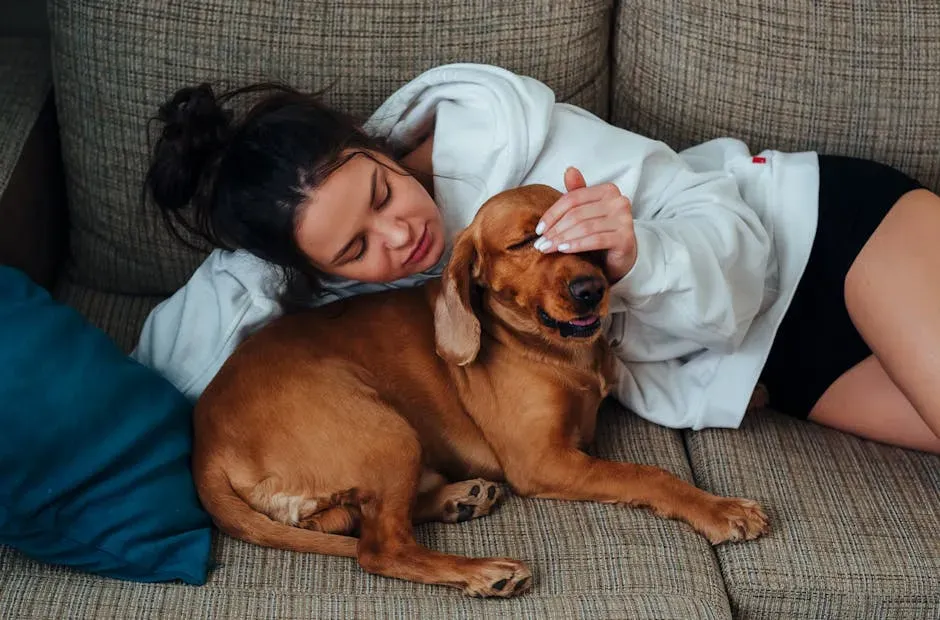
There’s a concept researchers call emotional contagion, and it turns out dogs experience it with us in a very real way. Dogs don’t just observe your emotions; they can “catch” them too. Researchers call this emotional contagion, a basic form of empathy where one individual mirrors another’s emotional state. A 2019 study found that some dog-human pairs had synchronized cardiac patterns during stressful times, with their heartbeats mirroring each other.
Your emotional state may be contagious to your dog. If you are sad, they are affected by it and come close to nuzzle you. Your dog is comforting you while seeking comfort themselves. This is a significant thing to sit with. Your dog isn’t just performing a trick. They’re actually sharing in your emotional experience.
In a study from Johns Hopkins University, dogs were found to push through doors to reach their crying owners significantly faster than when owners merely hummed. Importantly, the dogs showed this behavior even when they weren’t particularly distressed themselves, suggesting action motivated by concern rather than personal discomfort. This differentiation points to a rudimentary form of empathy that motivates dogs to provide comfort when they perceive sadness. That’s not instinct alone. That’s something closer to care.
How Your Mood Shapes Your Dog’s Behavior and Well-Being

Understanding that your dog senses your emotions isn’t just fascinating. It carries real responsibility. Dogs behave differently depending on the owner’s emotional state: they gaze and jump less at owners when they were sad, and their compliance with commands is also diminished. A stressed or grieving owner doesn’t just affect the atmosphere in the room. They affect their dog’s training, behavior, and even their willingness to engage.
When exposed to stress odor, dogs were significantly less likely to approach a bowl placed at an ambiguous location compared to no odor, indicating possible risk-reduction behaviors in response to the smell of human stress. Think about what this means during a training session. Research already showed that positive training, heavy on rewards, is good for owner-dog relationships. This study suggests that the reverse is also true: approaching the process while stressed could have a negative effect on how a dog feels and learns.
Some dogs become anxious when they detect their owner’s sadness, potentially intensifying their distress-response behaviors like pacing, whining, or destructive actions. Research from the University of Lincoln suggests that dogs with anxiety issues themselves may be more likely to show stress responses to their owner’s negative emotions through emotional contagion rather than offering comfort. If your dog seems unusually restless or clingy during a rough patch, they may genuinely be struggling alongside you. Keeping a steady routine and offering calm reassurance can help both of you.
The Chemistry of the Bond: Oxytocin and the Loop That Binds You

There’s a beautiful biological loop running quietly beneath every moment you spend with your dog. When humans interact with dogs, several key neurological responses occur that positively impact mental and emotional health. The physical act of petting a dog stimulates the release of oxytocin, the “love hormone,” which fosters feelings of bonding and trust. This hormone is the same one released during human-to-human affectionate interactions, solidifying the powerful emotional connection that people feel with their dogs.
When dogs spend time with their human companions, their brains release oxytocin as well, fostering a sense of bonding and reducing stress. This hormone helps create strong emotional connections between dogs and their owners, which can contribute to a calmer, more emotionally balanced pet. The exchange is genuinely mutual. You’re not just benefiting from the relationship. Your dog is too.
Interacting with a dog can alleviate stress, anxiety, and depression. Dogs provide love and support, becoming loyal confidants during challenging times. The simple act of petting a dog releases oxytocin, a hormone associated with relaxation and bonding, fostering emotional resilience in humans. For anyone navigating grief, anxiety, or difficult seasons of life, this isn’t a small thing. It’s a physiologically real form of support available every single day.
Conclusion: What This Means for How You Show Up for Your Dog
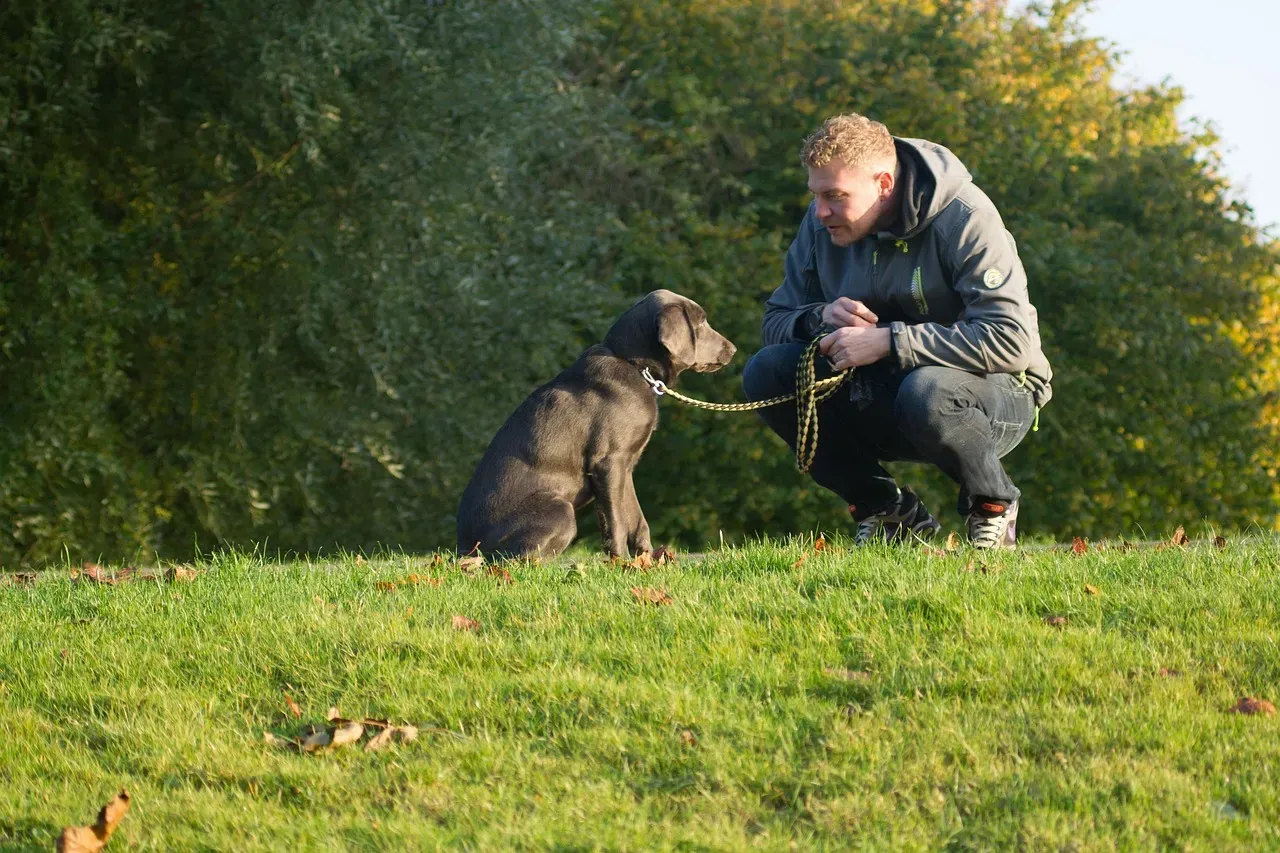
The science makes one thing clear: the emotional relationship between you and your dog flows in both directions. They’re not passive recipients of your care. They’re active participants in your emotional life, reading you constantly, responding to what they sense, and sometimes carrying the weight of it alongside you.
Practically speaking, this means a few things worth keeping in mind. Learn to spot your dog’s stress signals, keep calm around your dog, and consider doing a relaxing activity before interacting or training to reduce any effect your stress might have. Maintaining your dog’s daily routine as much as possible can provide a sense of stability during challenging times.
Perhaps the most meaningful takeaway here isn’t about training techniques or neurochemistry. It’s simpler than that. Your dog has been paying attention to you, quietly and faithfully, every single day. The least we can do is start paying the same kind of attention back.


