
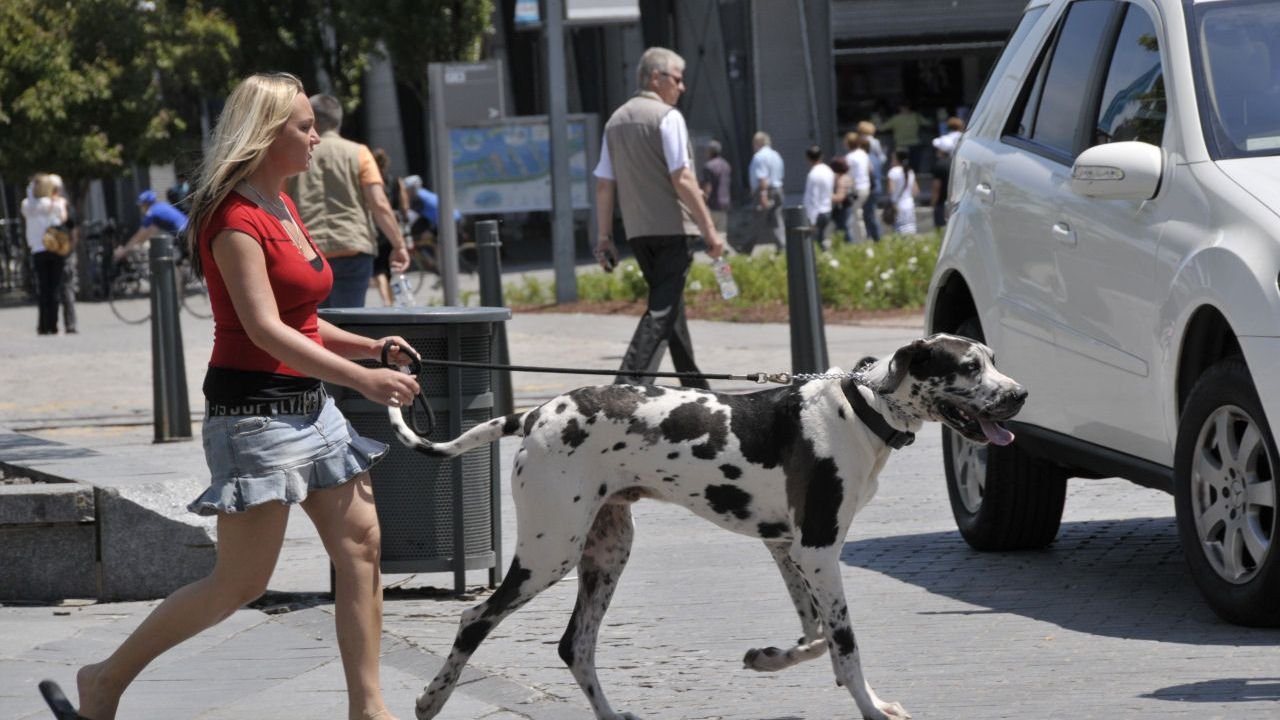
Most dog owners spend more time picking out the perfect toy than choosing a collar and leash. It’s understandable. Those decisions feel minor compared to food, vet visits, or training. Yet every single walk your dog takes begins with one of those two items clipped or buckled onto their body, and what you choose carries real consequences for their comfort, safety, and even their long-term health.
There’s a lot of noise out there when it comes to gear. The options can feel overwhelming, and the marketing is often more about aesthetics than function. This guide cuts through all of that with straightforward, research-backed information to help you make confident choices for your dog, whatever their size, breed, or personality.
Why Your Gear Choice Matters More Than You Realize

When it comes to walking your dog, the leash and collar you choose play a major role in comfort, control, and safety. That’s not a minor detail. It shapes every walk, every training session, and how your dog relates to being on a leash over time.
Beyond safety, a properly fitted leash and collar or harness help reinforce training, prevent injuries, and create a more enjoyable walking experience. Regular dog walks support physical health, reduce behavioral problems, and strengthen the bond between you and your pet.
Canine welfare comes into question when selecting the type and size of collar chosen for an animal, as well as how it is used. Due to the natural instinct of the dog to pull against the pressure exerted from a neck restraint, inappropriate choice and use can have welfare consequences for the animal, with the potential to cause nerve damage or temporary upper airway obstruction. That’s a serious reminder that this isn’t just a shopping decision.
Dog leashes, harnesses, and collars with ID tags are crucial to your dog’s safety. Each one has a different function and ultimately makes sure a dog is identifiable, able to be restrained, and protected as they navigate different environments.
Collar Types: Understanding What Each One Actually Does

Walk into any pet store and you’ll see dozens of collar styles lined up in rows. The variety is useful, because dogs genuinely are different. A collar that works beautifully for a calm Labrador might be entirely wrong for a Greyhound or a Pug.
The traditional dog collar has been a go-to for generations. It’s simple, familiar, and functional. Collars come in a wide variety of materials and styles, including nylon, leather, martingale, and breakaway, and are often used to hold ID tags and licenses.
If your pup has a habit of slipping out of flat collars, a martingale collar may be the best way to go. This style tightens when pulled but won’t choke, making it perfect for training and controlling dogs with narrow heads, like Greyhounds or Dobermans.
Head collars are ideal for difficult dogs or ones who need more safety while socializing. The head collar sits around the dog’s muzzle and attaches behind the head, giving you steering control. However, this type of collar may require an adjustment period for your dog. Patience matters during that transition. Rushing it often creates anxiety around the gear itself.
Collar Safety: The Real Risk of Pulling on a Lead
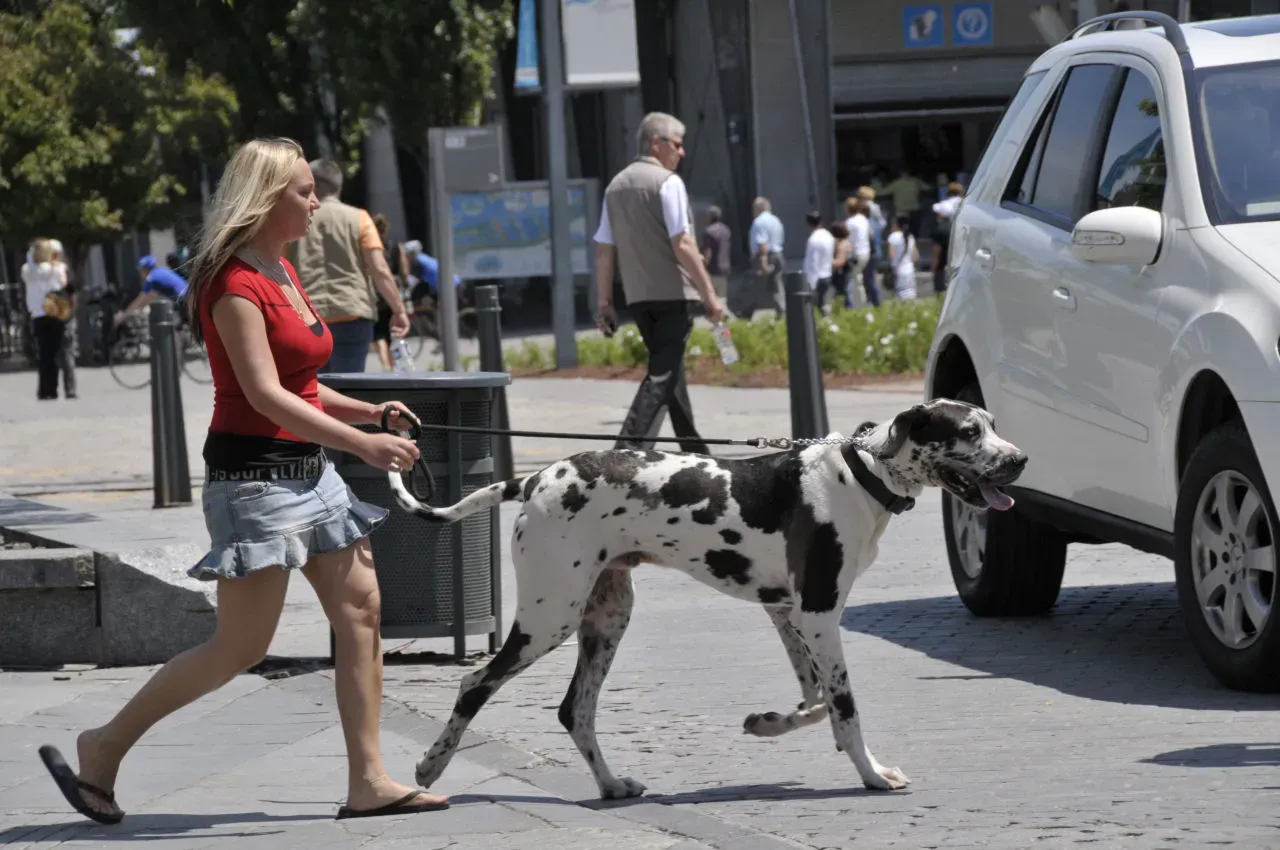
This section might surprise you. Many dog owners assume that a padded or wide collar protects their dog from the effects of pulling. The science says otherwise.
A study from Nottingham Trent University found that with all the collar types and styles tested, even those that were padded or had a wide fitting, the pressure exerted on the model neck would be sufficient to risk injury to the dog. No single collar tested provided a pressure considered low enough to reduce the risk of injury when pulling on the lead.
The researchers argue that as all collar types will pose some risk, dogs should be trained to walk on a loose lead without pulling, or walked using a harness which applies no pressure to the neck. That’s a clear and practical takeaway worth acting on.
Pressure exerted on the neck may also aggravate certain conditions of the eyes, or be detrimental to certain breeds such as brachycephalic breeds. The higher the collar sits on the neck, the greater the risk of damage. If you have a flat-faced breed like a Pug or French Bulldog, this is especially important to keep in mind.
Harness vs. Collar: Knowing When to Switch

The harness-versus-collar debate comes up constantly, and the honest answer is that both have their place depending on your dog. Context matters more than category.
A harness distributes pressure across the chest and back instead of the neck, providing better control and comfort without choking. For dogs that pull, or for breeds with sensitive tracheas, this is often the safer daily-walk option.
For dogs with respiratory sensitivities or tracheal issues, a full-body harness or body leash is often a better choice. Harnesses distribute pressure evenly across the body instead of concentrating it on the neck, making them ideal for small breeds and brachycephalic dogs like Pugs and Boston Terriers.
For many, a harness is the safer, more comfortable choice, especially for pullers, small breeds, and dogs with respiratory issues. For calm, well-trained dogs, a properly fitted collar may work just fine. Training your dog to walk on a loose lead remains the most valuable investment regardless of what you clip onto them.
Harnesses can allow dogs to pull more comfortably, which might not be suitable for strong or untrained dogs. In such cases, a Gentle Leader or head halter can provide additional control by guiding the dog’s head and discouraging pulling during training.
The Truth About Retractable Leashes
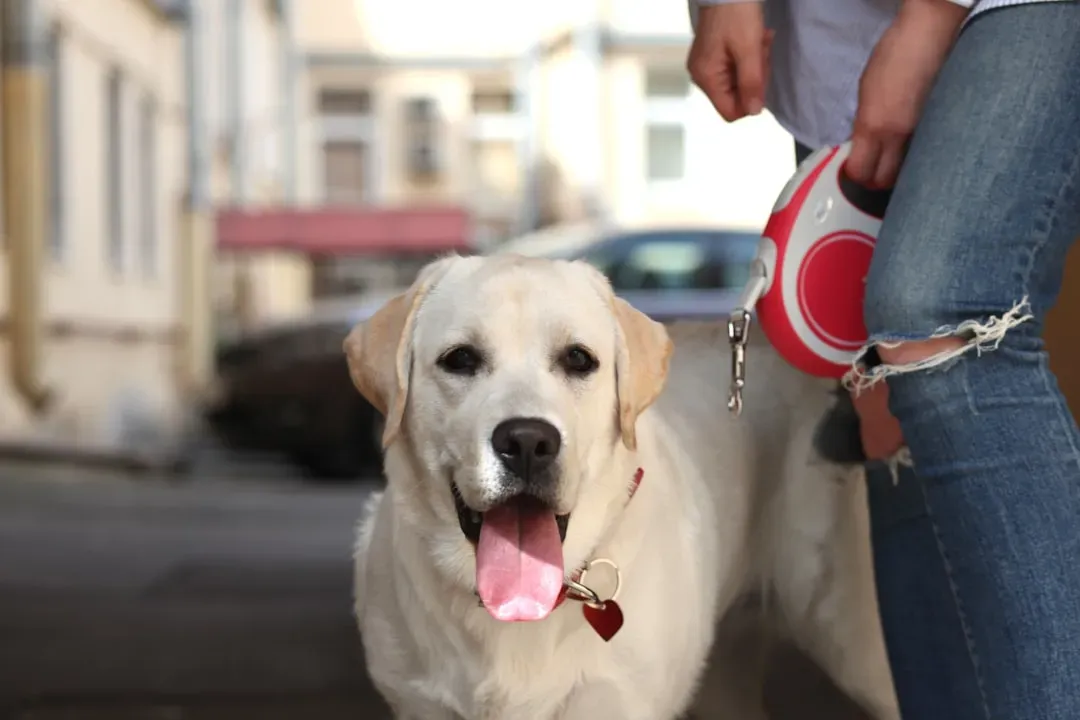
Retractable leashes are everywhere, and they look convenient. That convenience, though, comes with a list of risks that most owners don’t fully consider until something goes wrong.
The length of retractable leashes, some of which can extend up to 26 feet, allows dogs to get far enough away from their humans that a situation can quickly turn dangerous. A dog on a retractable leash is often able to run into the middle of the street or make uninvited contact with other dogs or people.
If you lock the leash as the dog is running, it can cause an abrupt stop. This can cause the dog to jerk back on the leash and result in an injury to the neck or throat, which could result in neck pain or, in severe cases, a ruptured disk in the neck. Injury to the windpipe or trachea can also cause the dog to cough or have trouble breathing.
Retractable leashes are an especially bad idea for dogs that haven’t been trained to walk politely on a regular leash. By their very nature, retractable leashes train dogs to pull, because they learn that pulling extends the lead. A standard four to six-foot nylon or leather leash is a more reliable and safer tool for everyday walks.
Problems with retractable leashes have become so common that some shelters, veterinary clinics, dog parks, and even cities are banning or restricting their use. In Madison, Wisconsin, the city proposed regulations that prohibit retractable leashes in their dog parks.
Getting the Fit Right: The Two-Finger Rule and What to Watch For
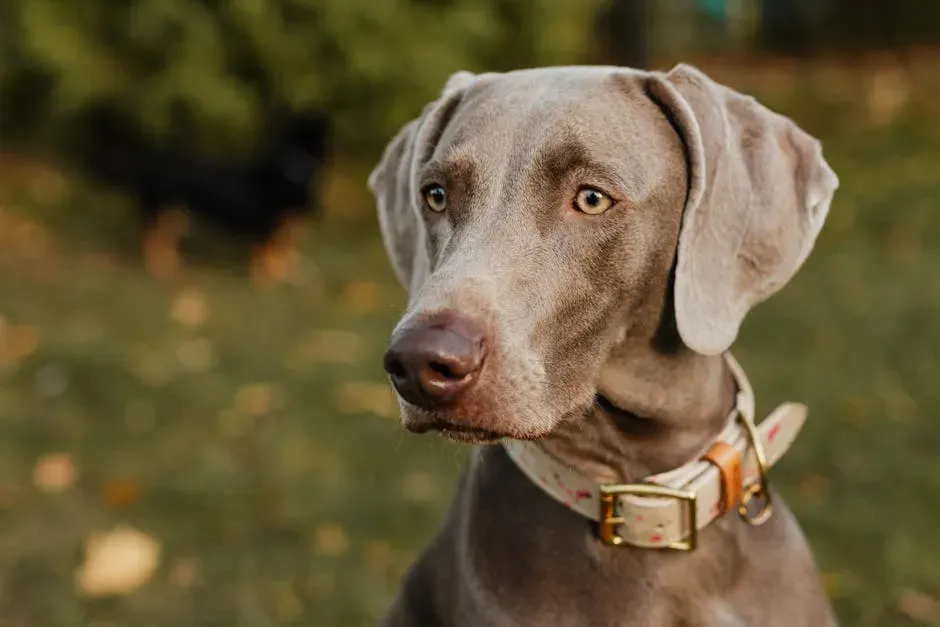
Even the best collar in the world does harm if it doesn’t fit correctly. Fit is something many owners check once at the store and then forget about entirely. Your dog’s body changes, though, and so should the fit.
The Two-Finger Rule is the universal standard for how to fit a dog collar correctly. It strikes the perfect balance between security and comfort. Place the collar on your dog’s neck, then adjust it so you can comfortably slide two fingers between the collar and your dog’s neck. You should feel contact, but your fingers shouldn’t be squeezed. It should be snug enough that it can’t slip over your dog’s head, yet loose enough to avoid restricting breathing or causing chafing.
If you are wondering how to know if a dog’s collar is too tight, look for physical signs. Fur indentation, redness, or hair loss are clear indicators that the fit is incorrect. These signs are easy to miss if you’re not actively looking for them, especially on dogs with thick coats.
As your pet grows or changes in weight, you should be regularly checking the fit of the collar. If it becomes too loose, it can slip off. If it’s too tight, it can cause discomfort. For puppies especially, this check needs to happen frequently, sometimes every few weeks during growth spurts.
Always make sure your dog’s collar includes an identification tag with your contact information. Microchipping is also a valuable backup for identification just in case the tag falls off. Think of ID tags and microchipping as two layers of protection, not alternatives to each other.
Matching Gear to Your Dog’s Size, Breed, and Personality
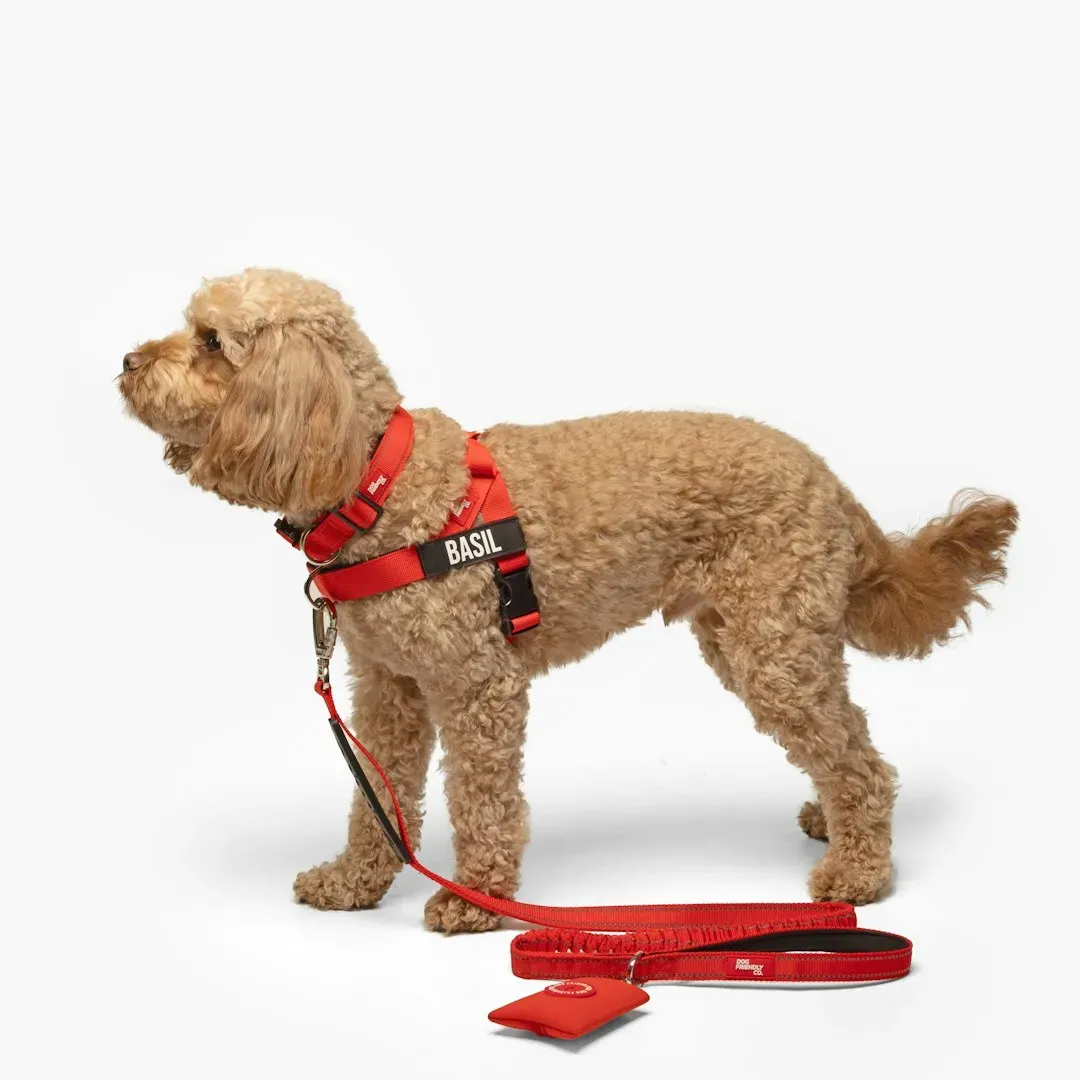
There’s no single correct answer that applies to every dog. A Border Collie has very different needs from a Chihuahua, and both differ from a senior Basset Hound who takes leisurely strolls around the block.
Your dog’s size and strength determine how durable and supportive their leash should be. Small and toy breeds benefit from lightweight nylon or leather leashes that won’t weigh them down. Large or powerful dogs require thicker, wider, and stronger materials with a padded handle to prevent injuries like leash burn.
For puppies, start with a short four to six-foot nylon leash and a flat collar or lightweight harness. Avoid retractable leashes during puppy training, as they can reinforce pulling. Starting right builds habits that stick for life.
Adult and senior dogs often do well with standard or adjustable leashes that allow slower, more controlled walks. Harnesses help support aging joints and prevent pressure on the neck. Older dogs deserve the same thoughtfulness that we extend to puppies. Their comfort matters just as much, sometimes more.
While choosing a leash or harness may seem simple, your veterinarian can help you decide what’s safest and most effective for your dog’s health and behavior. Some dogs have medical or orthopedic conditions that make certain collars or harnesses unsafe. If you’re ever in doubt, your vet is the right person to ask.
Conclusion: Small Decisions With Big Impact
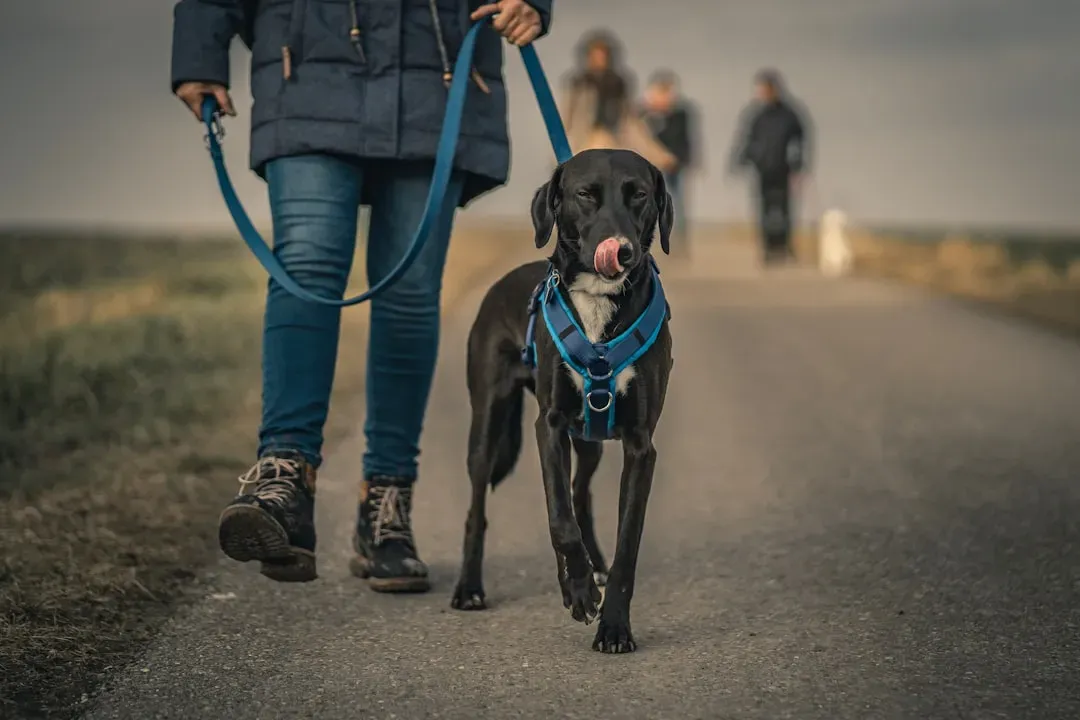
When you buckle that collar or clip on the leash before a walk, you’re doing something simple that carries more weight than most people give it credit for. The gear touching your dog’s body every day influences their physical wellbeing, their training outcomes, and how much they enjoy being out in the world with you.
The good news is that making the right choice doesn’t require a deep knowledge of canine biomechanics. It requires knowing your dog: their size, their pulling habits, their breed quirks, and their health history. Pair that knowledge with a few basic guidelines, check the fit regularly, and stay willing to switch things up if something isn’t working.
A great walk isn’t just about the destination. It’s about making sure your dog arrives there safely, comfortably, and happy to do it all over again tomorrow. That starts with what’s around their neck and in your hand.


