
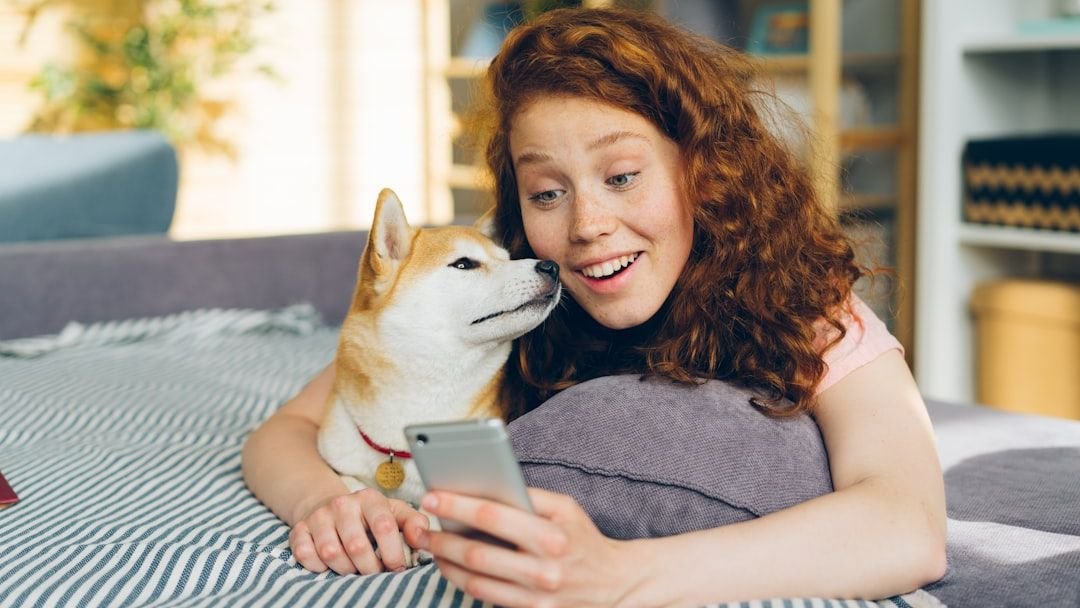
Every dog owner has had that moment – your dog looks up at you with those soft, trusting eyes, and something quietly clicks. That right there is not accidental. It’s built, day by day, through the tiny choices you make around your dog without even thinking about them.
The truth is, the bond between humans and dogs isn’t just emotional – it’s biological, behavioral, and deeply shaped by routine. Some habits feed that bond in ways that make your dog more confident, more trusting, and more connected to you. Others quietly erode it, often without any dramatic warning signs. Knowing the difference matters more than most people realize.
Habit #1 (Strengthens): Holding a Soft, Mutual Gaze
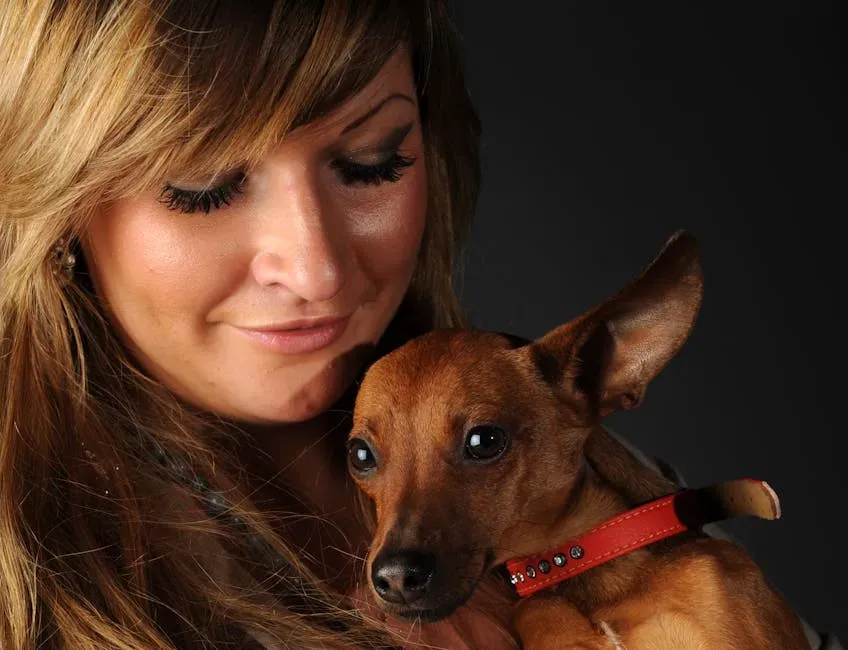
This one is backed by genuinely fascinating science. Research published in the journal Science found that mutual gazing between dogs and their owners activates oxytocin systems in humans, and that this gaze-mediated bonding also increases oxytocin levels in the dogs themselves. In other words, when you lock eyes with your dog in a calm, loving way, both of you are experiencing a biochemical rush of trust and connection.
In pairs that spent the greatest amount of time gazing into each other’s eyes, dogs experienced a remarkable rise in oxytocin levels, and their owners experienced an even greater increase. That’s not a metaphor for love – it’s the actual chemistry of it. So the next time you catch your dog staring at you from across the room, don’t look away. Hold that gaze gently and let the connection do its work.
Habit #2 (Strengthens): Building a Predictable Daily Routine
Dogs thrive on routine. Predictable mealtimes, walks, play, and rest help your dog feel safe and secure, especially if they’re new to your home. Think of routine as the language of reliability. It’s your dog’s way of knowing the world makes sense – and that you’re a trustworthy part of it.
When your pup feels like they can count on you to follow through with their routine, it becomes easier for them to trust you. A consistent schedule also reduces anxiety and can make training easier, including potty training. Dogs don’t crave spontaneity the way humans sometimes do. Knowing what comes next is genuinely comforting for them, and honoring that need is a quiet act of love.
Habit #3 (Strengthens): Using Positive Reinforcement in Training
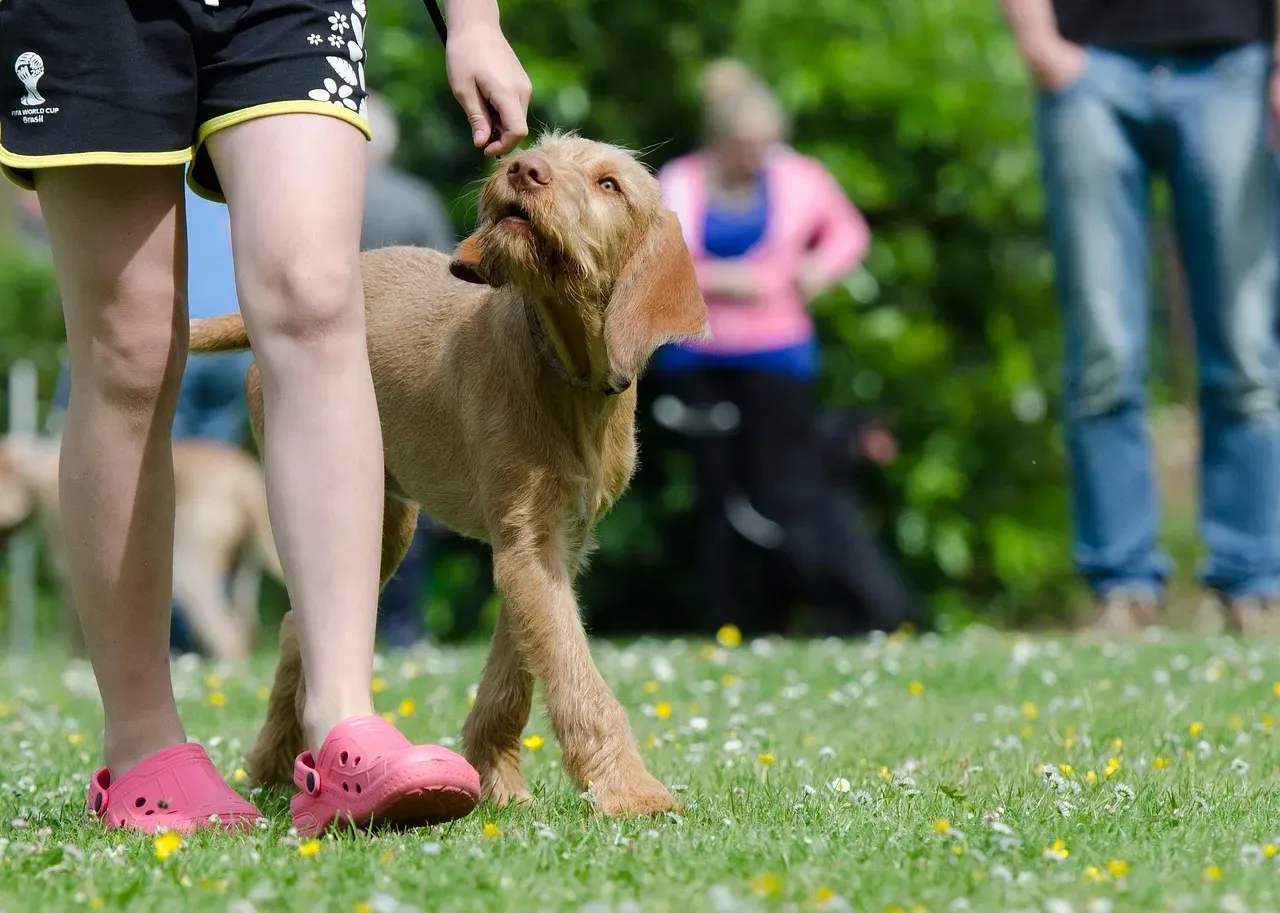
Training sessions that rely on positive reinforcement, such as treats or praise, are proven to strengthen the dog-owner bond, and research shows that dogs trained this way are more eager to engage and learn. This makes training sessions far more than lessons in obedience – they become shared conversations where both of you are actively listening to each other.
The use of positive reinforcement training methods builds up a dog’s confidence and trust in their pet parents. Confident dogs are calmer, more responsive, and far more enjoyable to live with. Rewarding good behavior with treats, praise, or playtime reinforces your bond and creates a safe space for learning. That safety is the foundation everything else is built on.
Habit #4 (Strengthens): Reading Your Dog’s Body Language
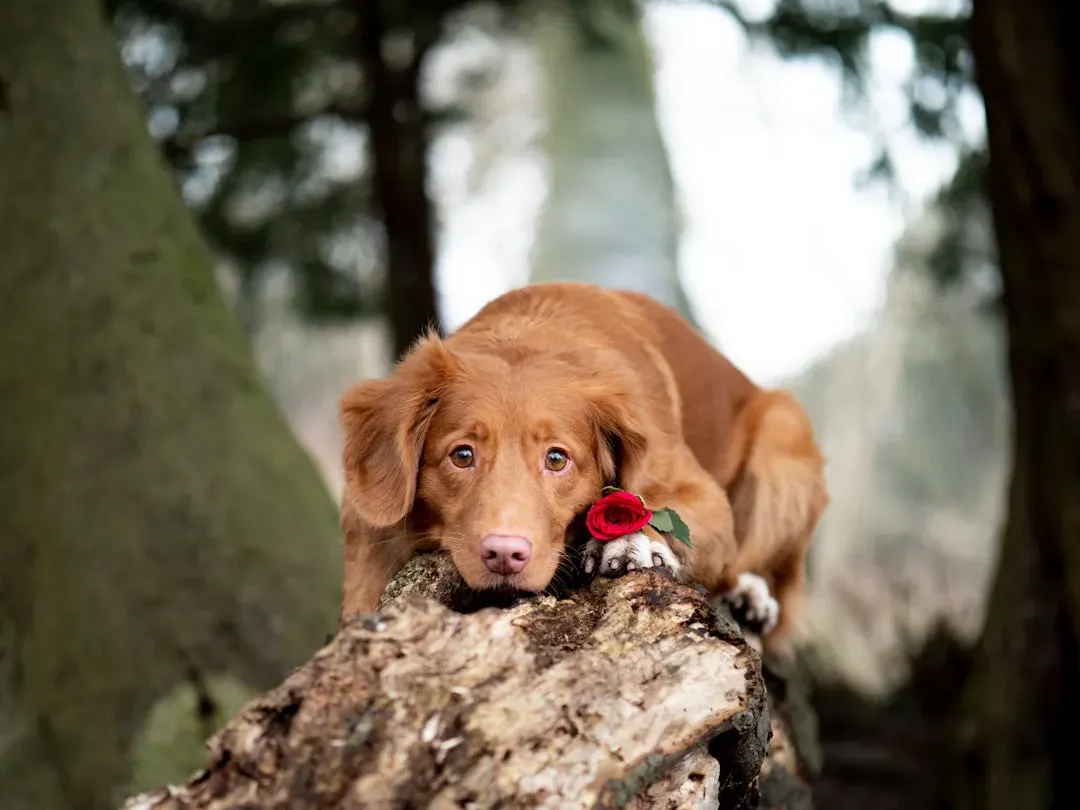
Understanding your dog’s body language is one of the most powerful ways to strengthen your bond, since dogs communicate how they feel through their posture, tail movements, ears, eyes, and overall behavior. Most miscommunication between dogs and owners happens not from bad intentions, but from simply not noticing the signals a dog is sending out.
A confident and alert dog holds their ears forward, head up, and tail up. When a dog has their ears turned to the side, head lowered, avoids eye contact, and has their tail lowered or tucked between their legs, they are conveying fear, anxiety, and potentially stress. Learning to tell the difference is one of the most meaningful skills you can develop as a dog owner. Growling should be interpreted as an indication of the dog’s discomfort, and the right response is to stop what you’re doing and give the dog more space.
Habit #5 (Strengthens): Regular Grooming and Gentle Touch
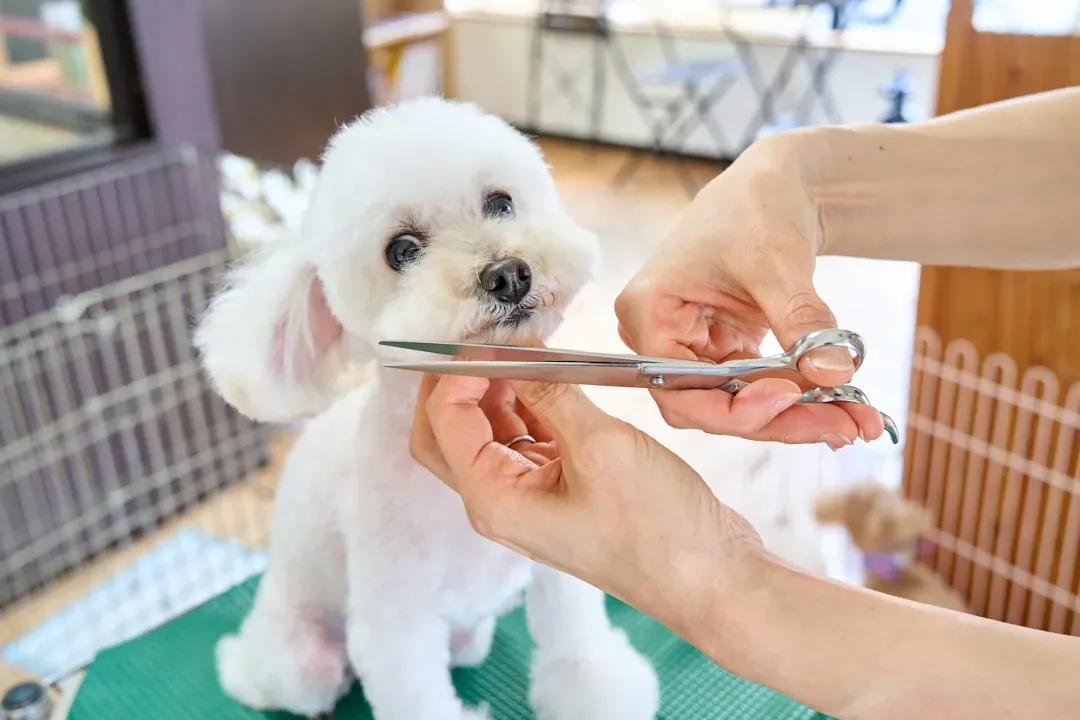
Regular brushing, gentle petting, or massage not only keeps your dog healthy, but it also reinforces your bond. Touch builds trust and comfort, especially when it’s paired with positive experiences. Grooming sessions don’t have to feel like a chore. When done calmly, they become a ritual that your dog begins to associate with your presence and care.
Grooming a dog can strengthen the human-animal bond if it’s done right and makes your dog feel good. For example, brushing your dog’s coat two or three times a week removes dirt, debris, and loose fur, and it can be very soothing to many dogs. Take time to learn how your dog likes to be handled. Some love belly rubs, while others prefer ear scratches or just being near you. That attentiveness is exactly what deepens the connection.
Habit #6 (Strengthens): Playing Interactive Games Together
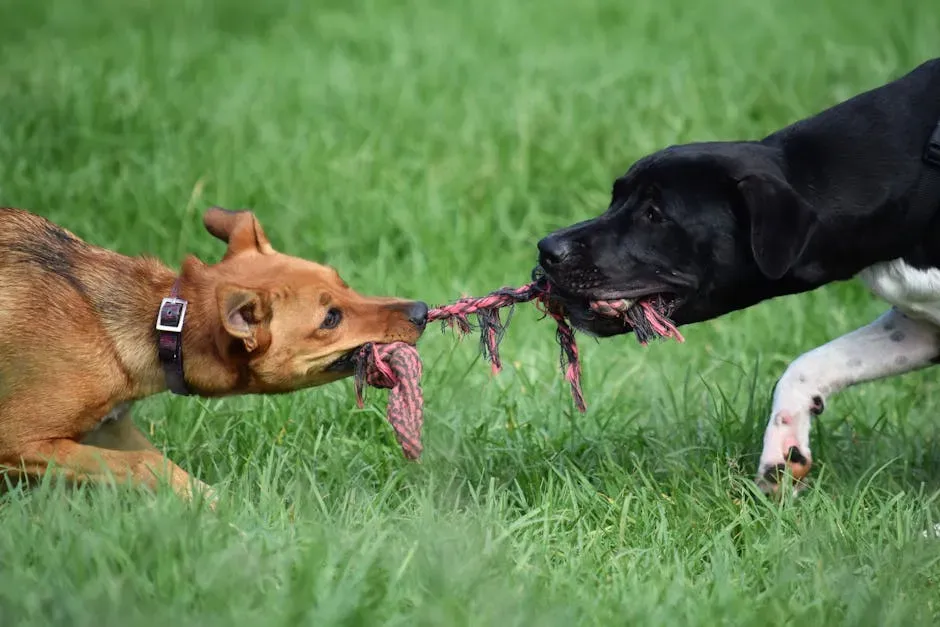
Interactive games like fetch, tug-of-war, or hide-and-seek aren’t just fun – they’re scientifically proven to build trust and improve your dog’s confidence. Tug-of-war, for example, has been shown to enhance cooperation without increasing aggression when played fairly. Play is one of the primary ways dogs communicate joy and safety, and joining in sends a powerful message that you’re someone worth being around.
Teaching your dog new tricks not only helps them learn better manners and behavior but is a mentally enriching activity that deepens your connection. Training requires your dog to be tuned into you for guidance. Even a short, silly game of hide and seek in your hallway counts. The shared focus and the moment of discovery – when they finally find you – is genuinely bonding for both of you.
Habit #7 (Strengthens): Advocating for Your Dog in Stressful Situations
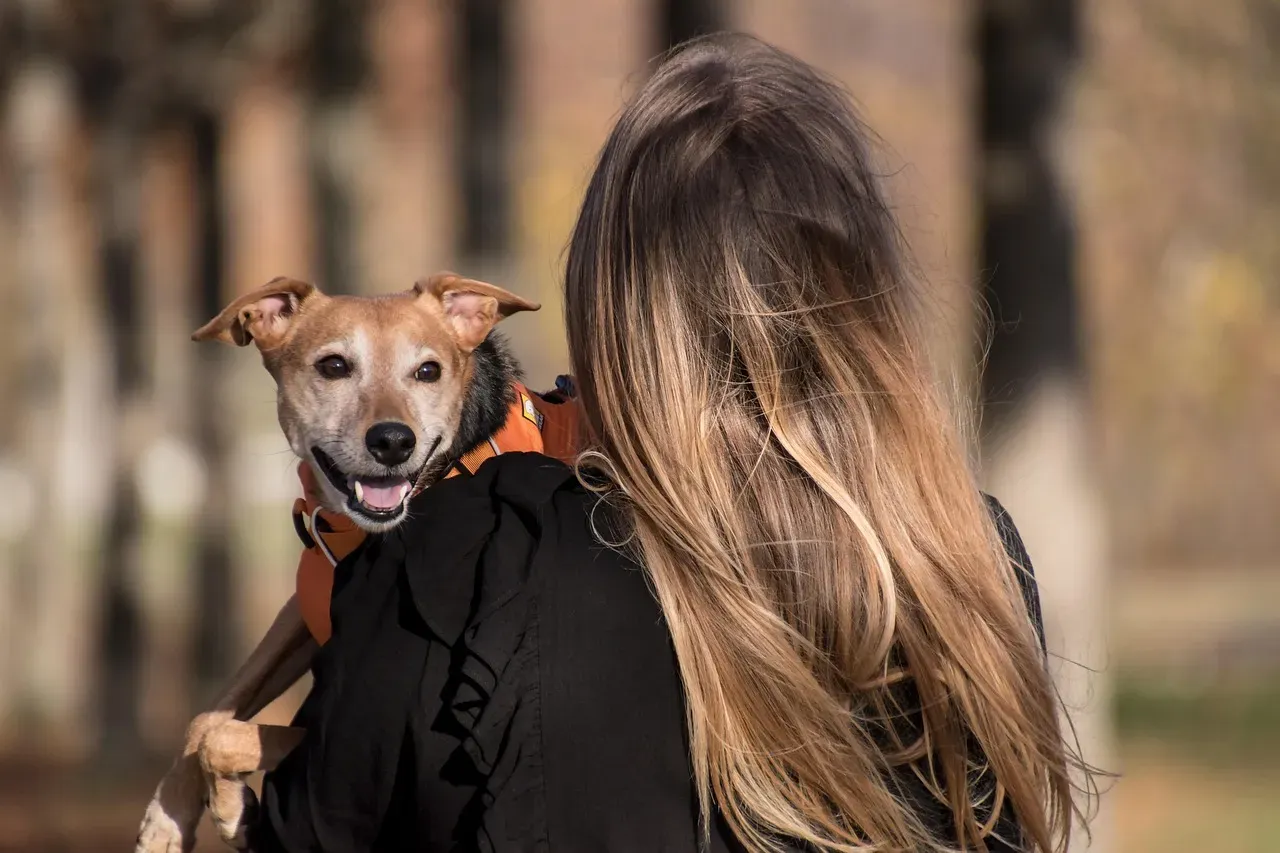
Advocating for your dog in new or stressful situations, and not forcing them into uncomfortable interactions with people or other animals, is a vital part of building trust. Pay attention to what makes your dog uneasy and step in to protect their emotional and physical wellbeing. Your dog cannot speak for themselves in a crowd of strangers, at the vet, or at a noisy park. You are their voice.
Imagine a well-meaning stranger rushing up to pet your nervous dog. Your dog turns their head away, licks their lips, and stiffens. These are signs that your dog is stressed or not enjoying the physical affection as much as you are. Stepping in calmly and saying “not today, thanks” isn’t rude – it’s responsible. Dogs remember who protected them. That memory builds trust that no amount of treats can replicate.
Habit #8 (Strengthens): Going on Exploratory Walks That Let Your Dog Sniff
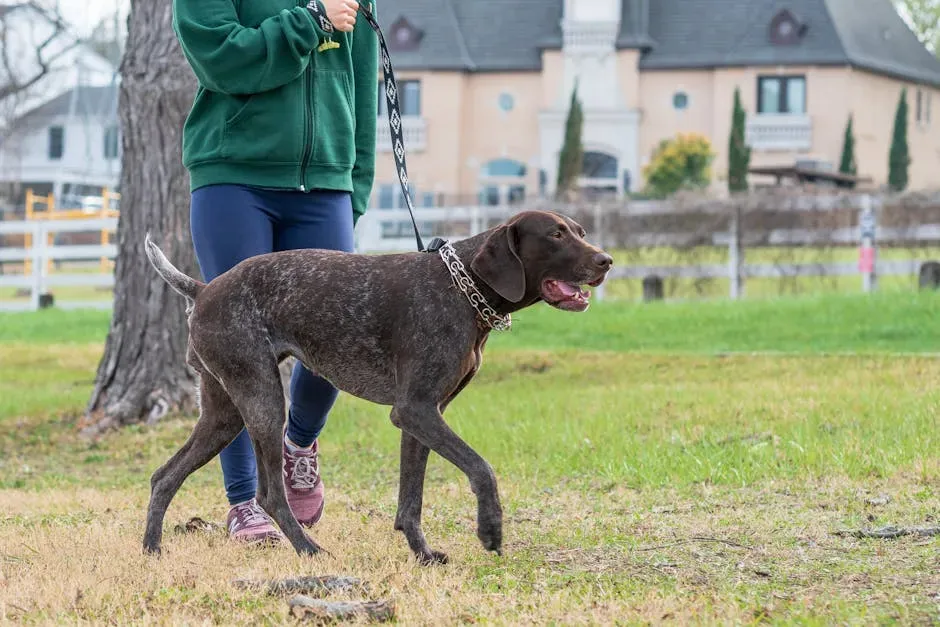
Studies show that participating in outdoor activities together strengthens the human-dog bond by providing quality time and physical exercise. Letting your dog sniff and explore reduces stress and fulfills their natural curiosity. Most owners think of walks as exercise. Dogs think of them as information. Every lamp post and grass patch is a whole story to them, and letting them stop and read it is a gift.
Taking a nice long walk with your dog every day means that since dogs love sniffing, exploring, and encountering new sights and sounds, they’ll be grateful to you for the fun outing and will begin to associate you with that good feeling. Daily long walks also help a well-exercised dog stay calm and transition to any new home more easily. Try varying your route occasionally. A new street, a different park, a trail you haven’t tried yet – novelty keeps it interesting for both of you.
Habit #9 (Strengthens): Spending Calm, Quiet Time Together

Science has shown that dogs synchronize their stress levels with their owners. Sharing quiet moments – whether lounging on the couch or enjoying nature – promotes relaxation and strengthens your emotional bond. This kind of co-regulation is remarkable. Your dog reads your nervous system, and you read theirs, often without either of you doing anything at all.
You don’t always need an activity. Spending time with your dog beyond walks and feeding is incredibly important for growing your relationship. Simple tasks like playing games, going for walks, or just hanging out on the couch at home can help your dog feel more comfortable with you and their new environment. The dog curled up against your leg while you read a book is not just warm – it’s practicing the art of belonging.
Habit #10 (Strengthens): Keeping Training Going Throughout Your Dog’s Life
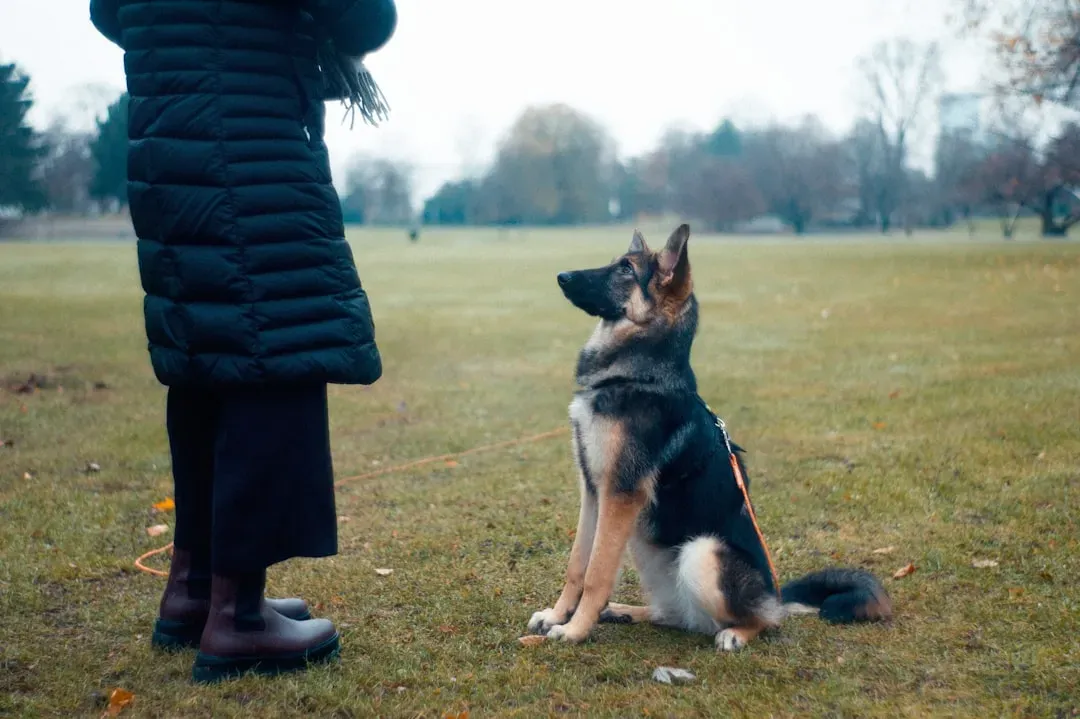
Training your pet should be a lifelong endeavor and teaching a new trick or skill will exercise their brain and strengthen their cognitive abilities as they approach their grey muzzle years. Designate daily training sessions with your dog and teach them new tricks like high five or roll over. Dogs are natural people pleasers and will thrive from learning new skills with their favorite human companion.
Participating in dog sports, such as agility, herding, scent work, or barn hunt, is another great opportunity to strengthen the human-animal bond. These are excellent activities for improving physical fitness, mental enrichment, and teamwork. Dog sports allow both owner and dog to work on achievable goals together. You don’t have to compete nationally to benefit. Even the most modest training sessions, done consistently, tell your dog: I still see you. I still invest in us.
Habit #11 (Damages): Using Punishment-Based Training Methods
Dogs trained using aversive stimuli, which involve punishments for incorrect behavior, show evidence of higher stress levels compared to dogs trained with reward-based methods. After aversive training, dogs had a lower behavioral state with higher stress and anxiety. If aversive methods were used in high proportions, that persisted even in other contexts. This means the damage follows your dog home, long after the training session ends.
Punishment-based training damages the human-animal bond and leads to mistrust, pain, fear, agitation, and increasing anger as the dog develops a strong negative association with the punisher. Contrary to its intended purpose, punishment-based training often exacerbates behavioral issues, fueling a cycle of escalating aggression and anxiety in dogs. The punitive measures employed may inadvertently reinforce undesirable behaviors or trigger heightened fear responses. When your dog is afraid of you, they aren’t learning – they’re just trying to survive the moment.
Habit #12 (Damages): Being Inconsistent With Rules and Commands

Inconsistent or unpredictable human-dog interactions can cause emotional conflict in the dog, in which the dog might desire a relationship but does not trust that the interaction will be safe. Picture this: one person in the house lets the dog on the sofa, the other scolds them for it. The dog isn’t being stubborn or difficult. They’re just genuinely confused about what the rules are.
Dogs thrive on clear communication and consistent expectations. When punishment is used inconsistently or without proper context, it can create confusion in the dog’s mind. If a dog is scolded for barking one day but ignored for barking the next, they may not understand what behavior is expected of them. This uncertainty can lead to chronic stress and anxiety as the dog becomes unsure of how to act. Consistency isn’t about being rigid. It’s about being reliable – and reliability is the bedrock of trust.
Habit #13 (Damages): Ignoring Your Dog’s Stress Signals

When dogs are resting, chewing on a favored object, or no longer desirous of human affection, they might respond with deferential displays or threats. However, if the owner continues to approach, tries to remove the resource, or attempts to pet the dog despite its signaling, aggression can escalate and future signaling can be lost. That last part is particularly important. A dog who learns their signals are ignored eventually stops signaling – and that’s when bites seem to come “out of nowhere.”
Dogs communicate in a graduated ladder of signals. A yawn, a lip lick, turning the head away, a low growl – these are all polite attempts to say “please stop.” Studies show that dogs trained with punishment-based techniques exhibit more stress-related behaviors like cowering, lip-licking, yawning, and tail tucking. But even in non-training contexts, when you consistently override these signals, you’re telling your dog that their communication doesn’t count. Over time, that silence has consequences.
Habit #14 (Damages): Leaving Your Dog Under-Stimulated and Bored

Rest and relaxation are all well and good, but not if the dog has had no activity all day. Mental and physical stimulation on a regular, daily basis is vital for the health and wellbeing of your dog. Those with nothing to do are prone to developing behavioral problems and destructive tendencies as they vent their frustration, or even depression. A bored dog isn’t a bad dog. They’re an under-served one.
Behavioral problems in dogs don’t just go away on their own. In fact, when ignored, they can escalate into more serious issues like aggression or anxiety. Early intervention helps ensure a happier, healthier relationship between you and your dog, while also preventing long-term habits that are harder to break. Chewing your furniture, excessive barking, repetitive pacing – these are often cries for engagement, not defiance. Address the boredom and you’ll often find the behavior resolves itself.
Habit #15 (Damages): Being Physically Present But Emotionally Absent
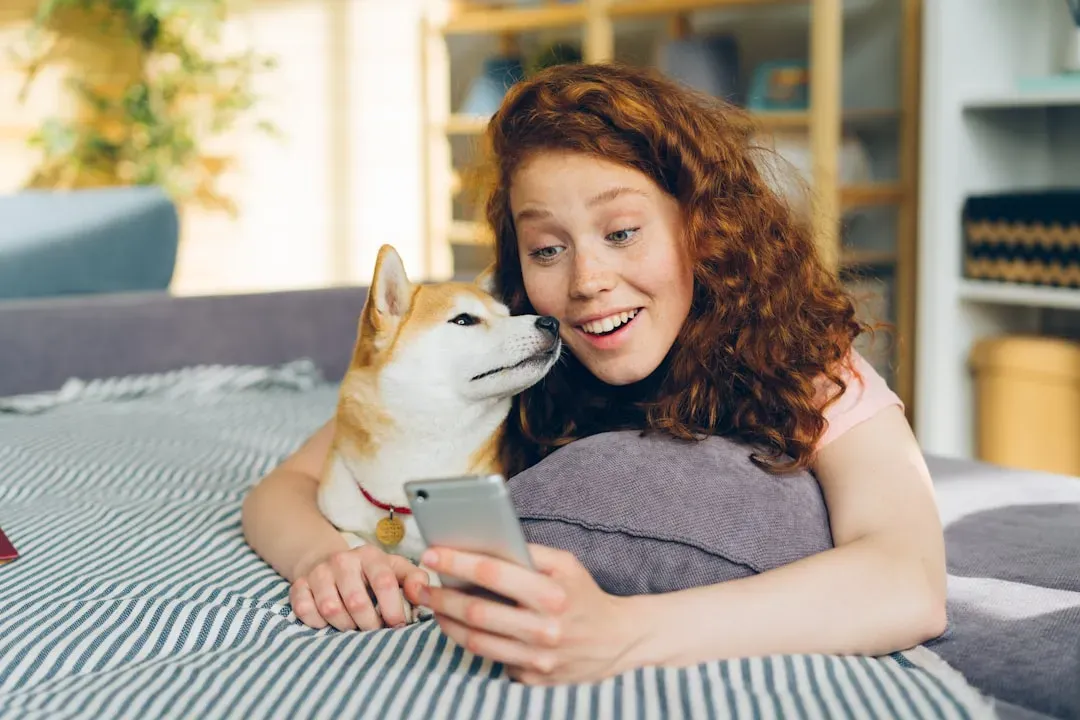
Sometimes we are in the house, but “nobody’s home” – present in body but not in mind. Dogs love relationships. They want to be with us and to interact. Scrolling your phone for two hours while your dog lies next to you silently isn’t quality time. Your dog knows the difference between genuine engagement and proximity with a distracted human.
Research consistently demonstrates that when dogs and their humans spend time together, engage in shared activities, and practice their communication, this builds trust and deepens their relationship. These activities also improve your dog’s mental and physical health while fostering a sense of security and joy. Even ten minutes of focused play, a brief training session, or just sitting together and genuinely noticing your dog makes a measurable difference. Presence isn’t about time – it’s about attention.
The Bond Is Always Under Construction
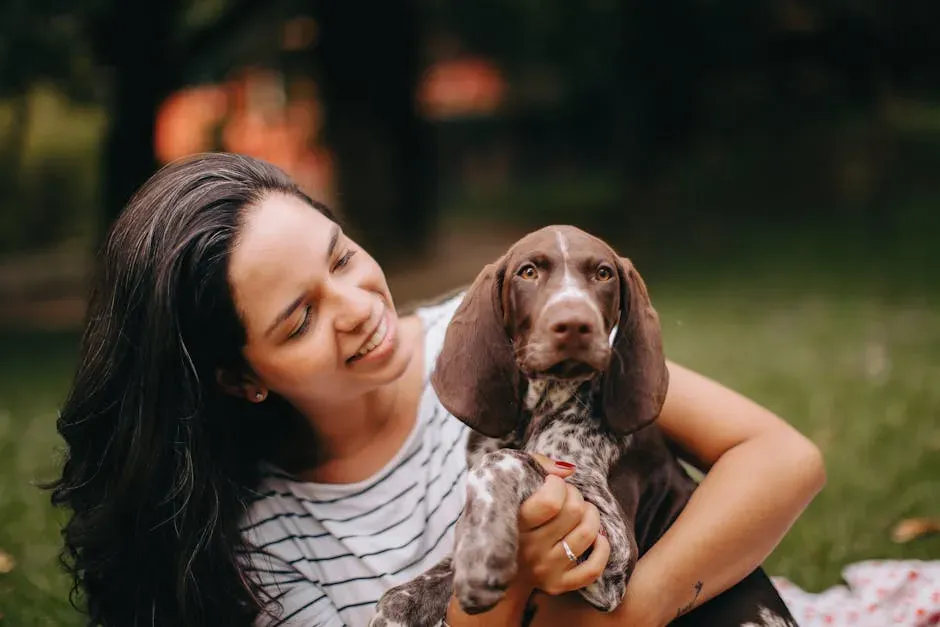
Building a strong bond with your dog doesn’t happen overnight. Every dog is different – some are naturally cuddly and eager to please, while others take time to warm up. That’s not a problem to fix. It’s simply a relationship that needs patience and honesty.
Bonding with your dog is essential for a positive long-term relationship, and it can improve mental and physical wellbeing. Understanding your dog’s body language and using positive reinforcement techniques are important steps to building trust and communication. The habits covered in this article aren’t grand gestures. They’re small, consistent acts that accumulate into something your dog carries with them every single day.
A dog who trusts you moves through the world differently – calmer, more curious, more at ease. That’s not magic. That’s just what happens when someone reliably shows up for them. The habits you choose matter. Choose the ones that make your dog’s life better, and you’ll find they make yours better too.


