
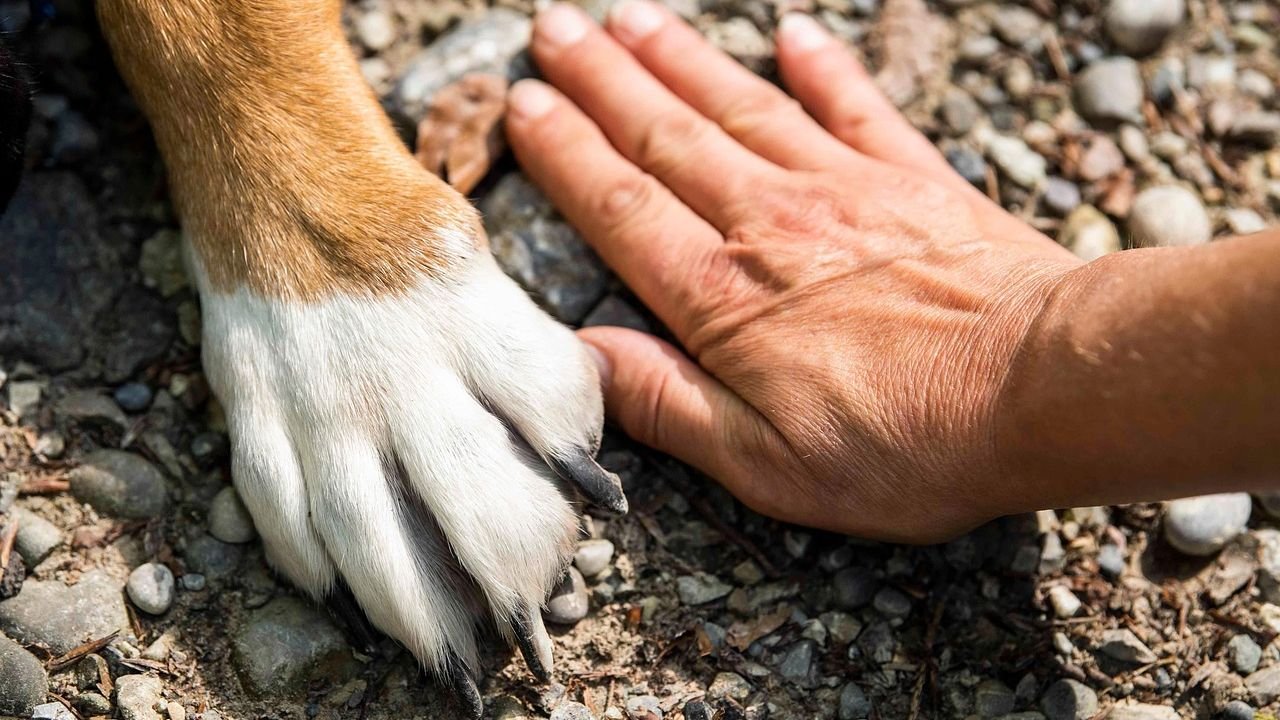
Picture this: it’s a bright summer afternoon, you clip on the leash, and your dog bounces toward the door with that full-body excitement only dogs seem capable of. You step outside into the warmth, your shoes protecting your feet, and you both start walking. What you might not immediately notice is that the pavement beneath those happy paws is quietly reaching temperatures that could cause real, lasting harm.
It’s one of summer’s most overlooked hazards for dogs. Research published in the Journal of the American Medical Association found that when the air temperature is 86 degrees, asphalt can register a staggering 135 degrees. Your dog can’t tell you their feet are burning, and they’re often too excited to stop themselves. That’s where you come in.
Why Your Dog’s Paws Are More Vulnerable Than You Think
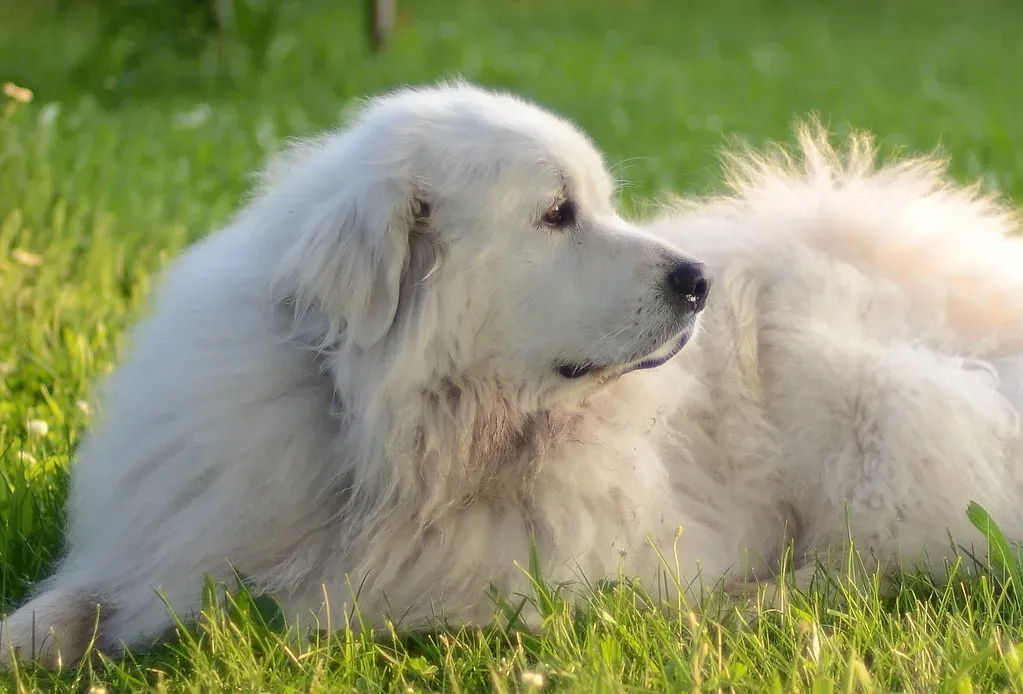
Dog paw pads are impressively tough by design, built to handle rough terrain and varied surfaces. They’re designed to handle rough terrain, but extreme heat can cause burns, blisters, and long-term damage. The problem is that toughness has limits, and summer pavement regularly exceeds them.
When surfaces like asphalt or concrete absorb sunlight, they can become dangerously hot, sometimes exceeding 140°F on a 90°F day. Dogs don’t sweat through their skin like humans; they rely on their paws and panting to regulate body temperature, making them especially vulnerable to burns. That dual role, both locomotion and temperature regulation, means a burned paw isn’t just a foot injury. It disrupts your dog’s entire cooling system.
Injuries to paw pads don’t just halt summer fun; they can lead to more severe orthopedic issues and can be difficult to treat. Puppies face even greater risk. Scorching surfaces are especially damaging to puppies with sensitive young paws. Knowing this going into the summer months puts you in a much better position to prevent it entirely.
Know the Warning Signs Before It Gets Serious
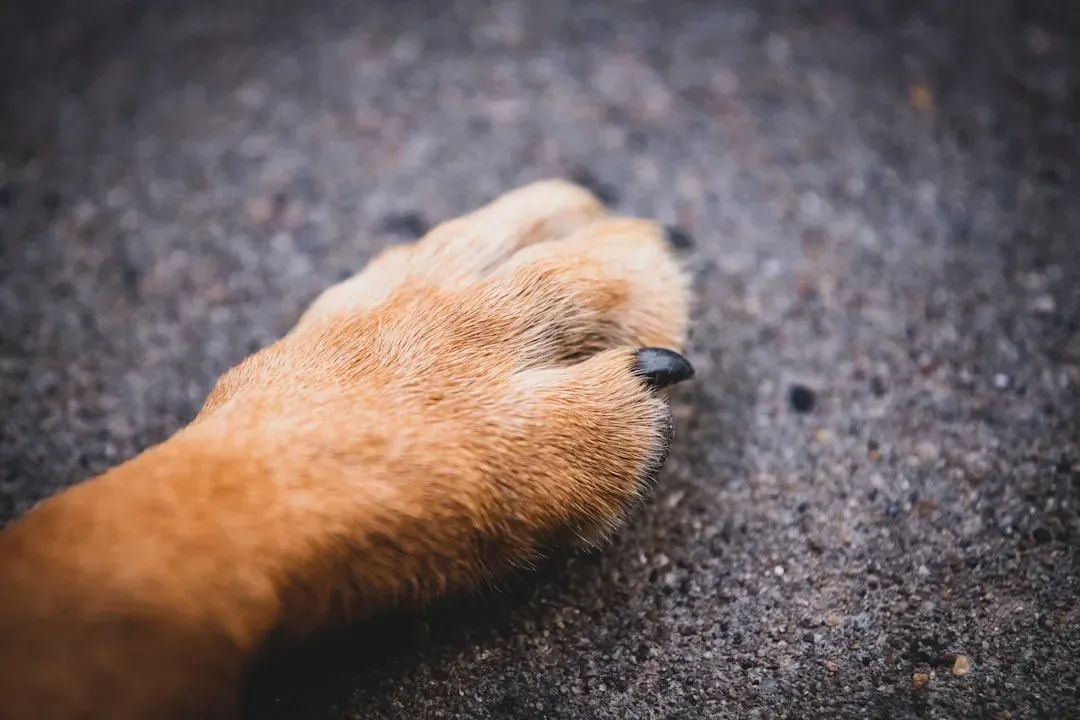
One of the trickiest things about paw burns is that your dog often won’t react until the damage is already done. Burned paws are painful, but dogs often don’t show signs of pain while the injury is occurring. By the time they start limping or refusing to walk, the surface has likely already done some damage.
If your dog is suddenly limping, licking their paws excessively, or showing signs of pain when walking, a paw burn could be the reason. Other visible clues include redness, blistering, and discoloration of the pad. In moderate to severe cases, you may notice bleeding, swelling, or a foul odor, which are signs that may point to infection and warrant prompt veterinary attention.
If your dog suddenly shows discomfort while walking, check the pavement. The dog may try to hop away from the surface to warn you. That little hop or paw-lift is one of the clearest behavioral cues your dog can give you. Trust it, and act on it immediately.
The Pavement Test and Smarter Walk Timing
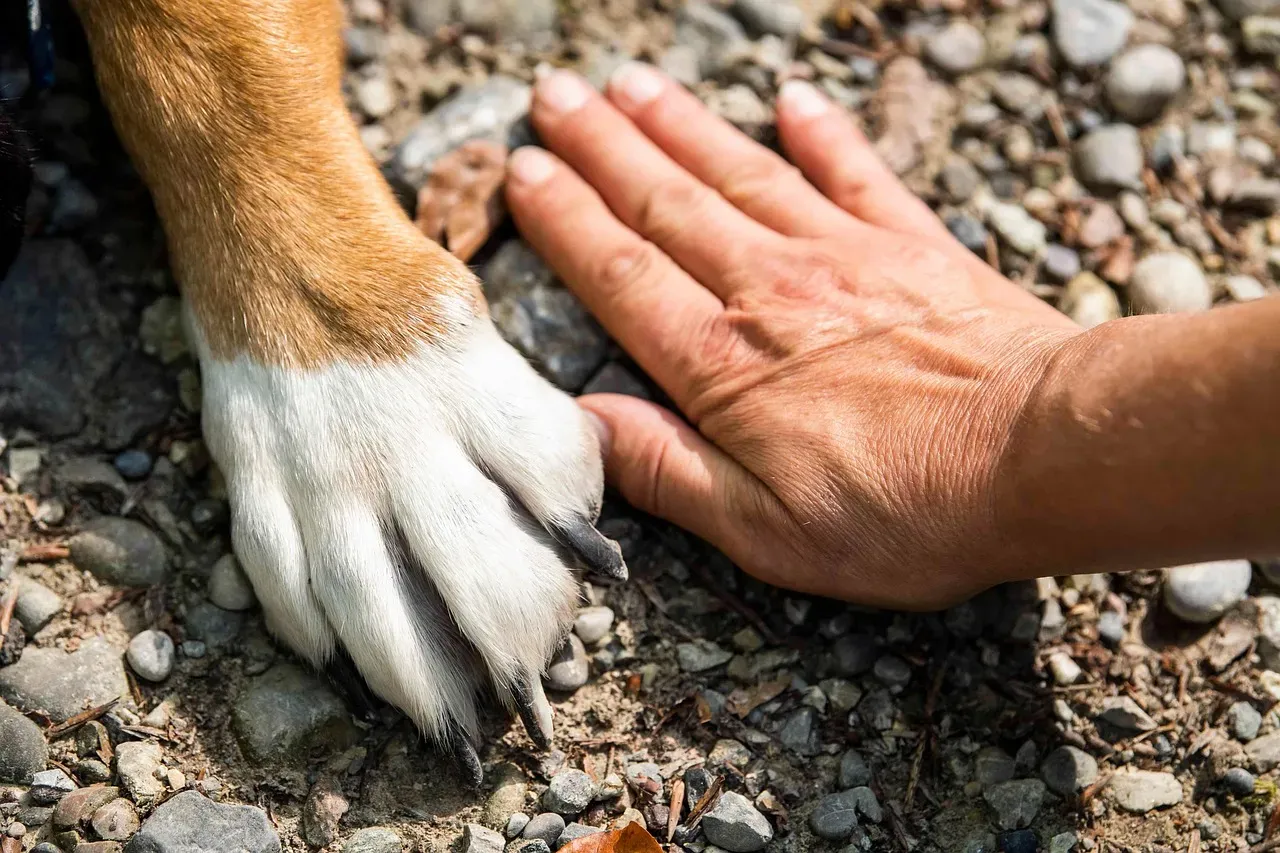
You don’t need a thermometer to figure out if the ground is too hot. To find out if the ground is too hot for your dog to walk on, place your hand comfortably on the pavement for ten seconds. If it’s too hot for your hand, it’s too hot for your dog’s paws. Simple, fast, and surprisingly reliable.
This temperature test works on all types of terrain, including sand, metal, and concrete. It’s worth remembering that it’s not just the sidewalk you need to worry about. Metal park benches and tables, if your dog jumps up or walks across them, can be intensely hot. Construction plates or temporary covers used in roadwork or sidewalk repair can reach high temperatures and are common in city environments.
Instead of venturing out during the hottest times of the day, opt for morning or evening strolls when it’s cooler. If you need to go out in the afternoon, walk on the grass or in shady spots. Natural grass is a paw-friendly surface, staying relatively cool on a 90°F day. Its organic structure and moisture content help dissipate heat, making it a safer choice for walks or playtime.
Protective Gear That Actually Works
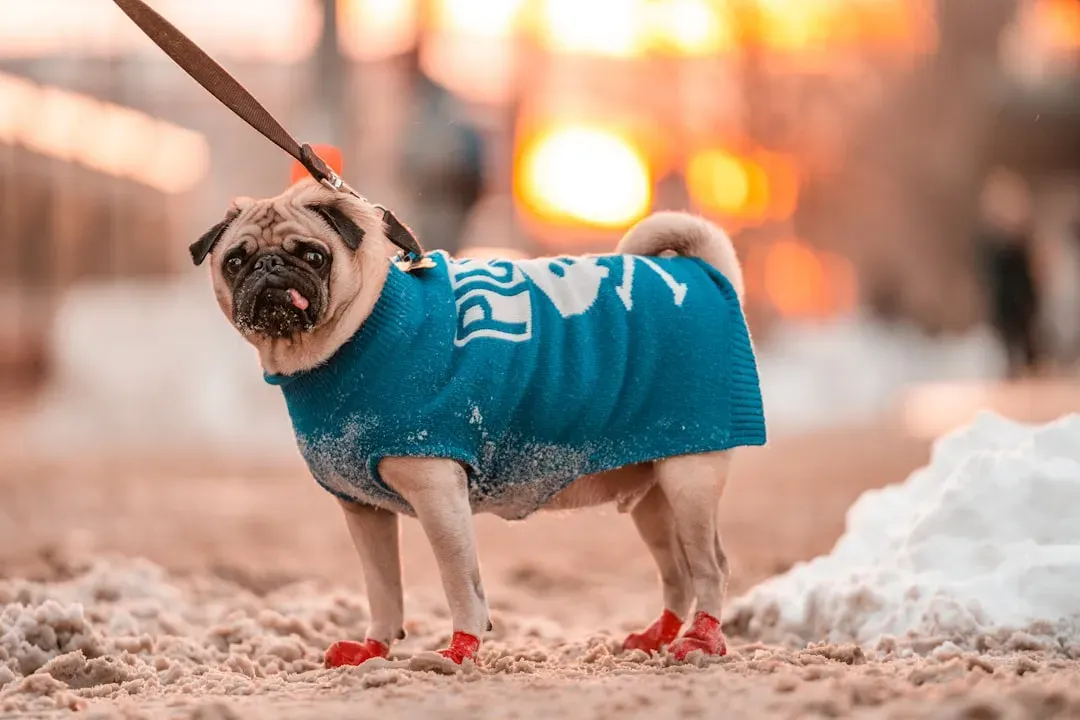
Dog boots might look a little funny, but they genuinely do the job. There are several styles of dog boots on the market for both hot and cool surfaces that can be used to lower the risk of injury to a dog’s paw pads. When considering summer shoes for dogs, choose ones made with breathable fabric, since dogs sweat through their paws. That breathability matters more than most people realize.
Not every dog takes to boots right away, and that’s perfectly normal. Protective booties create a barrier between paws and hot surfaces. Introduce them gradually with treats to help your dog adjust. Patience with the process pays off. If boots remain a non-starter for your dog, paw balm is a reasonable secondary option. Try a paw balm or protective wax, as these act as a shield for the paws and help retain moisture to prevent cracked paws.
Grooming also plays an underrated role in paw protection. An often overlooked aspect of grooming that becomes especially important in warmer weather is trimming the fur present between the paw pads. During summer, dogs are more likely to walk on hot surfaces, play in water, or run through grass and dirt. If the fur between their paw pads becomes long or matted, it can hold onto heat from pavement, retain moisture, and collect small particles like gravel, burrs, or plant material. This combination increases the risk of discomfort, friction, skin breakdown, fungal infections, or painful hot spots between the toes.
What to Do If Your Dog’s Paws Get Burned
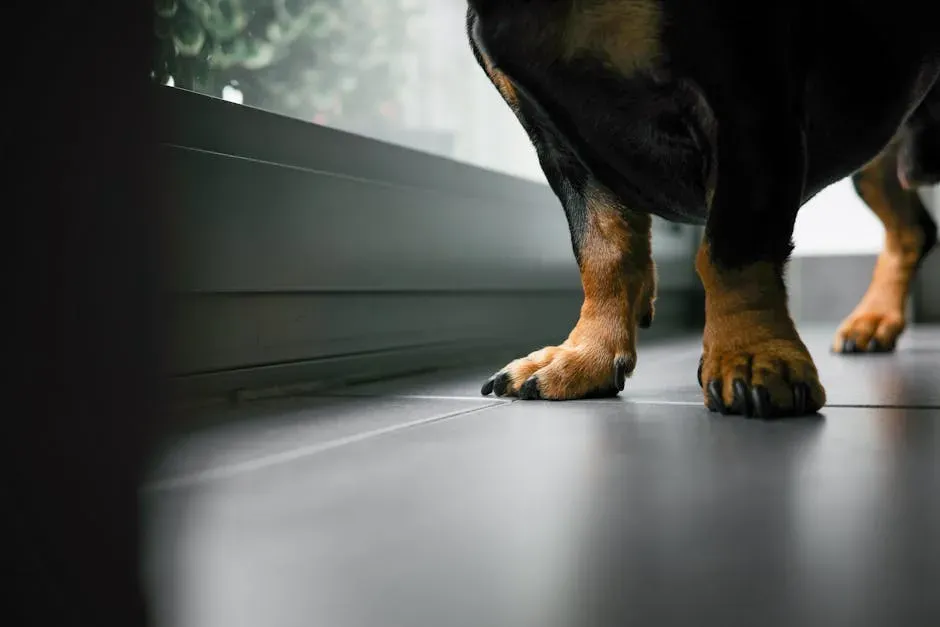
Even the most careful dog parent can have a close call. If you suspect your dog has burned their paws, the priority is to act quickly and calmly. Gently flush their paws with cool water for 10 to 15 minutes to soothe the heat and rinse away any debris. Avoid the instinct to use ice or very cold water. Don’t use ice or extremely cold water, which can cause further damage.
Keep your dog indoors on soft surfaces and away from rough or hot terrain while their paws heal. Monitor your dog closely for signs of pain or worsening symptoms, such as swelling, redness, or ongoing limping. Consult your vet if you see any new or worsening signs. For anything beyond a mild surface redness, a vet visit is the right call, not a wait-and-see situation.
The length of time a paw pad burn will last depends on the dog and the extent of their injuries. Mild injuries may heal within 7 to 10 days, while severe burns and pad sloughing may require weeks to completely heal. Fortunately, as long as your dog has plenty of time to recover, there are usually no long-term side effects or complications of paw pad burns. Rest, shade, and a little extra love go a long way during recovery.
Keeping Cool All Summer Long: A Mindset Shift
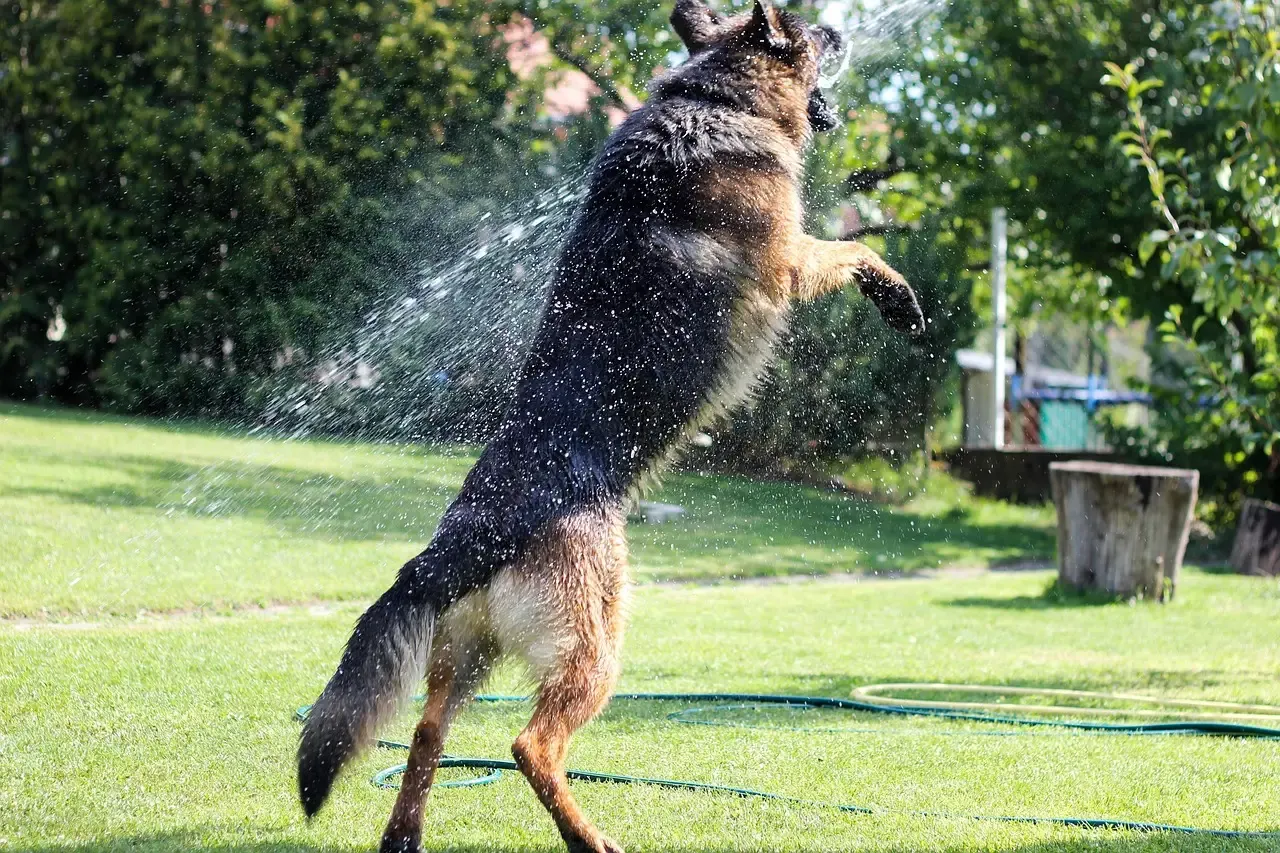
Protecting your dog’s paws in summer isn’t really about following a checklist. It’s about developing a new awareness as a dog parent, the kind that kicks in automatically before you reach for the leash. In addition to damaged paws, hot pavement can also increase a dog’s body temperature and contribute to the development of heatstroke. The stakes are higher than most people assume.
On days when the heat is truly relentless, it’s completely okay to swap the walk for indoor play. If it’s really hot, keep walks or playtime on the shorter side to prevent dehydration and heat exhaustion in addition to paw burns. Treasure hunts, tug of war, and playing with bubbles are all great options for helping your dog burn off energy indoors. Your dog will still have a great day, and their paws will thank you for it.
After walks, inspect your dog’s paws for blisters, cuts, cracks, sores, or any foreign objects that could cause irritation. Regular paw checks help you catch early signs of discomfort or dryness before they develop into more serious injuries. A quick check after every outing takes about thirty seconds and can make all the difference.
Conclusion: Small Habits, Big Protection
Summer doesn’t have to be dangerous for your dog. Most paw injuries are entirely preventable with a few simple habits: check the pavement before you walk, time your outings around the cooler parts of the day, consider protective gear, and do a quick paw inspection when you get home.
Your dog trusts you completely. They’ll follow you across a scorching parking lot without hesitation, tail wagging, because they trust you know where it’s safe to go. Returning that trust means being the one who notices what they can’t, and making the small adjustments that keep every summer walk a joyful one rather than a painful one.
The pavement has no idea your dog is walking on it. You do.


