

Picture this: your dog bolts through the front door before you can even grab the handle, drags you down the sidewalk like a sled racer, and completely ignores you when you call their name. Sound familiar? Most dog owners laugh this off as their pup just being “spirited.” The truth, though, runs a little deeper than that.
The relationship between you and your dog is not just about love, treats, and belly rubs – though all of those things genuinely matter. It’s also about structure, clarity, and who is guiding whom. When your dog doesn’t see you as the steady, reliable leader in their life, they don’t simply relax and coast. They step up and try to fill that role themselves, often with messy and stressful consequences for both of you.
What “Being the Alpha” Actually Means (It’s Not What You Think)

The word “alpha” carries a lot of baggage. For decades, it conjured images of dominance, submission, and harsh corrections borrowed from outdated wolf studies. The idea that dogs follow a pack hierarchy with a dominant alpha leader is rooted in research conducted in the 1930s and 1940s, when a Swiss animal behaviorist observed unrelated wolves in captivity and concluded that wolves fight for dominance in a pack, resulting in a clear leader. Those conclusions were later applied broadly to dogs and human-dog relationships – often inaccurately.
Recent research has clearly indicated that the longstanding theory which maintained that alpha wolves control through aggression and relentless management is more myth than fact. Modern canine science paints a very different picture. Experts who study wolf behavior describe the role of wolf leaders as parents – guiding, teaching, and caring for their pack members. That parental framing is far more useful than anything rooted in intimidation.
The idea of a “pack leader” is often misunderstood. Being a pack leader doesn’t mean using dominance or intimidation – it means being a calm, confident presence your dog can rely on. Think less drill sergeant, more trusted parent. That shift in perspective changes everything about how you interact with your dog day to day.
Why Your Dog Actually Needs You to Lead

Dogs have a very strong basic instinct to either be a leader or be a follower. Wolves act as a coordinated unit, and dogs know that someone has to be in charge. If they don’t see their owner behaving like a guiding parental figure, they will feel obligated to take on the role of leader themselves. That obligation is not comfortable for them. It’s genuinely stressful.
Dogs don’t really want to be the leader of the pack. That’s a lot of responsibility. A pack leader has to maintain order within the pack and make sure it is safe and protected – they feel virtually responsible for the pack’s very existence. When your dog reluctantly assumes that role, the behavioral issues that follow aren’t acts of rebellion. They’re signs of an overwhelmed animal doing their best with a job they were never meant to have.
If there is no leader, the pack becomes confused, anxious, and conflicted. In your home, you should be the leader, the “boss.” It’s imperative that you take the lead if you want a well-mannered furry family member. Your dog isn’t trying to challenge you out of stubbornness. They’re waiting for someone to step up – and that someone needs to be you.
Warning Signs Your Dog Has Taken the Lead (And What to Do)

Certain behaviors are easy to dismiss as personality quirks. A dog that barges through doorways first, ignores commands, or marks indoors may simply seem “naughty” or “hyperactive.” Your dog may exhibit behaviors that show a lack of leadership, including not following commands, showing hostility after being reprimanded, resource guarding their food or toys, and inappropriate mounting. These aren’t random acts of defiance.
If a dog doesn’t see their owner as the alpha, they may start to ignore commands or rules. Over time, this can make training extremely difficult and can lead to general unruliness, because in their mind, why should they listen to a subordinate? It’s not a personal slight – it’s simply canine logic playing out in your living room.
A practical prevention tip: watch for early patterns rather than waiting for a full-blown behavioral issue. Allowing behaviors like jumping on guests one day and scolding the next confuses your dog, weakening your leadership position. Consistency is where your authority actually lives. Every mixed signal chips away at the structure your dog depends on to feel secure.
Practical Ways to Establish Calm, Confident Leadership Daily
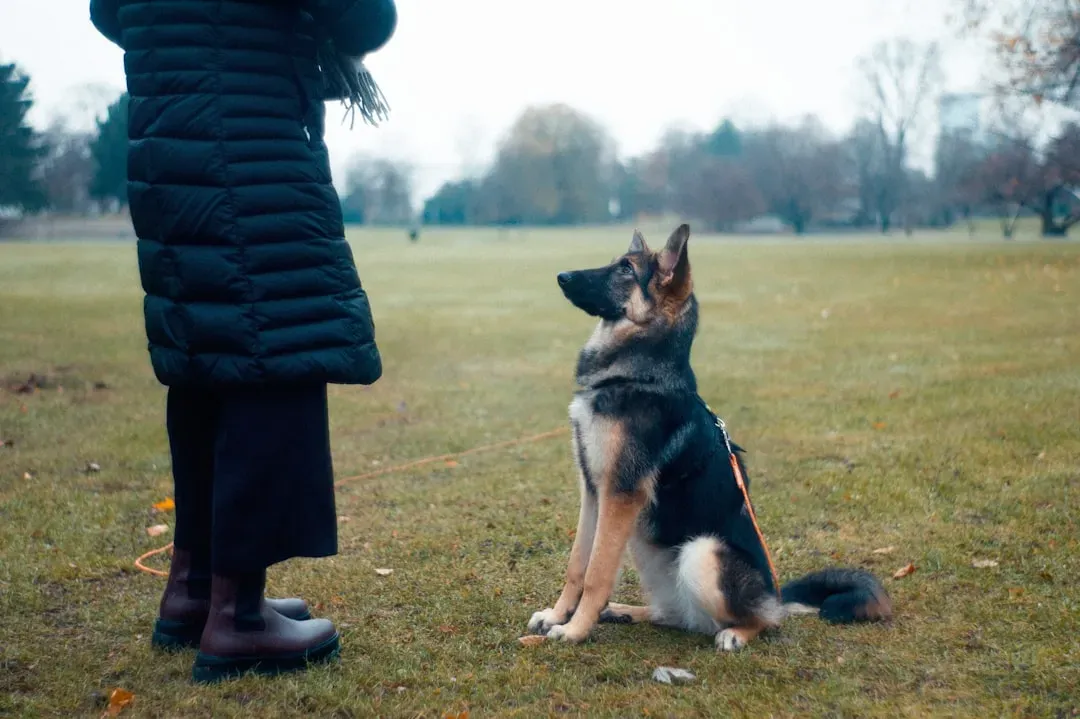
Real leadership is built through the small, repeated moments of everyday life – not through dramatic confrontations. The most effective way to establish your status is by controlling the things your dog wants, such as food, affection, and freedom. Professional trainers often refer to this as the “Nothing in Life is Free” (NILIF) method. It’s a surprisingly gentle approach with powerful results.
Asking for simple commands before meals, walks, affection, or play teaches polite behavior and reduces pushiness. Something as simple as asking for a “sit” before placing the food bowl down, or waiting calmly at the door before a walk, sends a consistent, clear message without any force involved. Leadership is strengthened through clarity, repetition, and timing – all things that can be learned and practiced daily.
Dogs can learn a wide range of commands and tricks, and still develop rude, disrespectful, and problematic tendencies if proper leadership isn’t provided. Training sessions are valuable, but leadership is a lifestyle. Learning how to be the master of your dog isn’t about control – it’s about offering structure that supports emotional and behavioral stability. When dogs know what to expect, they feel secure. That’s why consistent routines, training cues, and clear rules are essential to building a balanced, happy dog.
The Emotional Payoff: A Happier, Less Anxious Dog
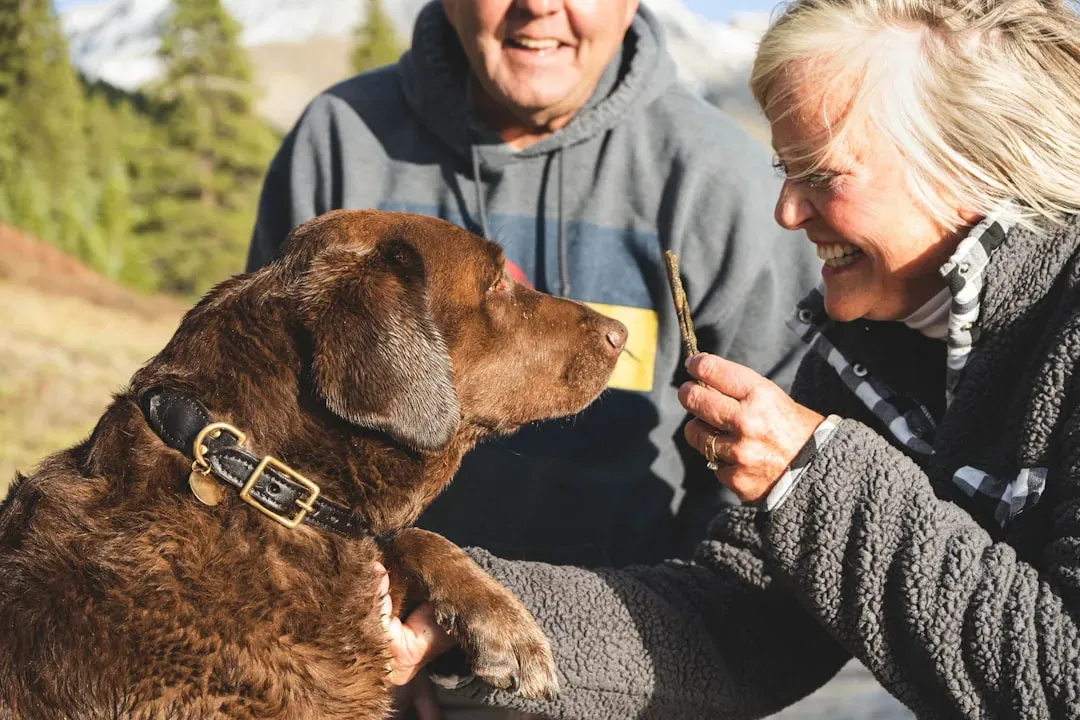
Here’s something that often surprises new dog owners: contrary to common misconceptions, the pack leader approach emphasizes nurturing relationships based on trust, respect, and affection rather than coercion. At its core, it advocates for compassionate and empathetic leadership. By embodying the qualities of a benevolent leader, we create a supportive environment where dogs feel secure, valued, and motivated to learn and grow.
The most important role of a good leader is to protect your dog and keep them safe from harm. Your dog should feel relaxed and confident knowing that you’re in control, so they don’t have to assume the role of protector. That sense of safety is what most dog owners are actually chasing when they talk about wanting a “good dog.” The calm, well-adjusted dog you dream of isn’t a product of luck – it’s a product of clear, consistent leadership.
Positive reinforcement training focuses on rewarding desired behaviors rather than punishing undesirable ones. This sets dogs up for success and creates a positive and enjoyable learning experience for both the dog and their owner, resulting in a confident, well-behaved, and happy dog. When your dog trusts your leadership, everything from vet visits to neighborhood walks becomes genuinely easier – for both of you.
Conclusion: Leadership Is an Act of Love

Stepping into the role of calm, consistent leader isn’t about asserting power over your dog. It’s about giving them something they genuinely need: a trusted guide in a world that can be loud, confusing, and overwhelming. Leadership is emphasized due to the need to keep our dogs safe in the complex, artificial environment we have asked them to share with us. The rules and parameters we provide for our dogs are not designed to limit them, but rather to give dogs the maximum amount of freedom and joy in their lives while still ensuring their safety.
As you build your leadership role, you are strengthening a lasting, lifelong bond of trust and love between you and your pup. That bond doesn’t come from being the loudest or the strictest person in the room. It comes from showing up with steadiness, patience, and follow-through – every single day.
Your dog is already watching you, reading your energy, and deciding whether you’re someone they can lean on. The good news is you don’t have to be perfect. You just have to be present, consistent, and willing to lead with kindness. That’s the whole job – and it turns out, it’s also the whole relationship.


