
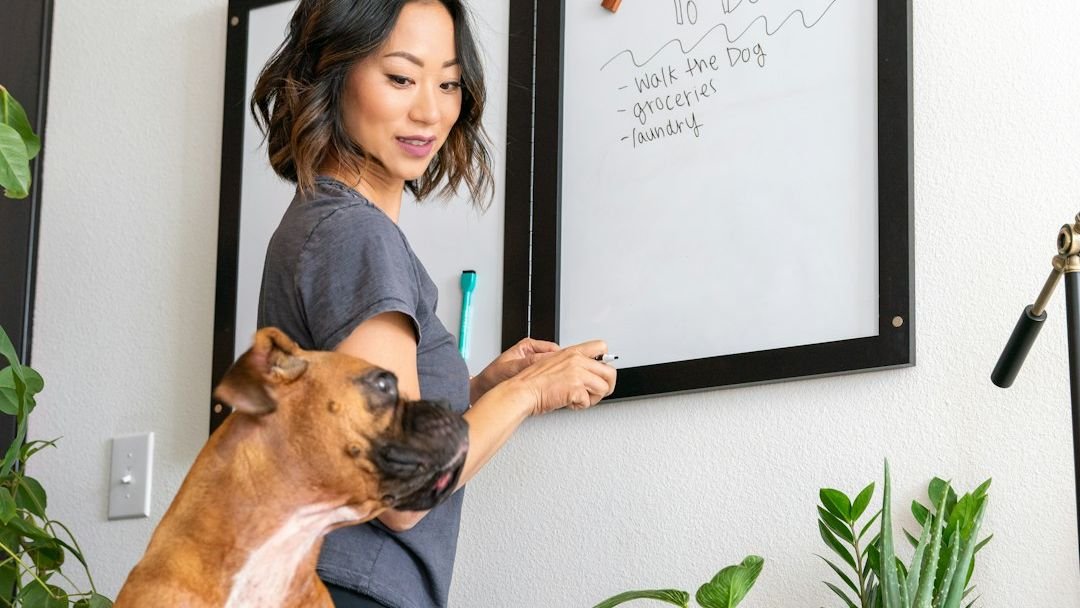
There’s a moment that happens every single day in millions of households. You reach down absently to scratch your dog’s ear, and they press their whole head into your hand like it’s the best thing that’s happened all week. For them, it genuinely might be. Dogs aren’t just reacting to treats and commands. They’re built for connection, attuned to your moods, your schedule, and yes, even the small rituals you’ve probably stopped noticing. The ordinary moments, the morning walk, the evening brush, the quiet couch cuddle, are doing far more for your dog than you might realize.
Research has confirmed that dogs are hardwired for cooperation and friendship, remarkably attuned to our emotions and limitations, and capable of learning and remembering complex rituals and information. That’s not sentimentality. It’s biology. Understanding which rituals matter most, and how to make them richer, can genuinely change your dog’s quality of life for the better.
The Daily Walk: More Than Just a Bathroom Break
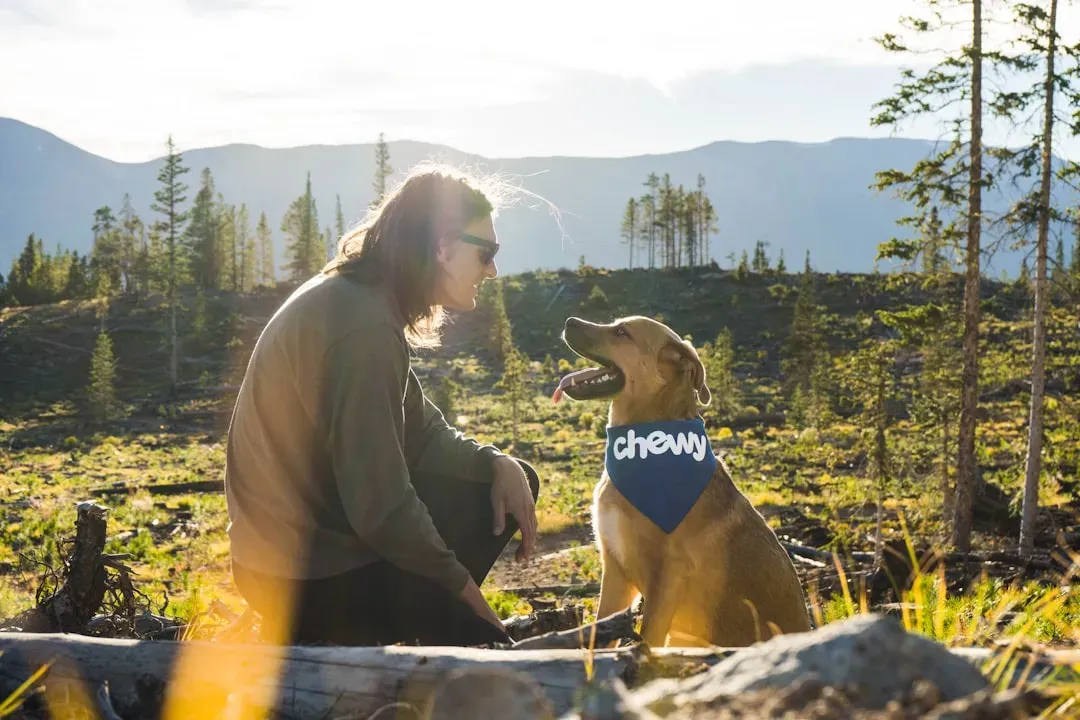
Most owners think of the daily walk as a physical necessity. Get the dog outside, burn off some energy, come back in. Done. But for your dog, that walk is closer to an expedition. It’s how they read the neighborhood, collect information, and feel like full participants in the world.
Dogs have up to 300 million scent receptors, depending on the breed, which makes sniffing an essential activity. When you let your dog linger at a patch of grass, they’re not wasting time. Sniffing has a calming effect on dogs. When they engage in scent work, their brain releases dopamine, a feel-good chemical that helps lower stress.
To make walks better, resist the urge to rush. A good approach is to designate a portion of the walk as “free sniff” time where your dog sets the pace. Even five to ten minutes of uninterrupted sniffing can provide meaningful mental enrichment. Behavior cue to watch for: a loose, wagging tail and a lowered, exploratory head position means your dog is content and engaged. A dog that strains constantly or seems agitated may need more decompression time, not less.
Walks provide a change of scenery, fresh air, and a consistent routine, all of which help reduce stress and soothe nervous energy. Even twenty to thirty minutes a day can go a long way in easing anxiety and creating a sense of calm. Mix up your routes occasionally too. Taking your dog to new environments, such as a different park or a pet-friendly café, is beneficial for their mental stimulation. Research indicates that shared adventures help dogs feel secure and deepen the bond with their owner through positive experiences.
The Power of Physical Touch: Petting, Massage, and Quiet Contact
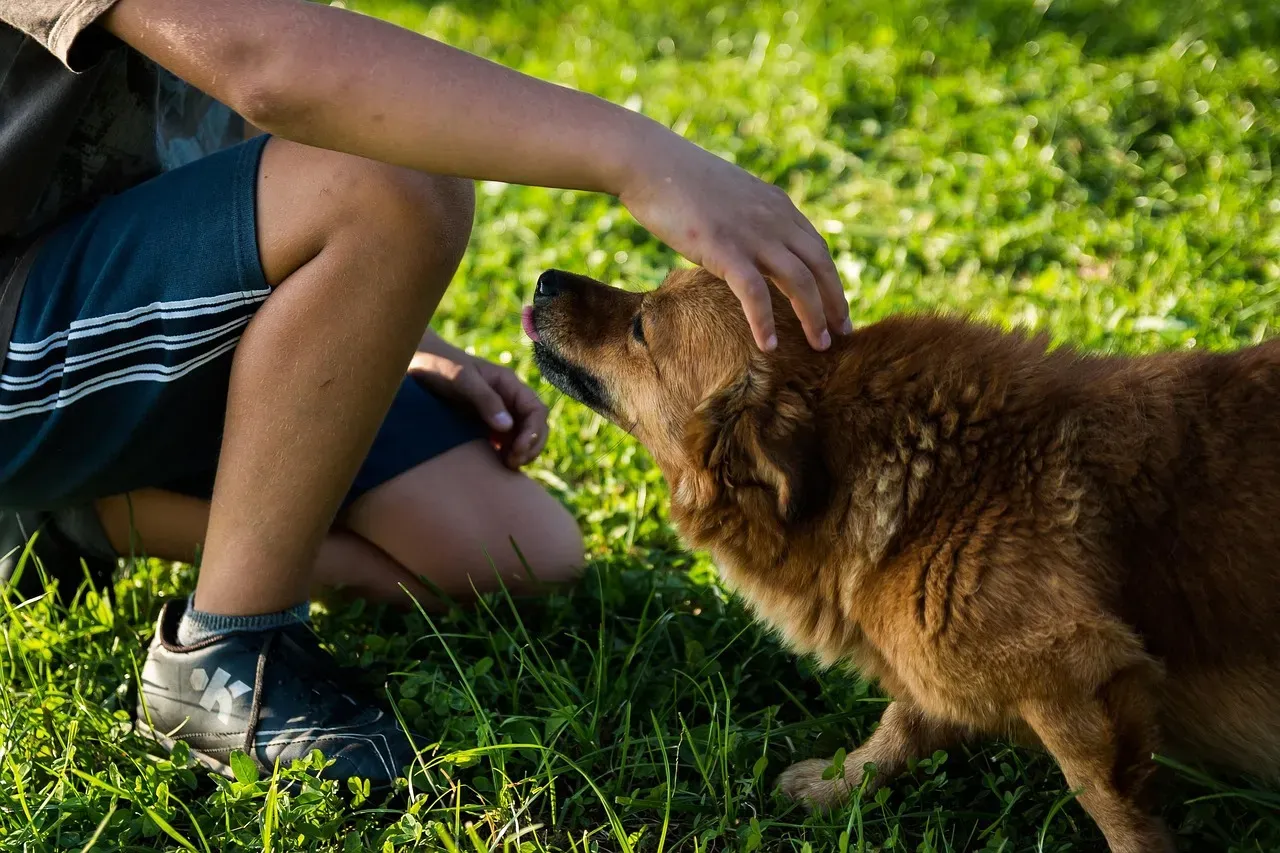
You’ve probably reached over to pet your dog without thinking twice about it. That casual gesture, it turns out, is one of the most powerful tools in your bonding toolkit. Neuroscience shows that touch, especially gentle petting and scratching, releases oxytocin in dogs and humans alike, strengthening the emotional bond.
Studies have shown that the simple act of being around and petting a dog can reduce the blood pressure and heart rates of dog and human. Neurochemical and hormonal values are also positively affected by the bond. The benefits genuinely go both ways. Your dog isn’t just receiving comfort. They’re giving it.
To elevate this ritual, be intentional. Trust isn’t automatic; it’s built through repetition. When you consistently pet your dog calmly and respectfully, they associate your touch with safety, become more responsive to commands, and their overall confidence increases. A health note worth remembering: use petting time as a gentle body check. Run your hands along their sides, check for unusual lumps, dry patches, or tender spots. Early detection during casual touch has saved countless dogs from bigger health problems down the road.
The Mutual Gaze: Why Eye Contact Is a Love Language
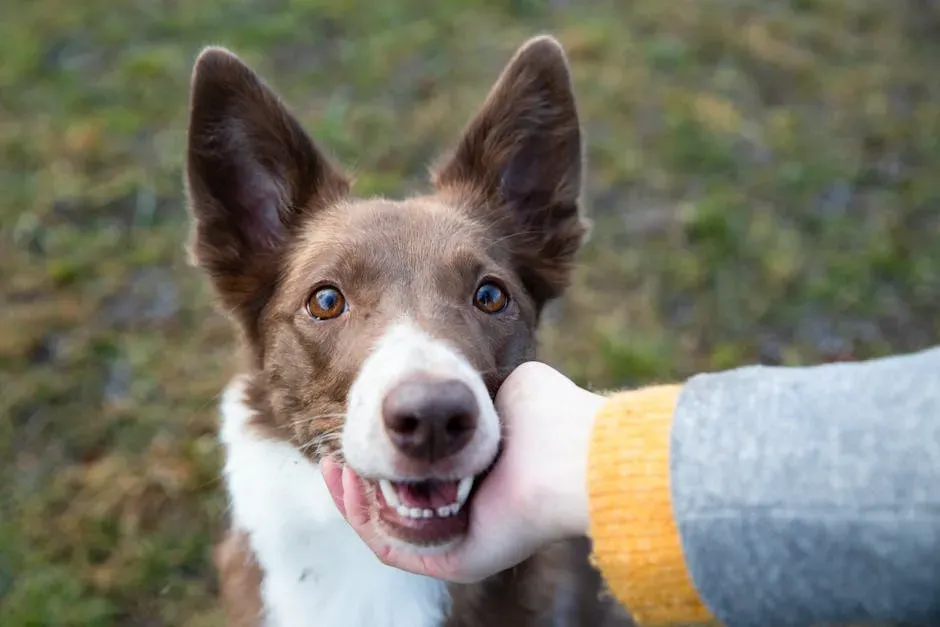
There’s a reason you catch yourself just staring at your dog sometimes. That quiet gaze isn’t just affection. It’s biology at work. Science has shown that human-dog eye gazing produces oxytocin release, known as the ‘love hormone,’ helping promote that special bond between us and our four-legged friends.
Researchers discovered that brain activity between humans and dogs becomes synchronized when they engage in mutual gazing, and this synchronization strengthens over time. By the fifth day of interactions, brain coupling between the two was significantly higher than on the first day. Think about that. Simply looking at each other actually trains your brains to work more in sync.
The study also found that mutual eye contact combined with stroking and petting resulted in the highest level of brain synchronization. This combination of visual and physical interaction appears to deepen the neurological bond between humans and dogs. To make this ritual richer, practice soft, relaxed eye contact during calm moments, not during training or correction. A soft gaze with relaxed eyes from your dog means they feel safe with you. Hard, unblinking eye contact from them can signal anxiety or tension, so keep it gentle and natural on your end.
The Grooming Session: Bonding Disguised as a Chore
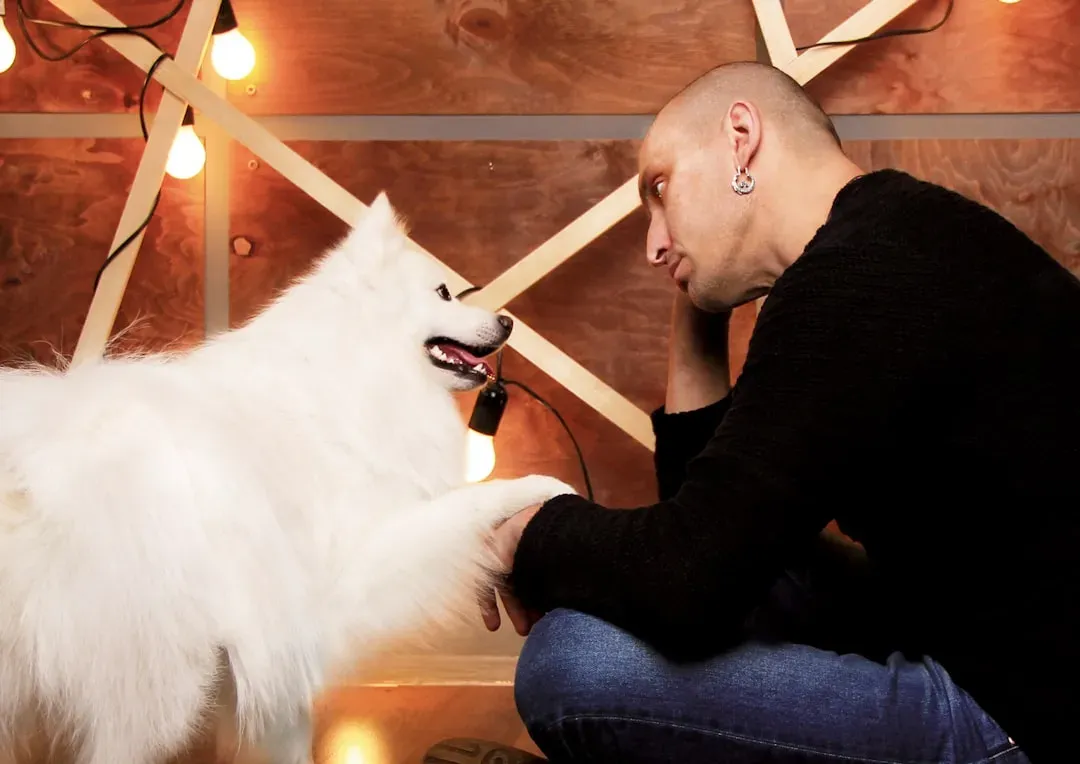
Brushing your dog might feel purely functional, especially when there’s fur on everything. In reality, a regular grooming session, done well, is one of the most emotionally nourishing rituals you can offer your dog. Grooming is more than keeping a dog clean; it’s a bonding experience. Regular brushing and grooming show your dog that you care about their well-being.
Dogs thrive on routine, and grooming can become an essential part of that structure. Regular grooming sessions provide a predictable activity that can help reduce anxiety in dogs. Knowing what to expect during grooming, whether it’s a bath, brushing, or nail trimming, can help dogs feel more secure and less anxious.
Learning to read behavioral cues during grooming makes a significant difference. If your dog lies on their side, stretches out, or breathes calmly, you’re doing great. A happy, low tail wag or a dog leaning into your hand signals trust and enjoyment. On the other side, lip licking, which isn’t always hunger, is used by dogs to self-soothe. Yawning is a stress signal, not boredom. Averted gaze is a plea for the situation to stop or slow down. When you see those signs, slow down, offer a treat, and let your dog settle before continuing. Grooming is also a health opportunity. While grooming, you can observe your dog’s body for any signs of discomfort or illness. Unchecked skin irritations, lumps, or injuries can lead to significant stress and anxiety. Spotting these early during grooming sessions allows you to address potential health issues before they escalate.
Consistent Routine: The Invisible Safety Net Your Dog Relies On
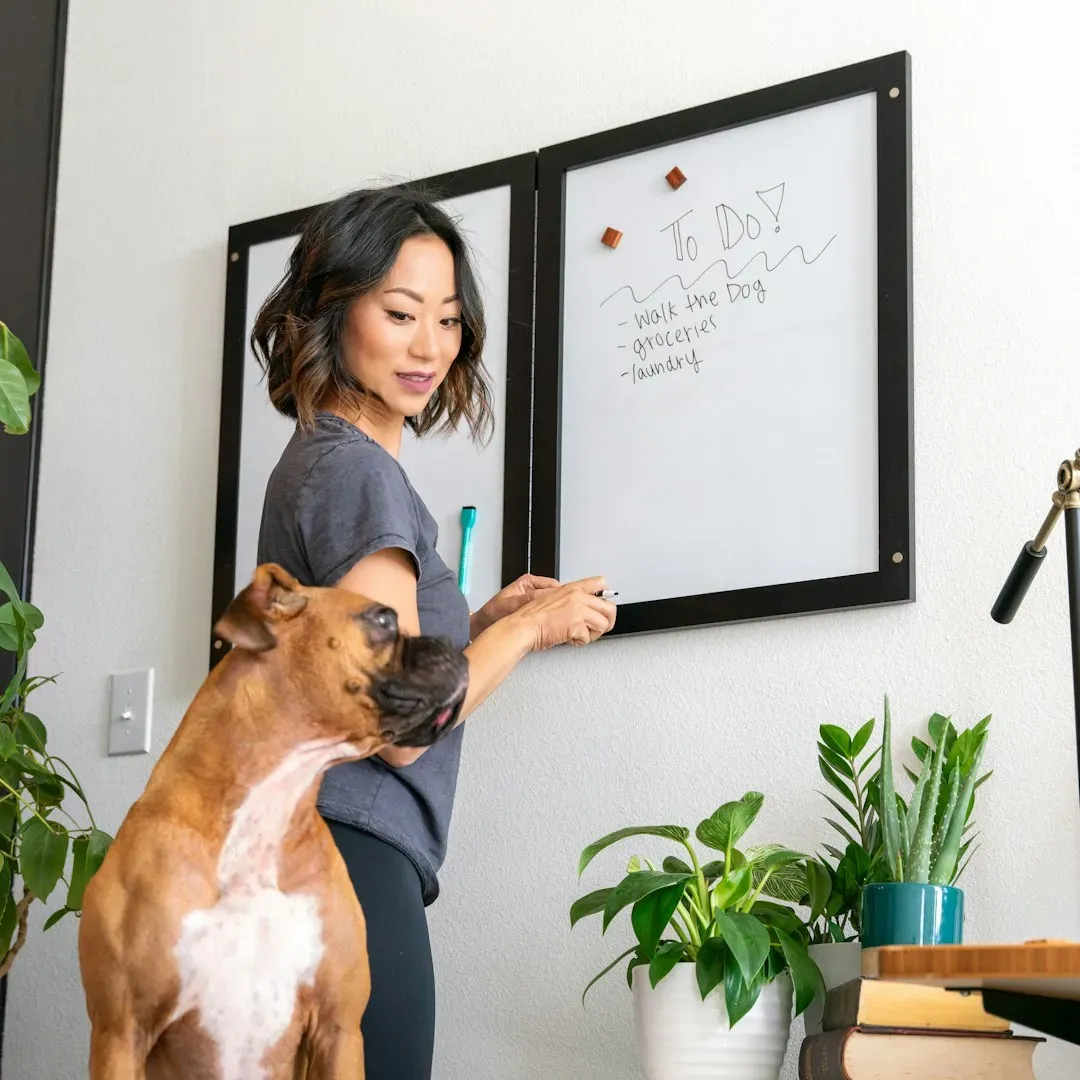
Dogs are creatures of habit in a way that goes deeper than just preference. Daily rituals, walking, feeding, playing, resting together, build attachment through consistency and trust. When your dog knows what’s coming next, they can relax into life instead of bracing for it.
Dogs rely heavily on routine and predictability to feel safe. When food is followed consistently by affectionate or playful rituals, it creates a positive pattern that helps reduce anxiety and reinforce your bond. This is especially important for rescue dogs or those with anxious temperaments. Structure isn’t a limitation for them. It’s a lifeline.
Prevention tip: if your schedule shifts significantly, like a new job, a move, or a new household member, give your dog extra patience during the transition. Keep at least one anchor ritual constant, the morning walk, the bedtime cuddle, whatever it is your dog counts on most. You might not think twice about saying a brief goodbye before heading out the door, but your dog does. That little ritual calms them. It’s a signal that leaving is normal, temporary, and nothing to panic about.
Shared Playtime: The Ritual That Keeps Them Young at Heart
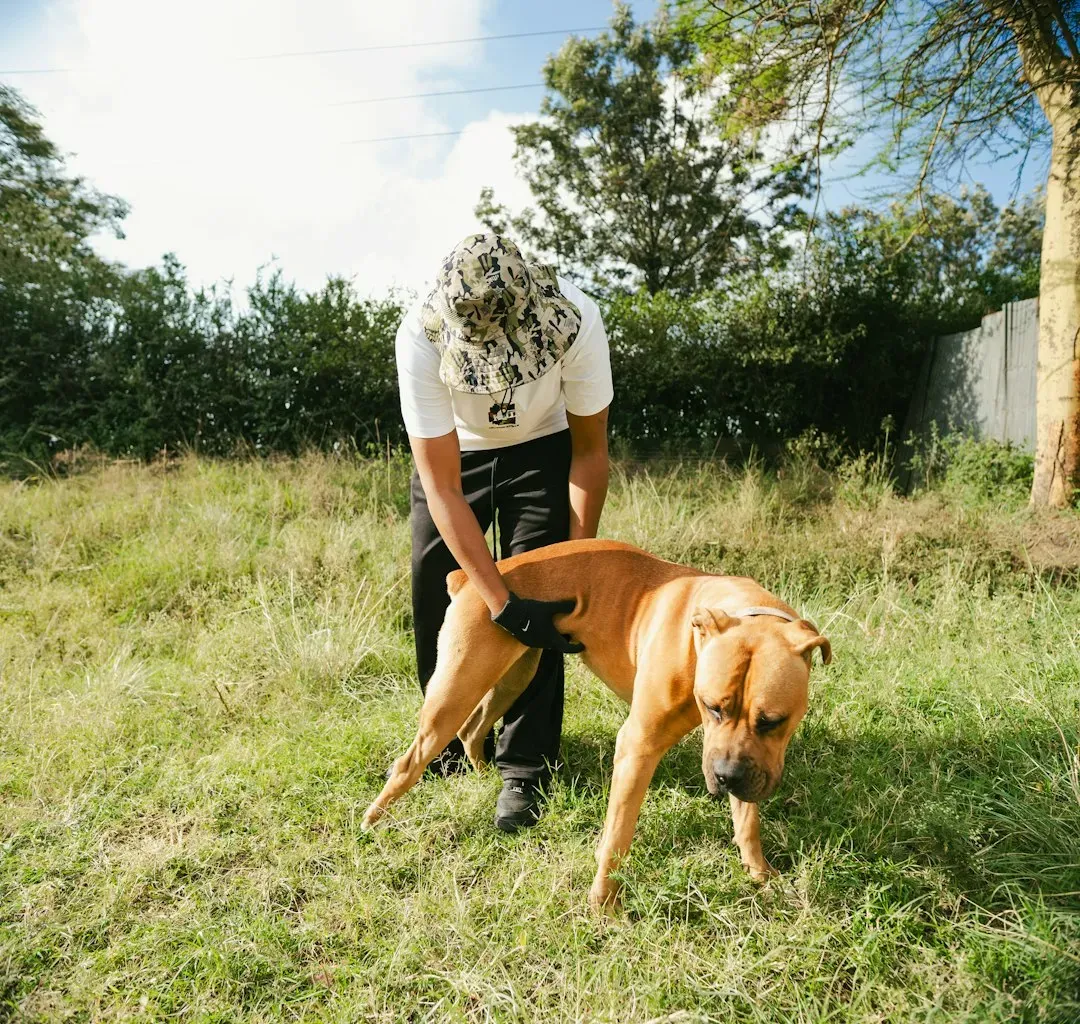
Play is often framed as optional, something you do when you have time. For dogs, it’s closer to essential. Interactive games like fetch, tug-of-war, or hide-and-seek aren’t just fun. They’re scientifically proven to build trust and improve your dog’s confidence. Tug-of-war, for example, has been shown to enhance cooperation without increasing aggression when played fairly.
Frequent play between a dog and their owner is believed to strengthen their bond. It also serves a behavioral function. A dog that gets regular, engaged playtime is far less likely to redirect that energy toward destructive behavior. Think of play as a legitimate investment in a calmer, more contented dog overall.
To deepen this ritual, follow your dog’s lead on what kind of play they prefer. Some dogs are chasers, some are tuggers, and others light up for scent games like hiding treats around the room. Dogs were found to be more inclined to choose petting over food when their owners provided it, as opposed to when strangers did, suggesting a stronger human-dog bond. That tells you something worth sitting with: to your dog, your presence during play isn’t just a bonus. It’s the actual point. Watching for a relaxed, bouncy posture, loose tail wag, and a play bow, front legs extended, rear end up, are all clear invitations to keep going. A dog that suddenly freezes or moves away needs a break, not more pressure to engage.
Conclusion: The Small Moments Are the Big Moments
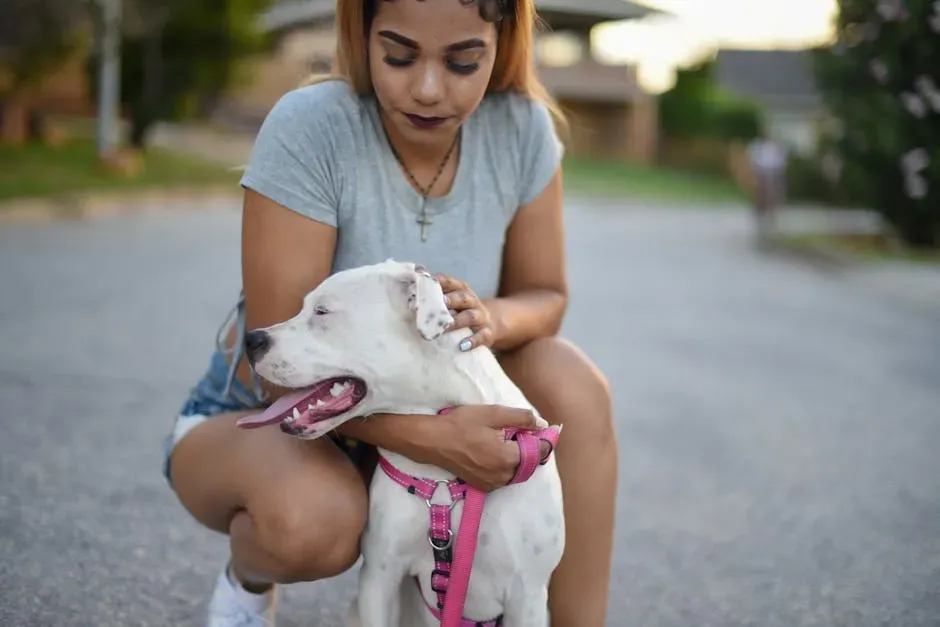
None of what makes dogs happy requires expensive gear, extra hours, or expert training. It requires showing up, consistently, with a little more awareness than yesterday. The human-canine bond is strengthened, or diminished, depending on the quantity and quality of the time spent with the canine and through activities such as routine walking, feeding, grooming, and play.
The walk where you finally let them sniff for ten extra minutes. The grooming session where you notice they leaned into the brush instead of pulling away. The moment of quiet eye contact on the couch that neither of you initiated but neither of you ended. These aren’t just nice things. They’re the whole relationship.
Your dog isn’t asking for much. They’re asking for you, present and paying attention, in the small, repeating moments that make up a life shared well together.


