
You’re heading to the kitchen. Your dog gets up. You turn toward the bathroom. Your dog is right behind you. You sit back down, and there they are, pressed against your leg, tail settling softly. If you’ve ever wondered whether this constant shadowing means something deeper than habit, the answer is yes. It means quite a lot.
That quiet, persistent presence at your heels is rooted in biology, emotion, and a bond that has been thousands of years in the making. It’s one of the most reliable signals your dog can send you, and once you understand what’s actually driving it, the behavior starts to feel less like clinginess and more like a compliment.
The Science Behind the Shadow: What Research Actually Tells Us
The science behind why dogs follow their owners draws on research in canine attachment, social cognition, and evolutionary biology. Studies have demonstrated that dogs form attachment bonds with their owners that parallel the attachment bonds human infants form with caregivers. This attachment serves emotional regulation functions, with the owner’s presence providing a sense of security that allows the dog to feel calm and confident.
One key behavior researchers identify is proximity seeking, where the animal will seek out the attachment figure as a means of coping with stress. Conversely, the absence of an attachment figure can trigger behaviors indicative of separation-related distress. Dogs have also demonstrated what researchers call the “secure base effect,” where the presence of an attachment figure allows them to more freely investigate novel objects.
Being close to their owner actually boosts a dog’s mood. Cuddling, sitting up against you, licking, and making eye contact releases oxytocin, the bonding hormone that increases trust for both the dog and the human. This isn’t just poetic. It’s measurable chemistry happening between both of you, every time your dog chooses to stay close.
The emotional attachment between adult dogs and their owners, even in the absence of separation-related behavior problems, has been found to be similar to that displayed by human adults and their children. This is not surprising given that dogs have been selected for their dependence on humans over more than ten thousand years of domestication.
It’s Not Just Love. It’s Loyalty Hardwired by Evolution.
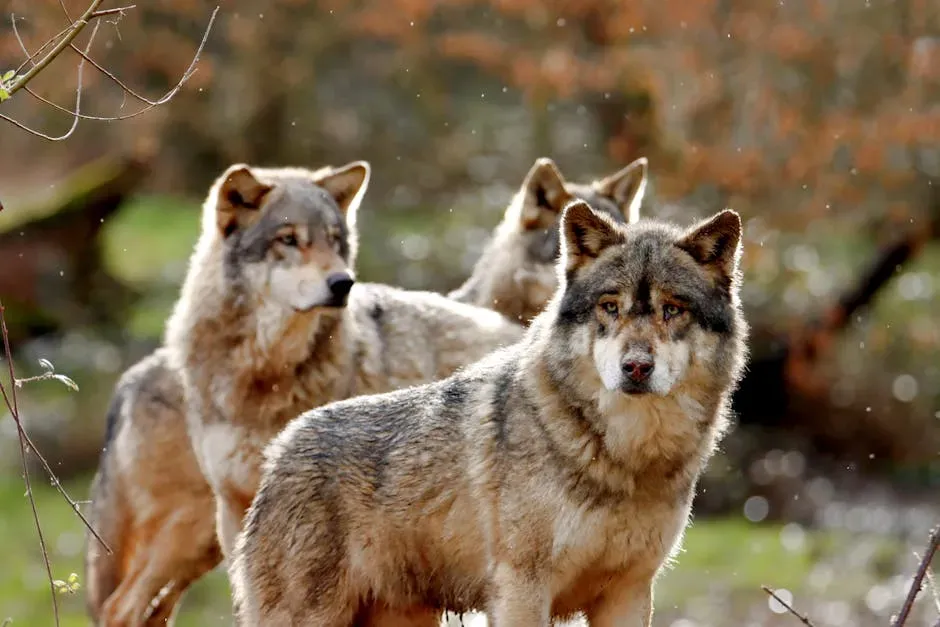
Instinct and evolution are driving your dog’s glue-like behavior. Dogs are descended from wolves. In fact, dogs and wolves are so closely related that they can breed and produce fertile offspring. In the wild, wolves stick close to their pack, and the pack leader is the key to their survival. This pack mentality has been passed down to your domesticated dog.
Following around the “alpha” is a key survival instinct that comes from wolves travelling in packs. Your dog staying close to you means, in their eyes, you are the leader. That’s not a power dynamic. It’s a deeply embedded instinct to stay near the one who provides direction, safety, and resources.
From a practical perspective, you are very important to your dog’s survival. You provide protection, love, affection, access to the outdoors, and food. As you consistently show care in this way, being with you is where they feel safest, and so they will always want to be in close proximity.
Reading the Room: Is This Healthy Attachment or Hidden Anxiety?
While being a “Velcro dog” and having separation anxiety are both associated with not wanting to be away from an owner, there are some distinct yet subtle differences between these two forms of behavior. The big difference is anxiety itself. While Velcro dogs prefer to be glued to their owners, dogs with true separation anxiety actually panic when they’re away from their owners.
Dogs communicate a lot through their body language, and understanding these signs can help distinguish between attachment and anxiety. A wagging tail, relaxed ears, and a soft gaze usually indicate that your dog is happy and attached. These are signs of a positive bond and trust. On the flip side, panting, whining, pacing, or frantically scratching at a closed door are red flags worth paying attention to.
Dogs with separation-related problems will often show signs of excessive attachment to their owners. Some dogs will begin to whine, pace, pant, or freeze as their owner’s departure becomes imminent. Dogs with separation-related problems also tend to engage in excessive excitement when the owner returns.
If your dog suddenly starts following you more than usual, especially if they seem restless or clingy, it can be linked to discomfort, illness, or age-related changes like declining vision or hearing. If the behavior is sudden and out of character, it’s worth consulting your vet.
Breed, Personality, and the “Velcro Dog” Phenomenon
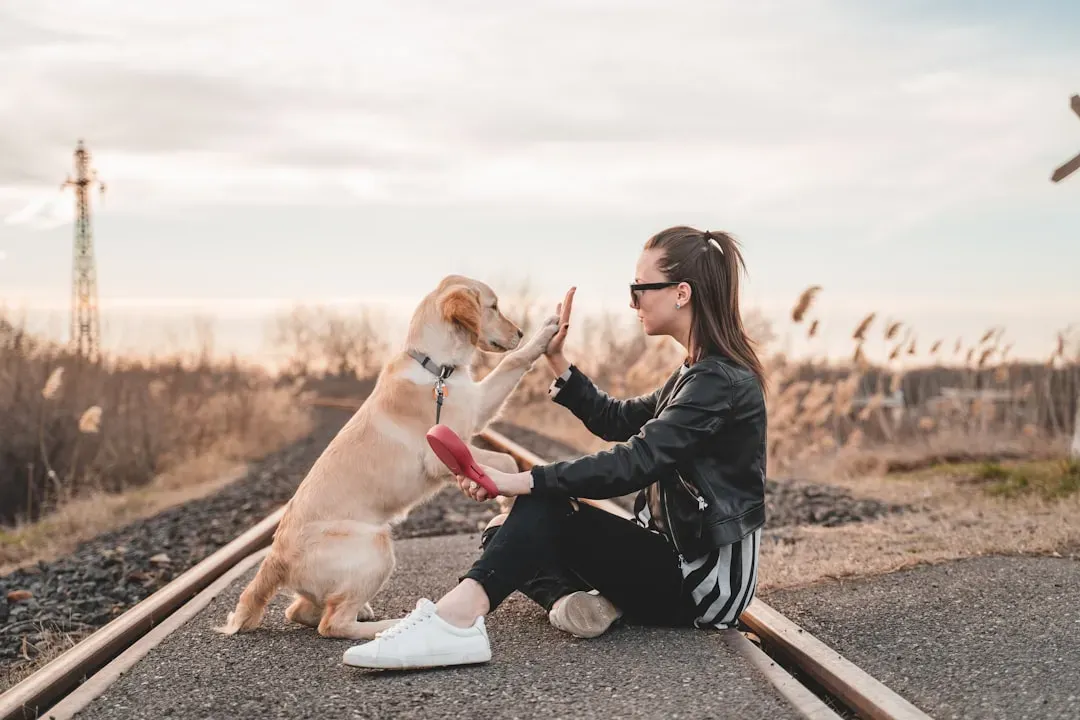
Breed traits can significantly influence why certain dogs follow their owners more than others. Some breeds are naturally more inclined to stick close to their humans. Labrador Retrievers and Golden Retrievers, for instance, are known for their friendly and people-oriented nature. These breeds often show high levels of affection and loyalty, and tend to shadow their owners frequently.
Breeds that were developed to work closely with humans, such as Border Collies, Labradors, and German Shepherds, often shadow their owners more than more independent breeds like Huskies or Shiba Inus. That said, individual personality plays a big role too. Two dogs of the same breed can behave very differently depending on their history, early socialization, and the specific relationship they’ve built with their owner.
A dog’s attachment to a specific person is earned and cultivated. Those who successfully establish a nurturing dynamic through consistent routines, positive reinforcement, and an intuitive understanding of their dog’s needs and body language are often the ones who find themselves with a four-legged shadow. It’s a relationship you actively build, whether you realize it or not.
How to Nurture the Bond Without Creating Overdependence
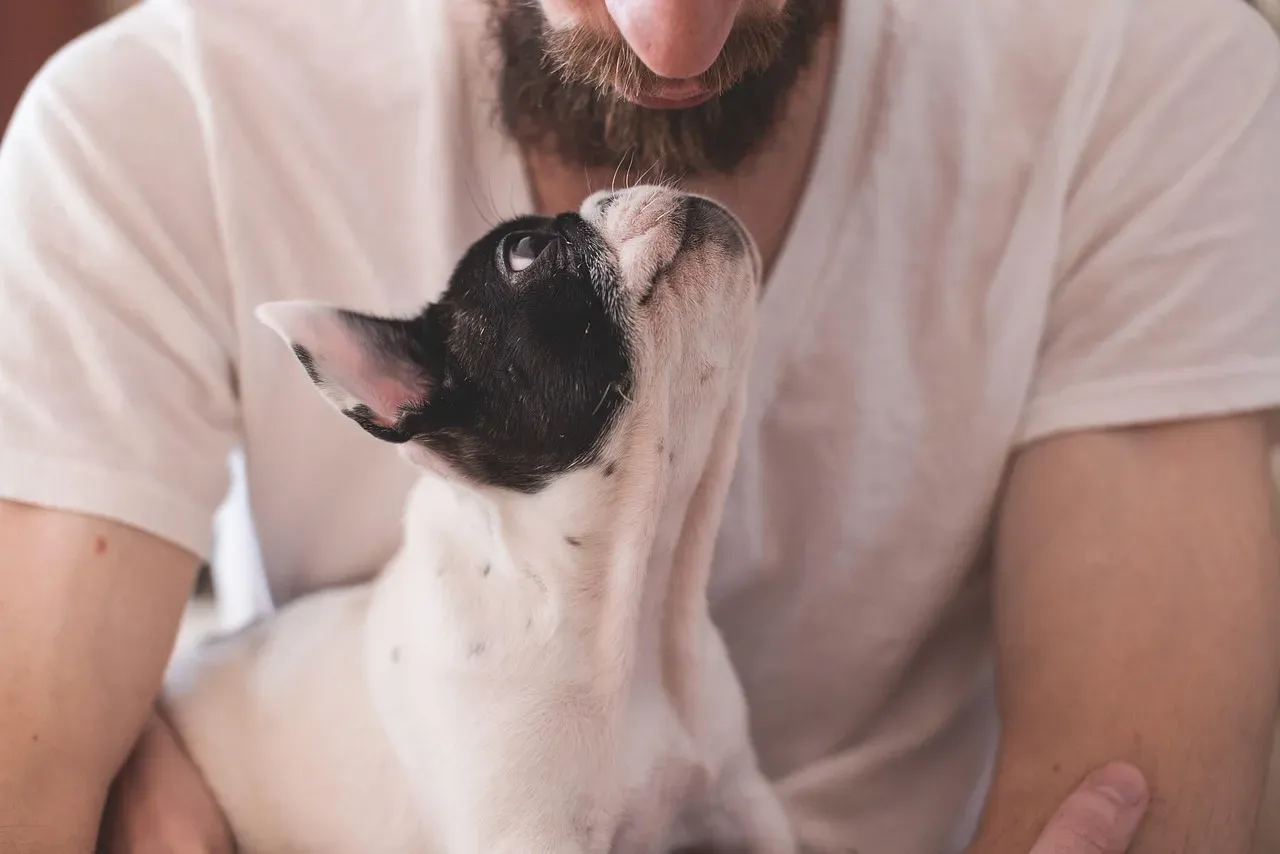
What is best is a dog who loves your attention and being close to you but is fine when you’re not around for a period of time. That balance is achievable for most dogs with a little patience and intentional guidance. The goal isn’t to push your dog away. It’s to help them feel secure enough to be okay on their own.
Protective factors include ensuring a wide range of experiences outside the home and with other people, between the ages of five and ten months, stable household routines and absences from the dog, and the avoidance of punishment. Routine, in particular, is underestimated. Dogs who know what to expect are far more settled than dogs navigating an unpredictable schedule.
If your dog’s constant following becomes overwhelming, you can set some gentle boundaries. Train them to stay in designated areas using commands, or give them toys and activities to engage their attention elsewhere. Make sure they get enough physical and mental exercise to reduce boredom.
Understanding why your dog follows you can enhance your relationship. Activities like obedience training, where dogs learn to trust and follow commands, can help balance their need to follow with a healthy level of independence. A well-exercised, mentally engaged dog is also simply a calmer dog overall, with less reason to pace at your heels out of restlessness.
Conclusion: What That Little Shadow Is Really Saying
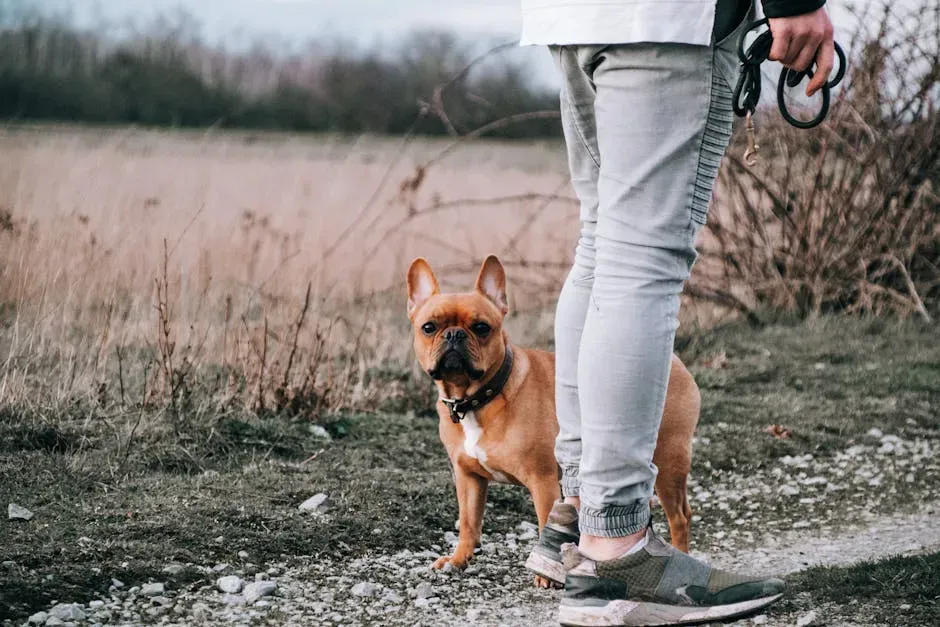
This behavior represents normal canine social psychology rooted in evolution and attachment. Dogs follow because they have formed bonds with their owners, seek security in proximity, are curious about your activities, and have learned that following often leads to positive outcomes. Some degree of following is natural, healthy, and reflects the depth of your relationship.
Your dog’s desire to follow you everywhere stems from a mix of instinct, affection, and a need for companionship. While it might sometimes feel like you can’t get a moment to yourself, remember that this behavior is a sign of your dog’s deep love and trust in you.
So the next time your dog trails you to the kitchen, lingers outside the bathroom door, or simply drops down beside you the moment you sit, take a breath and notice it for what it is. Not clinginess. Not neediness. Just a dog doing what dogs have always done, choosing to stay close to the person who matters most to them. That’s worth something.


