
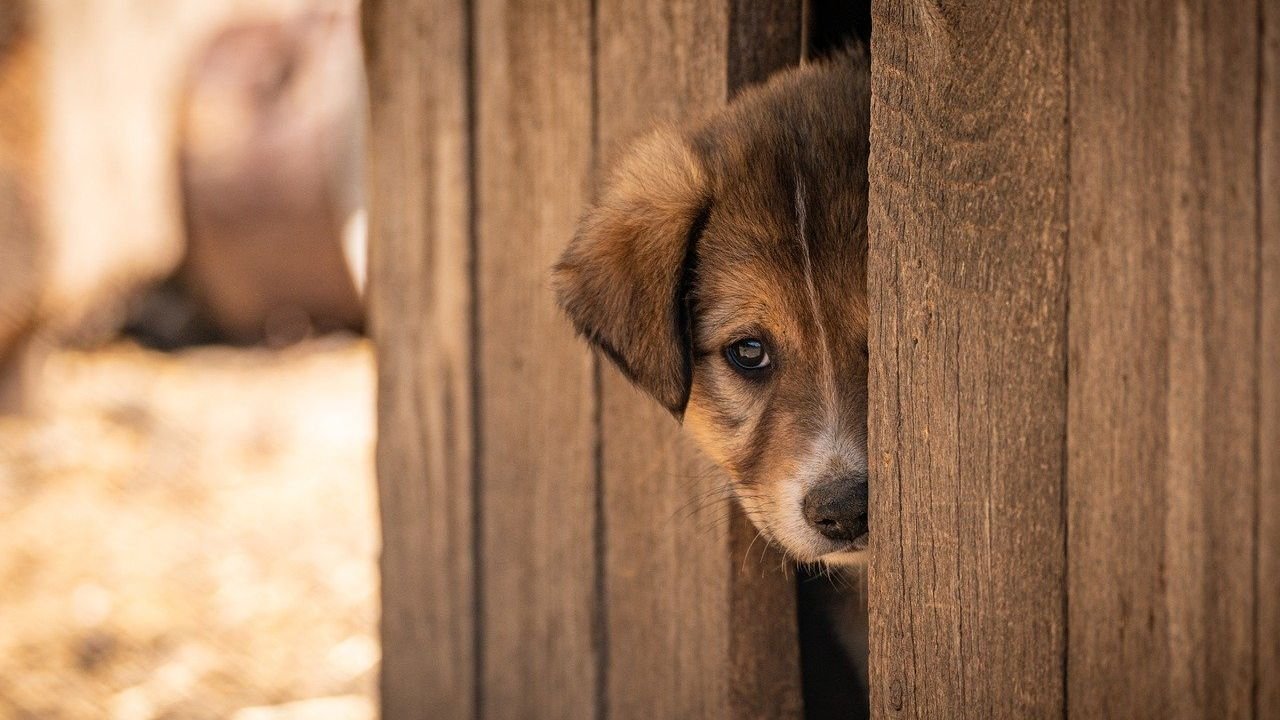
Colorado to ban pet stores from selling dogs and cats starting 2027 – Image for illustrative purposes only (Image credits: Pixabay)
Colorado – Governor Jared Polis signed legislation on April 29, 2026, that will prohibit pet stores from selling dogs and cats starting January 1, 2027.[1][2] The measure targets what supporters describe as the “puppy mill pipeline,” aiming to reduce demand for animals from high-volume commercial breeders.[3] This law positions Colorado as the ninth state to enact such a restriction statewide.[2]
From Bill Introduction to Governor’s Desk
House Bill 26-1011, also known as the Pistol the Pomeranian Protection Act, moved swiftly through the legislature after its introduction on January 14, 2026.[1] Prime sponsors included Representative Monica Duran, Representative Karen McCormick, Senator Robert Rodriguez, and Senator Dylan Roberts. The House passed the bill on March 2 by a vote of 44-21, followed by Senate approval on March 30 at 19-16.[1]
Amendments refined the language during committee reviews, but the core prohibition remained intact. Polis signed the bill at the State Capitol amid a ceremony featuring adoptable puppies from Humane Colorado and his own dog, Gia.[4] The event underscored the bipartisan push for animal welfare, though opposition lingered from business interests.
Key Provisions Target Retail and Brokers
The law eliminates current allowances for pet stores to sell, lease, barter, auction, or transfer ownership of dogs and cats.[1] It also defines and restricts “brokers” – those who profit by reselling animals bred by others – barring them from similar transactions involving dogs or cats. Only about seven pet stores in the state currently sell such animals through brokers.[2]
Pet stores retain options to partner with shelters for adoptions, provided they charge no fees and meet display requirements. Direct purchases from original breeders or small-scale owners – limited to three transfers per year – stay permissible.[1]
- Sales to government agencies, including law enforcement animals
- Guide, signal, or service dogs
- Transfers by shelters or rescues
- Hunting dogs to licensed hunters
- Health research facilities
Supporters Highlight Welfare and Consumer Gains
Advocates framed the ban as a dual win for animals and buyers. “We are stopping the harmful overbreeding of dogs and cats in terrible conditions in the puppy mill industry,” Polis stated during the signing.[3] He pointed to heartbreaking cases where store-bought pets incurred massive veterinary costs due to inbreeding or early diseases.
Representative Duran emphasized closure of the suffering pipeline: “Pet stores can still thrive. Communities can still connect with animals, but the pipeline that brought suffering into our state ends here, ends today.”[3] Veterinarian and Representative McCormick added a consumer angle: “To me, this is not only about the animals, but this is a consumer protection issue.”[4] Over two dozen Colorado cities already enforced similar local rules.[4]
Opposition Voices Business and Enforcement Concerns
Pet store operators raised alarms over economic fallout. Jens Larsen, owner of Perfect Pets in Centennial, warned the ban would shutter his 12-year business, where puppies account for 90% of revenue and support 12 jobs.[3] He insisted his suppliers comply with the Pet Animal Care Facilities Act and rejected puppy mill ties.
Critics predicted a shift to unregulated online or underground sales, citing California’s experience. “What you are going to have is underground sales, you are going to have Craigslist getting flagged,” Larsen said. Lawmakers countered that targeting retail hits the main commercial channel without overly burdening ethical breeders.[3]
A Step Toward Broader Animal Welfare Reforms
This measure aligns Colorado with eight other states restricting pet store sales, alongside 26 local bans within the state.[2] Groups like Best Friends Animal Society hailed it as progress toward no-kill shelters, amid rising intakes. As the effective date nears, stores must pivot to adoption partnerships or other merchandise.
Polis encouraged adoption while affirming space for “wonderful, legitimate breeders.” The law signals a cultural shift: prospective owners will turn more to rescues, breeders, or acquaintances with litters. Whether it truly dismantles puppy mills or merely relocates sales remains a point of debate, but Colorado’s pet lovers now face clearer paths to responsible companionship.[5]


