

Most dog owners would say they love their dogs deeply. Yet love alone doesn’t automatically create a strong, secure emotional bond. The truth is that many dogs live with people who care about them greatly but still feel somewhat uncertain, under-stimulated, or emotionally disconnected. That gap isn’t a reflection of how much you care. It’s just a sign that the relationship needs some intentional nurturing.
The good news is that deepening your bond with your dog doesn’t require a dramatic lifestyle overhaul. It requires attention, a bit of consistency, and a willingness to meet your dog where they are. Here are seven science-backed, genuinely actionable ways to start building that stronger emotional connection today.
1. Make Eye Contact a Daily Ritual
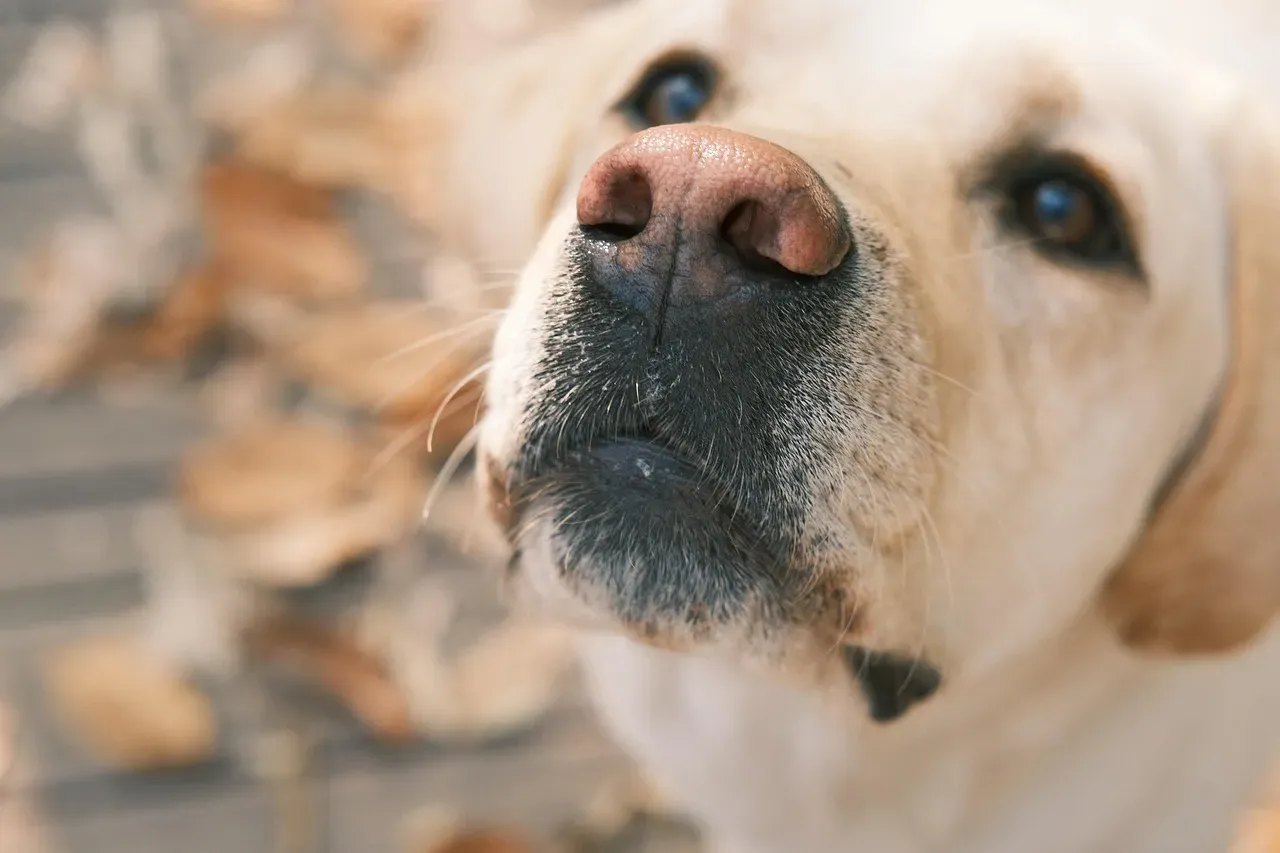
There’s real science behind the way you and your dog look at each other. Research has shown that gazing behavior from dogs increased oxytocin concentrations in owners, which subsequently facilitated owners’ affiliation and increased oxytocin concentration in the dogs themselves. In other words, a quiet, loving gaze is a two-way biochemical event, not just a sentimental moment.
Research from the University of Tokyo suggests that the quality of eye contact matters more than quantity. Brief but frequent moments of mutual gazing throughout the day can be more effective at strengthening bonds than forced, prolonged eye contact sessions. Try making soft eye contact during feeding time or before heading out for a walk.
Combining eye contact with gentle touch, like a soft stroke under the chin or behind the ears, can enhance the oxytocin release for both of you. Remember that forcing eye contact with a reluctant dog can damage trust, so always respect your dog’s comfort level and allow them to initiate or break eye contact naturally. A few seconds of warmth beats a minute of pressure every time.
2. Use Touch Intentionally, Not Just Habitually
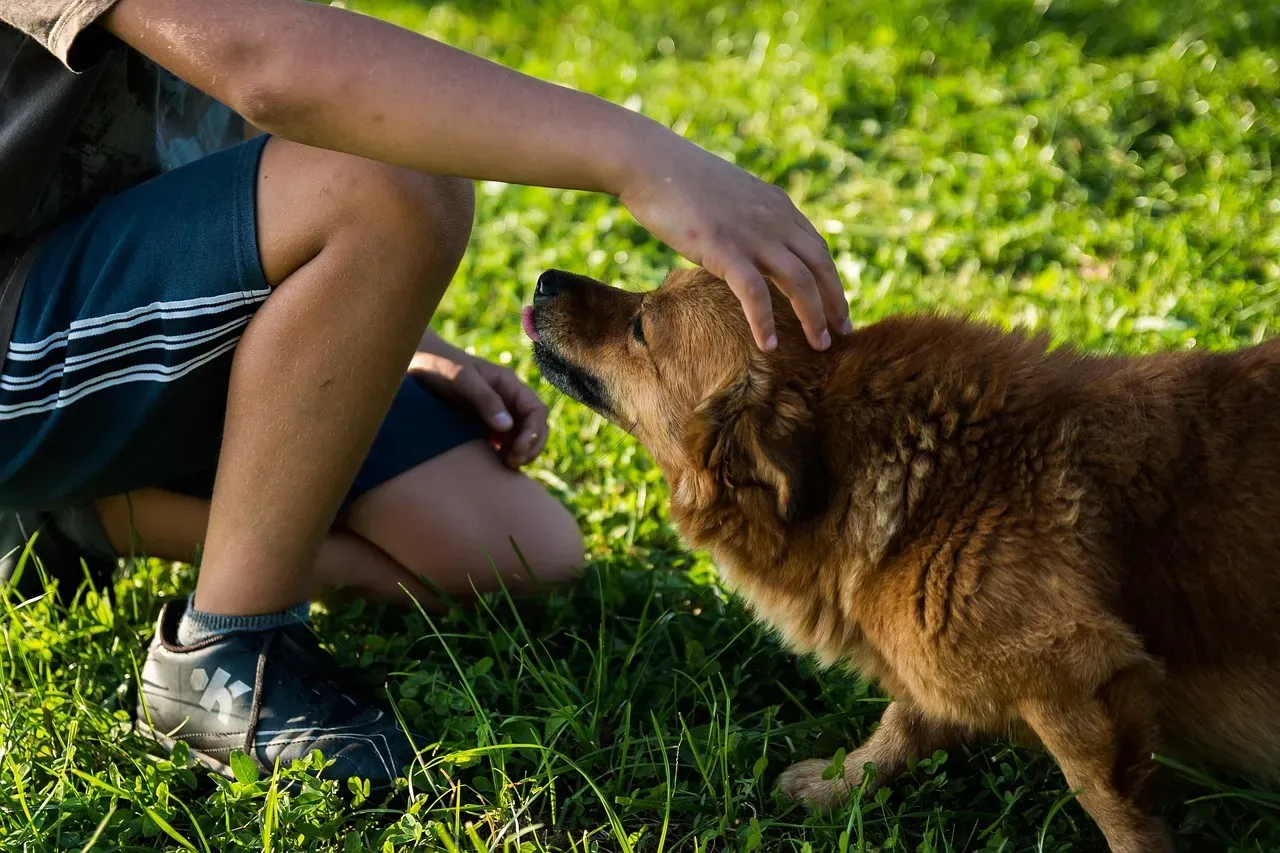
Petting your dog is something most owners do every day, but there’s a meaningful difference between an absent-minded pat and genuinely intentional touch. Studies have shown that activities like brushing, petting, or cuddling your dog increase oxytocin levels in both dogs and humans, fostering trust and emotional connection. The effect is real and it works in both directions.
Take time to learn how your dog likes to be handled. Some love belly rubs, while others prefer ear scratches or just being near you. Paying attention to what your dog leans into, rather than what you assume they enjoy, sends a message that you’re listening.
Petting your dog is a feel-good activity for both of you. It’s calming for your dog and relaxing for you as well. A Washington State University study found that just 10 minutes of petting a dog significantly reduced cortisol, a stress hormone, in people. So the next time life feels heavy, sit down with your dog. You’ll both feel better for it.
3. Learn to Read Your Dog’s Body Language
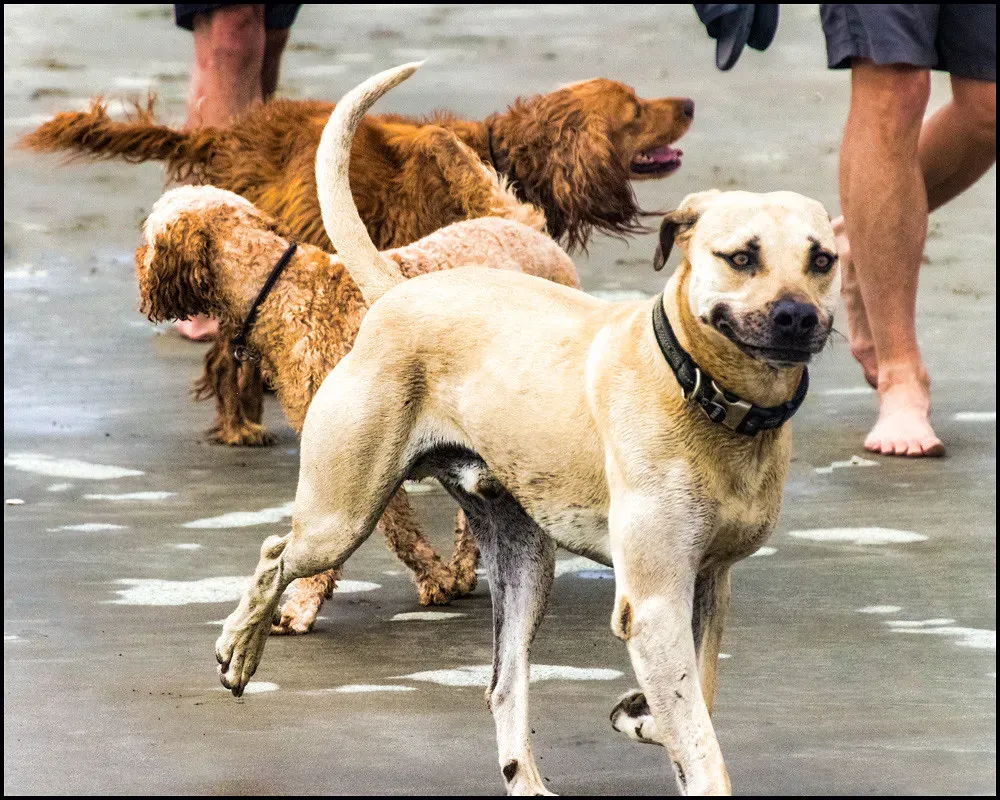
One of the most underestimated bonding tools is simply understanding what your dog is telling you. Understanding your dog’s body language is one of the most powerful ways to strengthen your bond. Dogs communicate how they feel through their posture, tail movements, ears, eyes, and overall behavior. When you respond correctly to these signals, your dog feels truly seen.
Dogs are remarkable in their ability to perceive human emotions visually and auditorily. They read facial expressions, tone of voice, and body language to understand your feelings and adjust their behavior accordingly. That attunement goes both ways, and recognizing it opens up a whole new level of communication.
For example, a tail wagging loosely at mid-height usually signals a relaxed and happy dog, while a stiff, high tail can indicate alertness or tension. Responding to your dog’s emotional signals shows them that you’re paying attention, and builds a stronger emotional bond. The more accurately you read them, the safer they feel around you.
4. Play Together With Purpose
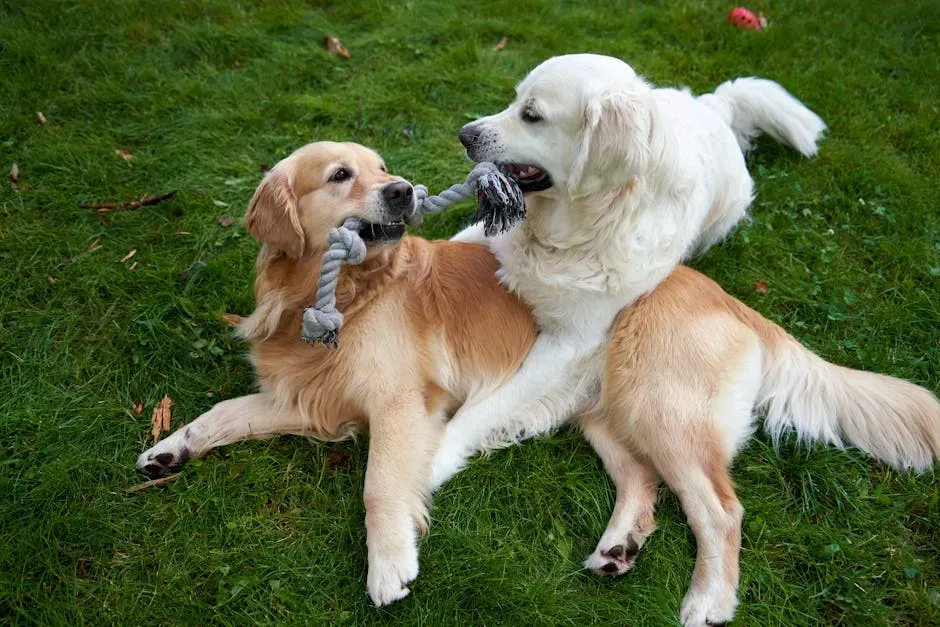
Play is often treated as a bonus, a nice thing to do when time allows. Research suggests it’s actually far more central to your bond than most people realize. A study published in the journal Royal Society Open Science shows that extra playtime strengthens the emotional bond between owner and dog. This is not just about burning energy. It’s about building something emotionally meaningful together.
Increasing the amount of playtime with a dog improved the pair’s emotional bond. It turned out that the play group improved their emotional bond to the dog in just four weeks with a few minutes of extra play a day. Even small amounts of intentional play can shift the dynamic noticeably.
Interactive games like fetch, tug-of-war, or hide-and-seek aren’t just fun; they’re scientifically proven to build trust and improve your dog’s confidence. Tug-of-war, for example, has been shown to enhance cooperation without increasing aggression when played fairly. The key word there is “together.” These games work because both of you are engaged at the same time, in the same moment.
5. Train with Kindness and Consistency
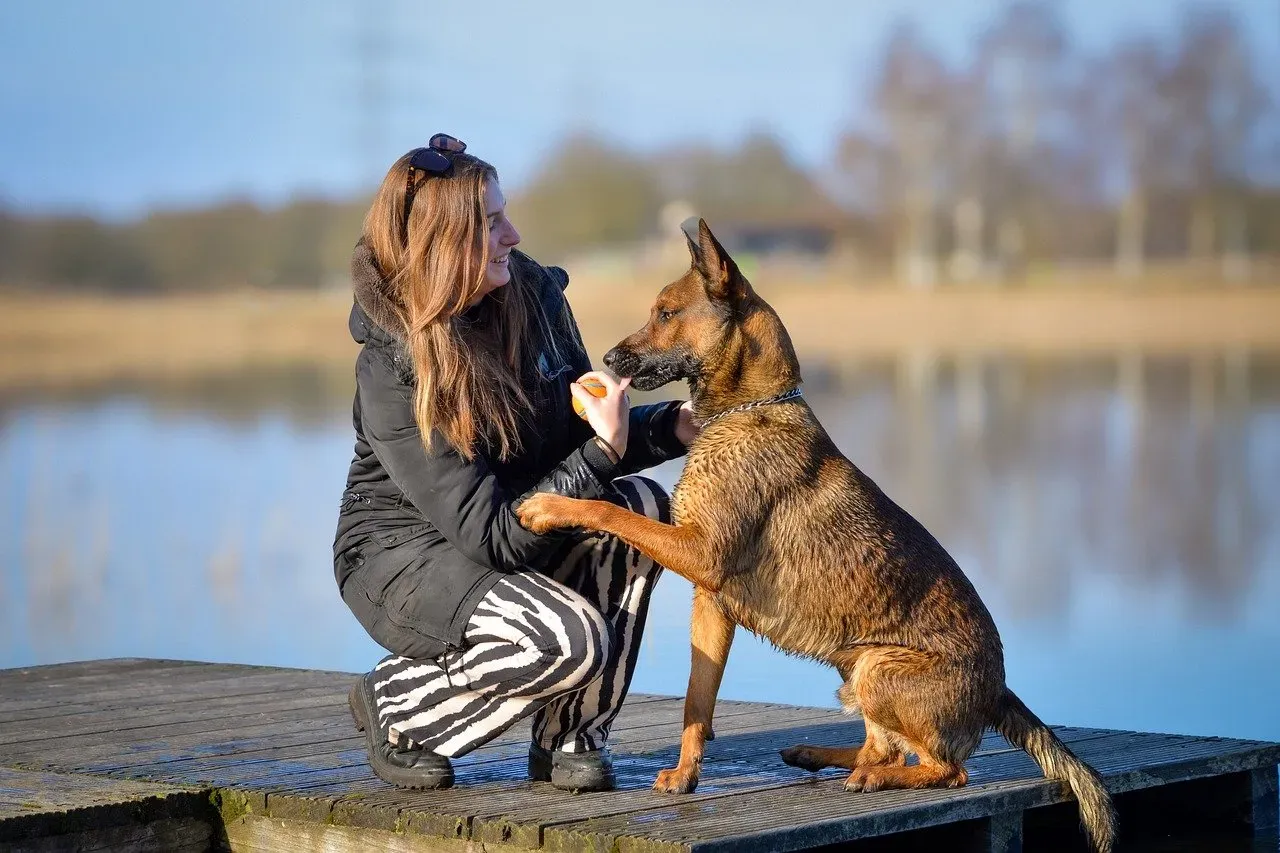
Training is often misunderstood as a discipline exercise. In reality, it’s one of the richest bonding experiences available to you and your dog. Training your dog using positive reinforcement is not only effective, but it’s also a relationship builder. Rewarding good behavior with treats, praise, or playtime reinforces your bond and creates a safe space for learning. Avoid punishment-based methods, which can damage trust and create confusion or fear.
Trick training at home can create shared warm and fuzzy feelings, much like when we have fun with friends or family. Teaching your dog to shake or roll over can be a playful way to engage their mind and keep their attention focused on you. Celebrate small successes with treats or praise for a joyful interaction that helps both of you look forward to training sessions.
The most important step you can take to build a stronger bond with your dog is to be consistent in how you respond in various situations. Mixed messages are confusing and quietly erode trust over time. Clear, fair, kind communication is the foundation everything else is built on.
6. Build a Predictable Routine Your Dog Can Count On
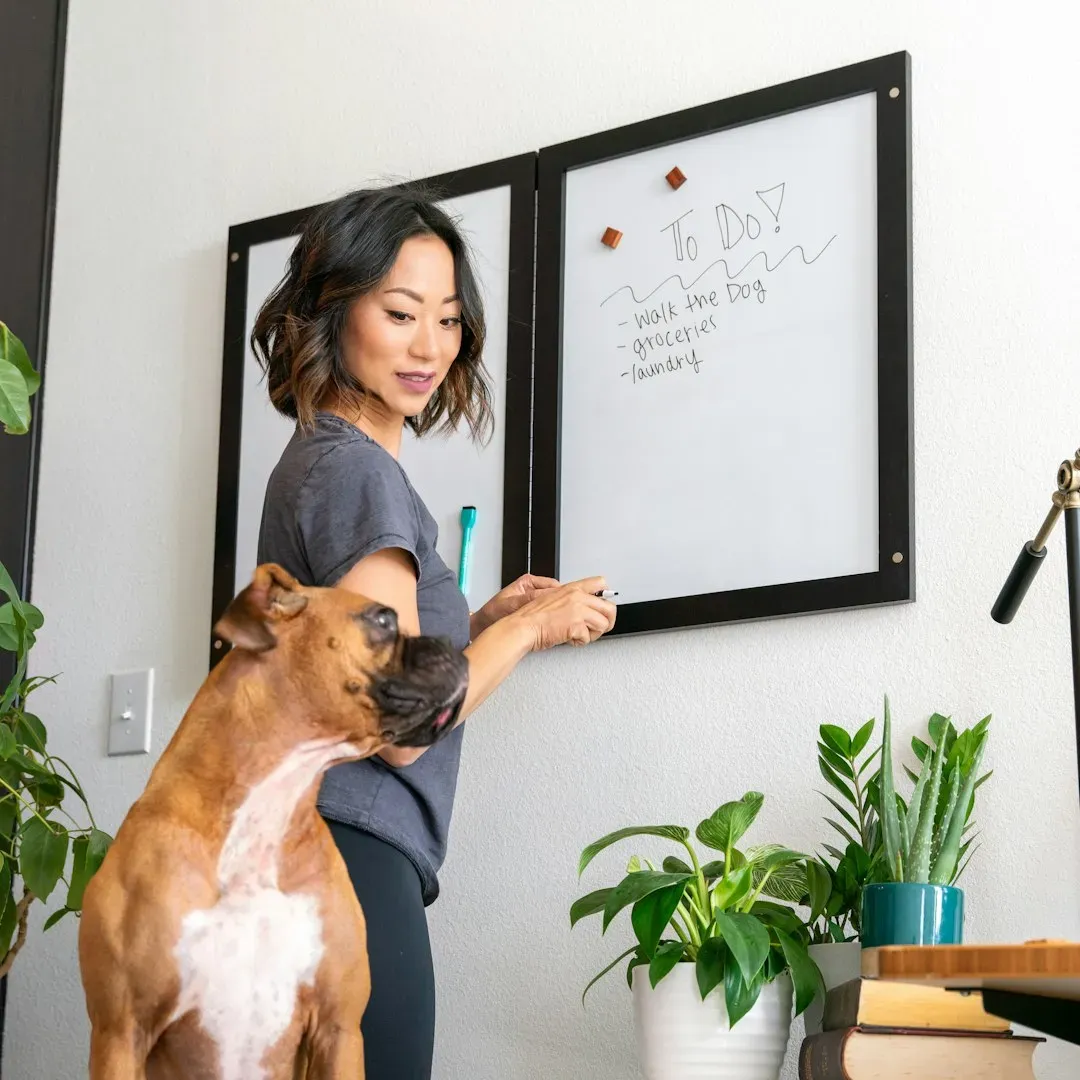
Dogs are not wired for unpredictability. Security and trust grow fastest when a dog knows what to expect. Dogs thrive on routine. Predictable mealtimes, walks, play, and rest help your dog feel safe and secure, especially if they’re new to your home. When your dog feels safe and like they can count on you to follow through with their routine, it becomes easier for them to trust you.
A consistent schedule also reduces anxiety and can make it easier to train your dog, including potty training. Routine isn’t just logistically convenient. It’s emotionally reassuring. For a dog that came from a shelter or a difficult background, knowing that dinner arrives at the same time each day can be genuinely transformative.
Just like humans, dogs have different attachment styles ranging from secure to anxious. Understanding your dog’s style helps tailor your interactions to build stronger, more trusting connections. Secure dogs typically exhibit confidence and comfort in exploration when close to their owners, while anxious dogs may need more patience and reassurance to feel safe. Know which type of dog you have, and adjust accordingly.
7. Be Your Dog’s Advocate in the World
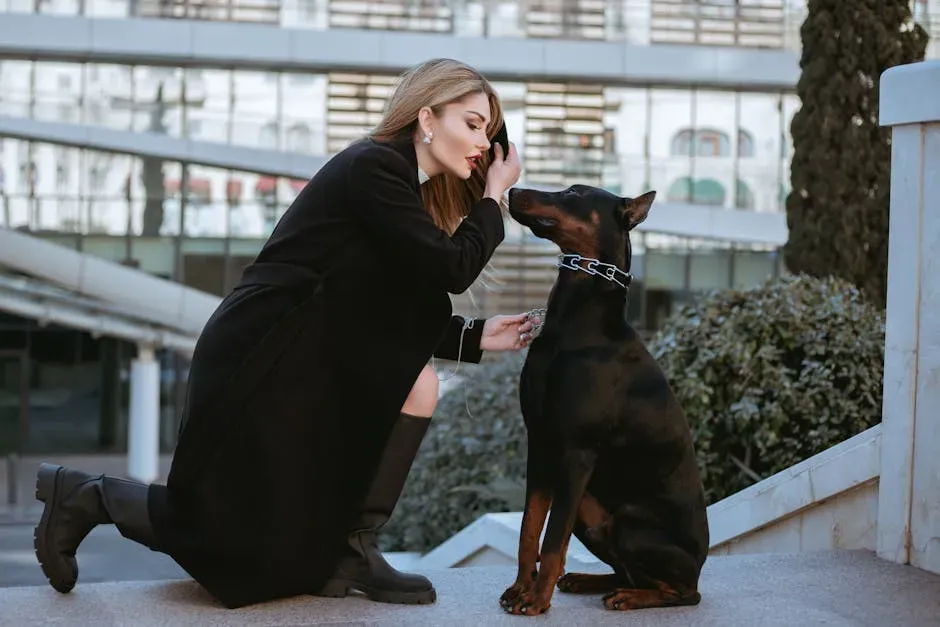
Perhaps the most overlooked way to strengthen your bond is to protect your dog’s emotional wellbeing when you’re out in the world together. Advocate for your dog in new or stressful situations, and don’t force them into uncomfortable interactions with people or other animals. Pay attention to what makes your dog uneasy, and step in to protect their emotional and physical wellbeing. Your dog notices when you do this.
Imagine you’re on a walk and a stranger rushes toward your dog with an outstretched hand. Your dog backs away, ears flat. If a stranger approaches you and your dog while on a walk and your dog appears uncomfortable, don’t be afraid to say no if they ask to pet your dog. That simple act of stepping in communicates something powerful: you are safe with me.
Dogs bond to their owners in ways that closely mimic caregiver-infant relationships, showing genuine attachment behaviors such as proximity seeking, separation distress, and secure base effects. Research suggests that the dog-human bond encompasses emotional warmth akin to parent-child relationships mixed with the low-conflict companionship typical of close friendships. Honoring that kind of bond means showing up for your dog, not just at home, but wherever they need you most.
Building the Bond Takes Time, Not Perfection
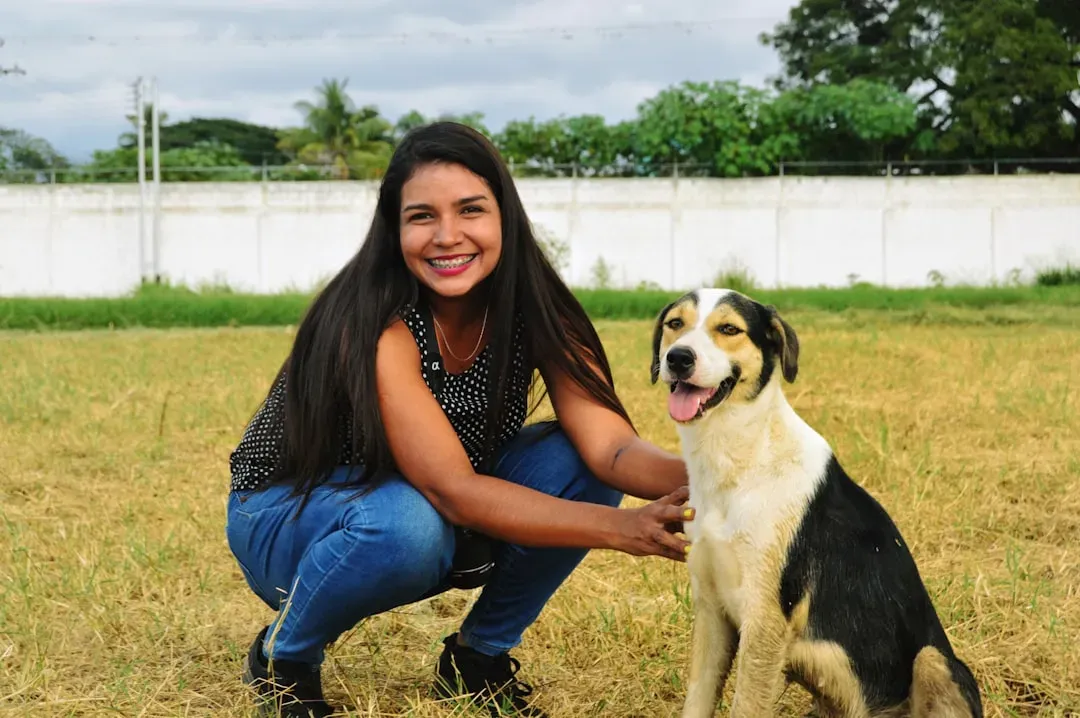
None of these seven practices require a perfect schedule or expensive gear. They require presence. Creating a strong bond with your dog isn’t just about love. It’s about trust, communication, and mutual understanding. Dogs are social animals that thrive on connection. A bonded relationship helps reduce anxiety, improves your dog’s behavior, and makes training easier.
Building a strong bond with your dog doesn’t happen overnight. Every dog is different. Some are naturally cuddly and eager to please, while others take time to warm up. Recognize that progress may not happen as quickly as you want it to, and that’s okay. The key is to be present, patient, and attuned to your dog’s needs.
The relationship you build with your dog over months and years of small, consistent gestures is one of the most quietly remarkable things in human life. Your dog doesn’t need grand gestures. They need to know that you see them, that you’re reliable, and that they are genuinely safe with you. Start with one of these seven steps today, and let the rest follow naturally.


