
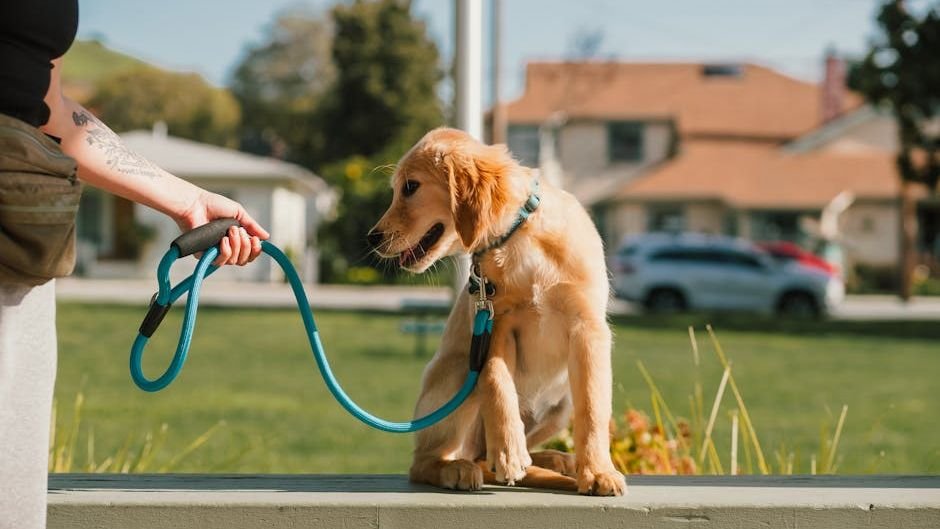
Your dog is seven, maybe ten, maybe even a sweet and stubborn thirteen. They’ve developed opinions. They’ve perfected the art of selective hearing. They know exactly where the good stuff lives in the kitchen, and they’ve been testing the boundaries since the day they figured out you’d give in. Sound familiar?
Here’s the thing most people get wrong: they assume the window for training closed somewhere around the second birthday. It didn’t. The age-old saying “you can’t teach an old dog new tricks” has been thoroughly debunked by modern science. Research shows that dogs, like humans, maintain their ability to learn throughout their lives, and while training methods may need some adjustment for senior pets, their capacity for learning remains fully intact. So if you’ve been living with an older dog who jumps at guests, begs at the table, or drags you down the sidewalk like a sled dog, this article is for you. Help is genuinely here.
Start by Figuring Out What Your Dog Already Knows
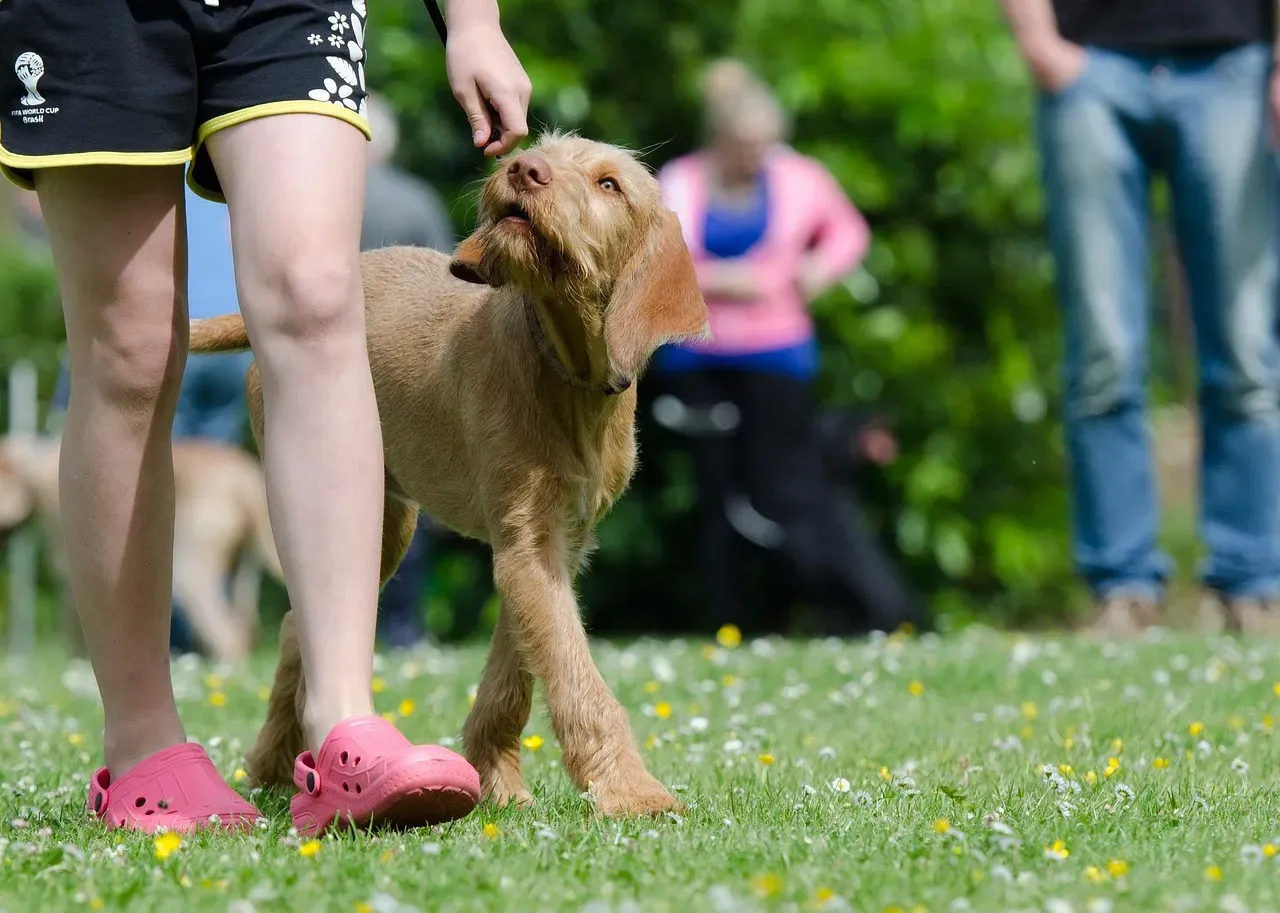
Before you introduce a single new behavior, take a step back and take stock. Before you can begin training, you need to figure out what your dog already knows. Pretty quickly you’ll be able to tell if they have general household manners and whether they respond to common commands like sit, down, and paw.
This matters more than most people realize. An older dog who responds reliably to “sit” in the living room but falls apart at the dog park isn’t disobedient. They just haven’t practiced that skill at the level of distraction you’re asking for. Just because your dog is considered an adult by age doesn’t mean they are in graduate school for certain behaviors. Everything that dogs learn can be broken down in skill levels, and it’s all about practice and consistency.
Think of this first step as a reset. It helps you avoid frustration and set realistic expectations. Know what you’re working with before you start building.
Make Peace With Positive Reinforcement
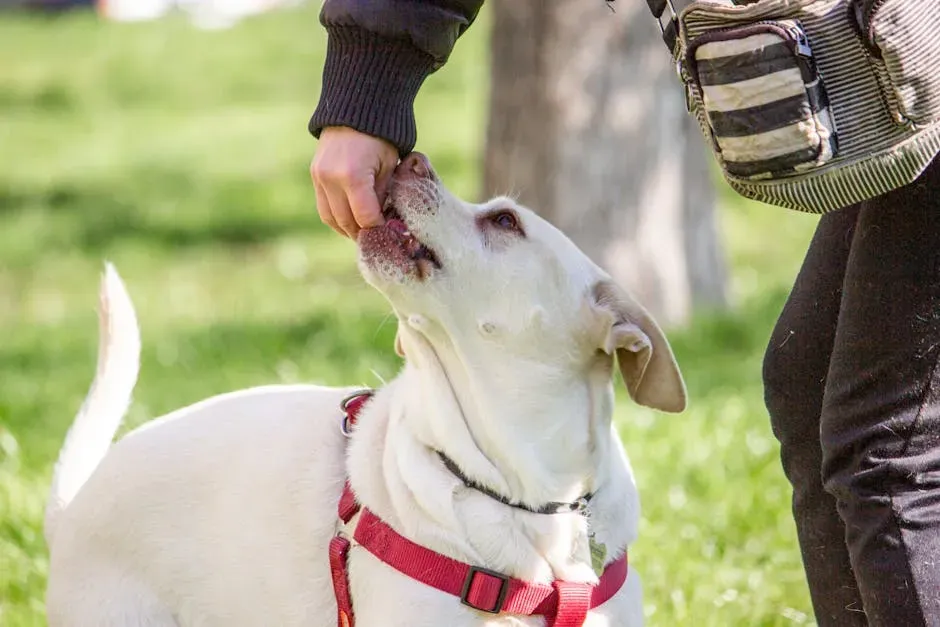
It’s never too late to teach an old dog new tricks or help your dog learn some new habits. Reward-based training is so powerful: it not only uses evidence-based techniques to teach your dog new habits and skills, but it also truly improves communication between you and your canine companion.
A critical note for owners of older dogs: avoid punishment-based corrections entirely. Punishment is much more likely to make your dog afraid than teach a lesson. Fear shuts learning down. An older dog who has lived through years of a certain routine deserves patience and clear communication, not frustration or force.
Positive reinforcement doesn’t just come in the form of food or toys. Rewards and reinforcement can come from your dog’s environment, like sniffing a favorite spot on the walk, attention and head scratches, or playtime with another dog. Anything your dog enjoys can be reinforcement for desired behavior. Pay attention to what makes your individual dog light up, and use that.
Keep Sessions Short and Consistent
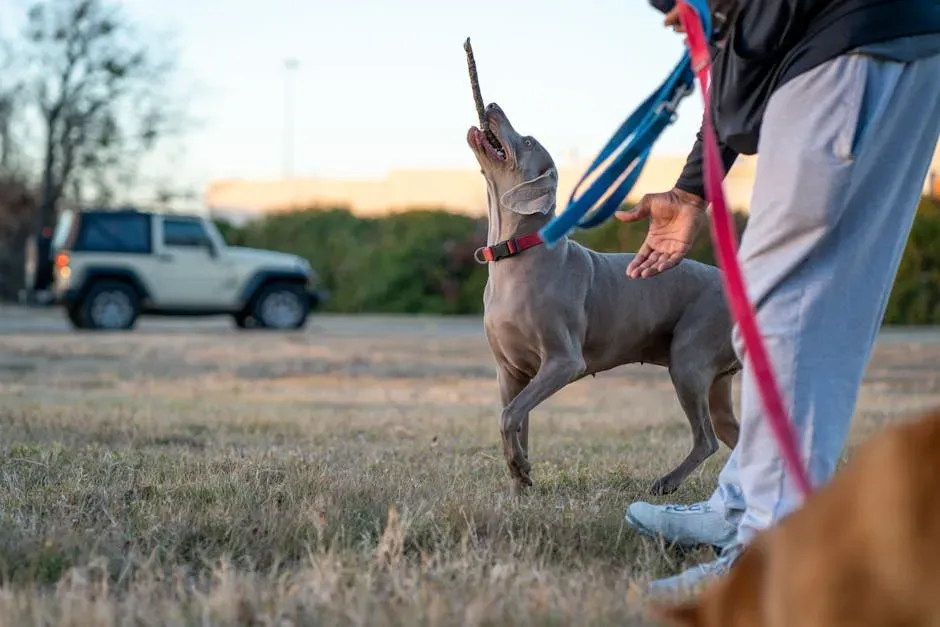
One of the most common mistakes owners make with older dogs is expecting too much in a single session. Schedule training sessions for brief periods at the same time each day. Try for ten to twenty minutes in the same training space each time, so your dog associates the location with training and understands what you expect. Choose a place with few distractions, like the backyard before kids come home from school.
Committing to daily practice is essential. In order for training to be successful, you need to work on it every day. Many older dogs are able to focus on training, but they may need more time to learn than puppies. Keep your training sessions short, no more than five to ten minutes.
Short and consistent beats long and sporadic every single time. A five-minute session done daily for two weeks will produce far better results than an hour-long session on a Saturday.
Tackle Jumping Up on People
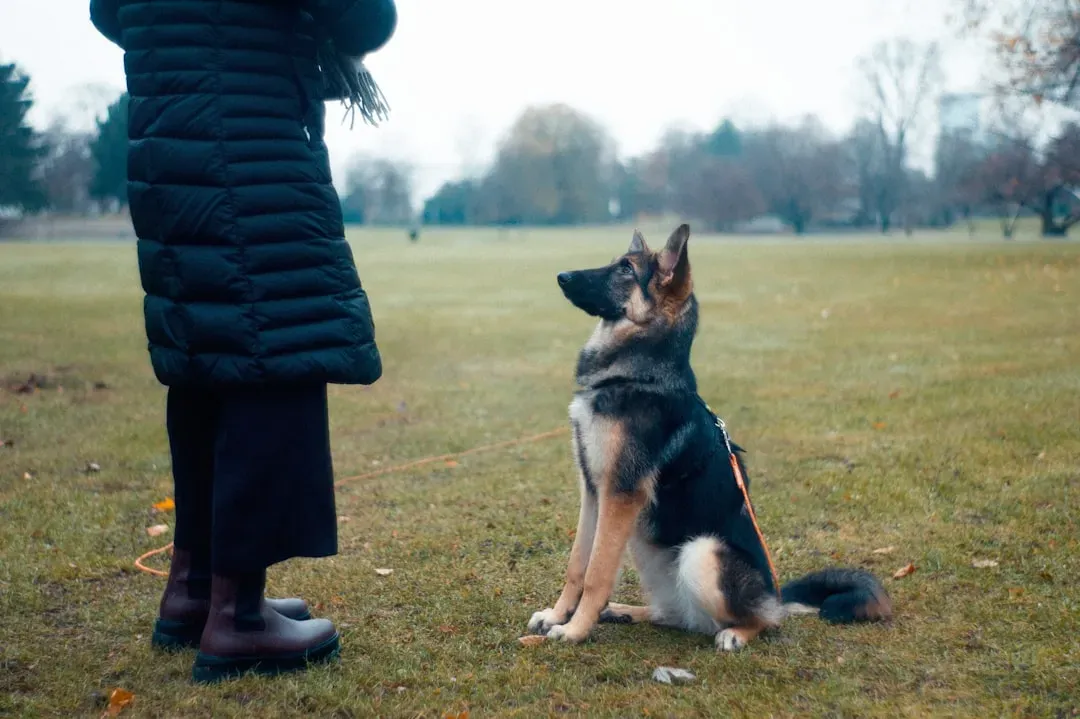
Few things are more embarrassing than a dog that launches at every guest who walks through the door. It’s also one of the most common mannerly issues in older dogs, and thankfully, one of the most fixable. Train your dog to greet others in a calm manner rather than jumping and licking. Teach them to sit when the doorbell rings or company walks through the door, and only allow them to rise when they’re clearly in control of their excitement.
The key behavior cue here is a simple, reliable “sit” on greeting. Every person who enters the home must participate, which means a quick conversation with family members and regular visitors. If your dog is allowed on the couch by one person but scolded by another, progress stalls. Creating a consistent structure that everyone follows is critical. Inconsistency is the single fastest way to undo weeks of work.
Give your dog plenty of exercise before guests are expected to arrive. They’re less likely to get overexcited and will settle down more easily when the doorbell starts ringing if they’ve already burned off some excess energy. A tired dog is a polite dog.
Teach a “Go to Your Place” Cue
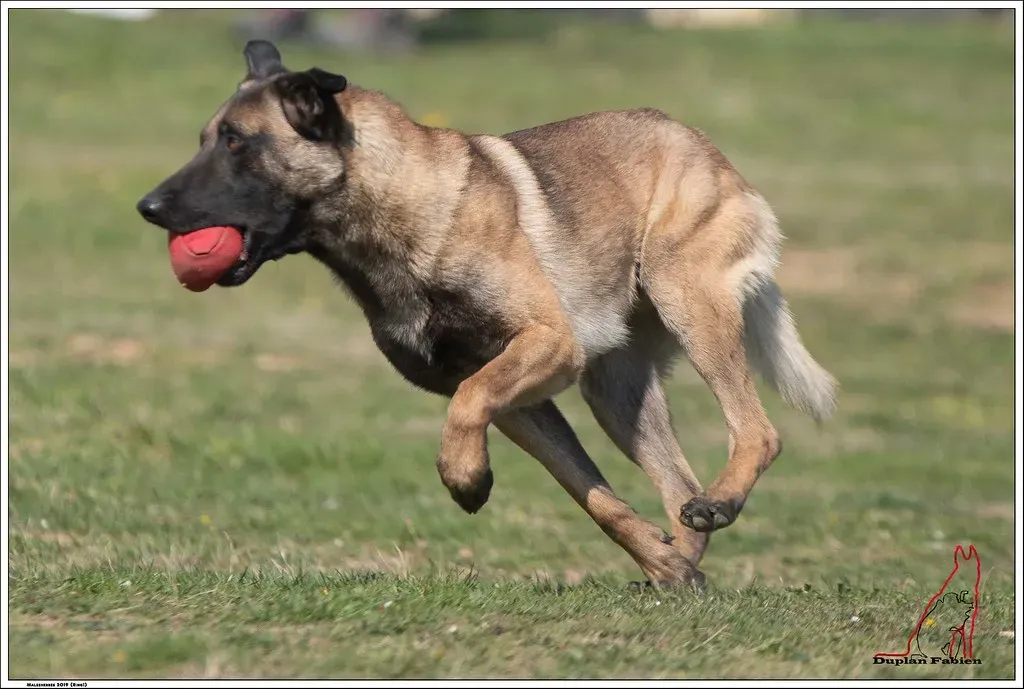
If you only teach your older dog one new behavior, make it this one. One of the most useful behaviors you can teach your dog is to move to a designated spot, like a mat or their bed, when asked. Teaching this behavior can help solve a variety of problems, including begging at the dinner table and dashing out the door. It can also provide a strategy for steering your dog away from problem behaviors like jumping or chasing.
Start by placing a mat in a low-traffic spot. Lure your dog onto it with a treat, the moment all four paws land on the mat, reward them. Repeat until they go willingly, then add the verbal cue “place” or “mat.” Gradually increase how long they stay before getting the reward. Your dog replaces an undesirable behavior with a behavior that you reward with treats and praise.
This works especially well for dogs who beg, bark at the door, or get underfoot during meal prep. It gives them a clear job, a sense of structure, and a place to feel secure. Senior dogs, in particular, often find this grounding.
Address Leash Pulling With Patience
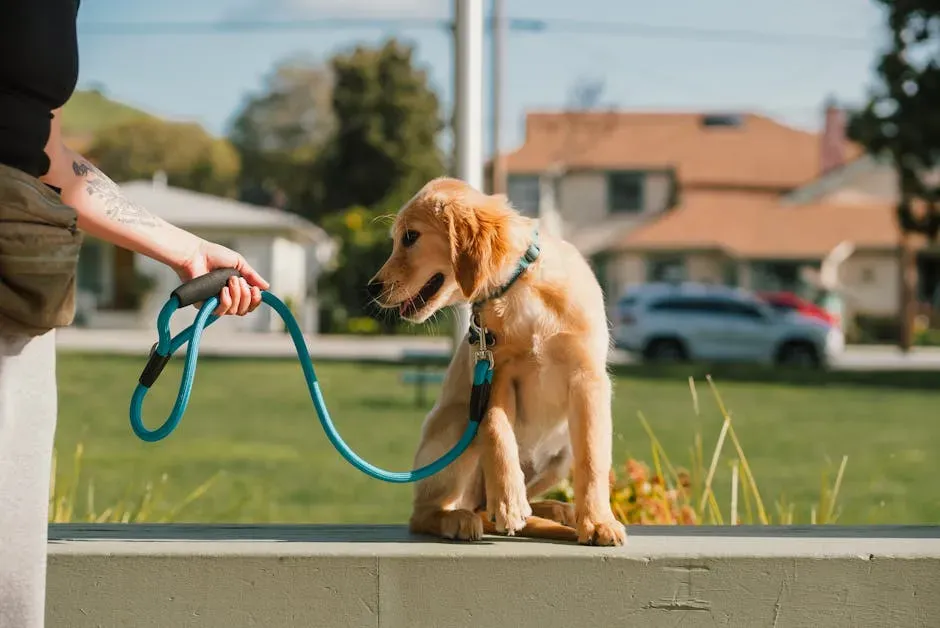
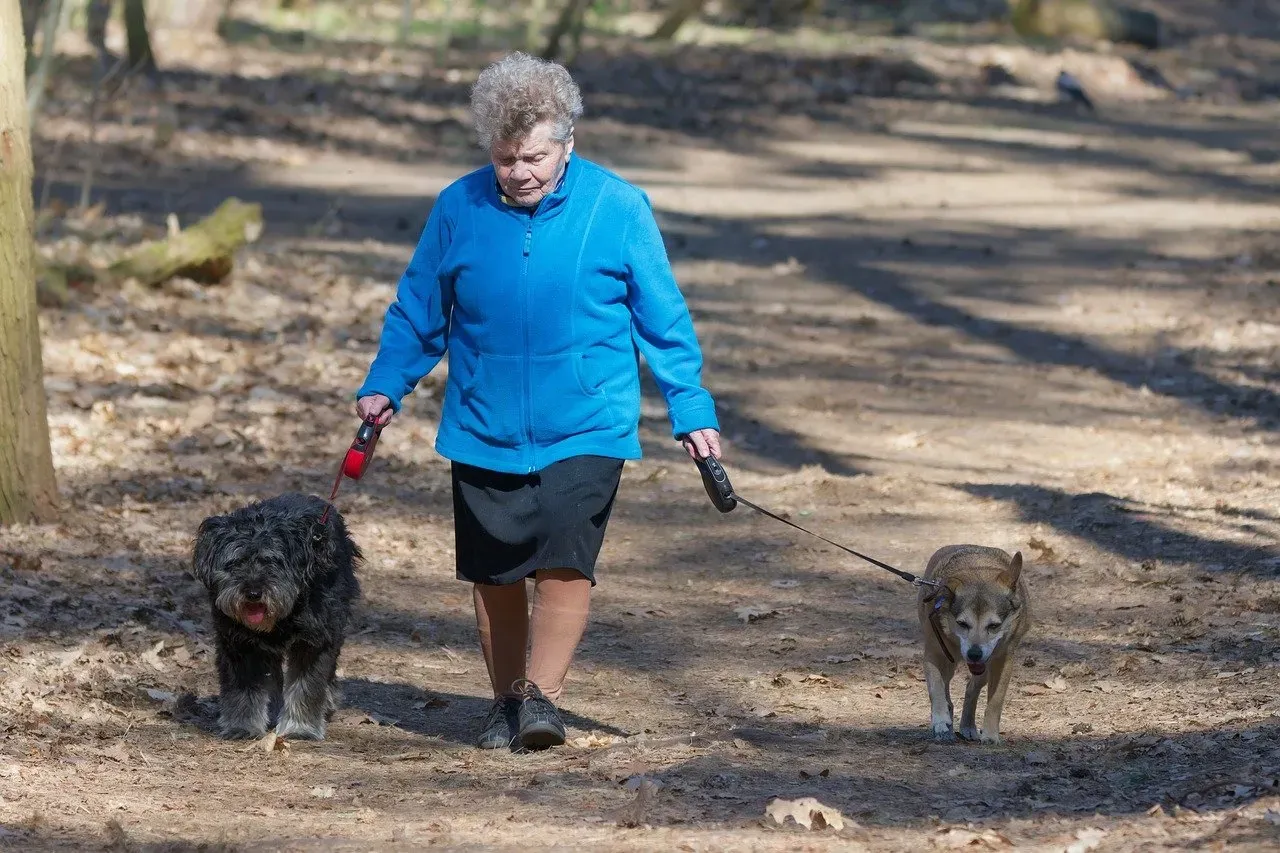
A dog who has been pulling on the leash for six years won’t stop overnight. That’s the honest truth. You must be extremely patient when leash training an older dog. To remedy uncontrolled pulling, stop immediately and refuse to move until they calm down and return to your side. Reward them generously with treats and kind words when they walk by your side voluntarily, to make sure your preference is clear.
One useful strategy for overstimulated older dogs on walks: drop several small treats on the ground the moment they begin to settle. It’s common for dogs to get reactive again as soon as you start walking, so preemptively place a trail of treats on the ground as you start moving forward. As you see your dog continuing to calm down, slow down how frequently you place treats, and they’ll transition back to sniffing and walking normally.
Also check in with your vet before starting any new leash training routine. As dogs age, they may develop health conditions that limit their comfort level, including joint pain, vision or hearing loss, or a decline in cognitive function. What looks like stubbornness on a walk may sometimes be discomfort.
Work Around Sensory Changes Gracefully
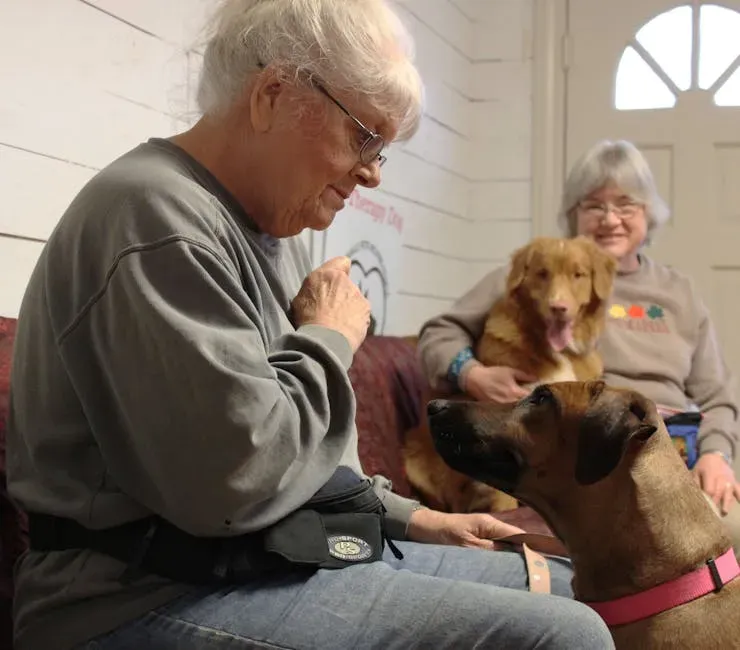
Older dogs don’t always hear the way they used to. Vision dims. Reflexes slow. This isn’t failure on their part, or yours. It’s just age doing what age does. While older dogs are good learners, they may have more difficulty understanding your instructions. Many senior pets have vision and hearing deficits that make it more difficult for them to comprehend your directions. You can work around these obstacles, which are part of the natural aging process, by modifying the way you communicate with your dog.
If your dog has a hearing deficit, use hand signals. If their vision is diminished, stay in their direct line of sight and use louder verbal cues. These adaptations don’t require a professional trainer. They require observation and a willingness to meet your dog where they are.
Young, active pups can train nearly anywhere, but older dogs might need some environmental accommodations to make sure they’re putting their best paw forward. A senior dog might be dealing with reduced hearing or vision, so select a space that’s brightly lit and distraction-free. Small setup changes can make an enormous difference in how receptive your dog is during a session.
Choose Low-Impact Behaviors That Respect Your Dog’s Body
Not every trick is appropriate for every dog, and age matters here. Even simple tricks can be uncomfortable for older dogs. Sitting repeatedly can stress arthritic knee joints. Begging or sitting pretty for a treat strains an old back. Jumping up to catch a Frisbee just plain hurts. Recognizing these limits isn’t giving up on your dog. It’s respecting them.
When planning what to teach, remember that your senior dog might not be comfortable dancing on their hind legs or doing other energetic movements. Try to focus on low-impact behaviors that aren’t physically demanding, like a slow spin, shake, or wave. Good starter behaviors include targeting, which means touching nose to hand, gentle paw gives, simple retrieval games, and basic position commands like “place” or “mat.”
Training provides crucial mental stimulation that helps prevent cognitive decline, maintains brain health, and keeps senior dogs physically active. It also strengthens the bond between dog and owner while providing structure and purpose to their daily routine. The goal isn’t performance. It’s a full, engaged, comfortable life.
Conclusion: Your Old Dog Has More to Give Than You Think
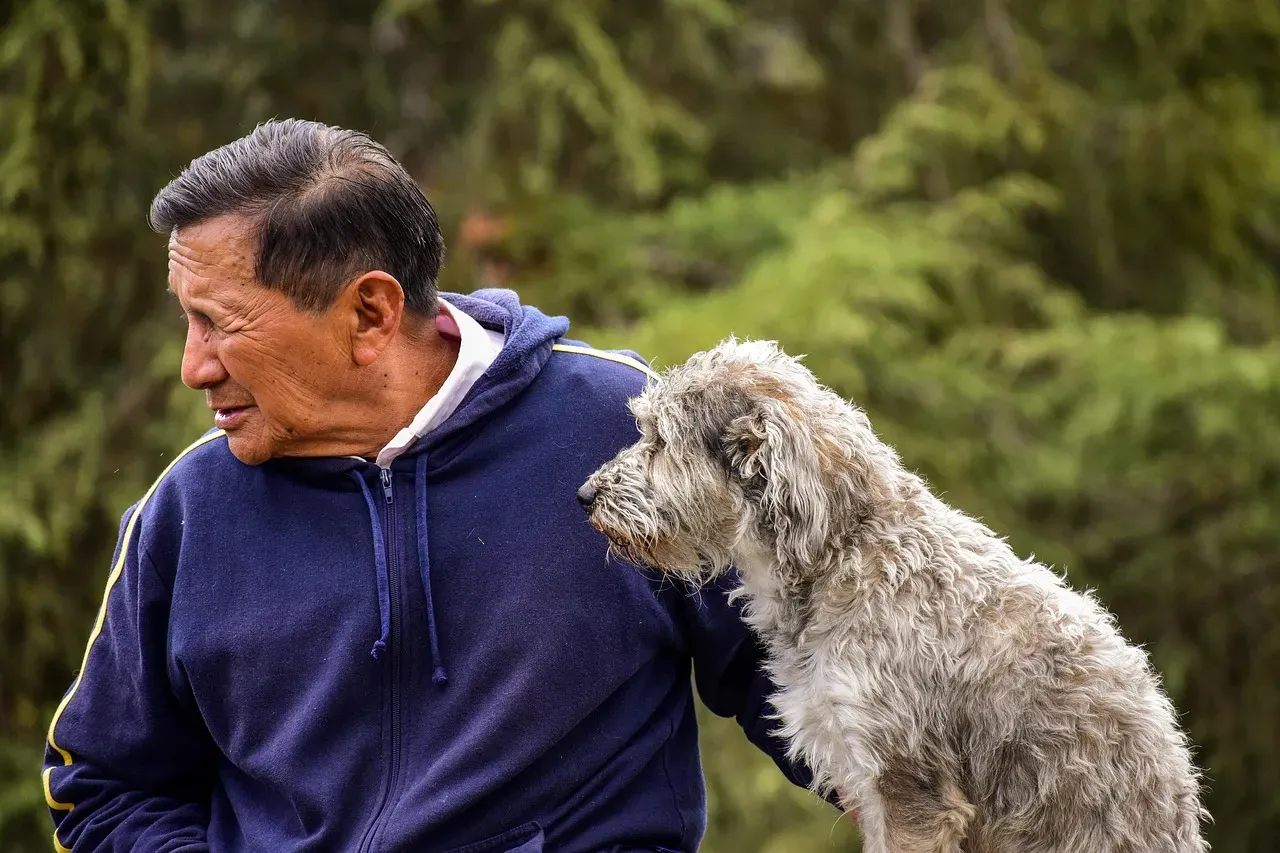
While you’ll likely need more patience and compassion when training an older dog, it shouldn’t be any more difficult than teaching a puppy. In fact, older dogs usually have longer attention spans than their younger counterparts, allowing for longer training sessions. They’re also more receptive to learning new commands due to their previous training experiences.
Age is never a reason to pass on trying to train a dog. Their potential to learn may decrease as they get older, but their desire to please their humans is something they will carry with them forever. That’s not a small thing. That eagerness to connect with you is a genuine gift, and it’s still alive in your dog right now.
Think of it this way: every five-minute session you do with your older dog isn’t just about stopping a bad habit. It’s time spent together, building language between two species who are genuinely trying to understand each other. That’s worth more than any perfectly executed sit. Start small, stay consistent, and let the process unfold at your dog’s pace. There’s no deadline on becoming better companions to each other.


