
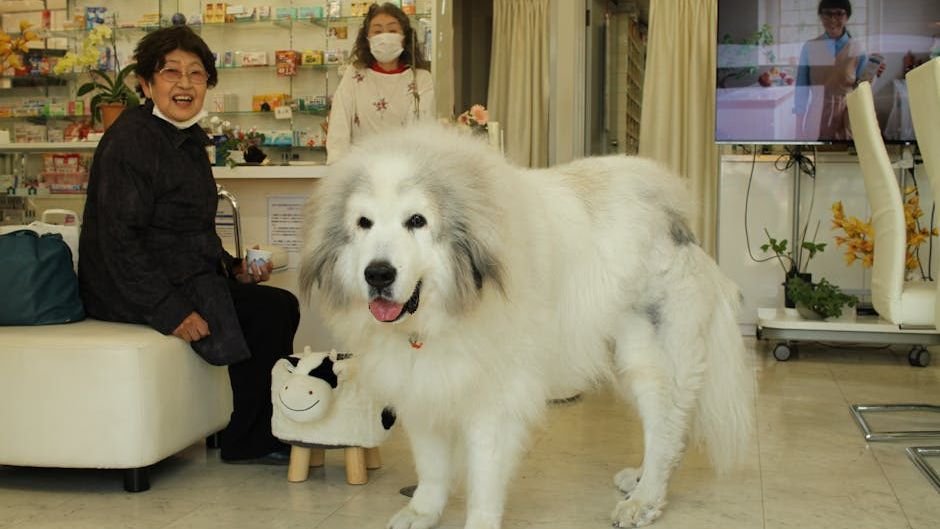
Picture this: you grab your keys, and your dog immediately starts trembling in the corner. You haven’t even said the word “vet” yet. If that sounds familiar, you’re far from alone. One study reported that over half of all dogs experience veterinary-related stress before they even enter the clinic waiting room. That’s a stunning number, and it should shift the way we think about vet visits entirely.
The stress isn’t just uncomfortable in the moment. Fear and anxiety can have significant physiological consequences for dogs, including reduced immune function, delayed healing, and in some cases, negative effects on lifespan. Caring for your dog’s emotional well-being before, during, and after a vet visit isn’t a luxury. It’s a core part of responsible ownership. These five expert-backed strategies can genuinely make a difference.
Tip 1: Learn to Read Your Dog’s Stress Signals Before You Walk Through the Door
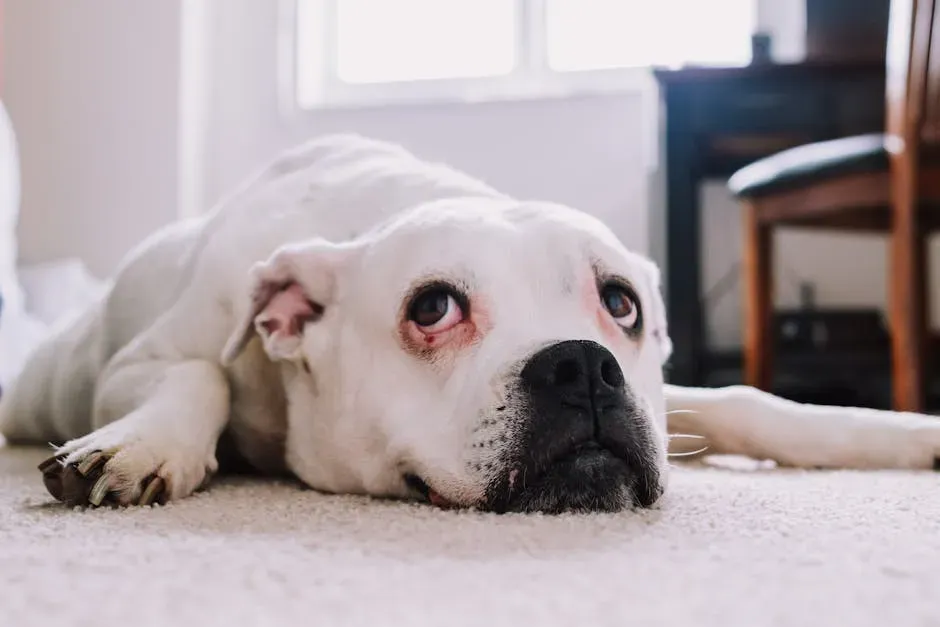
One of the most powerful things you can do is simply pay attention. Stress in dogs is rarely loud and dramatic at first. Subtle indicators of increasing distress may include nose licking, turning their head away, and lowering body posture, which can escalate to tucking their tail, pinning their ears back, and actively moving away from the stressor. Catching these early signs gives you a chance to slow down before things spiral.
Stress-related behaviors in dogs are observed in the majority of clinic visits, with the highest frequency occurring during the examination phase. Lip licking, tail tucking, and body trembling are among the most common. Beyond these physical cues, watch for panting without exercise, sudden excessive shedding in the waiting room, and avoidance behavior like turning away or attempting to hide under a chair. To differentiate stress signs from normal behavior, you must be familiar with your dog’s regular demeanor and pay close attention to context – because there’s a real difference between a happy pant and a stressed one. The more fluent you become in your dog’s body language, the better you can advocate for them once you’re inside the clinic.
Tip 2: Practice Handling at Home So the Exam Table Isn’t a Surprise
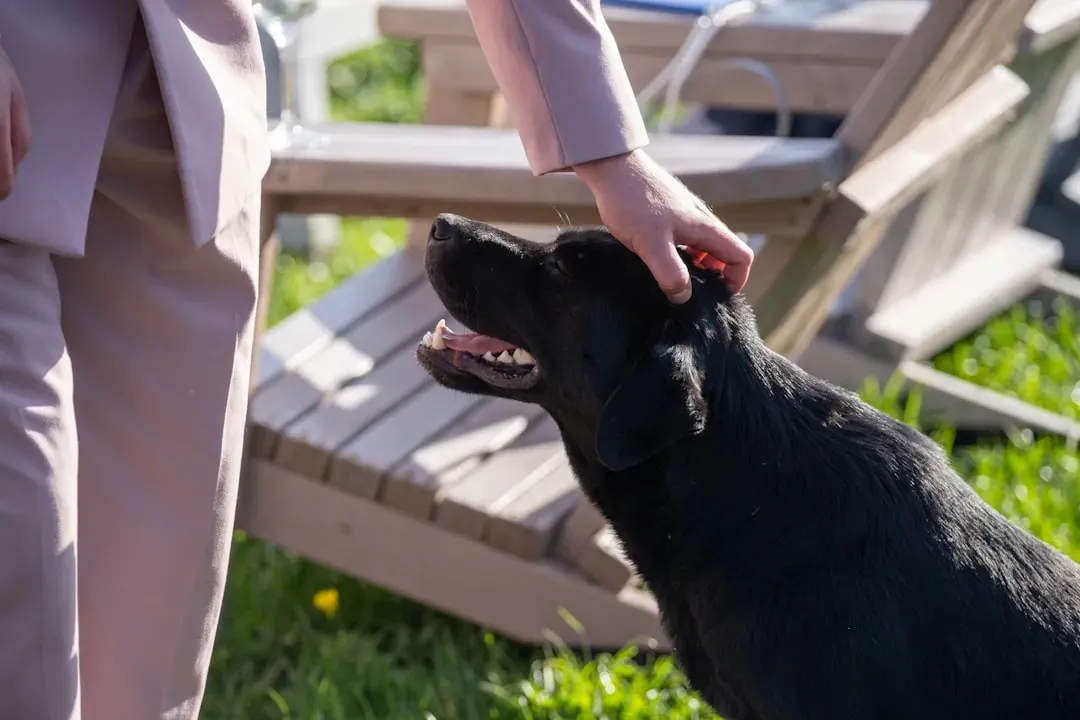
Think about what happens during a routine vet exam from your dog’s perspective. A stranger touches their ears, opens their mouth, presses on their belly, and lifts each paw. Most strangers don’t start handling your dog’s feet, face, and ears when they first meet, so always start slow. Practice sessions should be short and gentle: look at your dog’s teeth, eyes, and ears, and gently handle their feet. Be sure to give them lots of praise and treats as you go.
Cooperative care training involves training your dog to be a willing participant in their own healthcare experiences. It can include exercises like teaching your dog to accept handling of their paws, ears, and mouth, which are often examined during vet visits. Rope in your family members and friends too. The more people your dog tolerates handling them, the better. This kind of gradual desensitization at home pays enormous dividends once you’re in that exam room, because the experience feels less foreign and more familiar.
Tip 3: Turn the Vet Clinic Into a Place Your Dog Actually Wants to Visit
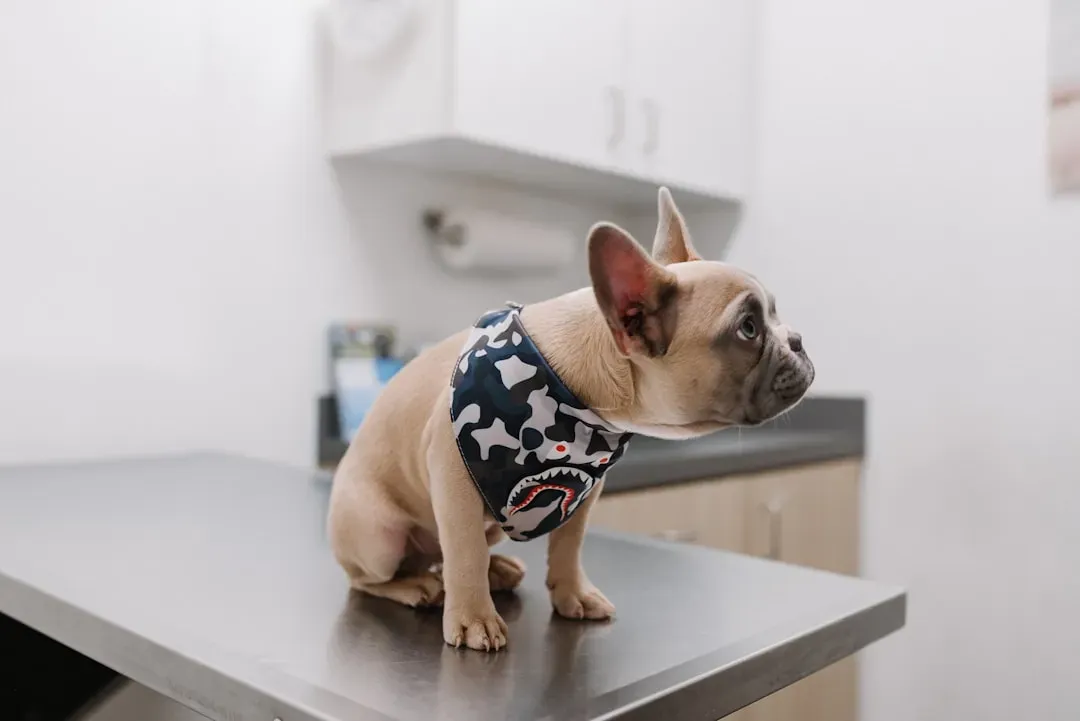
This one requires some intentional effort, but the results are genuinely worth it. If your pet gets in the car only when they go to the veterinarian and have had previous stressful visits, they will soon learn that transport equals a frightening event, meaning their anxiety kicks in long before they arrive at the hospital. Breaking that association starts well before appointment day.
Happy visits to your veterinarian’s office focus on helping your pet replace past negative memories with positive associations. During a happy visit, your pet will greet team members, receive lots of attention, and explore the hospital while receiving high-value treats – no poking, prodding, or needles. Your pet will eventually get excited to see their favorite people when you pull into the veterinary hospital parking lot. For dogs that get anxious in the car itself, taking quick trips around the block or to nearby places they enjoy, offering treats during the ride, and then returning home for more goodies can help. As your dog becomes more comfortable with car rides, gradually increase your trip length. Small, consistent repetitions build a new story in your dog’s mind, one where the car and the clinic mean good things.
Tip 4: Manage the Waiting Room and Arrival Environment Strategically
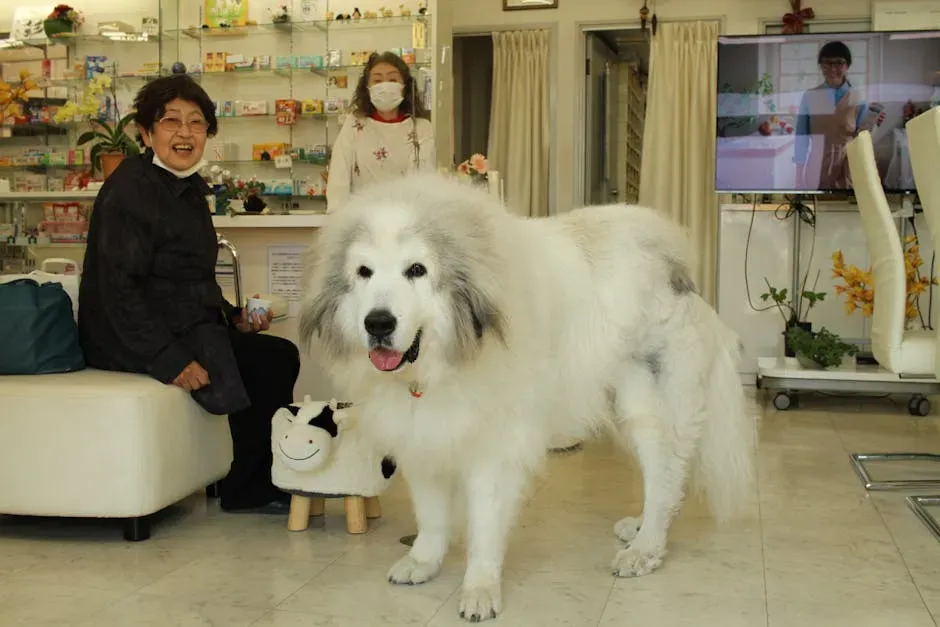
The waiting room is often the hardest part. Strange dogs, unfamiliar smells, nervous energy from other pet owners, and unpredictable sounds can push an already anxious dog past their threshold before the exam even begins. While you may not have control over the wait time, you can minimize your dog’s anxiety by waiting in a quieter area, such as outside or in the car, if this is a less stressful environment for them. It’s a simple adjustment that many owners don’t think to ask for, but most clinic staff are happy to accommodate it.
Bringing comfort items from home is another underrated strategy. A favorite toy or blanket can help comfort your dog during the visit, as familiar scents provide a sense of security in unfamiliar surroundings. Once inside, use high-value treats strategically. Opt for small, soft treats that can be broken into smaller pieces and given throughout the appointment. You might also consider bringing a frozen hollow treat dispenser or a flat textured lick mat filled with your dog’s favorite spreadable snacks for extra distraction, as enjoying tasty treats can help form a more positive association. And here’s a practical tip worth noting: some vets recommend not feeding your dog for about six hours before the appointment, so the vet can use your pet’s appetite to incentivize them with treats during the exam. A hungry dog is far more likely to readily accept treats when offered.
Tip 5: Stay Calm Yourself and Consider Calming Tools When Needed

Dogs are remarkably good at reading us. Pets are incredibly tuned into their owners’ emotions and look to them when feeling uncertain. If you’re worried about your pet’s behavior at the veterinary hospital, you might put off an anxious, unsure vibe that your pet will notice. Your calm, steady presence is genuinely one of the most effective tools you have. Take slow breaths. Keep your voice low and even. Move without rushing.
When behavioral strategies alone aren’t enough, there are well-established calming tools worth exploring. Pheromone sprays, diffusers, and collars release chemicals that mimic the natural calming pheromones produced by animals, helping to create a sense of security and calm. These products are available for dogs and can be used before and during the vet visit. For dogs with more severe anxiety, anti-anxiety medications can be beneficial when given at home a few hours before a veterinary visit. This isn’t a sign of failure; it’s genuinely compassionate care. In some cases, working with a veterinary behaviorist may provide additional support to help address your dog’s fear, anxiety, and stress. The key is to never force your dog through a situation they aren’t ready for. Never force your dog to accept touch or handling – always allow them to walk away if they are uncomfortable. If they walk away, it is information that the training needs to progress in smaller, slower steps.
A Final Thought: You’re Already Doing Something Right
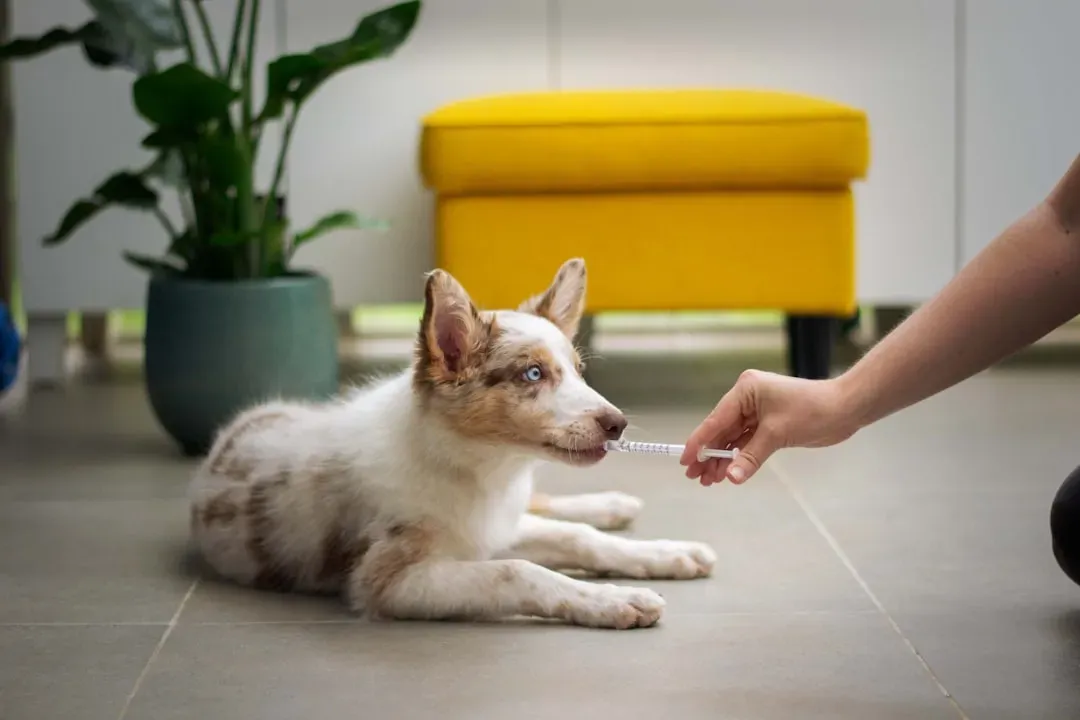
The fact that you’re reading this matters. Most dogs who dread the vet don’t have owners who are tuned in to their distress. You clearly are. Each negative event an animal experiences at the veterinary clinic conditions them for future negative responses to similar events, causing subsequent visits to become more difficult. The reverse is equally true: each positive experience rewires that association, one small step at a time.
Progress might look like your dog accepting a treat in the waiting room when they used to refuse all food. Or walking into the exam room without freezing at the door. These small wins are real wins. Helping your dog overcome vet anxiety is a gradual process, but with patience, preparation, and the right support, you can turn those stressful vet visits into manageable ones. Your dog depends on regular veterinary care to live a long, healthy life – and with the right approach, they don’t have to dread every minute of it. That’s a goal worth working toward together.


