

There’s a particular kind of chaos that fills your home the moment a Dachshund settles in. It’s not the loud, destructive kind you’d expect from a larger breed. It’s more like a very small, very confident creature has decided that every rule you’ve set is simply a suggestion, and that your couch, your blankets, and honestly your entire schedule now belong to them.
If you’ve loved a Dachshund for any length of time, you already know this. You’ve laughed at it, been mildly frustrated by it, and ultimately accepted it as part of the deal. The truth is, nearly every quirk these little dogs display traces back to centuries of deliberate breeding for a very specific, very demanding job. Understanding the “why” behind the behavior doesn’t just make you a more patient owner – it makes the whole relationship richer.
1. The Stubborn Streak That Isn’t Actually Stubbornness

Every Dachshund owner has experienced that moment: you ask your dog to come, they look directly at you, and then they turn and walk the other way. It feels like defiance. Originally bred in Germany as fearless hunters of badgers and other burrowing animals, Dachshunds needed exceptional independence and determination to pursue their prey underground. This breeding history created a dog that thinks independently and persists in the face of challenges, traits that modern owners often interpret as stubbornness.
Known for their independence and strong will, Dachshunds can be headstrong during training. Their stubbornness originates from their history as hunting dogs that had to make decisions underground without human commands. That’s not defiance. That’s a deeply embedded survival skill wearing the wrong hat.
Using high-value treats, keeping training sessions short (around five to ten minutes), and maintaining consistency in commands and rewards all help. Celebrate small victories and never force or punish, as this can actually increase the resistance. Short, positive sessions beat lengthy drills every time with this breed.
2. The Shadow Dog Who Follows You Everywhere

Dachshunds can be super needy, leading to separation anxiety and other behavioral obstacles. They are known as “shadow dogs” because of their desire to follow humans around the house and into the bathroom. If you’ve gone to make a cup of coffee and returned to find your Dachshund waiting outside the kitchen door, you know exactly what this means.
Dachshunds often bond with a specific family member in the house and become their number one loyal companion. This isn’t clinginess for the sake of it. It’s the same loyalty instinct that made them such committed working dogs. Fiercely loyal, this popular breed often bonds very closely with just one person and can get jealous easily and become lonely if not given enough attention by the object of their affection.
If you work from home, expect a small warm body at your feet for most of the day. Some owners find it endearing. Others find the tripping hazard genuinely alarming. The key is teaching them a “place” command early, so they learn how to be close without being underfoot constantly.
3. The Burrowing Under Blankets Obsession

Pull back the covers on any Dachshund owner’s bed and you’re very likely to find a small, satisfied sausage-shaped dog snuggled deep beneath the layers. One of the most endearing habits of Dachshunds is their love of sleeping under covers. This is linked to their burrowing instincts and desire for a secure, enclosed space.
Originally bred to hunt, Dachshunds were expected to dig into badger dens and flush out prey. This historical use has genetically predisposed them to dig and burrow into tight spaces. When your dog disappears under the duvet at bedtime, they’re essentially doing what their ancestors did underground for thousands of years.
Indoors, creating a designated burrowing spot can help. This could be a special bed with extra blankets for them to dig and nest in. It’s important to choose a low-height spot to prevent joint strain. A snuffle mat or a dedicated burrow blanket can satisfy this instinct beautifully without sacrificing your good bedsheets.
4. The Bark That Sounds Twice Its Size

First-time Dachshund owners are almost always startled by the bark. It’s deep, resonant, and completely out of proportion to the dog producing it. This personality trait makes sense – they were bred to alert hunters to vermin like badgers and rabbits. Dachshunds are likely to bark every time they hear or see something that doesn’t seem right to them. The tendency to bark loudly every time they perceive danger means they make great watchdogs.
A hound will “bay,” a specific kind of loud, low boom that functions as an alert. Dachshunds most certainly have this characteristic. They will bay at things even just as a way of saying “I see you,” “I hear you,” or “I smell you.” It’s communication, not misbehavior.
The practical challenge is that neighbors rarely appreciate the nuance. Understanding that barking is a natural trait helps. Use consistent commands such as “quiet,” reinforce calm behavior, provide sufficient exercise, and engage their mental faculties. Managing the bark is possible, but eliminating it entirely is not realistic – nor should it be your goal.
5. The Unstoppable Prey Drive on Walks
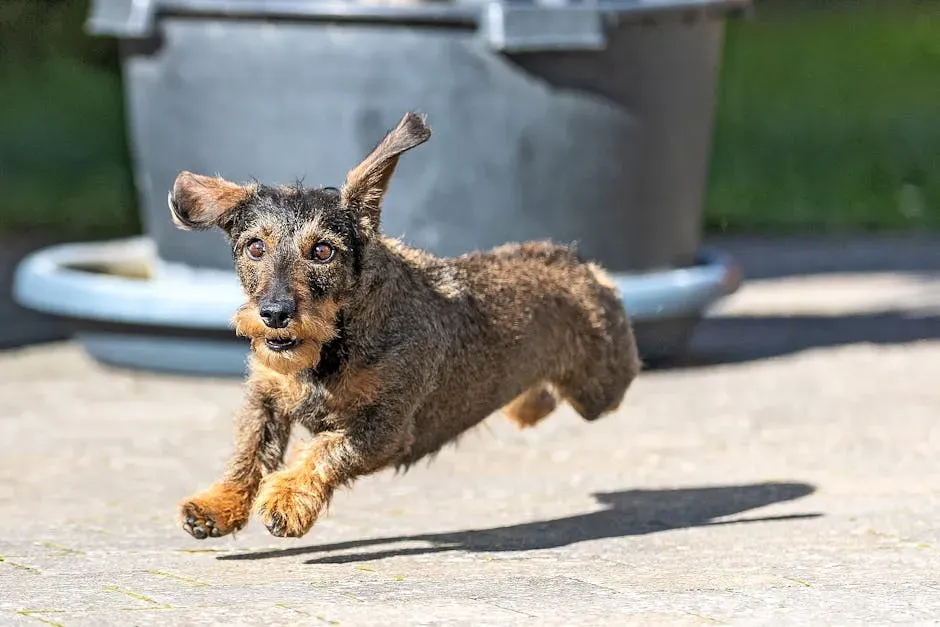
You could be on a perfectly pleasant walk when a squirrel darts across the path. In that split second, your Dachshund transforms from a calm companion into something that seems to forget you exist entirely. Since Dachshunds were bred to hunt rodents and other small game, they have a strong prey drive. Basically, if it moves quickly, a Dachshund will likely see it as prey and want to chase it.
This instinct can lead them to chase after small animals, such as squirrels or birds. When in pursuit, a Dachshund may seem oblivious to their owner’s commands, reinforcing the idea that they are stubborn rather than simply following their instincts. There’s a meaningful difference between those two things.
This trait can pose challenges during everyday activities like walks, where a Dachshund might stubbornly follow a scent despite commands to move on. Providing plenty of opportunities for structured sniffing, like scent work games, can satisfy this urge in a positive way. A long-line lead in open spaces gives them freedom to explore while keeping you both safe.
6. The Food-Motivated Scavenger Who Never Stops Begging

If you leave a grocery bag on the floor, a Dachshund will find what’s interesting in it before you’ve taken your coat off. Most Dachshunds will do practically anything for extra food. They’ll steal from shopping bags left on the floor, raid garbage cans, or simply deploy that sweet begging face until you cave. This isn’t just annoying – it’s a health concern. Dachshunds are prone to weight gain, and extra pounds put serious strain on their long spines.
The most important step to lowering the risk of IVDD is to prevent your Dachshund from gaining too much weight. Extra weight puts a lot of strain on your Dachshund’s spine and can increase the risk of intervertebral disc calcification. Managing food portions for this breed is genuinely a health priority, not just a matter of discipline.
The upside is that food motivation makes training much easier when you use it correctly. High-value treats used sparingly during short training sessions work remarkably well. Just keep the calorie count in mind and adjust meal portions accordingly.
7. The Dramatic Reaction to Being Left Alone
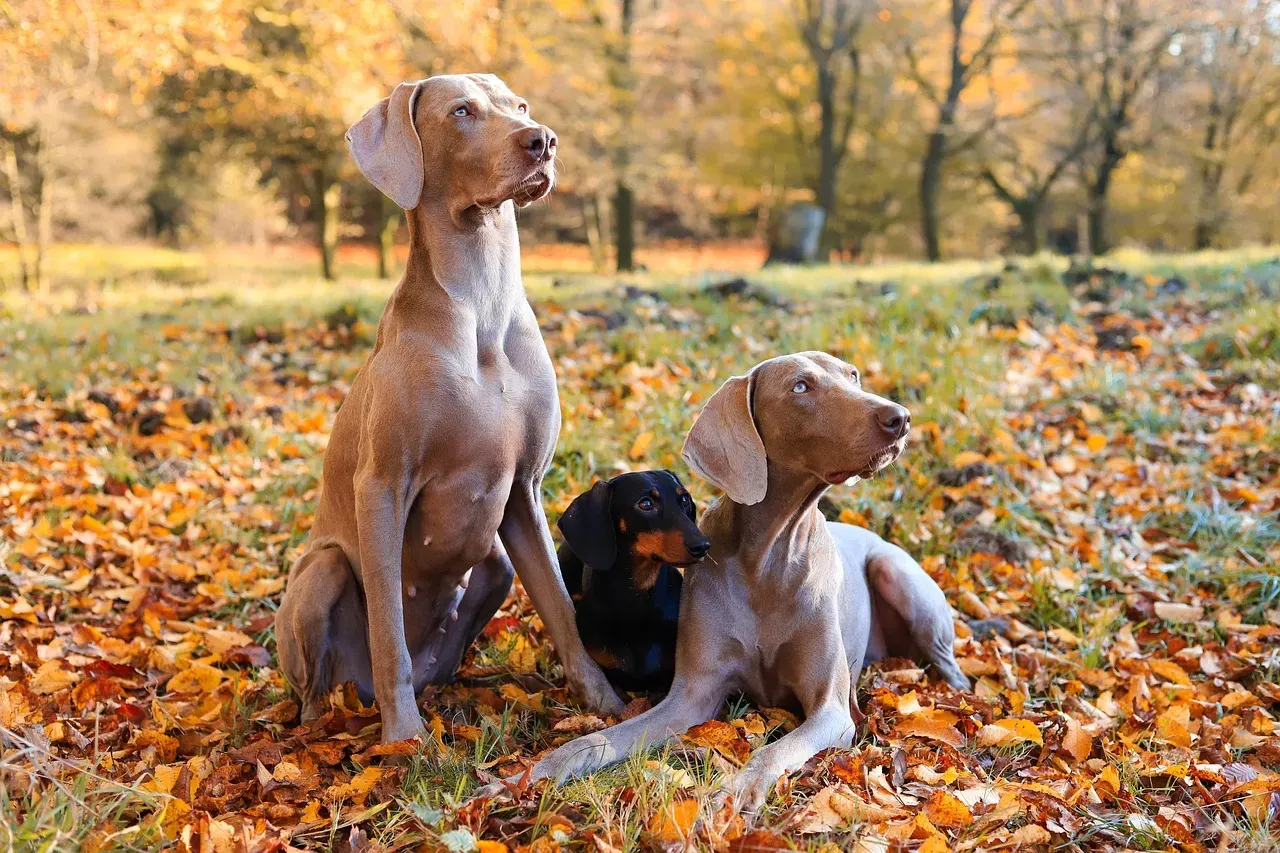
Leave the room without announcing yourself and a Dachshund will let the whole neighborhood know about it. Dachshunds are very social and get attached to their people. Some might say Dachshunds are needy, and typically they favor one person in the household over all others. When separated from this particular person, or their people in general, whether because you left the house or simply walked into another room, your Dachshund may experience separation anxiety.
Separation anxiety can lead to inappropriate behavior like excessive barking, howling, and destructiveness. It’s worth noting this isn’t simply bad behavior. It’s genuine distress, and punishing a dog for it makes things considerably worse.
Being left alone for long periods and never being left alone both increase your dog’s chances of separation anxiety. Teaching them to be alone by slowly accustoming them to you leaving the room while they’re occupied, then leaving home for short periods, can help. Start with what they’re comfortable with and slowly work up from there. Consistency and patience here pay off over weeks, not days.
8. The Digging That Happens Indoors and Out

You’ve probably noticed your Dachshund furiously pawing at the couch cushions, their dog bed, or the carpet before settling down. This isn’t random. Dachshunds were originally bred for hunting badgers and they possess an innate desire to dig. This behavior, deeply embedded in their DNA, is a remnant of their history where their physical attributes were honed for burrowing into the dens of badgers. Today, while they may not be used for hunting, this natural instinct persists.
Their natural curiosity drives them to explore their environment, which can lead to undesirable behaviors if they are not adequately engaged. Boredom can manifest in various ways, such as digging, barking, or destructive chewing. A bored Dachshund is a creative one, and not always in ways you’ll appreciate.
Allocating a specific area in your garden for digging can satisfy their burrowing instincts while protecting the rest of your yard. A sandbox is an excellent option, as it clearly demarcates the digging zone. Enhance its appeal by burying toys or treats for them to discover. Redirecting the behavior works far better than attempting to suppress it entirely.
9. The Hoarding of Toys, Socks, and Mysterious Objects

Most Dachshund owners discover at some point that their dog has a hidden collection somewhere. Under the couch, inside the crate, tucked into a corner of the bedroom. It could be toys, it could be a missing sock, it could be something you don’t recognize and probably don’t want to think too hard about. Dachshunds often display a hoarding behavior, gathering toys, treats, and even small items of clothing into their beds or designated spaces. This behavior may be related to their instinct to collect and protect resources, a valuable trait for a hunting dog in the wild.
Guarding food or toys is common. Historically, smaller dogs had to fiercely protect their resources to survive. This instinct can still be present. If your Dachshund becomes possessive or growly around their stash, that’s a signal to address resource guarding through gentle, consistent training – ideally with a professional if the behavior escalates.
This hoarding can be endearing but also messy. Encouraging good habits and providing specific places where they can store their treasures can help manage this instinctual behavior. A dedicated toy basket they “own” can actually satisfy the instinct and keep your living room somewhat organized.
10. The Back Health Quirk That Changes Everything About How You Live

Owning a Dachshund eventually means having a ramp next to your sofa, learning exactly how to lift your dog properly, and becoming more attentive to changes in how they move. Intervertebral Disc Disease (IVDD) is by far the most common health problem in Dachshunds, with around one in four potentially affected at some stage in their lives. While many recover well in time, there is significant risk of permanent damage so severe it is life-changing or threatening.
Signs of IVDD include reluctance to jump, pain when touched around the spine, walking with an arched back, or in severe cases, dragging the rear legs. Any such symptoms warrant immediate veterinary attention, as early intervention improves outcomes. Knowing these signs is not alarmist – it’s responsible ownership.
Your Dachshund may be willing to jump up and down on furniture, but you should discourage them from doing so. Jumping or falling might cause the discs in the spine to burst, causing pressure and pain. All Dachshunds should avoid high-impact activities including jumping and any activity that could put extra strain on their spine. Providing a dog ramp at the edge of the couch and bed is a great way to allow your dog to cuddle up next to you without the high-impact jumping. Small adjustments to your home layout can meaningfully reduce long-term risk.
Conclusion: Living With the Full Force of a Dachshund
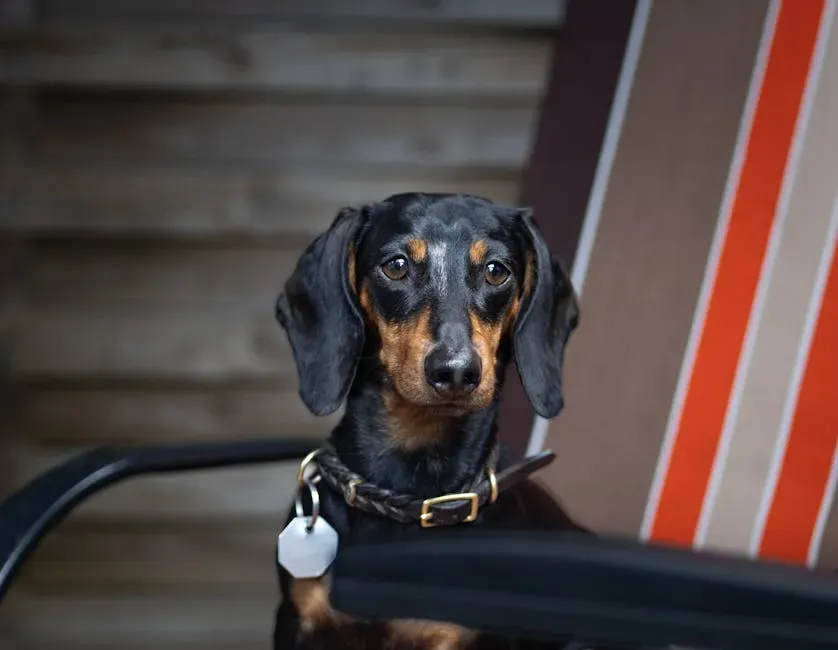
Every single quirk in this list traces back to the same origin story: a dog built to go underground alone, face something three times its size, and come back victorious. The burrowing, the tenacity, the vocal alarm system, the loyalty so intense it borders on obsession – none of it is random. This hunting heritage is more than a historical footnote – it fundamentally informs their personality. Their long, muscular bodies and short legs were designed to chase prey into dens and tunnels, demanding stamina, fearlessness, and determination. Today, this lineage translates into a dog that is remarkably courageous and tenacious.
Understanding these behaviors doesn’t eliminate them, but it does change how you respond. Frustration softens when you realize the dog ignoring your recall command is actually following an ancient, powerful scent instinct. Concern becomes action when you know what early IVDD signs look like. Just like humans, all Dachshunds are different, but they all share a few strong personality traits. Understanding and appreciating these traits is the key to having a harmonious relationship with your Dachshund.
Living with a Dachshund is less about training a dog into compliance and more about building a partnership with one that has a very clear sense of self. Once you accept that, the whole experience becomes something genuinely special. They are, without question, a lot of dog in a very small, very determined package.


