
Dogs are masters of charm. That head tilt, those soulful eyes, the way they scoot across the carpet like they’re auditioning for a comedy sketch – it’s all part of the package we signed up for when we brought them home. We laugh, we film it, and sometimes we even post it online for the world to enjoy.
But here’s something worth sitting with: some of those seemingly cute behaviors are actually signs of stress, anxiety, discomfort, or even a health issue. While some habits are harmless, others may indicate an underlying problem that shouldn’t be ignored. The challenge is that dogs can’t tell us when something is wrong. They communicate entirely through body language and behavior, and when we’re too busy cooing over how adorable they look, we can miss what they’re actually trying to say.
This isn’t about making you anxious every time your dog does something funny. It’s about helping you become a more tuned-in, confident dog parent who knows the difference between harmless quirks and quiet calls for help.
The Irresistible Head Tilt That Might Signal Something Serious
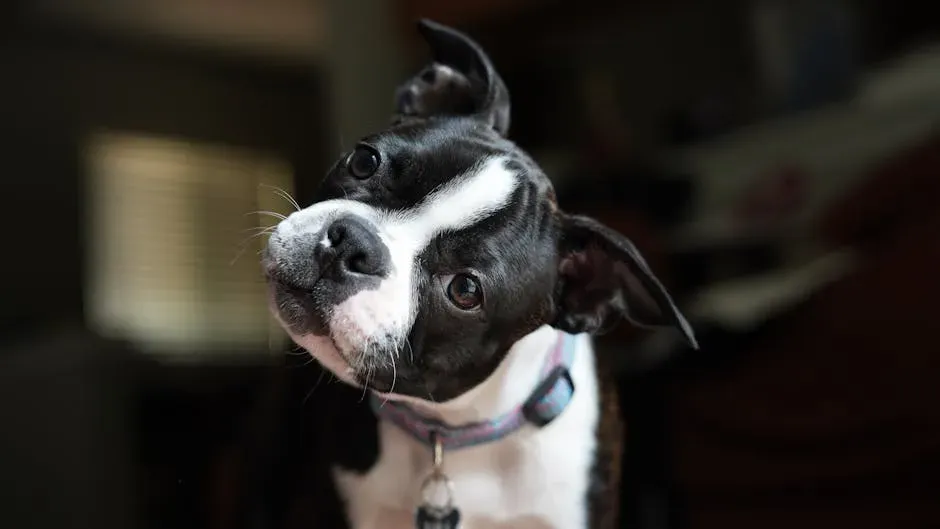
Few things are more endearing than a dog tilting its head to one side while you talk to them. It feels like they’re hanging on your every word, decoding meaning with laser focus. That occasional tilt when they hear a strange noise? Totally normal.
A head tilt in dogs often signals a vestibular issue, but it can also stem from infections, neurological problems, or other medical conditions. The key distinction is persistence. A head tilt in dogs occurs when instead of holding their head straight and upright, dogs point one of their ears toward the ground. It’s like how dogs hold their head when they are curious or looking at you in confusion, but a head tilt caused by an underlying medical concern is persistent or sudden. Because persistent head tilts are caused by underlying health issues, a veterinary exam and treatment is necessary.
Otitis interna is the most common cause of head tilt in dogs, with up to half of all cases originating from this condition. As the inner ear contains anatomy related to the vestibular system, any disruption in that area can cause a head tilt. Watch for additional warning signs alongside the tilt.
Symptoms like disorientation, falling, vomiting, or eye movement changes alongside a head tilt require immediate veterinary care. Treatment depends on the underlying cause and may include antibiotics, supportive care, or advanced diagnostics. If you see that sweet tilt accompanied by stumbling, rapid eye movements, or a loss of appetite, don’t wait. Catch it early and you give your dog a much better shot at a full recovery.
Excessive Licking: When “I Love You” Becomes “I’m Not Okay”
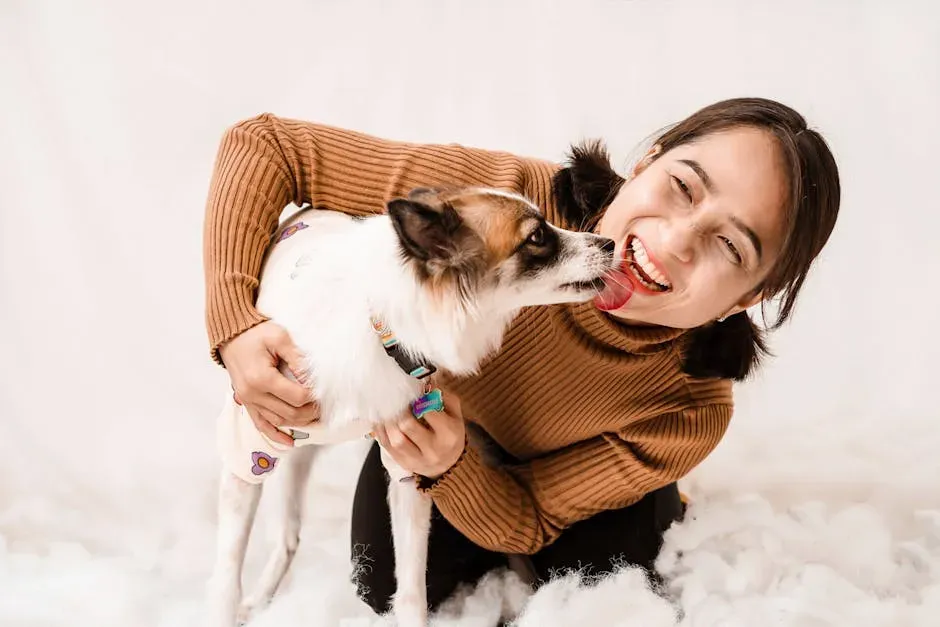
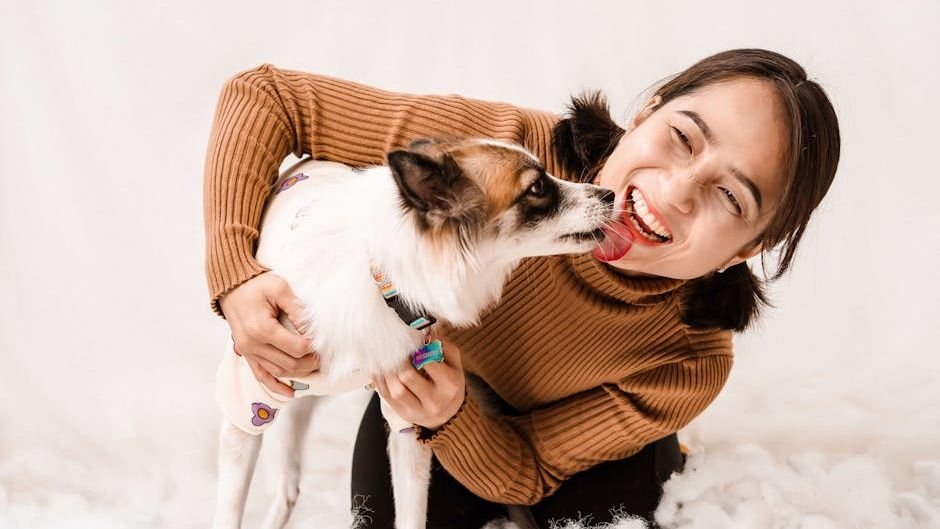
Your dog licks your face and you melt. It feels like pure, uncomplicated love. Most of the time, it is. It’s cute when a dog gives gentle licks or nibbles, but excessive licking or nibbling can be a sign of anxiety, stress, or compulsive behavior. Some dogs use licking as a way to self-soothe, while others might do it as a sign of submission.
The context matters enormously here. If your dog is repeatedly licking when no food or water is around, it may be a “calming signal,” or a way to self-soothe during a stressful moment. When the licking is directed at their own paws or body, a different concern emerges altogether. Excessive licking, whether self-directed or towards objects, can signal discomfort or anxiety. A dog obsessively licking its paw until it’s raw might seem compulsive, yet it often indicates stress or an underlying health issue.
It’s important to notice the trigger and also watch for other stress behaviors like drooling, panting, yawning, pacing, head flicking, or turning away from the stressor. Find the trigger and remove it. Licking is a warning signal; ignorance often leads to escalation. Think of it like your dog raising their hand in class. First a quiet wave, then a more urgent one if nobody notices.
Many dogs lick as a sign of affection, but excessive face licking can sometimes be a response to stress, anxiety, or even nausea. If your dog suddenly starts licking excessively, it could mean they are trying to get your attention for something serious, such as discomfort, pain, or an underlying health issue. When in doubt, check in with your vet and describe the frequency and context of the licking.
The Yawn You’re Misreading Every Single Time
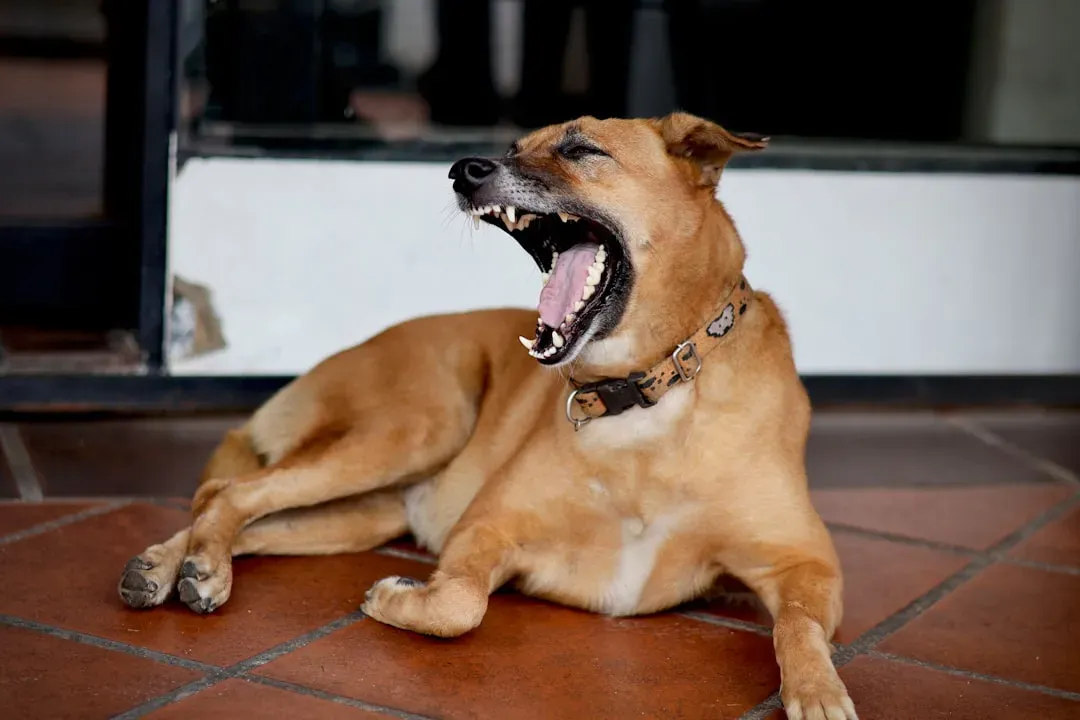
You’re cuddled up on the sofa, your dog lets out a big, dramatic yawn, and you think to yourself: worn out little thing. It’s a reasonable assumption. But it’s not always the right one. We tend to assume they’re just sleepy, but repeated yawning outside of nap time can be a sign of stress. Dogs yawn to self-soothe when they’re overwhelmed, uncomfortable, or unsure of what’s happening. If you see yawning during training, at the vet, or in unfamiliar environments, pay attention.
Unlike a sleepy yawn, stress yawns are typically longer and more intense, often paired with other anxiety signs like panting or pacing. The setting gives you important clues. Panting after fetch is normal. Panting in a quiet room could mean stress. Yawning in bed just signals being tired. Yawning during a hug might indicate stress.
A dog yawn is considered an appeasement behavior. Appeasement behaviors are non-confrontational body postures meant to indicate to another individual the desire to interact in a friendly way. A dog yawn indicates that a pup feels threatened or anxious but is not aggressive. To avoid conflict, a dog yawns, and thus uses body language to communicate this desire.
This is one of the most commonly missed signals in everyday dog-human interactions. Next time your dog yawns during a training session, take it as gentle feedback. They may need a break, a calmer environment, or simply a moment to decompress.
The “Funny” Butt Scoot That Isn’t Funny at All
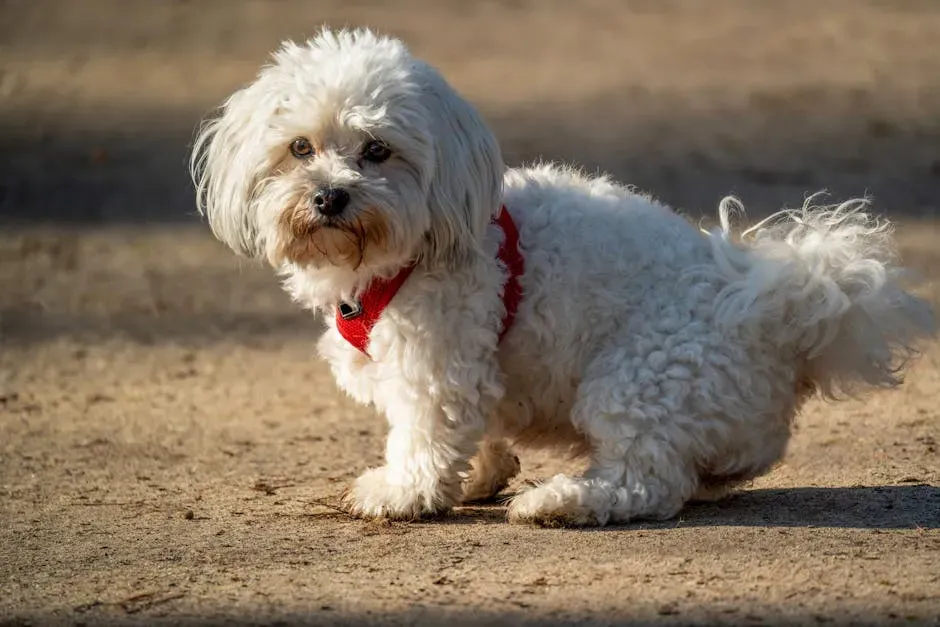
Every dog owner has witnessed it. Your dog sits down, lifts their back legs, and drags their rear end across your freshly vacuumed carpet with the kind of determination usually reserved for much more dignified activities. It’s undeniably hilarious. Guests laugh. You probably laugh too. What many people don’t realize is that it’s almost certainly a sign of real discomfort.
While it may look silly, scooting is almost always a sign of discomfort. The most common cause is irritation due to full anal glands, but scooting can also happen because of infection, allergies, tapeworms, or even tumors. Dogs have two small glands located just inside the anus. These glands produce a strong-smelling fluid that is normally expressed during bowel movements. When they don’t empty properly, the pressure builds.
This creates pressure and discomfort, leading your dog to rub its bottom on the floor to relieve the feeling. If left untreated, impacted glands can become infected or form abscesses, which are painful and may rupture. Small breeds, overweight dogs, and those with softer stools tend to be more prone to these issues.
Other symptoms that may occur alongside scooting include excessive licking under the tail, redness around the anus, swelling near the anal glands, foul odor, and difficulty sitting comfortably. If the scooting is happening regularly, a vet visit is the right call. Maintaining a healthy weight and a high-fiber diet can help prevent recurring anal gland issues in your pup. It’s one of those health areas that’s easy to ignore because it seems embarrassing, but early attention makes a big difference.
Sleeping Too Much and Stopping Mid-Walk: When “Low-Key” Means Pain

Some dogs are naturally more laid-back. They’re content to snooze the morning away and give you the slow-blink treatment when you try to get them moving. But there’s a difference between a relaxed temperament and a dog who’s quietly struggling.
Dogs naturally sleep a lot, but if your normally active dog starts spending most of the day asleep, it could be a sign of depression, pain, or an illness. Conditions such as arthritis, thyroid imbalances, or infections can cause lethargy, and a sudden change in sleep patterns should always be investigated by a veterinarian.
The same applies to dogs who seem to hit a wall on their daily walks. While it may seem like an adorable quirk or a sign that they’re feeling a little tired, sitting down in the middle of a walk could signal discomfort. Many owners report that their pet is getting tired more easily or stopping more. Sometimes that is true, but a lot of times what veterinarians actually find is that they have pain somewhere.
Often as a result of inflammation of the joints or an injury, dogs that suddenly change their usual activity routine or energy levels should be seen by a vet. Pay attention to the pattern rather than the individual moment. One slow day happens. A whole week of unusual fatigue or reluctance to move is telling you something. If a typically playful dog suddenly loses interest in toys, fetch, or socializing, it can be an early sign of an underlying health issue. Decreased enthusiasm for play can be linked to pain, depression, or even cognitive decline in aging dogs.
Knowing the Difference: A Framework for Every Dog Owner
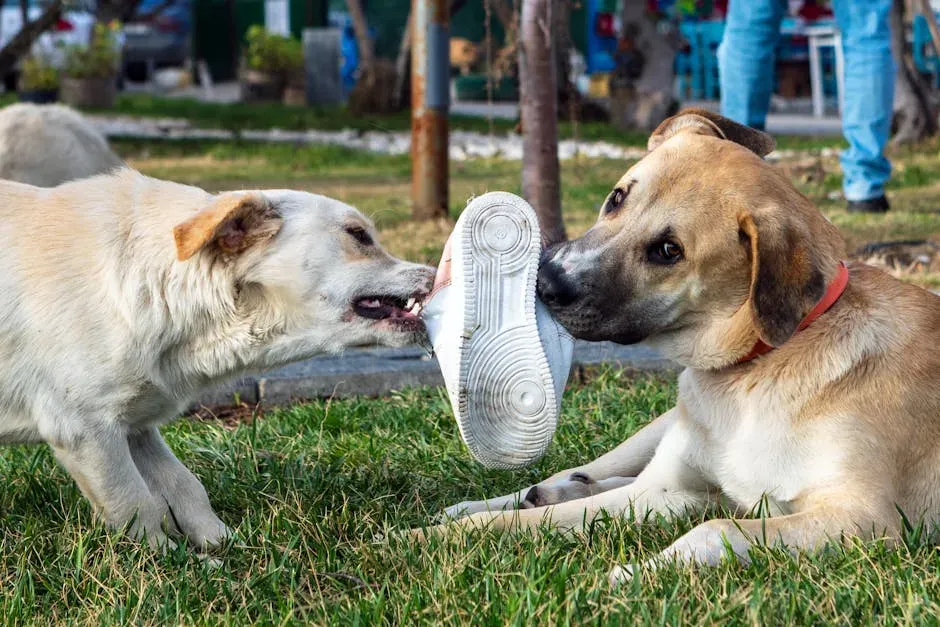
None of this means you need to spiral every time your dog does something goofy. Dogs have quirks, moods, and off days just like we do. The goal isn’t hypervigilance – it’s awareness. To differentiate stress signs from normal behavior, you must be familiar with your dog’s regular demeanor and pay attention to the context. That way, you can tell if they are licking their lips because they are anxious or because they want a treat.
It’s important to know your dog’s baseline. Every animal is different. Some naturally pant more, some hold their tails lower, and some yawn often. The more time you spend observing your dog in relaxed, comfortable situations, the easier it becomes to spot the signals that mean something is “off.”
When something shifts – frequency, intensity, or context changes – that’s when your attention matters most. Some behavioral problems are caused totally or partially by a medical condition. Additionally, some of these problems represent a diagnostic challenge for veterinarians because, in many cases, apart from behavioral changes, there are no other clinical signs or evidence of illness. You are often your dog’s first and most important diagnostic tool.
Keep a simple mental note of patterns. Is the head tilt happening daily? Has the licking become obsessive? Did the energy drop coincide with a new food, a change in routine, or cooler weather? These details give your vet the context they need to help. Most dogs will give other warning signals when they become stressed instead of escalating straight away. It is important to be aware of the more subtle stress signals that dogs may exhibit when they start feeling worried so that these can be identified early and larger reactions can be prevented.
Conclusion: Love Them Enough to Look Closer
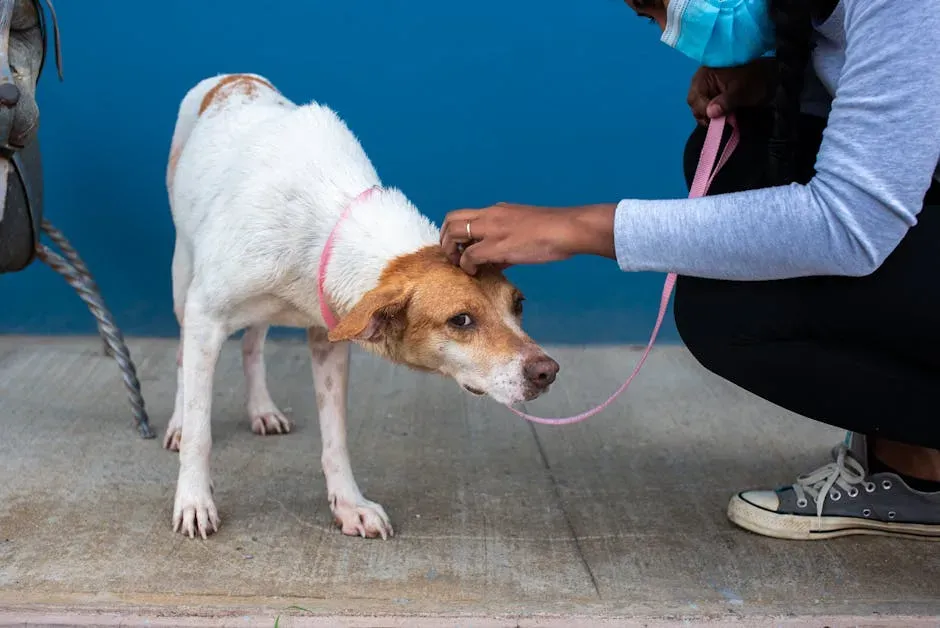
Our dogs give us unconditional presence every single day. They don’t know how to demand help in ways we can easily hear. They rely on us to notice the small things, to look past the cuteness, and to ask the right questions on their behalf.
The behaviors covered here are a starting point, not a checklist of worry. Most of the time, a yawn is just a yawn. A lick is just affection. A slow walk is just a calm dog doing calm dog things. The magic is in knowing the difference – and being confident enough to act when something feels off.
Your dog is always communicating. The better you learn their language, the more you can give back to the animal who gives you everything. That’s not a burden – it’s one of the quiet privileges of loving a dog.


