

There’s something that happens the moment you walk through the front door. Before you’ve said a word, before you’ve even fully processed the kind of day you’ve had, your dog is already there. Tail moving, eyes bright, body practically vibrating with the certainty that you matter. It doesn’t care about your mood, your mistakes, or your bank account. It just cares that you’re home.
That experience isn’t just heartwarming. It turns out, it’s deeply rooted in biology, thousands of years of co-evolution, and a remarkable set of emotional capacities that science is only beginning to fully understand. Dogs don’t just coexist with us. They tune into us. They anchor us. And on the days when everything feels like too much, they’re often the quiet, steady force that holds the line.
Here are ten genuinely science-backed moments that show just how much your dog is holding for you, often without you even noticing.
1. When You Walk in the Door After a Hard Day

The greeting ritual is one of the most underappreciated moments in daily life. Your dog has been waiting, and when that door opens, the response is immediate and unconditional. There’s no performance in it. Dogs respond to human emotions and provide comfort during difficult times without judgment or expectation of reciprocal emotional labor. That matters more than it sounds.
The simple act of petting a dog releases oxytocin, a hormone associated with relaxation and bonding, fostering emotional resilience in humans. So that post-work cuddle on the couch isn’t self-indulgence. It’s biology doing exactly what it’s designed to do. Your nervous system genuinely settles.
Spending time with a dog has been shown to reduce cortisol, the stress hormone, and studies indicate that even 10 to 15 minutes of petting a calm dog can significantly decrease anxiety levels. If that’s not a good reason to sit down and let your dog climb into your lap, nothing is.
2. When They Sit With You While You Cry
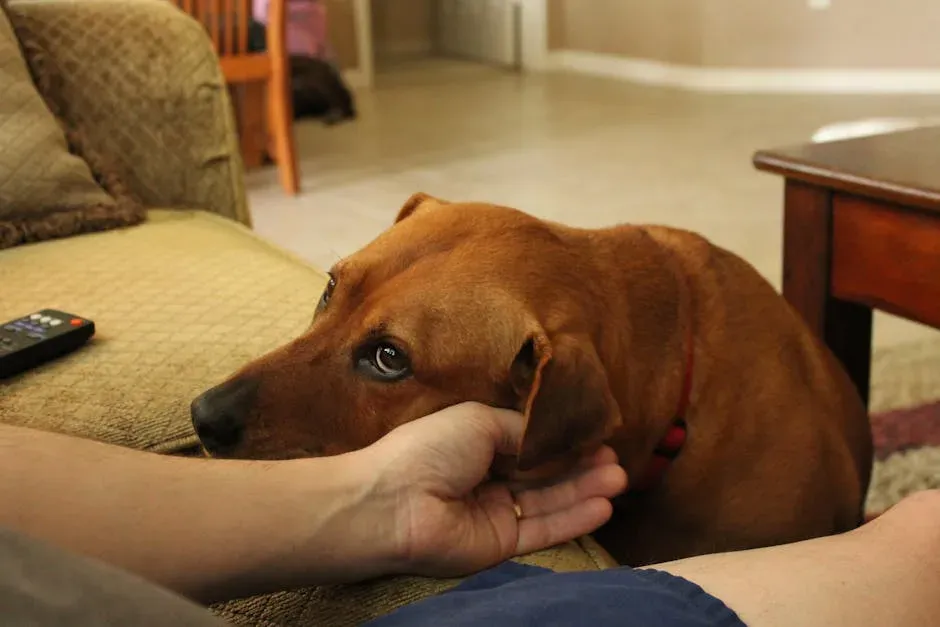
Most people who’ve ever cried in front of their dog know this scene: you’re on the floor or the couch, you’re not okay, and within moments there’s a warm head pressing against your leg. It’s not random. A study in the journal Behavioural Processes found that dogs responded more to their owner’s distress than to a stranger’s distress, and when their owners cried, the dogs approached and tried to comfort them, indicating that dogs can understand and react to human emotions on a deeper level.
Your emotional state is contagious to your dog. If you are sad, they are affected by it and come close to nuzzle you. Your dog is comforting you while seeking comfort themselves. That shared vulnerability is quietly profound. It makes the moment reciprocal rather than one-sided.
Knowing this, it helps to let your dog stay close during difficult moments rather than shutting them out of the room. The nonjudgmental character of the dog provides many feelings of comfort to humans, and humans can talk, read, and fully express themselves in the presence of a dog without fear of judgment, experiencing unconditional love. Sometimes that’s all a hard moment really needs.
3. When They Read Your Face Before You Say a Word

Your dog is watching you more carefully than you probably realize. Dogs looked significantly longer at a face whose expression was congruent to the valence of vocalization, and these results demonstrate that dogs can extract and integrate bimodal sensory emotional information, discriminating between positive and negative emotions from both humans and dogs. That’s a level of emotional perception previously thought to be uniquely human.
Dogs’ ability to recognize human emotions appears to exceed the ability of other taxa, including wolves and chimpanzees, and it may be the result of the domestication process having selected for dogs that most proficiently communicate with humans. Thousands of years of living alongside us has essentially tuned them into emotional specialists.
In practical terms, this means your dog likely notices tension in your face or posture long before you’ve consciously acknowledged it yourself. They use their acute sense of smell to detect hormonal changes in us, which helps them understand how we’re feeling, and when we’re stressed, we release cortisol, which dogs can sense. Your body is telling them things your words never could.
4. When Their Presence Gets You Through Grief

Grief is isolating in a way that’s hard to explain to people who haven’t been through it. The silences are loud. The ordinary world feels oddly foreign. Dogs provide emotional support without the complex social dynamics that can strain human relationships. In grief, that simplicity is actually a gift.
Interacting with a dog can alleviate stress, anxiety, and depression. During periods of loss, when getting out of bed feels pointless, a dog’s morning routine quietly imposes structure. Feed the dog. Walk the dog. Step outside. Small things, but they can be lifelines.
For many people, showing up for their pet gives them a sense of purpose, which can motivate them to keep going, especially on days when they’re facing more challenges with their mental health, because purpose gives our lives meaning, offers hope, and strengthens our resilience. Sometimes the greatest act of self-care is caring for someone else.
5. When They Help a Veteran Come Back to Themselves
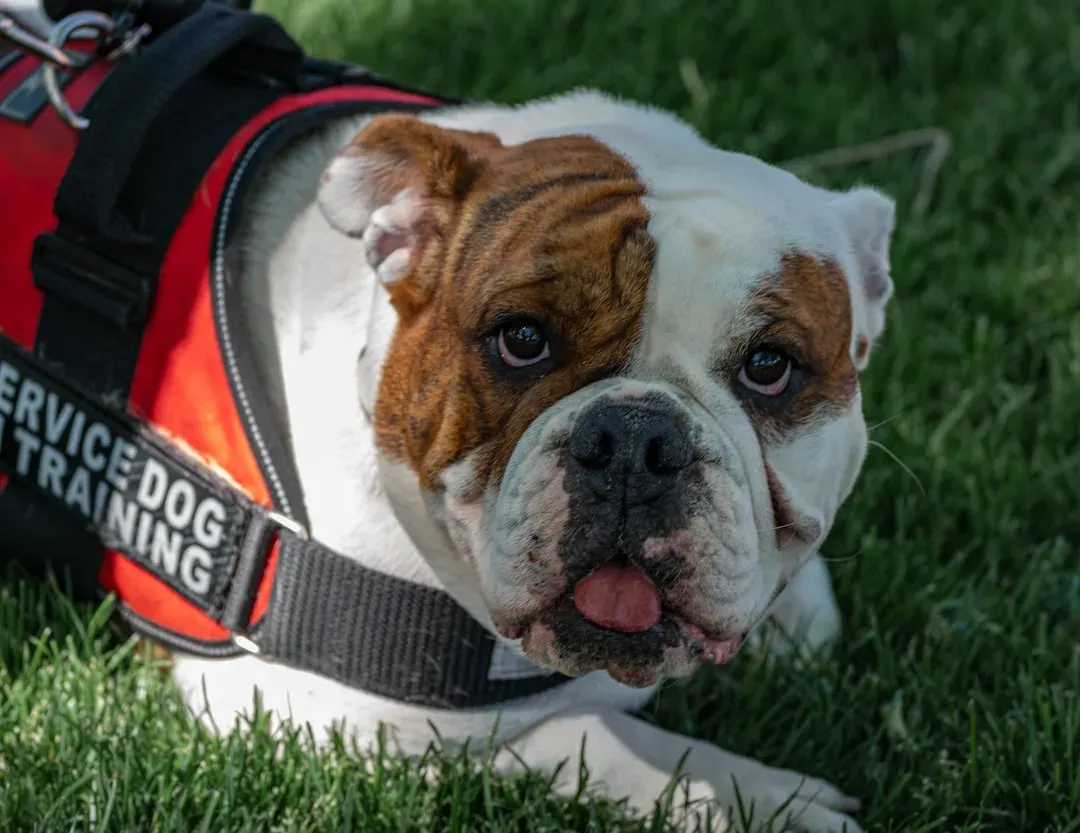
The research here is among the most compelling available. For military members and veterans who have been diagnosed with PTSD, adding a service dog to their usual care could reduce the severity of PTSD symptoms, feelings of anxiety, and lower depression while enhancing their quality of life and psychosocial functioning. This is not anecdotal. It’s supported by NIH-funded clinical research.
A study published in the medical journal JAMA Network Open found that veterans who worked with service dogs experienced significantly lower PTSD symptom severity, lower anxiety and depression, a higher quality of life, and fewer feelings of isolation. Veterans working with service dogs also had notably lower odds of receiving a PTSD diagnosis from a mental health professional after three months.
Studies show service dogs help normalize cortisol levels, physically recalibrating the veteran’s fight-or-flight stress response system. That’s a physiological shift, not just an emotional one. For many veterans, the dog becomes the bridge between surviving and actually living again.
6. When They Keep You Company So You Don’t Feel Alone

Loneliness has become one of the most pressing public health concerns of this era. For singles, dogs often provide primary companionship and emotional support that might otherwise come from romantic partners or close family members. Young adults may find in dogs the unconditional love and acceptance they’re seeking as they navigate independence and identity formation.
For individuals living alone, seniors, or people going through life transitions, having a dog provides daily interaction and purpose. That daily rhythm of feeding, walking, playing, and settling down together creates a genuine sense of social connection, even when human company is sparse.
Dogs occupy a unique place in our social world, offering the emotional closeness of a child, the ease of a best friend, and the predictability of a relationship shaped by human control, revealing why our bonds with them are often so deeply fulfilling. Put simply, they show up. Every single day, without exception.
7. When They Sniff Out What’s Wrong With Your Body

This one surprises a lot of people. Dogs don’t just sense your emotions. They can sometimes detect physical illness before you or your doctor even suspects something. Scent dogs have been trained to alert for seizures, hypoglycemia related to diabetes, and to screen for viruses, bacterial infections, and numerous cancers. Evidence suggests that trained scent dogs can detect a variety of diseases accurately and often earlier than many existing screening tools.
In case studies, dogs persistently sniffed, licked, and nipped at melanoma lesions on their owners’ skin, even through clothing, prompting the owners to identify the cancerous sites and seek care from clinicians. Some of those cases were life-saving. The dog’s persistence made the difference.
If your dog is behaving unusually around a specific part of your body, repeatedly sniffing, pawing, or staring in a focused way, it’s worth mentioning to your doctor. Diabetic alert dogs have been trained to alert owners before blood sugar reached dangerous levels, sometimes up to 20 minutes in advance. That window of warning can be genuinely critical. Pay attention to what your dog is trying to tell you.
8. When They Lock Eyes With You and Something Shifts
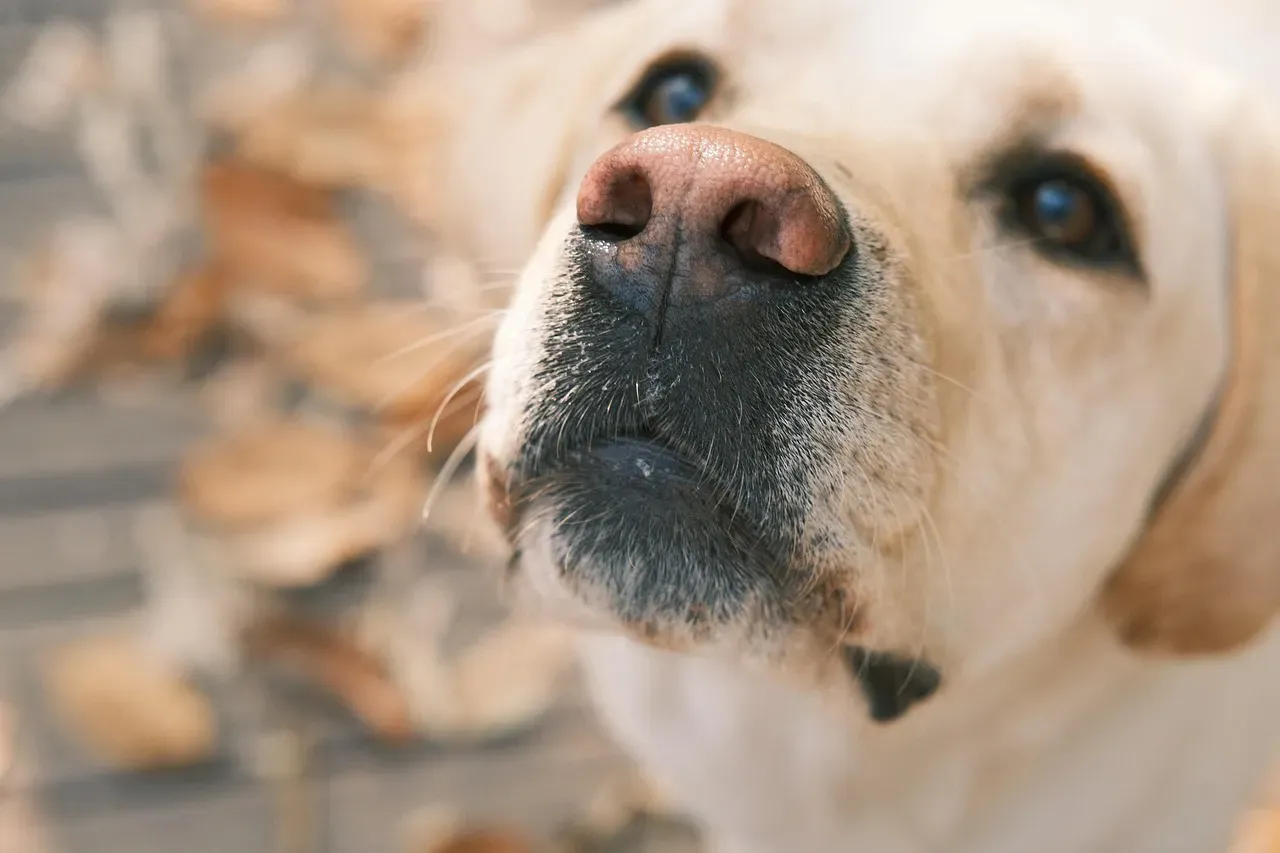
There’s a reason eye contact with your dog feels different from most moments in your day. When dogs and humans engage in mutual gazing, both species release oxytocin, the same hormone involved in human mother-infant bonding. This hormonal feedback loop creates a powerful attachment system that mirrors the caretaker-infant relationship dynamic.
New research shows that when canine pals stare into our eyes, they activate the same hormonal response that bonds us to human infants. The study was the first to show this hormonal bonding effect between humans and another species. That sustained gaze is genuinely doing something at the biological level. It’s not just sweet. It’s structural.
Dogs’ brain reward centers activate when receiving praise from their owners, sometimes showing even stronger responses to human approval than to food rewards. This neurological evidence supports the emotional connection that many dog owners report, suggesting an interspecific form of love that goes beyond simple conditioning. When you look at your dog, love is measurable on both sides of that gaze.
9. When They Keep You Moving When Nothing Else Could
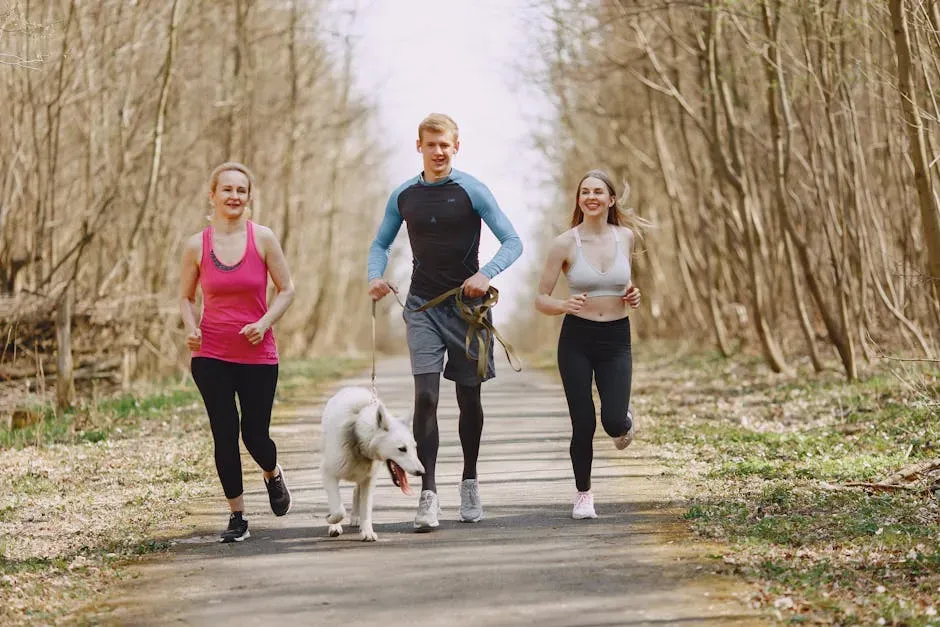
There are mornings when motivation is genuinely gone. The alarm goes off and staying in bed feels like the only reasonable option. Dogs disrupt that logic with cheerful, insistent regularity. Dogs have proven to be beneficial to our health through things as simple as being a motivation to be more active, to lowering blood pressure, heart rate and stress levels.
Beyond emotional connection, pets can also provide a sense of order and routine. Needing to feed, walk, groom, and care for your pet may help you remember to take care of yourself, building a routine that allows you to take care of both yourself and your pet’s needs. That external accountability is underrated as a mental health tool.
Veterans coping with PTSD report that since their dog came to live with them, they have felt calmer, less lonely and depressed, less fearful, and generally better able to care for themselves. They report exercising and enjoying nature more. Movement is medicine, and for many people, a dog is the only prescription that actually works consistently.
10. When They Choose You, Every Single Time
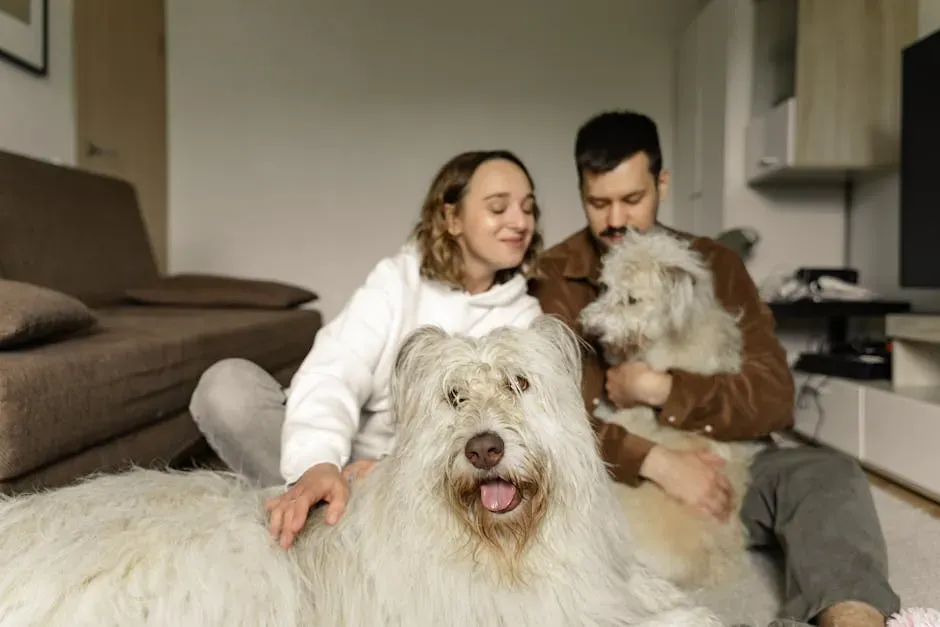
There’s something quietly remarkable about the way a dog orients toward you. Out of every room in the house, they find yours. Out of every person on the street, they come back to you. Dogs show behaviors indicative of an attachment relationship, including proximity seeking, where the animal will seek out the attachment figure as a means of coping with stress. You are their safe place.
Dogs seem to combine the emotional warmth of a child with the low-conflict nature of close friendships. Notably, while romantic partners score higher on intimacy, dogs outperform them on reliable alliance and affection. That consistent, low-drama devotion is something most human relationships genuinely struggle to replicate.
The special bond between humans and dogs is built on trust, science, and shared experience. From emotional support to improved health, the benefits of owning a dog are both measurable and deeply personal. Every time your dog chooses to stay close, they’re not just being a pet. They’re doing something ancient, something loyal, something that has no word quite big enough to hold it.
Conclusion: The Quiet Anchor You Didn’t Know You Needed
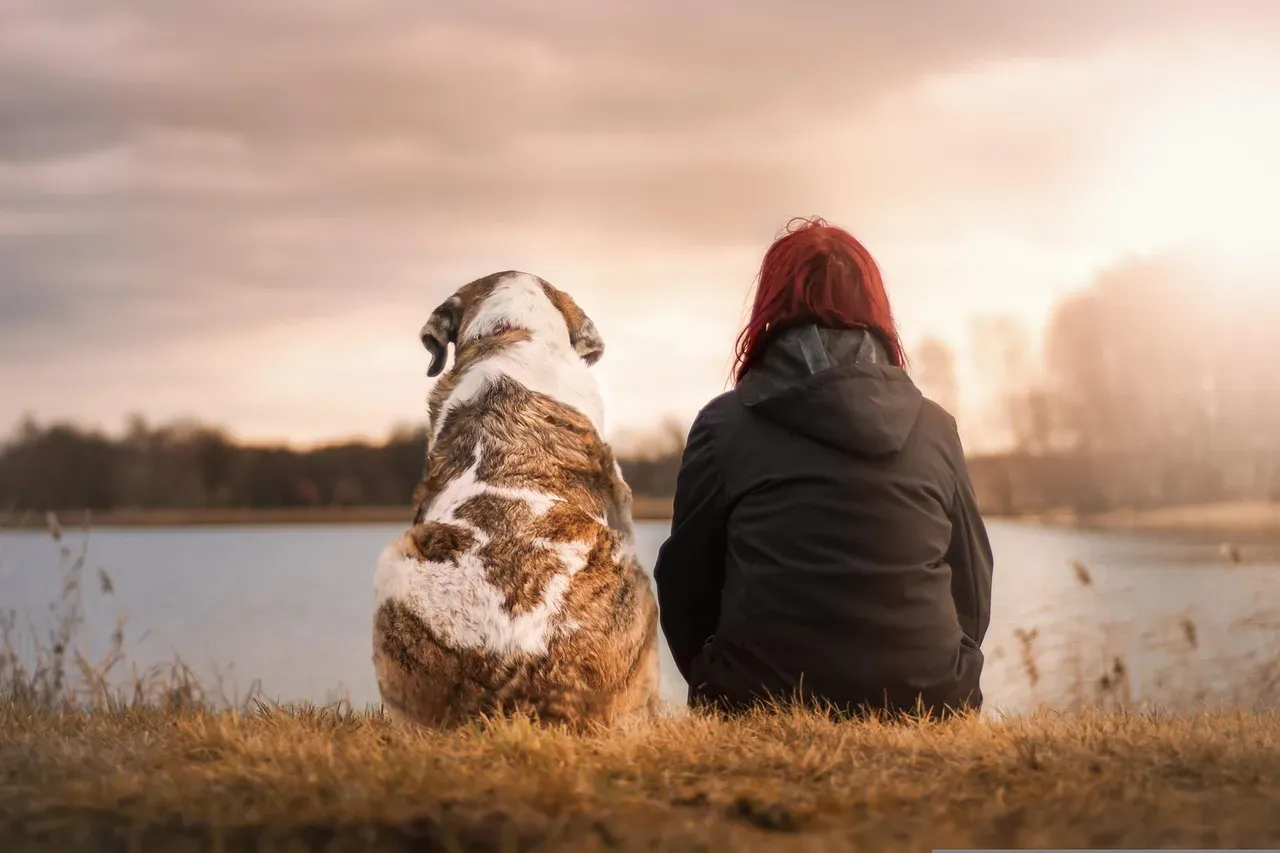
Dogs don’t solve problems. They don’t give advice or offer logical solutions. What they offer is something older and, in many ways, more valuable: steady, unconditional presence. Dogs developed the ability to form attachments with us in ways that we easily recognize and respond to, similar to the ways we bond with one another as humans, and this unique connection has played an integral role in shaping both human and canine societies.
Whether it’s a nose pressed against your knee on a hard night, a tail wagging you out of a dark morning, or a pair of warm eyes finding yours across a quiet room, these moments aren’t coincidental. They’re the result of a relationship tens of thousands of years in the making. Burial sites going back thousands of years show dogs treated as beloved companions, and the story of how this friendship benefits us both continues to unfold.
Take care of your dog with the same attention they give to you. Regular vet visits, good nutrition, enrichment, and time. The bond deepens when it’s reciprocal. And in that reciprocity, something genuinely extraordinary exists, an anchor in the truest sense of the word.


