
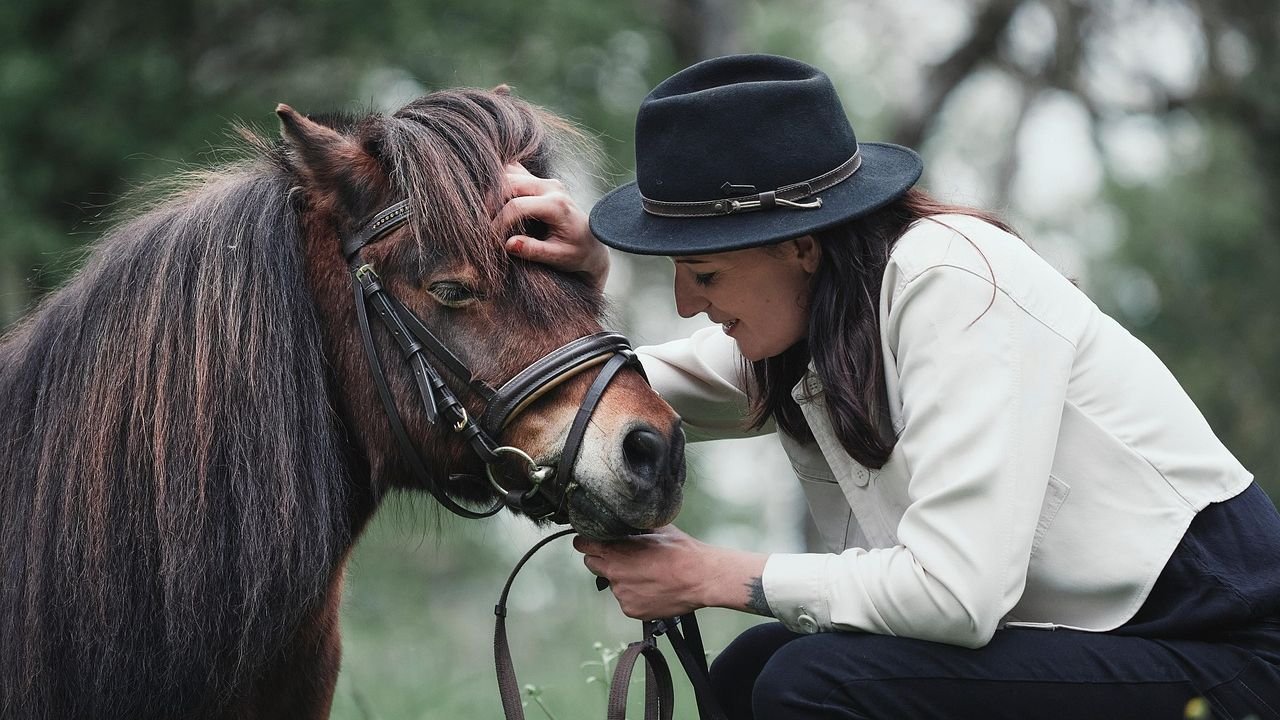
There’s a moment that every horse person quietly longs for, the one where a thousand-pound animal with a highly attuned flight instinct simply chooses to stay near you. No lead rope. No treat in your hand. Nothing but the decision to be close. That moment is trust, and it’s earned, not given.
Horses are prey animals by nature. They have strong instincts for self-protection, which means they hide weakness, discomfort, and insecurity from those they do not trust. When a horse genuinely opens up to you, it communicates that through behavior, not words. The signs are often quiet and easy to miss if you don’t know what to look for.
Trust between a horse and a human isn’t built in a single session or cemented by a single gesture. It accumulates slowly, through consistent handling, calm presence, and a willingness to pay attention to what the horse is actually communicating. This article is your guide to recognizing those moments when they finally arrive.
They Lower Their Head When You Approach
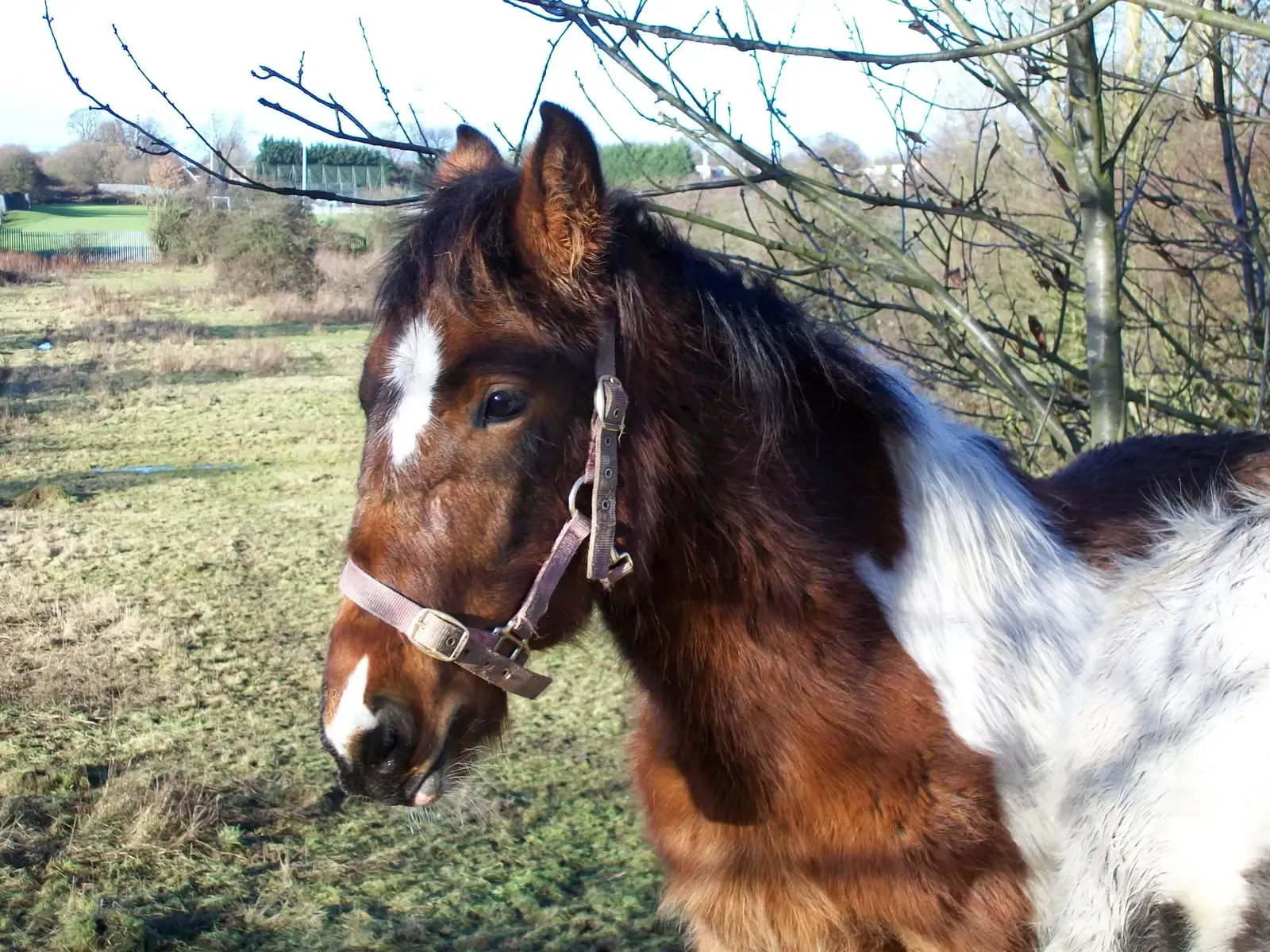
Of all the trust signals a horse can offer, a lowered head might be the most overlooked. When a horse is comfortable with its handler, they often demonstrate this by lowering their head when the handler approaches. A lowered head is a sure sign of trust, because it is an incredibly vulnerable position with limited defense should something happen. The horse likely feels safe enough in its relationship with you to allow itself to be vulnerable around you.
A horse that lowers their head and neck, particularly while approaching you, is often showing trust and submission. This is a positive sign of your horse’s comfort level with you. Think of it this way: in the wild, a horse with its head down cannot react as quickly to a predator. Offering you that vulnerability is one of the most sincere things they can do.
If your horse regularly drops their head as you walk toward them, especially in an open space with plenty of room to escape, take a moment to appreciate what that means. They’ve decided you’re safe.
They Follow You Without Being Led
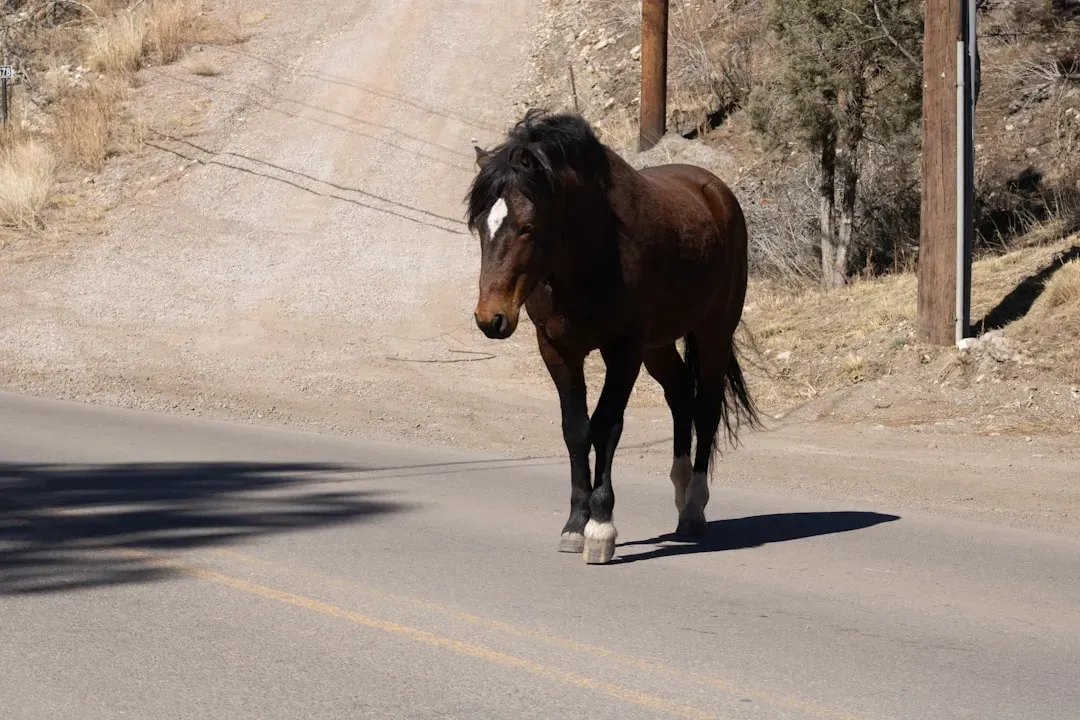
A loving horse will follow you without a lead rope or halter. That kind of voluntary movement, with nothing to compel it, reflects a genuine pull toward your company rather than simple obedience. It’s one thing for a horse to comply because they have to. It’s another thing entirely when they tag along simply because they want to.
Some horses show this closeness by shadowing your movements. They may follow you slowly around the field, stop when you stop, or mirror your pace. This behavior reflects a natural desire to stay connected, much like horses in a herd who choose to remain close to the ones they trust.
If you’ve ever walked a paddock fence line and looked back to find your horse quietly walking behind you, that’s not coincidence. That’s companionship on their terms.
They Greet You With a Nicker
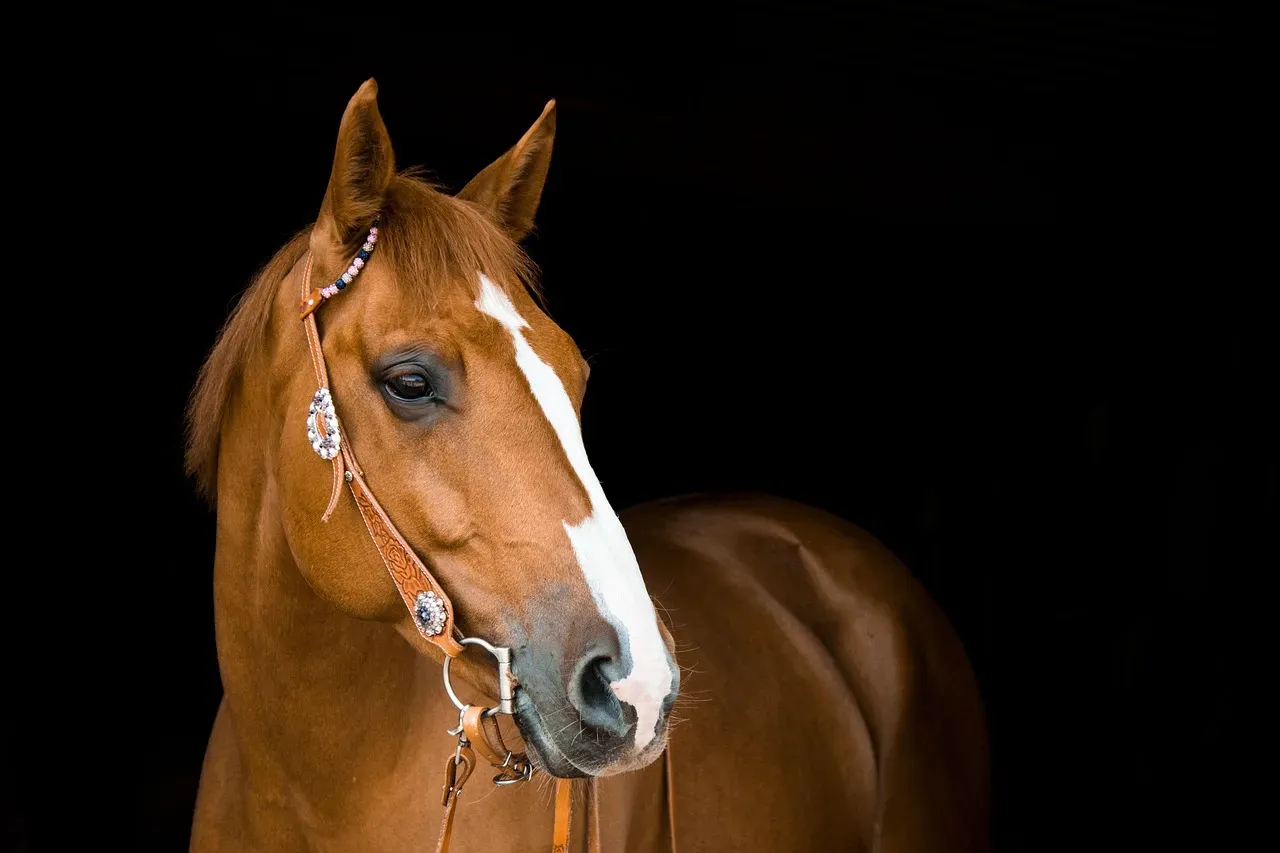
A nicker is a low, gentle rumbling sound horses make deep in their throat. Mother horses nicker to their foals, and horses nicker to horses they like. When your horse nickers to you, especially when you’re approaching or during quiet moments together, it’s an intimate expression of affection.
Vocal greetings are powerful indicators of recognition. When your horse consistently whinnies or nickers specifically when seeing you, they’re essentially saying “I see you, and I’m acknowledging your presence.” Not every horse is vocal, so if yours is, pay attention to whether the sound changes depending on who walks through the barn door.
A horse that saves its nicker specifically for you, and not just for feeding time, is telling you something worth listening to. That distinction matters more than most people realize.
They Stand Quietly for Handling and Grooming
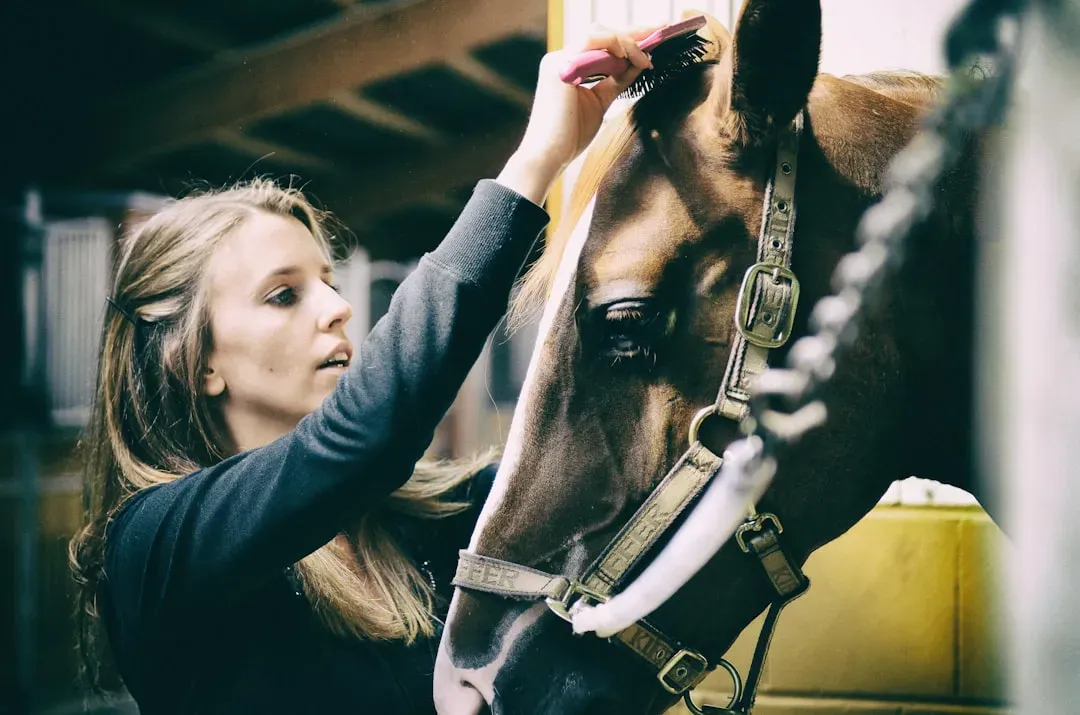
If your horse displays behaviors such as standing quietly while having their halter adjusted or bridle put on without fidgeting, it is also a sign of joy and trust. Grooming sessions are an especially honest window into how a horse truly feels about you, since there’s no task or performance at stake. It’s just the two of you, and what happens between you.
During grooming or quiet moments in the barn, your horse may lower their head, relax their muscles, and breathe deeply around you. This level of softness shows that they feel completely at ease. A horse that fidgets, pins ears, or swishes its tail aggressively during routine grooming is telling you something is off, either with how they feel physically, or with the relationship.
Spending quality time creating a strong bond and demonstrating you are a trustworthy horse owner are some of the easiest ways to get your horse more comfortable when you touch them. Regular, calm handling builds that comfort over time, and the payoff is a horse that genuinely relaxes in your hands.
They Rest Their Head on You
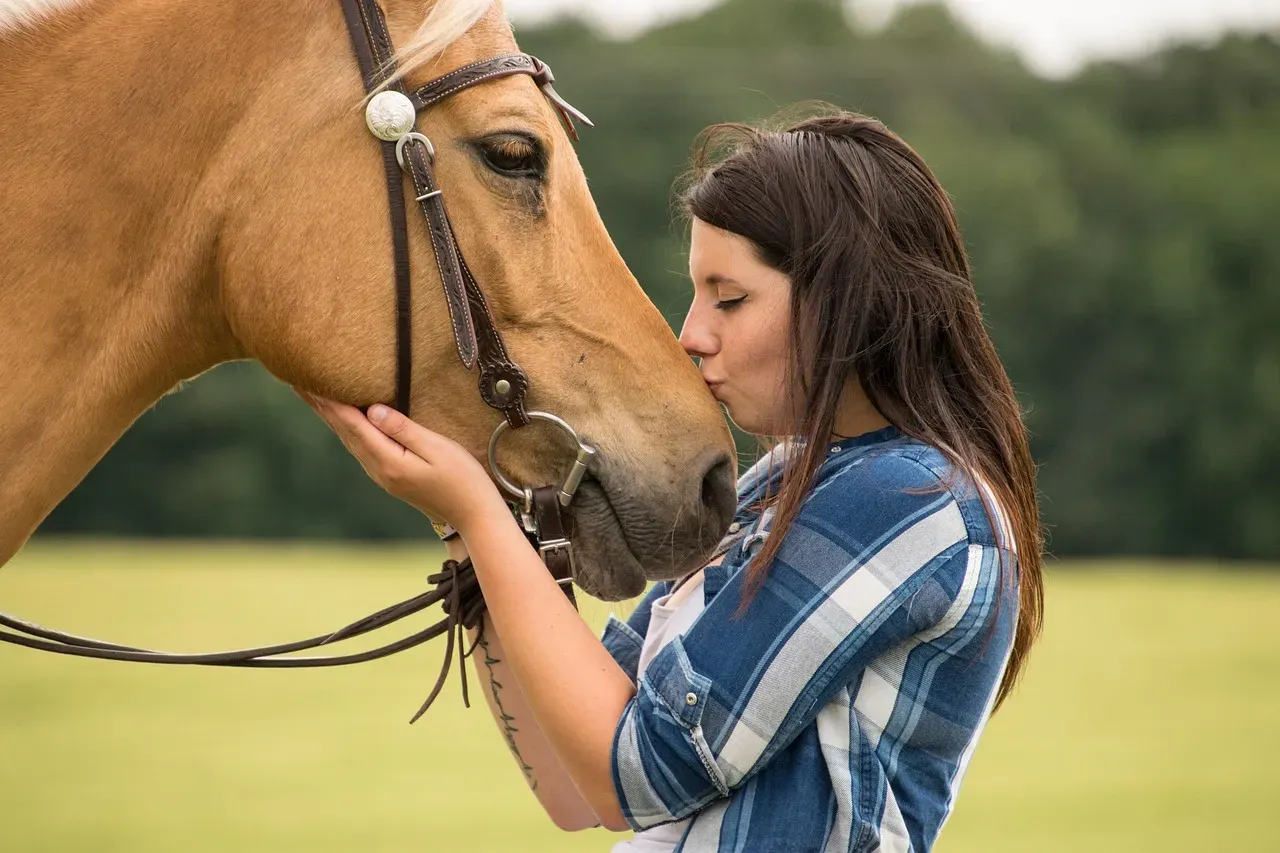
When a horse rests their head on you, it’s a sign of trust. They feel comfortable around you and like you enough to rest their head on you. It’s a way for them to bond with you and show their affection, letting you know they enjoy being in your presence. This is the kind of gesture that tends to stop people in their tracks, and for good reason.
When a horse rests its head on you or leans in, it’s a strong display of trust and comfort, much like bonding behaviors seen in other social animals. This gesture reflects the deep connection between horse and human, where the horse feels secure enough to seek physical closeness. Horses, being herd animals, use physical contact to express trust within their group, and when they share this behavior with humans, it shows they see you as part of their circle.
Don’t rush this moment or move away too quickly. When a horse chooses to lean into you, stay present. That soft weight is their way of saying they feel completely safe.
They Groom You Back
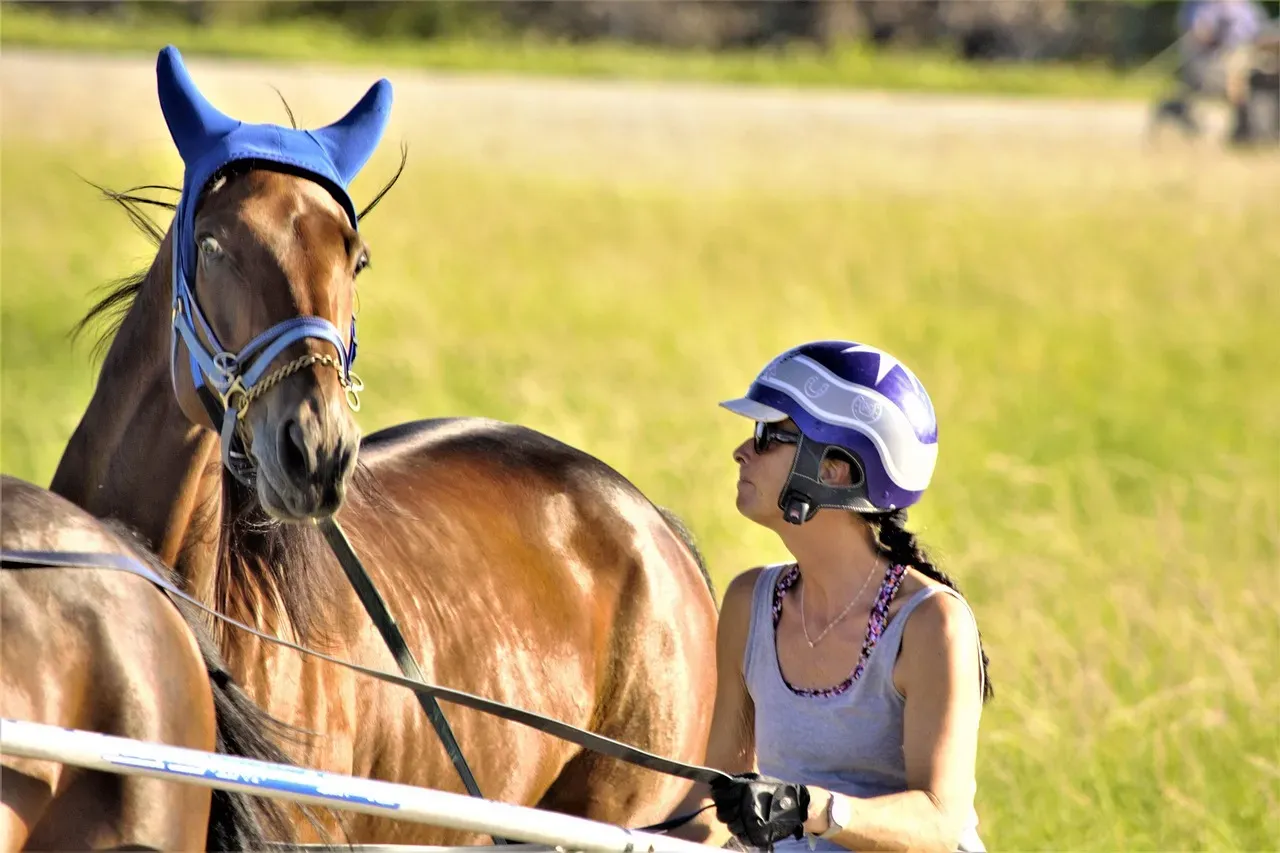
Mutual grooming is how horses bond with each other. If your horse gently nibbles at your clothing, hair, or shoulder while you’re grooming them, they’re trying to groom you back, treating you like a valued herd member. It’s a behavior they reserve for horses they genuinely like, and extending it to a human says a great deal.
Research in Applied Animal Behaviour Science confirms that mutual grooming is a vital social bonding activity for horses. When that behavior extends toward you, it says something genuine about the relationship. Mutual grooming is an important part of herd interaction. It’s a sign of mutual trust and respect.
A light tip: if your horse’s nibbles become a little too enthusiastic or scratchy, redirect gently rather than punishing them. They’re just trying to connect in the most natural way they know how.
They Have Soft Eyes Around You
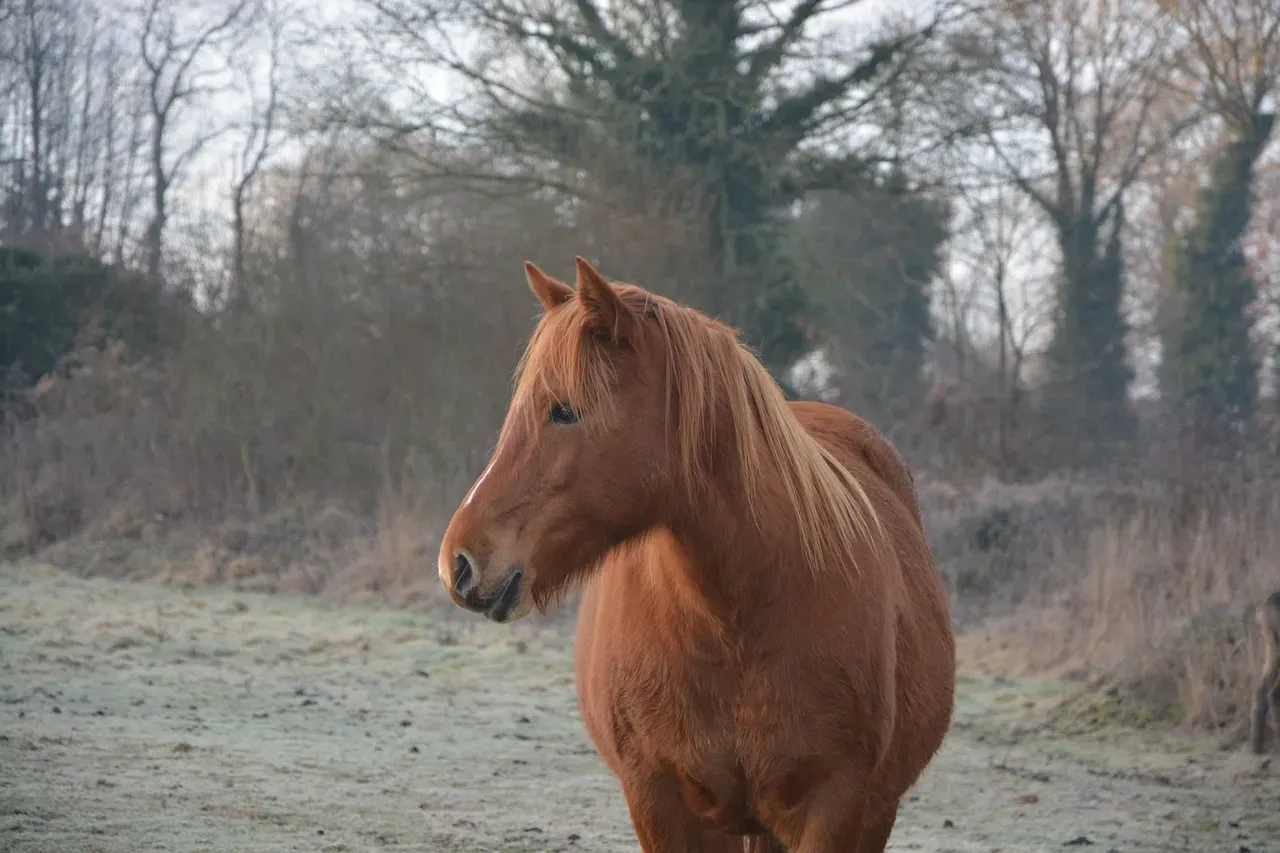
A horse with soft eyes and ears gently pointing in your direction, rather than pinned back or overly alert, is showing signs of comfort. This relaxed state indicates trust and ease. The eyes tell you more than almost any other part of a horse’s body, and learning to read them is one of the most valuable skills you can develop.
A horse with soft, half-closed eyes is at ease, while a wide-eyed horse with tense facial muscles might be anxious or scared. When you walk into a stall and your horse barely lifts its gaze, blinking slowly with a relaxed jaw, that’s not indifference. That’s deep comfort. It’s the equine equivalent of a contented sigh.
You can capture the “whisper” in your horse’s eye and, with practice, determine a soft, playful eye versus a skeptical, concerned, fearful or dangerous one. The more time you spend simply watching your horse, the more fluent you’ll become in this language.
They Blow Gently in Your Face
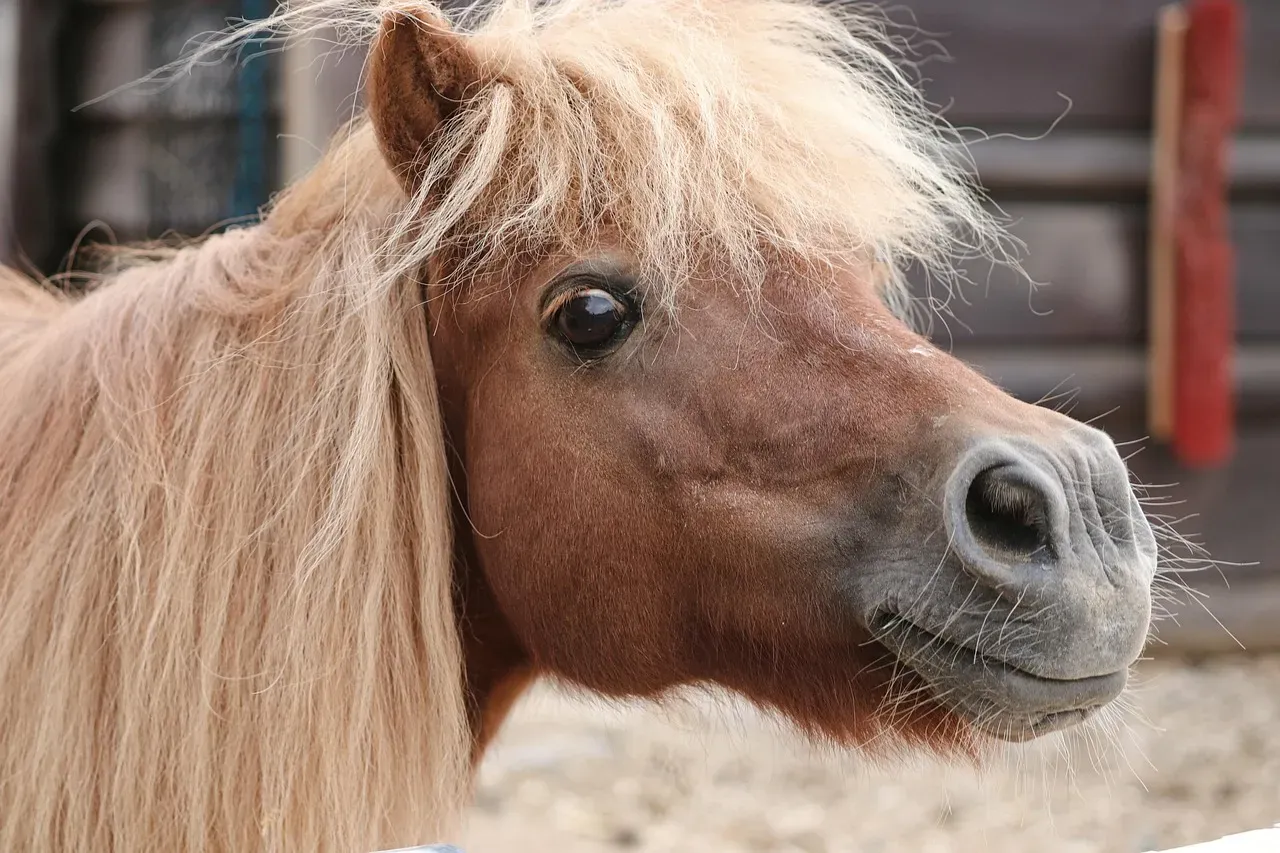
Sometimes horses will blow air in your face through their nostrils to show you they care about you, just like they do with other horses. It’s an easy gesture to overlook if you don’t know what it means. If a horse comes up and takes a breath on your face, it is an ultimate sign of respect and trust.
Horses show affection by gently blowing air on each other through their nostrils. When a horse blows on your face, it is a sign they see you as a trustworthy companion, even part of their family. As mentioned, horses will lift their head and blow gently through their nostrils into each other’s faces. This is their version of a horse handshake.
If this happens to you, resist the reflex to pull away. Stay still, breathe back softly, and let the moment complete itself. You’ve just been formally accepted.
They Lick and Chew in Your Presence
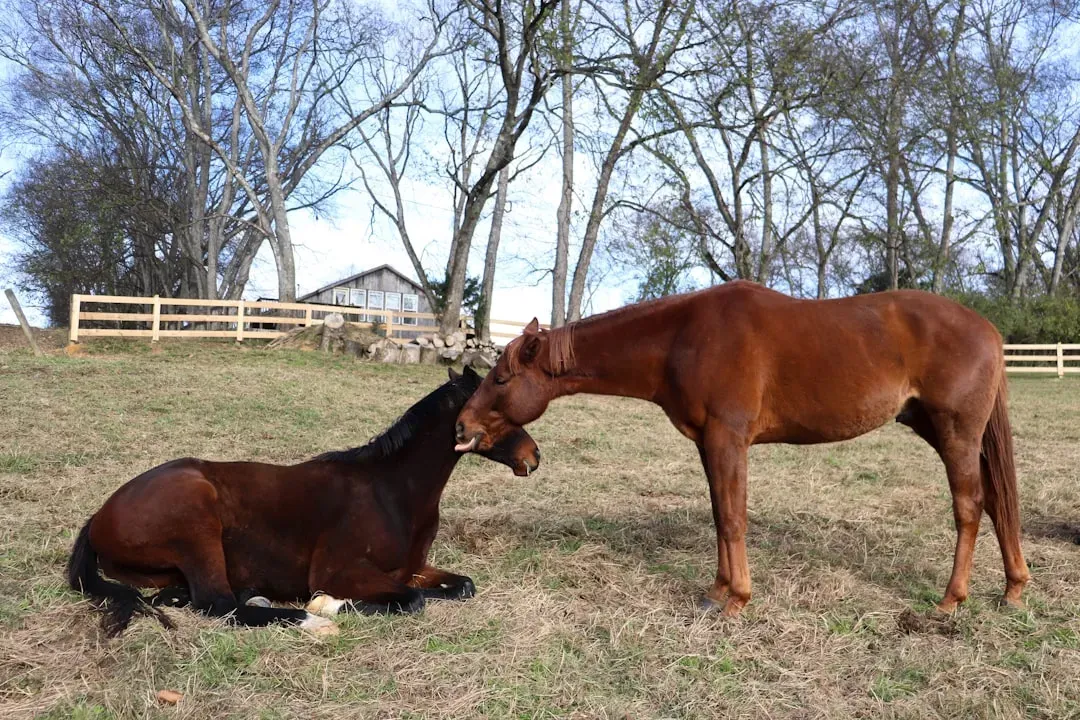
Licking and chewing are common behaviors in horses that signal relaxation and the processing of information. These actions often follow moments of stress or heightened alertness, showing that the horse is beginning to calm down. According to equine behavioralists, licking and chewing typically occur when a horse is transitioning from a tense state to one of acceptance, reflecting that the horse is starting to feel comfortable and is mentally processing the experience.
In training, handlers often look for these signs as indicators that the horse is absorbing the lesson and is ready to proceed in a more relaxed, receptive state. This behavior reflects both trust and a willingness to continue the interaction. When your horse does this during groundwork or after a new exercise, it’s a green light worth celebrating.
Watch for this signal especially when introducing something unfamiliar. A horse that licks and chews after initial hesitation is working through it positively, and that’s exactly what you want to see.
They Seek You Out When Nothing Is Expected
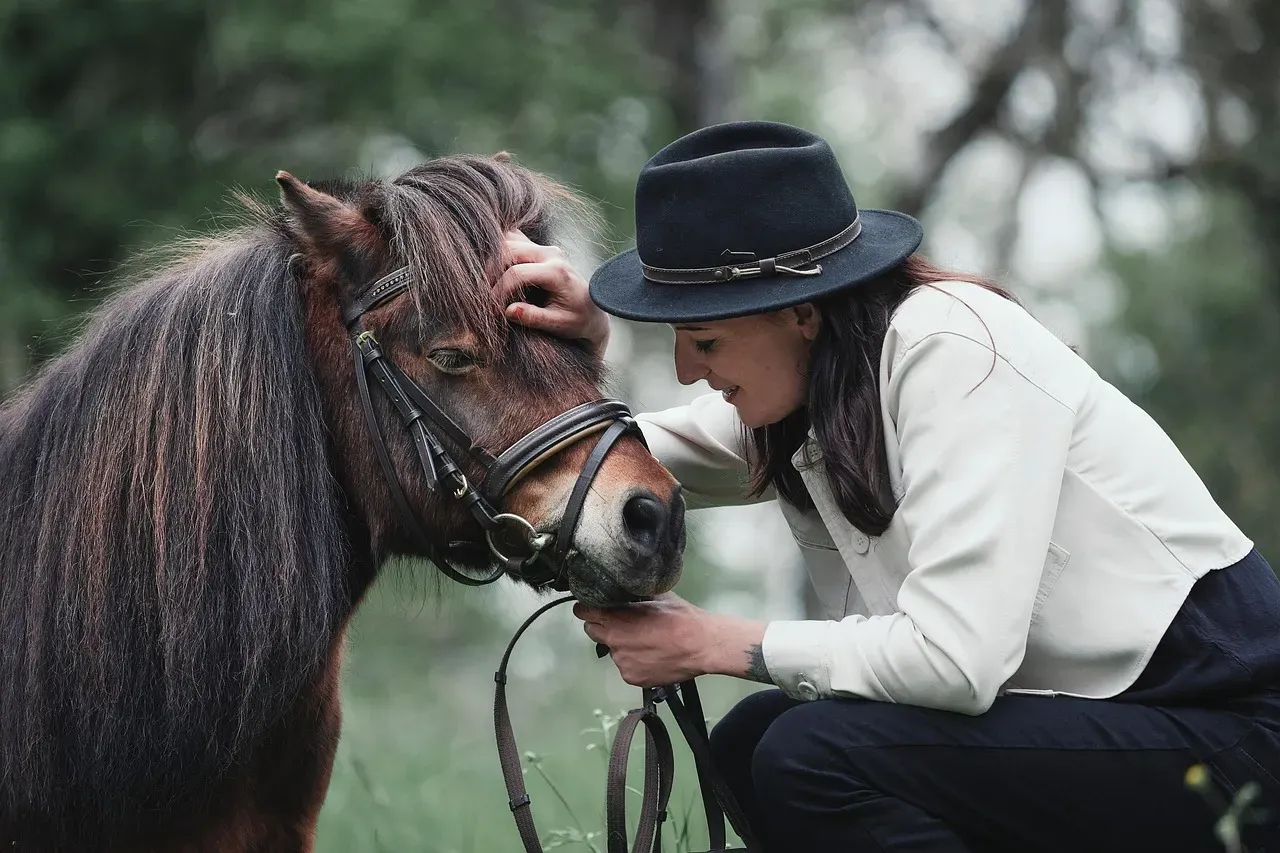
You may notice your horse approaching you when nothing is expected of them. They might wander over in the paddock, stand beside you while you sit, or rest their muzzle on your shoulder without any prompting. These actions show that they do not associate you only with work or routine. They see you as part of their social circle, someone they feel relaxed around, even when you are not offering food or guidance.
The ultimate test: when your horse willingly walks up to you in the pasture without needing to be caught, they’re choosing to be with you. They’re not being bribed by treats or forced by a halter, they genuinely want your company. This voluntary approach is one of the purest signs of affection and trust.
Horses who only come to you when food is involved are operating on conditioning. Horses who seek you out in the quiet in-between moments? That’s a real relationship.
They Stay Close During Frightening Situations
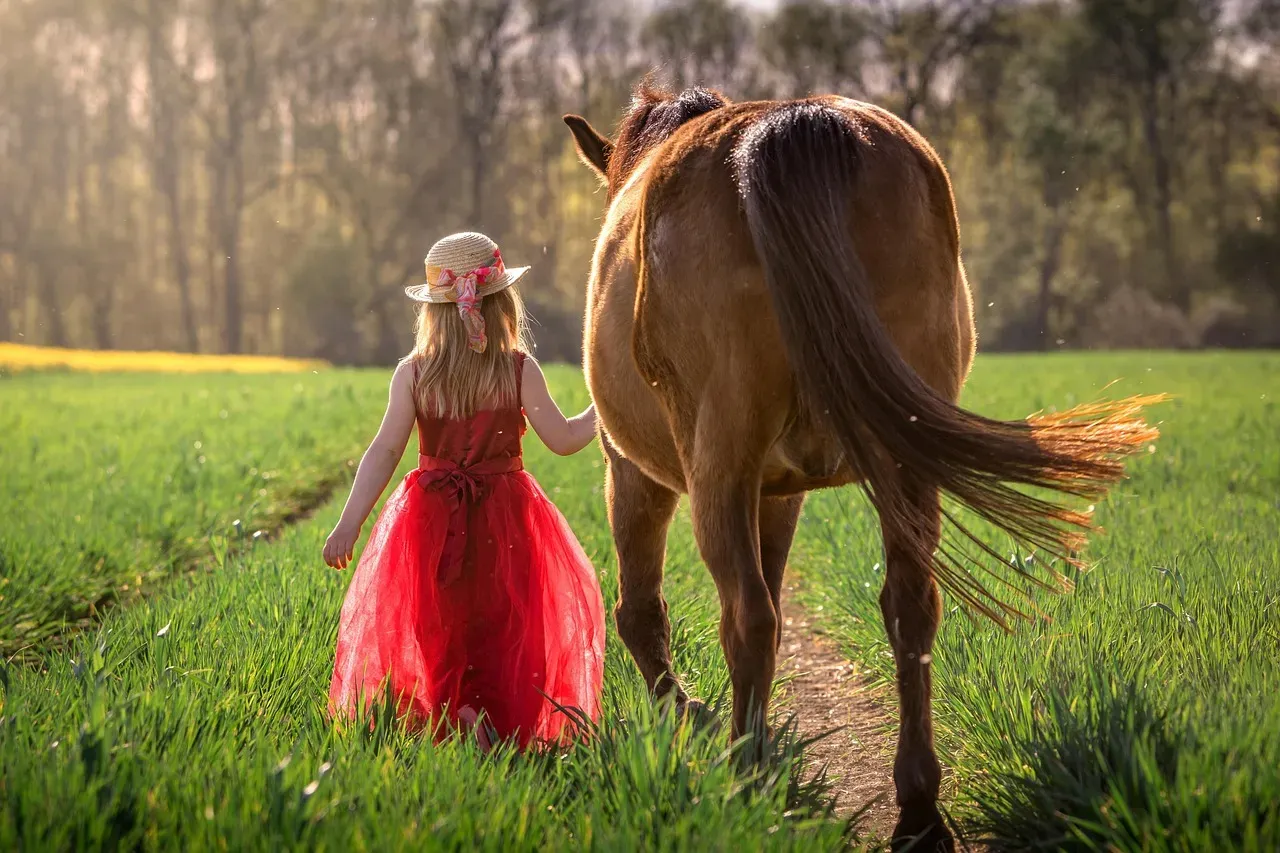
If you own horses for very long, there will be a time you’ll need to doctor one of them. A trusting horse will be easier to treat and may look to you for comfort, while a horse that does not trust completely will be hard, if not dangerous, to handle. How a horse responds to stress in your presence reveals the true depth of your bond.
That willingness to stay close when things get frightening is arguably the most honest signal of all. It means your horse has decided, consciously, that you are safer than the alternative. For a prey animal whose every instinct screams “run,” that decision carries enormous weight.
When a loud noise, strange object, or unfamiliar situation arises and your horse looks to you rather than bolting away, that’s the kind of trust you build over months and years of showing up calm, fair, and consistent. It doesn’t happen overnight, but when it does, it feels remarkable.
They Sleep or Rest Near You
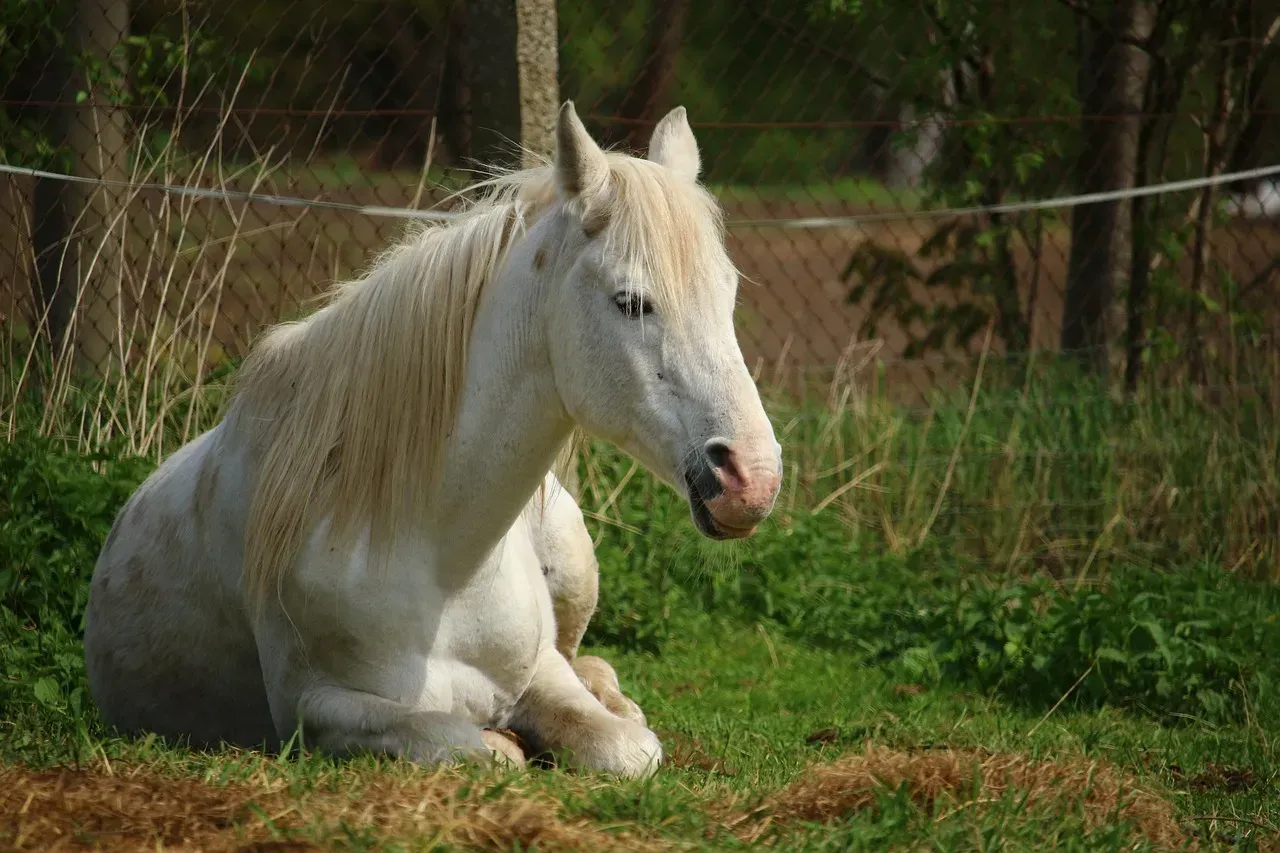
Some horses will even nap near you, positioning themselves close enough to sense your movements while they rest. A horse that sleeps in your presence is offering you the highest form of trust, because sleep puts them in a vulnerable state. Their choice to settle nearby shows that they feel protected and secure.
Your horse may also stand near you without asking for anything. They do not paw, nudge, or demand attention. Instead, they choose stillness. This is a sign of emotional intimacy. Horses save their calmest moments for the individuals they trust most, and when they share that peace with you, it shows how much they value your presence.
If you’ve ever sat quietly by a paddock fence and had a horse settle in to doze a few feet away, you’ve already experienced this. It’s one of the most peaceful things in the horse world, and it means you’ve earned a place in their sense of safety.
Building and Protecting the Trust You’ve Earned
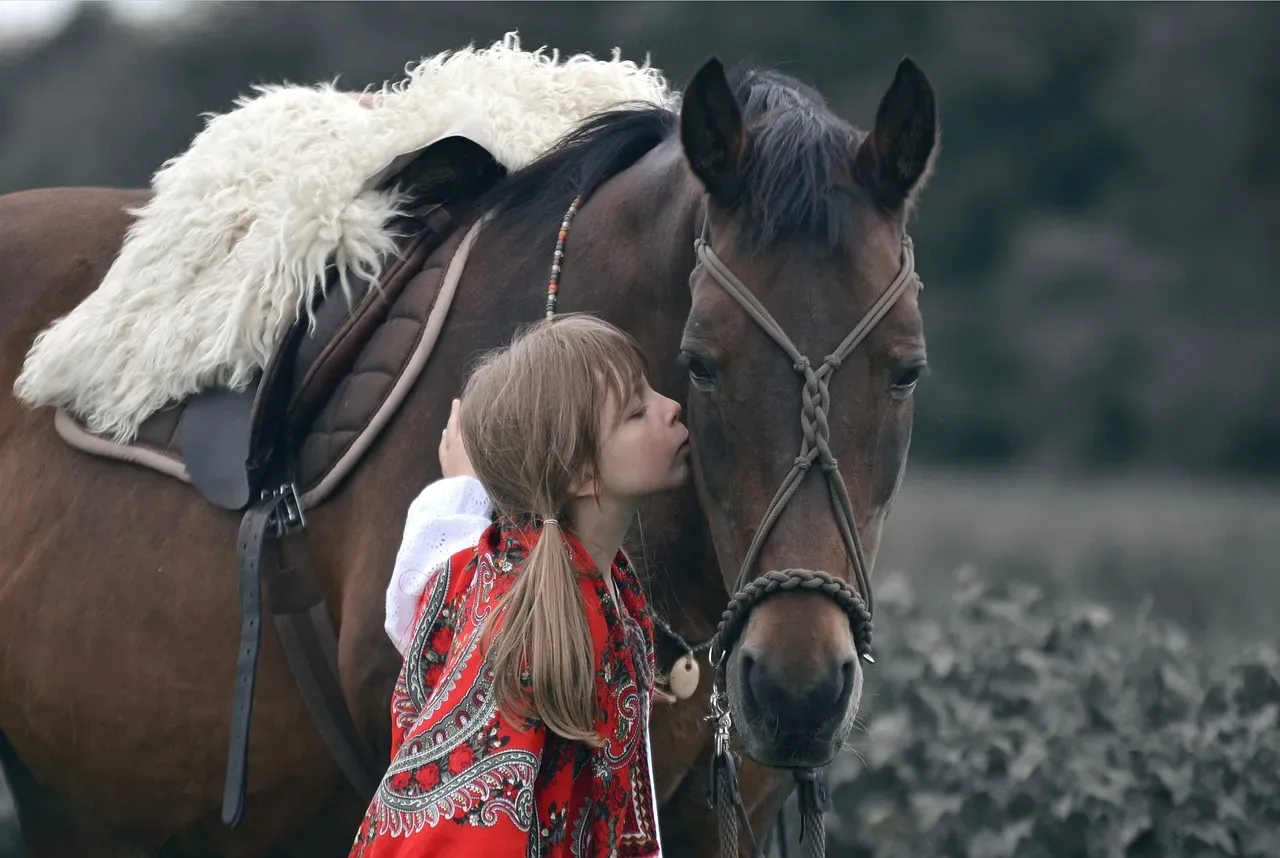
As you get to know your horse and work with them, consider the following three factors critical to building and maintaining trust: consistency, fairness, and communication. Consistency is key to a solid horse-human partnership. If you behave inconsistently, your horse will be confused and not know what you are asking of them. On the other hand, if you exhibit consistent behavior, your horse will feel more confident when around you.
Research shows horses are emotionally intelligent beings capable of forming real bonds with people. Studies have found that horses can interpret human emotions through facial expressions and body language. They can even mirror our emotions in a phenomenon called “emotional transfer,” well-documented in equine-assisted therapies.
Respect their boundaries: affection flows both ways. If your horse needs space or shows discomfort, honor that. Trust builds when they know you’ll listen to their communication. Every time you respond to what your horse is saying, you’re making a deposit into the trust account.
Final Thoughts
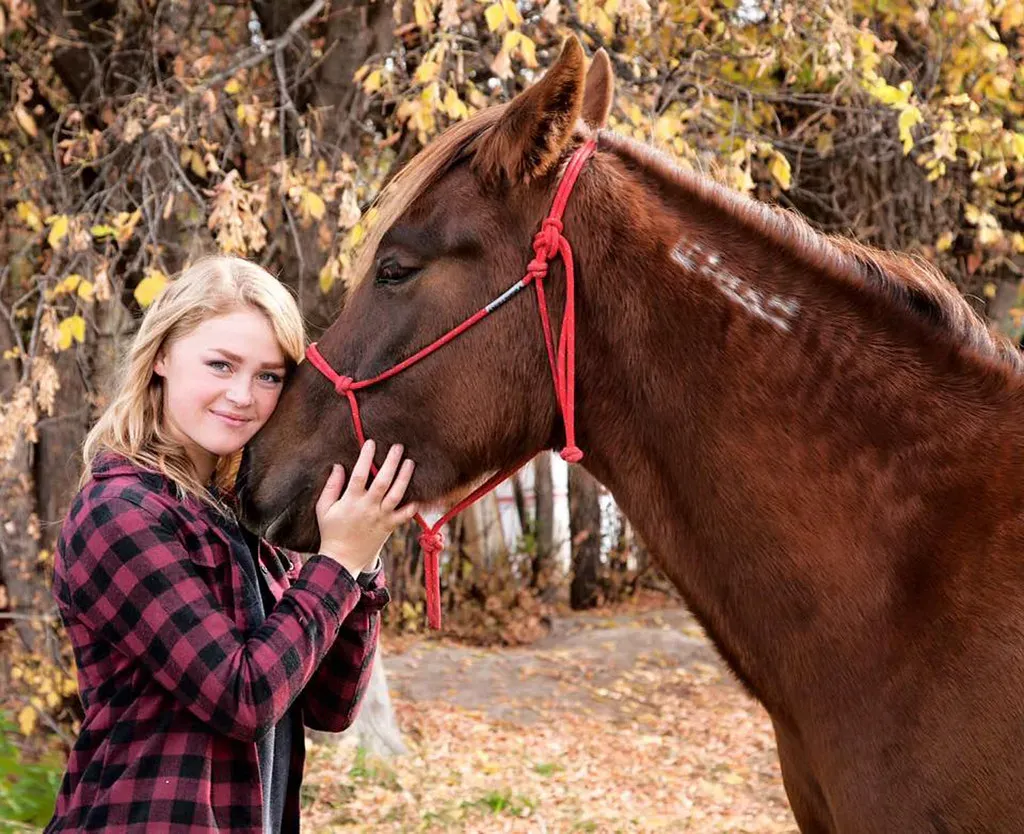
The twelve signals described here are not grand gestures. They’re small, quiet moments woven into the ordinary fabric of a day at the barn. A lowered head, a slow blink, a nicker at the gate, a horse that simply wanders over for no particular reason. Easy to miss. Profound when you catch them.
Horses bond with us because we’ve proven ourselves trustworthy, patient, and understanding, not because we simply show up with a bucket of feed. The difference between those two things is everything.
Trust, once built, is worth protecting with the same care it took to earn. Pay attention to the quiet signals. That’s where the real relationship lives.


