
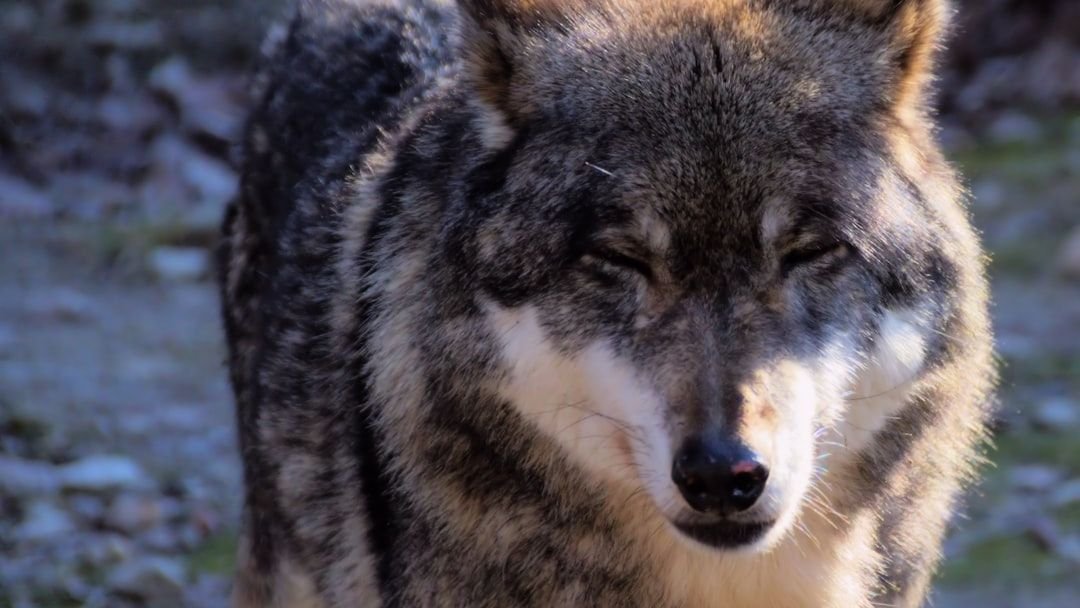
Something remarkable is happening in the mountains of western Colorado. For the first time in roughly eight decades, gray wolves are hunting elk through high-altitude forests, forming packs, raising pups, and reshaping the landscape around them. It’s a story about more than wildlife management. It’s about what we owe to ecosystems we helped dismantle, and how complicated it is to try putting them back together.
If you love dogs, you already have a soft spot for canines. Wolves are, after all, the wild ancestors of every breed you’ve ever adored. Understanding what’s unfolding right now means grasping both the science and the very human tensions that come with it. Here are seven grounded, well-researched facts that paint the full picture.
Fact 1: Colorado Voters Made History in 2020
Most wildlife reintroduction programs are launched by federal agencies or state wildlife commissions. Colorado did something different. Colorado became the first state where voters directed the reintroduction of gray wolves. The ballot measure, Proposition 114, passed in November 2020 by a narrow margin.
The measure directed the Colorado Parks and Wildlife Commission to develop a reintroduction plan, using the best scientific data available, for gray wolf reintroduction in western Colorado west of the Continental Divide by the end of 2023. The measure also required fair compensation to be offered to ranchers for any livestock killed by wolves.
The rural Western Slope, where the wolves would be reintroduced, voted heavily against the measure, while the more populous Front Range mostly supported it. That divide set the tone for everything that followed. It’s a genuine tension between urban conservation ideals and rural economic realities, and it hasn’t been fully resolved.
Fact 2: Wolves Were Gone from Colorado for Almost a Century
Gray wolves are native to Colorado and once populated the state. Yet a century of national wolf-hunting campaigns nearly erased gray wolves across the lower 48 states. By the 1940s, gray wolves had been eradicated . The causes were layered and deliberate.
Extirpation was caused by the decimation of the wolf’s main prey species like bison, the expansion of agriculture, and extermination campaigns during the late 19th and early 20th centuries. Think of it like removing a key ingredient from a recipe. The whole ecosystem changed once wolves disappeared.
One of the arguments in favor of wolf reintroduction was that they help maintain healthy ecosystems. As an apex predator and keystone species, they help maintain healthy and sustainable populations of other species by preventing overpopulation and overgrazing. For dog lovers, this is a powerful reminder: the canine family has always played an outsized role in shaping the natural world.
Fact 3: The First Wolves Released Came From Oregon
Colorado wildlife officials released 10 gray wolves from Oregon into a remote forest in Grand and Summit counties in late December 2023. These animals were wild-caught, health-checked, vaccinated, and fitted with GPS tracking collars before making the journey south.
Once captured, wolves were treated and vaccinated as appropriate and determined by veterinarians, and were then transported to Colorado where they were taken to the release areas and the transport crates were opened. The process was meticulous, the same kind of careful preparation you’d expect before a long-distance transport of any large, stressed animal.
One of the most meaningful early milestones came quickly. Two of those wolves mated, creating the Copper Creek Pack, Colorado’s first wolf pack in almost a century. For wildlife managers watching satellite data from their screens, that pairing was exactly the sign they’d hoped to see.
Fact 4: A Second Round Brought 15 More Wolves from British Columbia
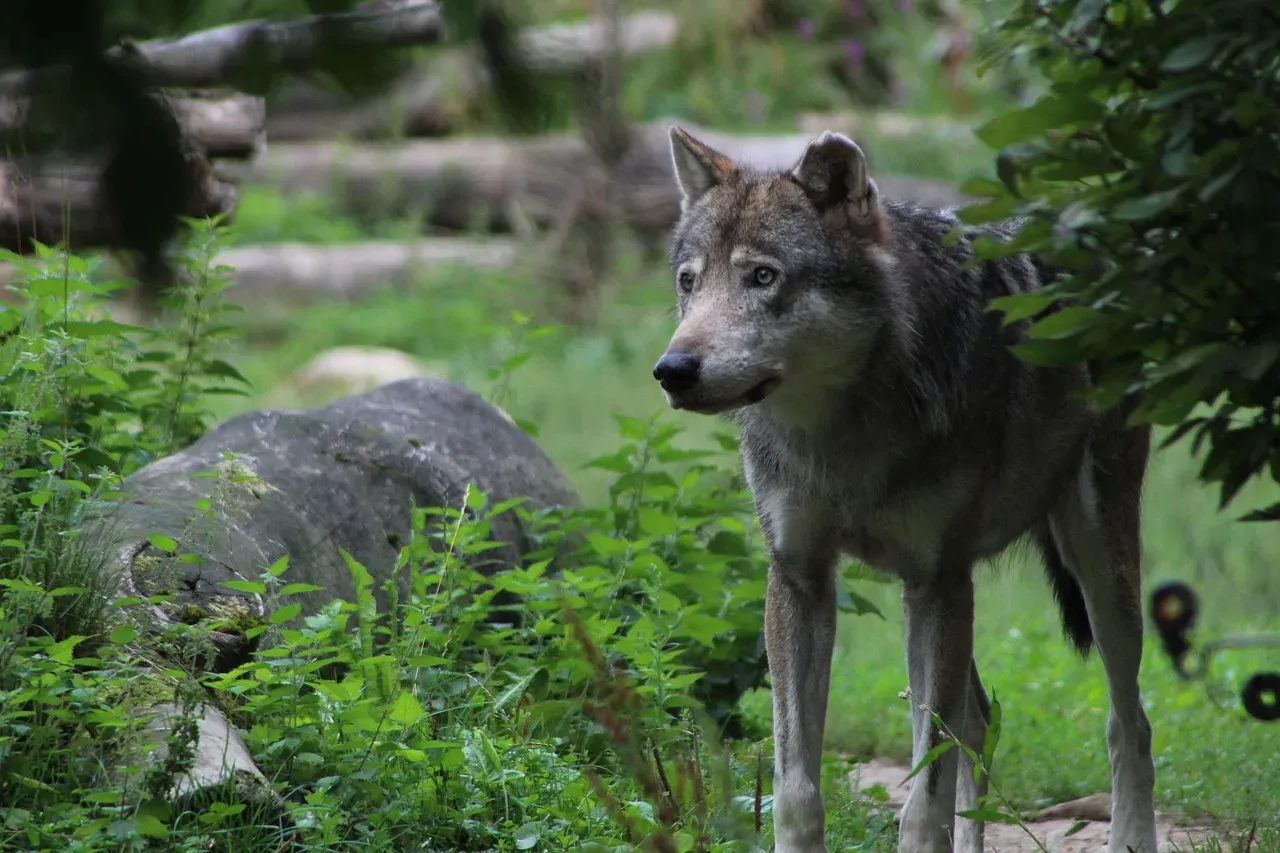
CPW reached an agreement with the British Columbia Ministry of Water, Lands and Resource Stewardship in Canada in September 2024 to source wolves for the second round of reintroductions. The three western states with the largest wolf populations had declined to participate, so Canada became the solution.
Once a helicopter located a wolf, a net gun was used to immobilize the animal. A second helicopter then landed to evaluate the health of each animal and administer vaccines before it was transported to Colorado. The fifteen wolves that were captured were released in Eagle and Pitkin counties on January 12, 14, and 16. The operation had the feel of a carefully choreographed rescue mission.
Wolves aren’t fussy about terrain once they land. Wolves are habitat generalists, meaning they do not have specific habitat requirements that determine where they can live. As long as prey is available, wolves can use a variety of areas. That adaptability is part of what makes the reintroduction viable across Colorado’s diverse landscapes.
Fact 5: Survival Rates Have Been a Real Concern
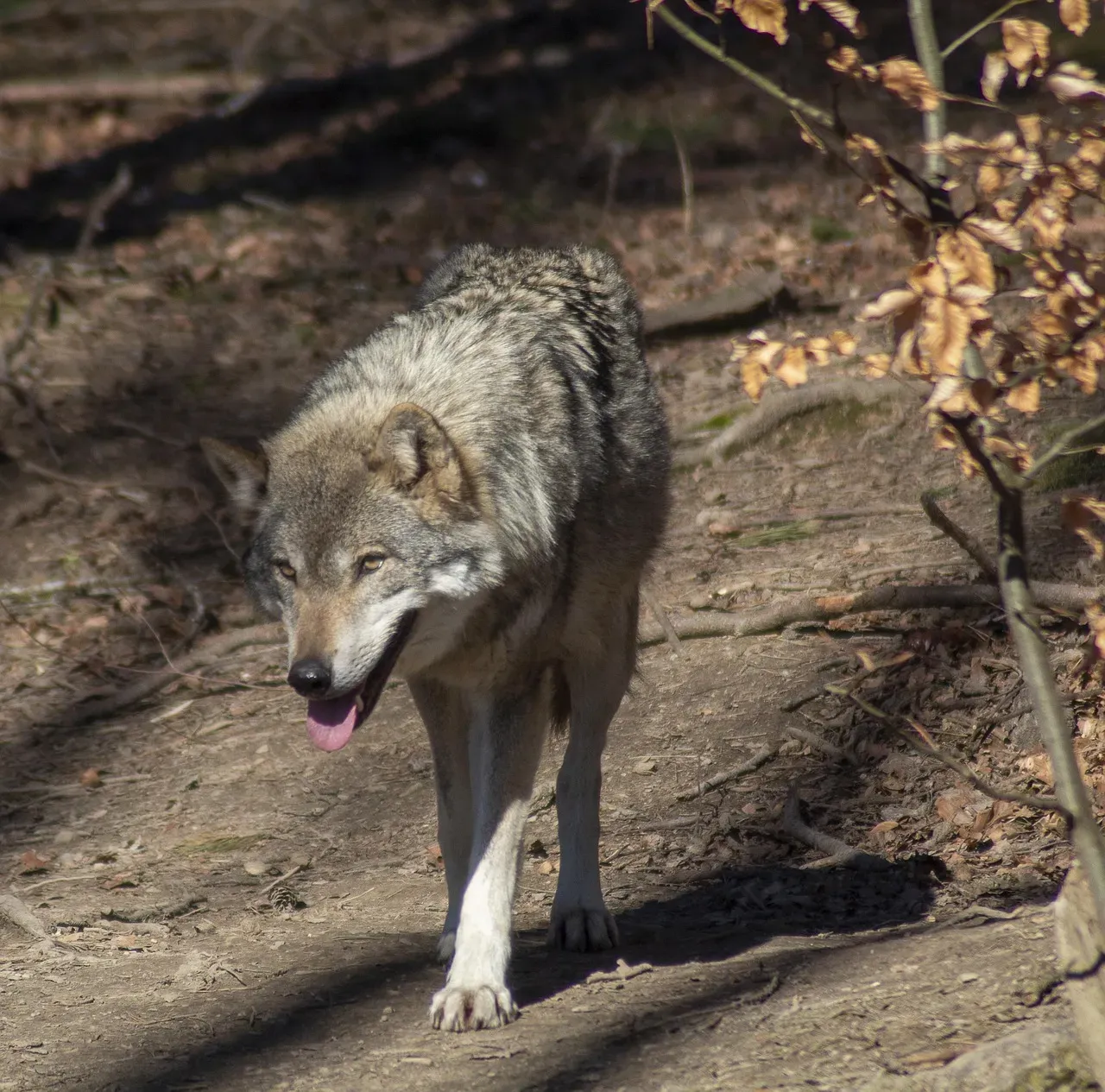
Not every reintroduced wolf has thrived. Twelve of the 25 wolves brought from Oregon and British Columbia have died, including seven of the 15 wolves from British Columbia and five of the 10 from Oregon. That’s a sobering number for a program that started with 25 animals.
While a few of the deaths occurred as a result of natural conflict with other predators, primarily mountain lions, the vast majority have been the result of human interference or action. This includes wolves that were legally hunted in Wyoming, killed in response to repeated attacks on livestock, as well as an illegal poaching incident, a vehicle collision, and a legal coyote trap.
Wildlife managers put this in biological context. Dispersing wolves are typically young wolves that leave their birth pack in an attempt to find a mate, and this is a role that all the translocated wolves automatically take on when relocated to Colorado. Dispersers face the highest risks. It’s a bit like releasing a dog into unfamiliar territory with no established home base. The first weeks are the most dangerous.
Fact 6: New Packs Are Forming, and Pups Are Being Born
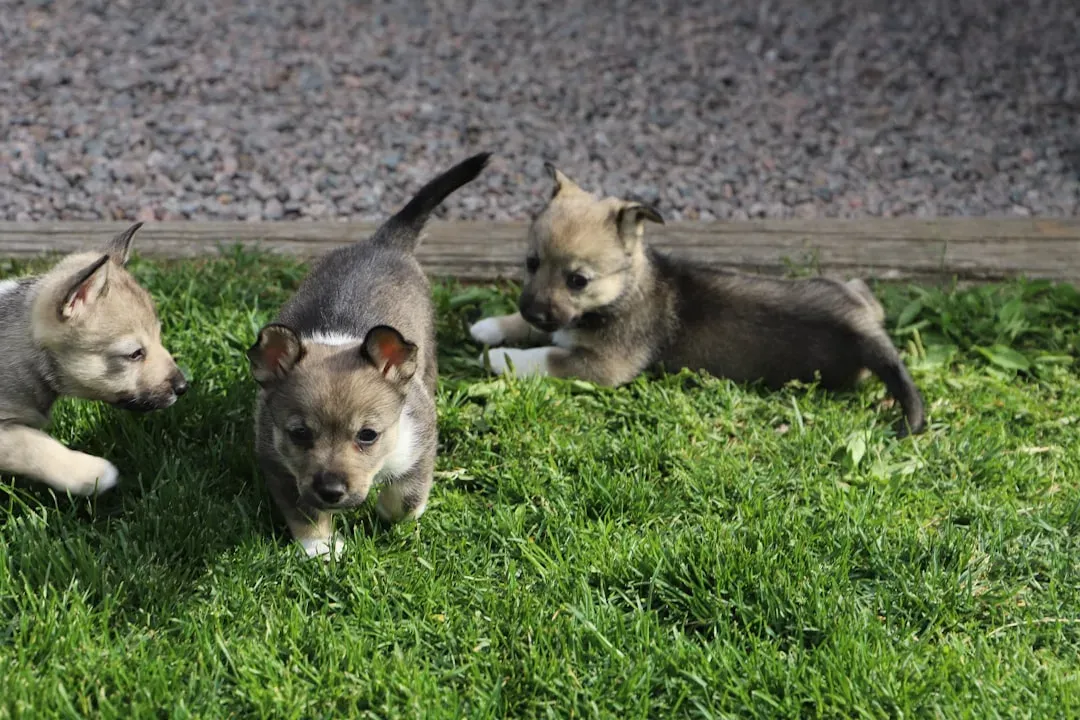
Despite the challenges, reproduction has been one of the brightest signs in the program. The state designated new wolf families as the One Ear Pack in Jackson County, the King Mountain Pack in Routt County, and the Three Creeks Pack in Rio Blanco County. They join the Copper Creek Pack, which formed in Grand County in 2024.
CPW confirmed at least four breeding packs across the state. The King Mountain Pack, located in Routt County, had at least four pups confirmed. Pups born represent something significant: these animals didn’t come from Oregon or Canada. They are native-born Coloradans.
Colorado’s collared gray wolves are primarily sticking to Western Slope watersheds, with some exploration toward the east. The collared animals were located across northwest areas in Routt, Jackson, Rio Blanco, Grand, Summit, Eagle, Lake, and Pitkin counties. Their range is already wider than many expected in just a couple of years.
Fact 7: The Program Carries Real Costs and Real Controversy
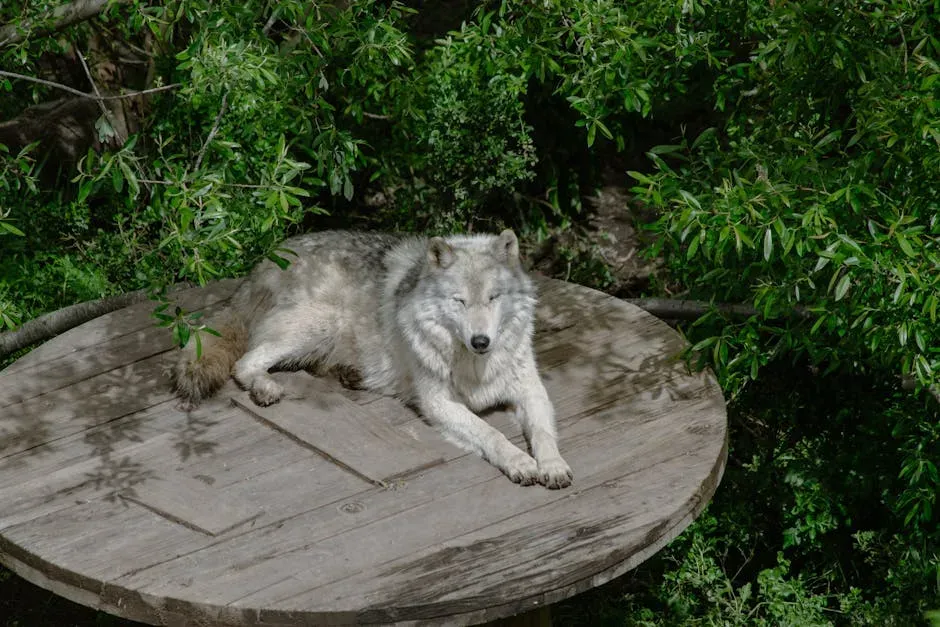
Wolf reintroduction was never going to be cost-free or conflict-free. Between April 2024 and April 2025, wolves killed at least 25 cattle and sheep. The original goal was to release 10 to 15 per year for three to five years to reach a stable population of at least 50 wolves in the state. Getting there requires navigating financial and social friction that nobody fully anticipated at the ballot box.
The introduction program was initially projected to cost about $800,000 per year. Instead, it has consumed roughly $8 million in taxpayer funds since operations began in 2021, as expenses for conflict management and depredation reimbursements have surged. Ranchers have had to deal with losses that stretch well beyond a single dead calf. Reduced conception rates and weight loss in livestock near wolf territories have added up quickly.
Colorado Parks and Wildlife has responded by building out conflict-reduction tools. CPW invested in a significant conflict minimization program, including partnering with the Colorado Department of Agriculture to establish the Colorado Range Riding program to meet the needs of producers during open ranging seasons when additional human presence is needed. As an apex predator and keystone species, wolves help maintain healthy and sustainable populations of other species by preventing overpopulation and overgrazing, but the benefits play out across years and landscapes, while the costs land on individual ranchers in the short term. That asymmetry remains one of the hardest things to reconcile.
Conclusion: A Living Experiment Still in Progress
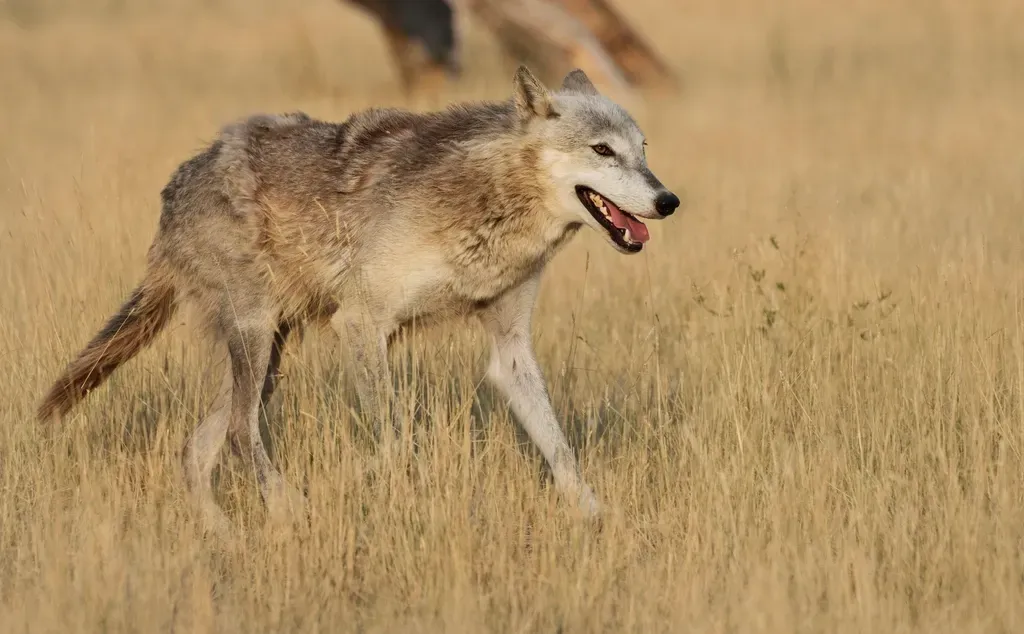
Colorado’s wolf reintroduction is genuinely unprecedented. No other state has been directed by its own voters to restore an apex predator, and the results so far reflect exactly how complicated that kind of project turns out to be in the real world. There have been losses, setbacks, and sharp disagreements about what counts as success.
There have also been pups. There have been new packs, collared animals moving through mountain terrain, and a slowly growing population of gray wolves living in country that was silent without them for nearly eighty years. For those who love canines in any form, watching this experiment unfold is a reminder that our bond with this animal family runs deep. Whether in your living room or on a Colorado ridge at dawn, wolves and dogs share the same ancient blueprint. What happens to one species reflects something important about how we treat all of them.
The story isn’t finished. It’s barely past the second chapter.


