
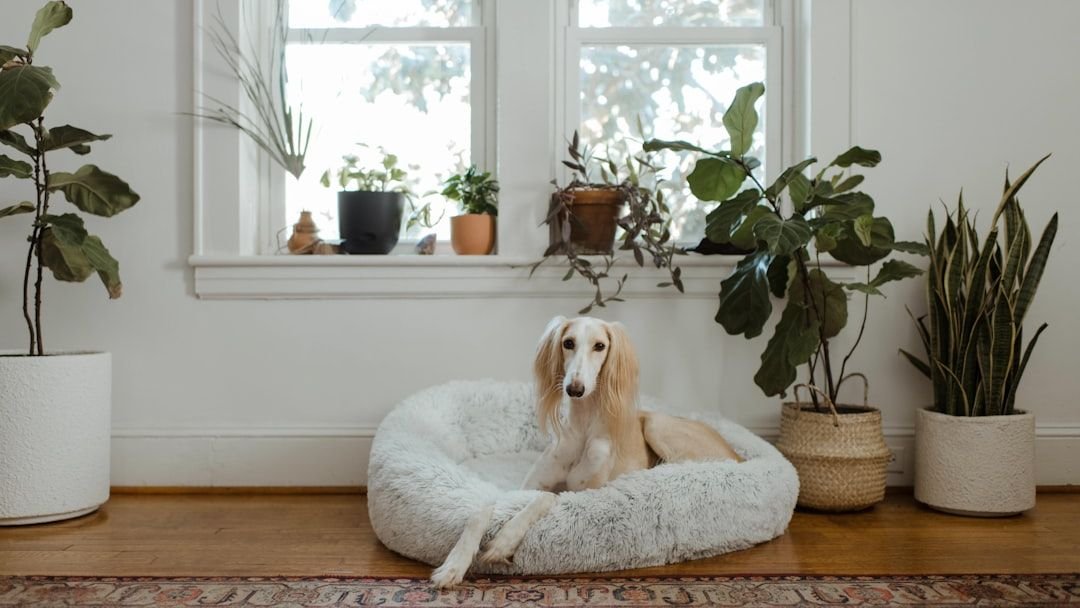
There’s a moment every dog lover knows well. You walk through the front door after a long day, and before you’ve even set your bag down, there’s that familiar thud of paws, that wagging tail, those bright eyes that somehow make everything feel lighter. Your dog isn’t just happy you’re home. They’ve been waiting, in the truest sense, for this moment.
But here’s a question worth sitting with: is your home actually set up to give them the life they deserve in return? We tend to focus on love, on walks, on the occasional treat. What often gets overlooked is the environment itself. Where your dog sleeps, how they spend their hours alone, what smells and sounds surround them daily. These things matter far more than most people realize.
Create a Safe Zone Your Dog Can Actually Call Their Own
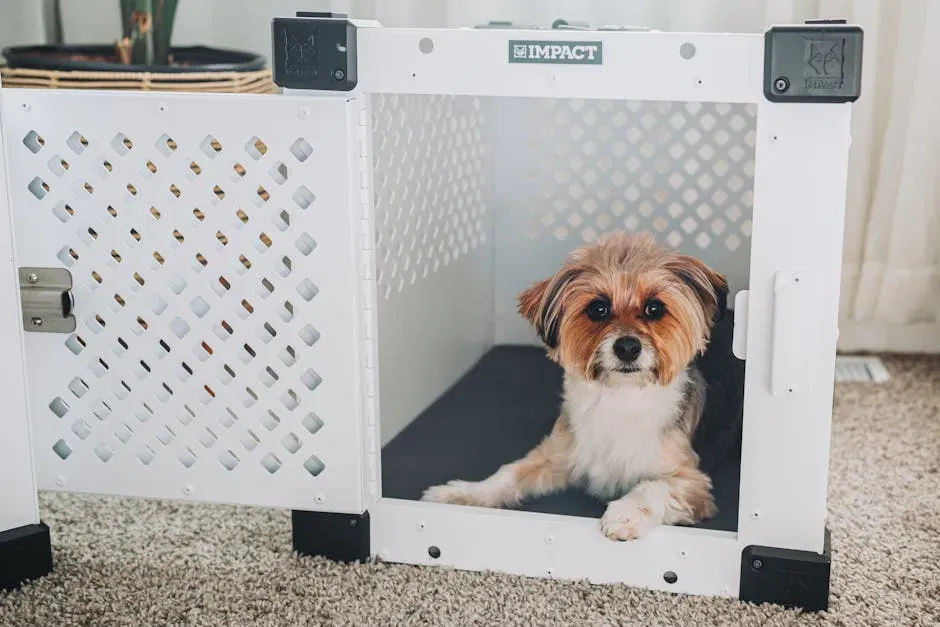
Every dog, regardless of size or breed, needs a space in your home that truly belongs to them. A designated, cozy place for your dog is essential for their sense of security and well-being. Much like humans, dogs appreciate having a place in the house to call their own, somewhere they can retreat and relax when needed.
This doesn’t have to be elaborate. Create a specific spot where your dog can relax undisturbed. Whether it’s a corner of a room, a cozy crate, or a soft bed, having a designated area gives your dog a sense of belonging. Crate training, when done correctly, can be a great way to provide your dog with a secure, den-like environment where they can feel safe.
Designate a safe space where your dog can retreat to when they feel overwhelmed or anxious. Watch for behavioral cues that tell you they need that space: tucked tail, low posture, flattened ears, or moving away from activity. These are your dog’s quiet ways of saying they need a break, and respecting that is one of the kindest things you can do.
Dog-Proof Your Home Before Something Goes Wrong
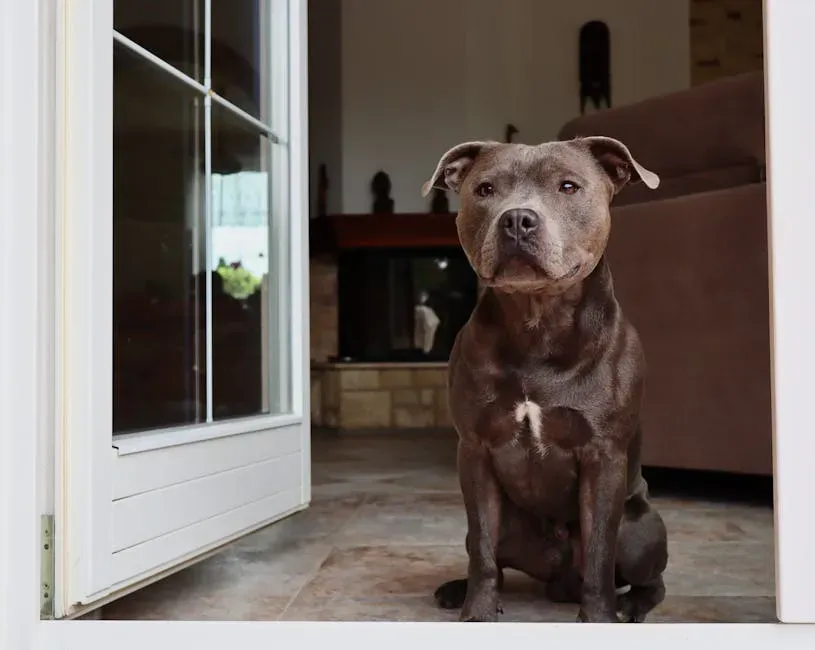
Most household hazards aren’t obvious until a dog finds them. Toxic substances and choking hazards pose a serious threat to your dog’s well-being. Take time to go through your home and yard to identify and remove any potentially harmful items your dog could ingest or get tangled in. Be mindful of smaller items like choking hazards that your dog could accidentally swallow, such as small toys, batteries, or household items. Keep these out of reach or stored away securely to avoid any incidents.
Cleaning products can be seriously poisonous to dogs. Lock all cleaners and chemicals behind childproof cabinet latches. It’s also worth going down to your dog’s eye level, literally crouching on the floor, to see what they see. Shoes, socks, and other small clothing items make tempting chew toys for many dogs. If your dog swallows these items, they could end up with an intestinal obstruction.
A practical prevention tip: install safety gates in strategic locations. This prevents your dog from accessing areas with potential dangers, such as stairs or rooms containing fragile items. Safety gates are an effective way to limit their movement and ensure a safe living space. Think of it less as restriction and more as curation. You’re simply shaping the world they move through every day.
Feed Their Mind With Daily Mental Stimulation
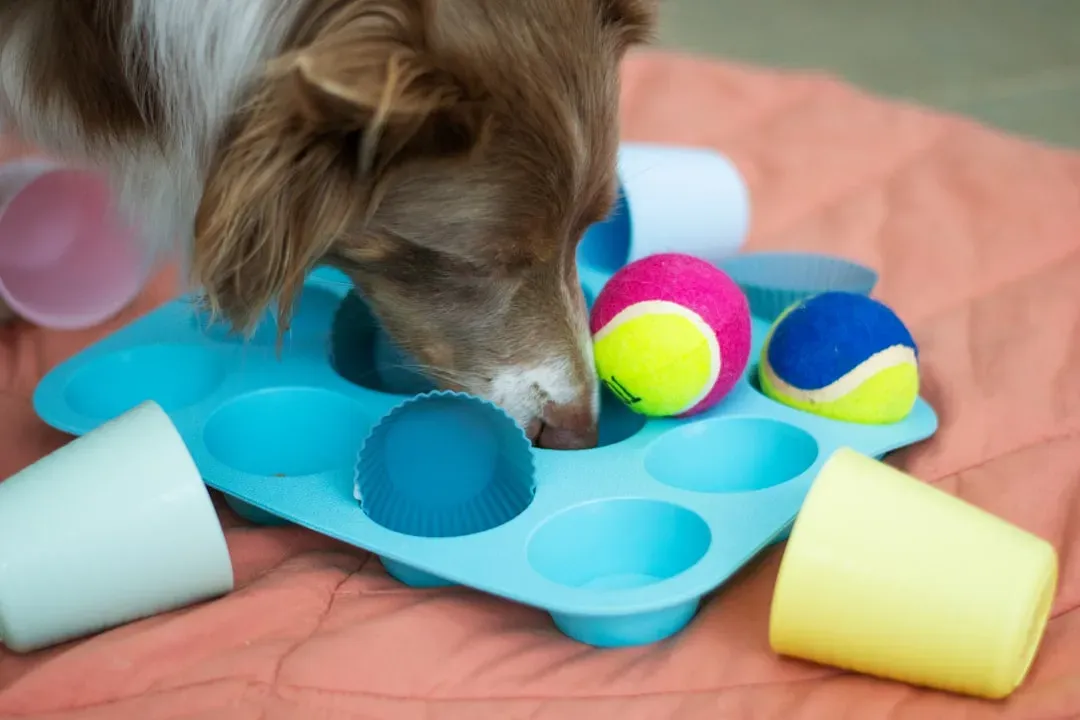
Physical exercise is important, but mental stimulation is equally vital and often the more neglected of the two. Mental stimulation is just as important for dogs as physical exercise. Signs that a dog is bored include tail-chasing, excessive barking, pacing, and digging. If your dog is regularly doing any of these, it’s less a behavior problem and more a communication: they’re understimulated.
In addition to physical exercise, dogs need mental stimulation to stay sharp and happy. Puzzle toys, treat-dispensing gadgets, and interactive games like hide-and-seek are great ways to engage your dog’s mind. You can also make mealtime work harder for them. Providing interactive feeders or food puzzles can turn mealtime into a mentally stimulating activity for your dog.
Engaging in enrichment activities can keep your dog mentally engaged, sharpening their minds throughout their lives and potentially reducing the onset of canine dementia. That’s not a small thing. An easy way to keep things interesting is to leave out only a few toys at a time and keep the rest hidden. Then, switch out and rotate the toys they have access to. This simple trick keeps your dog’s toys exciting and helps prevent boredom.
Tap Into the Power of Scent and Nose Work
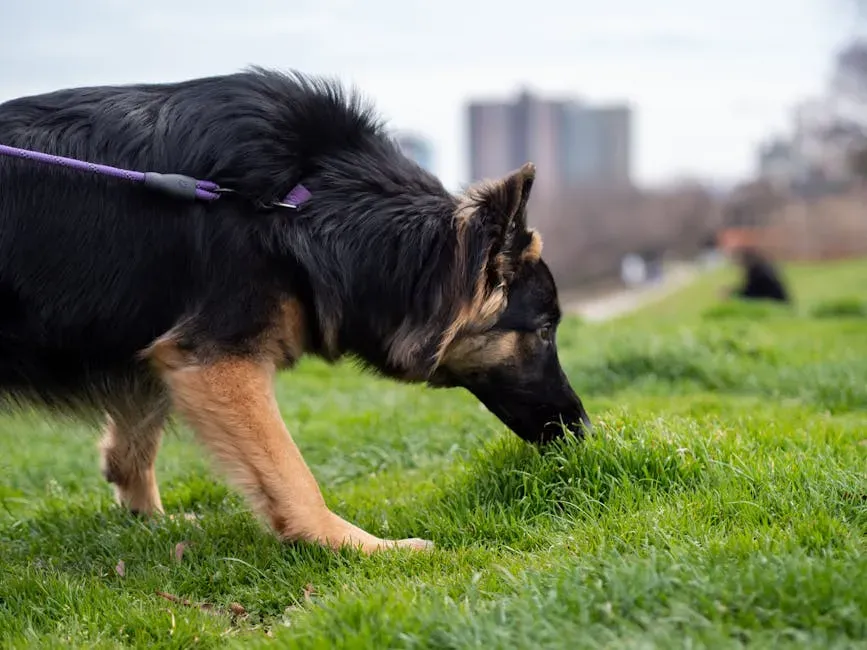
A dog’s nose is not just a body part. It’s their primary way of experiencing the world, and giving it something meaningful to do is one of the most effective forms of enrichment available. Sniffing is one of the most mentally stimulating activities for dogs. You can hide treats around your home or yard and let your dog sniff them out. You can also take this activity on the road during daily walks by letting your dog explore different smells at their own pace.
Playing hide-and-seek requires two things from your dog: critical thinking skills and a good nose. In a home setting, dogs don’t need to use these skills as often, and having the opportunity to use them is lots of fun for them. Even a simple “find it” game using treats hidden under cups or tucked into corners can give a rainy afternoon a whole new purpose for your dog.
Scent work doesn’t require specialist equipment or a big backyard. Rotating different activities such as obedience training, agility courses, or scent games can keep your dog mentally engaged and excited about learning new things. The variety itself is the point. Dogs thrive when they can’t quite predict what’s coming next, in the best possible way.
Use Positive Reinforcement to Build Trust at Home
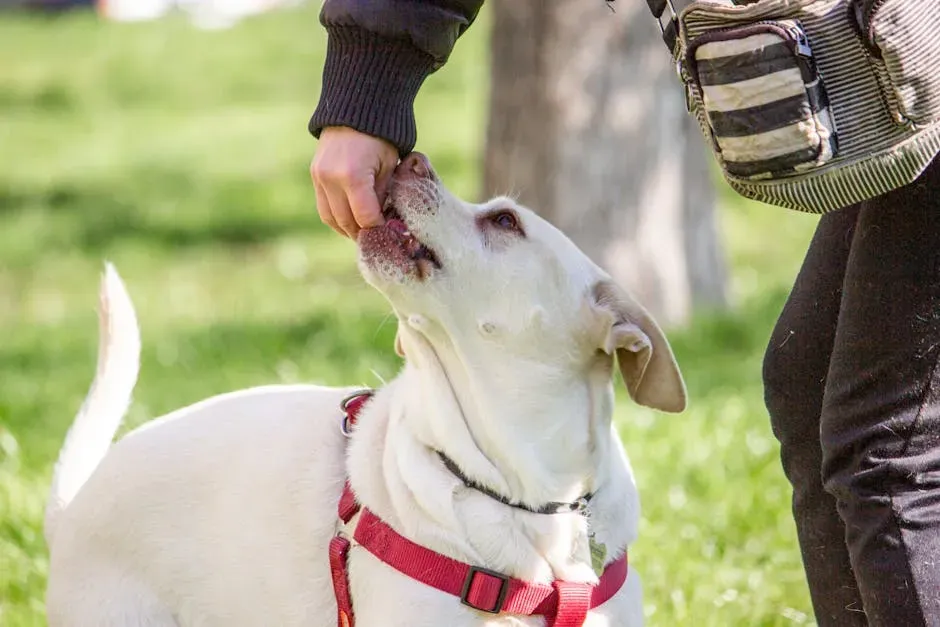
The way you communicate with your dog inside your home sets the emotional tone of their entire day. Positive reinforcement training is one of the most effective methods for teaching your dog good behavior. When your dog follows a command or displays desirable behavior, reward them with good treats, praise, or affection. This encourages them to repeat the behavior and reinforces your bond.
Avoid using punishment, as it can lead to fear and anxiety, which may result in behavioral issues such as aggression or withdrawal. The alternative is not weakness. It’s science. Positive reinforcement training is a scientifically proven method that rewards desired behaviors to encourage their repetition and ignores what your dog does wrong. This method highlights and rewards what they do right.
Training is a phenomenal way to mentally stimulate and exhaust your dog. It also teaches them all sorts of new tricks. Dogs like to know the rules of a household, and training not only bonds them with you, but also makes them feel more secure at home. Even just 5 to 15 minutes of training exercises a day can be exhausting for your dog. Short, consistent sessions beat long, irregular ones every single time.
Prioritize Restful Sleep With the Right Environment
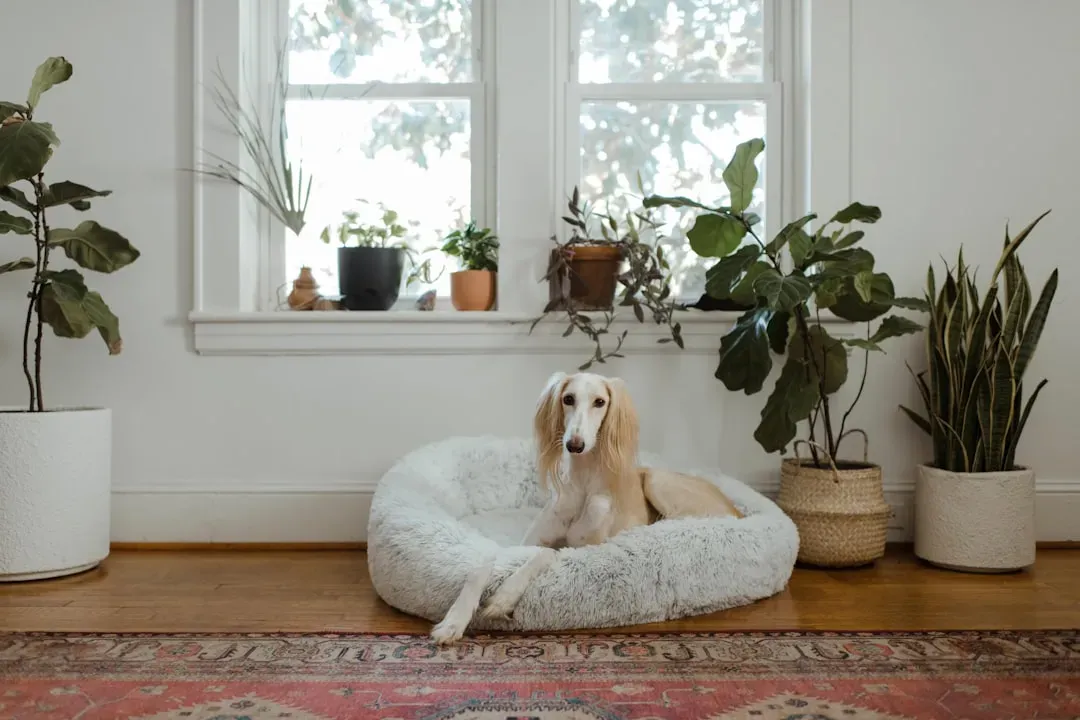
Sleep is a surprisingly underrated part of your dog’s health picture. Dogs typically sleep between 12 and 14 hours a day. Puppies, senior dogs, and larger breeds may need up to 18 hours of rest daily. If your dog seems to nap constantly, that’s not laziness. Their bodies need that rest to support brain development, immune function, learning, and overall well-being.
The quality of sleep matters as much as the quantity. Research published in Scientific Reports shows that poor sleep in dogs increases anxiety-like behaviors. It also has the potential to decrease cognitive performance and is often associated with depressive states. Watch for warning signs: dogs who pace, whine, bark, pant, repeatedly change positions, or wake frequently may be having trouble settling comfortably.
To help them sleep better, pay attention to the setup. Invest in a supportive orthopedic dog bed to cushion joints and relieve pressure. Whether your dog is a senior or an active pup, the right bed can make a world of difference. Turning off the TV earlier, lowering voices, playing calming music, and even dimming overhead lighting in the hour before bed helps your dog understand that the household is transitioning into bedtime.
Keep Their Living Space Clean and Health-Supportive
A clean home isn’t just about appearances. For your dog, it’s a direct health matter. Cleanliness is crucial when it comes to creating a safe and comfortable home environment for your dog. Regular cleaning helps prevent the spread of germs and diseases, and ensures that your furry friend is living in a healthy space.
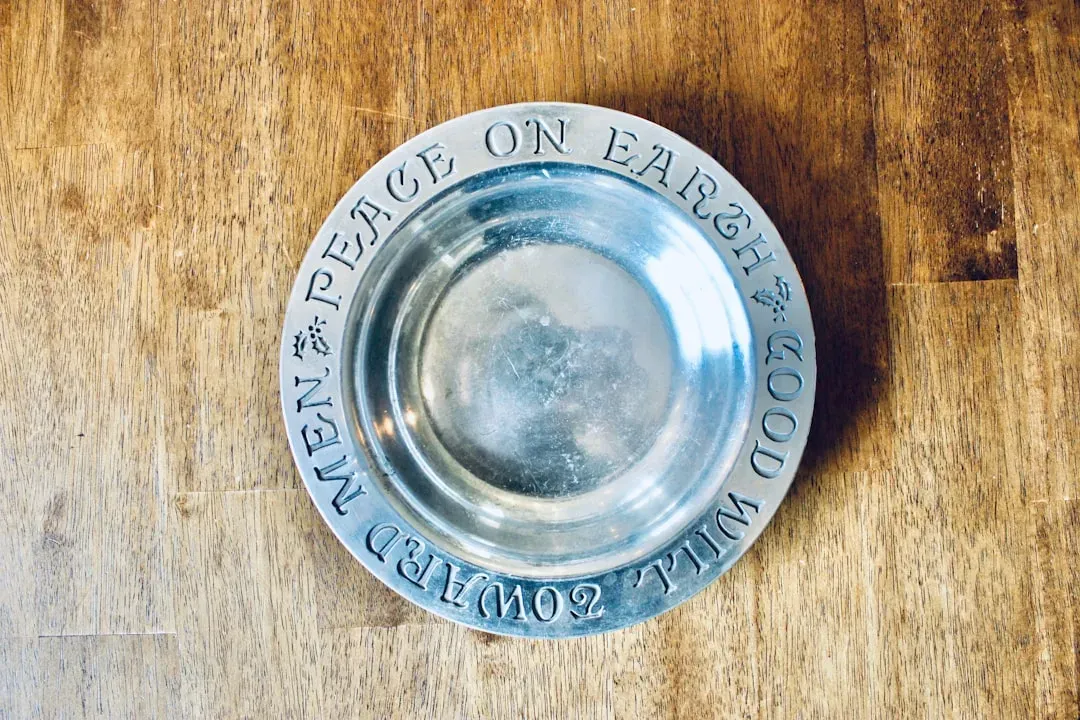
Regularly clean your dog’s bed, toys, and food and water bowls to prevent the accumulation of bacteria and unpleasant odors. This not only promotes a hygienic living space but also contributes to your dog’s overall health and comfort. Stainless steel water bowls are worth considering specifically because, as noted by pet health experts, stainless steel bowls resist scratching and won’t harbor bacteria the way plastic does, and should be sanitized daily with hot, soapy water.
Don’t overlook parasites either. Parasites such as fleas and ticks can pose a threat to your dog’s health and well-being. Regularly inspect your dog’s fur and living area for any signs of pests, and take preventive measures to keep them at bay. Implementing a flea and tick prevention plan, such as using topical treatments or collars, can help protect your dog from these harmful parasites. Your vet is your best resource for choosing prevention methods that fit your dog’s age and health status.
Invest in Socialization and Quality Time Together
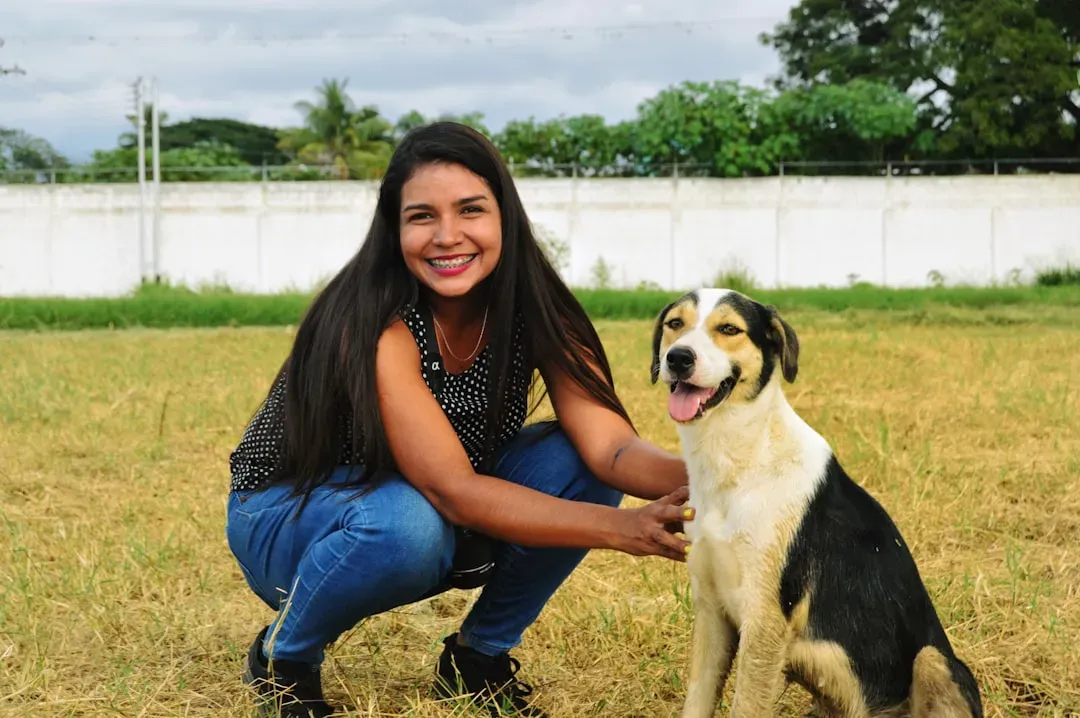
Your presence is, genuinely, the most enriching thing in your dog’s life. Your presence is actually the most stimulating thing in their life. Spending quality time bonding is vital for their long-term happiness. That doesn’t always mean structured activities. Sometimes it’s just sitting on the floor together, or letting them follow you around the kitchen while you cook.
Beyond daily bonding, intentional socialization shapes how your dog moves through the world with confidence. Proper socialization is crucial to ensuring your dog feels comfortable around different people, animals, and environments. A well-socialized dog is less likely to develop behavioral issues such as fear or aggression. Socialized pets are less likely to develop anxiety and fear-related behaviors. Exposure to various situations helps them build confidence and teaches them to navigate unfamiliar environments without stress.
Understanding your dog’s body language and using positive reinforcement techniques are important steps to building trust and communication. Routine activities like grooming, walking, and playing can strengthen your relationship with your dog. The bond you build through these consistent, everyday moments is what makes a house feel, to your dog, like something worth coming home to.
A Final Thought

Creating a paradise for your dog doesn’t require a renovation budget or a dedicated dog room with its own Netflix subscription. It requires attention. It requires learning to read the subtle signals your dog gives you every single day, the restless circling, the unprompted zoomies, the way they gravitate toward the corner of the couch when things get noisy.
Your dog doesn’t need a perfect home. They need a safe one, an enriching one, and most importantly, a home where they feel seen by the person they love most. That person is you. The good news is that most of what they need, you can start giving them today, right where you are, with what you already have.


