
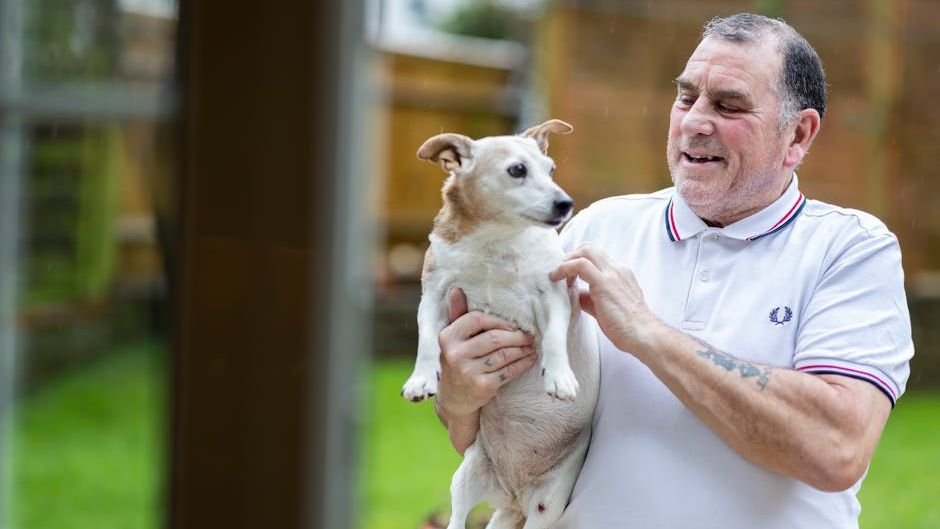
There’s something that happens when a dog gets older. The zoomies slow down. The barking softens. The chaos of puppyhood fades into something quieter, something that sits closer to the bone. Most people notice these changes and feel a pang of sadness, as if the best years are somehow behind them. They’re not. They’re just different now, and in many ways, richer.
An old dog has lived a life with you. They’ve watched you sleep, heard you cry, sat with you through ordinary Tuesday afternoons that neither of you will remember but somehow both of you carry. The love they show at ten or twelve is not the same love they showed at two. It’s been refined. It knows you. And if you slow down enough to recognize it, it’ll stop you in your tracks.
The Long, Slow Gaze That Means Everything
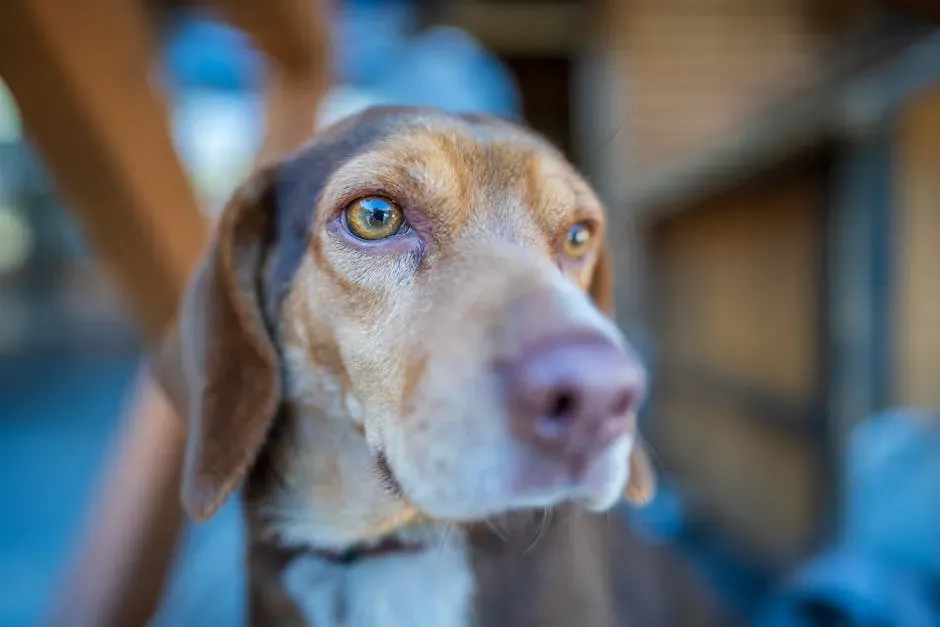
A young dog looks at you constantly, scanning for signals, tracking movement, watching for the leash or the treat bag. An old dog looks at you differently. Direct eye contact from your dog is a very intimate act, one that shows respect, and research confirms that oxytocin, the love chemical, rises in both dogs and humans when they share a kind gaze. In a senior dog, that gaze has an entirely different quality to it.
If you catch your dog looking at you with a “soft gaze,” this is a sign of affection and trust. An older dog doesn’t look at you to see what’s next. They look at you because you are what’s next. That stillness, that unhurried stare, is one of the most honest things a dog can offer. Don’t scroll past it.
The Full-Body Lean
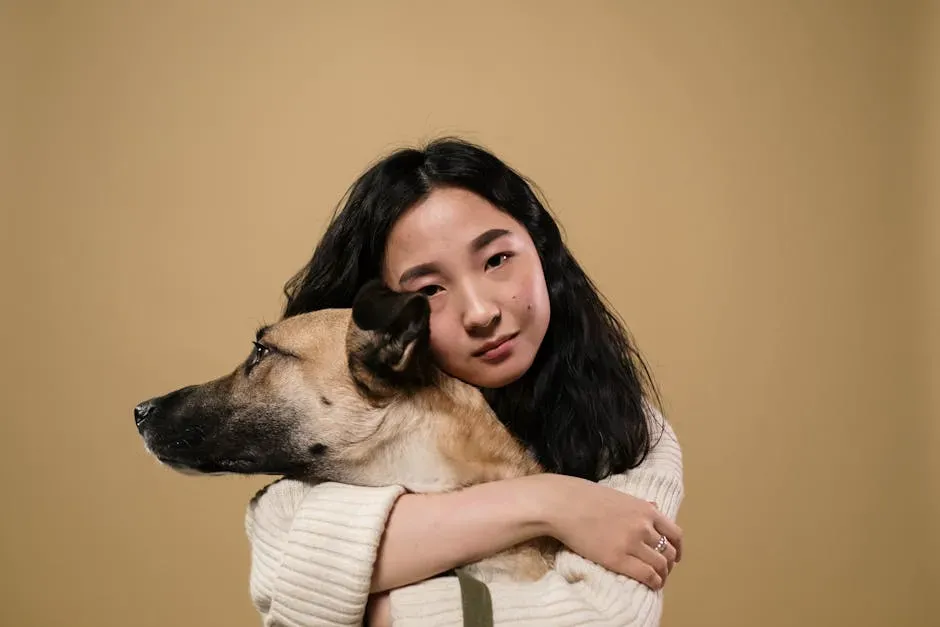
When your dog leans into you, it is a posture of affection, your dog’s way of showing how comfortable they are with you. A full lean is like trying to give you a giant body hug, and it’s also your dog’s way of protecting you. Young dogs lean too, but old dogs do it differently. They’re not excited. They’re grounded.
When your dog chooses to lean into you, it is an ultimate display of trust. They’re physically showing that they feel safe and comfortable with you. It is a very quiet and powerful form of affection. An older dog who presses their full weight against your leg isn’t asking for anything. They’re just telling you they’re glad you’re there. That’s the whole sentence.
Choosing Your Company Over Everyone Else’s
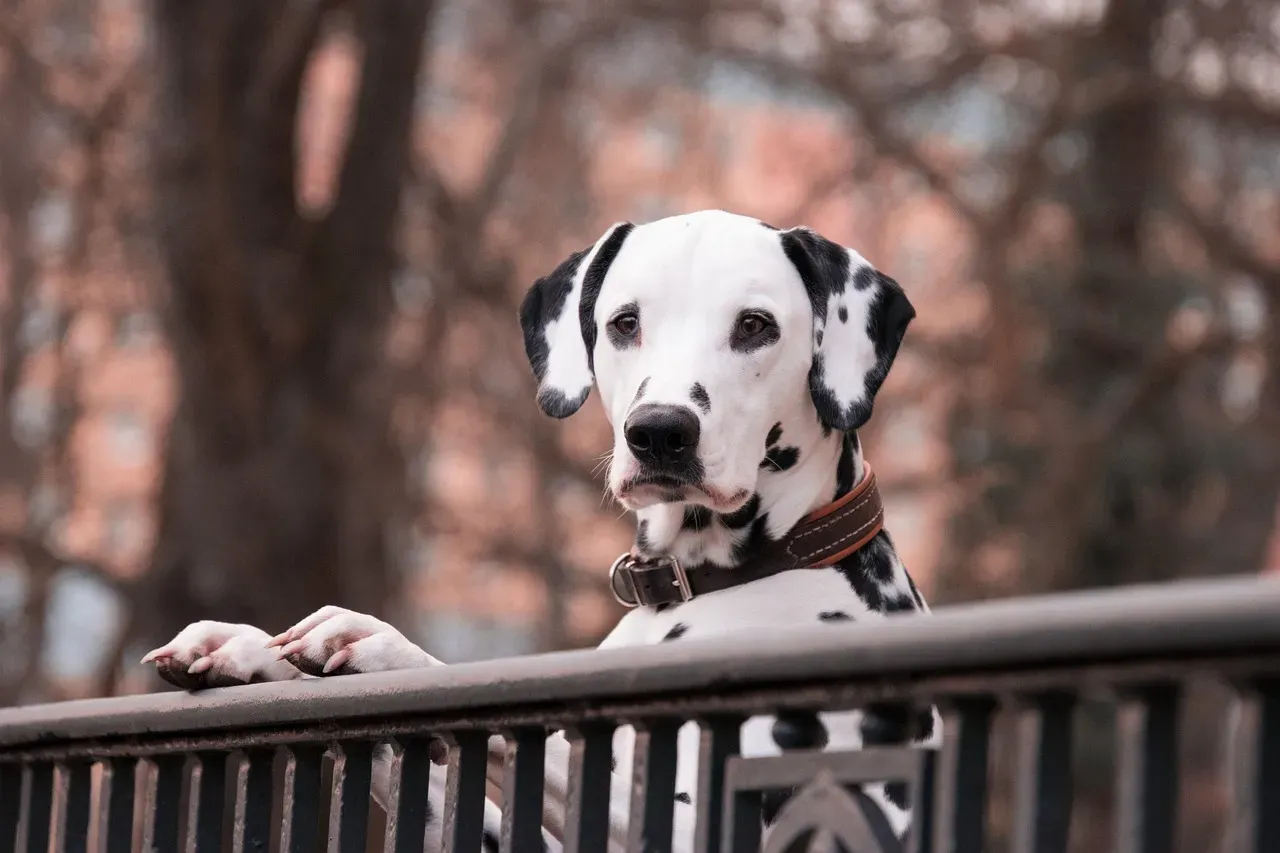
Even in a group of people, a dog that has formed a deep bond with you will often choose to stay close to you rather than interacting with others. They tend to be more relaxed and comfortable when you’re around. Puppies are social butterflies. They bounce toward every new person in the room with the same enthusiasm. An old dog has already made their choice, and that choice is you.
Just because a dog isn’t climbing onto your bed and leaning against you doesn’t mean they aren’t feeling close to you. When your dog makes a simple choice to be in the same room as you and rest calmly, they’re signaling they feel connected to you and that you are their whole world. Pay attention to where your dog plants themselves during a busy family evening. Chances are, they’re within a few feet of you. Always.
The Gentle Nudge of a Grey Muzzle
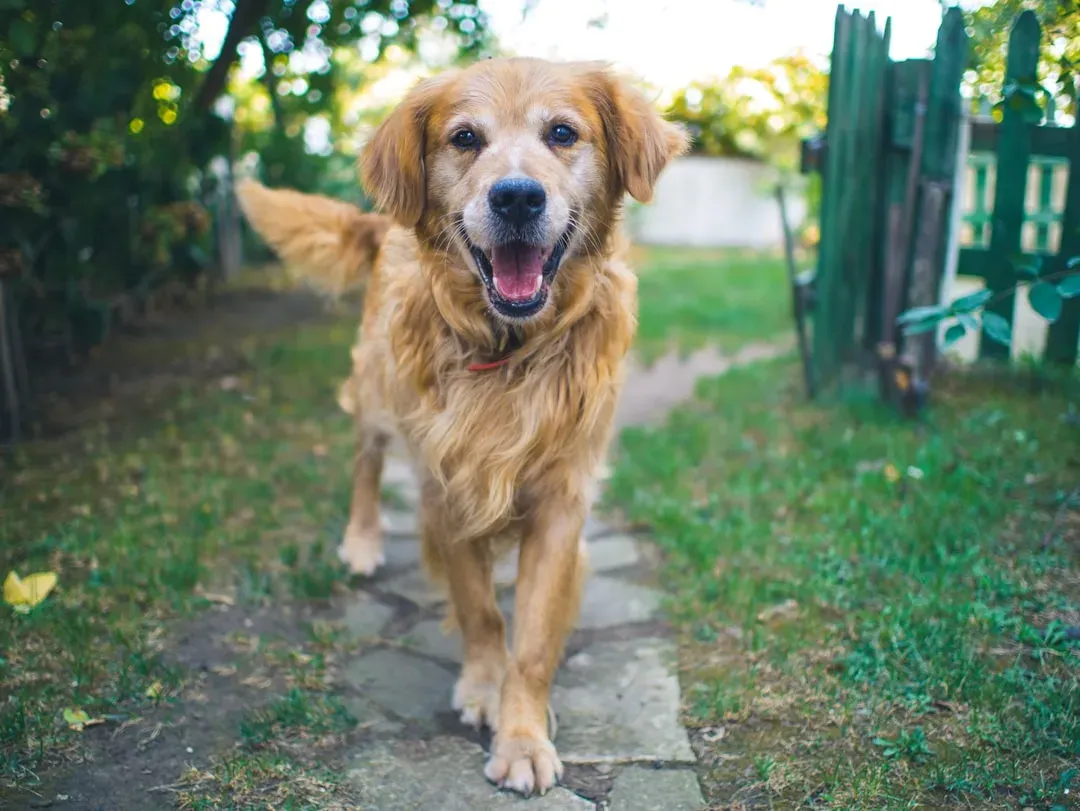
When your dog comes up to you and nudges your arm with their nose, although it is often a plea for attention, it is also a way of saying “I miss you.” Young dogs bark, jump, paw, and spin to get your attention. Old dogs have learned that a quiet nudge says the same thing. It’s subtle. It’s dignified. It’s deeply personal.
A senior dog who noses your hand while you’re typing away on your laptop isn’t demanding. They’re gently reminding you that someone in the room loves you, and that’s always worth pausing for. Your pup is trying to give you a hint that they love you when they nudge your hand, though it’s easy to miss this show of love if you’re distracted. Put down the phone. Let them know you noticed.
The Contented Sigh
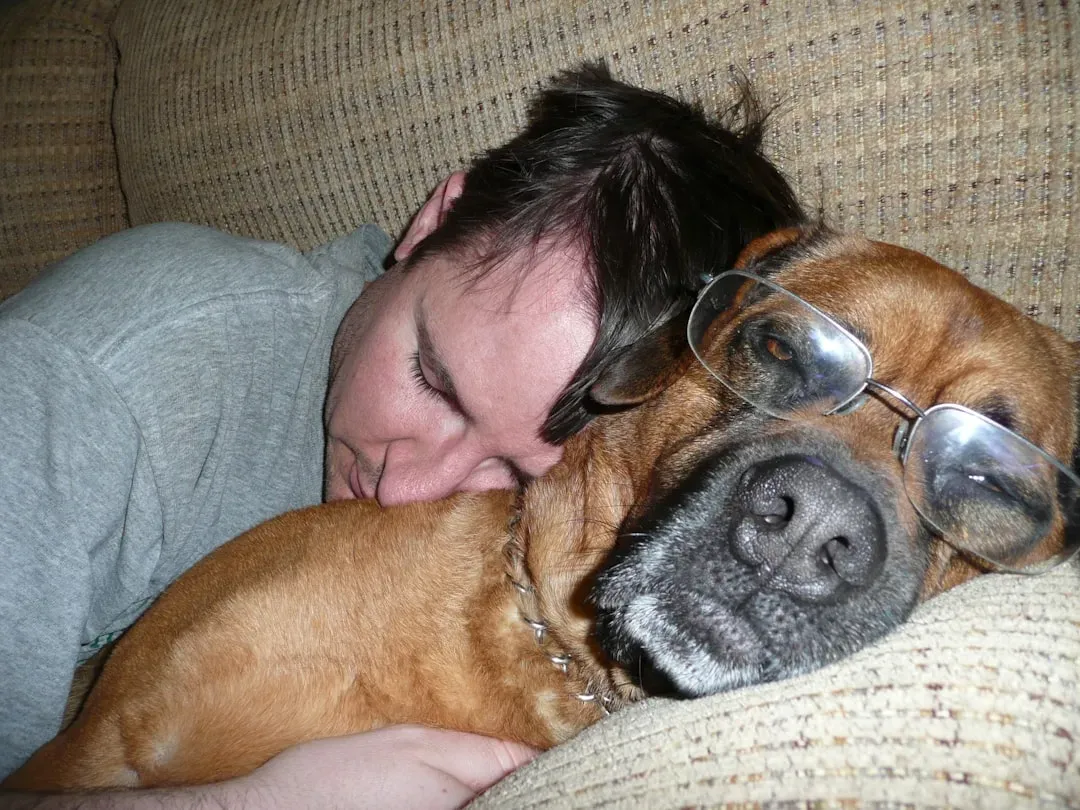
Dogs sigh too, and unlike humans who usually sigh because they are bored or unhappy, dogs sigh to show you how content they are. A young dog sighs when nothing fun is happening. An old dog sighs when everything they need is already present. That sound, that slow exhale as they settle beside you on the couch, is essentially a declaration of complete satisfaction.
Listen for it in the evenings, after a gentle walk, after dinner, when the house goes quiet. That sigh is your dog saying the day was good enough. That you were good enough. It costs them nothing to give it and it shouldn’t cost you anything to receive it. Let it land.
Sleeping Close Enough to Touch
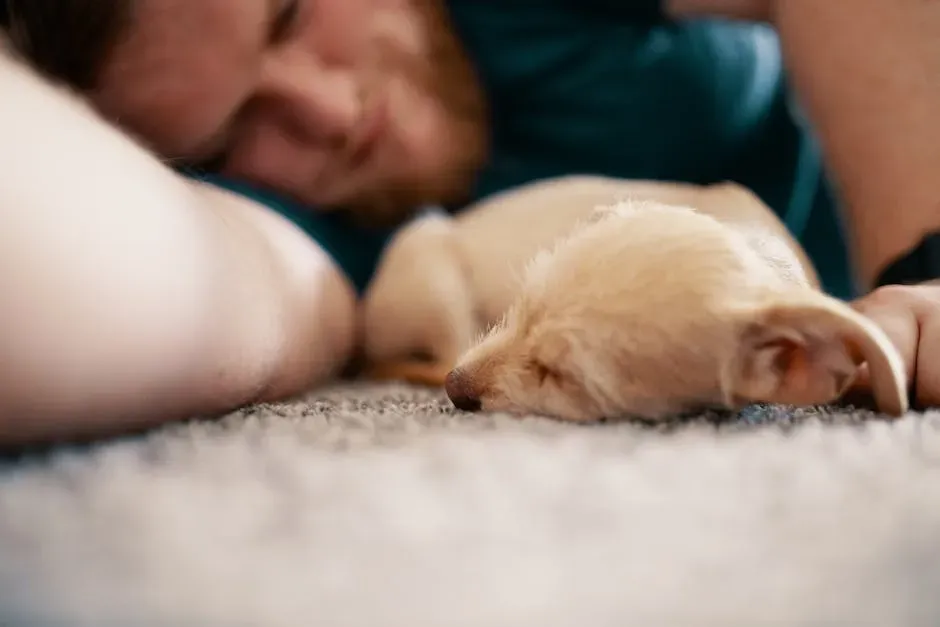
Dogs are most vulnerable when they sleep. Choosing to rest near you, or even touching you while sleeping, means your dog feels protected and secure. It’s a quiet but meaningful sign of love and trust. A young dog often crashes wherever is most comfortable. An old dog makes a deliberate choice. They want to feel you breathing. That is not a small thing.
There’s a reason why older dogs like warm, cozy beds. It’s not as easy for them to regulate body temperature as they age. Helping your dog keep their body temperature up will help minimize joint and muscle stiffness. If your senior dog is choosing to curl up against you specifically, treat it like the honor it is. Offer a warm, soft orthopedic bed nearby when they can’t manage the jump. They’ll still find a way to close the gap.
Following You Room to Room, Slowly
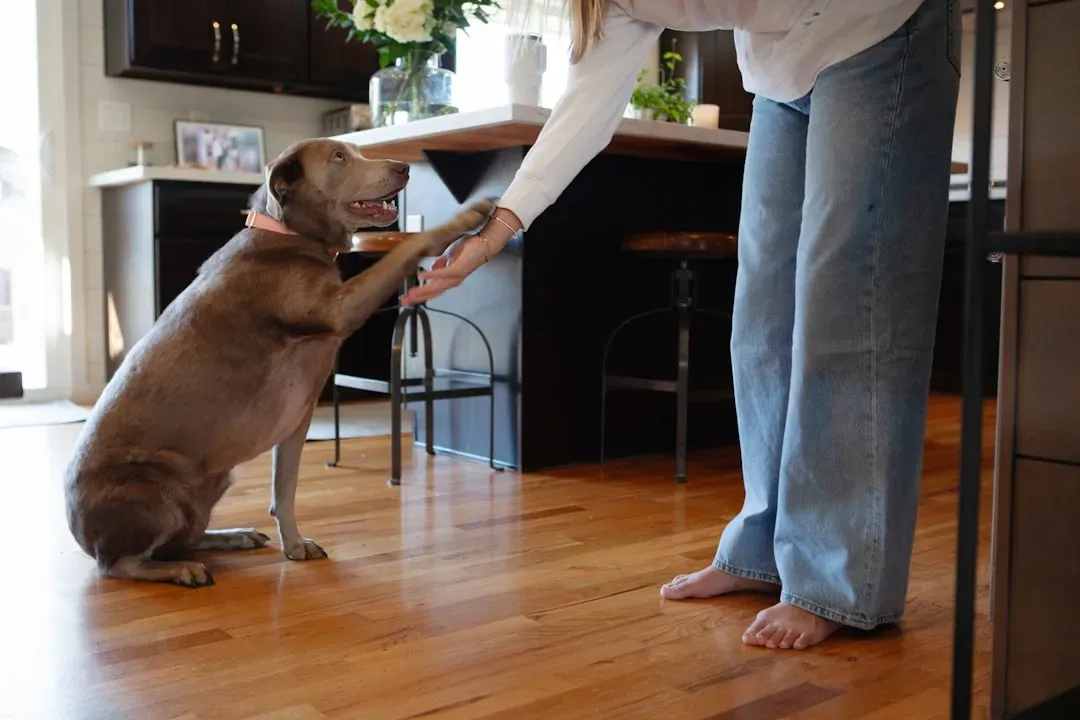
When your dog shadows you around the house, it’s not just curiosity, it’s devotion. Dogs naturally want to stay close to the people they trust most. Following you shows they feel safe, secure, and connected to you. An older dog who follows you from the kitchen to the bedroom, step by careful step, is doing something that costs them real effort. Their hips might ache. Their joints might protest. They come anyway.
This is worth acknowledging. The number one thing you can do is simply continue to show your dog love and patience. Your dog might be struggling with old age, but that doesn’t mean they stopped loving you or need your affection. In fact, they may need it more than ever. Slow your own pace when they’re following you. Let them catch up. That’s the whole point.
Staying Calm When You’re Stressed
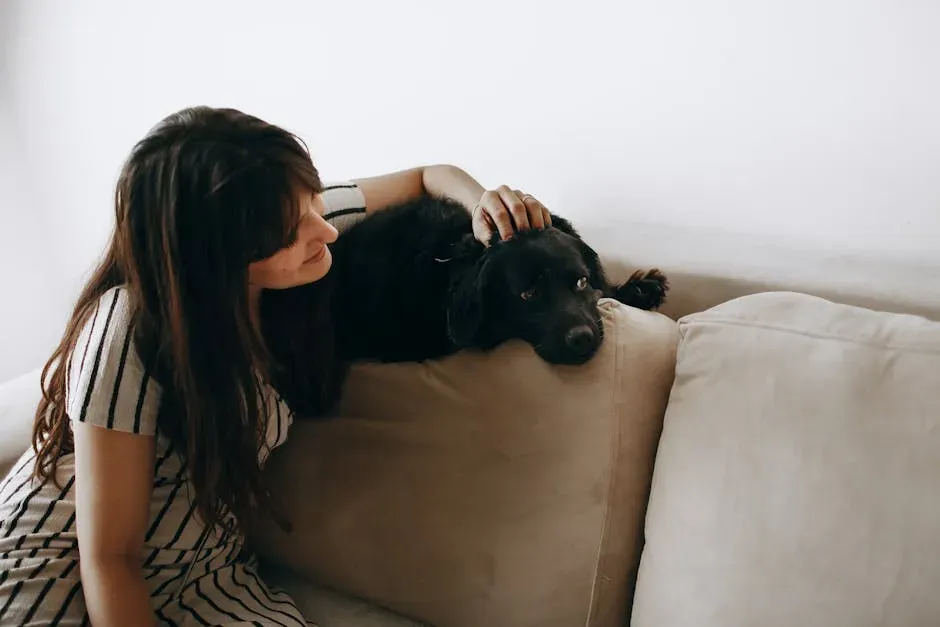
Dogs are incredibly intuitive. If your dog becomes calm when you’re relaxed or tries to comfort you when you’re upset, it shows emotional awareness and empathy. This sensitivity reflects a strong bond and deep attachment. Young dogs often mirror your energy, spinning up when you’re anxious, bolting around when you’re excited. An old dog does something different. They absorb it. They sit closer. They steady you.
Canines are capable of assessing humans’ emotional states, as well as discriminating humans by levels of familiarity. A dog who has known you for years has a read on your moods that’s almost unsettling in its accuracy. When your senior dog drapes themselves across your feet during a hard conversation or rests their head on your knee after a long day, that is intentional comfort. Don’t take it for granted.
Greeting You Slowly But Steadily
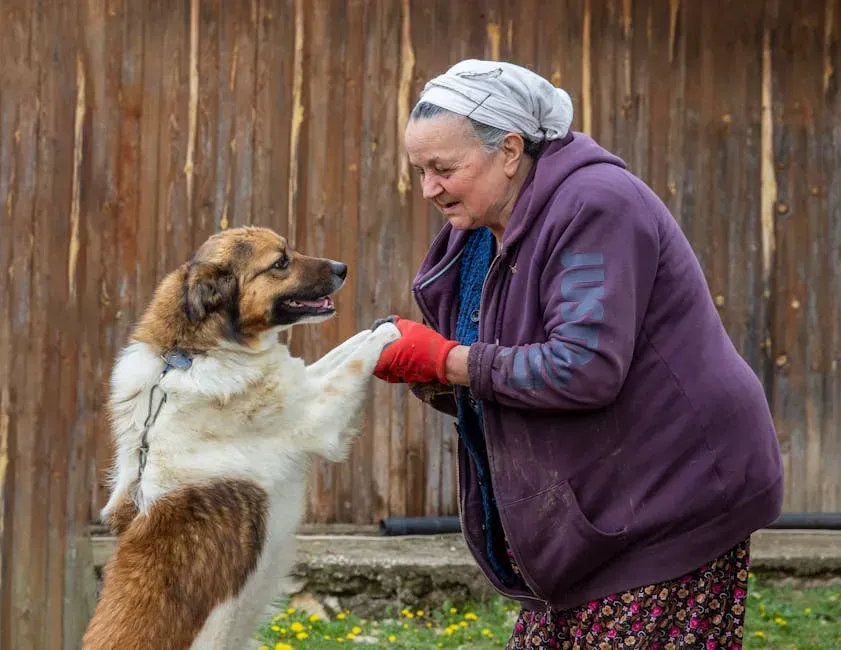
Young dogs launch themselves at the front door like rockets when you get home. Senior dogs greet you differently. When your dog greets you with that slow, steady, purposeful approach when you walk in your front door, it is a beautiful show of affection. The pace has changed, but the intention behind it hasn’t. If anything, it’s become more deliberate.
While big, joyful greetings are a hallmark of dog behavior, don’t be offended if your dog takes a gentler approach to welcoming you home. It actually doesn’t mean your dog doesn’t like you. An old dog who lifts their head, wags their tail slowly, and makes their way across the room toward you is giving you everything they’ve got. Meet that with the warmth it deserves.
Seeking Out Your Scent and Your Spot
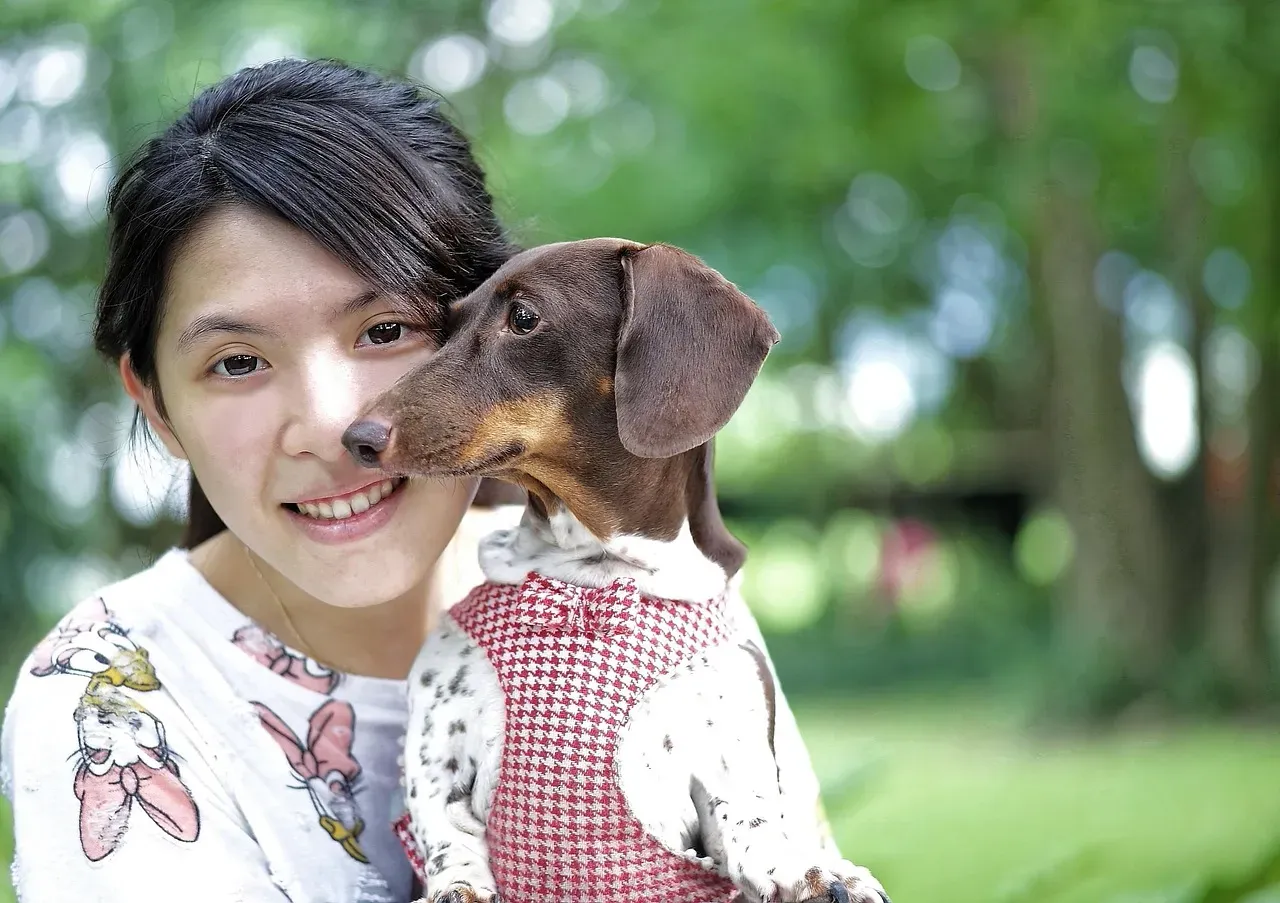
Have you ever noticed your older dog gravitating to your side of the bed, your favorite chair, the spot on the couch where you usually sit? Senior dogs know what they like and what they don’t, and they seek out their preferences: specific people to cuddle, places to nap, toys to chew. They’re often calmer and wiser. Your scent is one of their strongest anchors.
Psychologists believe the relationship between human and canine is a bidirectional attachment bond that resembles a typical human caretaker and infant relationship. Dogs display proximity-seeking behavior, where they seek out their caretaker as a means to cope with stress. For a senior dog, your smell and your presence are genuine sources of calm. They’re not just comfortable around you. They’re regulated by you.
Trusting You Through Discomfort
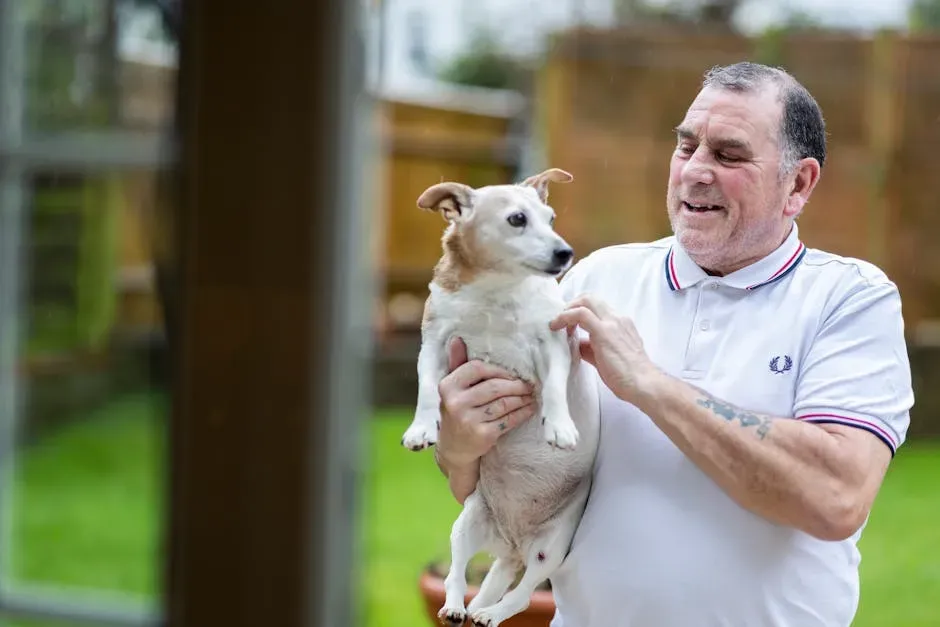
Some senior dog behavior changes are natural signs of old age, while others may signal underlying health issues or require professional intervention. When an older dog is in pain or confused, the most telling thing they can do is stay close to you. A dog that would ordinarily be stoic about discomfort will seek you out when their body is struggling. That’s trust, not dependency.
She still looks for me. She still leans into me. She still trusts me. The love is deeper now. Watch for subtle signs of pain in your senior dog: reluctance to move, changes in posture, stiffened gait, or withdrawing from activities they used to enjoy. Behavior changes such as sudden aggression, excessive lethargy, or persistent anxiety warrant prompt veterinary attention. Regular communication with your veterinarian ensures early detection and proper management. Showing up for that vet visit is how you love them back.
Responding to the Sound of Your Voice
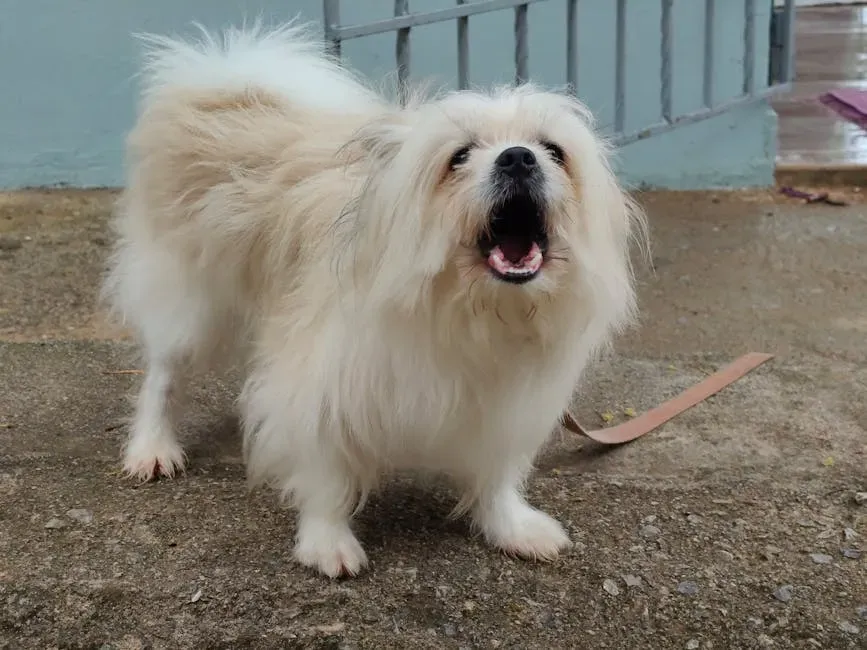
Your dog will perk up or respond when they hear your voice, due to your strong bond, indicating that they recognize and associate it with positive experiences. An old dog, even one with fading hearing, will still react to your specific tone. It might be a slight lift of the head. A slow tail wag. A shift in position. They’re tuned to you on a frequency that outlasts the physical senses.
Dogs love being talked to, even if they cannot understand what you are saying, and keeping up a one-sided conversation with your dog will remind them of something very important: that you are there, that you are not ignoring or forgetting about them. Keep talking to them. Especially when their hearing fades. Your voice, soft and familiar, still means safety. It always will.
Accepting Care Without Complaint
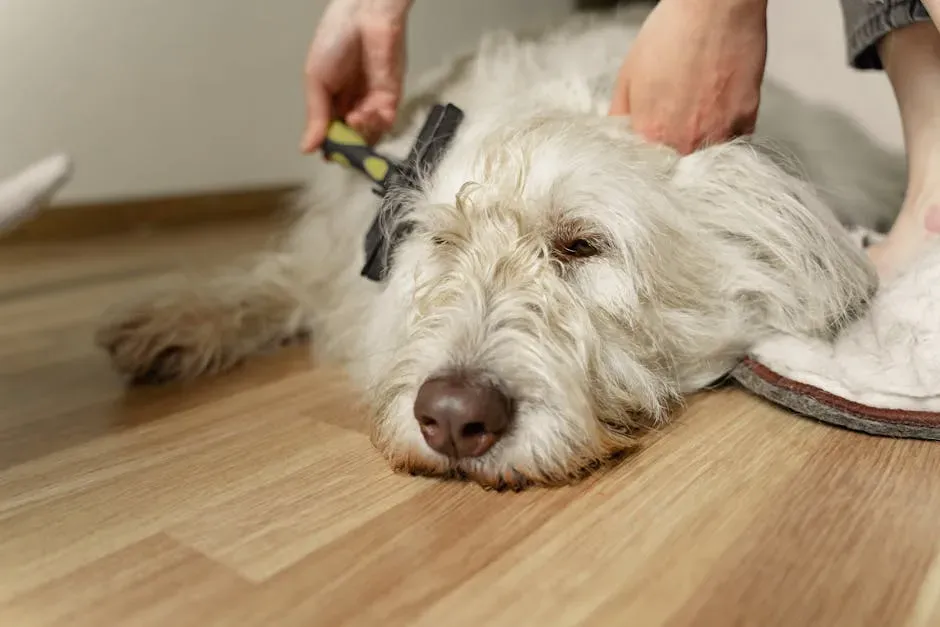
An old dog will let you apply eye drops, adjust their bed, clean their paws, and lift them over a step with a patience that’s almost humbling. Aging changes dogs physically and emotionally, and dogs are capable of extraordinary loyalty, resilience, trust, and love. That willingness to be tended to is its own form of love. They’re letting you in completely.
Older dogs often experience changes in skin, coat, and even their nails, and they need a little extra care in grooming. Make that grooming time slow and intentional. Physical touch is an extremely important way to bond with your senior dog. Petting and grooming are great ways to help strengthen that bond. What feels like maintenance to you feels like affection to them. It’s the same act, just seen from different sides.
Settling Into Your Routine Like a Familiar Melody
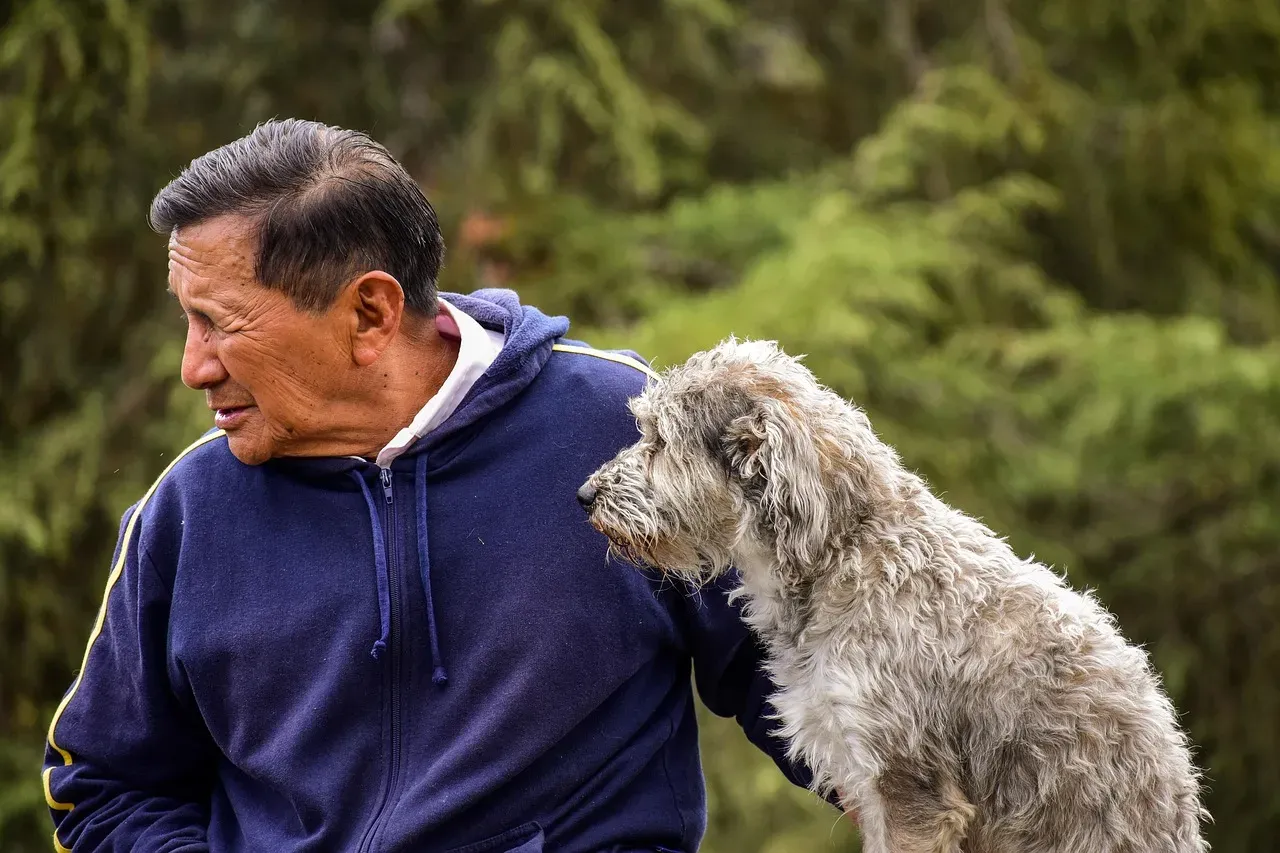
Older dogs often function better with an established, daily routine. Much like people, when dogs age, their senses aren’t as sharp as when they were young. If an older dog is losing their hearing or eyesight, they may be more easily upset by unfamiliar changes and long periods of separation. When a senior dog syncs with your schedule, they’re not just adapting. They’re trusting the rhythm of your shared life.
Establishing a routine for your dog can provide a sense of comfort and familiarity as they learn to adapt to their changing body. Our pets depend on us for everything, including comfort and safety. By feeding, exercising, and caring for your dog on a schedule, you are reinforcing that food, water, and happiness will be available every day. A routine can help take the stress out of their lives because they will learn that they can count on you. That mutual reliability is the heartbeat of a long bond.
Staying Present Without Needing Anything
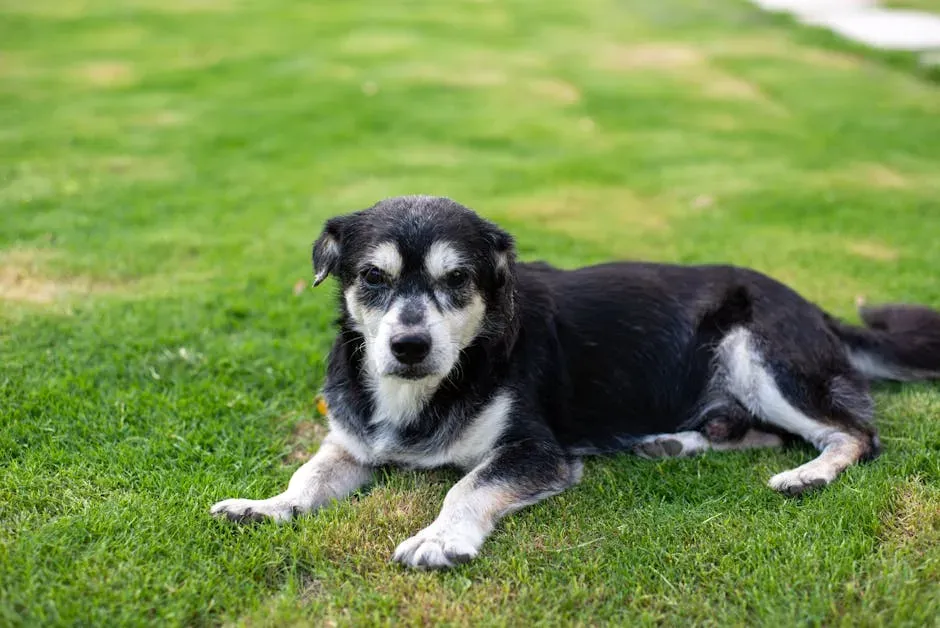
A senior dog might not want to run a marathon alongside you, but they want nothing more than to just be alongside you. This is perhaps the most underrated quality an old dog brings. They’ve moved past the wanting and the needing and landed somewhere far more restful. They just want to exist in the same space as you. That’s the whole love language.
This is the phase of quiet love, when the simple act of lying at your feet is enough to fill the day. Young dogs are constantly reaching toward the next thing: the next walk, the next game, the next treat. An old dog has found something better. A warm floor beside your chair. Your breathing nearby. Enough.
Showing You Patience You Haven’t Earned
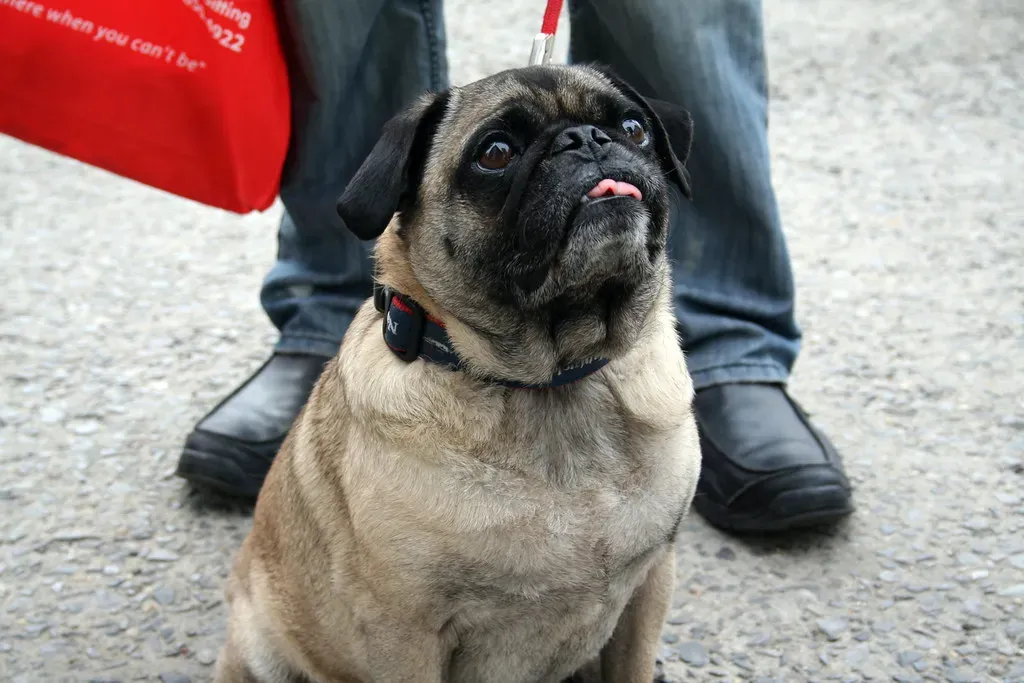
Old dogs are remarkably forgiving. Forgotten walks, canceled outings, days when you were distracted or tired or simply not your best self. A senior dog doesn’t keep score. Throughout their lives, dogs are experts at showing unconditional love and acceptance for their owners. By the time a dog is old, that acceptance has been tested and reinforced thousands of times. It’s structural.
It is important to continue to positively reinforce and praise your senior dog, even if they’ve already mastered their tricks and routines. Dogs thrive on pleasing their owners, and by continuing to reinforce desired behaviors your bond will be even stronger. Give them that same grace in return. They’ve earned the patience of a lifetime. Give them a little of yours.
Loving You More Quietly, and More Completely
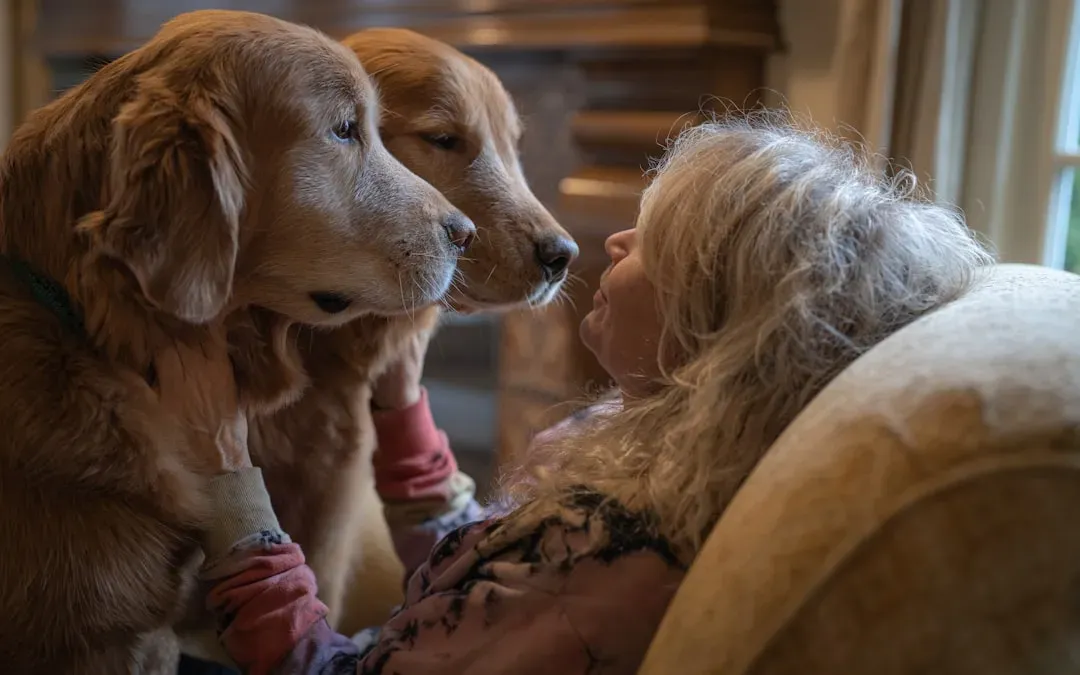
Senior dogs are definitely set in their ways but they enjoy you in a completely different way than they did when they were younger. That difference is maturity. It’s history. It’s the specific shape of a love that has been lived in. Young dogs love loudly and expansively. Old dogs love precisely, with every resource they still have.
Caring for a dog at the end of its life can bring out the best in us. The relationship deepens because both sides are paying closer attention. You notice the small things they give. They notice the small things you do. Bonding is more than just spending time with your dog. It is learning exactly what their body and mind need and providing the opportunity for them to age gracefully and feel their best. That’s the fullest version of loving a dog.
Conclusion: The Gift of an Old Dog’s Love
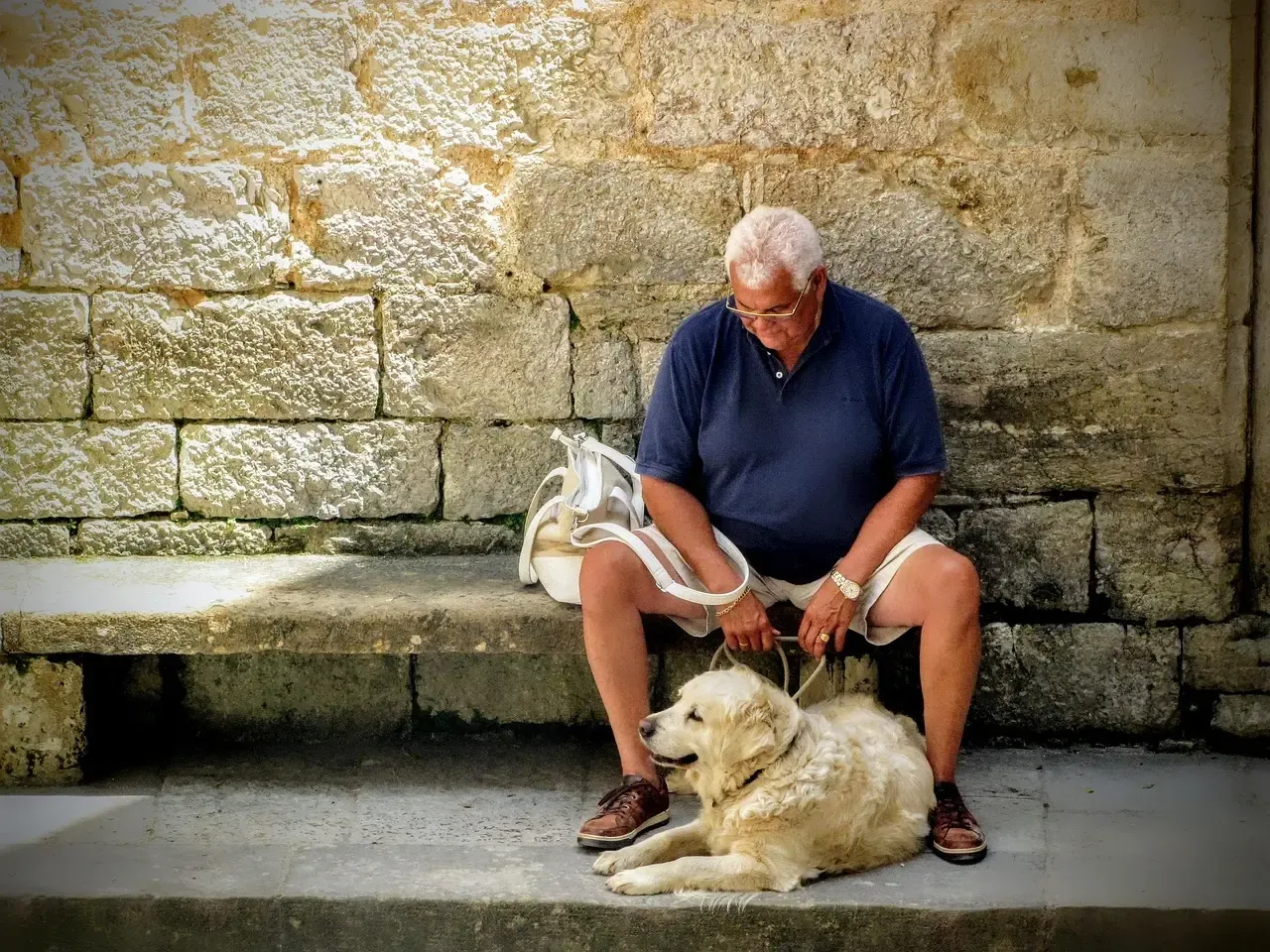
An old dog doesn’t love you less than they did when they were young. They love you differently, and that difference is worth everything. The grand displays have been replaced by steady, quiet presence. The chaos of puppyhood has settled into something you can hold. Something that holds you back.
It’s no longer about big adventures. It’s about small reassurances. If you have a senior dog right now, you are living inside one of the most quietly beautiful seasons of the human-animal bond. Look for ways to make life easier for your pet, whether it’s keeping their food and water bowls in the same place, providing clean, comfortable bedding, or using small ramps and steps to help them get around the house.
The grey muzzle, the slower pace, the sigh at the end of the day: these are not signs of a love that’s fading. They are signs of a love that has arrived. Fully. Completely. At home in you.


