
There’s a quiet conversation happening between you and your dog every single day. It’s not spoken in words, obviously. It plays out in a glance across the room, in the way they press their body against your leg when a stranger walks by, in the calm sigh they let out the moment you settle onto the couch. Dogs are remarkably perceptive creatures, and the bond they form with the people they love is layered with nuance, trust, and deep instinct.
What’s especially fascinating is that when a dog genuinely sees you as their protector, their entire behavior shifts to reflect it. They’re not just living alongside you. They’re orienting their entire world around you. Every small thing they do, from how they sleep to how they greet you after a long day, carries meaning. Once you know what to look for, it’s impossible to unsee it.
1. They Follow You From Room to Room
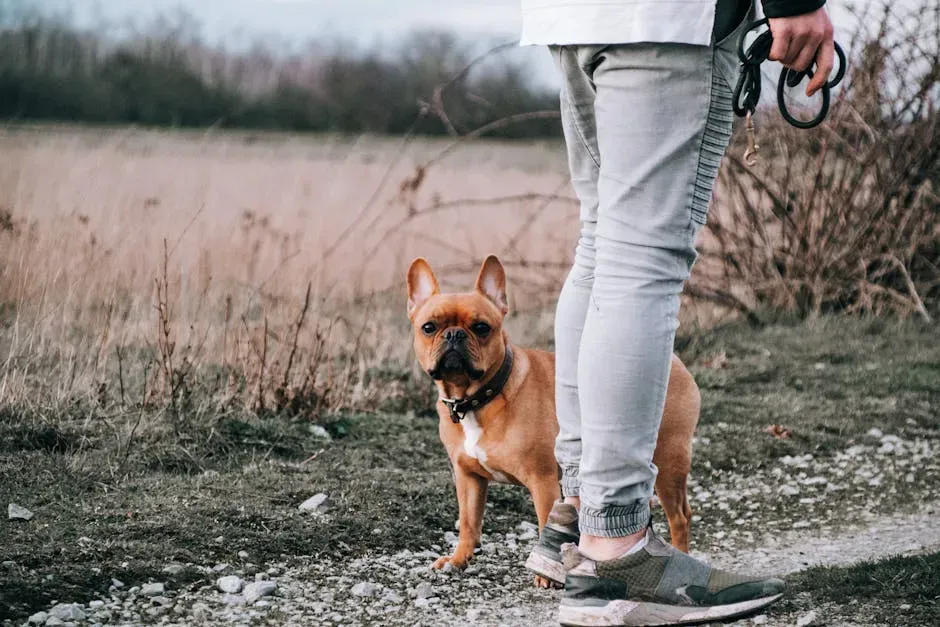
You’ve probably laughed about it, maybe even tripped over them in the hallway. Your dog shadows your every move, from the kitchen to the bathroom and back again. It feels clingy sometimes, but there’s something deeply intentional behind it.
When your dog follows you from room to room, they’re not just curious about what you’re doing. In the wild, pack members follow the leader to stay safe and united, and your dog sees you as the source of protection and guidance, so they instinctively want to be near you. It’s less about dependence and more about loyalty rooted in trust.
A dog following you without being anxious shows that they trust you, are emotionally confident, and feel that they are in a safe environment. A dog that is not anxious is showing that they are comfortable and it is safe for them to be near you. So the next time you have a furry escort to the laundry room, take it as a compliment. They’re not being needy. They’re telling you that you’re worth following.
2. They Run to You When Something Scares Them
Thunderstorms, fireworks, the vacuum cleaner, a sudden car backfire on the street. Whatever triggers your dog’s fear response, notice where they go. If they make a beeline for you, that’s one of the clearest signals of trust a dog can offer.
In moments of fear or uncertainty, dogs often seek out the person they trust most. If your dog comes to you when they’re scared, whether it’s during a thunderstorm or a trip to the vet, they’re showing that they see you as a protector. This is a key trait of pack behavior: the followers look to the leader for safety and reassurance.
A dog that runs to your side during a thunderstorm or fireworks display views you as their ultimate protector. They seek your physical proximity because your presence provides reassurance and safety. Your job in these moments isn’t to dismiss their fear or excessively coddle them, but simply to be a steady, calm presence. That calm is what they’re counting on you for.
3. They Check In With You During Walks
Picture a typical walk in the park. Your dog trots ahead, nose down and tail up, and then pauses to look back at you. Then they head off again, look back again. It looks casual. It’s actually communicating something important.
While out on a walk, if your dog frequently looks back at you to see where you are or what you’re doing, they’re demonstrating respect for your leadership. Dogs that consider their humans to be pack leaders often make eye contact and stay aware of their owner’s movements. This behavior shows that your dog values your guidance and is eager to follow your lead. Checking in with you during walks is a way of saying, “I trust you to guide us.”
When you’re visiting the dog park or out on the trail and your dog frequently pauses to check in with you, you have a strong bond. When you and your dog are having adventures together, it’s easy for your pup to get distracted, but a dog who trusts their person knows exactly who’s at the center of it all. These little glances aren’t random. They’re your dog’s way of keeping you in their orbit.
4. They Position Themselves Between You and Strangers
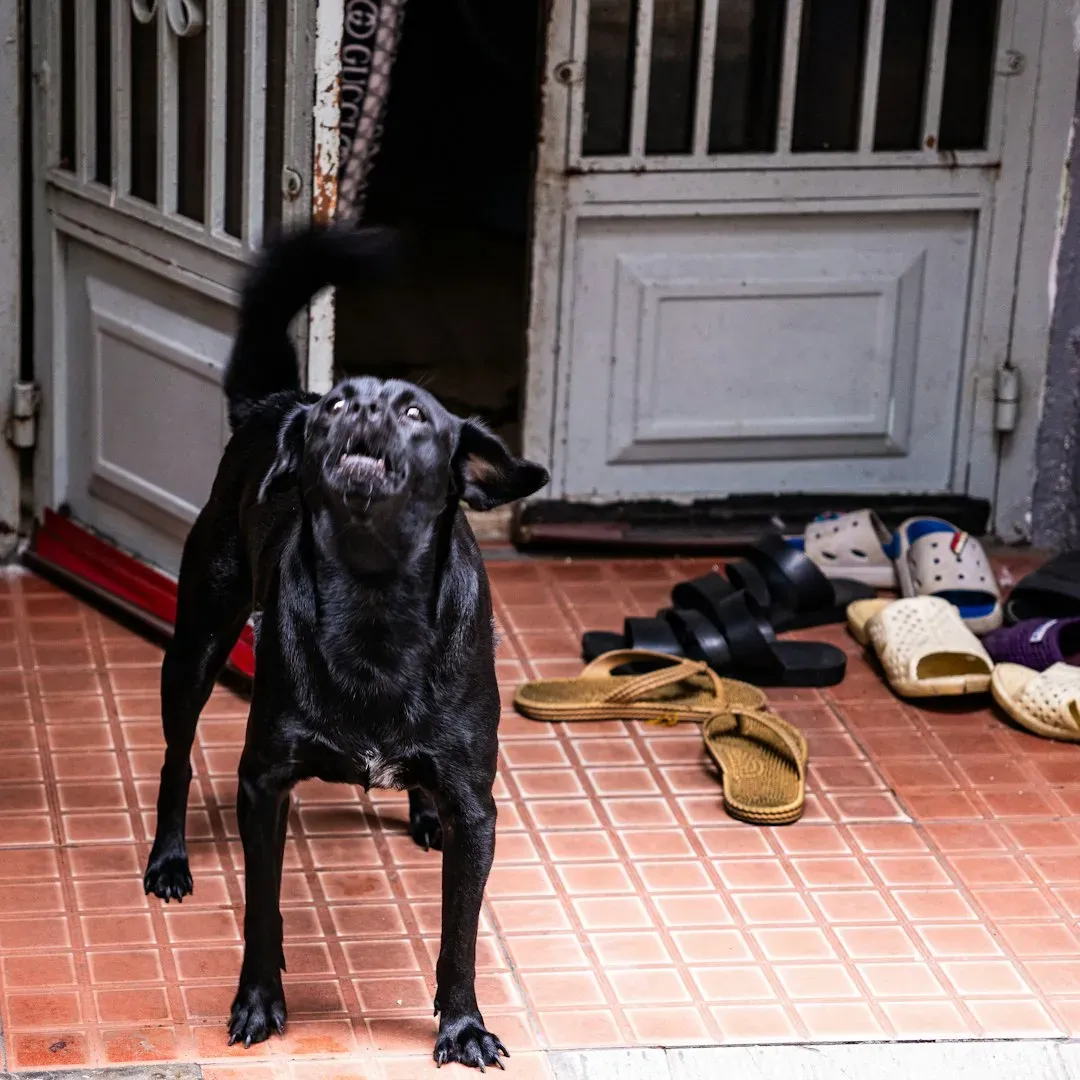
You’re standing on the sidewalk and someone new approaches. Before you’ve even processed what’s happening, your dog has quietly moved to place themselves between you and the newcomer. No aggression, no lunging. Just a calm, deliberate repositioning of their body.
A protective dog often positions themselves between you and what they perceive as a danger. For example, if a stranger approaches you on a walk, your dog might stand in front of you to block access. This isn’t reactive behavior in the negative sense. It’s instinct, strategy, and love all at once.
A dog that exhibits protective behavior without aggression views their owner as a pack leader worth defending. This is not about unnecessary aggression towards others, but a measured response to potential threats, always looking to you for cues on how to react. Such dogs position themselves in a way that they can watch over their owner, subtly ensuring their safety. This protective instinct, coupled with a keen sensitivity to their leader’s reactions, shows a deep bond and respect. It’s one of the most physically visible signs that your dog takes their role seriously.
5. They Sleep Near You or Against You
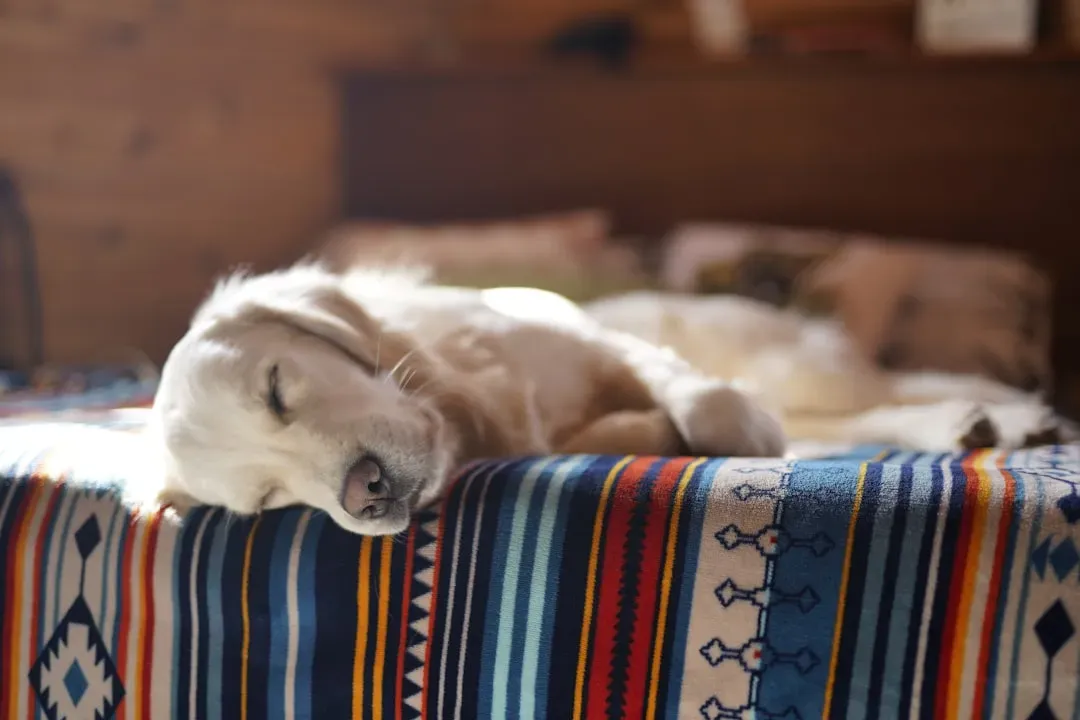
Dogs are most vulnerable when they sleep. The fact that your dog chooses to snooze pressed against your legs, curled at your feet, or tucked beside you on the bed isn’t just about warmth or comfort. It’s a profound act of trust.
Animals and humans are the most vulnerable when they’re asleep. Sleeping in groups is a way of protecting each member. When your dog is nestled up to you in bed, they may feel that you’re watching over them while they sleep, and dogs form packs as a way of sharing the load of protection, so sleeping with you is a way of showing you that you’re part of their pack.
The choice of sleeping location reveals a lot about how a dog views their relationship with you. A dog resting at your feet or right beside your chair is actively choosing to be close to their leader. They are positioning themselves in a supportive role while remaining alert to your movements, and this proximity allows them to feel connected and ready to follow you when you get up. Sleeping nearby is a quiet demonstration of loyalty and respectful companionship.
6. They Look to You Before Reacting to New Situations
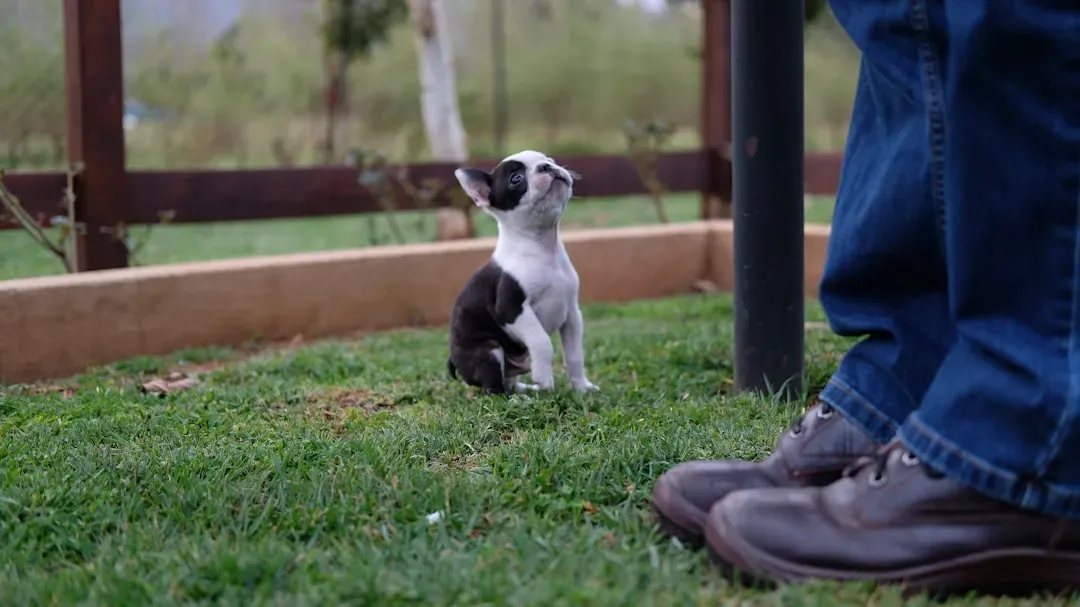
Your dog encounters something unfamiliar. Maybe it’s a weird noise, another dog on the trail, or an object they’ve never seen before. Instead of reacting immediately, they glance up at you first. That tiny pause carries enormous meaning.
In new or potentially stressful situations, a trusting dog will look to their owner for cues about how to react. This “social referencing” behavior shows they value your judgment and rely on you for safety signals. Think of it as your dog outsourcing their threat assessment to you, because they trust your read on the world more than their own initial reaction.
When your dog looks to you in uncertain moments, they’re relying on you to help them understand the world. It’s similar to how a child looks to a parent for reassurance. This shows your dog believes you’ll keep them safe and make the right decisions. Your calm response in those moments genuinely shapes how your dog processes the situation. Stay composed, and you’re actively reinforcing their trust in you.
7. They Greet You With Intense, Joyful Excitement
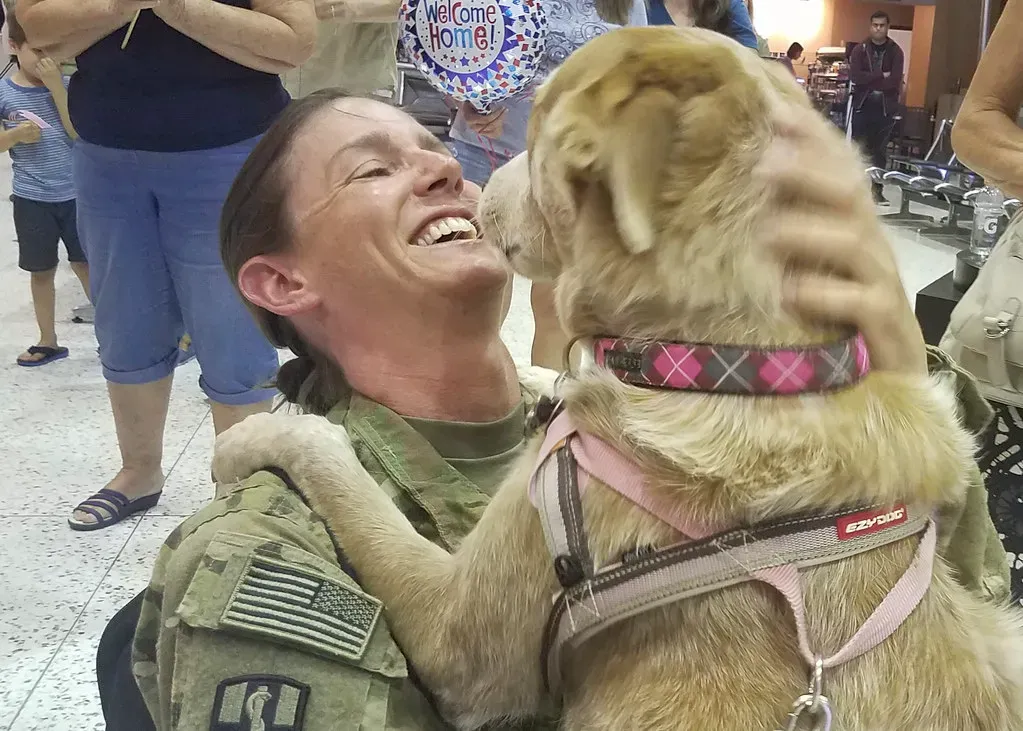
You’ve been gone for an hour. Maybe just thirty minutes. Your dog greets you at the door like you’ve returned from a ten-year expedition. The whole-body wiggle, the spinning, the little yelps of delight. It seems over the top, but it’s rooted in something real.
That little butt wiggle or happy dance your dog does while greeting you when you get home is no accident. It’s a sign that they think your presence is meaningful, and dogs don’t greet everyone this way. If your pup saves this energy just for you, it highlights a strong dog human bond and shows you’re their favorite person.
When your dog greets you like this, it’s because your presence makes them feel safe and complete. They’re not just excited to see you. They’re relieved. Your return closes a loop for them. You are, in their mind, the anchor of their world, and every homecoming confirms that the world is right again.
8. They Willingly Share Their Toys and Resources With You
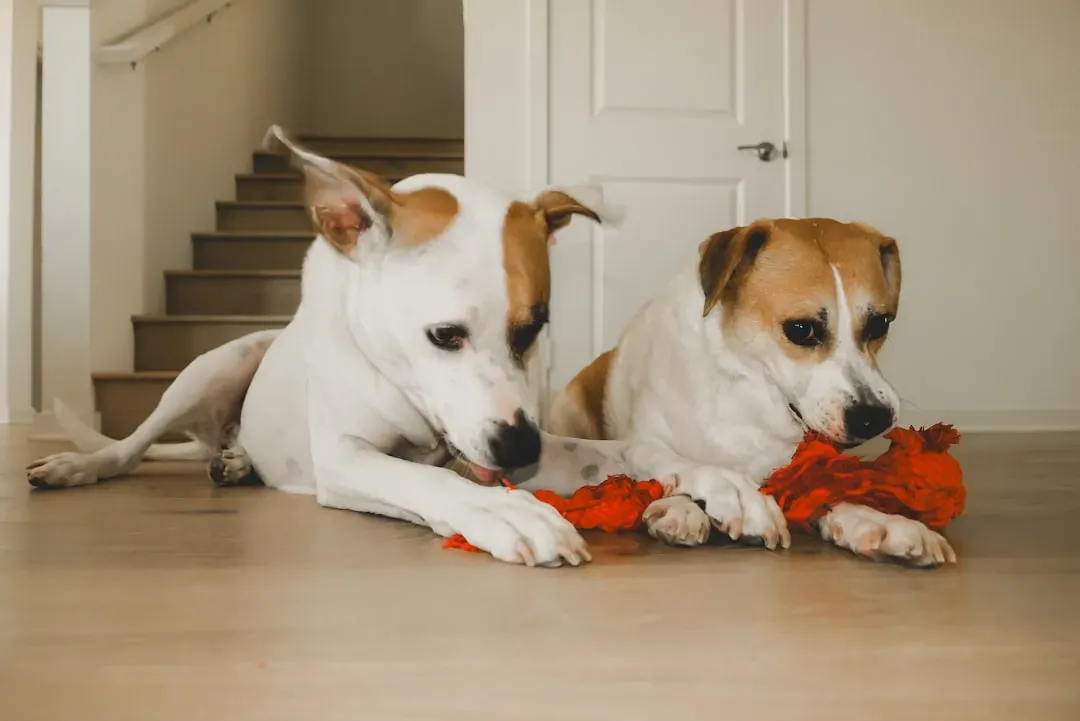
Resource guarding is a real behavior in dogs, and it shows up as growling or stiffening when anyone gets near their food bowl or favorite toy. So when your dog nudges their beloved squeaky toy into your hands or drops their most prized bone at your feet, that’s not a small thing.
Resource guarding, like growling over food or toys, is a way for dogs to establish dominance. If your dog willingly shares their belongings with you or has no problem with you taking their food bowl or favorite toy, they see you as the top dog. A pack leader always has access to resources, and a dog that trusts their human will be comfortable with this dynamic. Dogs that don’t challenge you for resources are demonstrating a high level of respect and trust, signifying that they feel secure in your leadership and don’t feel the need to compete.
Presenting a favorite toy to an owner is often misinterpreted merely as a simple request to play. This action actually stems from an instinctual desire to share resources with a respected figure. The dog is offering you a prized possession as a token of their esteem and submission. They are initiating a cooperative interaction while allowing you to control the flow of the game. Sharing belongings is a fundamental way dogs express loyalty and affection.
9. They Stay Calm and Relaxed in Your Presence
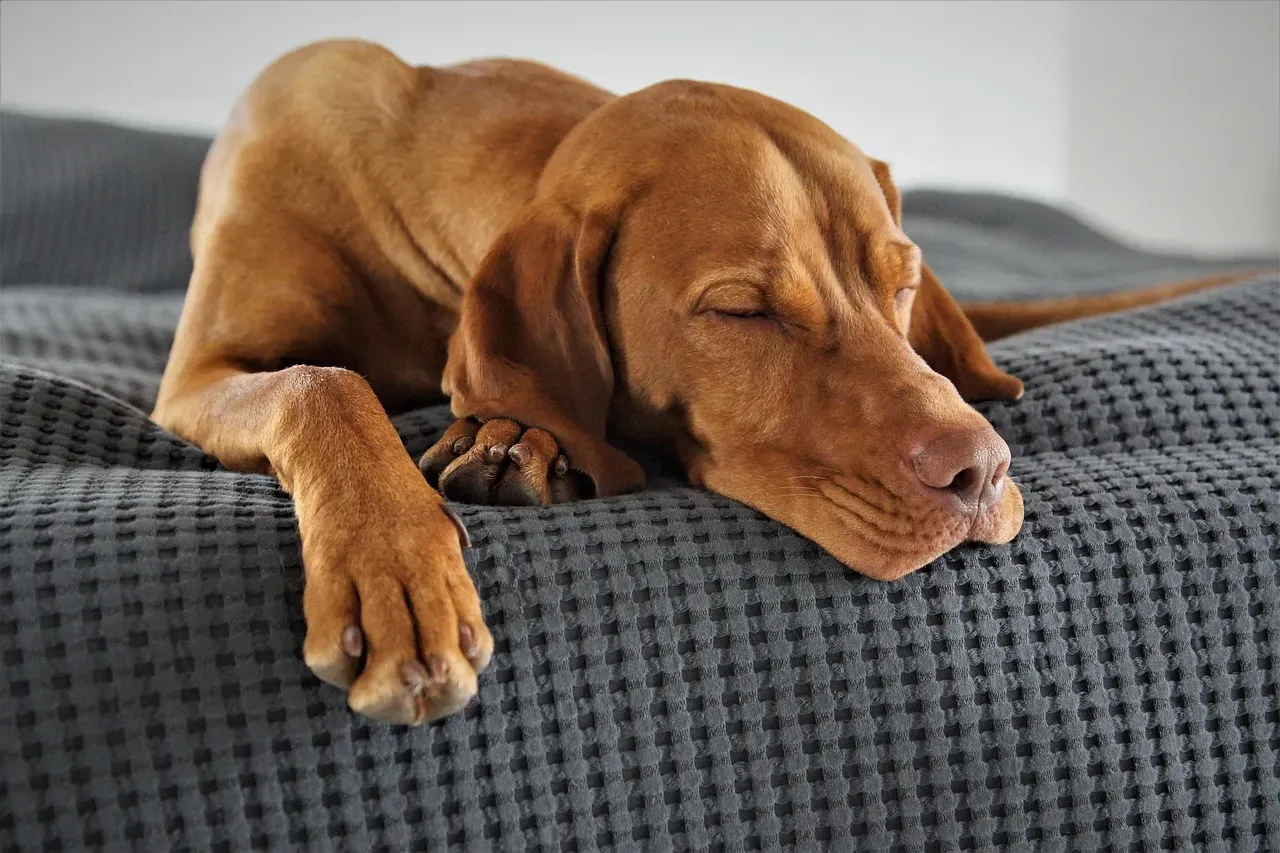
Not every signal of trust comes in a dramatic or obvious form. Sometimes the clearest sign is simply this: your dog is completely, unreservedly at ease when you’re around. Loose muscles, soft eyes, long sighs, belly-up naps. That kind of relaxation is earned, not given.
A relaxed body posture is one of the clearest signs your dog trusts you. When your dog stands or sits near you with loose muscles, a slightly open mouth, and soft eyes, they’re showing they feel safe and comfortable. This is especially meaningful if your dog has a history of anxiety or came from a difficult background.
Trust also impacts your dog’s overall wellbeing. Dogs who trust their owners show lower stress levels, adapt better to changes, and recover faster from scary experiences. They sleep more soundly, eat more consistently, and play more enthusiastically. When you see that full-body exhale and the floppy, sleepy sprawl, understand that you created that. Your consistency, your gentleness, your reliability made that dog feel like the world is safe enough to rest in.
10. They Respond to Your Voice and Emotional State
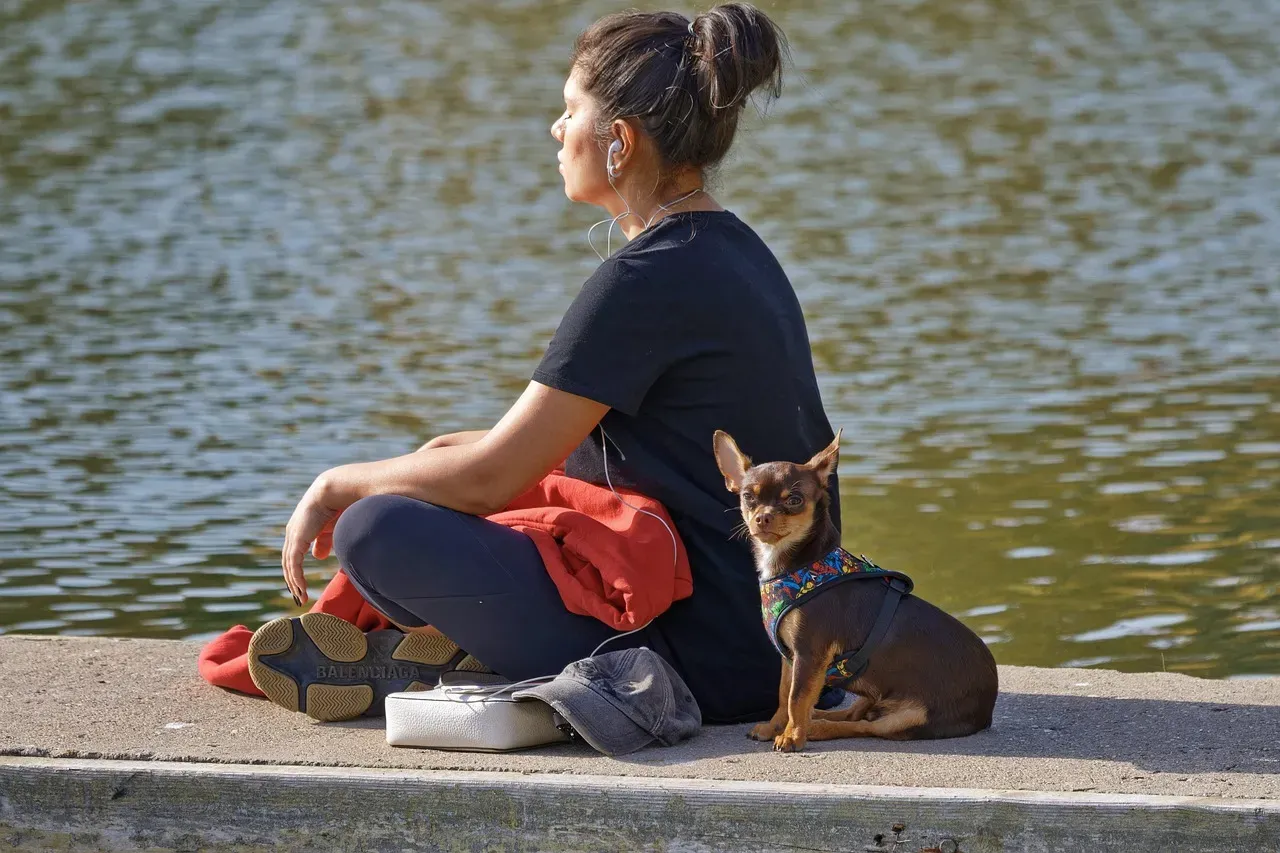
Dogs are remarkably attuned to the humans they love. Your dog may notice a shift in your mood before you’ve even said a word. They pick up on the tension in your shoulders, the flatness in your tone, or the tears you’re trying to hold back, and they respond accordingly.
If you stay calm, they feel safer. If you show concern, they pay attention. This behavior reflects a deep dog-human bond and is one of the key signs your dog feels safe with you. Your emotional state is essentially their emotional weather forecast. They trust your read on things that deeply.
Dogs that perk up, listen, and positively engage whenever you speak signal their confidence in your guidance. Whether you’re giving a command, calling their name from across the yard, or just talking to yourself in the kitchen, a dog who’s tuned in to your voice is a dog who has decided you’re worth listening to. Your dog is “talking” to you all the time, and if you learn what your dog is saying, you will develop a deeper bond of trust and respect. The relationship goes both ways, always.
Conclusion: You Are Their Safe Place
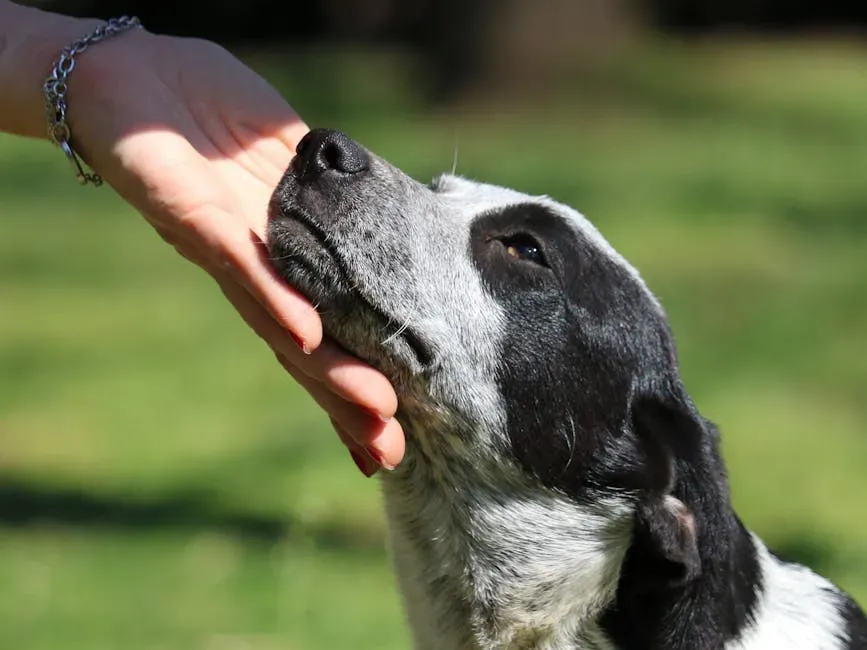
Every behavior on this list points back to one central truth: your dog has chosen you. Not out of obligation, not purely out of habit, but because you have earned a place in their world as someone safe, reliable, and worth protecting. That’s an extraordinary thing when you sit with it.
Trust between you and your dog doesn’t happen overnight. It develops through consistent interactions, clear communication, and reliable care that shows your dog they’re safe with you. The shadow who follows you to the bathroom, the worried glance during a storm, the toy dropped in your lap at the end of a long day. These are not random behaviors. They are your dog’s vocabulary for trust.
Take time to read them. Respond with the same steadiness and care they’re placing in you. Because the relationship you have with your dog, built on protection, mutual respect, and quiet daily love, is one of the most genuinely reciprocal bonds you’ll ever know. Honor it.


