

Picture this: It’s a Saturday morning in a quiet Indiana neighborhood. Kids are playing in a fenced backyard, the scent of cut grass is in the air, and somewhere nearby, a dog is wagging its tail at the sound of a screen door creaking open. That image isn’t just heartwarming – it’s the kind of life thousands of Hoosier families are actively building, and the right dog makes it even better.
Choosing a breed, though, is one of the most important decisions a dog-loving family can make. Suburban life in Indiana comes with its own rhythm: moderate-sized yards, close neighbors, seasonal weather swings from humid summers to cold winters, and households that range from busy young families to quieter empty-nesters. The right dog fits into that rhythm naturally. The wrong one can leave both the family and the dog feeling frustrated. This guide covers fifteen breeds that genuinely thrive in that kind of environment, with honest notes on temperament, health, and what daily life with each one actually looks like.
1. Golden Retriever: The Classic Hoosier Family Dog
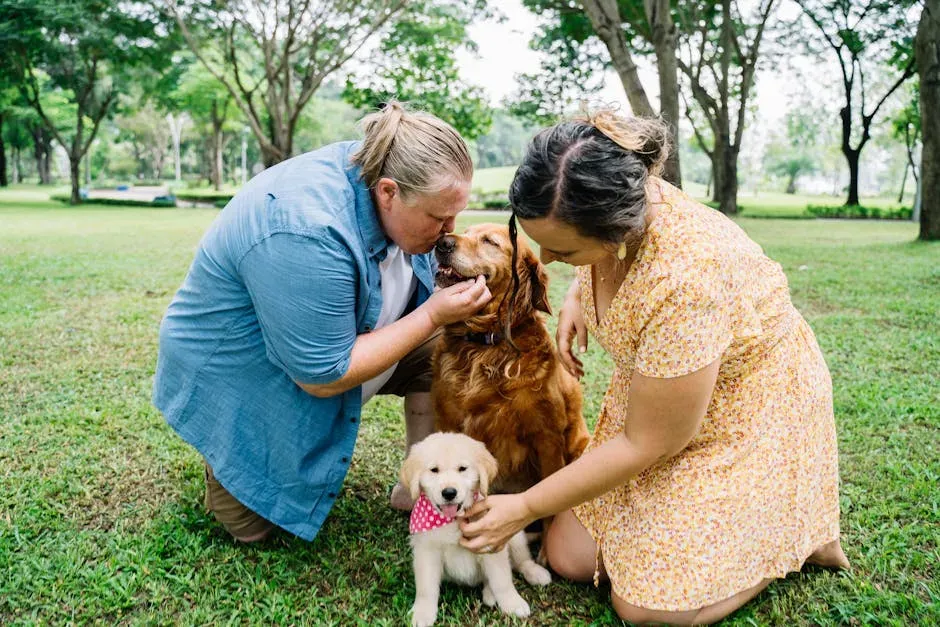
Golden Retrievers consistently rank as top family dogs due to their gentle mouths, patient temperaments, and natural love of children. They’re large enough to handle enthusiastic kids but gentle enough for toddlers. In a suburban Indiana neighborhood, this translates to a dog that can keep up with backyard chaos in July and cuddle up during a February snowstorm without missing a beat.
Goldens need daily exercise and regular grooming, but they’re trainable and eager to please. They typically live ten to twelve years and are prone to cancer and hip problems that families should understand before committing. Watch for early signs like limping, reluctance to climb stairs, or unusual lumps. Annual vet visits and a healthy weight go a long way toward prevention. Keep their coats brushed several times a week to manage shedding, especially during Indiana’s transitional seasons.
2. Labrador Retriever: Energy, Loyalty, and Endless Love
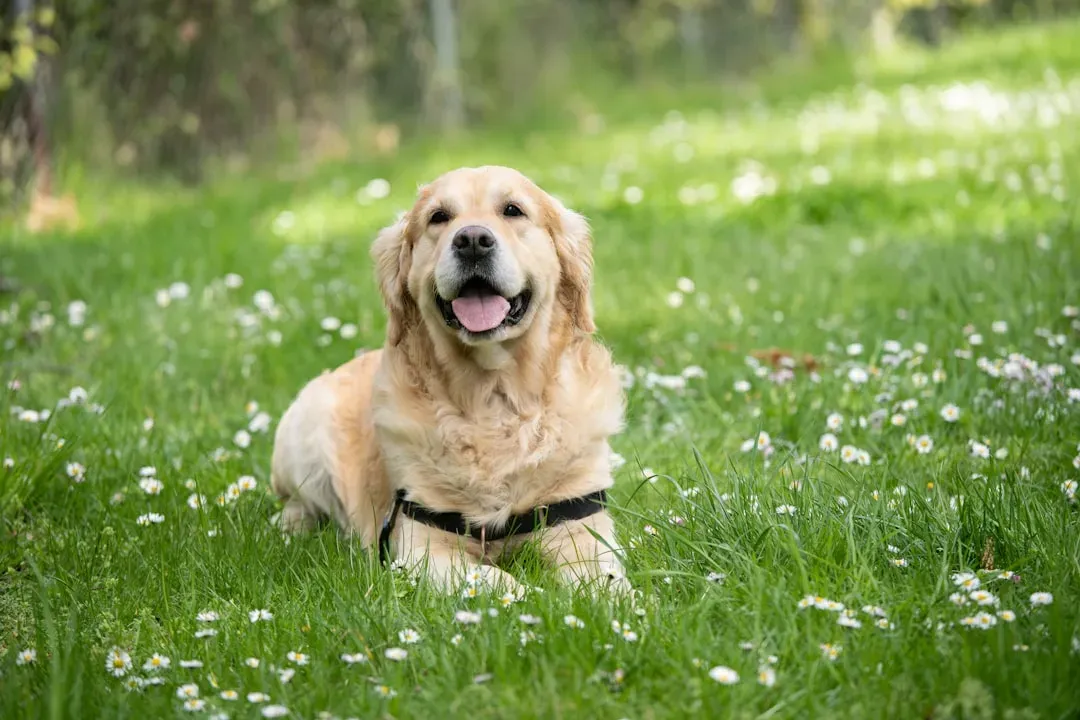
Known for their affectionate and patient demeanor, Labradors excel in homes with kids of all ages. They are highly adaptable and thrive in various environments, from suburban backyards to city apartments. Their intelligence and sociability make them excellent candidates for training and socialization. A Lab in a suburban Indiana home tends to become the unofficial neighborhood mascot within weeks.
Labs come in three colors and two energy levels – English Labs tend to be calmer while American Labs are more energetic. Both types need consistent training to manage their enthusiasm and prevent jumping or mouthing. If you have small children, starting obedience training early is not optional – it’s essential. Before adopting a Labrador Retriever, it is important to note this breed requires a lot of exercise and they do shed, which will require regular cleanup. A daily walk plus backyard play keeps them balanced and out of trouble.
3. Beagle: Indiana’s Favorite Compact Companion
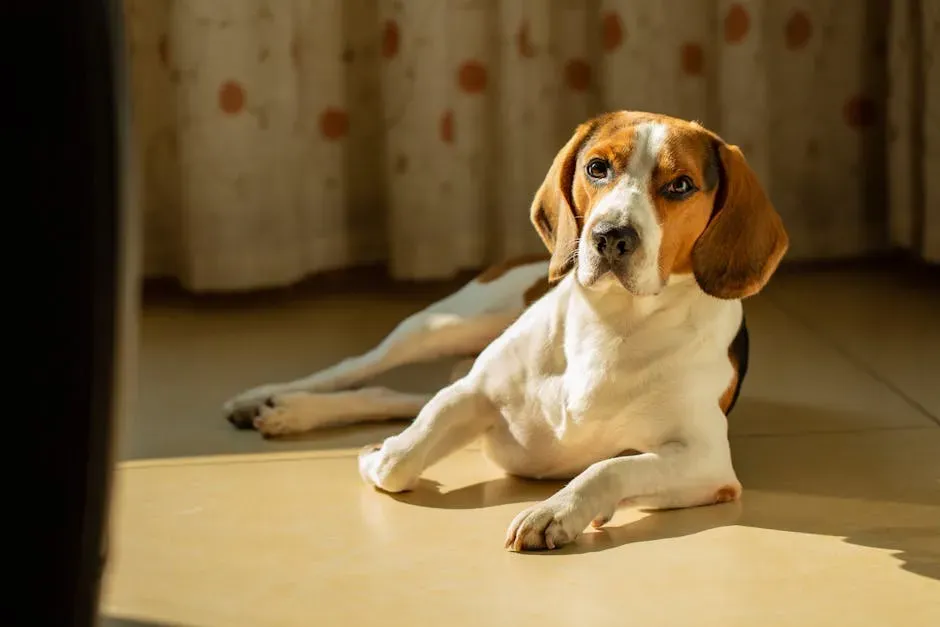
The Beagle is a favorite in Indiana for their compact size and lovable nature. Beagles are naturally pack animals who integrate well into family groups. They’re sturdy, medium-sized dogs with gentle temperaments and natural tolerance for chaos and noise. That tolerance for noise is no small thing in a home full of kids, and it makes the Beagle one of the most forgiving breeds for unpredictable family schedules.
Their hunting background means they have strong noses and may follow scent trails, requiring secure fencing. They can be vocal, which some families love and others find challenging. A Beagle catching a scent at the edge of your yard can disappear before you blink, so a sturdy fence is non-negotiable. Regular grooming and socialization are vital to managing their energetic and sometimes stubborn temperament. Short, consistent training sessions with food rewards work best for this breed.
4. Cavalier King Charles Spaniel: Gentle, Calm, and Deeply Affectionate
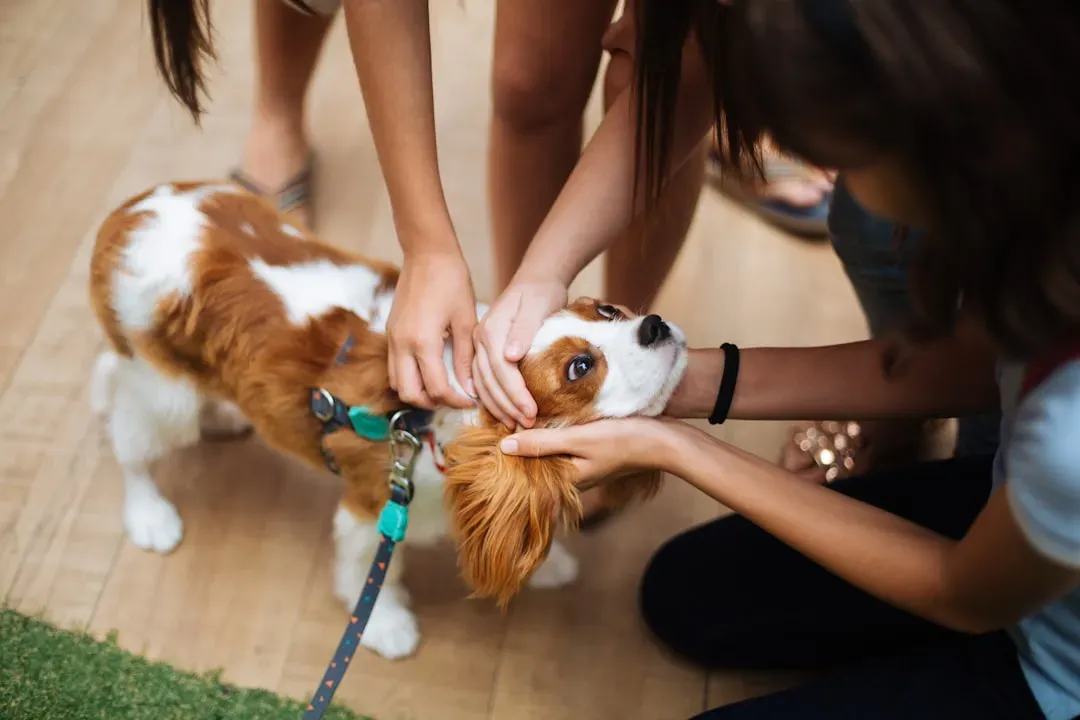
The Cavalier King Charles Spaniel has been a favorite lap dog of British royalty for generations, and the breed’s affinity for laps remains true today. Their sweet, gentle temperament makes these calm, small dogs great for families with kids and other pets, and they are easy to train. They’re one of those rare breeds that can go from a morning walk to an afternoon nap in a child’s lap without any emotional transition whatsoever.
For a slower-paced family, the Cavalier King Charles Spaniel is a great match. This breed is incredibly friendly and enjoys smaller children and other furry companions. Cavalier King Charles Spaniels are a calm breed and do not require a lot of exercise but may require a bit of pets and attention because they are eager to please. One important health note: Cavaliers do have some heart health issues that potential owners should understand, but they’re generally healthy and live twelve to fifteen years. Ask breeders for cardiac clearance certificates before bringing one home.
5. Poodle: The Underestimated Genius of Family Dogs
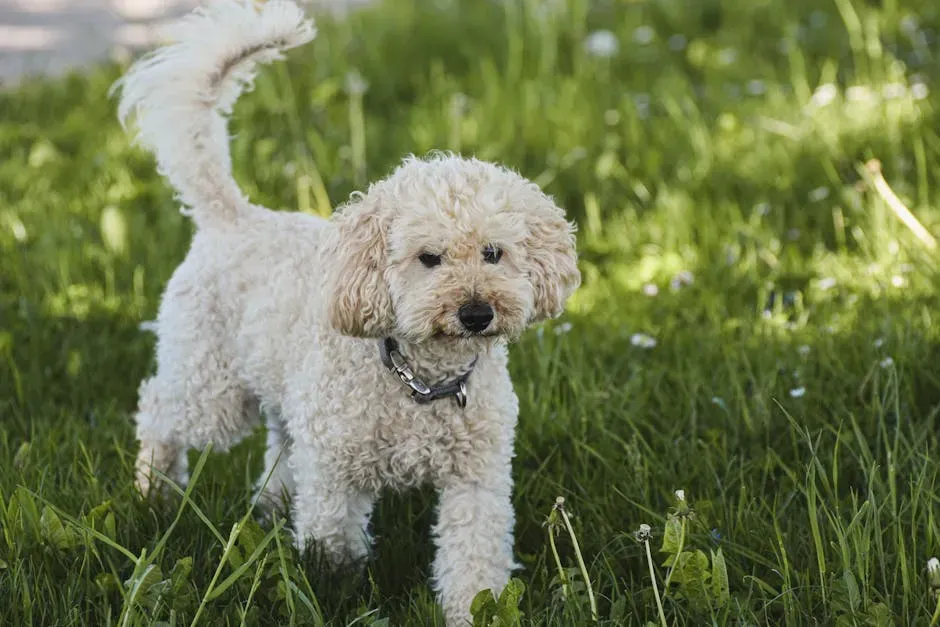
Available in standard, miniature, and toy sizes, Poodles are versatile dogs that suit families of all lifestyles. They are hypoallergenic, which is ideal for families with allergies. Poodles are highly intelligent and require regular mental and physical stimulation to keep them happy. For Indiana families where someone suffers from pet allergies, the Poodle often becomes the obvious and wonderful solution.
Poodles come in different sizes – standard, miniature, and toy – allowing families to choose the perfect fit for their home. Beyond their elegance, Poodles are highly intelligent and thrive on mental stimulation. They are quick learners, making them great partners in both play and training. Additionally, Poodles are hypoallergenic, which makes them a fantastic choice for families with allergy concerns. Their playful yet gentle temperament ensures children will always have a fun-loving companion by their side. Puzzle toys, trick training, and agility activities are genuinely good investments for this breed’s mental wellness.
6. Boxer: The Playful Protector of Suburban Streets
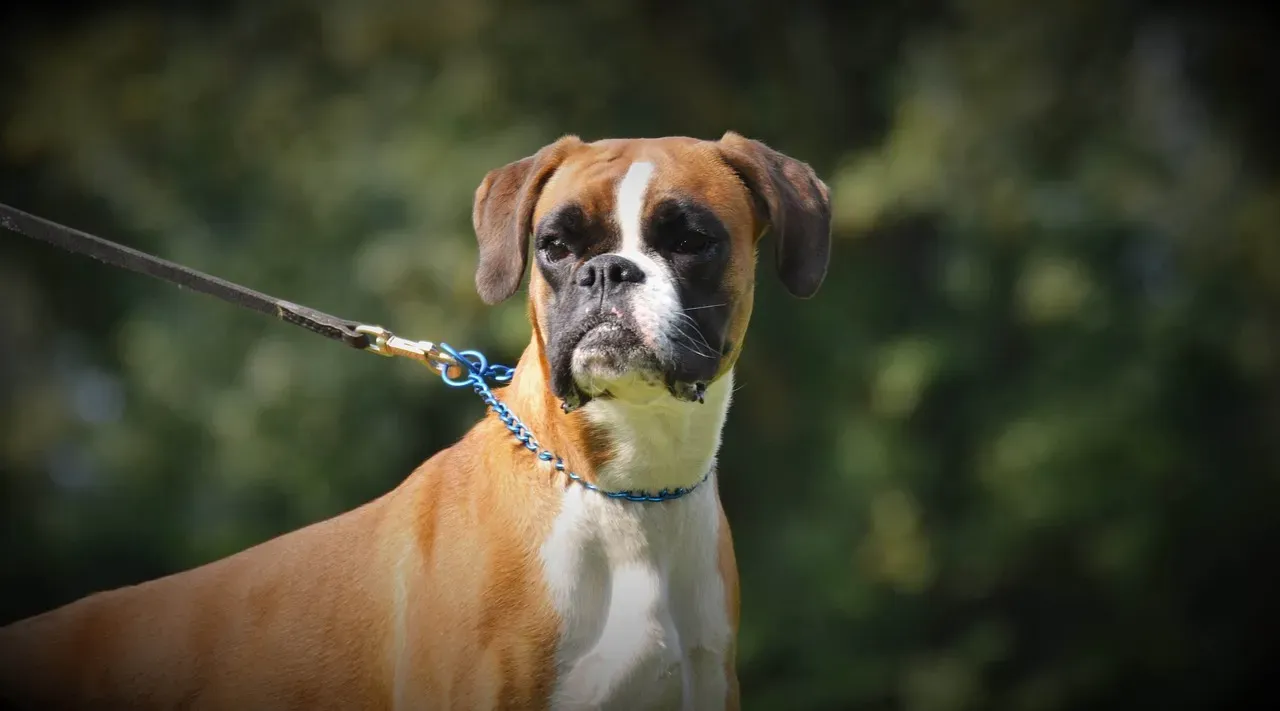
The Boxer is playful and protective, ideal for suburban families. Boxers are fun-loving and full of energy. They have a unique mix of goofy exuberance and steady loyalty that makes them an especially good fit for households with school-aged kids. A Boxer will race around the yard with a seven-year-old and then position itself calmly between the child and any unfamiliar stranger – sometimes all within the same afternoon.
Boxers do need consistent early socialization and training to channel that energy productively. They’re brachycephalic, meaning their flat faces make them more sensitive to heat and humidity – which matters during Indiana’s warmer months. On hot summer days, exercise should happen in the early morning or evening. Regular vet checks on their heart health are also worthwhile, as the breed has some predisposition to certain cardiac conditions. With proper care, a Boxer thrives for ten to twelve years as a devoted family centerpiece.
7. Bernese Mountain Dog: The Gentle Giant for Roomy Suburban Homes
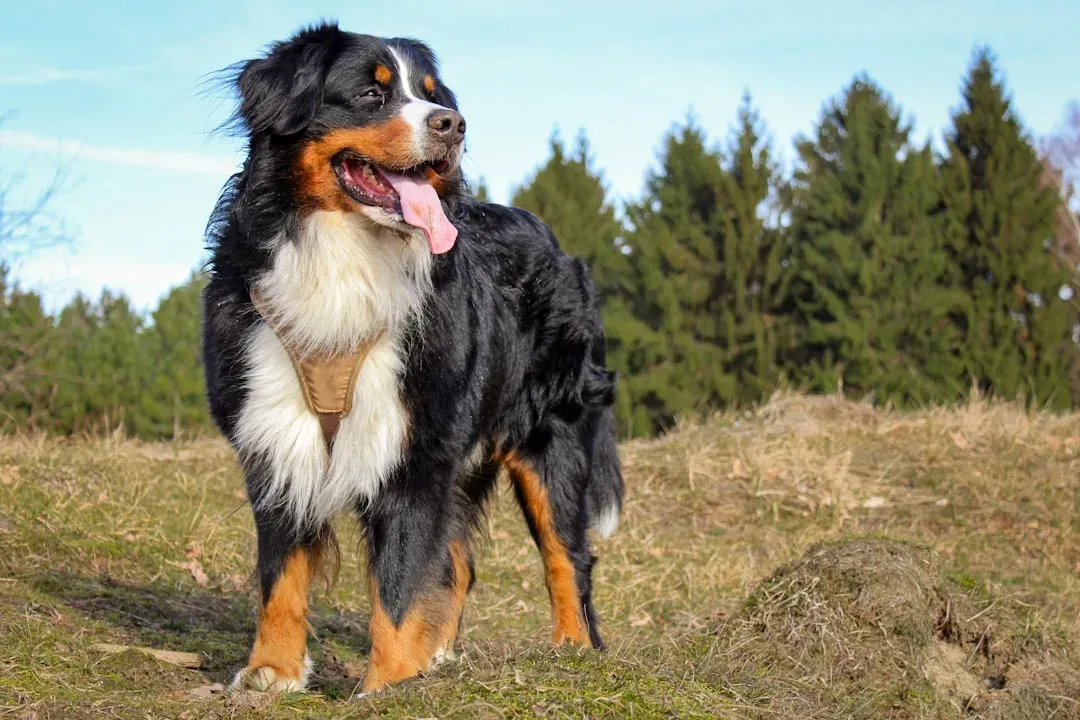
Bernese Mountain Dogs are big, fluffy, and deeply affectionate. Known for their calm demeanor and strong family bonds, they’re especially good with children. These gentle giants enjoy outdoor play as much as cozy indoor cuddle time. Indiana’s cooler fall and winter months are where Berners genuinely shine – they were built for cold climates and will happily follow kids through a snowy backyard with remarkable calm.
Bernese Mountain Dogs are gentle giants with playful personalities. They tend to be patient with children and other dogs, and their adaptable natures mean they can fit right into your home – temperamentally speaking, that is. These giant dogs can grow to be over twenty-seven inches tall and weigh more than one hundred pounds, so make sure you have the space to bring one home. Their lifespan, unfortunately, tends to be shorter than smaller breeds, often between seven and ten years, so families should be emotionally prepared. Joint health supplements and weight management become important as they age.
8. Bichon Frise: Small, Cheerful, and Easy on the Allergies
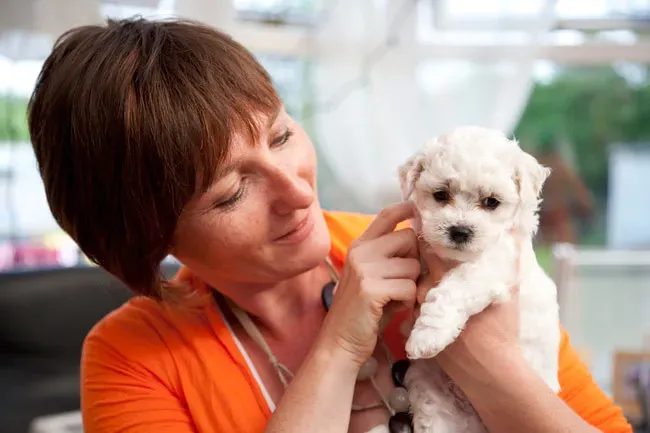
Bichon Frises are small, fluffy dogs that are naturally cheerful and good with children. They don’t shed much, making them good choices for families with allergies, though they do require regular professional grooming. In a suburban Indiana home with a modest yard, the Bichon’s low-shedding coat and manageable size make it an exceptionally practical choice. You get real dog companionship without the vacuum-cleaner sessions every other day.
The Bichon Frise is a beloved dog breed for its affectionate and family-friendly nature, adorable features, and hypoallergenic coat. The Bichon Frise dog has a playful, loyal, and affectionate personality. They do tend to form strong bonds with their people and can experience separation anxiety if left alone for long stretches. A consistent daily routine – morning walk, midday playtime, evening cuddles – helps this breed feel secure and content. Budget for professional grooming every six to eight weeks to keep that signature fluffy coat healthy.
9. Havanese: Cuba’s Gift to Suburban Families
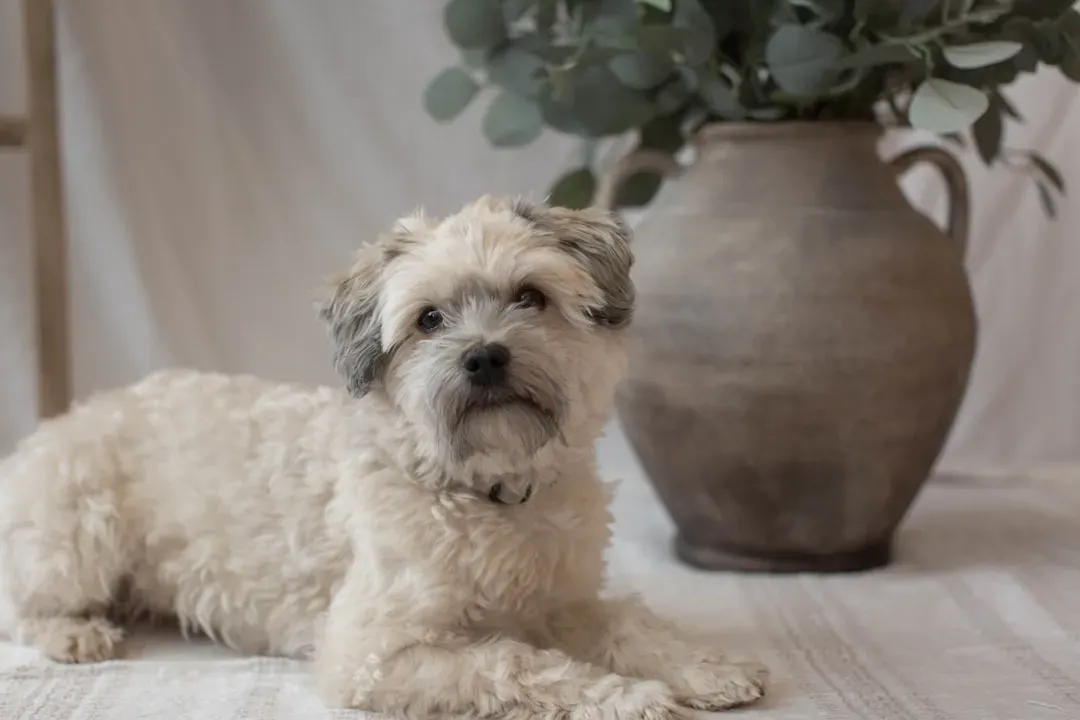
Charming is an understatement when it comes to the Havanese. This smart, sweet, eager-to-please, and easy-to-train dog is a natural extrovert who loves entertaining. They’re an excellent addition to a family and get along well with children and pets of all sizes, including family cats. This dog’s loving nature also makes them popular as therapy dogs and emotional support animals.
The average Havanese lifespan is fourteen to sixteen years, and they’re typically a healthy dog breed. Dental disease is one of the most common conditions seen in dogs as they age, especially in small breeds like the Havanese. This is when bacterial tartar and plaque lead to inflammation of the tissues around the teeth. The best way to prevent dental disease is through daily tooth brushing with a dog-specific toothpaste and toothbrush. Start dental care habits early – puppyhood is the ideal time to make brushing feel normal and routine for your dog.
10. French Bulldog: The Low-Maintenance Urban-to-Suburban Converter
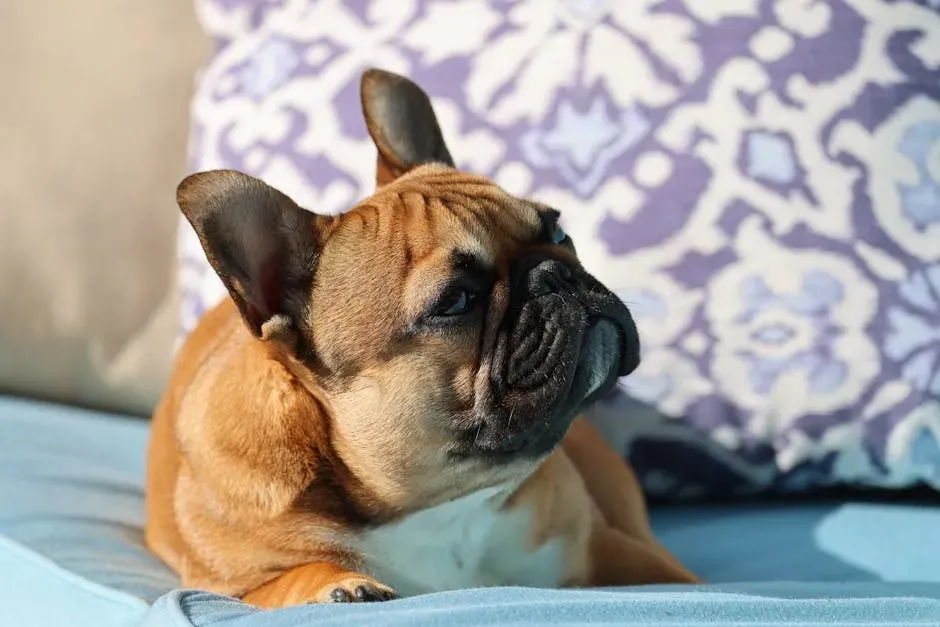
French Bulldogs are one of the most popular dog breeds in the U.S. Frenchies make one of the best small family dogs because of their cheerful and easygoing natures – not to mention their adorable flat faces. While they can have a lot of health issues, these fun-loving pups are highly affectionate and one of the best dogs for kids because they love playing with children and other pets.
Both English and French Bulldogs are naturally gentle with children and have calm, patient temperaments. They’re not high-energy dogs, making them suitable for less active families. Both breeds can have breathing issues due to their flat faces and may need special care during hot weather. They’re generally good apartment dogs but need moderate exercise to prevent weight gain. Indiana summers can be harsh for flat-faced breeds, so keep Frenchies cool and never over-exercise them in heat. Air conditioning and shaded outdoor spaces are genuine health necessities, not luxuries.
11. Basset Hound: The Mellow Soul with a Nose for Adventure
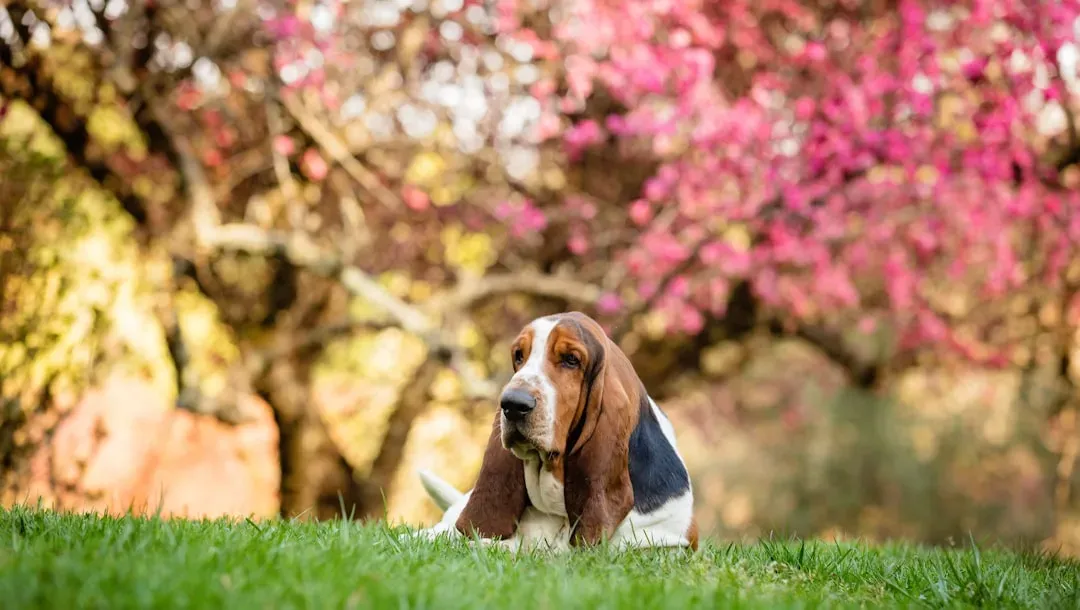
The Basset Hound is a calm, gentle dog breed that’s adaptable to new surroundings and content with moderate exercise. These low-energy dogs aren’t very athletic, so don’t expect them to excel at sports. Their best asset (besides being an amazing companion) is their nose, which can sniff out just about anything. For a suburban Indiana family that prefers evening strolls to morning sprints, the Basset Hound is a near-perfect match.
Basset Hounds are easygoing with children and generally tolerant of household noise and activity. Their droopy ears require regular cleaning to prevent ear infections – moisture and debris can build up quickly in that ear canal. Their long back also makes them prone to spinal issues, so discourage jumping from furniture heights and invest in a good dog ramp early. Feed controlled portions, because Bassets have a legendary love of food and a real tendency toward obesity, which compounds their joint risks significantly.
12. Newfoundland: The Nanny Dog of Indiana Backyards
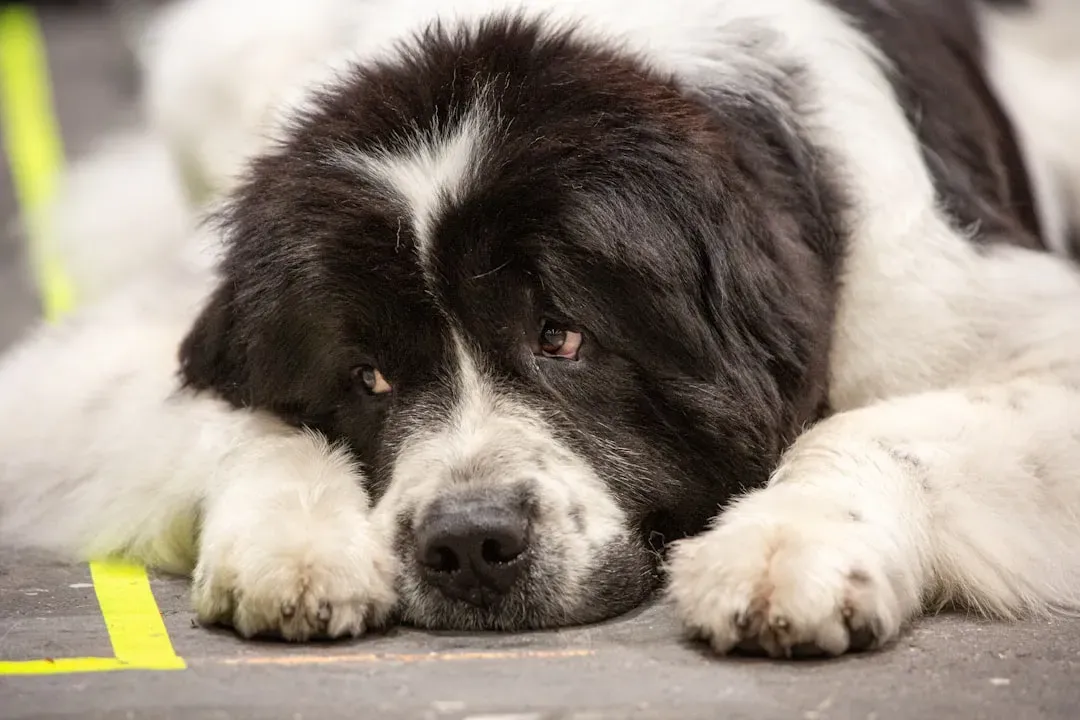
Newfoundlands are famously good with children and have natural protective instincts combined with calm temperaments. They’re often called “nanny dogs” due to their patient, protective nature with kids. Newfies, as Newfoundlands are affectionately called, are well-known for their sweet temperament and gentle demeanor around children. Their social nature makes training fun, which can help ensure your pup is calm and comfortable in new environments.
Newfoundlands are very large dogs with shorter lifespans of eight to ten years, and higher food and veterinary costs. They drool and shed significantly but are incredibly gentle and loyal family members. Indiana’s cold winters are actually comfortable for this breed – their thick double coat was designed for harsh climates. Summer management is the bigger challenge: shade, fresh water, and a kiddie pool in the backyard go a long way. Grooming is a significant commitment, so plan regular brushing sessions a few times per week to prevent matting.
13. Irish Setter: The Spirited Athlete for Active Indiana Families
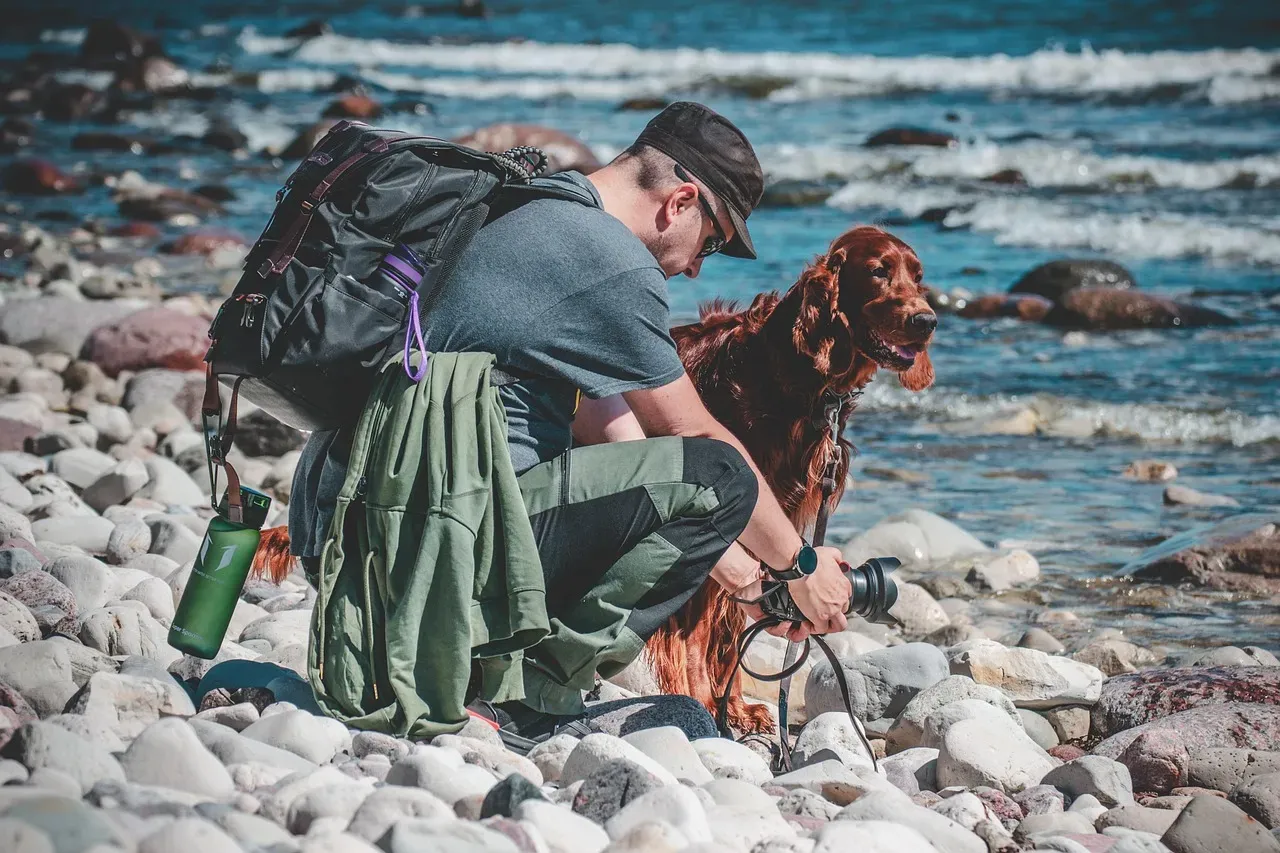
Irish Setters are energetic and playful dogs that do best in active families where they can play, swim, and hike alongside their humans. With a sweet and intelligent temperament, Irish Setters are good companions for children who want a cheerful and rambunctious friend. If your family spends weekends exploring Indiana’s parks, trails, or lakes, this dog will match your enthusiasm stride for stride and then some.
With their almost-overly-friendly nature, Irish Setters make good family dogs. They are great with kids of all ages and other pets, but keep in mind that this sporting dog does require a lot of exercise to thrive. An under-exercised Irish Setter can become destructive and anxious – not because of a bad temperament, but because of unmet physical needs. Two solid exercise sessions daily, combined with basic obedience training started in puppyhood, keeps this breed settled and genuinely happy in a suburban setting.
14. Pug: The Comedic Little Soul Who Loves Everyone
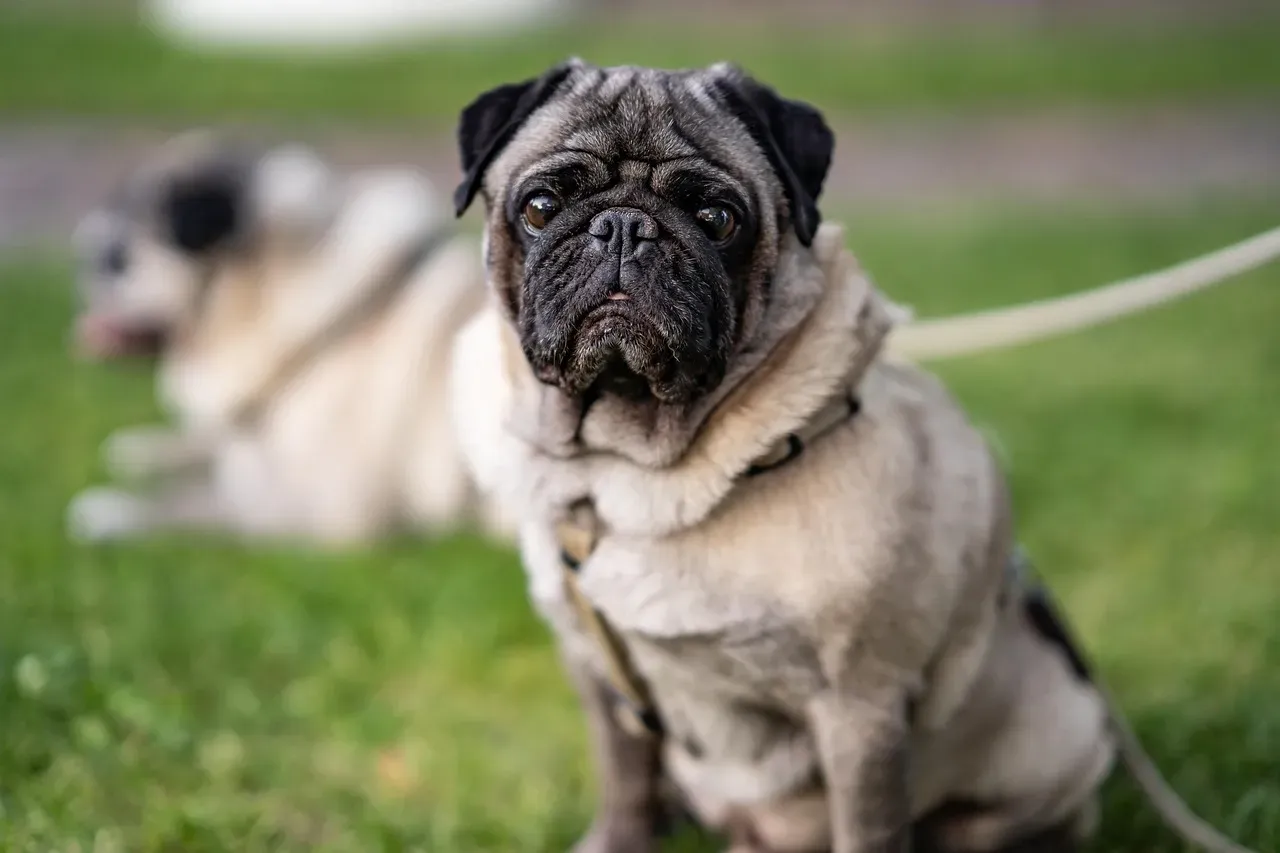
Behind the Pug’s smooshed face is a friendly and excitable family dog. While this small pup can be prone to bouts of high energy, they’re mostly couch potatoes that want nothing more than to lie on the couch with their humans. Just make sure your family doesn’t mind the ever-present sound of dog snoring before bringing this breed home. In a quieter Indiana suburb, that snoring becomes a kind of oddly comforting white noise.
Pugs, like French Bulldogs, have flat faces that make them prone to breathing difficulties, overheating, and eye irritation. Keeping them at a healthy weight is one of the single most effective health interventions an owner can make. Indiana summers require special vigilance – limit outdoor time during peak heat hours and always ensure they have cool air to rest in. Their facial wrinkles should be gently cleaned and dried regularly to prevent skin fold infections, which are both uncomfortable and easily avoidable with a simple weekly routine.
15. Staffordshire Bull Terrier: The Misunderstood Family Favorite
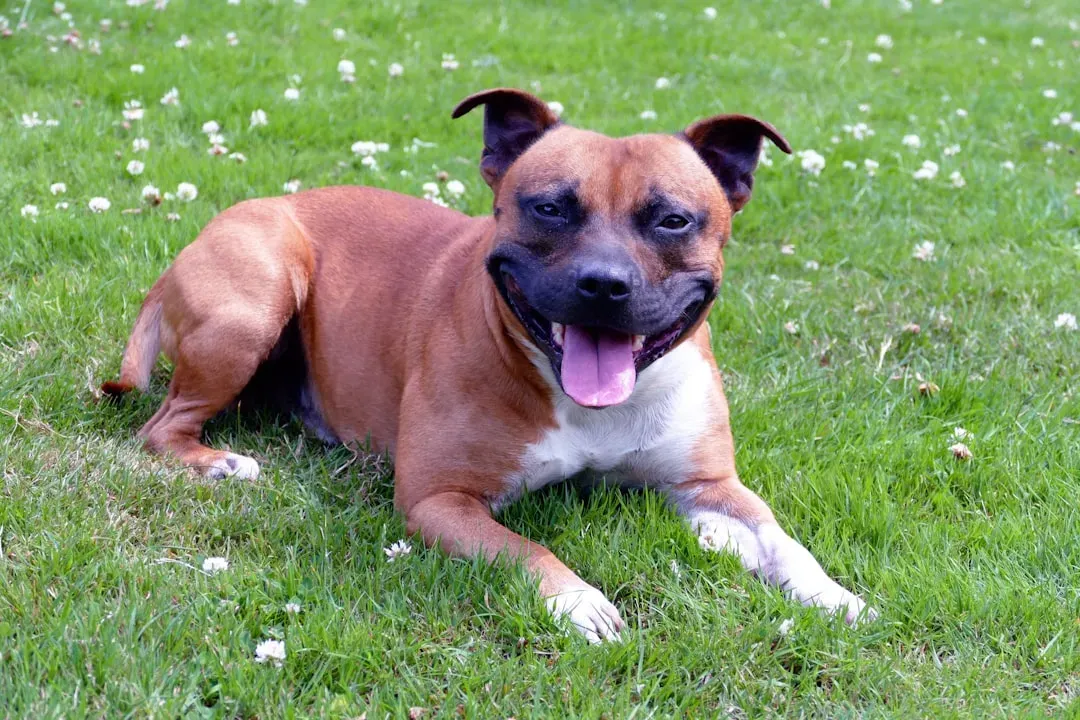
Staffordshire Bull Terriers often have a bad rap because the breed’s nineteenth-century origins were as bull-baiters. With proper socialization and training, today’s Staffies are loyal, affectionate, and famously gentle around children. In fact, the breed is often nicknamed “the nanny dog” or “the children’s nursemaid” because they are one of the best dogs for kids. Choosing a Staffie takes a little courage in the face of outdated stereotypes, but families who do rarely look back.
Staffies are compact, muscular, and genuinely people-oriented. Early socialization with other dogs is important, as their confident nature can sometimes read as confrontational without proper exposure. They respond beautifully to positive reinforcement training and form remarkably deep bonds with children. Keep in mind that some homeowner insurance policies and local ordinances in certain Indiana municipalities may have breed-specific language worth checking before you adopt. With the right environment and consistent training, a Staffordshire Bull Terrier becomes one of the most devoted and loving dogs a family can welcome home.
Finding the Right Match: A Few Final Thoughts
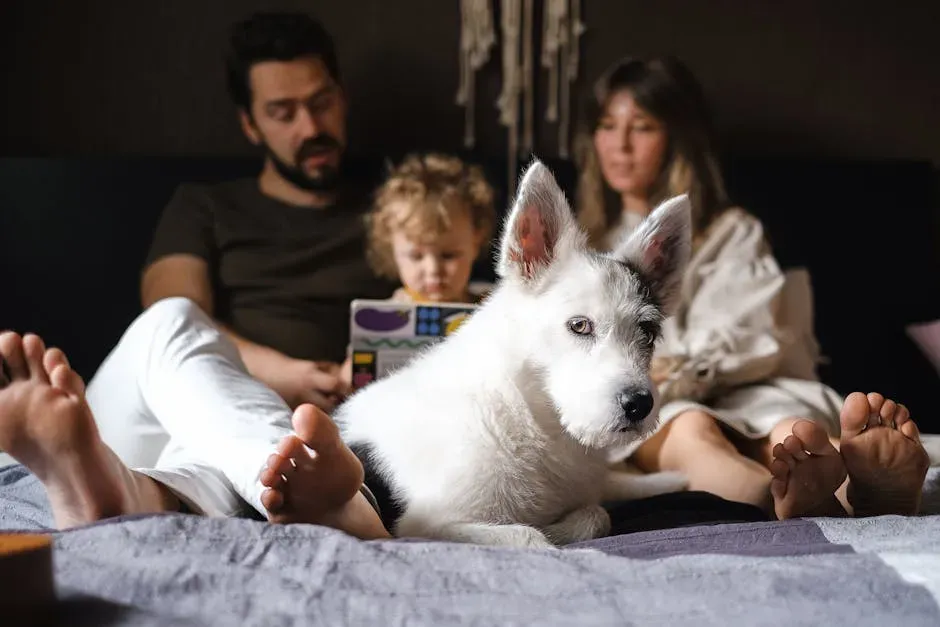
Most dog owners consider their dogs as members of their families. When there are children in the house, thoughtful consideration needs to be made to choose the right dog for your lifestyle, home, and children’s ages. That thoughtfulness isn’t just about matching energy levels – it’s about honestly assessing your schedule, your yard space, your family’s activity level, and what kind of care commitment you can genuinely sustain over a decade or more.
Having your pet spayed or neutered, obeying community leash and licensing laws, and keeping identification tags on your pets are all part of being a responsible owner. Of course, giving your pet love, companionship, exercise, a healthy diet, and regular veterinary care are also essential. Every breed on this list can thrive in Indiana’s peaceful suburban neighborhoods – but only when paired with a family willing to meet them halfway. The relationship between a dog and its family is a long one. Choose thoughtfully, commit fully, and what you’ll get in return is something no other living arrangement can quite replicate.
Indiana is a state built around community, neighborhoods, and unhurried mornings. The right dog doesn’t just fit that life – it makes it richer. Take your time, do your research, and trust that the right match is out there waiting for exactly your family.


