

You’ve probably caught your dog doing something that made you pause and think, “Wait, did they just figure that out on purpose?” Maybe they nudged the exact drawer where you keep the treats. Maybe they grabbed their leash and stood by the door the moment you put your shoes on. These moments aren’t coincidences, and they aren’t wishful thinking on your part either.
Scientists have suggested that dogs can be as smart as a 2-year-old child, and research on dog intelligence has demonstrated that our four-legged friends can learn in more complex ways than previously known. What makes this even more fascinating is that behavioral scientists have uncovered a surprising set of social-cognitive abilities in domestic dogs that resemble some of the social-cognitive skills of human children. The genius hiding behind those big, adoring eyes might be more real than you ever imagined.
They Learn New Commands Surprisingly Fast
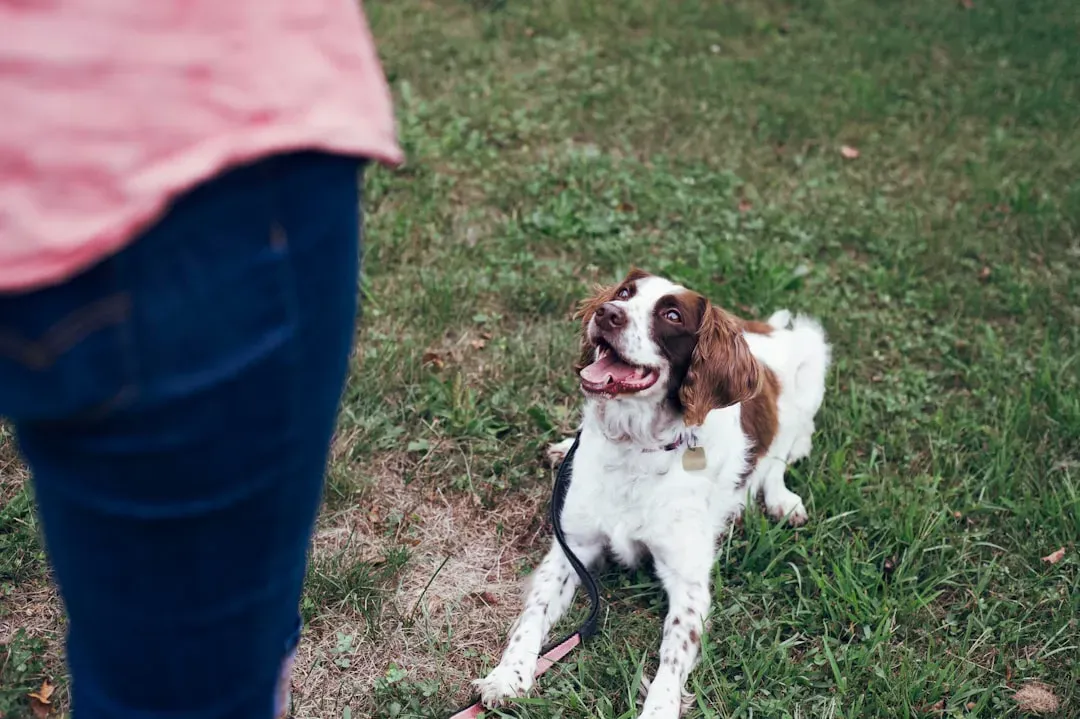
One of the clearest windows into a dog’s intelligence is how quickly they connect the dots during training. One of the main signs of exceptional intelligence in dogs is learning new commands quickly without the need for extensive training. Some dogs require lots of repetition to learn a new trick or command, but highly intelligent dogs may learn very quickly after just a few tries.
Most dogs can be taught to follow commands, though some take longer than others. The faster your dog learns a new trick and the more commands they know, the greater their intelligence. If you have to tell your dog “no” to jumping on strangers only a handful of times, they’re pretty darn smart.
This kind of rapid learning isn’t just impressive at a party trick level. It reflects a brain that actively connects actions to outcomes, meaning your dog is processing cause and effect with real cognitive awareness. Keep rewarding those quick learners, because mental stimulation through continued training is one of the best things you can do for their long-term wellbeing.
They Have an Impressive Memory for Commands and People
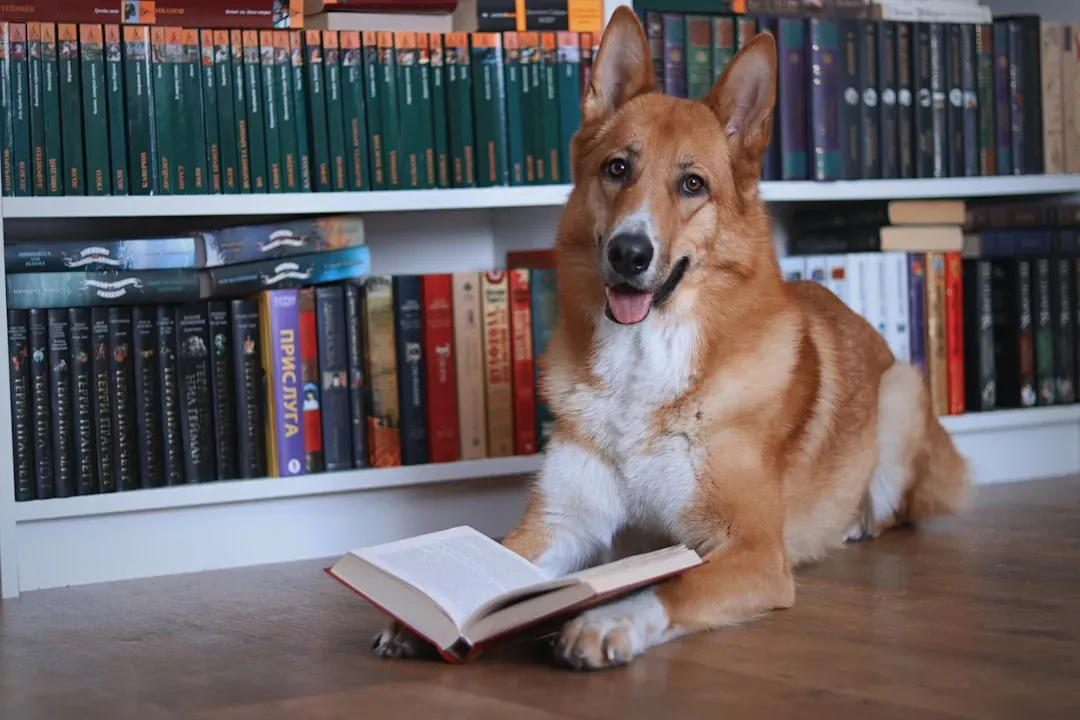
Impressive memory retention and the ability to recall past experiences, commands, and learned behaviors with remarkable accuracy are signs of a gifted dog. They can remember people, places, and routines, forming strong associations that contribute to their intelligence.
A really smart dog will remember commands over time, even if they haven’t been used in a while. For instance, if a dog was taught to walk backward on command and hasn’t practiced it in a year, a smart dog will still remember how to perform it when asked. You can try giving your dog a command they haven’t heard in a while to help determine their intelligence.
Memory in dogs goes beyond tricks. Dogs might have a memory for experiences they perceive as “good” or “bad,” maybe remembering positive interactions with a houseguest they haven’t seen in a while, or recognizing what a suitcase means even after years without seeing one. A dog who remembers your routine, your favorite chair, and the sound of your specific car pulling up? That’s no accident.
They’re Master Problem-Solvers

Gifted dogs demonstrate an uncanny ability to solve puzzles and easily navigate complex challenges. Whether it’s figuring out how to open a latch or retrieve a hidden toy, they approach problems with intelligence and creativity.
Some dogs quickly figure out how to open doors, gates, and even containers for accessing food. This kind of behavior highlights their ability to understand cause and effect, manipulate objects, and make decisions based on past experiences.
A great way to test this at home is with a puzzle toy. You can test your dog’s problem-solving ability with a puzzle toy made especially for dogs, where they move flaps or levers with their nose to find a treat. You can also try tossing a large blanket over them and see how long it takes them to escape. The speed and method they use to solve the challenge says a lot about what’s going on in that clever brain.
They Read Your Emotions Like a Book

Intelligent dogs are very good at sensing and interpreting your emotions. A smart dog will read your sadness and double up as an emotional support dog by taking steps to comfort you, such as cuddling up with you or refusing to leave your side until your tears dry.
Dogs have acquired human-like communication skills and, likely as a result of the domestication process, the ability to read human emotions. This isn’t a learned behavior you teach them. It evolved over thousands of years of living alongside people, and some dogs have refined it into something that feels almost supernatural.
Some research suggests that dogs may also feel more complex emotions, like jealousy and empathy. In one study, dogs became agitated when they saw another dog be rewarded for a behavior when they were not. The next time your dog drops their head in your lap when you’re stressed, know that they genuinely sense something is off. That’s emotional intelligence in action.
They Know an Impressive Number of Words

The average dog’s intelligence is often compared to that of a 2-year-old child, making it one of the smartest animals in the world. They understand approximately 165 words or gestures on average. However, some can learn as many as 1,000.
In one study, a remarkable Border Collie named Rico knew the names of more than 200 items and could remember them for weeks. He also showed he could learn new objects by exclusion, inferring the name of a new object just by recognizing it as one he didn’t already have a name for.
You don’t need a record-breaking Border Collie to witness this. Pay attention to the words that make your dog’s ears perk up, not just “walk” or “treat” but names of people, places, and toys. Exceptionally smart dogs may understand more words and gestures than most other dogs, and you might be surprised just how large your own dog’s vocabulary really is.
They Initiate Games and Communication on Their Own
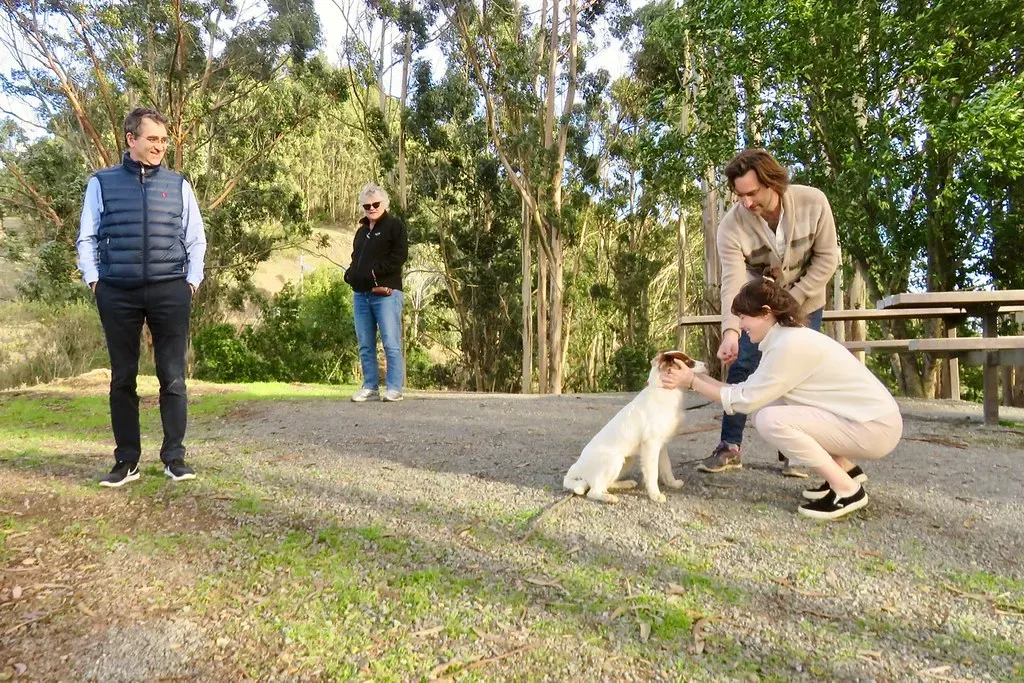
Smart dogs will initiate games by communicating their desires to you. For instance, your dog might “speak,” pat you, bring you a toy, or spontaneously use another behavior you’ve taught them to get you to pay attention to them.
Smart dogs communicate with greater precision by using distinctive sounds, body language, or even behaviors to deliver their points. Some dogs nudge their leash to let their owners know they want a walk, while others fetch their ball when it’s time to play.
This kind of self-directed communication matters. Highly intelligent canines learn to communicate with their human companions in meaningful ways, showing a refined sense of understanding about their environment and ways to influence it. When your dog brings you their favorite ball and drops it in your lap while staring at you with obvious intent, they’re not just being cute. They’re negotiating.
They’re Highly Observant and Pick Up on Subtle Cues

Being highly observant is a characteristic that smart dogs share. When you pull out your suitcase, a smart dog recognizes that it’s a sign something is about to change, like you’re going on a trip. Dogs may show their understanding by trying to jump or hide in your suitcase, or they might stick unusually close to you.
Being highly perceptive and observant, some gifted dogs are adept at noticing subtle changes in their environment, such as body language or scents that others may overlook. This goes far beyond typical dog behavior. It’s pattern recognition. They study you, your habits, and your home the way a careful observer would.
Encourage this quality by keeping your dog mentally engaged. Dogs who have rich, stimulating environments tend to stay sharper longer, which benefits both their cognition and their emotional wellbeing. If your dog clocks your morning routine and has your coffee cup associated with “they’re leaving soon,” that’s the kind of detailed observational skill that deserves a treat or two.
They Show Self-Control When It Matters
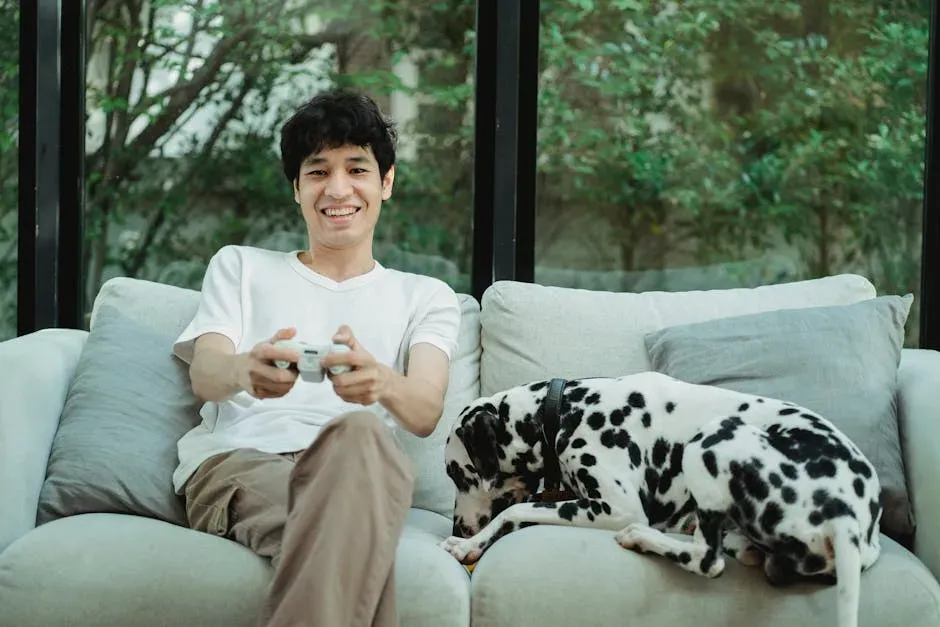
A new study published in Scientific Reports identified three key traits that set genius dogs apart: curiosity, focus, and self-control. Self-control is often overlooked as a marker of intelligence, but it’s one of the most telling. A dog who can pause, assess, and hold back an impulse is operating on a higher cognitive level.
Inhibitory control is a core executive function, which involves suppression of a strong but inefficient behavior in favor of a more beneficial response. In practical terms, this is the dog who sits and waits even when their favorite toy rolls toward them, or who looks at you before reacting to another dog across the street.
A study conducted at the University of Helsinki found that self-control and turning to humans in problem situations are valuable traits for pet dogs, while impulsiveness and an independent problem-solving style can lead to challenges in daily life. If your dog tends to check in with you before making decisions, that restraint is actually a sign of both intelligence and a strong bond.
They Learn by Watching You

Puppies learn many behaviors by following the examples set by veteran dogs. What’s even more remarkable is that dogs can learn from observing humans as well. Having spent thousands of years interacting with humans, dogs are quite adept at understanding human messages even without training.
Some dogs are capable of observational learning and are able to figure out how to open a door or mimic human movements just by observing them. This means your dog isn’t always waiting to be taught. They’re watching, filing information away, and applying it when the moment is right.
Dogs often imitate the actions of their humans or other animals, showing remarkable learning abilities. Imitation is a sign of a dog’s ability to observe, understand, and replicate behaviors, which is often a sign of high intelligence. If your dog has ever started doing something you never directly taught them, there’s a good chance they learned it by watching you do it first.
They Get Into Mischief in Suspiciously Clever Ways

Smart dogs may get into trouble more often because of their outstanding skills. They might figure out how to get out of their crate or reach a forbidden item from the counter. This is one of those signs that’s equal parts frustrating and impressive once you recognize what it actually means.
Some very smart dogs might not seem intelligent because they do things that could put them into danger or result in a frustrated pet owner. Intelligent dogs tend to be very curious and get bored easily, so they might get into things to entertain themselves. They might even know exactly what they’re doing by getting a reaction from you, which is actually pretty smart since they’ve figured out how to get what they want.
The key takeaway here is that a bored, mischievous dog is often a smart dog with not enough to do. Providing puzzle feeders, longer walks, training sessions, and enrichment activities isn’t just a nice idea. It’s genuinely necessary for dogs whose minds demand more than an empty afternoon.
They Adapt Quickly to New Situations
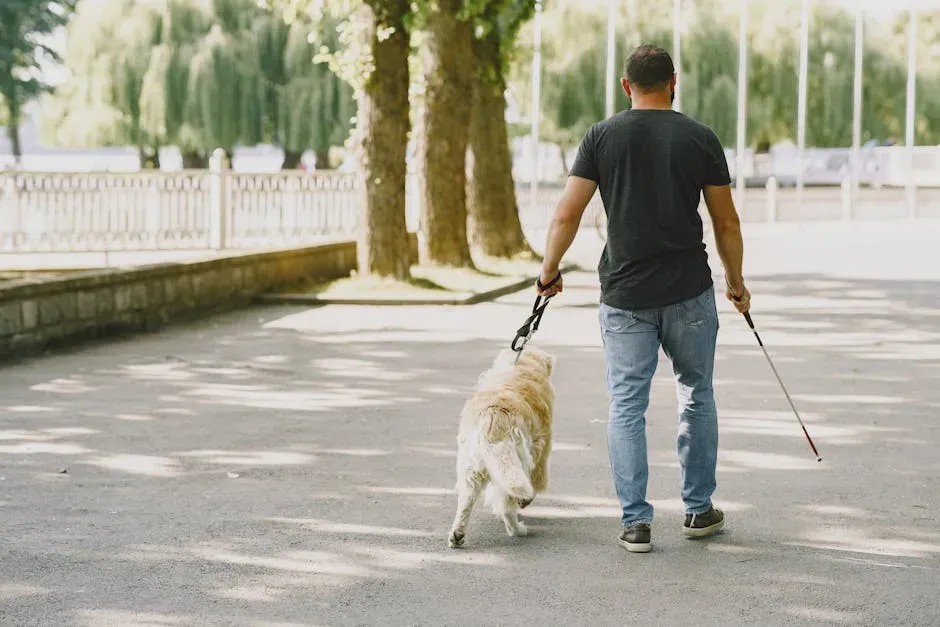
Smart dogs are highly adaptable and can quickly adjust to new situations, people, or objects, approaching these experiences with curiosity and confidence. A dog who walks into an unfamiliar place, takes a quick look around, and then settles in calmly is displaying a kind of mental flexibility that goes hand in hand with intelligence.
Dogs that adjust to new routes or strange settings show remarkable levels of cognitive flexibility. This demonstrates that their minds adapt quickly to changing situations, which is an essential component of intelligence.
Adaptability also plays a practical role in a dog’s safety and happiness. A dog who can confidently process new environments, new people, and unexpected changes is easier to care for and less likely to develop anxiety-based behaviors. If your dog handles new experiences with a cool, curious head, count that as a genuine cognitive strength.
They Display Exceptional Social Intelligence

Dogs who possess exceptional social intelligence easily navigate complex social dynamics. They are skilled at reading social cues and interacting appropriately with other dogs and humans. This is a form of intelligence that science has taken increasingly seriously in recent years.
Behavioral scientists have uncovered a surprising set of social-cognitive abilities in domestic dogs, abilities that are neither possessed by dogs’ closest canine relatives nor by other highly intelligent mammals such as great apes. Put simply, dogs evolved to be socially smart in ways that even our closest primate cousins haven’t quite matched.
Watch how your dog behaves at a dog park or when meeting new guests. A socially intelligent dog reads body language, adjusts their own behavior, and navigates tension or play with a kind of fluid awareness. A dog’s capacity to form deep emotional connections with their human companions showcases social and emotional intelligence, fostering communication, understanding, and trust that indicates cognitive awareness and an ability to navigate complex social relationships.
They Respond to Your Pointing and Gestures Naturally
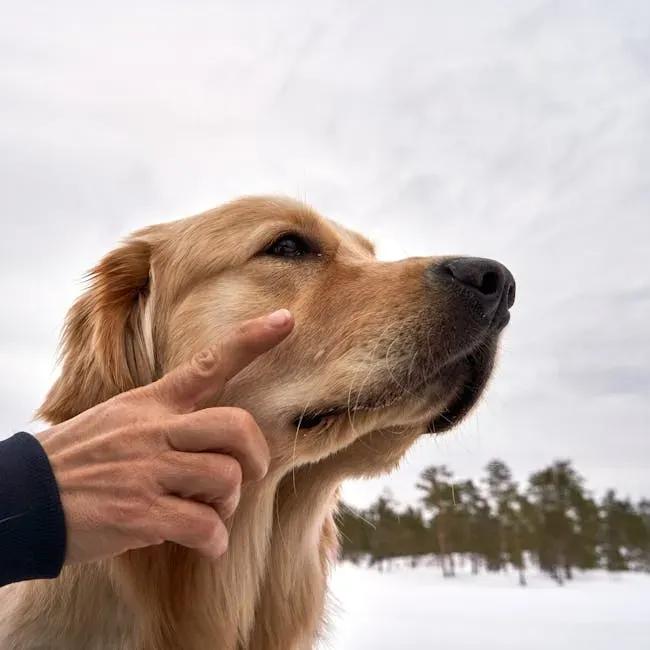
Dogs tend to follow hand and arm pointed directions more when combined with eye signaling. In general, dogs seem to use human cues as an indication of where to go and what to do. This sounds simple until you realize that most other animals, including our closest primate relatives, don’t naturally follow a human point the way dogs do.
Given the confirmation of a general intelligence factor in dogs, if your dog is good at some cognitive tasks such as responding to where you point or retrieving objects, then they will generally learn faster and seem brighter overall. Gesture-following is considered one of the clearest windows into a dog’s cognitive toolkit.
You can test this easily. Point toward a hidden treat or a toy in another room and watch what your dog does. A dog who follows your gesture and searches in the right direction is demonstrating a level of shared social understanding that researchers find genuinely remarkable. It’s a small moment that reflects thousands of years of co-evolution between your species and theirs.
They Show a Strong Sense of Curiosity

The personality of intelligent dogs is one of discovery, curiosity, and intrigue. Curiosity isn’t just an endearing trait. Researchers have flagged it as one of the defining markers of a cognitively gifted dog.
Compared to average dogs, label-learning genius dogs spent significantly longer interacting with new objects and looked at them with more frequency, indicating greater curiosity. They also exhibited targeted interest in specific objects rather than random interaction, leading researchers to conclude that these dogs are especially focused.
A willingness to investigate a novel environment is thought to be an indication of curiosity, boldness, and activity level. The dog who sticks their nose into every corner of a new place, who pauses to study an unfamiliar object, or who perks up at any new sound is not just being nosy. They’re actively building a mental map of the world around them, and that drive to understand is one of the finest signs of an exceptional canine mind.
Conclusion: Your Dog May Be Smarter Than You Think

Research has provided evidence that dogs possess a key component of intelligence known as the general cognitive factor, or “g factor,” which mirrors the human version. This means that a dog who excels in one area of cognition tends to do well in others too. Your dog’s smarts aren’t fragmented party tricks. They’re part of a whole, interconnected mind.
Intelligence can mean so much more than “book smarts.” It’s an ability to learn new things, retain information, and adapt to the environment. For your pup, that might mean they use their intelligence to stay out of dangerous situations, learn the rules of the house, or communicate with you in their own unique way.
The most meaningful thing you can do with this knowledge is let it change how you engage with your dog every day. Train them regularly, give them problems to solve, respond when they try to communicate, and pay attention to what they’re noticing. You can help your dog develop stronger intelligence skills by incorporating regular training and enrichment sessions into their day-to-day life. The genius was always there. You just needed to know where to look.


