
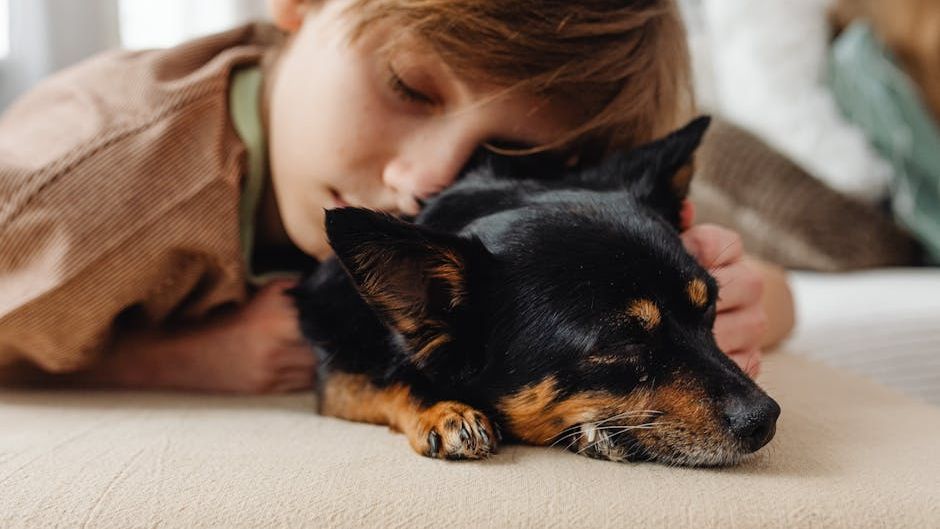
There’s something quietly magical about watching your dog sleep. The slow rise and fall of their chest, the occasional twitch of a paw, the soft exhale that sounds almost like a sigh of relief. Most of us glance over at our sleeping dogs and smile, but we rarely stop to think about what’s actually being communicated in those still, peaceful moments.
Sleep is the one time animals are truly unguarded. Every instinct in a dog’s body is wired for self-preservation, which makes sleep, a state of total vulnerability, an act of profound biological trust. What your dog does during those hours says volumes about how safe they feel with you.
Here are 14 sleep behaviors that, when you understand them, reveal just how deeply your dog trusts the person they’ve chosen to love.
#1 They Choose to Sleep in the Same Room as You
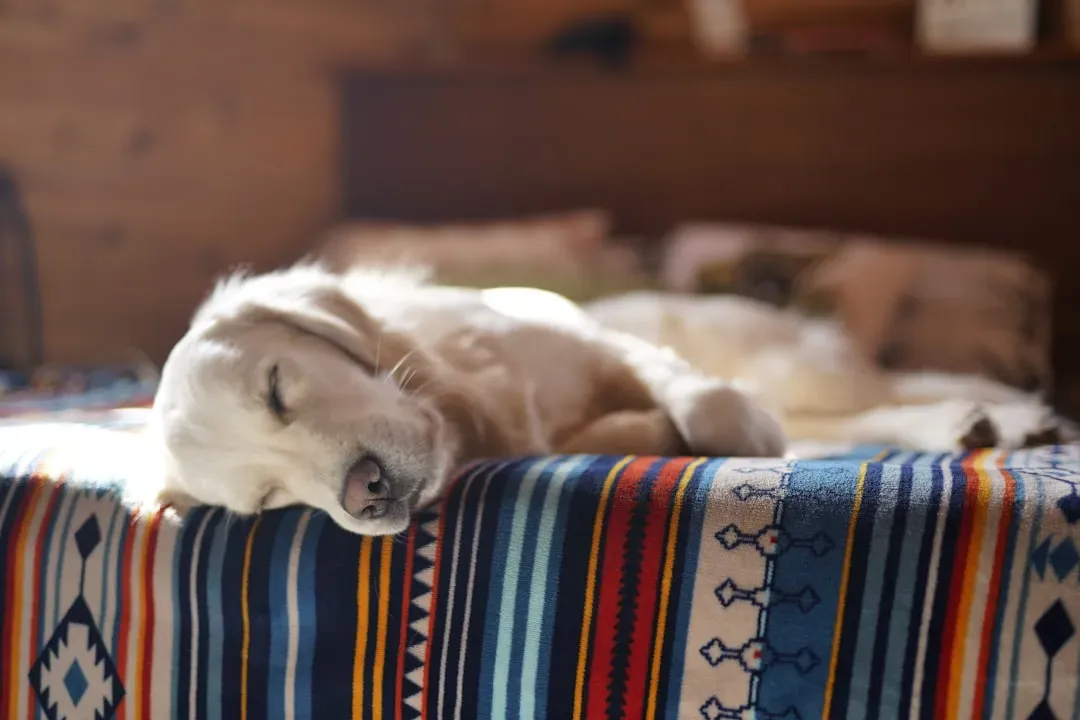
A dog’s number one priority at bedtime is comfort and security, so if they’re choosing to sleep in the same space as you, it’s a big sign that they trust you. This isn’t just about warmth or habit. It’s a deliberate choice rooted in something far more meaningful.
Wild canines prefer to sleep in confined spaces near other pack members, whom they can trust to keep them safe, and you’re part of your dog’s pack, so naturally they feel safest sleeping close to you. Even if your dog has a perfectly comfortable bed in another room, consistently gravitating toward yours is a daily vote of confidence in your relationship.
#2 They Sleep Touching You
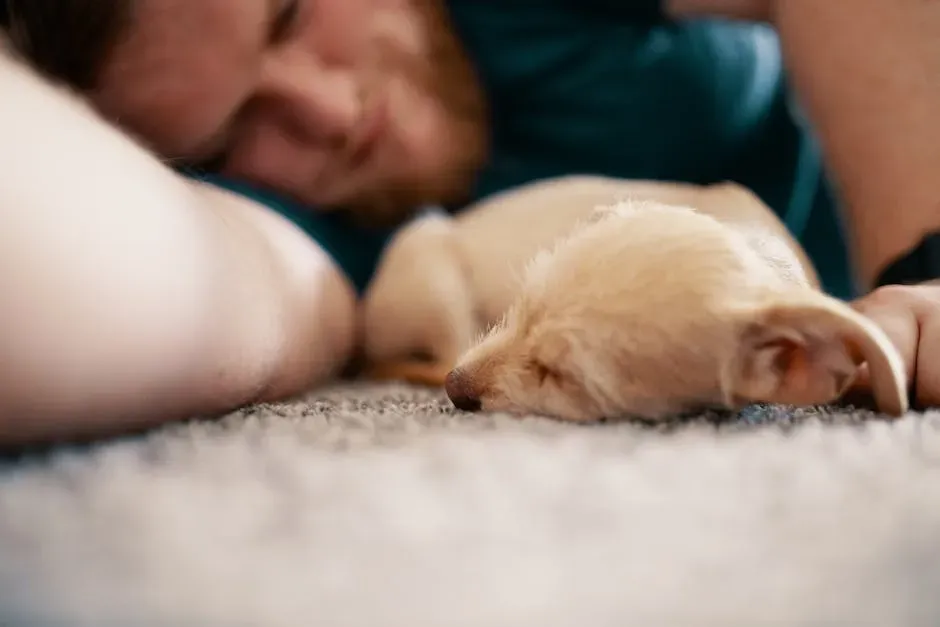
Sleeping near you or even touching you while sleeping shows deep trust. Dogs are vulnerable when they sleep, so choosing to rest beside you means they believe you’ll keep them safe. That little paw pressed against your leg isn’t an accident. It’s intentional contact.
Sleeping pressed against another dog or a person reflects bonding instincts and expresses closeness and shared safety. When your dog chooses to sleep against you, it’s a sign of their trust in you. They’re at their most vulnerable when they’re asleep, and by choosing to sleep against you, they’re saying they trust you to protect them.
#3 They Sleep with Their Back to You
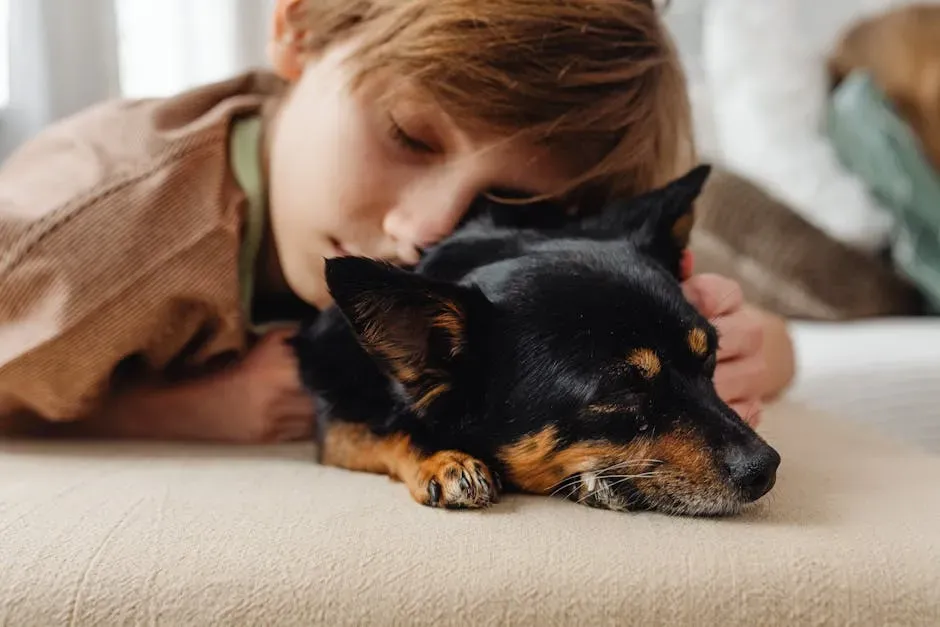
This one surprises a lot of people. A dog turning their back on you while sleeping seems almost dismissive, but the opposite is true. If your dog falls asleep with their back to you, that’s even stronger trust because they’re confident you’ll watch out for threats.
When a dog decides to sleep back-to-back with their owner, it shows that they trust that their human has their back, figuratively and literally. They desire to feel close to their person and show affection but also feel safer knowing that there’s a set of eyes and ears facing a direction theirs aren’t. It’s a partnership, even in sleep.
#4 They Sleep on Their Back with Their Belly Exposed
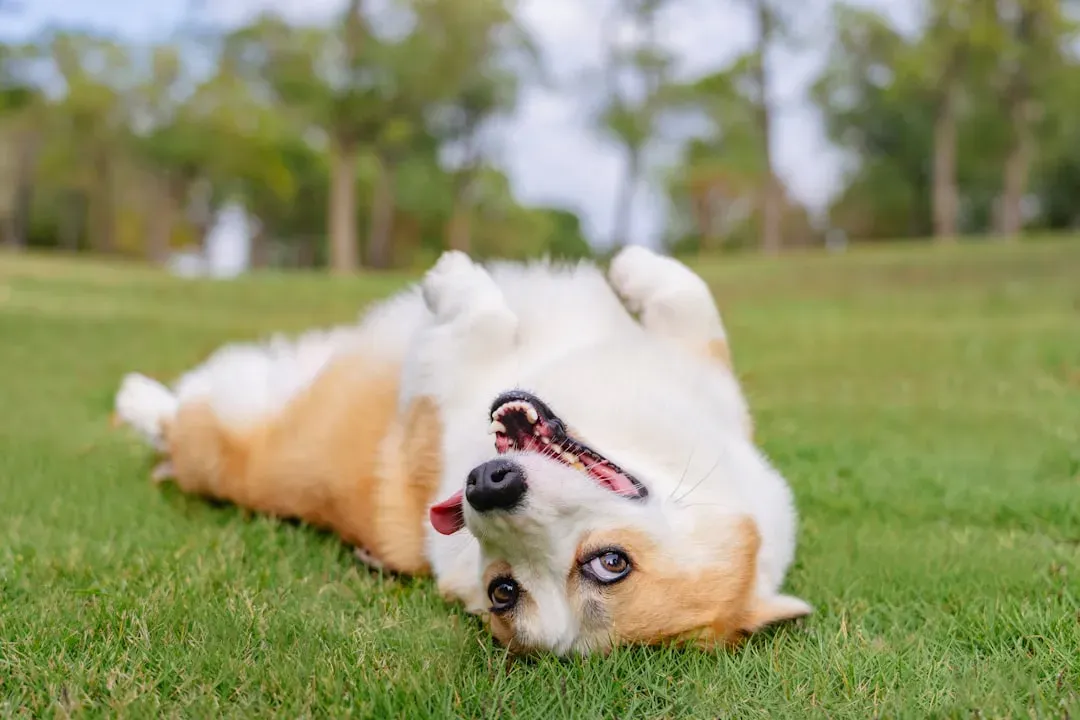
If you stumble upon your dog sleeping on their back with their paws in the air, this is a sign of absolute trust. Many dogs feel safer and more comfortable when they are able to snooze next to their owners. The belly is one of the most vulnerable parts of a dog’s body, and exposing it while unconscious is the canine equivalent of saying “I have zero worries right now.”
Dogs sleeping belly up, legs in the air, are truly trusting. This position exposes their most vulnerable areas. When dogs sleep like this, it signals they feel safe and secure, and this level of comfort reflects deep relaxation and confidence in their environment. Worth noting: if your dog flips onto their back but looks tense or unsettled, it may simply be a temperature response rather than a trust signal.
#5 They Twitch and Dream Deeply
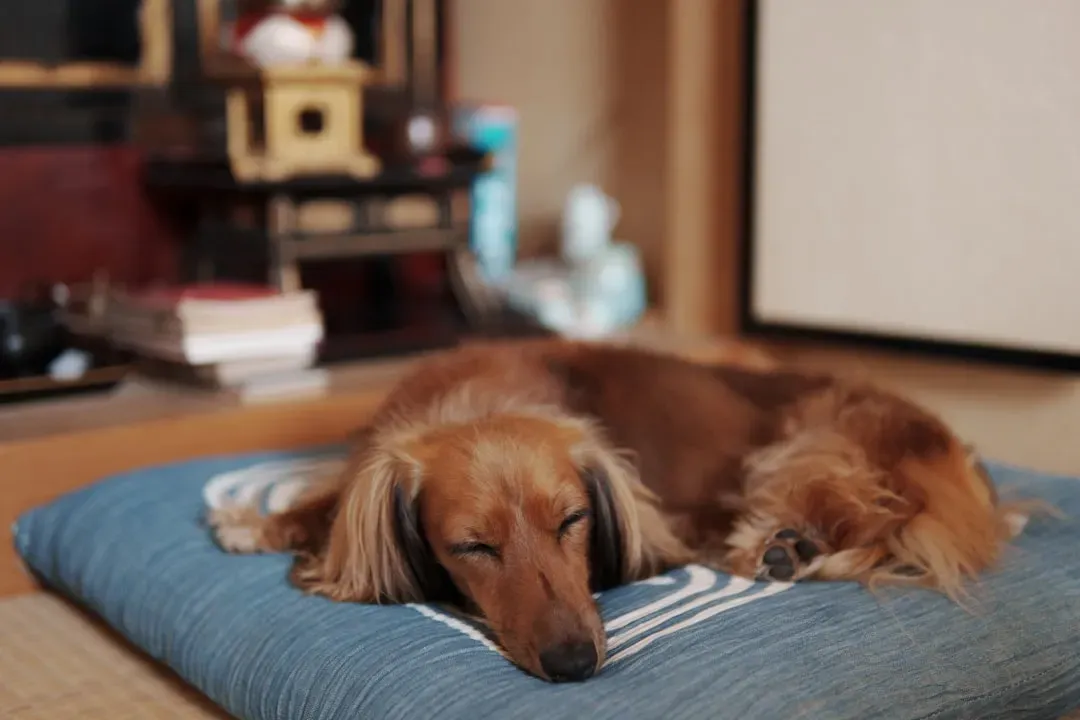
Watching your dog’s paws paddle gently in mid-air during sleep is one of the most endearing things a dog owner gets to witness. Scientists and psychologists believe that dogs dream about their everyday adventures, replaying things like play sessions, walks, or favorite games, and some dog breeds even act out breed-specific behaviors in their sleep.
REM sleep usually begins 20 to 30 minutes after falling asleep, and during this stage your dog’s eyes move rapidly beneath closed lids, their muscles may twitch, and you might notice soft vocalizations or gentle paddling motions. These are classic signs of dreaming. A dog who reaches this level of deep, uninhibited REM sleep in your presence is one who feels completely secure. Most experts believe that dogs dream about familiar experiences, people, and emotions from their daily lives, and their dreams may replay moments of excitement, play, or affection, like running through the park or greeting their favorite person at the door.
#6 They Whimper or Make Soft Sounds While Sleeping
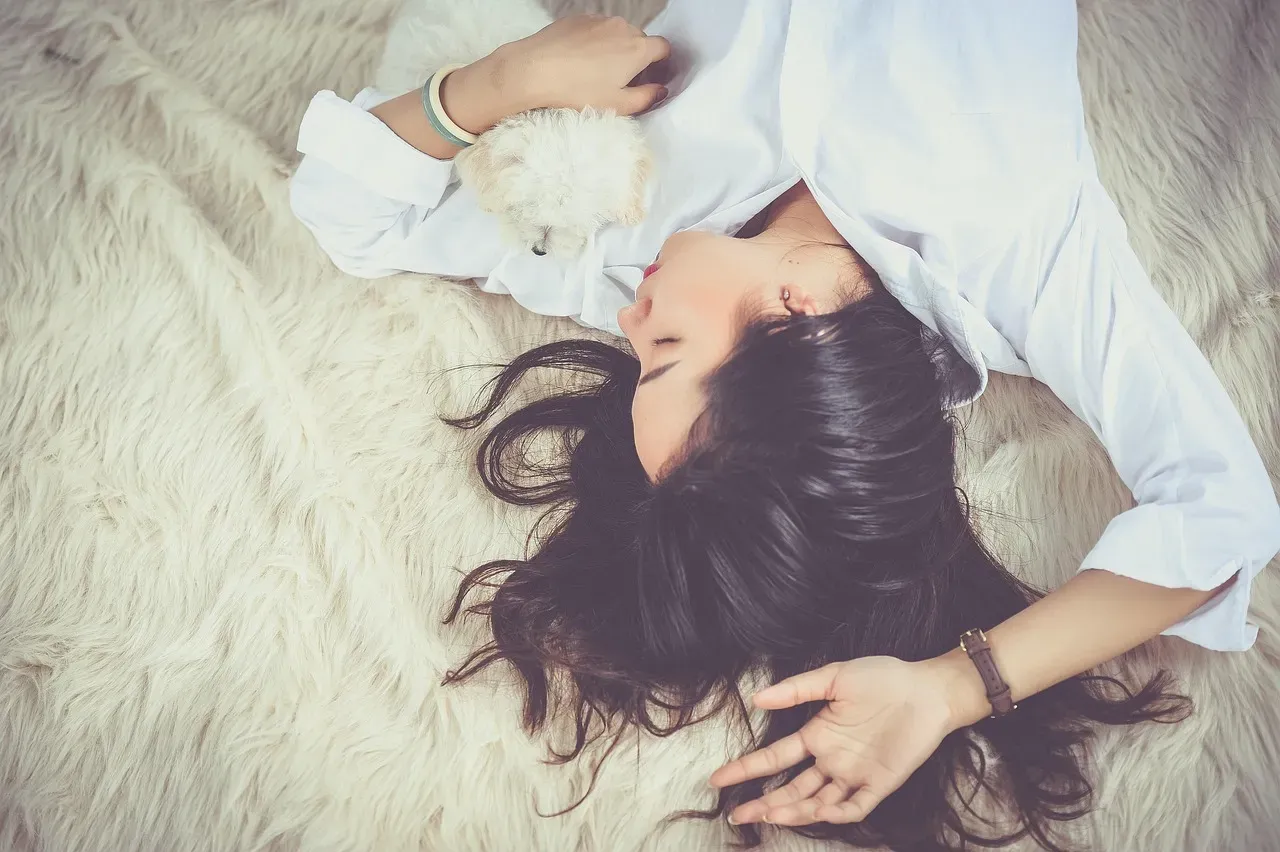
You may notice shallow or irregular breathing and eye movements behind their closed eyelids. It’s normal to hear some funny sounds, like a yip or a whimper, as your dog sleeps and relives moments from their day, and these sounds often go hand in hand with twitching while your dog sleeps. These vocalizations are completely involuntary, and that’s precisely the point.
A dog that makes noise in their sleep around you is a dog that hasn’t suppressed their natural responses out of anxiety or alertness. Although it is sometimes annoying to have sleep interrupted, there is no need to worry about your dog’s nighttime sounds, as most dreams are not nightmares. Dreaming is a normal, healthy occurrence and is part of a regular 24-hour cycle of wakefulness and sleep. Let them have their dream. They’ve clearly earned the rest.
#7 They Sleep at Your Feet
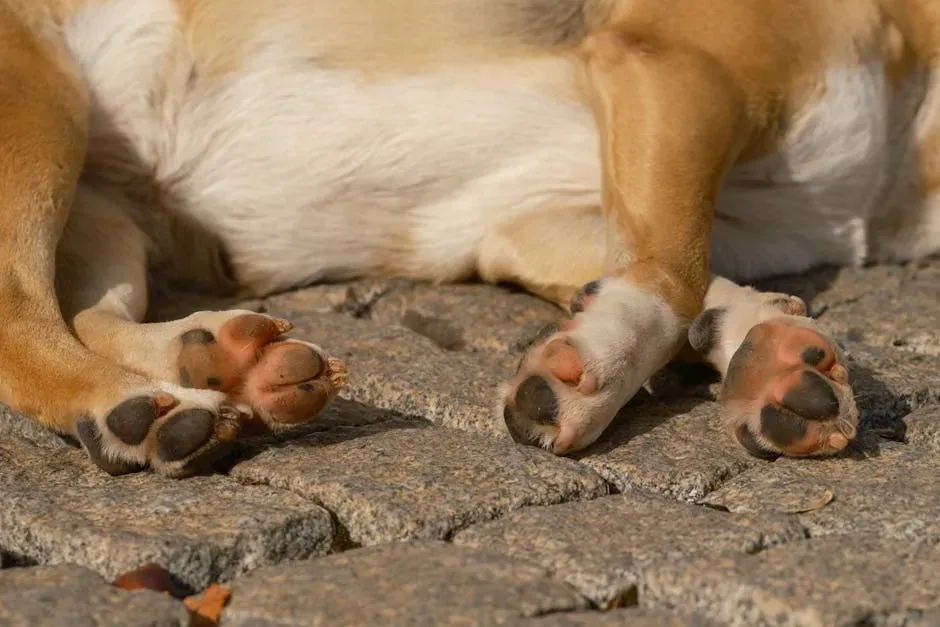
When dogs sleep at your feet or somewhere close to you, they’re doing so to feel safe and connected to you, and this behavior aligns with pack behavior, where staying near their leader provides comfort and protection. It’s an ancient instinct, and your dog still carries it.
Your feet provide warmth and comfort, with your scent acting as a soothing blanket for your dog, and sleeping at your feet is a protective behavior, especially in breeds with strong guarding instincts, as they feel responsible for your safety. Many dogs remain slightly alert even when they sleep, especially breeds with strong guarding instincts, and by laying close to you, they’re positioning themselves to notice anything unusual. In their minds, they’re watching over you, even if they’re snoring while doing it.
#8 They Fall into a Deep, Relaxed Side Sleep Near You
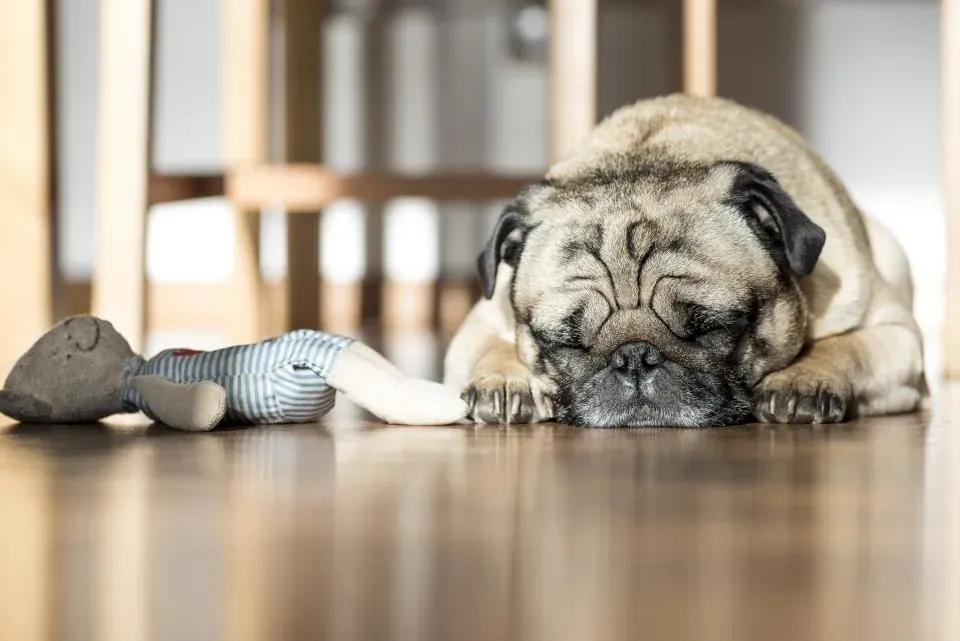
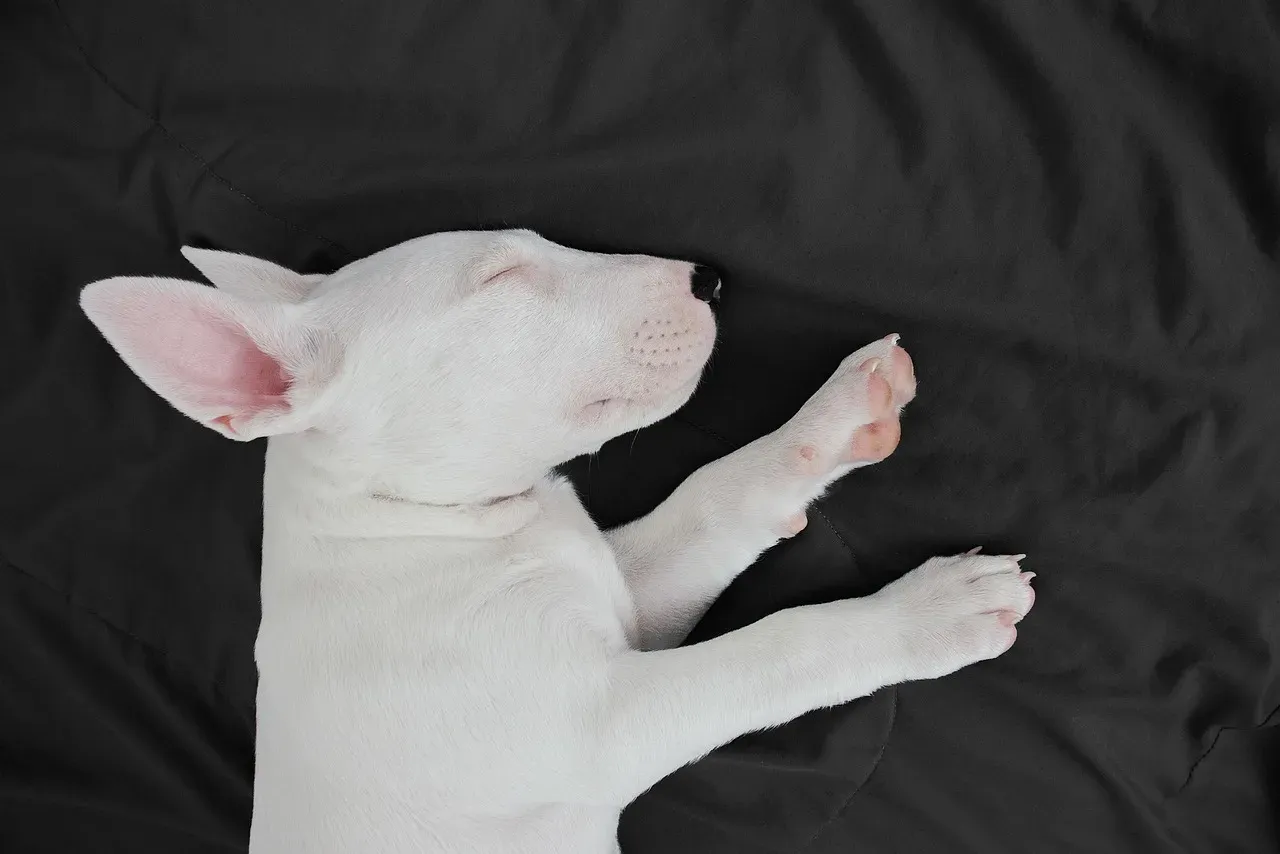
A dog resting on its side signals comfort and trust. Muscles relax fully in this pose, which allows deep sleep and dreaming. This posture often appears when a dog feels safe. You can actually see the trust in the looseness of their body, the way their muscles let go completely.
For this position, dogs lie on their side with their legs extended, and this is one of the most popular sleeping positions for dogs. However, in the wild, leaving their belly exposed would make them quite vulnerable. This position means that your dog feels safe and relaxed, and it also means that your dog is in comfortable and familiar surroundings. If your dog regularly chooses this position around you, you’ve genuinely created a sanctuary for them.
#9 They Curl Up Directly On You

When a pup chooses to snooze on their owner, they may be trying to show their owner affection and provide them with extra comfort and security too, and it shows a strong bond and deep level of trust between the owner and their dog. There’s a reason it’s called a “lap dog” lifestyle, and it isn’t just a size thing.
The cuddle bug position is when a pet sleeps curled up next to their owner, often with their head on their owner’s lap or chest. This position is a sign of affection and trust, and it shows that the pet feels safe and secure with their owner. If your dog constantly seeks your body as their preferred sleep surface, they’ve decided that you are, simply put, the best place in the world to rest.
#10 They Sleep Near Your Head or on Your Pillow
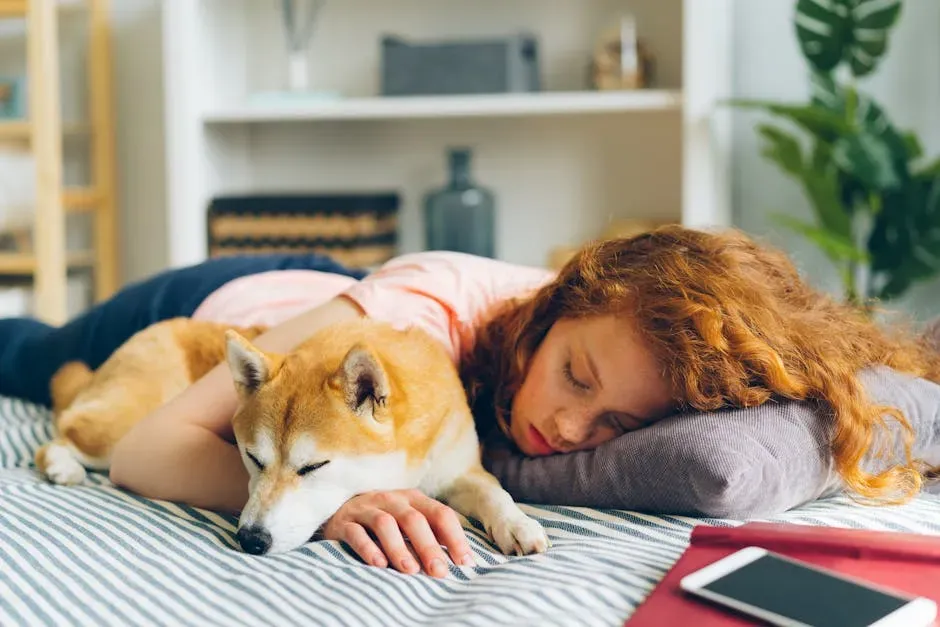
Your pillow is soft and warm, and your head emanates heat, making it an attractive spot for temperature regulation. Additionally, your natural scent is strongest near your head, providing your dog with a sense of security and closeness. Dogs experience the world primarily through scent, so your personal smell is one of the most comforting things they know.
By choosing to sleep near your head, your dog is signaling a profound level of trust. They feel safe enough in your presence to relax completely, knowing you will alert them to danger. While having your dog sleep on your head might seem unusual, it’s typically a sign of trust, affection, and natural pack behavior. It’s a little inconvenient, but hard to be annoyed by something so genuinely sweet.
#11 They Burrow Under Your Blankets
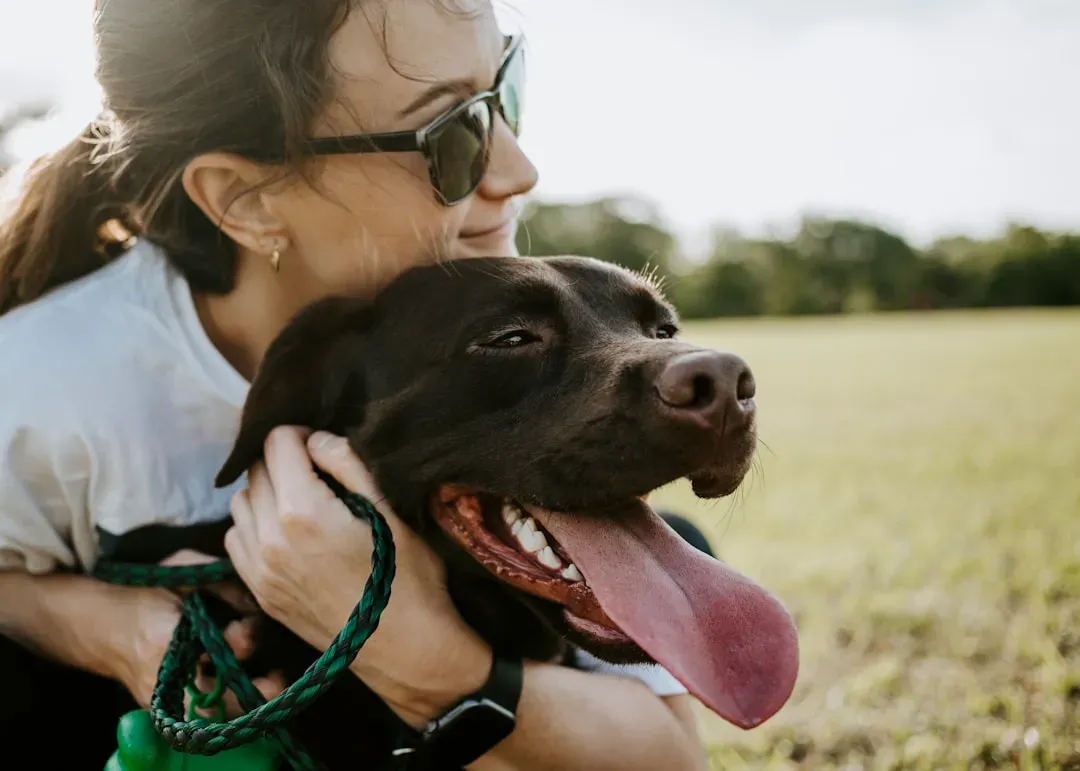
Some dogs love to snuggle under blankets, pillows, or tight spaces. This burrowing behavior is common in certain breeds. Burrowing offers a sense of safety and comfort, and it mimics the den-like environments of the wild, providing warmth and security. Breeds like Dachshunds and Terriers were literally built for burrowing underground, so finding them deep in your duvet isn’t surprising.
Dogs may choose to sleep like this for extra warmth and to feel more at ease, as it can help dogs feel like they’re in a more protected environment. The fact that they choose your blanket, specifically, is the trust signal. Your scent saturates those fabrics, and burrowing into them is your dog choosing comfort through closeness to you, even in the dark.
#12 They Settle Into a Routine Sleep Schedule With You
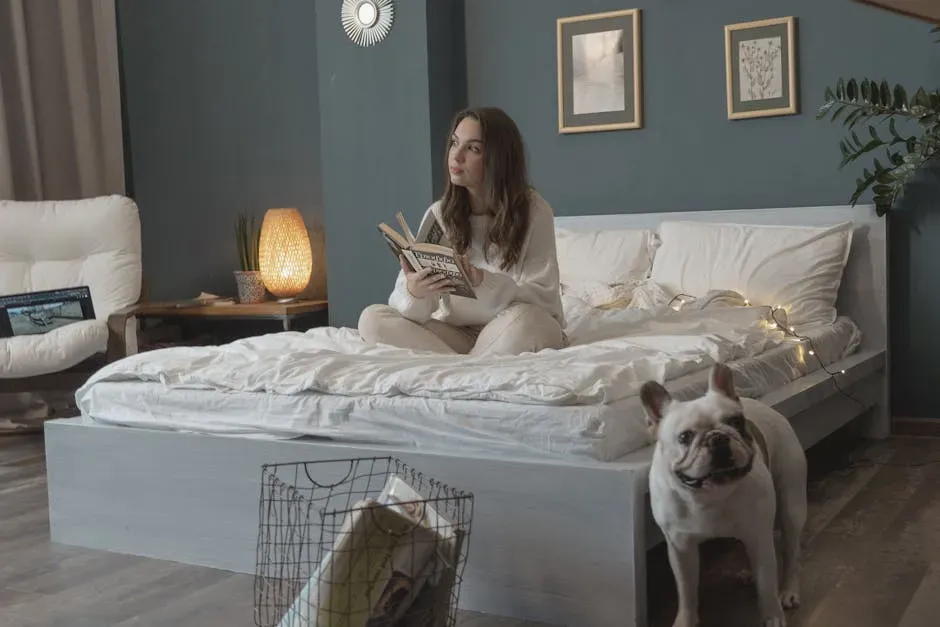
Getting your pet into a routine can help them adjust to their new home, and a shared routine can also solidify a canine-human bond, as your dog knows it can always rely on you. A dog that confidently follows your bedtime cues, settling in as you wind down, is a dog that has built a reliable internal sense of security around your habits.
Dogs thrive on routine, and having a consistent sleeping spot helps them relax. Sleeping with the owner in the same room helps minimize fear, anxiety, and stress. When your dog sighs contentedly and closes their eyes the moment you do, that’s not coincidence. That’s trust that has been built, day after day, into something unshakeable.
#13 They Return to You After Waking From a Startling Dream
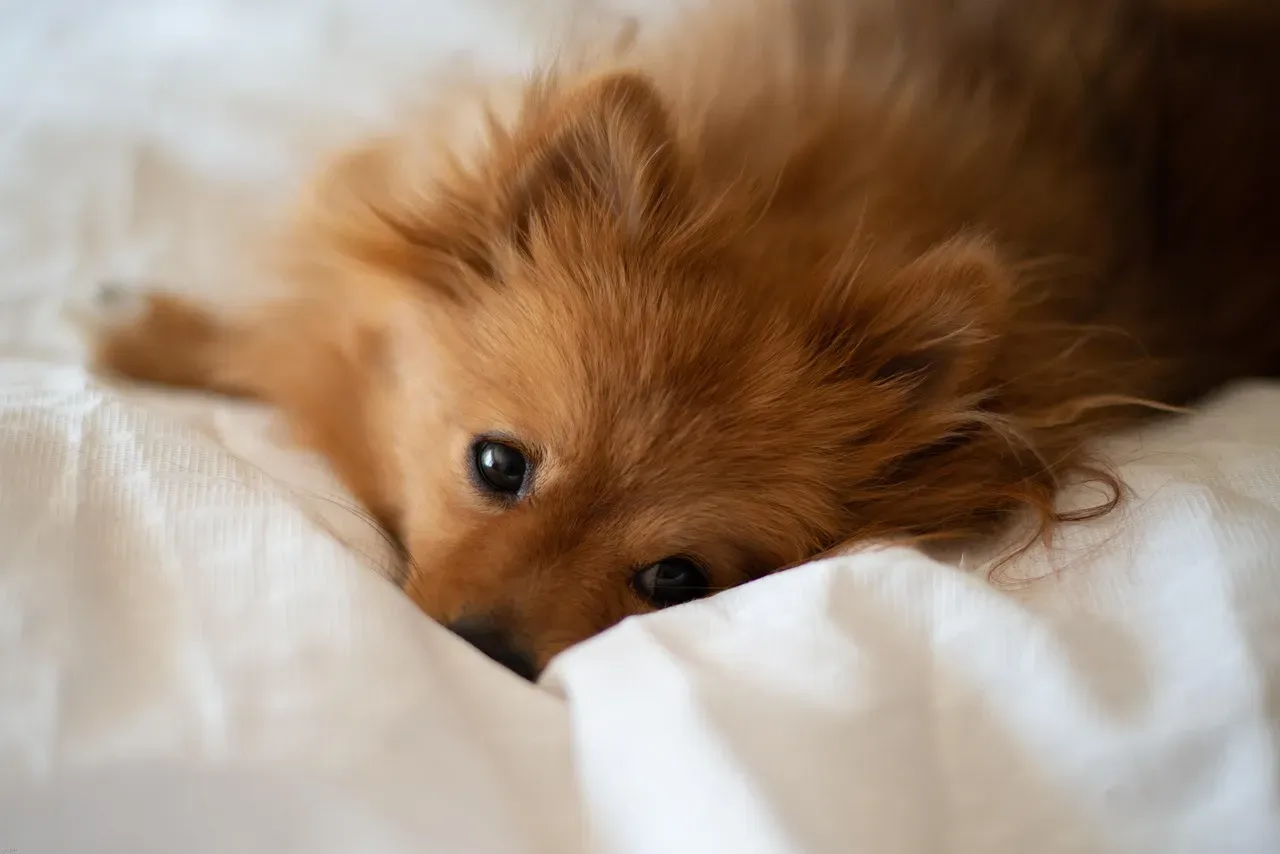
Sometimes a dog will jolt awake during a vivid dream, look momentarily confused, and then immediately seek you out. This post-dream behavior is one of the clearest demonstrations of trust you’ll ever see. A nightmare or night terror could be the cause of these involuntary movements, and dogs may wake up frightened. Instead, gently call your dog’s name until they respond, speak calmly, and reassure them that they are safe and secure after they wake up.
The fact that your dog comes to you after being scared, rather than retreating or becoming defensive, tells you everything. You are their safe place, even when their own brain startled them. Dogs recover quickly from startling events when you’re present. That quick recovery happens precisely because they trust the person in the room with them.
#14 They Sleep Deeply Even When Strangers Are Nearby, Because You’re There
A dog that sleeps deeply and soundly in an unfamiliar environment, simply because you’re present, is displaying one of the highest forms of trust available to the canine mind. The clearest sign of complete trust is when your dog maintains calm confidence in your presence, even during challenging moments. They don’t question your intentions, they follow your lead naturally, and they seek your company by choice rather than obligation.
Your dog’s trust in you stems from their belief that you are capable of maintaining a safe and secure environment for them. When that belief is strong enough to override natural canine alertness in an unfamiliar setting, you’ve become something remarkable to your dog. Not just an owner. A genuine source of safety. The bond between a dog and their owner is one that takes time to build, and based on mutual respect, love, and appreciation, once your dog trusts you, you’ll benefit from a loyal and loving companion for life.
Conclusion: Trust Is Built in the Quiet Moments
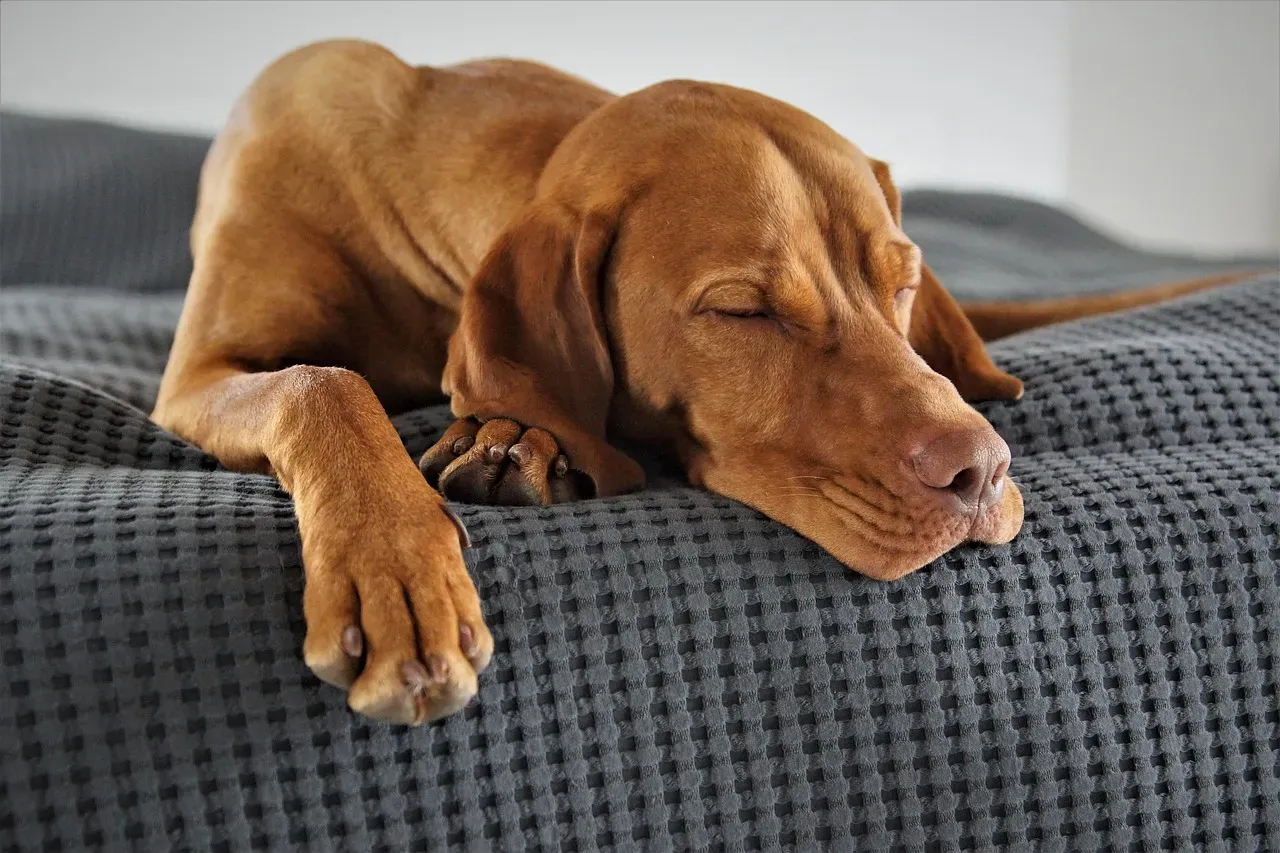
Every twitch, every contented sigh, every paw pressed warmly against your leg while your dog sleeps, these aren’t random behaviors. They are the accumulated result of every kind word, every consistent routine, every gentle response to your dog’s needs over time.
Trust isn’t automatic, it’s earned through daily interaction, positive reinforcement, and honoring your dog’s needs. The beautiful thing is that dogs don’t keep score. They don’t hold grudges over the days you were rushed or distracted. They simply notice, over and over again, whether you show up for them.
Next time your dog curls up beside you and drifts off with a slow, heavy exhale, take a moment to appreciate what you’re really seeing. That isn’t just a dog napping. That’s an animal who has decided, completely and without reservation, that you are safe. Few things in life are more worth earning than that.


