
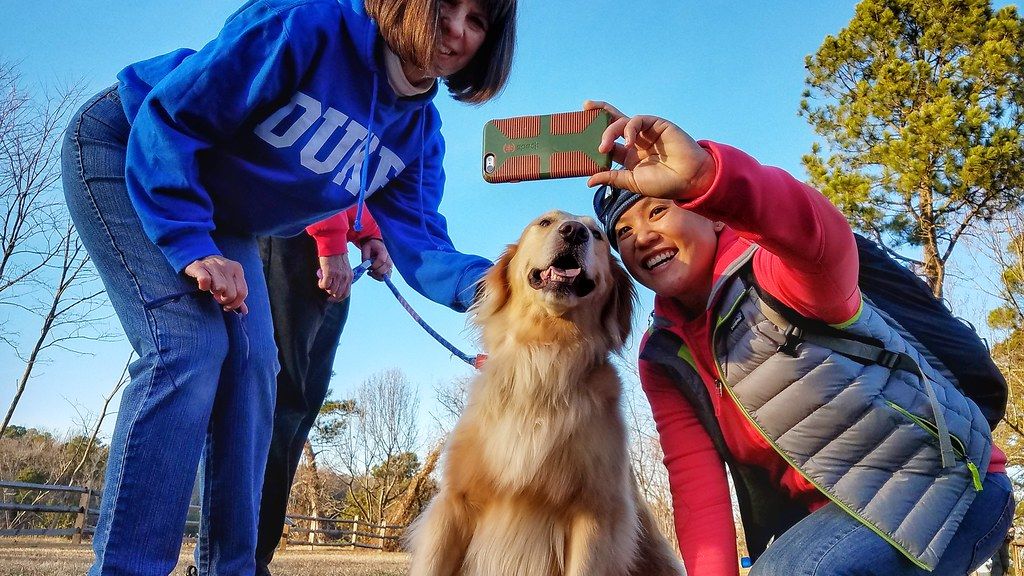
Picture this: a soldier returns home after 14 months overseas. Before she even opens the front door, her dog is already at the window, tail going a mile a minute. He knows. Not because he heard the car, not because someone told him. He just knows.
This happens every day around the world, and it’s not sentimental exaggeration. Dogs carry the people they love somewhere deep inside themselves, in their noses, their nervous systems, and something that looks remarkably like a heart. Evidence from both research and real-life stories confirms that dogs’ memories aren’t fleeting; they often last for many years, sometimes an entire lifetime. The question was never really whether they remember. The question is what, exactly, they remember.
Here are 17 things your dog holds onto about the person they loved most, even years after that person is gone.
1. Your Unique Scent – Their Most Powerful Memory Anchor
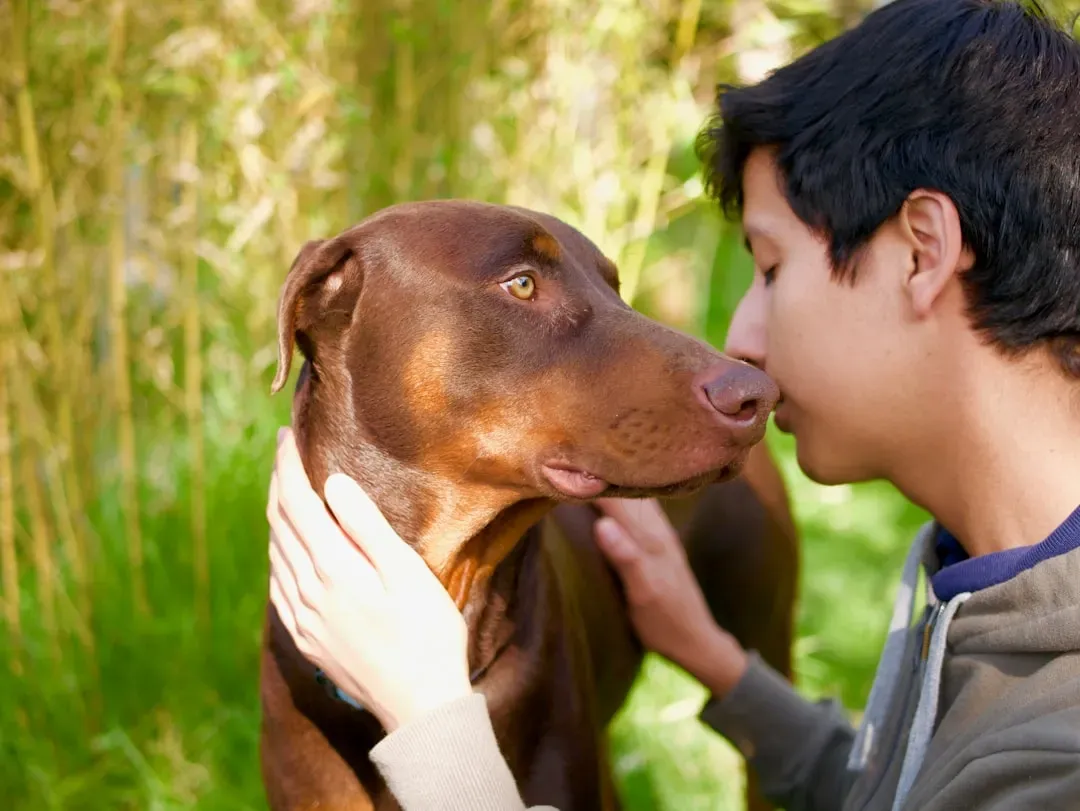
Of all the things a dog stores about a beloved person, scent is the deepest and most durable. A dog’s sense of smell is estimated to be 10,000 to 100,000 times more powerful than a human’s, and the average dog has 100 million scent receptors compared to five to six million in the average person, with a much larger portion of the brain dedicated to smell. That’s not just a fun fact. It means your personal scent is essentially your dog’s fingerprint of you.
When a dog smells a familiar person, specific areas of their brain light up, showing not just recognition but also a positive emotional response. Scent is at the heart of how dogs recognize and recall people. Even after years apart, a dog may instantly recognize someone by their unique smell. If you’ve ever seen a dog root through a deceased owner’s old sweater with quiet focus, you’ve watched this in real time.
2. The Sound and Tone of Your Voice
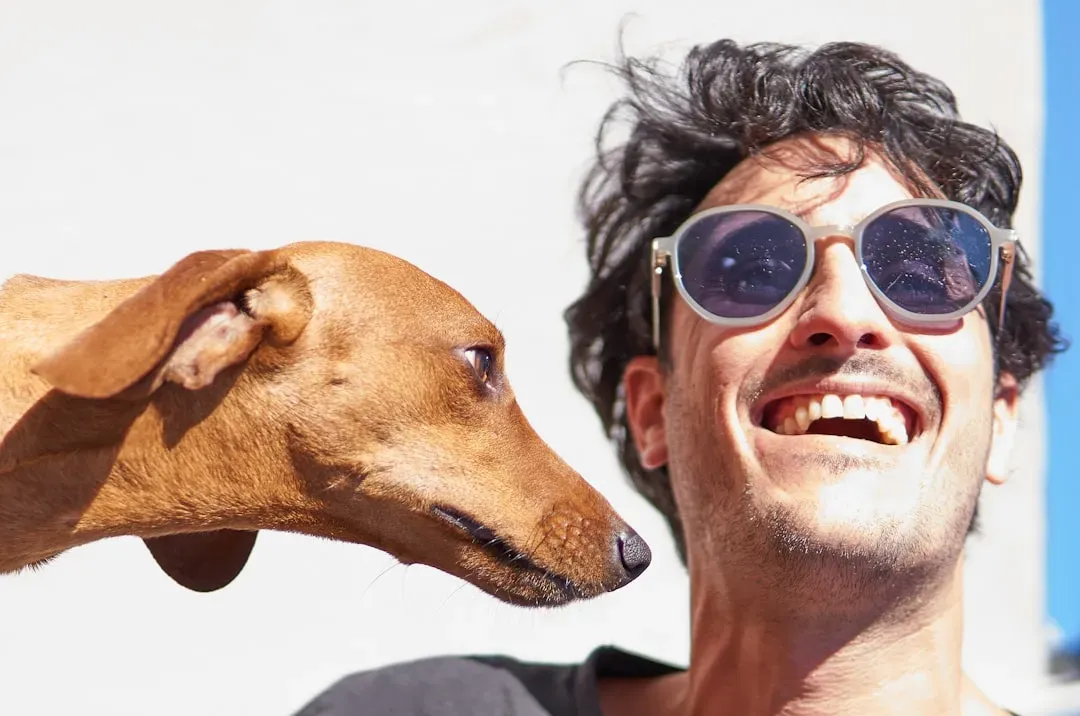
When a person speaks, their pitch, rhythm, accent, and emotional tone become part of a dog’s multisensory memory. Over time, they even recognize familiar words. The more they hear a familiar voice, the stronger the neural pathways for recognition. This is why dogs perk up when they hear a recording of their owner’s voice, even from another room.
Dogs’ brains have dedicated areas that are sensitive to voice, similar to those in humans. In a brain imaging study, researchers found that dogs possess voice-processing regions in their temporal cortex that light up in response to vocal sounds. Dogs respond not just to any sound, but to the emotional tone of your voice. Brain scans reveal that emotionally charged sounds – a laugh, a cry, an angry shout – activate dogs’ auditory cortex and the amygdala, a part of the brain involved in processing emotions.
3. Your Face – Especially Your Eyes
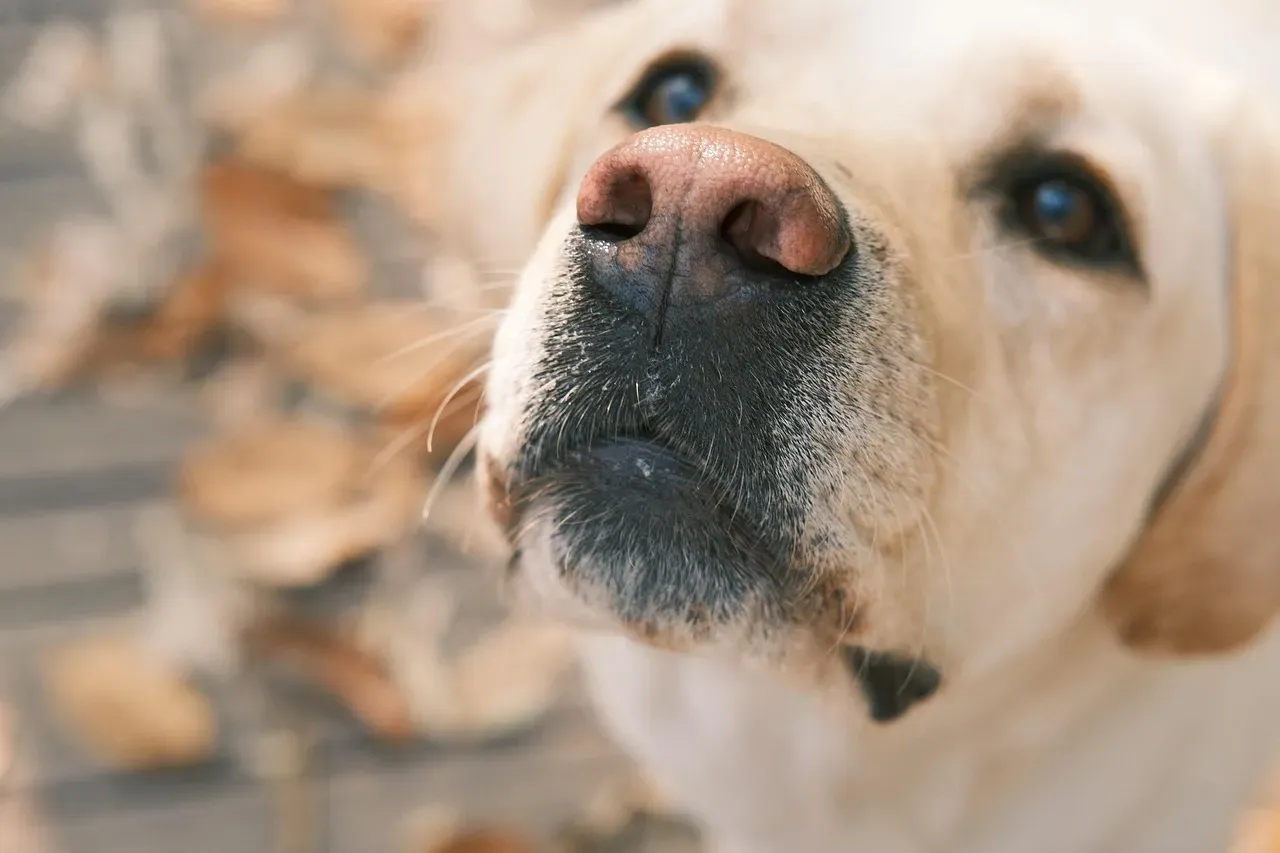
Dogs don’t just see a blur when they look at a person they love. In 2015, researchers used functional MRI to determine how dogs remember faces. The study found that dogs have a specialized region in their temporal lobe for remembering faces. In a 2013 study in Animal Cognition, researchers used a computer with faces flashed on a screen and found that dogs focused on the eyes of the people on the screen, whether the photo was upright or not. The dogs clearly recognized the faces of people with whom they had lived or spent significant time.
One of the most popular studies was conducted by scientists at Italy’s University of Padua. It was there that they discovered dogs not only remember their owners, but that they use facial recognition to do so. If your dog stares into your eyes with an almost unsettling steadiness, they’re not just being sweet. They’re reinforcing a memory they intend to keep.
4. How You Made Them Feel – The Emotional Imprint
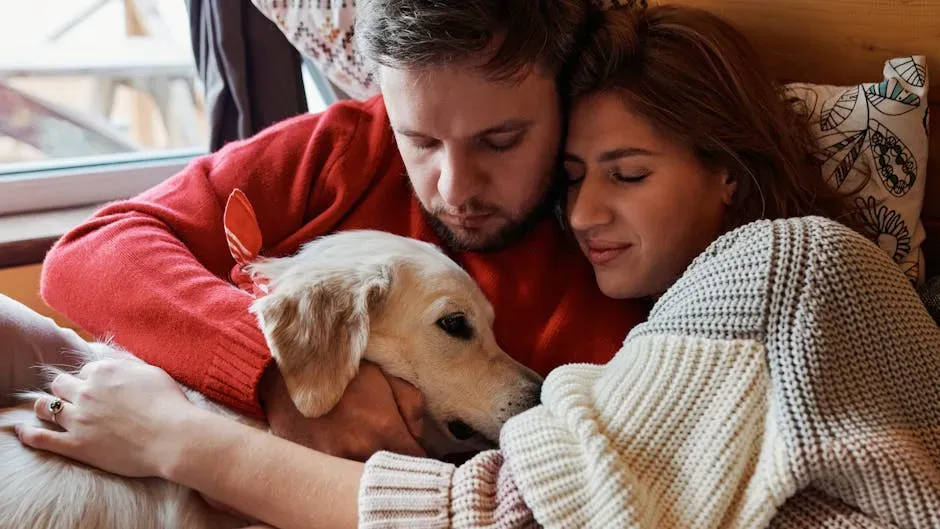
This one might be the most important of all. When a person consistently makes a dog feel safe and loved, the dog’s brain releases the feel-good hormone oxytocin, which strengthens the neural pathways that connect that person to comfort. A dog remembers how you made them feel, whether that’s safe and calm, excited, or fearful. The specific activities fade; the emotional tone does not.
Unlike humans, who recall specific events with detail, dogs rely on associative memory. They don’t replay scenes in their minds; instead, they connect people, places, and experiences with the emotions those situations evoked. Think of it less like a photo album and more like a feeling that gets triggered the moment you walk through the door.
5. Your Daily Routines and Shared Rituals
Dogs form emotional associations with their humans. They connect you with comfort, food, love, play, and security. When you’re not there, those positive associations fade, but they return the moment your dog sees you again. In behavioral science, this is called associative memory – the brain’s way of linking an event or person with a feeling. Your morning coffee ritual, your evening walk, the way you always tossed the ball at the same spot in the yard – all of it becomes part of the emotional map a dog draws of you.
A dog might associate grabbing the leash and putting on sneakers with going for a walk – not remembering each walk individually but feeling excitement at the routine. This is why dogs whose owners have passed often pace restlessly at the times those routines would have happened. They’re not confused. They’re remembering.
6. Your Body Language and the Way You Carried Yourself
Beyond eye contact, dogs are surprisingly skilled at reading human body language and facial expressions. Experiments demonstrate that pet dogs can distinguish a smiling face from an angry face, even in photos. Dogs show a subtle right-hemisphere bias when processing emotional cues, tending to gaze toward the left side of a human’s face when assessing expressions – a pattern also seen in humans and primates.
Dogs learn by association and consequence. They form lasting memories of people based on their body language and demeanor. If you were calm, open, and present with your dog, they encoded that. Those physical cues become part of how they recognize you and what they associate with safety. Someone who walked with your same gait might cause a grieving dog to do a double take on the street. That’s not random. That’s memory at work.
7. Commands Taught by a Beloved Person – Even in a Different Language
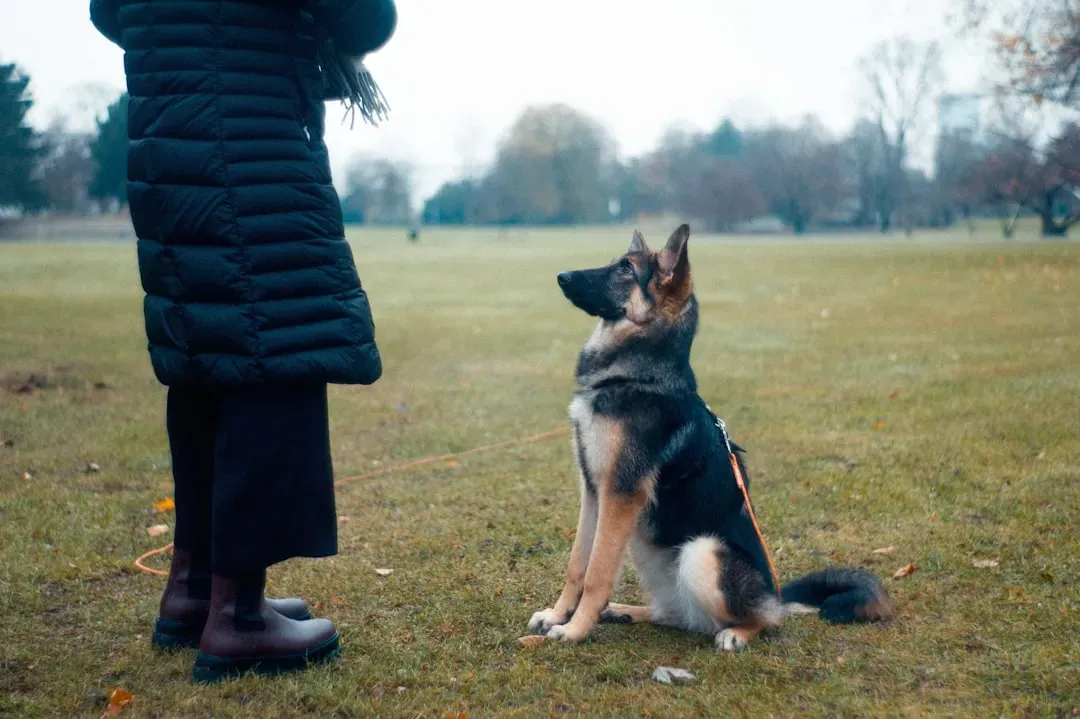
Here’s a striking example of just how permanent early memories can be. A dog named Feliks had not received commands spoken in Russian since the age of only about 18 months when his original owner died. More than a decade later, when he was nearly 12 years old, he responded to commands in Russian that he had not practiced at all since he was young. It seems to be pretty good evidence that early memories in a dog are, for all intents and purposes, permanent.
A dog’s ability to respond to verbal commands is likely a permanent memory. By training your dog, you are helping them build their associative memory. The person who first taught your dog to sit, stay, or come isn’t just a memory. They’re woven into how your dog understands the world. That’s a meaningful legacy.
8. The Oxytocin Bond – Love Encoded in Brain Chemistry
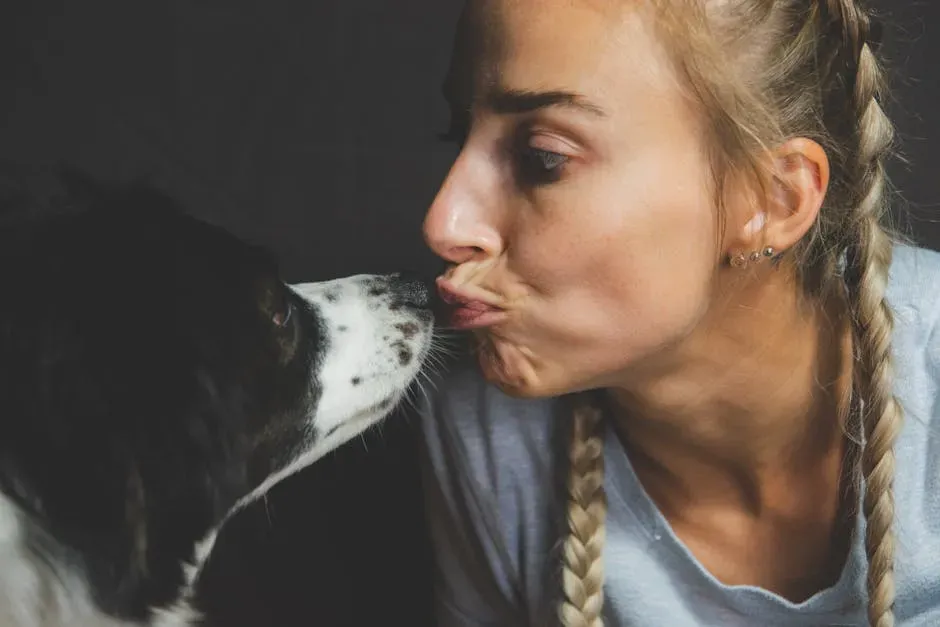
The bond between a dog and their favorite person isn’t just emotional. It’s chemical. When dogs and humans make eye contact, both experience a surge of oxytocin. Thousands of years of co-evolution have given dogs special ways to tune in to our voices, faces, and even brain chemistry. From brain regions devoted to processing our speech to the “love hormone” that surges when they lock eyes, a dog’s mind is hardwired to pick up on what you’re feeling.
This effect is unique to domesticated dogs: hand-raised wolves did not respond the same way to human eye contact. As dogs became domesticated, they evolved this interspecies oxytocin loop as a way to glue them emotionally to their humans. Those soulful eyes your pup gives you are chemically binding you two together. Every loving look exchanged between you and your dog literally reinforced a bond at the neurological level. That’s not poetry. That’s biology.
9. Negative Experiences – Including Fear and Trauma
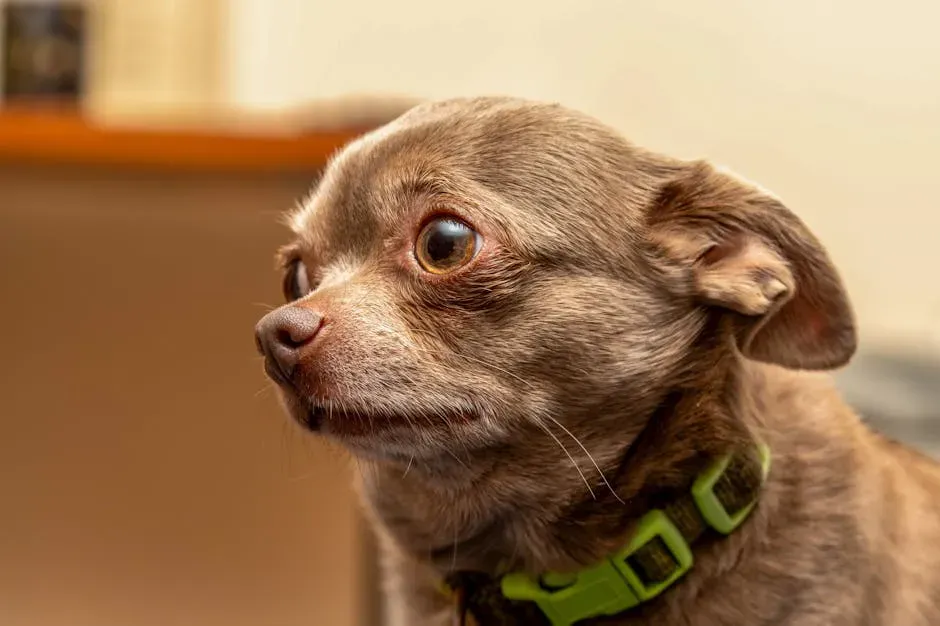
Memory cuts both ways. This ability isn’t limited to positive memories. Dogs who have experienced trauma or abuse may react anxiously or defensively when exposed to cues reminiscent of those negative experiences – even many years later. A dog who feared a particular person won’t simply forget that feeling because time has passed. The amygdala doesn’t let go easily.
On the sadder side, abused or neglected pups seem to have a long-term memory for the dreadful things. Even with years of love and care afterward, trivial things such as smells or noises can trigger them, causing a PTSD-like event. If you’ve adopted a rescue dog who reacts strongly to certain situations or types of people, they may be remembering someone who hurt them. Patience, consistency, and positive reinforcement over time can help rewrite some of those associations.
10. Their Person’s Emotional State – Including Stress and Sadness
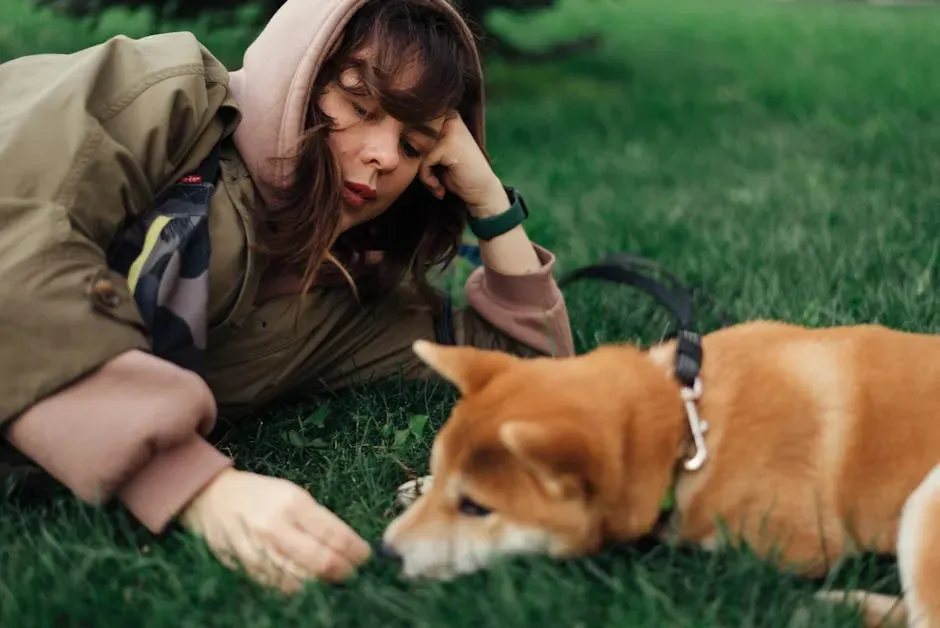
Dogs don’t just remember who you were at your best. They remember who you were on your hardest days, too. When owners show anxiety, dogs’ cortisol levels often rise as well. Your stress was their stress. Your calm was their calm. That emotional mirroring shaped how they experienced time spent with you.
A well-known experiment showed that dogs were more likely to approach a crying person than someone humming or speaking normally – even if the crying individual was a stranger. For a dog whose person struggled with their mental health, this means they were present in a profound way. Their tendency to press close during difficult moments wasn’t accidental. It was learned, practiced, and remembered.
11. Special Places You Shared Together
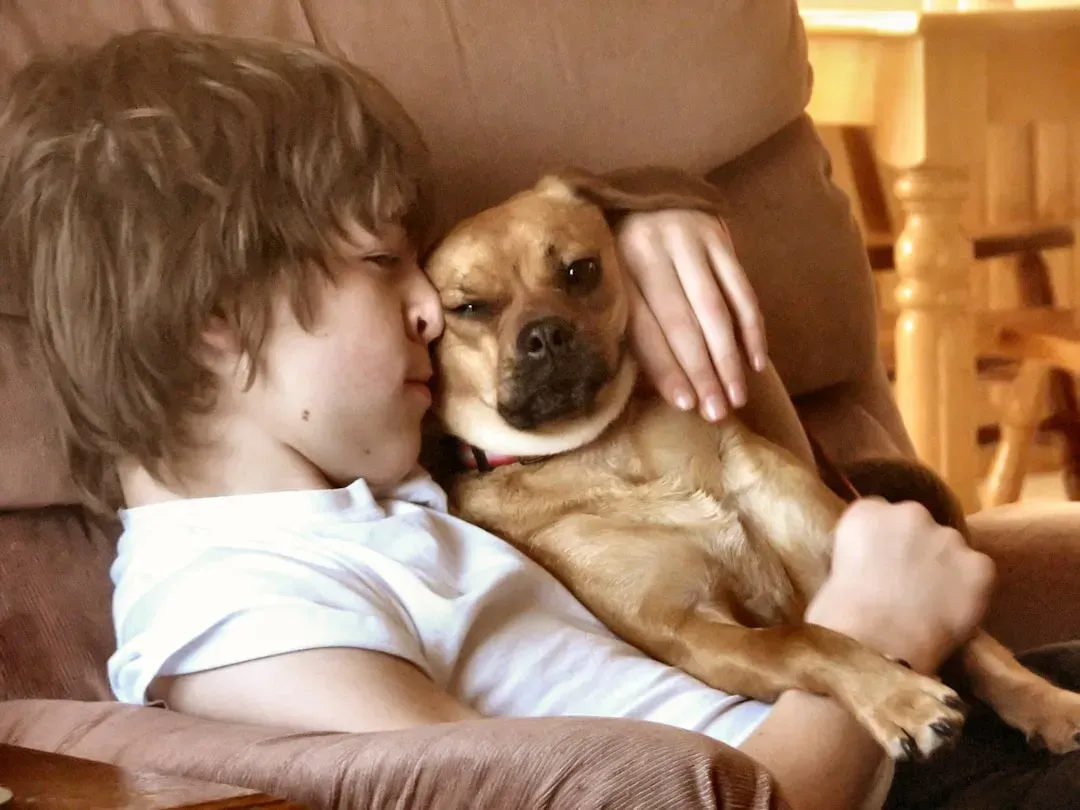
Dogs sometimes make pilgrimages to locations associated with their deceased owner. They might repeatedly visit a favorite chair, garden spot, or bedside, seemingly searching for comfort in these meaningful places. These visits often involve sniffing, circling, or lying down in spots rich with memories. This poignant behavior demonstrates their connection to spatial memory and association, as they revisit areas where they experienced happiness with their human companion.
Your dog might remember that a certain park is associated with fun walks and interesting smells, but they may not recall the specific day you last visited. The location holds the feeling, not the date. This is why keeping some familiar spaces and routines consistent matters so much for dogs who have lost a beloved person. Those places are not just rooms or parks. They’re anchors to someone they loved.
12. The Specific Way You Touched and Held Them
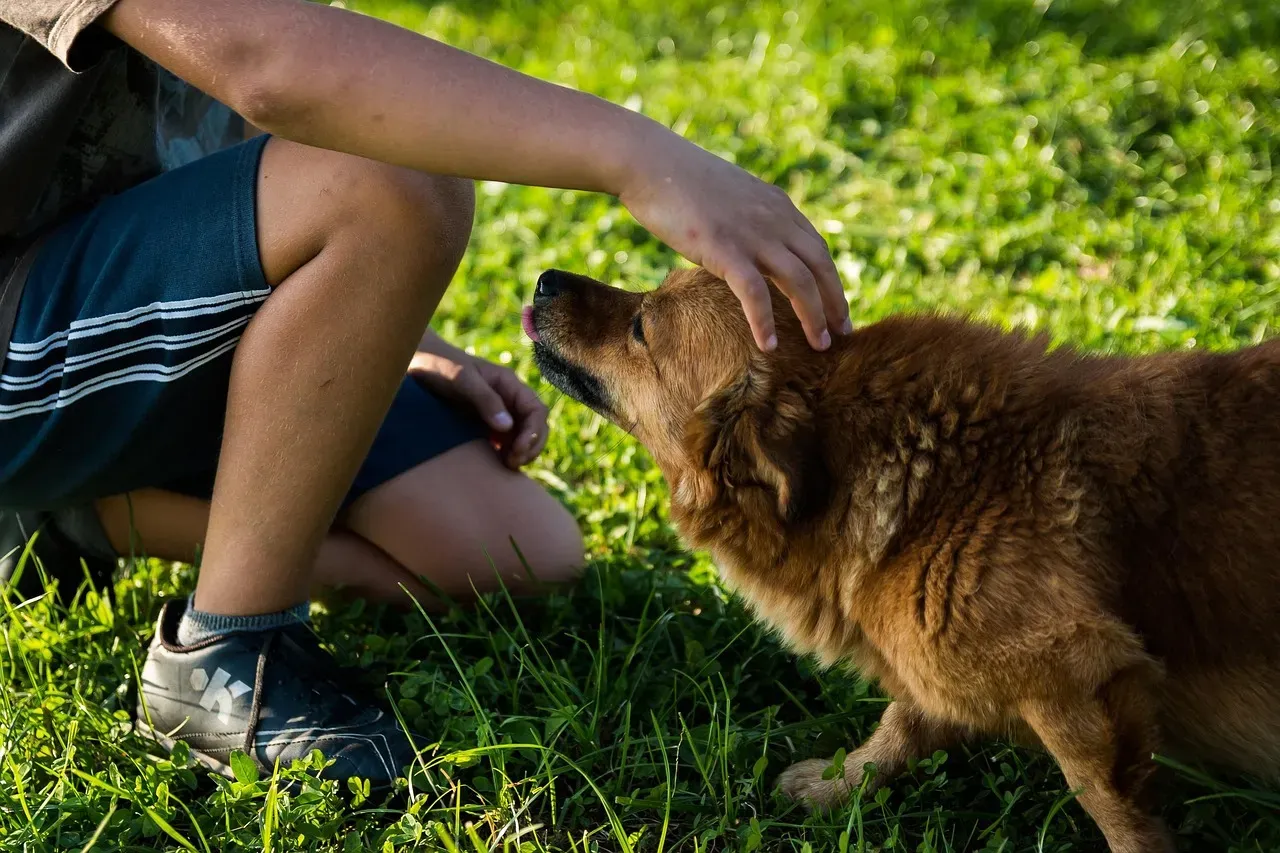
How you petted your dog – long strokes along the back, a scratch behind the ear, a gentle hold around the neck – became its own kind of language. Interaction between dog owners and their dogs results in increasing levels of oxytocin in both owners and dogs, while cortisol levels decrease in the owners. Over time, the particular way you touched your dog became deeply associated with comfort and safety.
A number of studies have shown that when dogs and humans interact with each other in a positive way, such as cuddling, both partners exhibit a surge in oxytocin, a hormone which has been linked to positive emotional states. A new caregiver or family member who holds a grieving dog the same way as the lost person sometimes finds the dog noticeably more at ease. The body remembers before the mind catches up.
13. Your Name – Even When You’re Gone

The sound of a deceased owner’s name can trigger immediate responses in grieving dogs. Ears perk up, heads swivel toward doors, and some dogs actively search the room upon hearing their person mentioned. This name recognition persists long after the loss, demonstrating their lasting memory connections. The hopeful alertness in their eyes during these moments reveals their continued association between the name and their missing companion.
This is something surviving family members often discover by accident, sometimes months after a loss. They say a name without thinking and the dog freezes, tail mid-wag, turning toward the door. It’s one of the more quietly heartbreaking things a dog can do. It’s also one of the most honest demonstrations of loyalty you’ll ever witness.
14. Episodic Experiences – More Than We Once Thought

For a long time, scientists believed true episodic memory – the ability to recall specific events – was reserved for humans. That thinking has shifted. Research published in Current Biology suggests that dogs have something similar to episodic memory. In landmark tests, dogs successfully recalled actions their owners had performed even when they had no reason to expect they’d need to remember them.
Until recently, it was thought that only humans and a few animals had episodic memories. Some research suggested that dogs sort of have that ability, but a groundbreaking study in Current Biology provided strong evidence for episodic-like memory in dogs. That’s similar to human episodic memory, which decays at a faster rate when an event isn’t intentionally recorded. The more emotionally significant the moment, the longer it seems to linger.
15. How Long You Were Gone – Their Sense of Time
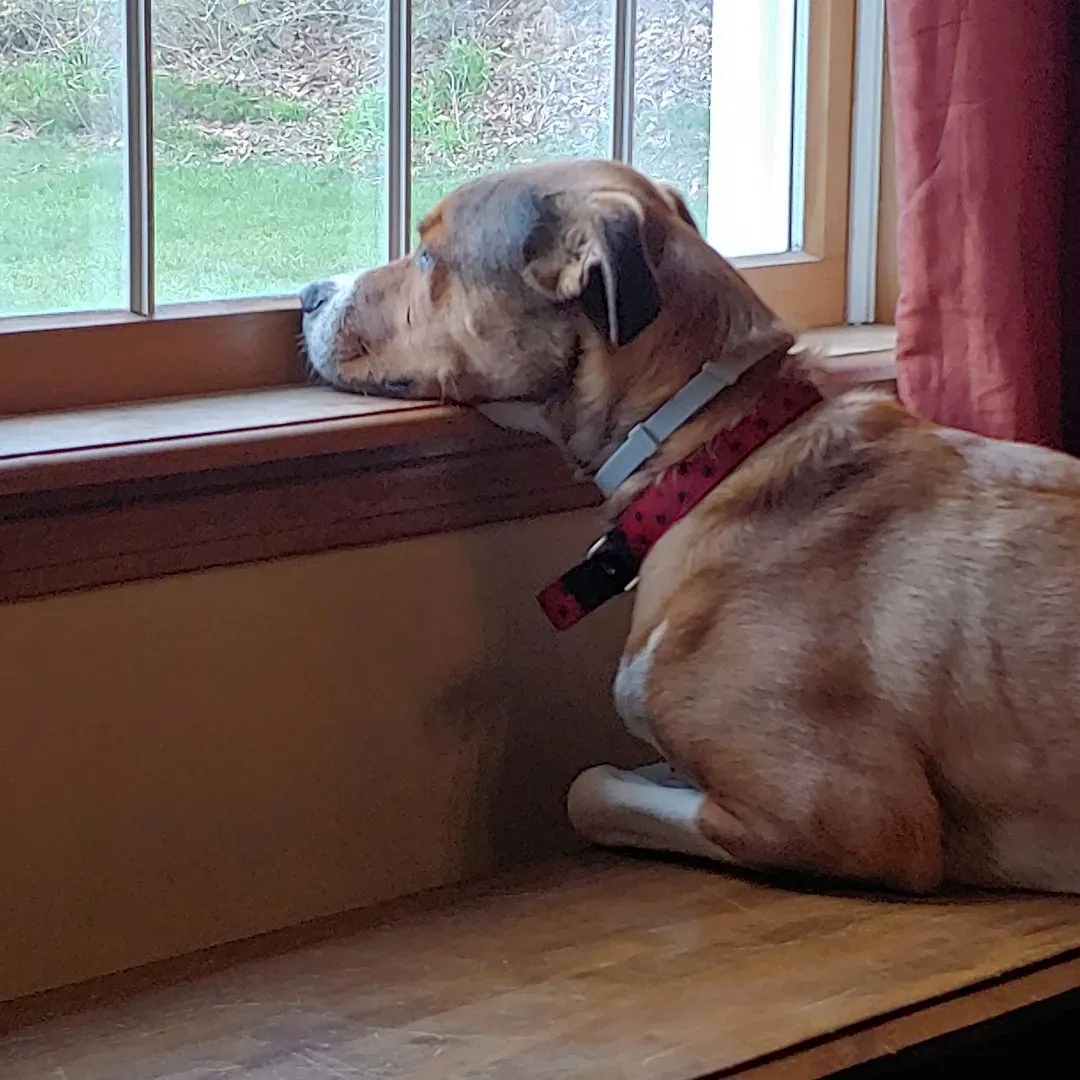
Dogs don’t read clocks, but they’re not without a sense of duration. Behavioral scientist Patricia McConnell refers to a study published in Applied Animal Behavior Science in which dogs that were left alone for a very long time greeted their owners in a more intense manner upon reunion. The longer the absence, the bigger the response. That’s not nothing.
Studies have shown that the longer a dog is separated from their owner, the happier the dog will be when they return. It’s actually true, even for pups, that time really does make the heart grow fonder. This means your dog not only remembers you during separation – they experience something that looks very much like missing you. That’s worth sitting with for a moment.
16. The Words and Vocabulary You Shared
Dogs learn the language of the people they love. A study published in Biology Letters explored whether dogs can retain object-label associations over long periods of time. Researchers previously tested five dogs on their ability to recognize the names of 12 labeled toys taught to them during a one-week training session carried out by the dogs’ owners. After the initial study, the toys were then removed from their environment for two years. The dogs still remembered the names.
Dogs can remember their owners, even past owners, for years. They can also recall training, words, and experiences long after the fact, but how they remember it might not be the same way people recall previous events. The specific words a beloved person used – their pet names, their cues, their little phrases – stay embedded in a dog’s long-term memory. A rescue dog hearing their old nickname for the first time in years may stop cold and look around, searching.
17. Your Absence – And How They Process Grief
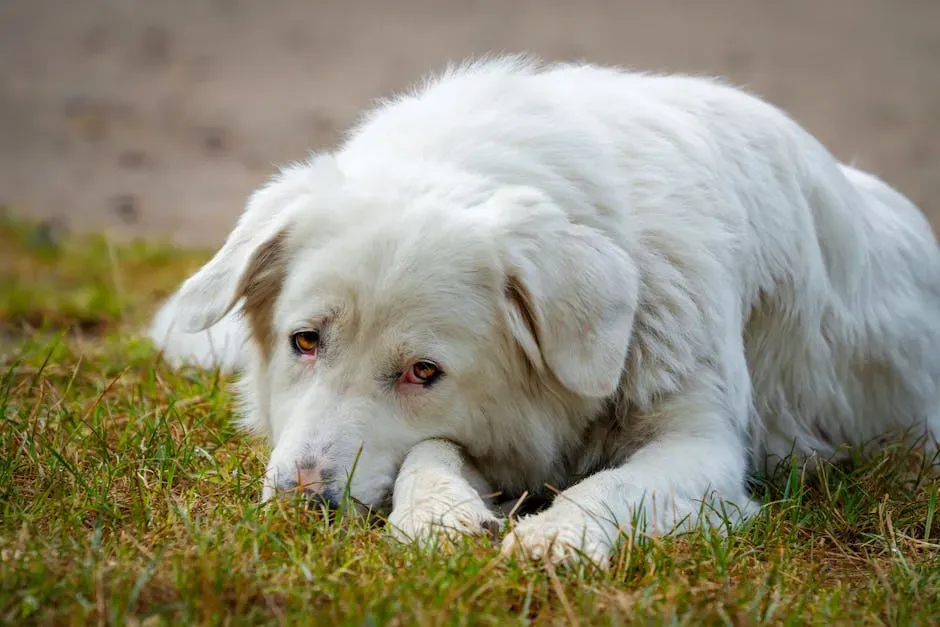
Perhaps the most profound thing a dog remembers is the hole left behind when their person is gone. A landmark study published in the Journal of Veterinary Science in 2021 explored the behaviors of dogs following the death of a primary caregiver. The study included 150 dogs who had experienced such a loss. The scientists found that a significant number of dogs displayed grief-like behaviors, such as reduced appetite, increased lethargy, and seeking comfort from other family members. Some dogs even exhibited signs of depression, including withdrawal from social interactions and a lack of interest in previously enjoyed activities.
Like humans, a dog’s grief-related stress can have an unpredictable timeline. For some, it may only last a few months, while with other dogs, it could permanently change their personality and behavior. If you’re supporting a grieving dog, reestablishing a consistent daily routine offers stability and a sense of normalcy, which is critical for a dog’s emotional well-being during times of grief. It helps to establish regular feeding times, playtimes, and walks to help your dog readjust to their new life.
Conclusion: What This All Means for How We Love Our Dogs
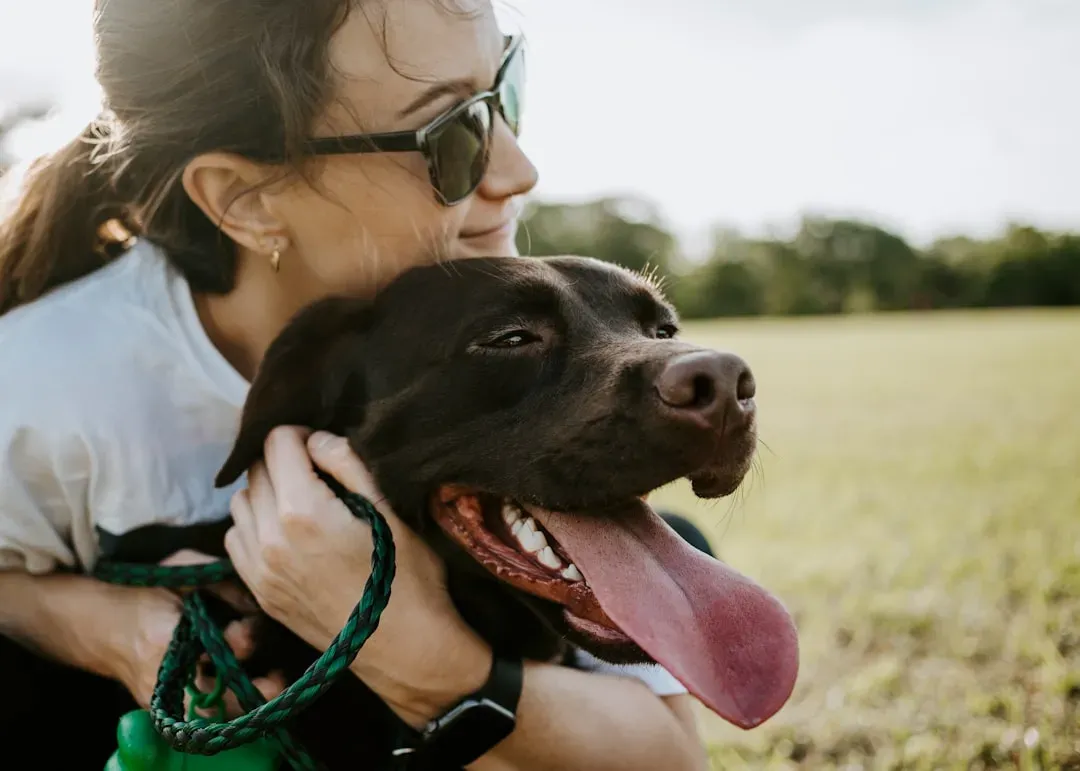
The science is clear, even where some of the details remain uncertain: dogs carry the people they love in a way that is real, durable, and deeply woven into who they are. Dogs don’t completely forget the bad things that happened to them, and they won’t ever forget how happy and loved you made them feel. That’s both a responsibility and an extraordinary gift.
Every walk you take, every quiet evening on the couch, every patient training session, and every moment of genuine comfort you offer your dog – those are the memories you’re building. By nature, dogs store happy memories and scents, and keep them with them throughout their lives. By doing your best to be an amazing owner, you are giving your dog every reason in the world to remember you for all of the positive things you’ve brought to their life.
Dogs don’t remember us the way we remember them. They remember us the way they need to – through feeling, through scent, through the steady rhythm of a life shared. That might actually be the deeper form of love.


