
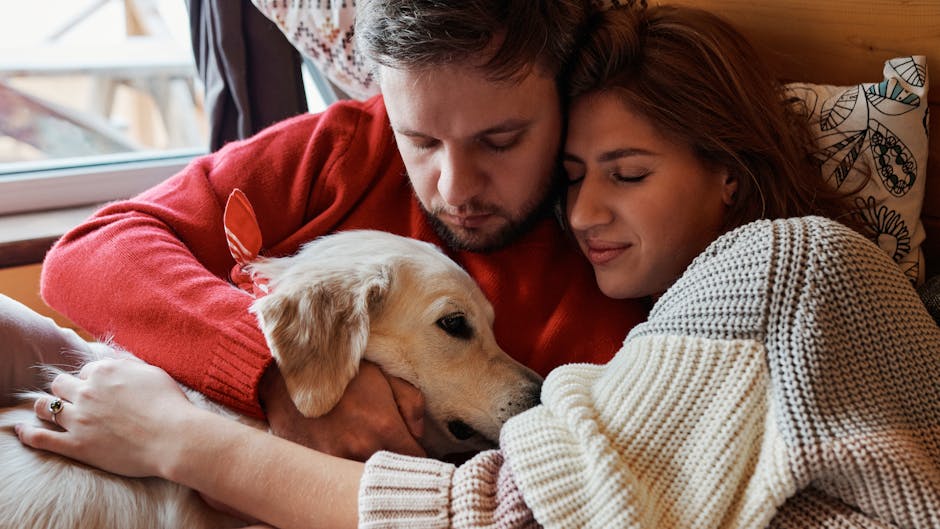
There’s a moment most dog owners know well. You walk through the door after a long, draining day, and before you’ve even set your bag down, something happens. A tail starts wagging so hard it moves the whole body. A pair of warm eyes locks onto yours. And just like that, the weight of the day shifts. You didn’t do anything special. You just came home.
That reaction isn’t trained. It isn’t performed. It’s one of dozens of quiet, consistent ways your dog tells you something that no human has ever managed to say so cleanly: you are, without question, their favorite thing in the world. Scientists have been studying the human-canine bond for decades, and what they keep finding is remarkable. These behaviors aren’t random acts of affection. They’re a dog’s version of a lifelong commitment. Here are thirteen of them.
#1: They Greet You Like You’ve Been Gone for a Year
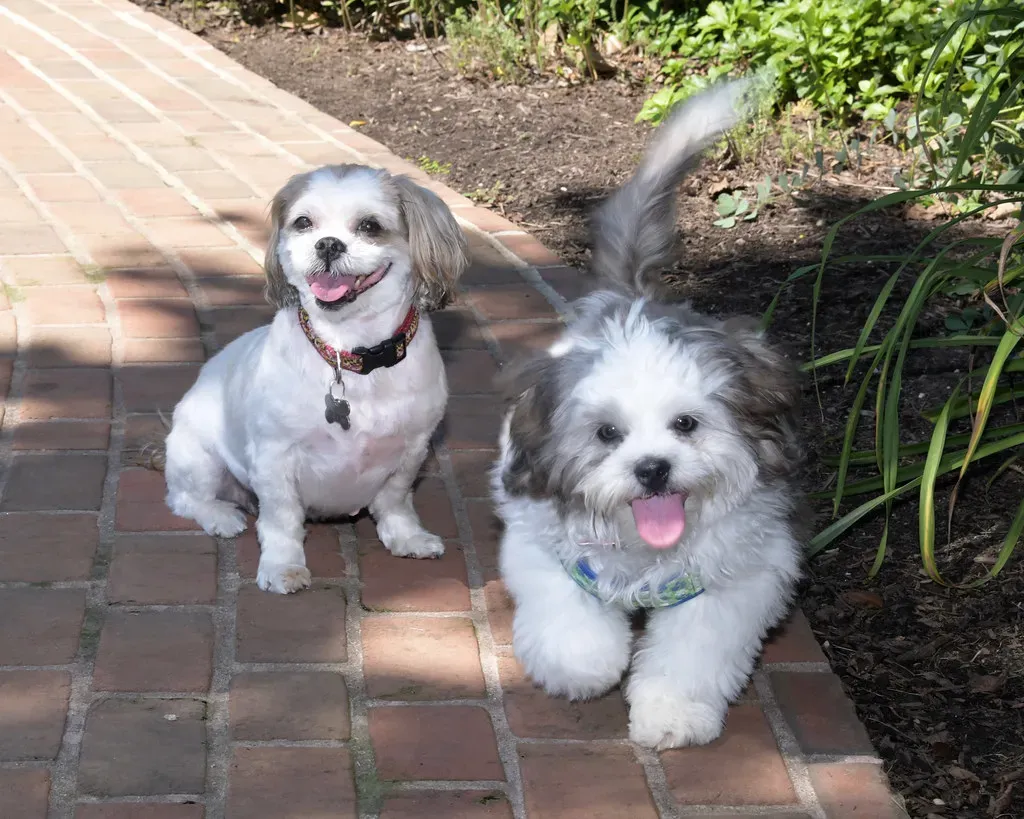
The enthusiastic greeting dogs give their owners, no matter how long they’ve been apart, is a testament to their loyalty. This joyous celebration of their owner’s return demonstrates their deep attachment and happiness in reuniting. It doesn’t matter if you stepped out for twenty minutes or were gone all day. The intensity of that welcome doesn’t scale with time. It stays at maximum, every single time.
Unlike humans, dogs do not judge or hold grudges. They are always excited to see their owners, regardless of how much time has passed or what has happened. That’s a kind of emotional consistency that’s genuinely rare. There’s no keeping score, no quiet resentment built up from the morning’s rushed goodbye. Just pure, uncomplicated joy that you exist and you’re back.
#2: They Follow You Everywhere – Even to the Bathroom
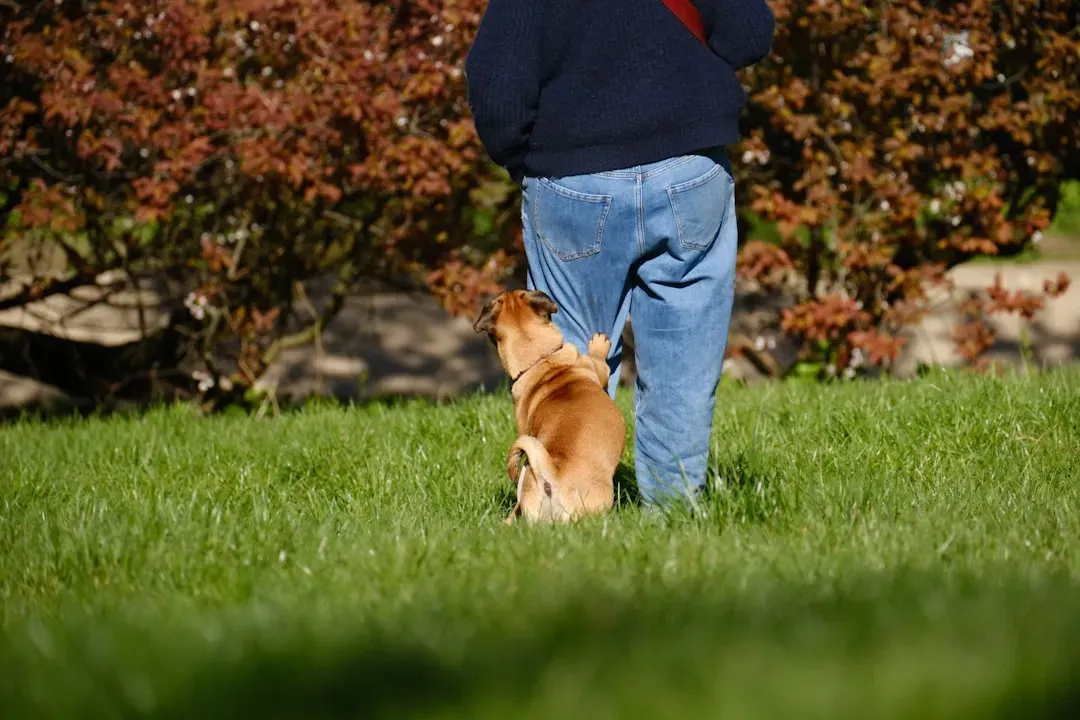
If your dog follows you everywhere you go, it’s a sign of their love and attachment to you. They want to be near you and be a part of your life. Following you is also a way for your dog to feel secure and protected. Most people laugh this off as a quirky dog thing. It’s actually one of the clearest declarations of devotion in their entire behavioral vocabulary.
Dogs often follow their owners from room to room, even if it means leaving a comfortable spot. This behavior isn’t just a sign of curiosity; it’s a demonstration of loyalty and a desire to be in their owner’s company as much as possible. Think about what it means for a dog to abandon a warm, cozy nap just to lie on the cold bathroom tile next to you. That’s not neediness. That’s a choice they make, repeatedly, in your favor.
#3: They Lock Eyes with You – and Mean It
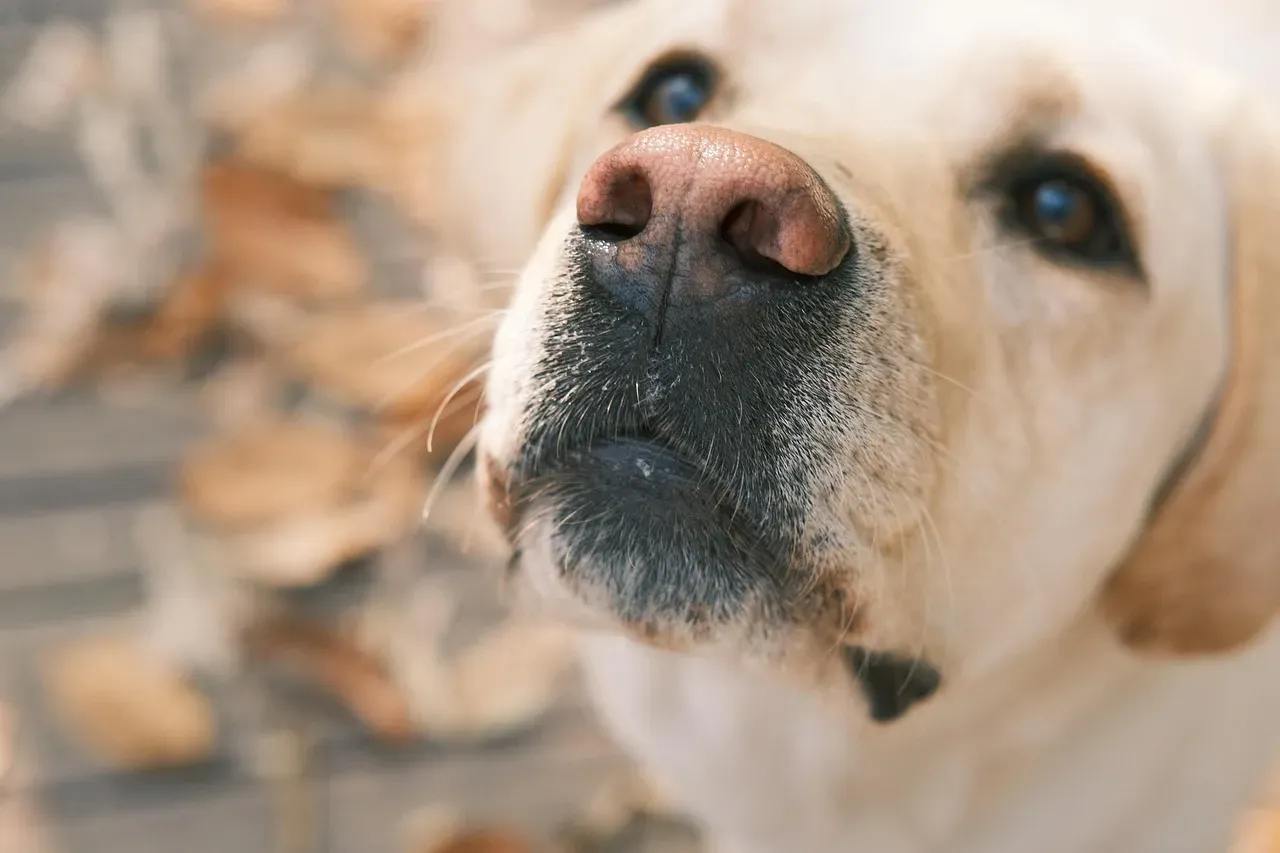
Making direct eye contact can be interpreted as aggression among dogs. When two dogs meet, one will look away in deference to the alpha dog. When your dog looks at you with eyes that are relaxed and pupils that are normal size, he is gracing you with a loving gaze. In other words, a dog holding your gaze is doing something that goes against their instincts with other dogs. They make an exception for you.
In 2015, Japanese researchers found that staring into your dog’s eyes causes a spike in oxytocin, the “love drug,” in the brain of both you and your dog. This behaviour releases oxytocin in both dogs and humans, and it strengthens the bond between the two. When your dog looks into your eyes, it’s a way for them to communicate their love and affection towards you. Two sets of eyes. One shared chemical reaction. It’s a love language that doesn’t need translation.
#4: They Bring You Their Most Prized Toy
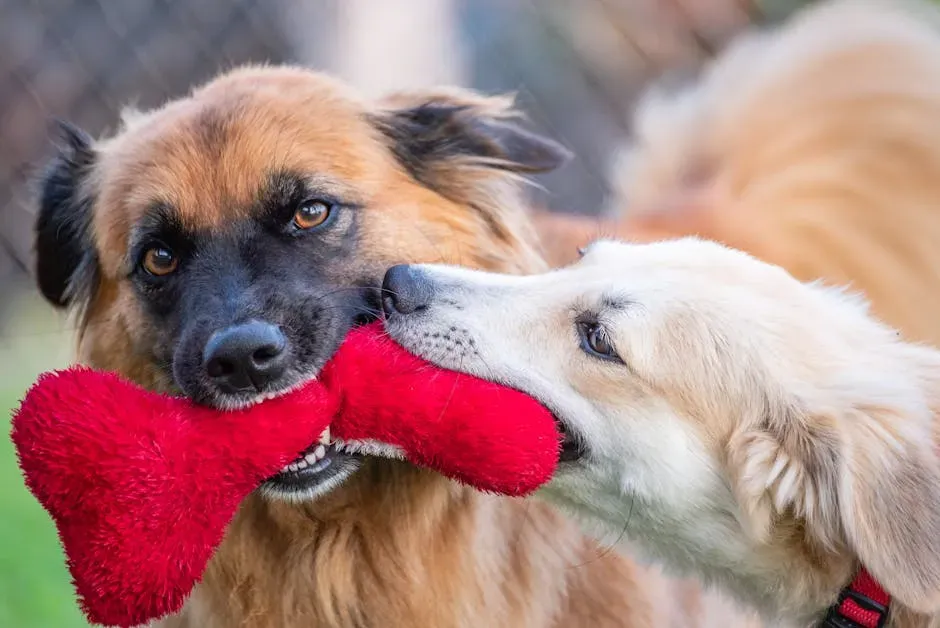
You know your dog loves you if they bring you their favorite toy. This behavior is an invitation to play and a sign of affection. It shows they trust you with their prized possessions, and they enjoy spending time with you. It sounds small. It isn’t. Dogs are protective of their things, and choosing to hand them over to you is a deliberate, meaningful act.
Another heartwarming way dogs show love is by bringing you their favorite toy. This act demonstrates trust because they are sharing something special. It’s like a child sharing their favorite toy with a friend. Studies suggest that this behavior indicates your dog values you as part of their pack. In a dog’s world, that’s about as close to saying “I trust you completely” as it gets.
#5: They Lean Their Full Weight Against You
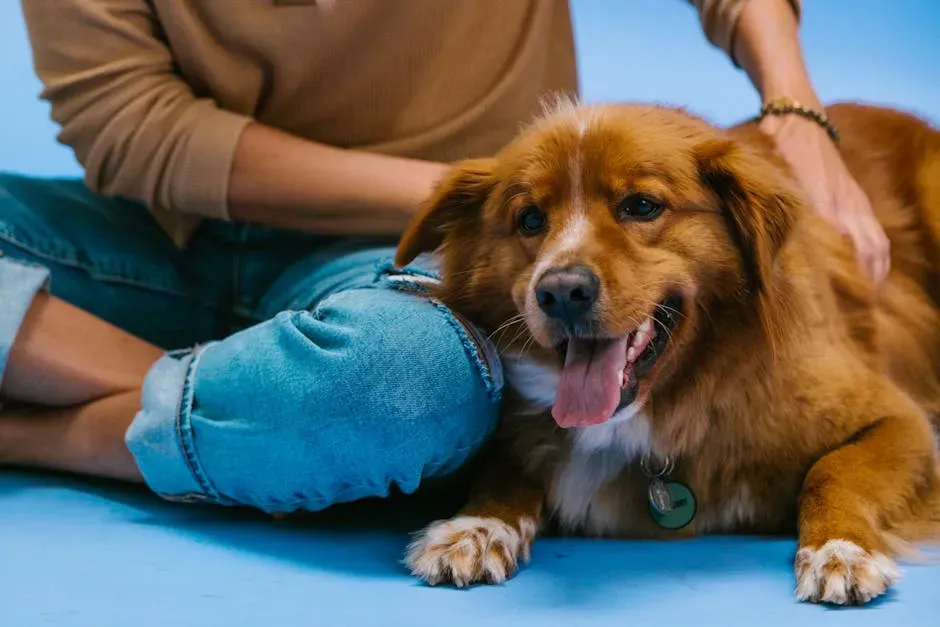
If you’ve ever felt your dog lean their full weight against your legs, they were showing you a sign of complete trust. You’re not going to lean up against someone you don’t feel safe and secure with – and neither is your dog. This means your dog sees you as a protector. Your dog may do this for comfort when they’re feeling scared, but when they lean against you during quiet times at home, it’s the equivalent of a full-body hug.
A dog may lean on you for comfort or protection, or they may want to spend time with you. Either way, their leaning is a sign that they see you as an important part of their life. There’s something quietly profound about a creature that weighs anywhere from ten to a hundred pounds choosing to press all of that against you, simply because being close to you feels like the safest place they know.
#6: They Curl Up and Sleep Near You
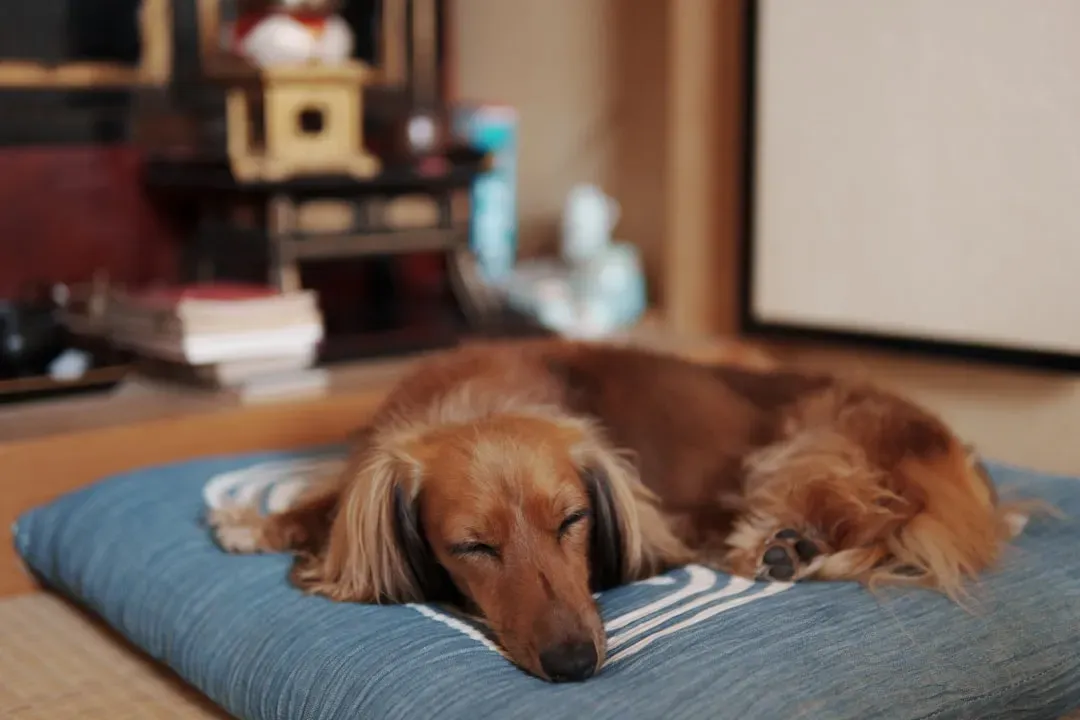
Sleep is a vulnerable time for any animal, but your dog doesn’t feel that way when curled up next to you. Studies indicate that dogs who have a secure relationship with their humans sleep better when they’re close. So next time your dog takes up half the bed, remember it’s not just about the warmth – it’s about the deep sense of security they feel nestled up with you.
Dogs are inherently alert to threats in their environment and lie in a defensive position when sleeping in the wild. They place their noses to the wind to pick up threatening scents and their backs to other pack members to form a protective circle. When they snuggle with you on the couch, it is a sign they feel safe and consider you part of their pack. You are part of their inner family circle. Every time your dog chooses to close their eyes beside you, they’re making themselves vulnerable. And they do it willingly, because you’re the reason they feel safe enough to.
#7: They Lick You – Constantly
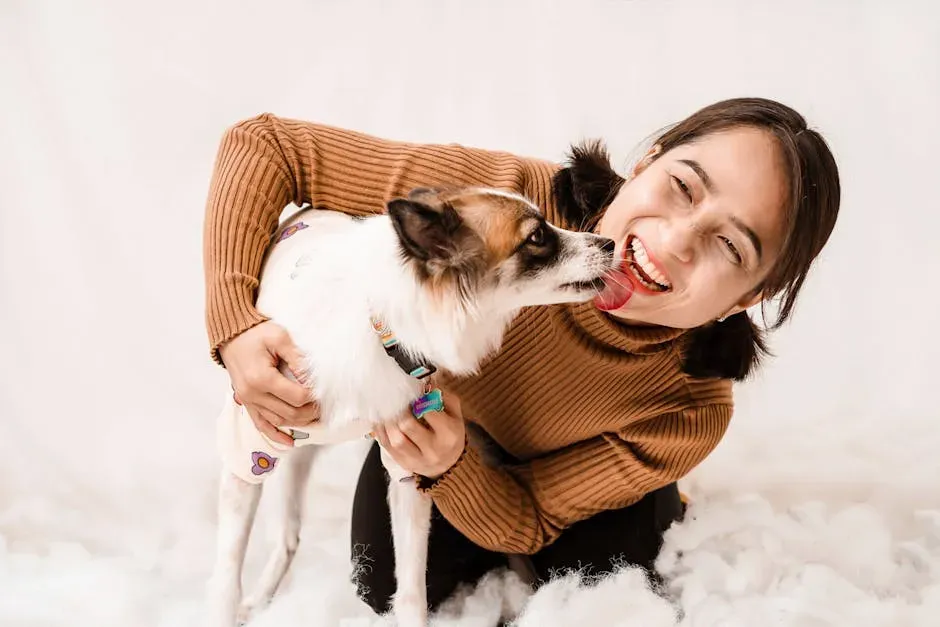
Licking has long been established as a canine kiss, but what’s really behind this affectionate behavior? Dogs show affection to one another by grooming each other, which often includes licking their fur. When they lick a human’s face, they are showing they care. Dogs will often lick humans when they are stressed or upset to try to make them feel better.
They may lick your face, hands, or even feet as a sign of affection and to bond with you. Licking releases endorphins, which are feel-good chemicals in the brain, making the interaction pleasurable for both you and your dog. So those relentless morning face washes your dog insists on delivering aren’t just habit. They’re an active attempt to make you feel good. It’s their version of saying “let me take care of you for a second.”
#8: They Make “Puppy Dog Eyes” – on Purpose
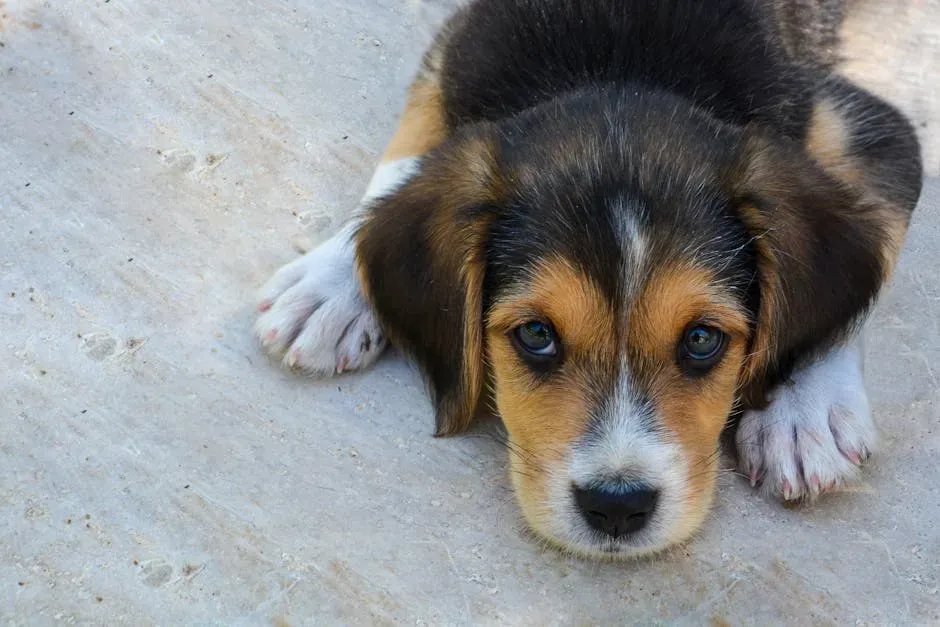
It turns out “puppy dog eyes” are a real thing. A study published in the journal Proceedings of the National Academy of Sciences has shown that after thousands of years of domestication, dogs have evolved a special eye muscle to better communicate with humans. Wolves don’t have this ability. Only dogs do, and the prevailing theory is that they developed it specifically to connect with us.
The eyebrow raise can also be an expression of love. When dogs raise their inner eyebrows, their eyes appear larger and even more puppy-like. Scientists believe this expression is a deliberate attempt to trigger a nurturing response in humans, persuading us to shower them with more attention. It’s not manipulation. It’s communication. Your dog looked at humans for thousands of years and literally evolved a new muscle just to talk to you better. That’s commitment on a biological level.
#9: They Come to You When They’re Scared
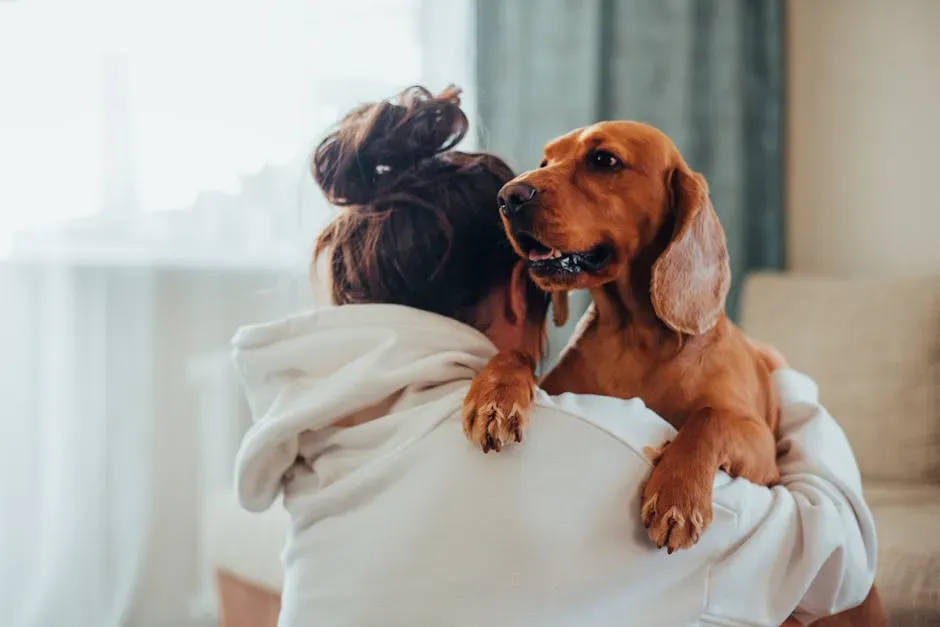
Psychologists believe that the relationship between human and canine is a bidirectional attachment bond, which resembles that of the typical human caretaker/infant relationship, and shows all of the usual hallmarks of a typical bond. Some examples of behaviors that led scientists to this conclusion is the display of proximity seeking behavior where the canine will seek out its caretaker as a means to cope with stress.
The hormone oxytocin also helps reduce stress and anxiety in dogs, so they turn to their owners for comfort and support during challenging situations. When a thunderstorm rolls in or something startles them, a dog has one instinct: get to you. That’s not just conditioned behavior. Researchers have shown that dogs will seek out their people when they are afraid. You are their safe place. The most frightening moments in their world become bearable because you’re in it.
#10: They Sense When You’re Sad – and Stay Close
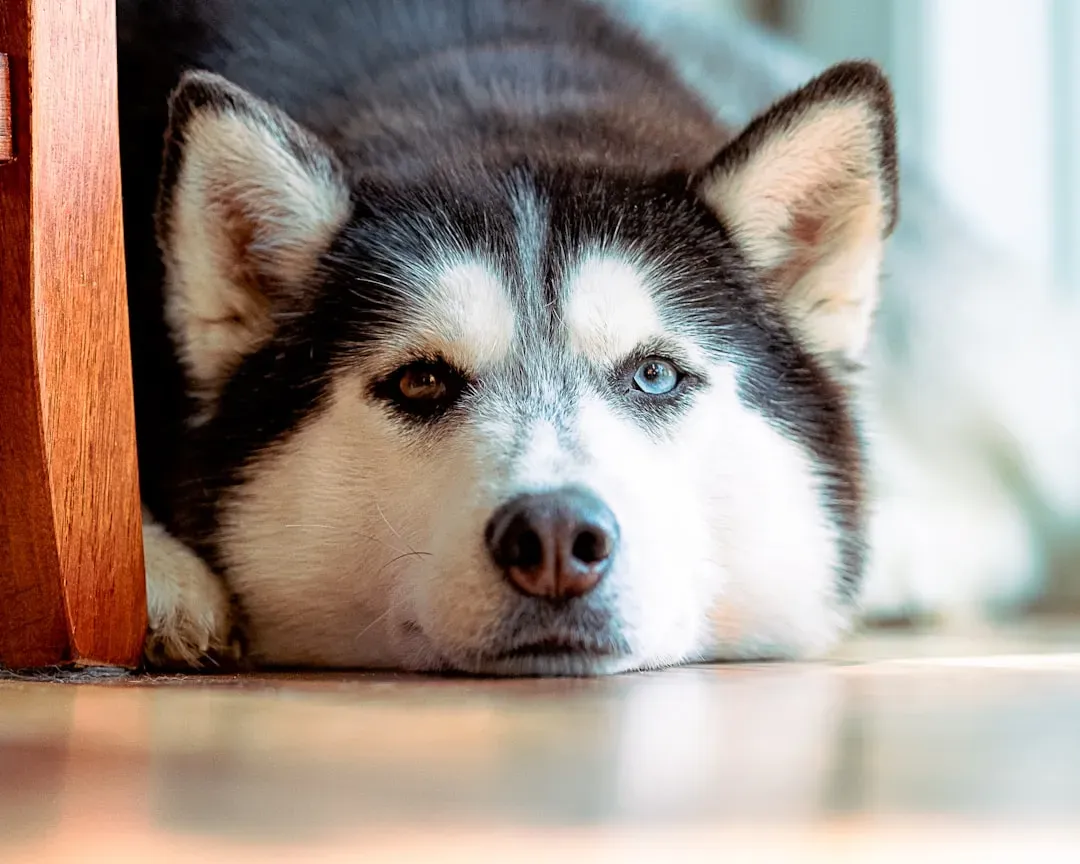
Dogs possess an extraordinary ability to sense human emotions. Many dog owners can attest to the comforting presence of their pets during difficult times. Whether it’s lying beside their owner when they’re sad or offering a friendly lick to cheer them up, dogs seem to intuitively understand when their humans need emotional support. Their empathetic nature strengthens the bond, as their loyalty often means they’re present in moments of joy and sorrow alike.
Dogs have an uncanny ability to sense when their owners are feeling down or unwell. They offer comfort through close physical proximity, gentle nuzzles, or laying their head in their owner’s lap. This intuitive response to human emotions showcases their loyalty and deep emotional connection, highlighting their role as empathetic companions. Nobody teaches a dog to do this. It’s not in the training manual. It comes from something deeper, something that has been building between your species for thousands of years.
#11: They Yawn When You Yawn
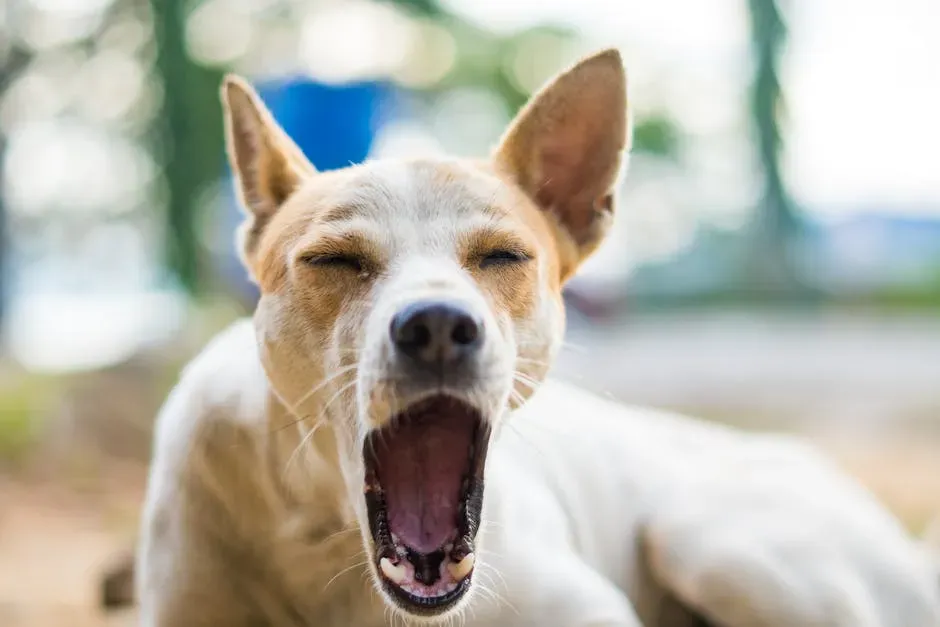
Yawning when you yawn is another surprising way dogs show their love. This behavior, known as contagious yawning, suggests they have a strong emotional connection with you. Not all animals do this, which makes it special. It shows empathy and signifies that they are attuned to your feelings. By mirroring your yawns, dogs demonstrate their deep bond and affection.
Research has shown that dogs often mimic our emotions, a phenomenon known as emotional contagion, which is another way they show love. The fact that your dog catches your yawn is actually a sign that they’re emotionally in tune with you in a way most animals aren’t. It’s an involuntary act of connection. They’re not thinking about it. They’re just that bonded to you.
#12: They Check In on You – Just Because
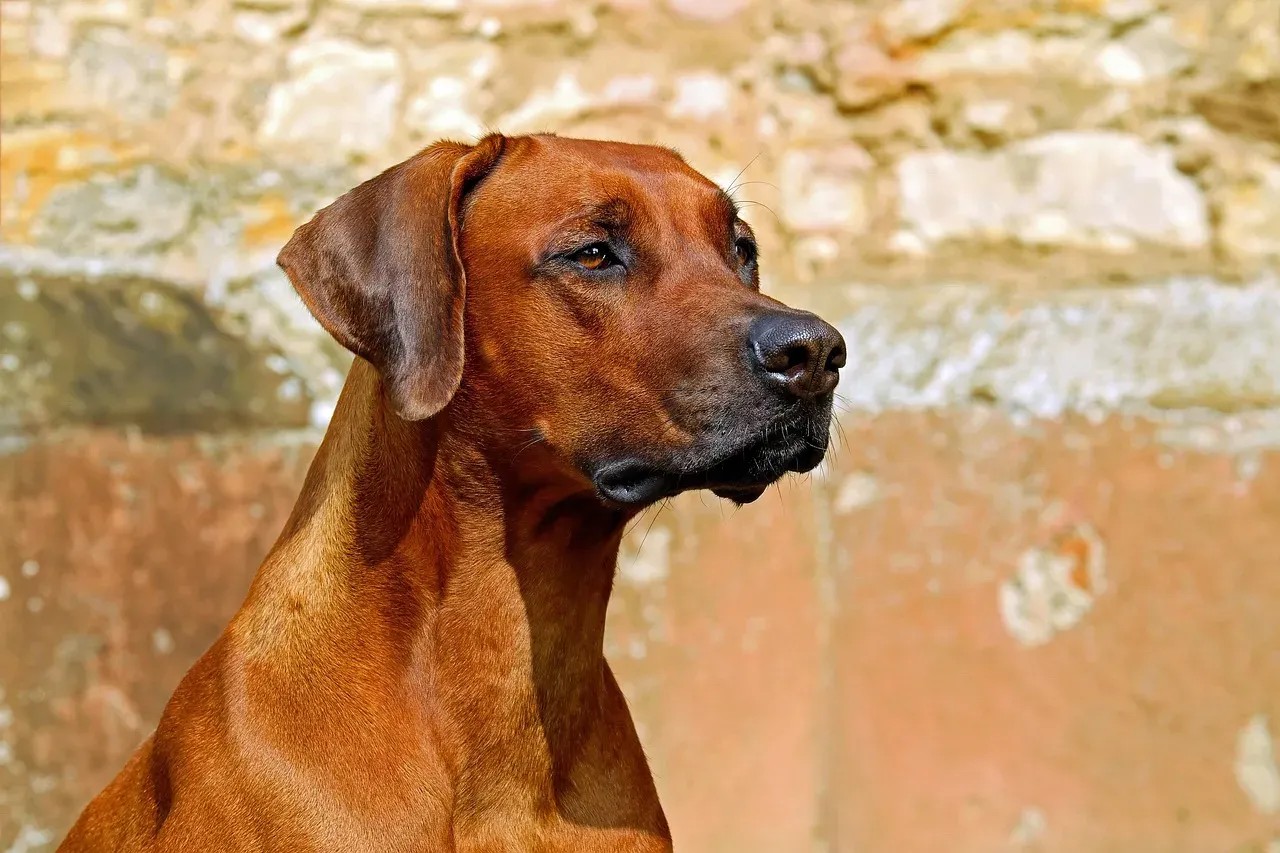
A loyal dog frequently checks in on their owner, even without reason. This behavior can be seen when they peek into different rooms or give a gentle nudge or lick. It’s their way of ensuring everything is alright, and their beloved human is safe. This constant vigilance speaks volumes about their commitment to their owner’s well-being.
You’ve probably noticed it. You’re sitting quietly reading, and your dog wanders over, rests their chin on your knee for a moment, then wanders back. No agenda. No request. Dogs are incredibly dependable companions, offering constant companionship through life’s ups and downs. They remain by their owner’s side during illness, grief, or joy, asking for little in return but love and care. This consistency forms a deep, lasting bond between dogs and their owners. That check-in is their version of asking “you good?” without expecting anything back.
#13: They Respond to the Brain Chemistry of Love – Just Like You Do
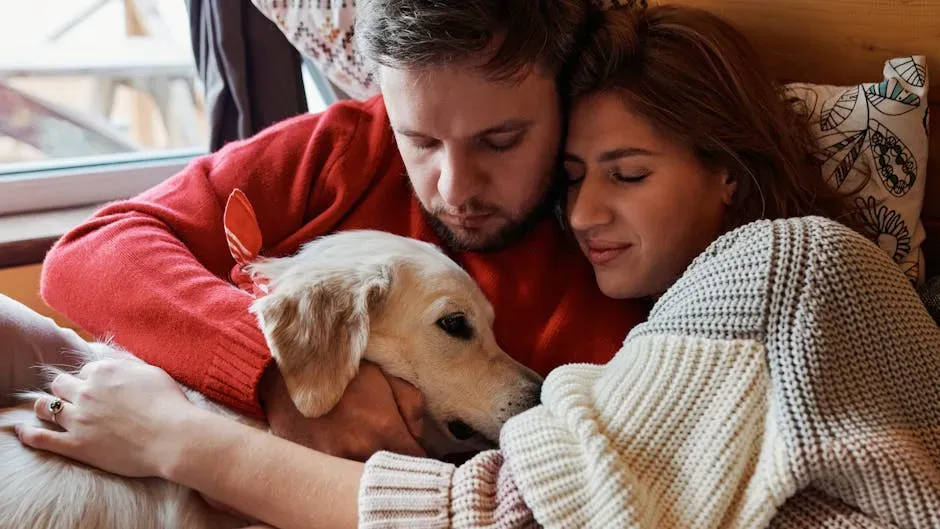
While it’s impossible to say that dogs experience love just like we do, science would suggest that dogs love us in their own way. For example, dogs get the same oxytocin rush that we do. Oxytocin is known as the “love hormone” for its role in securing bonds, and it can surge when pet parents gaze at, speak to, pet, or otherwise interact with their dog. What’s more, dopamine can boost their reward center, signaling that the feeling they’re experiencing is positive.
In this study, dogs responded more favorably to human odors than any other odors, including the scent of their canine companions. Moreover, a dog’s caudate nucleus was activated most significantly when the dog smelled someone they knew. A similar response occurs in humans when they are shown photos of people they love. Strip away the poetry of it and you’re left with the same conclusion: when your dog thinks of you, their brain responds the way a human brain does when looking at someone they love. That’s not sentiment. That’s neuroscience.
A Final Thought
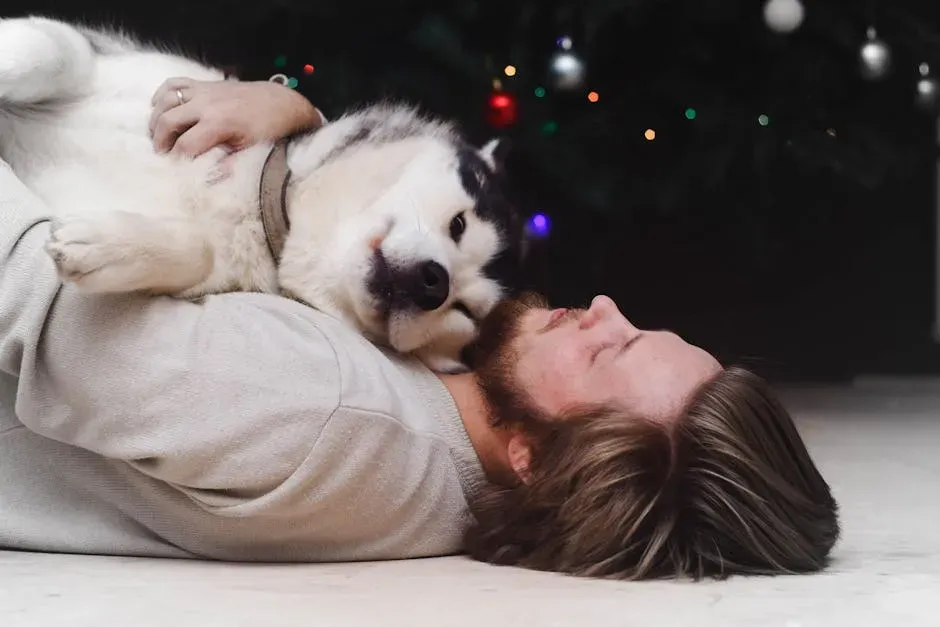
Here’s what I think gets lost in all the debates about whether dog love is “real” or “just instinct”: the distinction barely matters. This long history of coexistence has ingrained a sense of loyalty and companionship in dogs, making them naturally inclined to form strong bonds with their human families. That loyalty didn’t happen by accident. It was built across thousands of years of choosing to stay close to us, to trust us, to read us, and to show up for us – day after day, with zero expectation of perfection.
Your dog doesn’t need you to have a good day, a clean house, or a cheerful mood. Your dog does not care about your appearance. If your dog cuddles you when you have stinky morning breath, after a sweaty workout, or when you have a crazy hair day, chances are it is a case of true love. And if that’s not the most grounding thing in the world, I don’t know what is. Every single one of the thirteen behaviors above is your dog making the same quiet choice, over and over again: you. In this lifetime, and honestly, it feels like they’d find their way back in every one that follows.


