

There’s a kind of quiet that settles over a home when a dog is aging. The walks get shorter. The tail wags take just a second longer to start. You find yourself watching them in ways you never had to before, reading the small signals, wondering what they mean. Most dog owners say they could feel it before they could name it.
While dogs can’t speak their goodbyes, some pet owners have observed behavior at the end of life that could be a dog communicating their goodbye, like seeking out extra companionship or solitude. The idea that a dog might be “holding on” for their person isn’t just sentimental thinking. It’s a reflection of how deeply intertwined the bond between dog and human can become, and how that bond may show itself right up until the very end.
#1. They Seek You Out More Than Usual
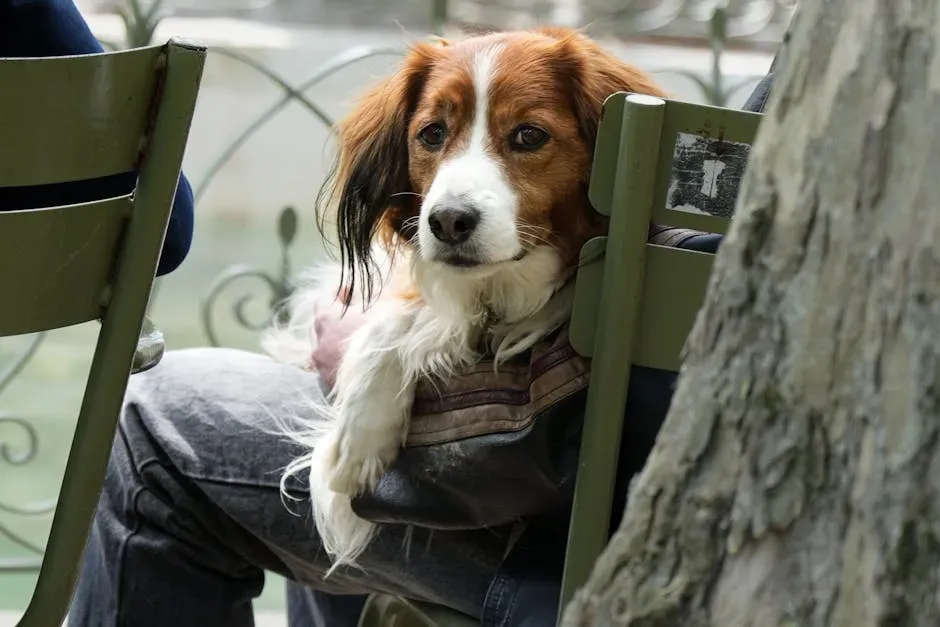
One of the earliest and most emotionally striking signs is when a dog that was once relatively independent suddenly wants to be near you at all times. They follow you from room to room, press against your legs, or settle directly on top of your feet. It’s not a trained behavior. It’s something deeper.
Becoming more affectionate and seeking constant proximity to their owners, as if seeking comfort and reassurance, is a well-documented behavioral shift near the end of life. Dogs are social animals, and when their bodies are in decline, the instinct to stay close to the person they trust most can intensify significantly.
Dogs who don’t feel well may become more clingy, anxious, or restless, while others may seek alone time in unusual places in the home or yard. If your dog falls into the clingy camp, don’t push them away. This closeness may be one of the most genuine things they can offer you at this stage.
#2. Their Appetite Fades, But They Still Try for You

Pets may lose interest in food or water as vital organ functions begin to shut down. Your dog or cat may be reluctant to approach their food bowl, but continue to take treats, or they may stop eating altogether. This contrast, refusing their regular food but still accepting a treat from your hand, is something many owners notice and find both heartbreaking and tender.
A common sign that a dog is close to death is when they start refusing to eat or becoming fussy with certain foods. If they feel sick or take medication that causes a loss of their sense of smell or taste, the pet may also lose their appetite. Warming up their food slightly or offering something with a strong aroma can occasionally rekindle a little interest.
It’s worth noting that a dog eating a small amount directly from your hand may not be driven by hunger at all. For some dogs, the act of accepting food from their person seems to be about connection more than sustenance, a final effort to participate in one of the rituals that defined your life together.
#3. They Still Make Eye Contact With You
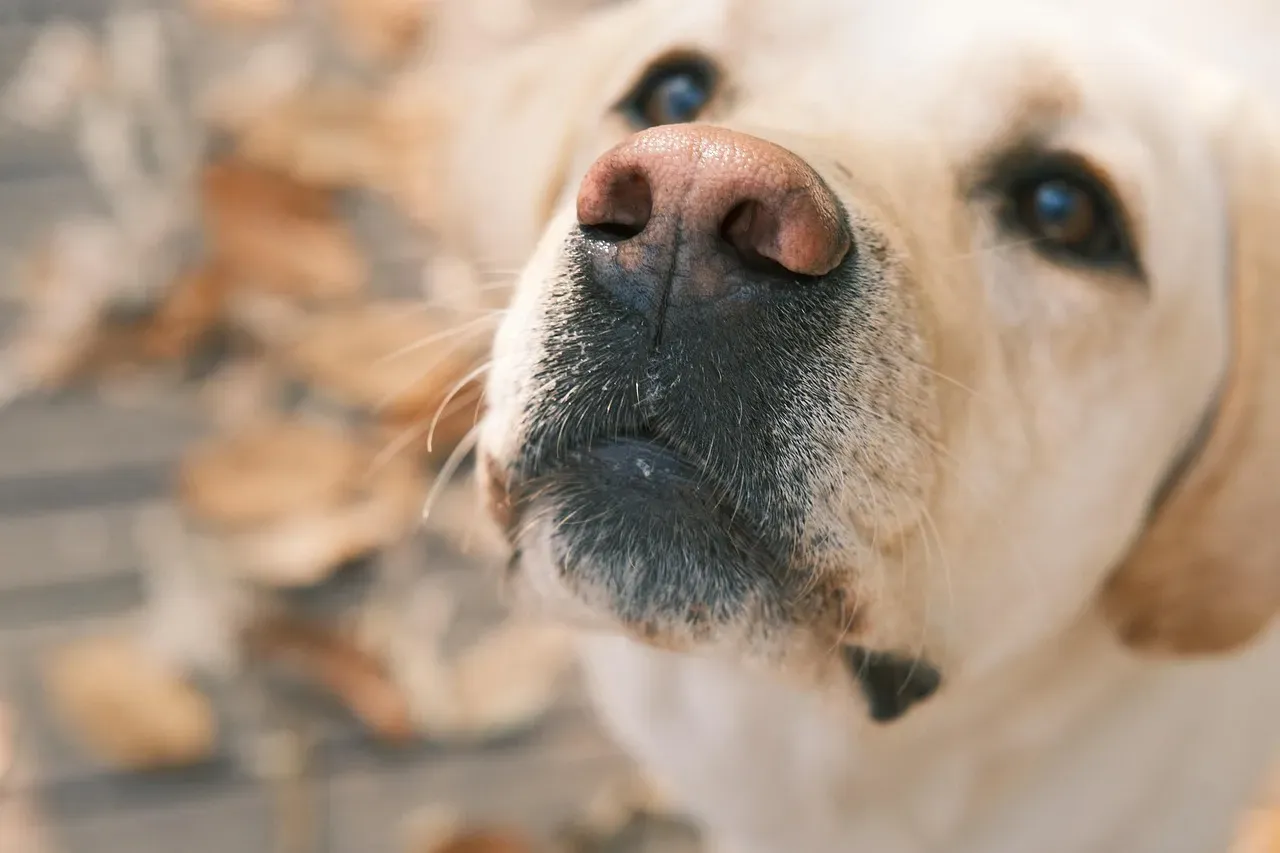
Many pet owners report that their dogs make prolonged eye contact as if trying to communicate something profound. This can be seen as a final connection or farewell. It’s one of those moments that’s difficult to explain to someone who hasn’t experienced it, but impossible to forget once you have.
Dogs are incredibly loyal and often keep trying to engage even when they feel unwell. By the time their expression noticeably changes, they’re usually already uncomfortable. That sustained gaze, even when movement is limited or energy is low, tells you something important about where their attention still lives. It lives with you.
#4. They Struggle to Move But Still Come When You Call

Reduced movement or poor coordination can be signs that a dog is sick or aging. As they get older and weaker, they start getting less mobile. They may start walking more instead of running and stumble more than before. They may even struggle to walk a few paces altogether.
Despite all of that, many owners describe the moment their dog slowly, painfully, rises and makes their way across the room simply because they heard their person’s voice. That response, effortful and deliberate, is one of the most loyal things a living creature can do. They might struggle with stairs, walking, or standing, which typically progresses over time and may be accompanied by muscle loss. Still, the will to come to you often outlasts the physical ability to do so comfortably.
#5. They Show Unusual Calm Around You
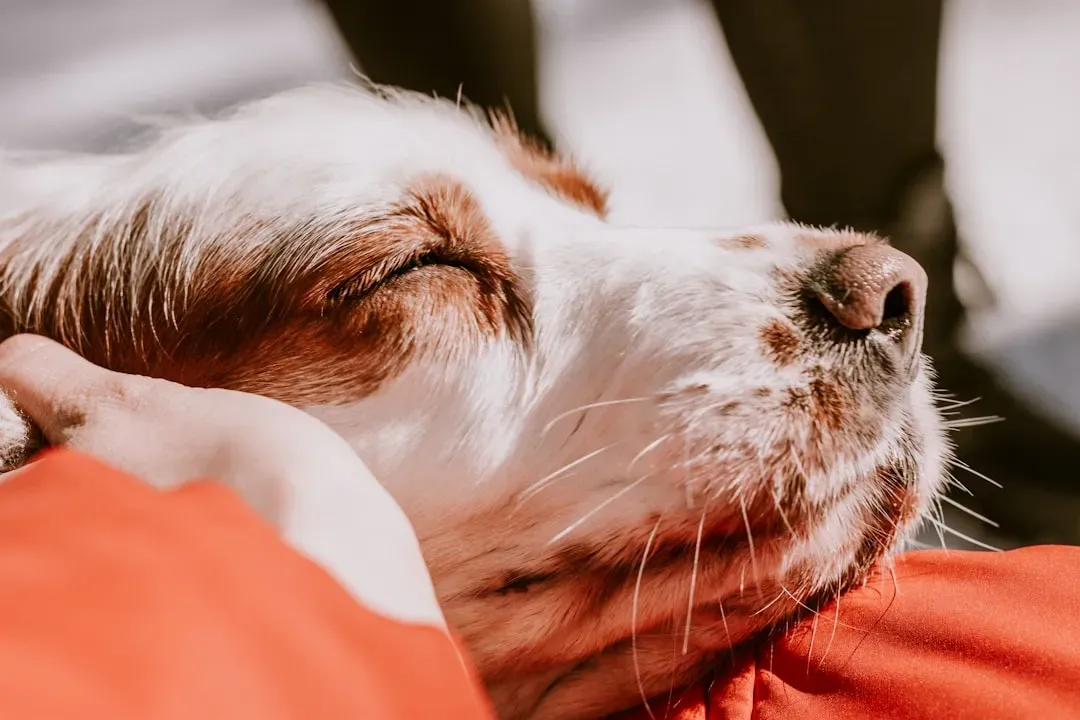
Dogs can sense their pet parents’ distress and may react accordingly, so try to remain as calm and reassuring as possible. This sensitivity runs both ways. Many owners notice that a visibly uncomfortable dog seems to settle and soften when their person is physically present, breathing more steadily, relaxing their posture, closing their eyes.
Being present, maintaining comfort, and honoring your pet’s final moments can help bring peace to both you and your beloved companion. Your presence is not a passive thing in those moments. It’s an active comfort, one your dog can feel and respond to. The calm they display around you may very well be because you are the safest place they know.
#6. They Wag Their Tail, Even When Exhausted
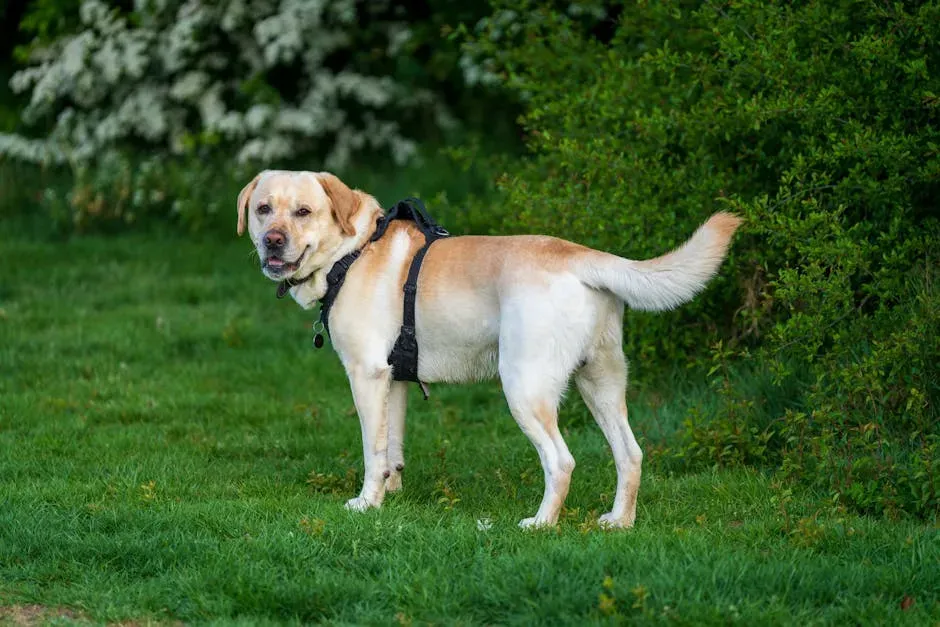
It might be a slow, low wag, barely more than a gentle sweep. It might happen only when you come home, or only when you say their name. Note whether or not your dog still enjoys their favorite things. Do they wag their tail when you rub their face? Do they try to play with their toys or sniff the grass on walks? Do they gulp down their favorite treats? These small moments of joy are significant, not just for your dog, but for you.
A once vibrant tail may become still, or engaged eyes might appear distant, both possible signs of an inner knowing that their time is near. So when that tail does move, even weakly, pay attention. It’s your dog using what energy they have left to tell you they still feel something good when you’re nearby. That matters.
#7. They Sleep Far More Than Before

Other end-of-life behaviors include sleeping more and moving less. You may notice your dog or cat seems tired after a short trip to the water bowl and back. The increase in sleep can be gradual, or it can seem to happen almost overnight. Either way, it reflects the body’s increasing need to conserve whatever energy remains.
Lethargy is another common sign. As a dog nears their end of life, they will usually sleep more and become disinterested in going for walks or other usual activities. The key thing to watch is whether they still rouse for you specifically. A dog that sleeps heavily but lifts their head when you walk in is still reaching, still aware, still there with you in the ways that count most.
#8. Their Breathing Changes

Irregular, shallow, or labored breathing is a warning sign that a dog or cat may be dying. Particularly in a pet’s final hours, a gasping breath pattern may occur. These changes can be alarming to witness, especially if they arrive suddenly after a period of relative stability.
You may notice changes in their breath rate, faster or slower, or uneven breathing. You may also see changes to the sounds of their breathing, harsher or quieter. Labored breathing often indicates that a dog is at the very end of life. If breathing difficulties are causing distress, contacting your veterinarian promptly is the most compassionate step you can take. Your dog shouldn’t have to work hard just to breathe.
#9. They React to Your Voice When Nothing Else Gets a Response

As dogs approach the end of their lives, their senses may begin to decline, affecting how they perceive and interact with their environment. Becoming less responsive to their name or loud noises can indicate a decline in their auditory perception. Yet even as general responsiveness fades, many owners find that their dog still reacts, however subtly, to the specific sound of their person’s voice.
It might be an ear twitch, a slow blink, a small shift in posture. Dogs can detect many more smells, sounds, and movements than people can. These keen senses and observations help dogs recognize when we are happy, sad, fearful, stressed, or angry. Your voice carries something that is uniquely yours. For a dog who has spent years listening to it, that recognition doesn’t disappear easily.
#10. They Revisit Their Favorite Spots With You

Sticking to your usual routines as much as possible gives your dog a schedule that is familiar and enjoyable. If long walks are no longer an option, spend that time sitting together instead. Some dogs, even when mobility is severely compromised, seem drawn to the places they associate most with their person. The favorite corner of the couch. The patch of sunlight by the back door. The foot of the bed.
These aren’t random choices. Dogs build their sense of safety and belonging around place and people together. When your dog makes an effort to be in “your” spot, even when that effort is costly to them physically, it says something quiet and profound about where their sense of home still resides.
#11. They Grow Quieter in a Different Way

Pain may result in behavioral shifts, including altered social interaction, heightened anxiety, and disinterest in activities. Emotionally, expect sensory changes, confusion, and different vocalization patterns that reflect their internal experience. The silence that settles over a dog near the end isn’t the same as the easy quiet of a napping puppy. It has a different texture to it.
You may notice behavior changes toward the end of your dog’s life, things like lack of interest, lethargy, depression, anxiety, or even aggression or clinginess. This can be due to a lot of reasons, from chemical to emotional, and varies from dog to dog. Some dogs become almost meditative in their stillness near the end, resting in a way that seems deliberate, as though they’re conserving the last of themselves for the moments that matter most.
#12. They Experience Good and Bad Days in Waves
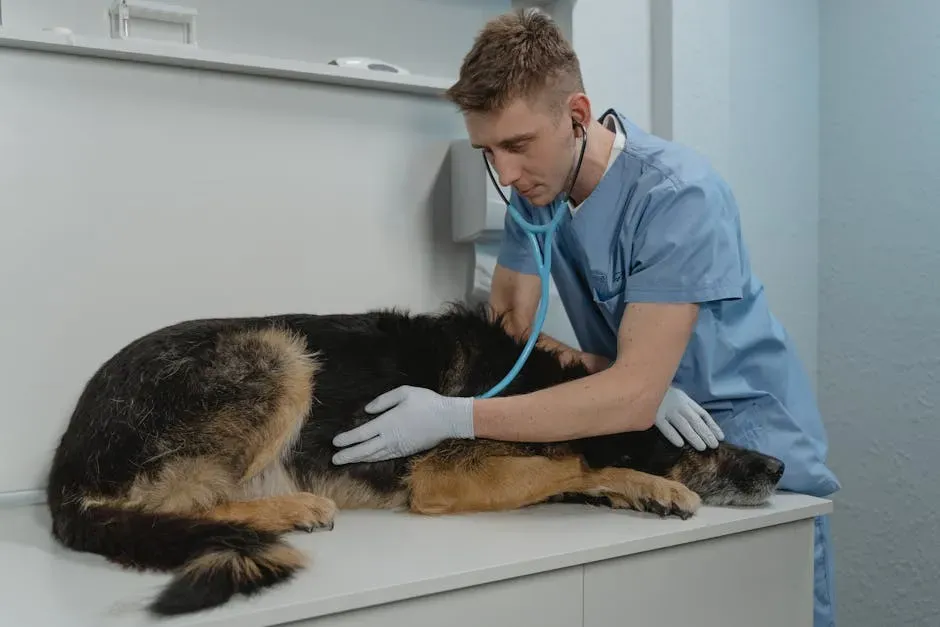
Keep track of your dog’s good days and bad days. Occasional bad days are a part of life, but there will come a point when the bad days outnumber the happy, comfortable ones. Those good days, the ones where your dog seems briefly like their old self, can feel like a gift and also a heartbreak. They remind you of who this dog has been, which makes the hard days harder to sit with.
Changes may develop as early as three months prior to death. These changes can be physical or behavioral. The wave pattern of good and bad days is well recognized among veterinarians as a feature of the late-life decline. A dog who rallies noticeably when you’re home, and seems to fade when you’re not, may be doing exactly what this article’s title suggests. Holding on, for you, just a little longer.
#13. They React Differently to Your Emotional State

Dogs may know they are unwell and pick up on the stress of the owners, but it’s hard to know with certainty that they understand they’re dying. What is clearer is that they are exquisitely attuned to you. If you’ve been crying, anxious, or visibly struggling, don’t be surprised if your dog stirs, moves toward you, or places a paw on you. They’re reading you constantly.
Many pet parents seem to sense when something is off with a pet’s overall energy or expressions. Trust your gut as a pet owner, especially if other signs of dying are present or your pet has a diagnosis that makes dying more likely. This goes both ways. You read each other. You always have. That mutual attunement doesn’t end just because one of you is fading.
#14. They Rest Peacefully in Your Presence

Dying pets may behave differently around people, often becoming more distant or sometimes more clingy. Choosing to hide or isolate themselves may reflect fatigue and a desire for quiet, or an instinct to separate oneself from others when the end is near. If your pet displays this end-of-life behavior, avoid forcing interactions, but remain close by so they can feel your calming presence.
Those final moments together are about presence. The most important thing you can offer amid signs your dog is dying is the peace of knowing they are not alone. A dog that settles into a deep, restful sleep with you beside them isn’t just tired. They’re safe. They know where they are. They know who’s with them. In a life full of instinct and sensation, that knowledge, that you are there, may be the most comforting thing they’ve ever known.
A Final Word: What This All Really Means
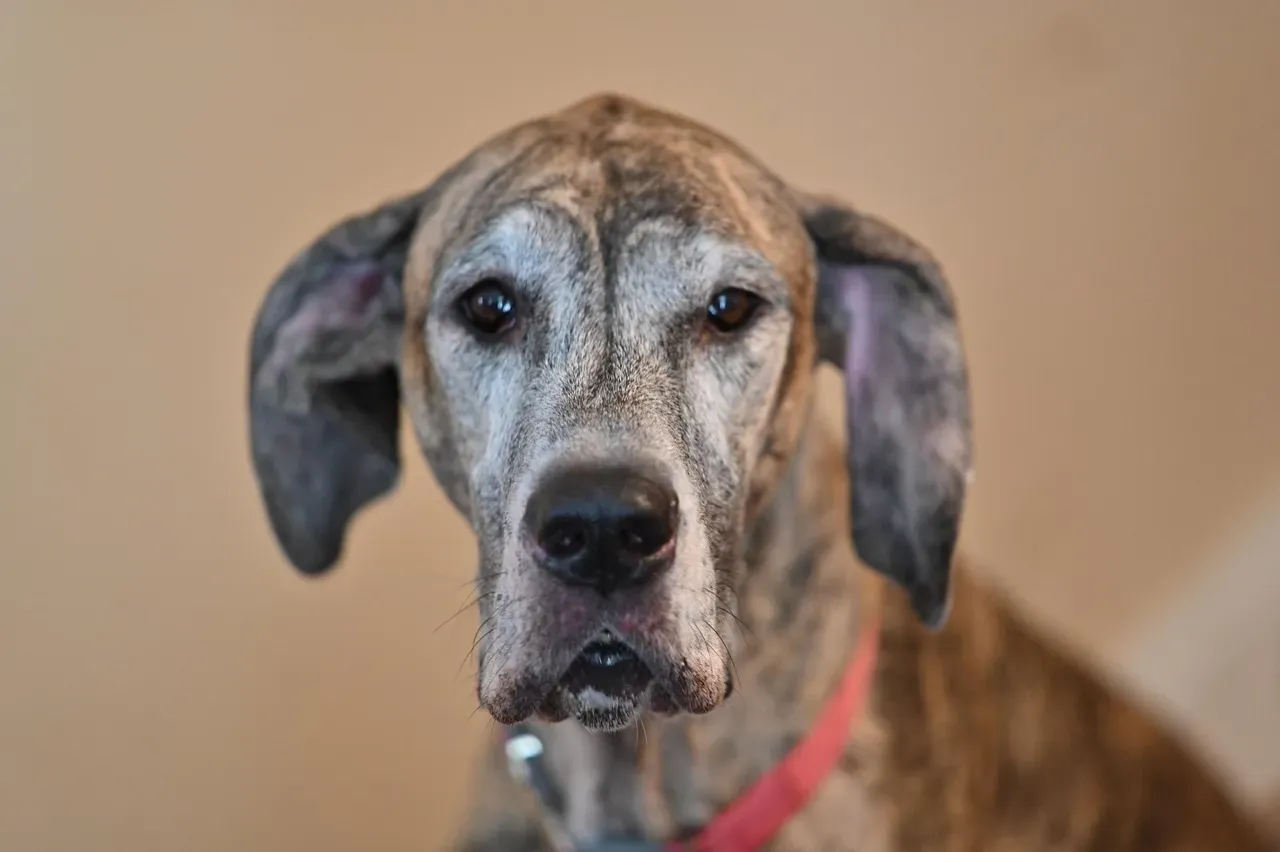
Watching a dog decline is one of the quietest forms of grief there is, because it happens while they’re still with you. You mourn the walks that got shorter. The jumps that stopped happening. The morning greetings that require a little more effort each time. It accumulates slowly, until one day the weight of it is enormous.
Here’s what the science and the experience of countless pet owners both confirm: dogs likely do not understand death as a concept, but they often show noticeable physical and behavioral changes as their bodies decline near the end of life. They aren’t holding on in a conscious, philosophical way. What they’re doing is living fully within the bond they’ve built with you, drawing comfort from it, and reflecting it back to you in every small way they still can.
Whether it’s sharing a favorite snack, lying together in a quiet room, or simply holding your dog’s paws, these final moments are part of the bond you’ll carry forever. This end-of-life decision is never easy for a dog owner, but it can be your final gift of love, and your dog’s last moments can be free of fear and suffering.
The relationship between a person and their dog is one of the most uncomplicated forms of love available to us. No conditions, no resentments, no complications. Just presence and loyalty, right up to the last breath. If your dog is showing these signs, the most important thing you can do isn’t to search for answers. It’s to be there. That’s what they’ve always wanted. That’s what they’re holding on for.


