
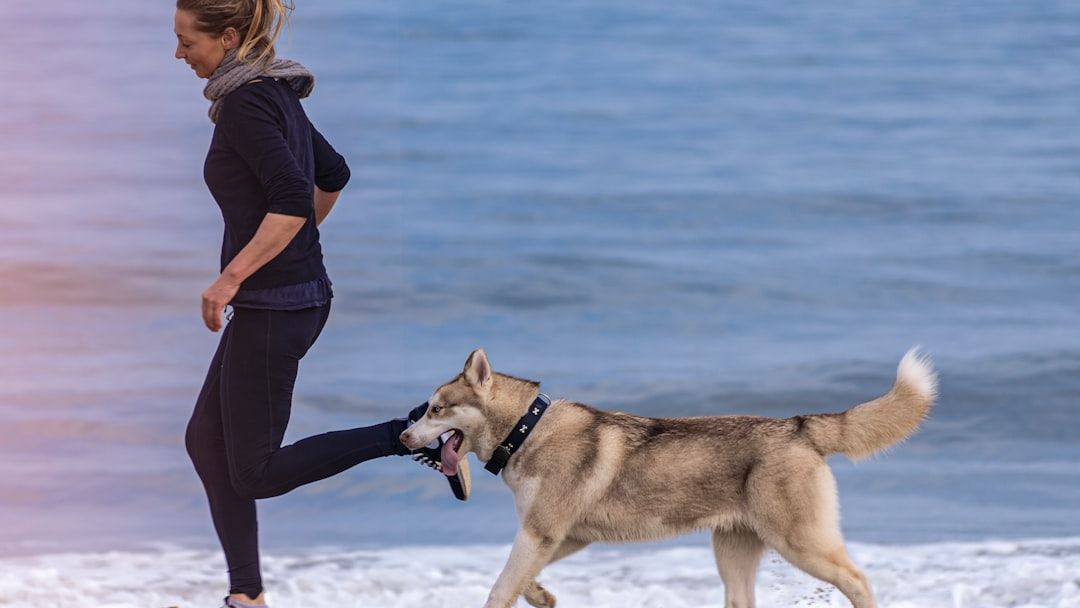
There’s a quiet shift that happens when a dog ages. The boundless energy softens. The sprinting slows to a trot, and the trot slows to a careful plod. It’s easy to look at a greying muzzle and think, “They need rest now.” But that instinct, as loving as it is, can quietly do more harm than good.
Most people know that puppies and young dogs need exercise. What doesn’t get discussed nearly enough is how much an older dog still depends on those daily walks, not for performance, but for survival in the most fundamental sense. What actually happens when the walks stop? The answer is more complicated, and more important, than most owners realize.
#1. Their Muscles and Joints Begin to Deteriorate Faster Than You’d Expect
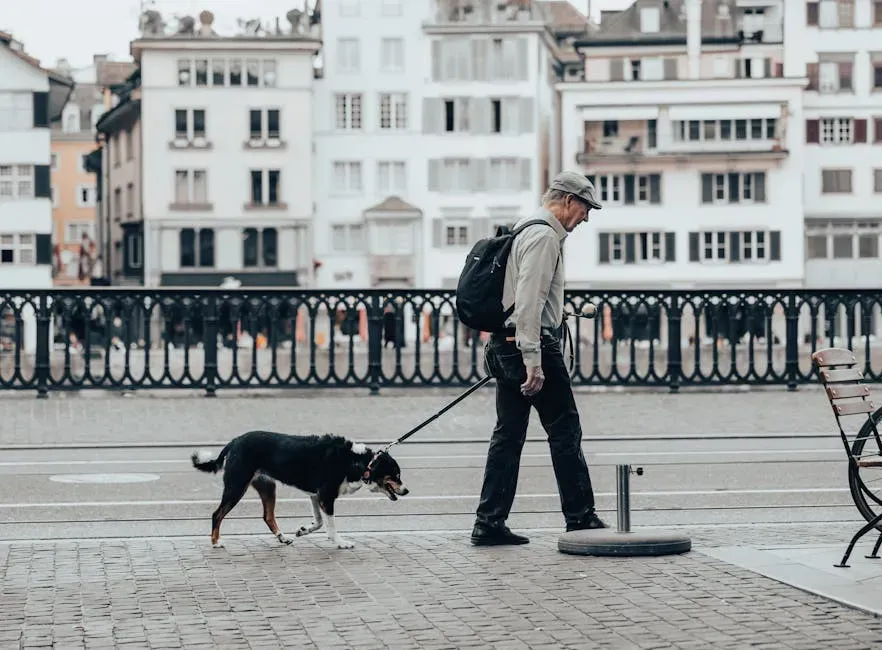
Movement helps keep muscles strong, ligaments and tendons limber, and joints lubricated. Without movement, the musculoskeletal system begins to deteriorate. For a senior dog, that process doesn’t unfold slowly over months. It can pick up speed surprisingly fast once walks are removed from the routine.
Senior dogs experience gradual physical changes that influence how they move and recover. Muscle mass naturally declines, joints lose lubrication, and conditions like arthritis become more common. These changes don’t mean dogs should stop walking – they mean walking needs to become more intentional. Skipping walks doesn’t give the body a break; it denies it the maintenance it actually needs to keep functioning.
A lack of regular walking leads to poor joint health and mobility issues in dogs. Walking helps lubricate joint surfaces and strengthens the surrounding muscles that support proper joint function. Without this natural maintenance, dogs can develop premature arthritis, ligament injuries, and chronic pain. The painful irony is that an owner trying to spare a dog from discomfort can end up accelerating exactly the kind of joint damage they were hoping to avoid.
#2. Weight Gain Quietly Worsens Everything Else
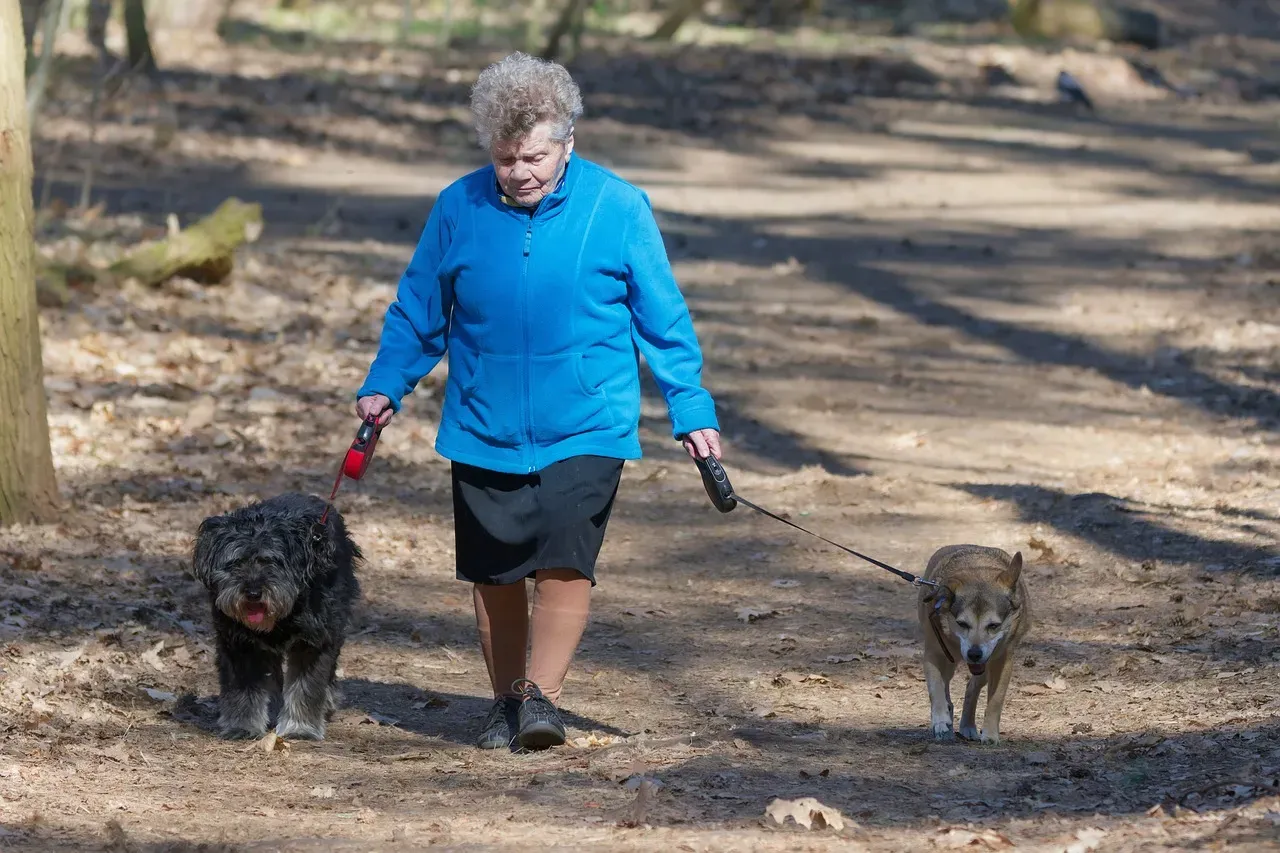
A lack of exercise leads to reduced calorie expenditure, resulting in weight gain. Obesity predisposes dogs to various health issues, including diabetes, heart disease, and arthritis. For a senior dog whose body is already managing the natural effects of aging, carrying extra weight creates a compounding problem where everything gets harder, from getting up in the morning to walking across the room.
Just like people, carrying extra weight can be problematic for our pets. Addressing weight problems is particularly important for senior dogs and dogs with mobility challenges – being overweight or obese will worsen mobility issues. It becomes a cycle that’s genuinely difficult to break. Less movement leads to weight gain, and that extra weight makes movement harder still. Walking, even short and gentle, is one of the most effective ways to interrupt that loop before it takes hold.
Walking helps control weight, promotes healthy joint motion, can aid in digestion, and provides physical and mental stimulation. That single sentence from veterinary guidance really does summarize just how much a simple walk covers. Removing it doesn’t just cut exercise from a senior dog’s day. It removes several forms of care at once.
#3. The Brain Starts to Suffer Too
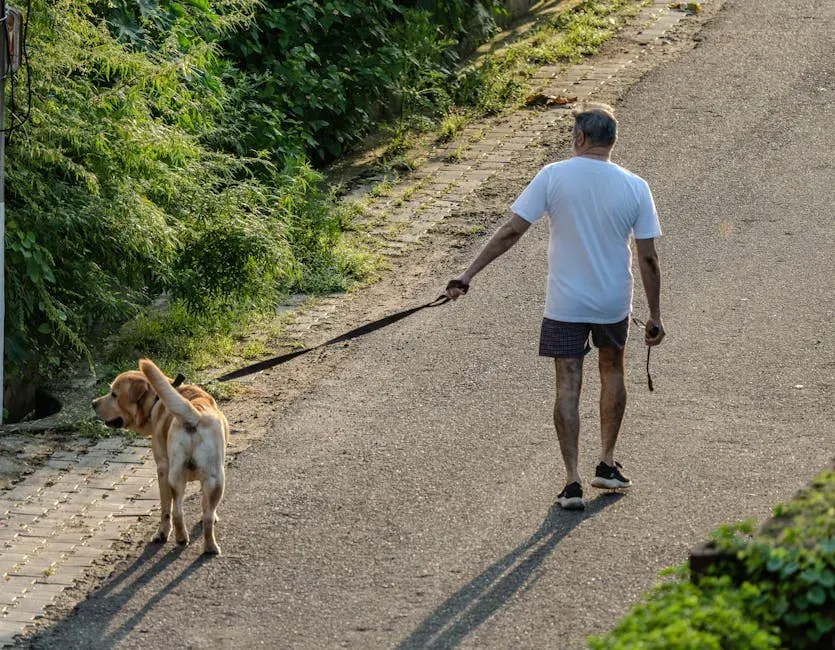
Walking isn’t just physical exercise – it’s mental stimulation that allows dogs to process new information, smells, and experiences. Without this stimulation, cognitive decline can accelerate, particularly in senior dogs. This is one of the less visible consequences of a sedentary lifestyle for older dogs, and it tends to be underestimated. A dog that stops going outside stops receiving the sensory input that keeps the brain engaged.
Movement helps keep a dog’s muscles, ligaments, tendons, and joints of the body strong and healthy. Exercise also stimulates the mind, which helps to maintain cognitive function. The connection between physical movement and mental sharpness isn’t metaphorical in dogs. It’s physiological. Regular walks actively help delay age-related cognitive decline by keeping the brain stimulated with new scents, sights, and changing environments.
Beyond the physical, a dog’s mental and emotional state suffers significantly when walks are neglected. Walks provide dogs with mental stimulation, exposure to new sights and smells, and an opportunity to explore their environment. Depriving them of this outlet can lead to increased anxiety and stress. Anxiety in senior dogs often goes unrecognized because it can look like simple lethargy or quietness. The behavioral signs are worth paying close attention to.
#4. The Heart and Digestive System Pay a Price
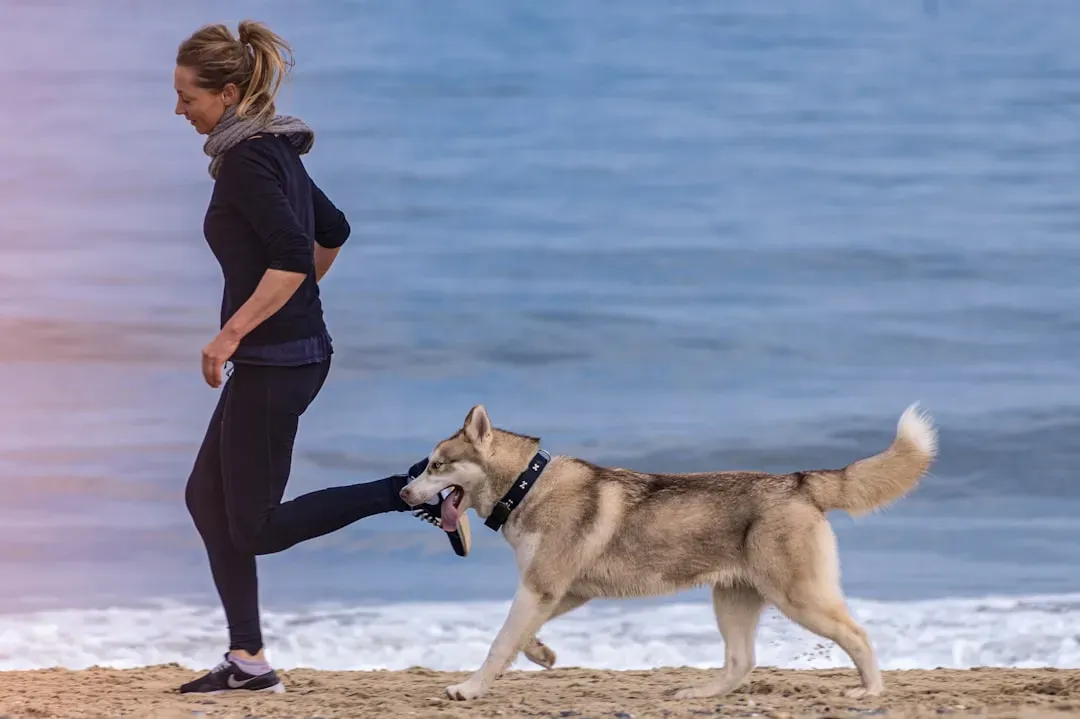
Walking helps maintain a healthy cardiovascular system. A sedentary lifestyle increases the risk of heart problems and reduced stamina. Cardiovascular health in dogs works similarly to cardiovascular health in people. Consistent, moderate movement keeps the heart stronger and the circulatory system more efficient. Take it away and that system gradually weakens.
Regular exercise aids in digestion and bowel regularity. A lack of activity can contribute to constipation or other digestive discomforts. Digestive issues in senior dogs are already common due to slower metabolism and age-related gut changes. Removing daily walks removes one of the simplest ways to support regular, healthy digestion. Many owners are surprised to find that a dog’s bathroom habits improve noticeably once walks are restored to the routine.
Your senior dog should be let outside as often as they need to. Because some senior dogs don’t empty their bladder or bowels all at once, they may need to go outside more often than they did when they were younger. Keep an eye on your dog’s bowel movements and urination habits – sometimes changes can indicate a medical issue such as a urinary tract infection, diarrhea, or diabetes. Regular outdoor time is inseparable from monitoring a senior dog’s health in this way.
#5. Emotional Withdrawal and Depression Can Set In
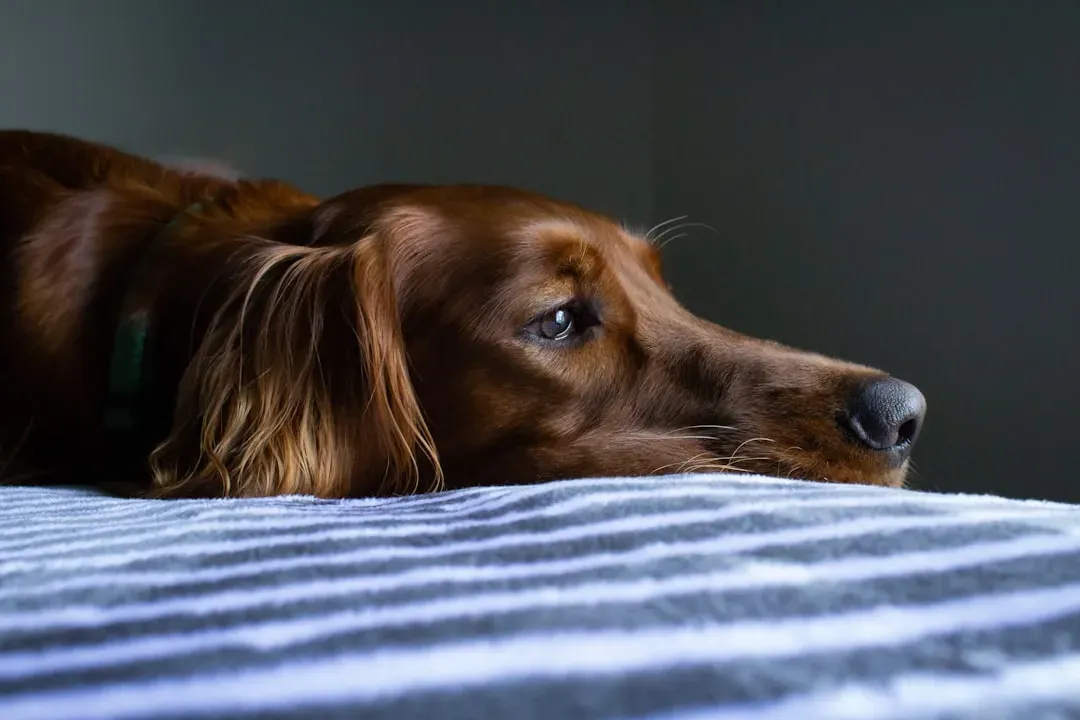
Some dogs will become very withdrawn and depressed when they are lacking in mental and physical stimulation. These dogs are more reluctant to engage with their human family and might need to get outside and moving to become more involved. However, this can also be a sign of illness, so consult your veterinarian if you are seeing this as a symptom. A dog that seems low, disinterested, or unusually quiet may not simply be “slowing down with age.” They may be telling you something important.
Reduced physical activity and mental stimulation can lead to depression and a general lack of energy and enthusiasm. The emotional dimension of a dog’s wellbeing is real and it is connected directly to how much time they spend outdoors, moving, sniffing, and engaging with the world. Your dog might not be able to go on longer walks anymore, but they still need the opportunity to get outdoors every day to sniff, stretch their legs, and get some fresh air. That daily contact with the outside world matters enormously to a senior dog’s sense of normalcy and emotional balance.
Structured routines become important here. When walks happen at roughly the same time each day and follow predictable routes, senior dogs tend to move more confidently and experience less anxiety. Routine itself becomes a form of comfort for older dogs. Losing the walk doesn’t just remove movement. For many senior dogs, it removes one of the most consistent anchors in their day.
Conclusion: The Walk Is Still Worth It
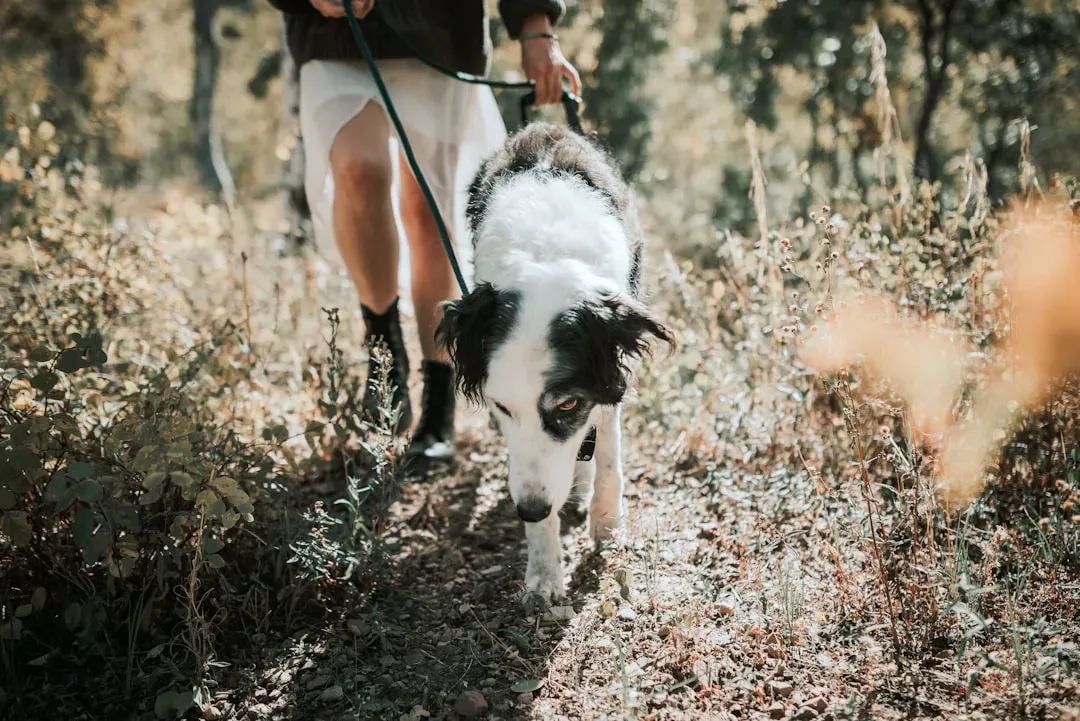
It would be comforting to think that slowing down on walks is simply the natural, compassionate response to a dog getting older. In reality, most veterinary guidance points in the opposite direction. Daily walks help preserve mobility, support joint and muscle health, stimulate the mind, and maintain emotional balance. What matters most isn’t how far a dog walks, but that movement remains a consistent part of daily life.
The walks don’t have to be long. Keep exercise regular and gentle. This will keep your senior dog active and help their muscles and joints. Little and often is best, as joints get stiffer when they’ve not been used for a bit. A short, slow walk around the block, taken consistently, delivers far more benefit than the occasional longer outing when time allows.
There’s something quietly powerful about watching an old dog nose through the grass, ears up, tail moving. They haven’t lost their curiosity. They haven’t stopped needing the world. They just need it delivered a little more gently now. Stopping the walks entirely doesn’t protect them from aging. It simply removes one of the best tools they have to age well.


