
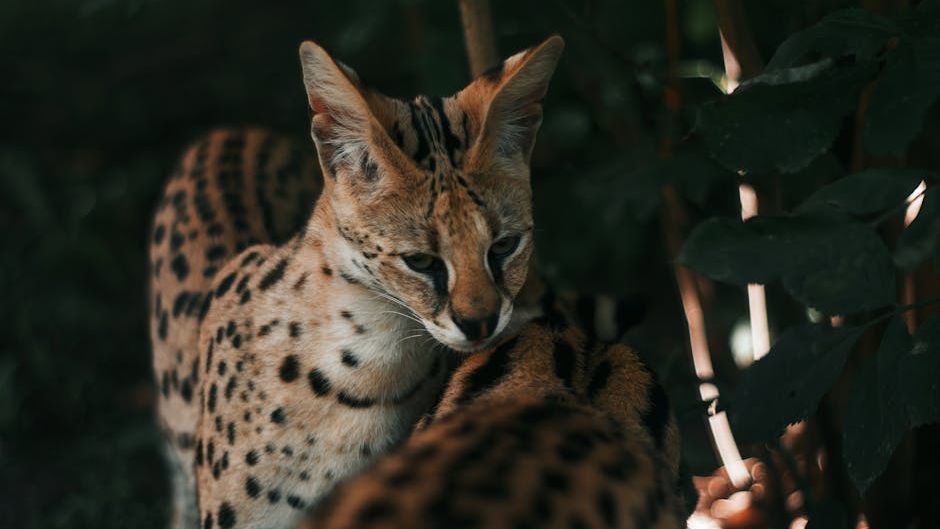
Social media has a lot to answer for. Scroll through your feed on any given day and you’ll likely encounter videos of strikingly beautiful, exotic-looking cats lounging in living rooms or leaping over couches, their owners beaming with pride. They look majestic. They look manageable. They look like the ultimate pet flex.
The reality, according to veterinarians and animal welfare experts, is considerably darker. These magnificent creatures might seem like the ultimate status symbol or the coolest pet imaginable, but keeping wild cats or their hybrids as pets is a recipe for disaster. They retain predatory instincts that no amount of hand-raising can erase, often suffer from serious health issues, and pose genuine safety risks to owners, their families, and neighbors. This list covers the ten cats that professionals most consistently warn against keeping at home, and the reasons why are more serious than most people expect.
#1. The Serval: Africa’s Living Missile
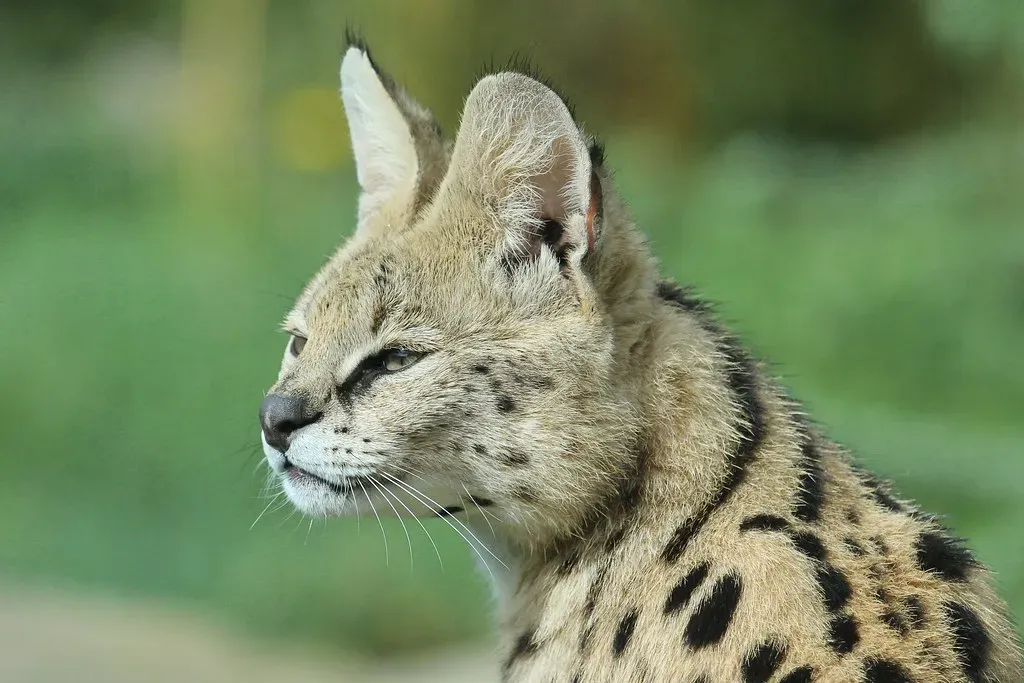
The serval is a medium-sized wild African cat that some people keep as an exotic pet, and keeping one is legal in roughly ten US states with the right permits. That legal gray zone, however, has encouraged a troubling number of people to try their luck. A grown serval weighs between 20 and 40 pounds, clears vertical jumps of nine feet, and has a bite force strong enough to kill prey twice its size. That same bite force is what makes them dangerous in human homes.
Servals will bite and scratch and should not be handled. Their housing, diet, and social needs are very hard to meet in captivity, and are financially expensive and time consuming. Many owners report that servals don’t leave the habit of spraying urine to mark their territory behind once they’ve entered a home. Some servals won’t take to litter boxes, and they are known to regularly, emphatically urinate on furniture and even their owners. The lifetime cost of properly caring for a serval can easily exceed six figures, and most private attempts end in surrender to a sanctuary.
#2. The Savannah Cat: When Hybrid Doesn’t Mean House-Ready
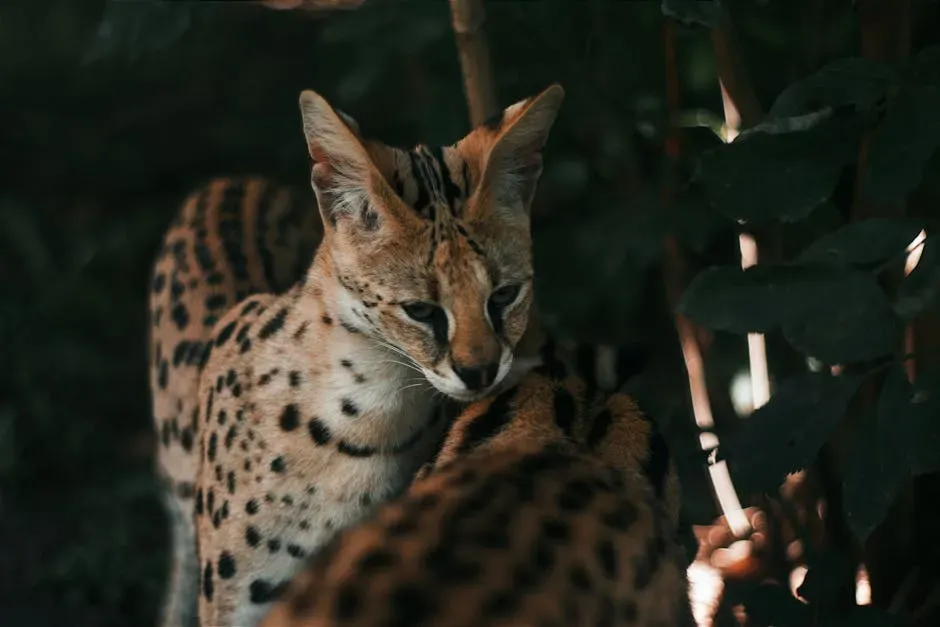
The Savannah cat is a cross between a domestic cat and a serval, a wild African cat, resulting in a large, exotic-looking cat with a wild appearance and an energetic personality. Early generation Savannahs, particularly the F1 and F2 types, carry enormous amounts of wild genetics. Hybrid cats less than five generations removed from the wild cat are considered the most at risk from welfare problems when kept as domestic pets.
Savannah cats are outright illegal, regardless of their generational status, in Hawaii, Rhode Island, Nebraska, and Georgia, as well as the entire country of Australia. Even where they’re technically permitted, the challenges are immense. As pets, hybrid cats may not see the vet as often as their domestic cat counterparts, and their unique nutritional needs are often not met appropriately. The suitability of keeping hybrid cats as pets has also been questioned by animal welfare committees, who state that hybrid cats and their offspring cannot have their welfare needs adequately met when kept as pets.
#3. The Caracal: Those Tufted Ears Hide Something Fierce
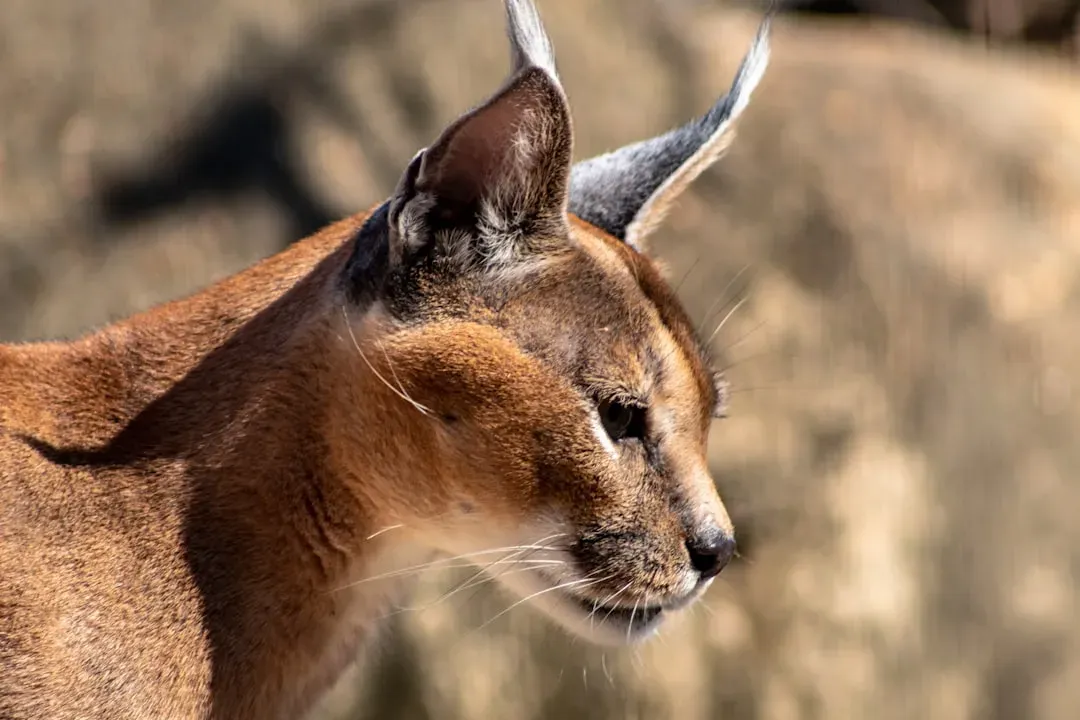
Caracals are prolific hunters and can leap over nine feet high, so removing them from their natural environment and subjecting them to a life as a domestic pet is cruel and dangerous, as their size and natural instincts create a hazardous situation for those who encounter them, especially small animals and children. Their striking black ear tufts make them photogenic and deeply appealing to exotic pet enthusiasts, but appearances are misleading. A caracal has the genetic makeup and tools to attack anything and anyone that it deems to be dangerous.
If you keep a caracal as a pet, it might be tough to find a veterinarian who is willing to handle the cat, which will need preventive care and vaccines. It might be necessary to search out a wild animal veterinarian that treats exotic cats, which can be expensive and might entail traveling far from your home. Feeding caracals is difficult and expensive because they are carnivores and need a very specific, specialized diet, possibly including raw meat. Most important, all wild animals, including caracals, are happier in their natural habitat. Unlike domestic cats, which have happily lived side by side with humans for thousands of years, caracals are not meant to cohabitate with humans.
#4. The Bengal Cat: Beautiful, But Wired Differently
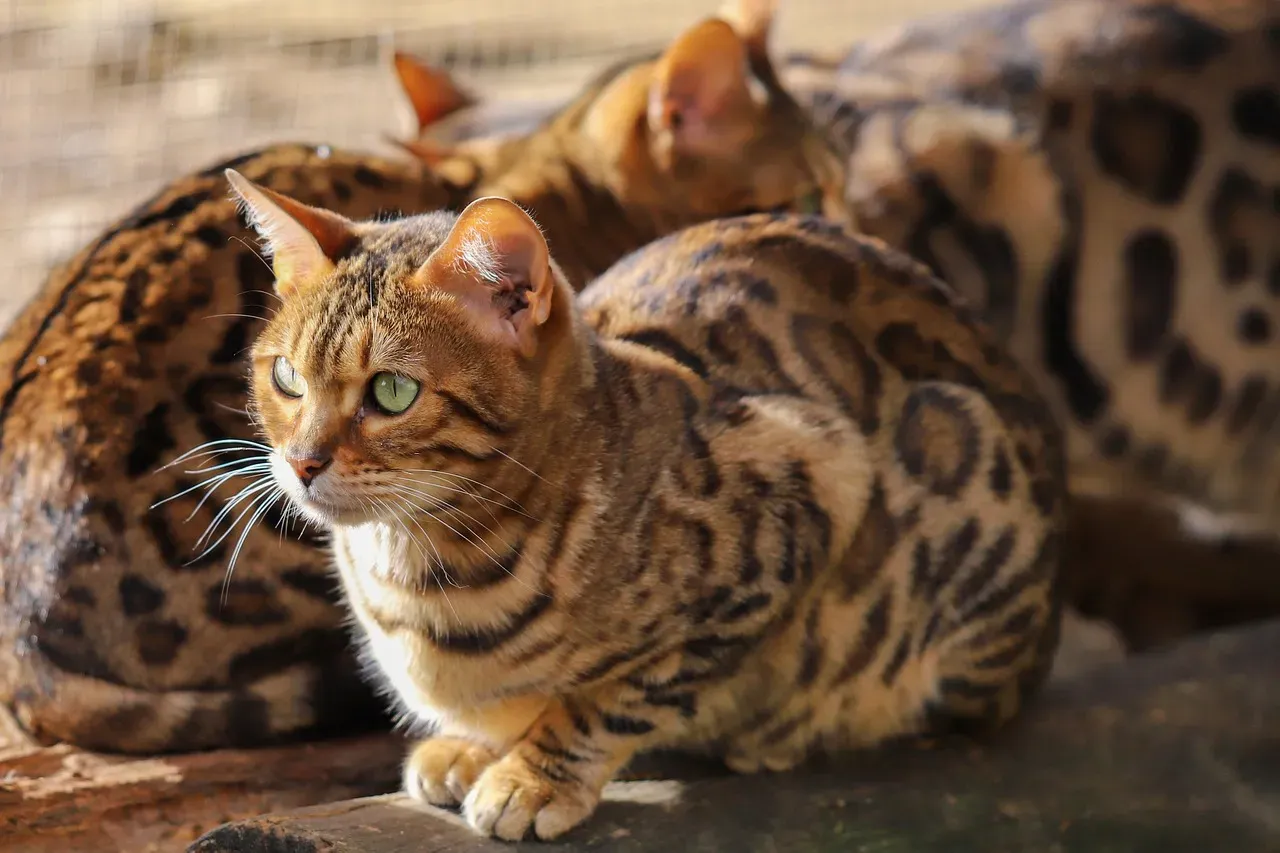
The Bengal cat is a domesticated breed created by mixing the Asian leopard cat with domestic shorthair cats. This breed is known for being affectionate, loyal, and alert. However, their wild roots can come out during playtime or when they want attention. Early generation Bengals especially retain strong hunting instincts that no breeder can fully predict or suppress. According to several cat breed sources, they should not be trusted around small children. Their style of play can be too dangerous for little kids who don’t know how to handle animals properly yet.
Some of the more common illnesses among hybrid cats include digestive issues such as IBD, a painful irritable bowel disease, or persistent infection with an intestinal parasite called Tritrichomonas foetus. Both medical issues can cause chronic diarrhea and may be both difficult and discouraging for both the owner and the veterinarian to treat. Additional medical issues in some breeds of hybrid cats include Hypertrophic Cardiomyopathy, and possibly a higher incidence of FIP. The health costs alone can be staggering, quite apart from the behavioral challenges.
#5. The Bobcat: North America’s Unpredictable Wild Feline
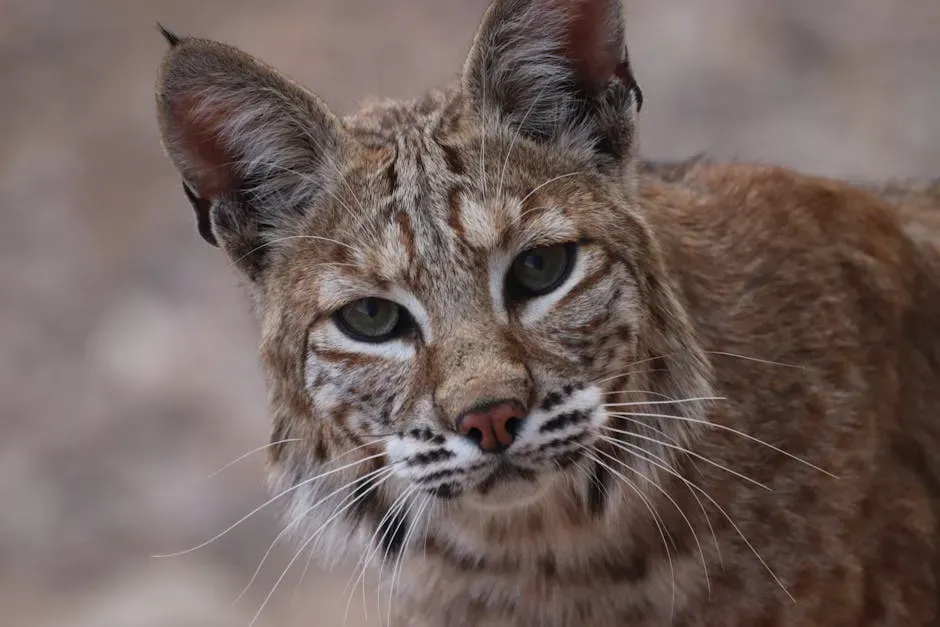
Bobcats are wild animals, not domesticated pets, and even when raised from a young age, they retain their natural instincts that can make them unpredictable and dangerous, with territorial and aggressive behavior common, especially during mating seasons. Some people are drawn in by stories of bobcats forming bonds with their owners, and that bonding does happen. The danger is that it doesn’t override the animal’s wild nature when things escalate. Bobcats are powerful predators with sharp claws and teeth that can inflict serious injuries on humans, particularly children, and even playful behavior can result in scratches or bites. Bobcats can also carry diseases that are transmissible to humans and other animals.
Bobcats can be very dangerous, as they have moments of aggression, which is why they should be kept in a large, sturdy outdoor cage during these episodes. The fact that an animal requires isolation during aggression episodes should itself be a decisive warning sign. Owning an exotic cat poses significant risks to human safety due to their inherent wild nature and physical capabilities. These cats retain predatory instincts, and even in play, their powerful jaws and sharp claws can cause serious injury.
#6. The Ocelot: Wild Instincts Don’t Negotiate
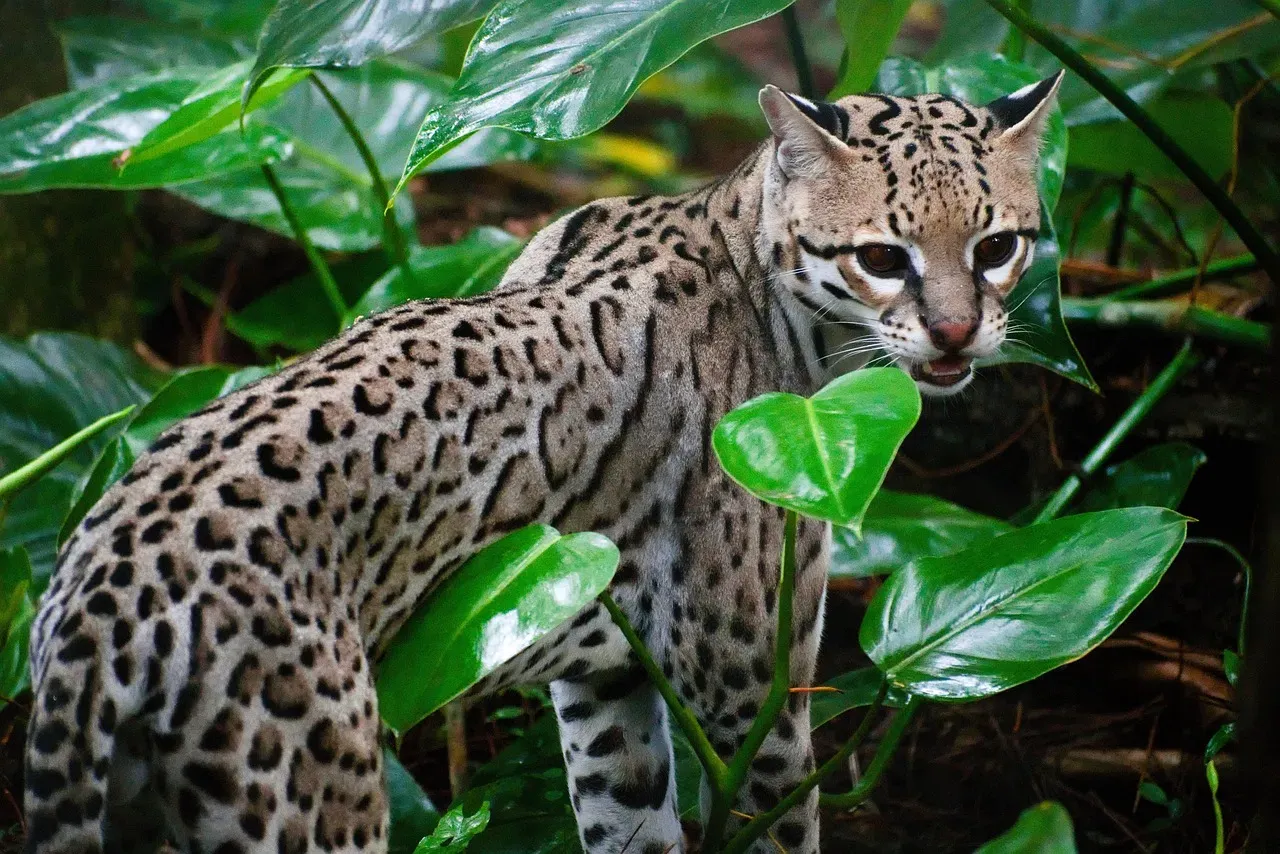
Once coveted for their beautiful gold-and-black fur, ocelots are medium-sized wild cats native to the Americas. They may be just twice the size of a pet cat, but their strength and unpredictable behavior make them true creatures of the wild. Salvador Dali famously kept an ocelot named Babou, contributing to a brief trend of keeping these wild cats as pets in the 1960s. That trend was as misguided then as it would be today.
Ocelots are sometimes kept as domestic pets, however they are illegal in many areas and quite rare, with no domestic breeders in the United States, making them wilder than other cats and generally more challenging to keep as pets. Ocelots often refuse to listen to people due to their fierce independence, are challenging to train and will not pay attention to commands. Ocelots are prone to biting. When attacking, they will frequently target specific regions of the body, such as the groin, elbow, armpit, or neck. That’s not a pet. That’s a liability.
#7. The Canadian Lynx: Solitary, Cold, and Deeply Unsuited to Domestic Life
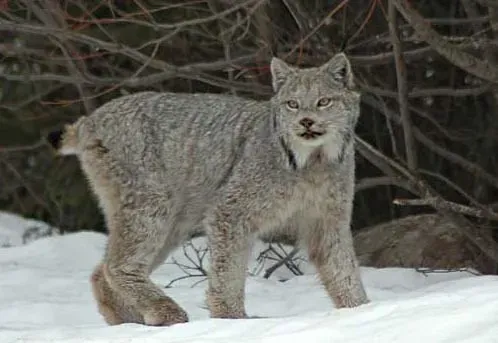
The Canadian lynx is another wild species that simply doesn’t belong in domestic settings. The Canadian Lynx is much like a bobcat, with two key differences: they don’t bond as closely with their owners, but they’re not as prone to flights of fury. This wild cat breed just wants to be left alone. The appeal of owning an animal so ethereally beautiful is understandable. The reality is that the lynx itself suffers deeply in captivity, confined to spaces that represent a fraction of its natural range.
Wild exotic cats are not domestic animals and do not belong in homes. Their unpredictable nature, strength, and specialized needs make them difficult to contain in an enclosure or house. They are a serious health and safety risk to the community and other animals and may experience poor welfare if they escape. Finding veterinary care for a lynx is nearly impossible for most owners, and there are limited veterinarians who are able or willing to treat wild exotic cats. They are difficult to handle, making exams and treatment riskier.
#8. The Chausie: The Jungle Cat in Your Living Room
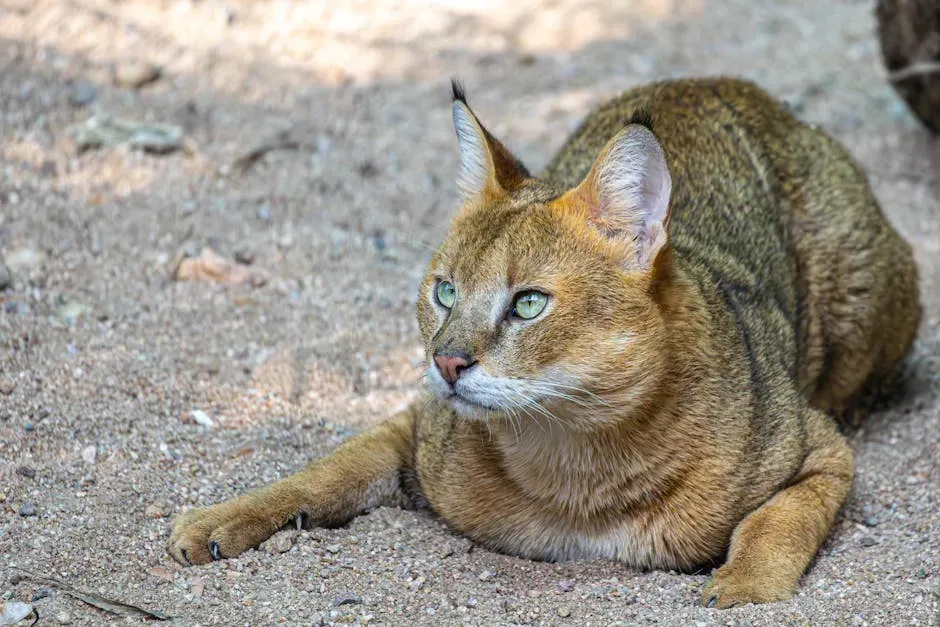
The Chausie hybrid resulted from crossbreeding a Jungle Cat with the domestic cat. The Chausie is a hybrid breed developed in the 1990s by crossing a small, wild cat called the jungle cat with domestic cats. Early generations carry an enormous amount of wild temperament, and the Chausie’s size, which can exceed that of a large domestic cat, makes any aggressive episode considerably more dangerous. Like other hybrids, Chausies suffer from the same fundamental problem: you cannot selectively breed out wild instincts while keeping the exotic appearance.
Jungle Cats look like overgrown house cats. Native to Asia and Egypt, they are incredibly nervous creatures, even when they’ve been living in the same house for several years. That chronic anxiety translates into unpredictable behavior under stress. Some nearly wild cat breeds can be quite territorial and aggressive, so if you have other pets in the home or small children, these cats are likely not for you, as they have been known to hunt and even hurt others in the home who they view as prey.
#9. The Geoffroy’s Cat: Small but Deeply Unsuitable
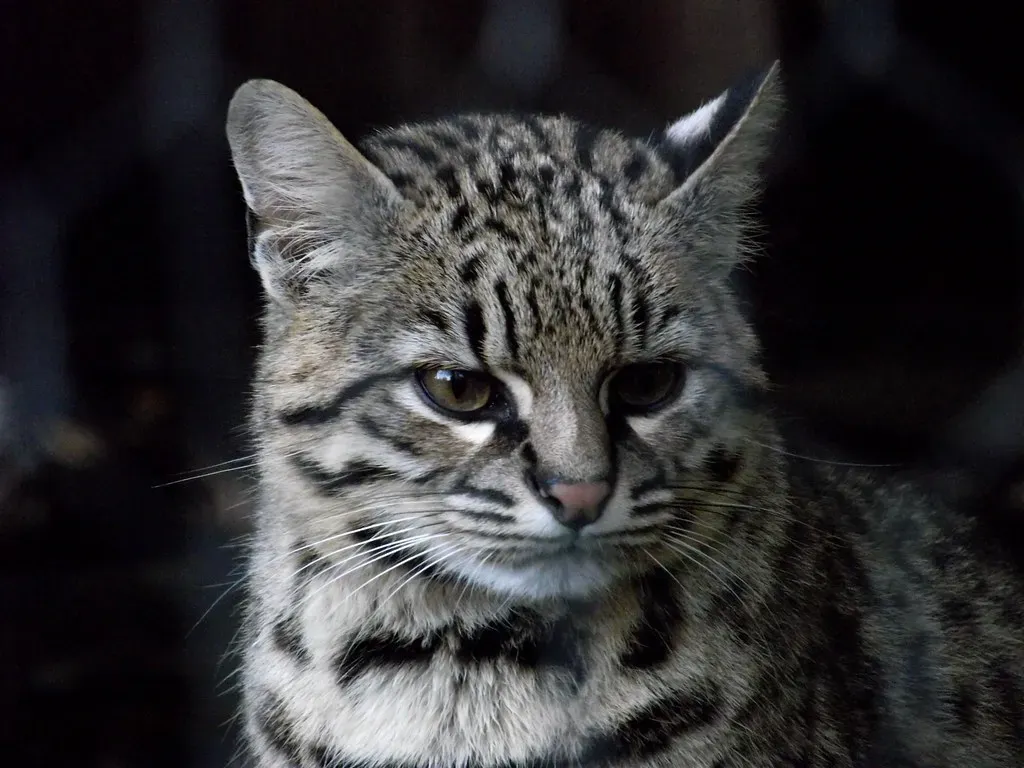
The Geoffroy’s cat is native to Central and South America, and is among the smallest wild cat species, weighing only four to eight pounds when fully grown. Because of their small size, they present no public safety threat to humans. Size, however, is not the point. Geoffroy’s cats can be rather timid and less social, thriving in a relatively placid, quiet environment. If provoked, they can become nervous and aggressive. Their inability to adapt to the stimulation of a domestic household causes chronic stress, which vets recognize as a genuine welfare crisis.
These cats commonly suffer nutritional deficiencies from diets that don’t mimic their natural prey and stress-related conditions caused by confinement. They are also more prone to genetic disorders due to limited breeding populations. Common ailments include renal failure, liver disease, and heart issues. Wild exotic cats are obligate carnivores who hunt their prey, including small mammals, birds, reptiles, and insects. Meeting their nutritional needs can be very challenging, leading to poor welfare. A small wild cat suffering silently in a suburban home is not a charming exotic pet. It’s an animal living a life contrary to everything its biology demands.
#10. The Asian Leopard Cat: The Problem at the Root of It All
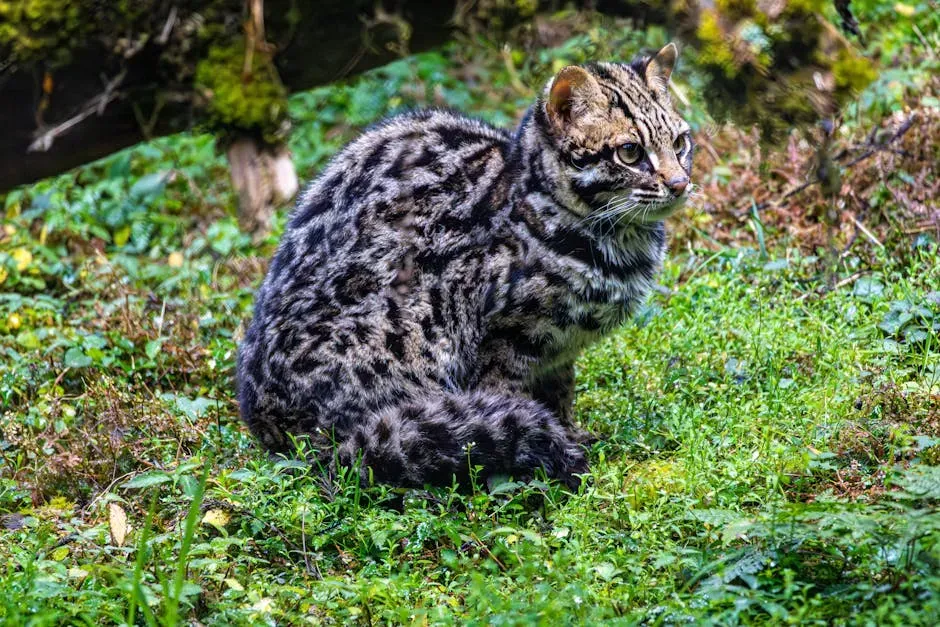
Asian leopard cats, adapted to life in the wild, are ill-suited to captivity, where they often suffer from stress, behavioral issues, and inadequate living conditions. Domestic cats were bred with the Asian Leopard Cat, a small wild cat native to South, Southeast and East Asia. This pairing launched the entire hybrid cat industry as we know it today, producing Bengals and related breeds that continue to pose welfare challenges. Veterinarians emphasize that these cats possess hunting instincts and territorial behaviors that cannot be suppressed. They need vast territories to roam, specialized diets, and environmental enrichment that typical homes simply cannot provide.
Capturing kittens for the pet trade often involves killing the mother cat, which reduces the breeding and genetic potential even further. This is a conservation issue as much as it is a safety one. A pet wild cat that has lost its fear of humans is far more dangerous than any wild cat in nature, and sooner or later some will attack their owners and make an escape for freedom. The Asian Leopard Cat’s influence on the exotic pet trade is vast, largely invisible to casual consumers, and deeply troubling to anyone paying close attention.
A Closing Verdict That Needs to Be Said Plainly
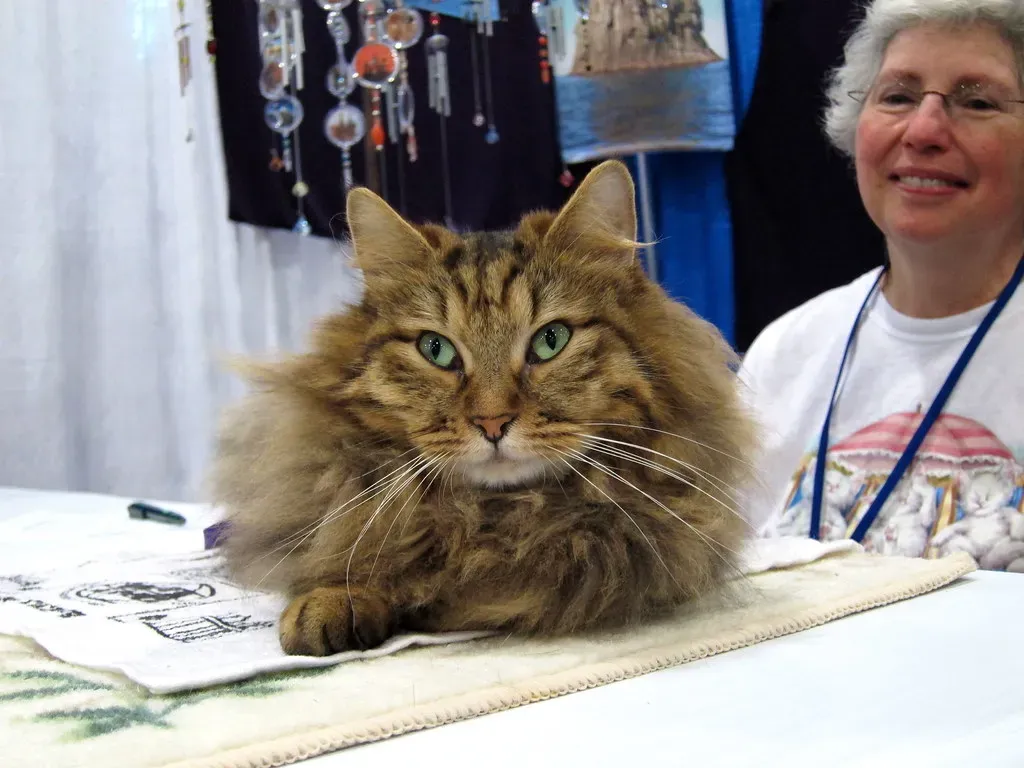
There is something worth stating plainly here, without softening it for the sake of balance. The exotic and dangerous cat trade is not just a personal risk taken by individual owners. When exotic or hybrid cats become unmanageable, breeders turn to animal welfare organizations, as there are no accredited sanctuaries to house them. The burden falls on rescue organizations, taxpayers, and the animals themselves.
These breeds can be very destructive, and many never adapt to using a litter box, resulting in constant cleanup. Breeding domesticated wild cat breeds is often unethical, especially because there is little to no oversight for these breeding facilities. Annually, hundreds of thousands of loving domestic cats are put to death in shelters for want of a good home. That fact alone should give any prospective exotic cat owner serious pause.
The verdict from vets isn’t a timid suggestion. It’s a consistent, evidence-backed warning delivered to whoever is willing to listen. Wild cats belong in the wild. Hybrid cats belong with people who truly understand what they’re signing up for, and even then, the ethics remain murky. If you want a cat that actually wants to live with you, look no further than your nearest rescue shelter. The animal that genuinely needs you is already waiting.


