
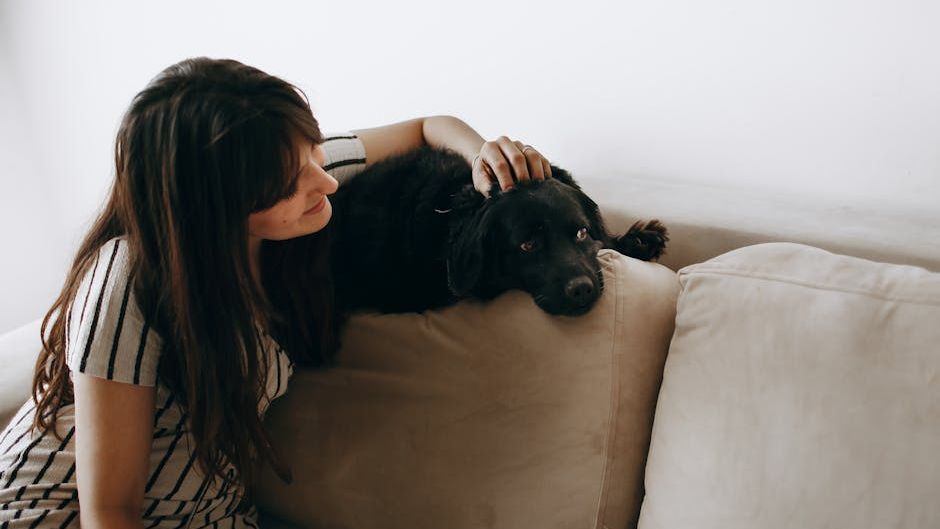
There’s something that happens between an older person and their dog that’s almost impossible to put into words. It’s not the obvious stuff, the tail wags and the morning greetings. It’s the quieter moments. The ones that slip past without announcement and leave a mark that stays long after the moment is gone.
In recent times, dogs have become emotional companions and human substitutes for people living in solitude, giving new meaning to elderly people’s lives. That reality isn’t sentimental exaggeration. It’s something researchers, caregivers, and families have observed again and again. What makes this bond so remarkable isn’t just its warmth. It’s the specific, lived moments that forge it into something permanent.
#1: The Day the Dog Senses Grief Before Anyone Else Does

There are days when sadness sits heavy and words don’t come easily. For many seniors, those days often follow loss, whether it’s a partner, a sibling, or a close friend who’s no longer there. What surprises people is how often their dog responds before a single tear has fallen, pressing close, resting a head on a knee, refusing to leave the room.
Pet ownership has been associated with less depression following spousal bereavement. That finding carries real weight when you consider what it means on a human level. The dog doesn’t understand the funeral or the empty chair at the dinner table. It understands the person, and in its own way, it shows up. That showing up, quiet and warm and entirely consistent, is often what breaks the numbness and begins the healing.
#2: The First Morning Walk That Becomes Sacred
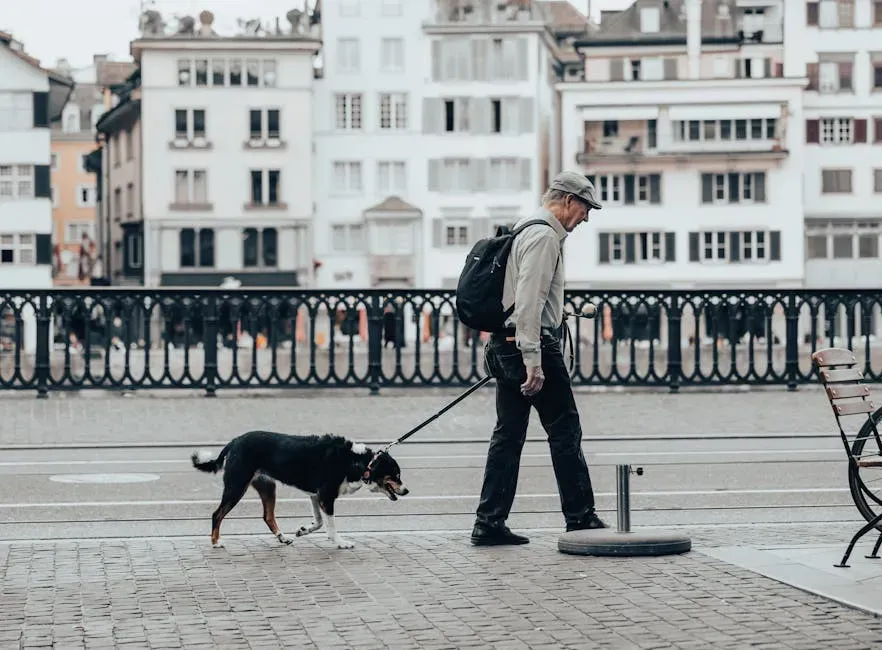
Dog walking has been associated with lower body mass index, fewer limitations in daily activities, fewer doctor visits, and more frequent moderate and vigorous exercise. Those are the clinical outcomes. The lived experience is something else entirely. For a senior who wakes up to the same four walls each day, that first morning walk with their dog becomes a ritual that structures the world around something purposeful and alive.
Over time, the walk stops being about exercise. It becomes the frame of the day. The spot where the neighbor always stops to say hello, the tree the dog always sniffs, the bench where they rest for a few minutes watching the street wake up. Pets can provide a reason to get out of bed in the morning, a partner for walks through the neighborhood, and a positive topic of conversation with friends and neighbors. That morning walk, walked hundreds of times, quietly becomes one of the most meaningful things in a senior’s week.
#3: When the Dog Refuses to Leave During a Health Scare
Ask almost any senior who has lived through a health crisis at home, a fall, a dizzy spell, a night of chest tightness, and many of them will tell you the same thing. The dog stayed. It didn’t move to another room. It planted itself close, sometimes curiously alert, sometimes just present in that steadfast way only dogs manage to be.
Many pet owners report that their pets are comforting, missed when absent, and sought out in times of distress. That instinct to seek out their dog during frightening moments is meaningful. It tells you something about how deeply the bond has taken root. In those vulnerable hours, the dog isn’t just a comfort object. It becomes a living reassurance that the person is not completely alone in whatever they’re facing.
#4: The Moment a Senior Realizes the Dog Has Given Them Back Their Routine
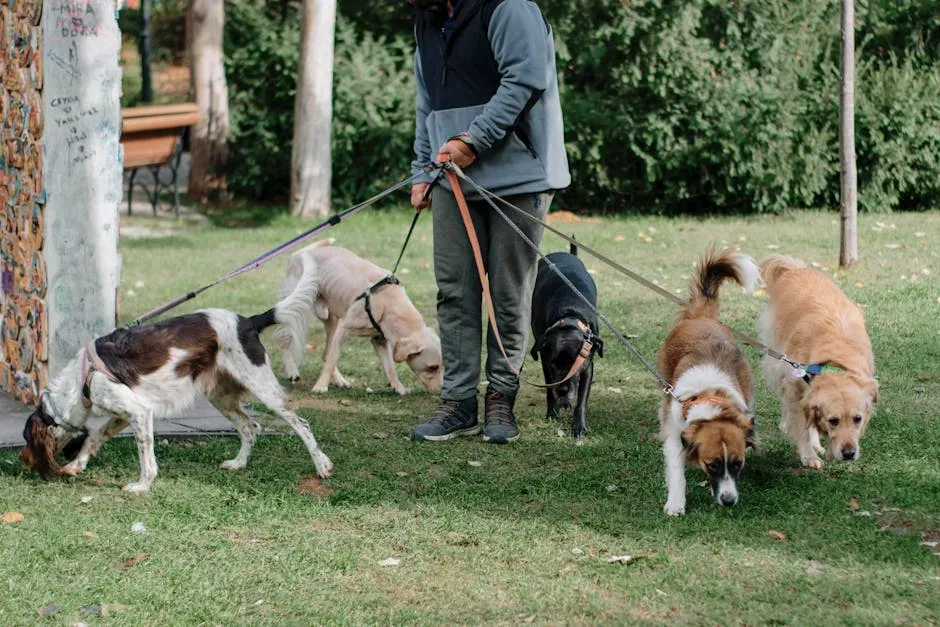
Retirement, illness, or simply the gradual quieting of a once-busy life can strip away structure in ways people don’t always notice until it’s gone. Then a dog arrives, and suddenly there’s feeding time, walk time, playtime, grooming time. The day has a shape again. Through the responsibility of pet care, seniors establish daily routines that can help structure their days and reduce feelings of loneliness or isolation.
It’s a subtle shift, but its effects are profound. Having a dog to care for and focus on provides seniors with a sense of purpose, a welcome distraction from their worries, and a source of comfort and reassurance. The moment a senior consciously recognizes that their dog has handed them back a structured, purposeful day is the moment the relationship shifts from companionship to something closer to partnership.
#5: When the Dog Becomes the Bridge to the Outside World
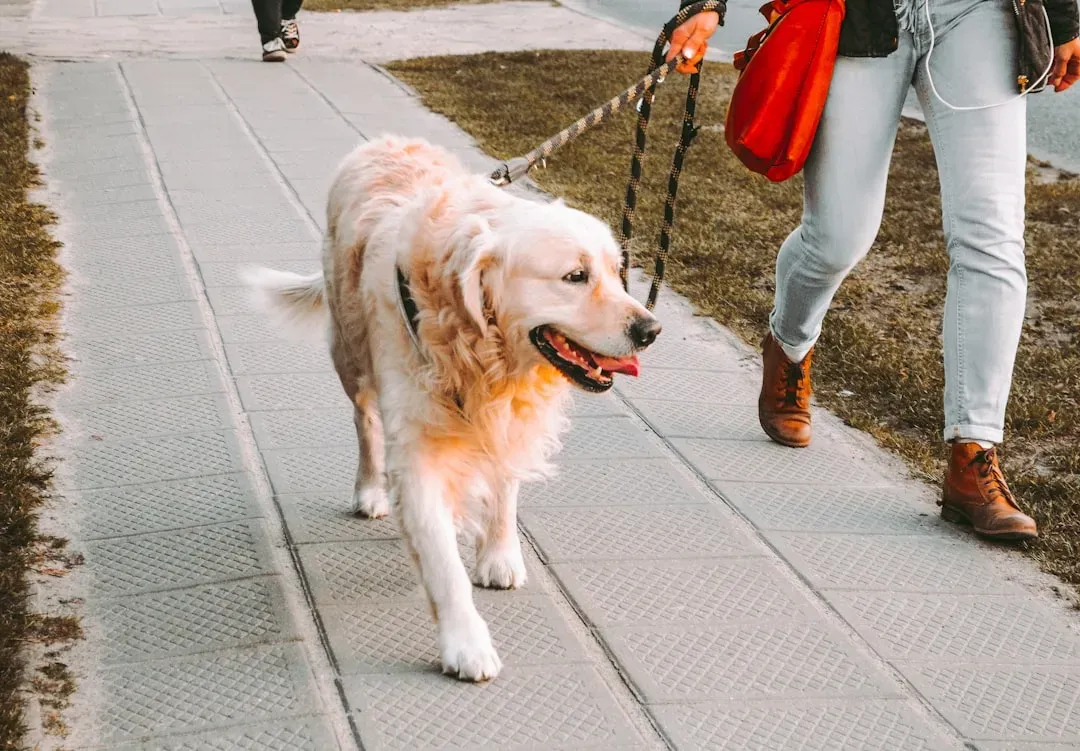
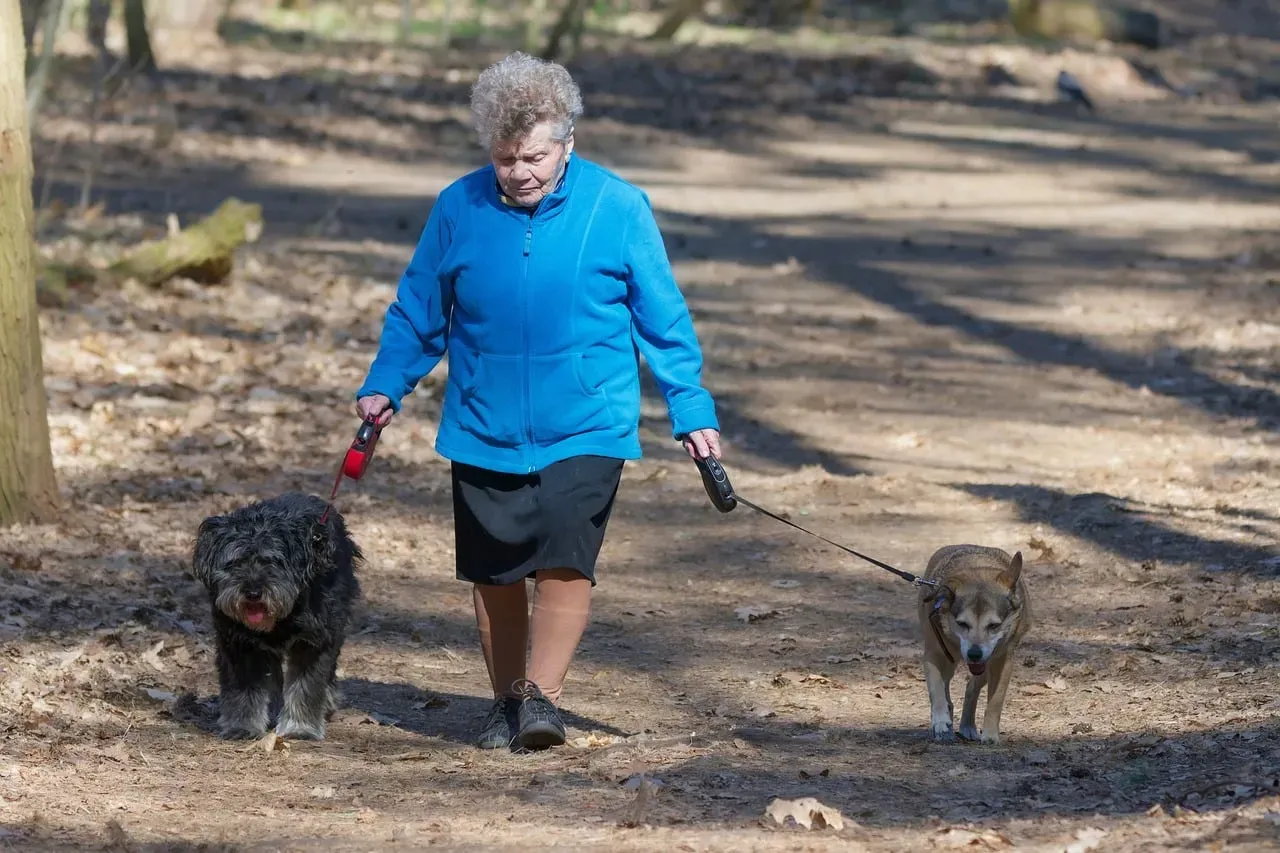
Isolation is one of the quietest crises in senior life. It doesn’t always look dramatic. It can look like weeks passing without a real conversation, or a gradual withdrawal from neighborhoods and social circles that once felt natural. A dog changes that equation in a specific and consistent way. Walking their dog or going to the park allows seniors to meet new people, engage in conversation, and potentially form meaningful connections. Owning a dog can make it easier to start conversations with neighbors or strangers, leading to stronger relationships and feelings of belonging.
Older adults who own pets feel more socially connected, leading to increased happiness and life satisfaction as well as reduced feelings of loneliness, according to a Mather Institute study. There’s always that one moment a senior can point to, usually early on, when a stranger smiled and approached because of the dog, and a conversation began that wouldn’t have happened otherwise. That first dog-mediated connection is often a turning point. It reopens a door that had quietly swung shut.
#6: Navigating a Dog’s Own Illness Together
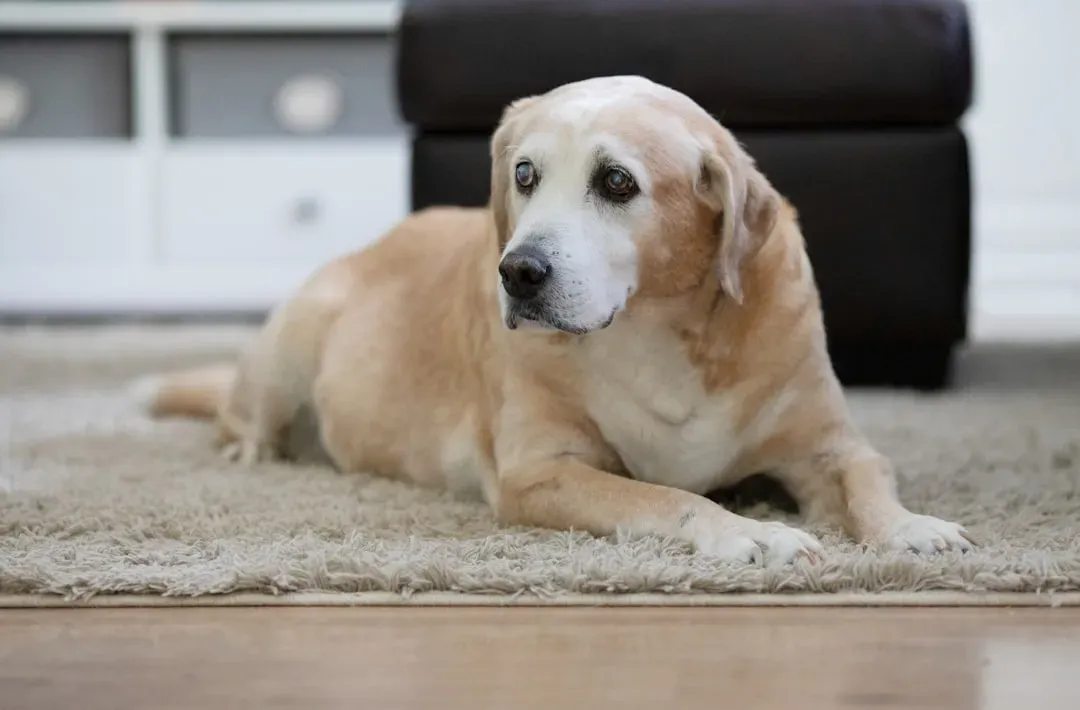
The relationship between a senior and their dog is not one-directional. When the dog gets sick or slows with age, something shifts in the dynamic. The senior becomes the caregiver in a more active sense, monitoring food intake, tracking vet appointments, watching for signs of pain or discomfort. Dogs’ shorter lifespans compel us to learn about the challenges and gifts of caring for older individuals. Companion dogs can be exemplars of healthy or unhealthy aging.
There’s an unexpected emotional weight to watching a dog age. For many seniors, it holds up a mirror to their own experience of growing older. Vulnerability, slowness, the need for gentleness and accommodation. Caring for an aging dog with patience and tenderness often deepens a senior’s self-compassion as well. The bond formed during those weeks and months of caregiving is unlike anything that came before it.
#7: The Night the Dog Simply Stays Awake With Them
Insomnia is common in older adults, and the experience of lying awake at 3 a.m. with nothing but your thoughts for company is isolating in a particular way. Many seniors describe the same thing: their dog will shift from wherever they sleep and quietly settle nearby, awake, breathing steadily, simply there. No urgency. No restlessness. Just company in the dark.
Pet ownership has been linked to psychological well-being, including greater cheerfulness, enhanced mood and relaxation, and reduced stress levels. That nighttime presence contributes directly to those outcomes. It’s not about the dog doing anything specific. It’s about what that consistent, warm, living presence communicates: you are not alone in this. For a senior living independently, that message at 3 a.m. can be genuinely life-changing.
#8: When the Dog Responds to Cognitive Changes With Unbroken Loyalty
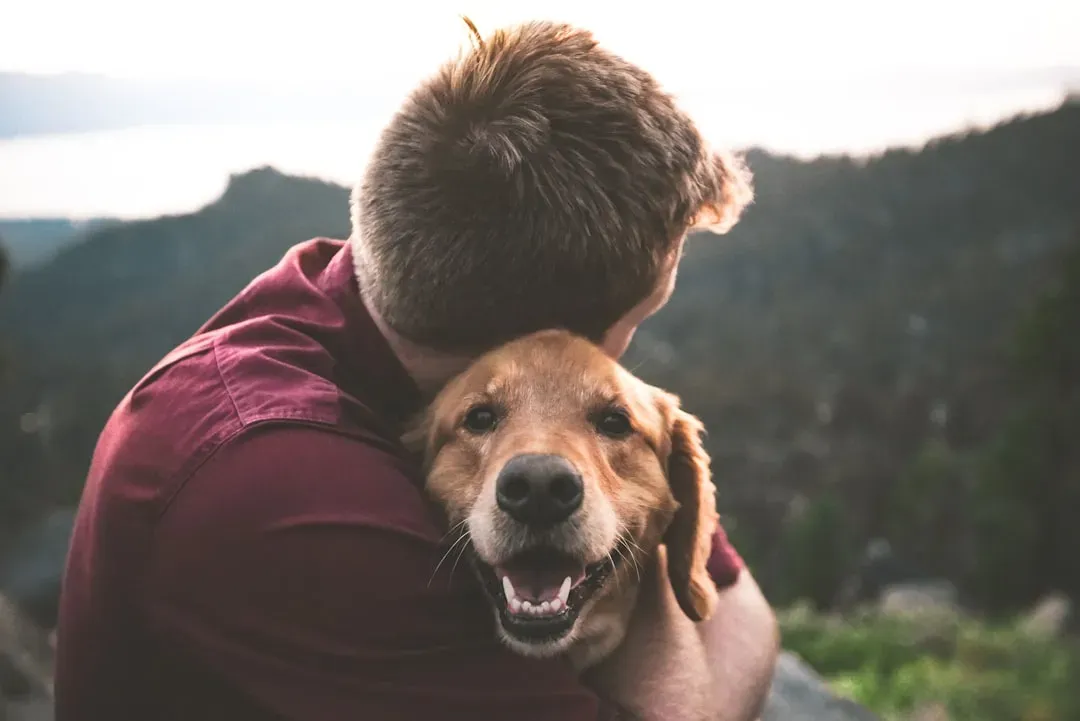
For seniors experiencing early cognitive decline or the disorientation that can come with dementia, a dog’s response is often extraordinary. Where people sometimes struggle to know what to say or how to act, a dog just keeps showing up the same way it always has. Older adults with dementia have shown significant decreases in agitated behavior and increases in social interaction when a pet visited.
The relationship with the dog stimulates communication. People speak more spontaneously and more adequately, improving their relationship with the external world. That’s a remarkable finding. In moments when language and memory are slipping, the presence of a familiar dog can unlock expression and calmness that other interventions don’t always reach. The bond doesn’t need perfect memory to survive. It lives in the body, in touch, in warmth, in recognition.
#9: The Quiet Moment of Saying Goodbye to a Dog
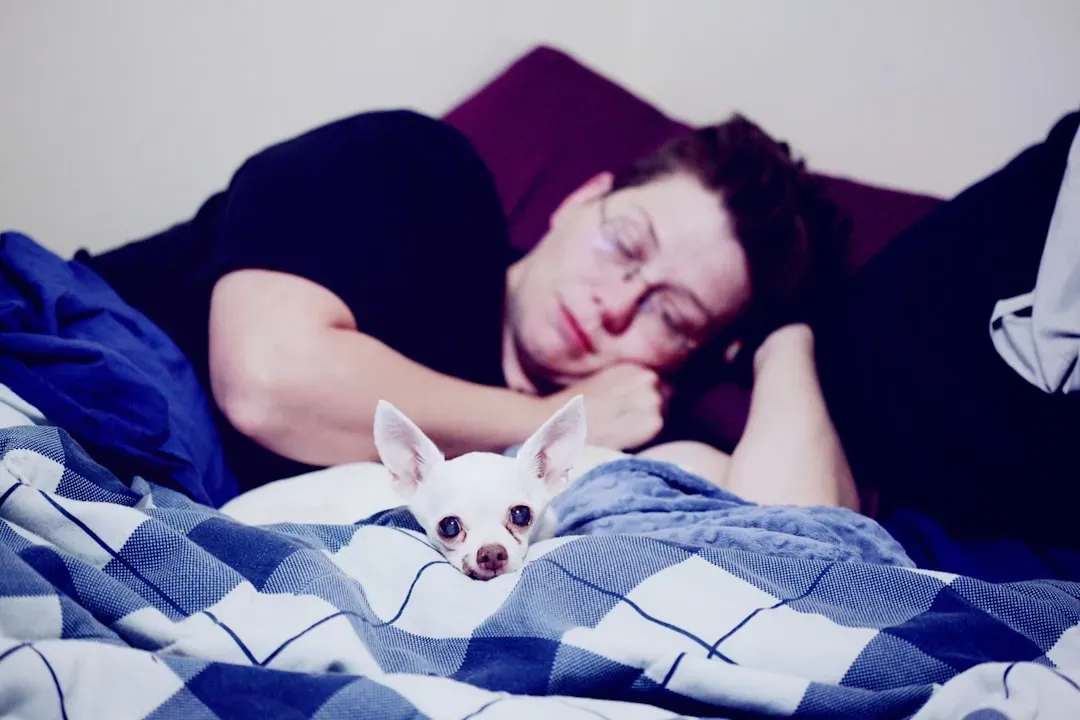
No part of this bond is harder than its ending. When a senior loses their dog, the grief that follows is real and often underestimated by those around them. An important aspect is the grief that grips dog owners after they lose their beloved four-legged friend. This kind of grief is comparable to the grief that follows when people lose a dear friend or relative.
What makes this loss particularly significant for older adults is the layered nature of it. The dog may have been with them through the death of a spouse, through health crises, through years of changed circumstances. Losing the dog is not just losing an animal. It’s often losing the witness to an entire chapter of life. The companionship of a pet is all too frequently underestimated or belittled, even though pets are often intimate companions for many elderly people. They help them fight off loneliness and continue their activity. To many elderly people, their animal friend means joy and quality of life. That context makes the loss proportionally profound.
#10: The Decision to Adopt Again, Despite Everything

After losing a dog, many seniors reach a moment of real reckoning. They know the grief that’s possible. They may be older now, less mobile, more aware of the practical challenges. As people get older, they sometimes have difficult circumstances to deal with, such as serious issues with their own health. Caring for their pet provided meaning through these hard times, and a sense of things continuing. In this way, the pet helped them to cope with the challenges.
Over half of adults over 50 have at least one pet. Many of those people have made the conscious choice to open their lives to a dog more than once, knowing exactly what that choice involves. That decision, made with open eyes, is perhaps the most emotionally significant moment of all. It’s a person saying: yes, the love is worth the loss. Yes, the companionship matters enough to begin again. That act of choosing, quietly and deliberately, is where the bond between seniors and their dogs finds its deepest meaning.
A Few Final Thoughts
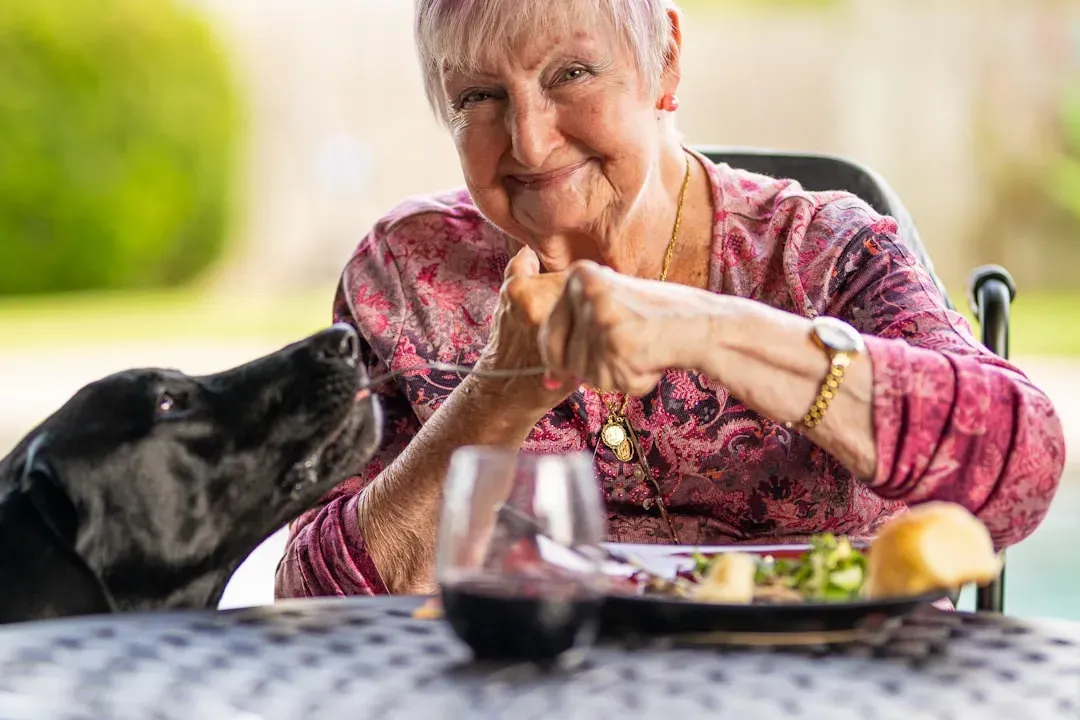
The bond between seniors and their dogs is not built in a single dramatic moment. It’s assembled slowly, from hundreds of small ones: morning routines, quiet nights, health scares, shared grief, and wordless loyalty offered in both directions. Pets may help us meet our basic need to connect with another. Opportunities to provide nurturance and to give and receive affection may decrease as we age, but pets are constant companions who can make us feel needed, valued, and loved.
There’s no overstating this. Society tends to frame senior pet ownership as a nice quality-of-life add-on, a pleasant extra. The research and the lived reality tell a more serious story. These animals are doing something genuinely important for the people who love them. They deserve to be recognized as the irreplaceable companions they are, not just for the health outcomes they produce, but for the human moments they make possible.
If you know a senior who shares their life with a dog, you already know this. The real question is whether the rest of us are paying enough attention.


