

Most dog owners assume that as long as their pup has food in the bowl and a warm place to sleep, everything is fine. It’s a comforting thought, but it misses something important. Dogs aren’t just physical creatures. They’re emotionally wired animals who rely on connection, consistency, and affection to truly thrive.
Dogs certainly have emotions. They experience joy, sadness, fear, and even frustration. What’s less understood is how quietly those emotions can turn inward when a dog starts to feel emotionally overlooked. The signs are often subtle, easily confused with “bad behavior” or dismissed as a phase. The truth is, your dog may be telling you something important right now, and the message just isn’t coming through in words.
#1. They Stop Seeking Your Attention

One of the first signs that a dog feels unloved is a sudden disinterest in interacting with you. Dogs that once eagerly greeted you or enjoyed playing with you may begin to avoid you altogether. They may no longer seek your attention and will turn down cuddles or affection.
This isn’t stubbornness and it isn’t a mood. It’s a withdrawal that mirrors what humans do when they stop expecting warmth from someone. If your dog no longer shows interest in interacting, it could signal that they’re feeling emotionally disconnected from you.
Since dogs are unable to communicate with us other than through their body language, we may find it difficult to identify their emotions. There are, however, several warning indicators you can watch for that will let you know if a pup is starting to feel a bit rejected. A dog who once ran to the door now barely lifts their head. That shift matters more than most people realize.
#2. Excessive Whining or Barking for No Obvious Reason
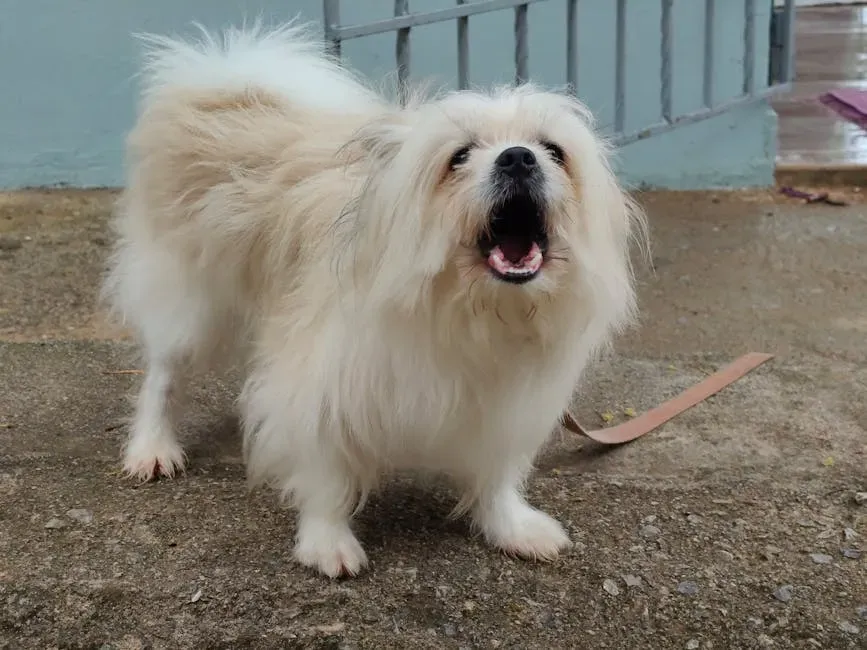
One of the first signs that a dog may feel unappreciated is an increase in whining or barking. When dogs feel neglected or ignored, they may resort to vocalizing their feelings more often in an attempt to get your attention. This behavior can indicate frustration or a plea for acknowledgment, as they might not know how else to express their needs.
Dogs bark for many reasons: excitement, fear, or to alert you of a potential threat. However, excessive barking, especially when left alone, can indicate distress. Dogs use vocalizations to call out to their pack, and if they feel neglected, they may bark to try and get your attention.
Pay attention to when it happens. Dogs often engage in destructive behavior when feeling neglected, and another way they might express their feelings of frustration is through barking and howling fits, particularly at night. A dog crying into the dark isn’t being dramatic. They’re reaching out.
#3. Destructive Behavior Around the House

When a dog exhibits destructive behavior, such as chewing furniture or tearing up items, it can often be a cry for help. Dogs who feel neglected may act out to get attention or out of frustration. This behavior is their way of coping with the emotional distress they are experiencing.
Dogs who feel neglected and bored may begin to develop destructive behaviors. They can have pent-up energy, anxiety, and frustration, which can cause them to resort to destroying furniture. Your dog may bite and rip up pillows and couch cushions.
Before labeling your dog as naughty, consider what’s really going on emotionally. If your dog is tearing up pillows, chewing shoes, or developing a passion for knocking over trash cans, it’s likely not a sudden personality change. It’s a cry for attention. Destructive behavior can be a response to feeling ignored or under-stimulated.
#4. Retreating and Hiding From Family Members
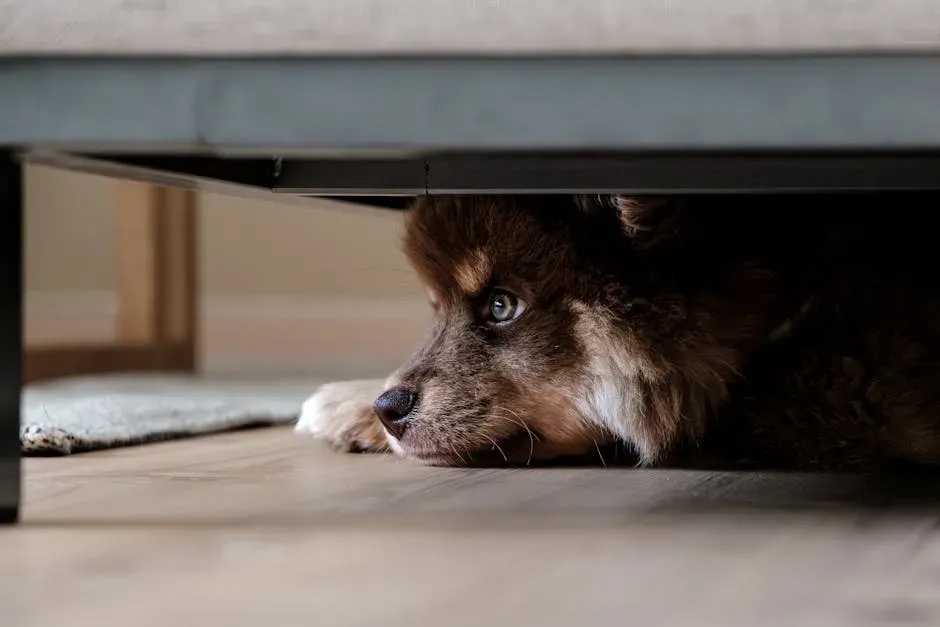
When a dog begins to hide or retreat to a secluded area of your home, it may be a sign that they feel unsafe or unloved. This behavior often indicates that your dog is seeking comfort and solitude due to emotional stress. While dogs may occasionally retreat to rest, constant hiding is a cause for concern.
Dogs are social creatures, and when they feel unappreciated, they may withdraw or hide from their owners. If your dog starts avoiding you, retreating to a quiet corner, or even seeking out a secluded space, it could be an indication of emotional distress. This behavior often stems from feelings of being ignored or neglected.
There’s a particular tenderness to watching a dog choose to be alone. If your dog usually liked to cuddle next to you but now naps in another room, they could be subconsciously seeking emotional distance. It’s one of the quieter heartbreaks of canine communication.
#5. Changes in Appetite and Eating Habits

If your dog suddenly loses interest in food or refuses to eat, it could be a sign that they’re feeling unappreciated or stressed. Dogs may become anxious or upset when they feel neglected, and this emotional response can affect their appetite. A decrease in food intake could also indicate that they are not getting the mental or emotional stimulation they need.
If your dog turns up their nose at meals or treats they usually devour, they might feel emotionally off. Changes in eating habits can be linked to stress, anxiety, or sadness, mainly when caused by changes in their environment or routine. On the opposite end, a dog acting more hungry than usual or increased begging may be a sign of boredom, attention-seeking, or an emotional disorder.
While it’s important to rule out medical issues first, emotional hunger, or lack thereof, is a big clue that your pup feels neglected or excluded. Either way, the bowl tells a story worth listening to.
#6. Excessive Licking or Self-Grooming

While licking can be a normal behavior in dogs, excessive licking, especially directed toward you, might be a sign that your dog is seeking attention or affection that they’re not receiving. This can also manifest as licking at furniture or objects, indicating their need for some form of comfort or care.
Some dogs who suffer from stress or depression will excessively lick, causing bald spots, sores, and even digestive problems. The act of licking increases endorphins in the dog’s brain, which calms them while licking. It’s essentially self-soothing, a coping mechanism for an emotional gap they don’t know how to bridge.
If you notice that your dog’s licking behavior becomes more frequent or intense, it’s essential to check in with them and offer them the love and attention they’re craving. It could be their way of telling you they’re feeling neglected. A quick vet check is always smart to rule out allergies, but the emotional root is often hiding in plain sight.
#7. Clingy Velcro Behavior and Separation Anxiety
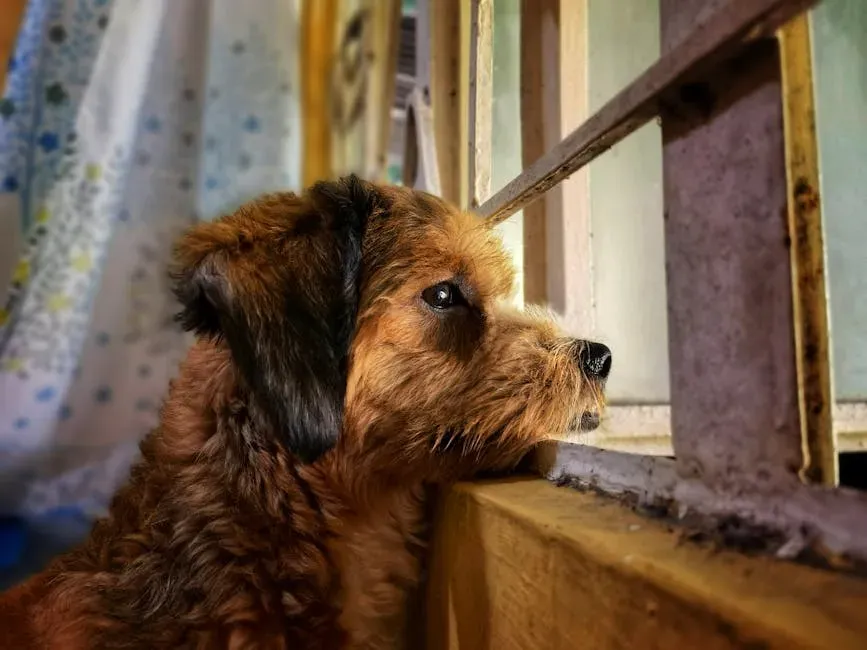
Some dogs become overly clingy when they feel neglected, following you everywhere and refusing to let you out of their sight. This behavior, known as Velcro Dog Syndrome, is often a sign of separation anxiety and can make it difficult for you to perform daily tasks without their constant presence.
Separation anxiety is a common condition in dogs that can develop when they feel unappreciated or stressed. If your dog begins to act out, destroy objects, or become excessively anxious when you leave the house, it’s likely a sign they’re feeling neglected. Dogs with separation anxiety may also display signs of distress like excessive drooling, pacing, or whining when they’re left alone.
It might seem like devotion, but constant clinging is actually an expression of deep insecurity. While dogs can adapt to a regular schedule, unpredictable absences can be disorienting. If you’re gone for longer than usual or leave suddenly, it can make your dog anxious. They don’t have a sense of time the way humans do, so each absence feels like it could be permanent.
#8. Loss of Interest in Play and Activities They Loved

A dog that used to eagerly participate in walks and playtime but suddenly shows little interest may be signaling emotional distress. If your dog has lost enthusiasm for activities they once enjoyed, it could be a sign that they feel unloved or neglected. This loss of interest can be especially heartbreaking because it’s a clear sign that their emotional needs aren’t being met.
Pets usually have their favorite toys or activities, and it can be especially telling when they’re no longer interested in their favorite things. If your pet suddenly loses interest in anything they typically enjoy, it could be a sign of depression.
Another behavioral change to keep an eye out for is a decreased desire to play, go for walks, or engage in physical activity. In some cases, this may be a plea for attention, especially if a big life change just occurred such as a move, a new baby, or a loss in the family. Joy, when it disappears from a dog, doesn’t just fade quietly. It leaves a visible absence.
#9. Submissive or Cowering Body Language
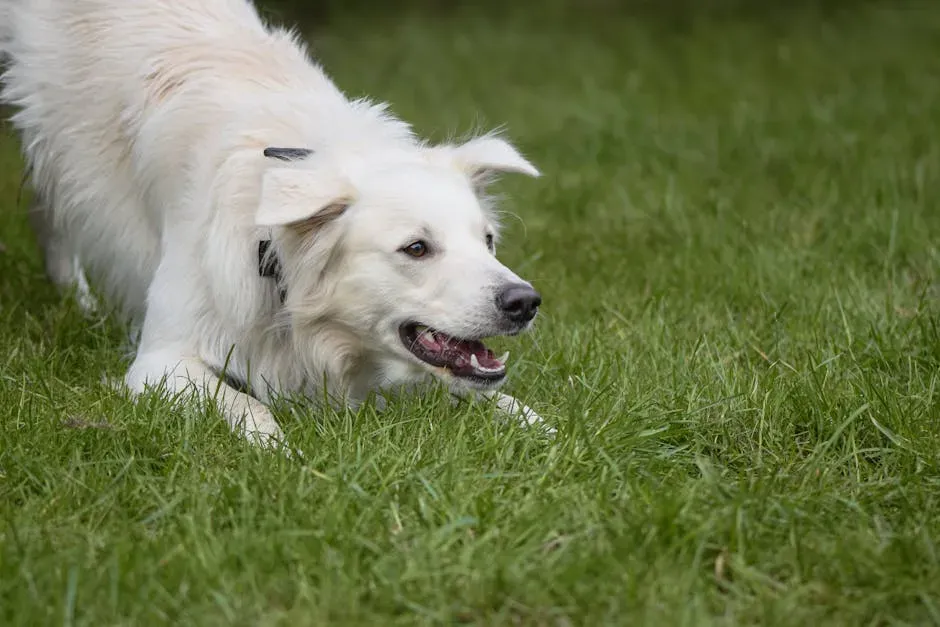
A dog’s body language is worth a thousand words. They tend to wear their emotions on their furry sleeves, so if you notice flattened ears, a tucked tail, downcast eyes, and a low bent neck, you are looking at one upset dog. Other signs that your dog is frightened, sad, anxious, or distressed include shaking, hiding, burrowing, and clingy behavior.
If a dog doesn’t feel loved and protected, they may exhibit behaviors such as tucking their tail between their legs. If your dog is feeling rejected, they may also start shaking and cowering because they do not know what they did wrong to get to this point.
Signs of a stressed or upset dog include flattened ears, a tucked tail, a low bent neck, and downcast eyes. Shaking, hiding, pacing, and panting can also indicate that your dog is scared, anxious, or emotionally distressed. These are not random postures. They’re a full-body conversation that deserves your full attention.
#10. Seeking Comfort and Attention From Strangers

While it’s great to have a social dog, your dog should still prefer your company over strangers. If your dog seems more eager to interact with others than with you, it could be a sign they’re seeking the attention they’re missing at home.
A dog will try whatever they can to make up for being rejected or unloved if they feel that way. They can interpret our facial expressions and vocal clues and understand how we are feeling toward them. When that emotional return feels absent, they naturally look elsewhere for what they can’t seem to get from you.
Dogs thrive on connection, and one of the most exciting parts of their day is when you come home. If you brush off their excitement, not acknowledging their enthusiasm, it can signal that the bond isn’t as strong as they thought. Over time, they might start to feel less important to you, thinking they’re not valued. A dog that gravitates toward every stranger at the park might simply be searching for the warmth they’ve stopped expecting from you.
What You Can Do About It

Feelings of neglect must be taken seriously because they can be detrimental to your dog’s physical and emotional well-being. If you’ve noticed any behavioral changes in your dog, it’s best to first visit your veterinarian to rule out any medical causes.
Neglecting a dog’s mental and emotional well-being can have serious and long-lasting effects on their overall health and behavior. Just like any other animal, dogs need mental stimulation, emotional support, and a sense of safety to thrive and have a great quality of life.
Creating a healthy routine that’s filled with exercise, enrichment activities, and quality time with people will significantly improve your dog’s quality of life and ensure that they feel safe and loved. That’s not a lofty goal. It’s a walk, a cuddle on the couch, a moment of eye contact that says, “I see you.”
Final Thoughts
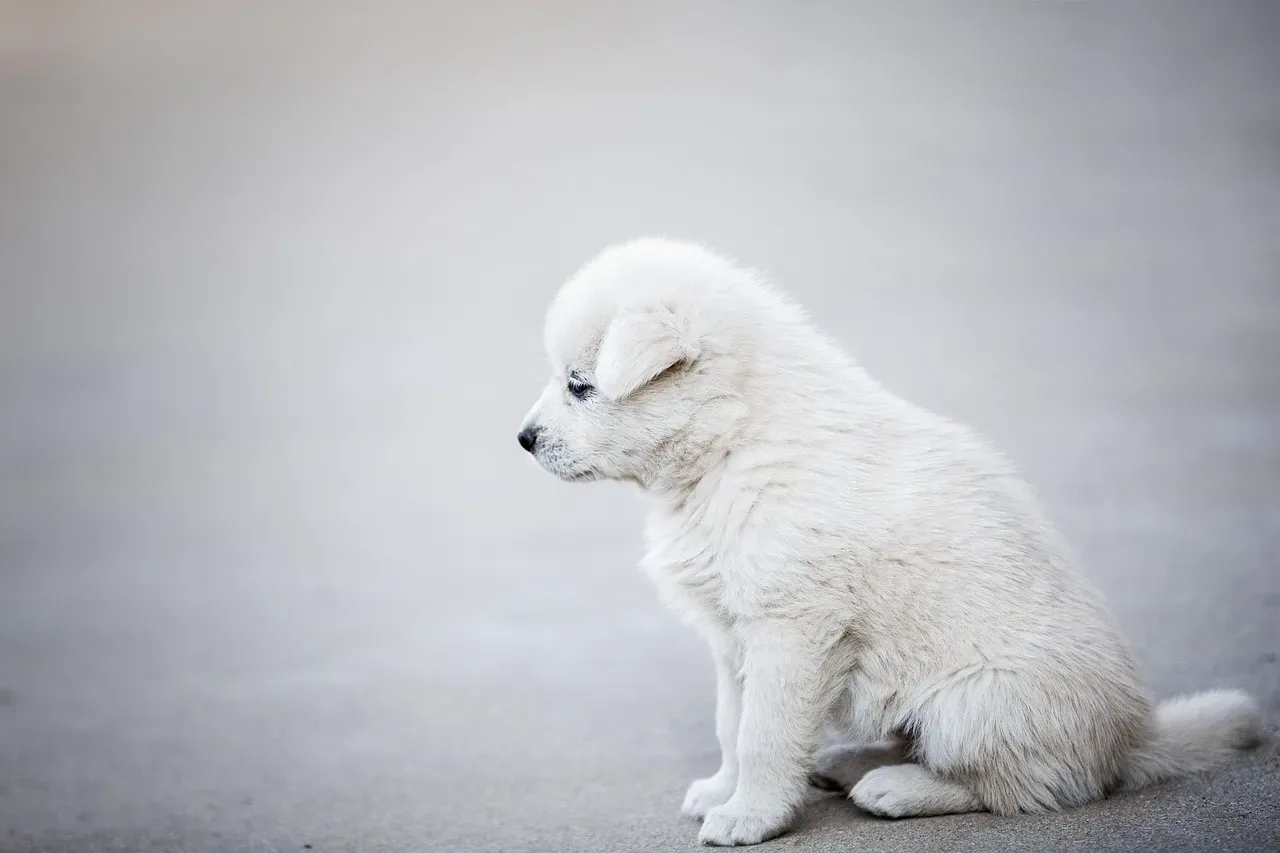
Here’s the uncomfortable part: most dogs don’t feel because their owners don’t care. They feel rejected because life gets loud, routines shift, and dogs get quietly deprioritized while everything else takes over. It’s important to recognize that dogs can feel rejected, so it’s our duty to make an effort to understand their needs. It’s equally crucial to be aware of how our actions and behaviors can impact our dogs emotionally, and we should strive to avoid causing them distress.
Never underestimate your dog’s ability to feel and express emotional pain and distress. The depth of their love for us is what makes them so incredibly endearing, but it can also cause them heartache when they are feeling lonely or neglected.
Dogs don’t ask for much. They ask to be seen, included, and loved back with even a fraction of the loyalty they pour out every single day. If even two or three of these signs feel familiar, that’s not a coincidence. That’s your dog, trying the only way they know how, to tell you they need more of you.


