
There’s a particular kind of magic that happens when a gray-muzzled dog hears the familiar jingle of a leash. The joints may be stiffer, the sprint long replaced by a shuffle, but something ancient and electric fires up behind those cloudy eyes. It’s joy, and it’s absolutely real.
We tend to quietly grieve our dogs as they age, mourning the puppy energy that’s faded. What we don’t always notice is what’s still very much alive. Senior dogs carry deep wells of enthusiasm for the things that matter to them, and knowing what lights them up isn’t just heartwarming – it changes how you care for them.
#1. The Leash Coming Off the Hook
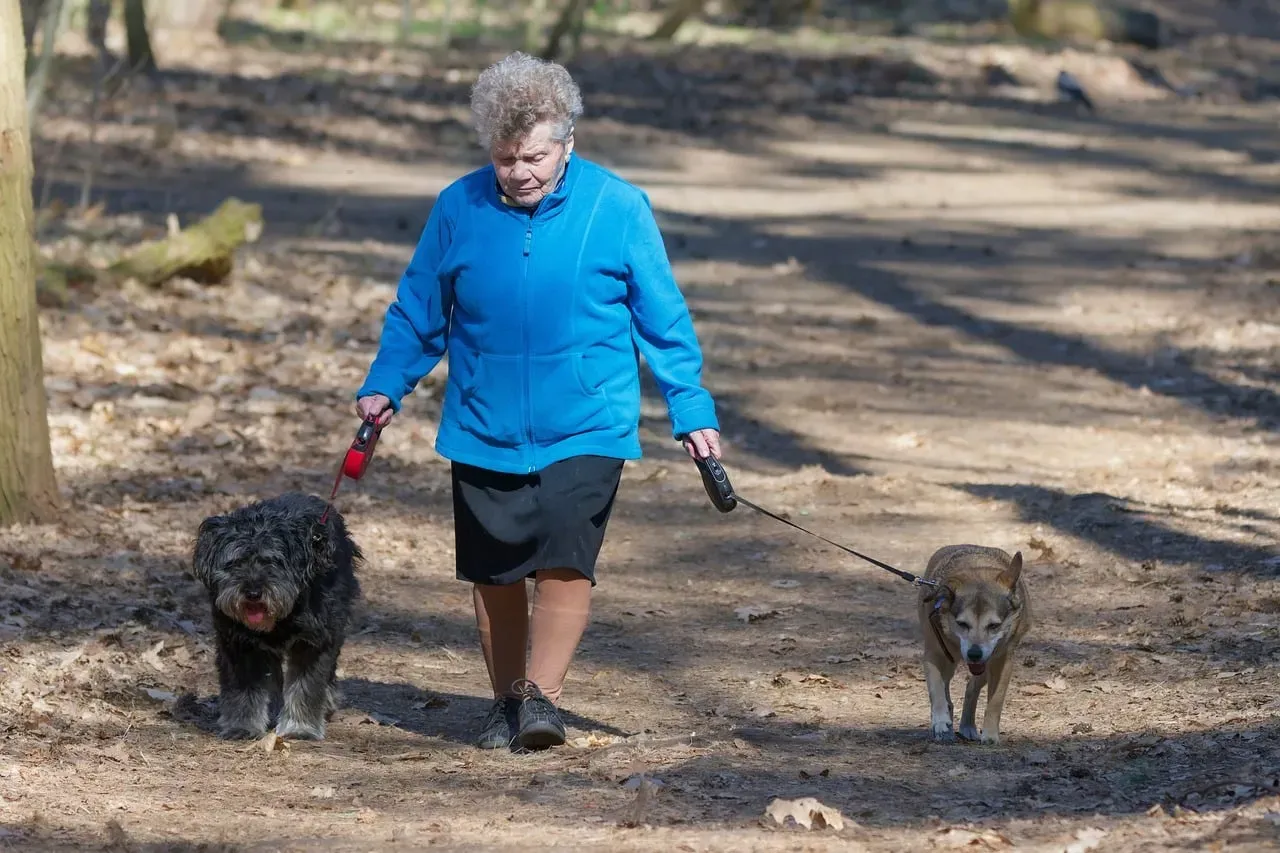
It doesn’t matter how many thousands of times it has happened. The moment that leash jingles off the hook, something ancient and excited wakes up in an old dog. The ritual is hardwired. It bypasses stiff hips and achy backs entirely and goes straight to whatever part of a dog knows it’s time for the world outside.
Most senior dogs love sniff walks where they’re allowed to explore at their own pace and track every scent. That slower pace isn’t reluctance – it’s savoring. The senior years can bring a golden age of walking, not only getting your dog moving, but the sights, smells, sounds, and tastes of the world stimulating their brain.
#2. Sniffing Everything on the Block
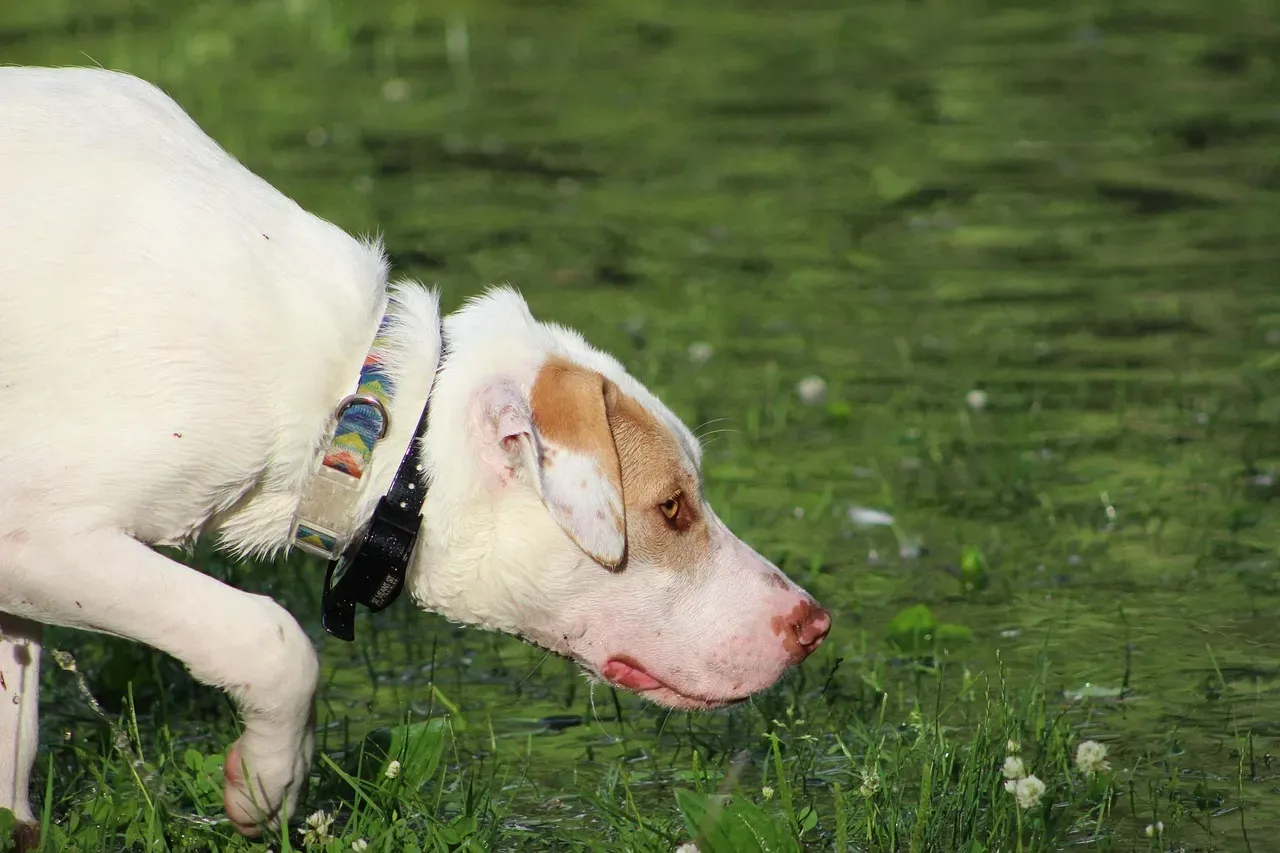
When the eyes don’t see as well as they used to and the hearing fades away, your dog will still have their sense of smell. For whatever reason, this sense, in many dogs, continues to be sharp on into old age. Scenting games, then, are wonderful for older dogs. Their nose is their newspaper, their social media, their entire archive of the neighborhood.
Think of walks as “sniffathons.” Let your dog stroll, snuffle, and check everything out. Don’t consider your walks together to be serious exercise walks for you. The more time you give them to nose around, the richer the experience becomes for them. Extra time for smelling enriches cognitive engagement without straining joints and muscles.
#3. Mealtime, Every Single Day
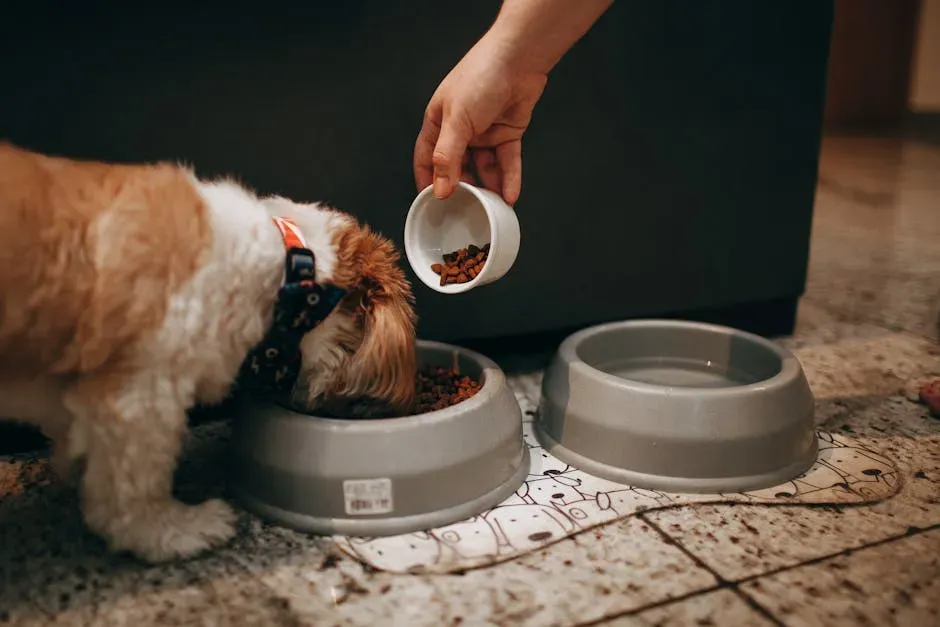
Regular mealtime excitement is a reassuring sign of a dog’s overall happiness and well-being. A good appetite shows your dog is feeling fine. Watch a senior dog clock in toward the kitchen at feeding time, and you’ll see the kind of focus that rivals their sharpest puppy days. The enthusiasm for food rarely dims.
That said, what goes in the bowl matters more than ever as dogs age. Your senior pet might benefit from easier-to-digest ingredients as well. Consider switching to wet food. The higher water content is good for the kidneys, and its softer texture is easier on aging teeth. A great meal is still one of the best moments in their day.
#4. Puzzle Toys and Brain Games
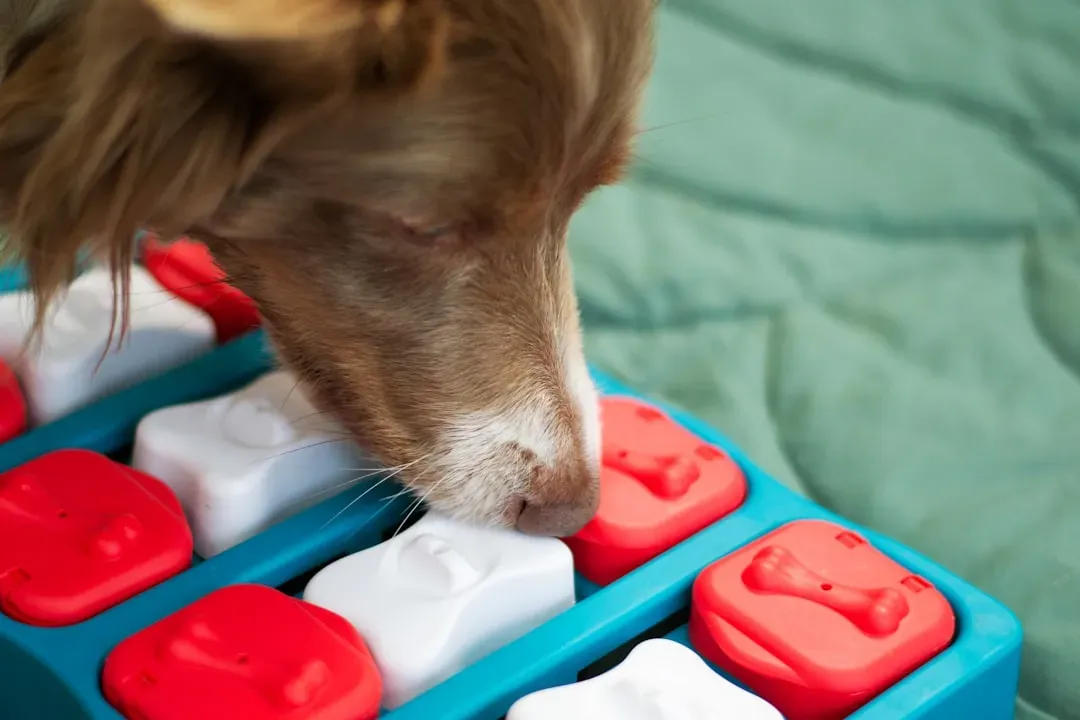
Puzzle toys are great for most dogs, but they are especially good for senior dogs who can’t do much walking or must be confined to smaller areas. These toys provide mental stimulation and can be enjoyed while lying down. There’s genuine satisfaction in watching an older dog work through a puzzle, tongue out, completely absorbed. Their face says it all.
Puzzle toys encourage problem-solving and help prevent cognitive decline in older dogs. Try treat-dispensing puzzles or snuffle mats to keep your senior dog entertained and engaged. Senior dogs can suffer from age-related cognitive decline, including cognitive dysfunction syndrome, which is all the more reason to provide lots of enrichment opportunities. Mental stimulation is a surefire way to prevent boredom, encourage engagement, and keep your dog happy.
#5. Seeing Their Favorite Person Walk Through the Door
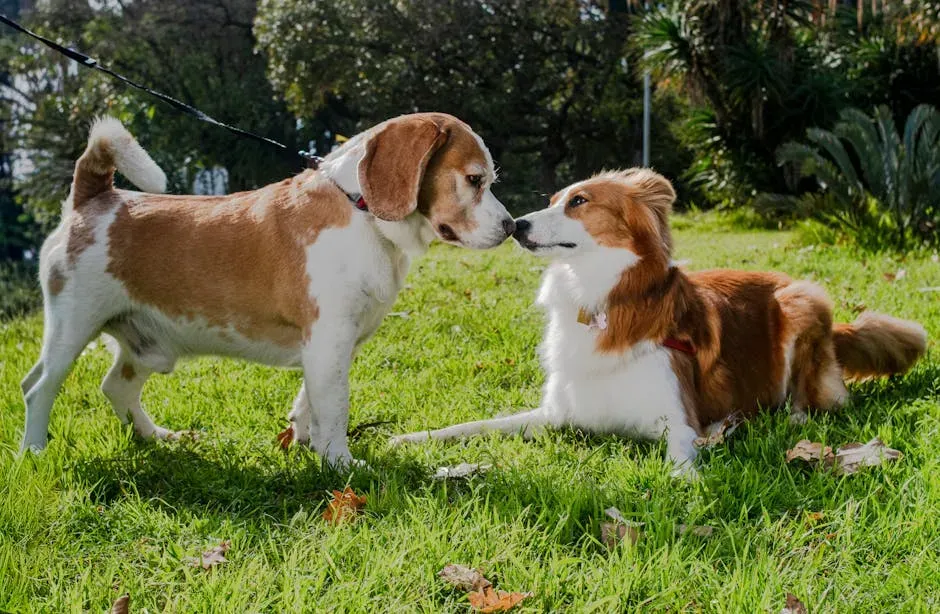
Dogs love the sound of your voice. A dog can be sleeping soundly, but if you walk through the door and call their name, they are instantly alert and happy to see you. No matter how tired or sore a senior dog might be, that homecoming greeting is one moment they consistently rally for. It’s almost never skipped.
When you walk through the door after a long day and your dog greets you with a tail wag going back and forth at full speed, it’s definitely because they’re happy and excited. Their senses may not be quite as sharp as they once were, and they may not move as quickly, but having fun with their people is still a thrill. That bond only deepens with age.
#6. A Good Belly Rub or Gentle Massage
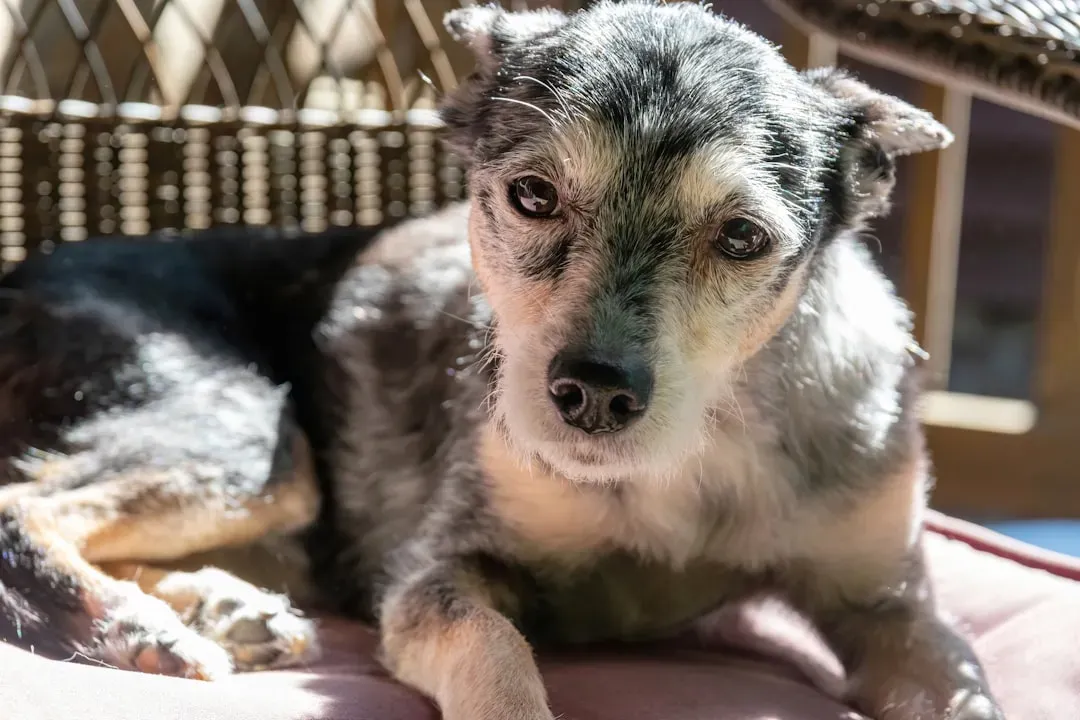
Massage can ease tension, enhance circulation, and promote relaxation in an older dog. Gentle pressure applied along the back, shoulders, and legs stimulates blood flow, which can help reduce swelling around stiff joints. This hands-on approach also encourages the release of endorphins, naturally relieving discomfort while calming the nervous system.
Regular sessions may lead to improved flexibility and range of motion, making day-to-day activities more comfortable. Beyond the physical advantages, tactile contact can reinforce trust between dog and caretaker, building confidence and emotional well-being for a happier, healthier senior companion. Watch a senior dog roll onto their back for a belly rub, and you’ll know immediately – some pleasures never get old.
#7. Car Rides to Somewhere Familiar
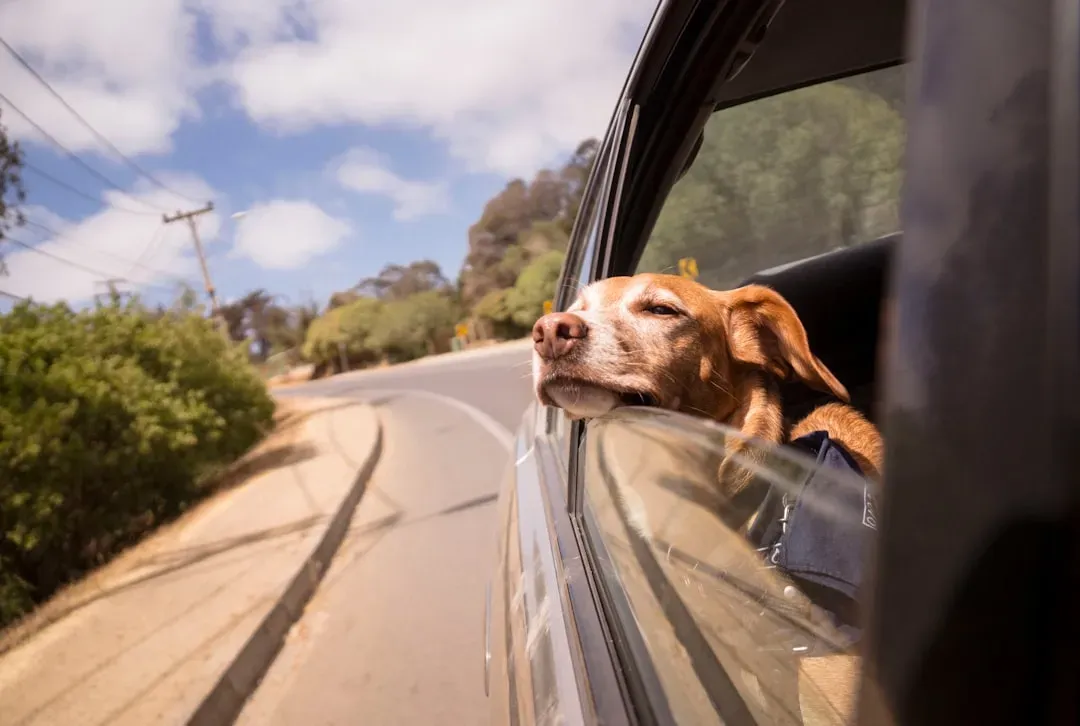
If your dog loves car rides, this is an easy way to add joy to their life. The car rides needn’t be long, but a half-hour jaunt around town or even up and down the local highway will be enough to make your old dog feel included in life. They’ll be happy to get out of the house. The window, the breeze, the moving world – it all still counts.
A simple car ride can be an exciting adventure for a senior dog. Visiting a pet-friendly park, a friend’s house, or even a quiet beach provides new sights and smells to enjoy. Getting out of the car, strolling for a few minutes, sitting on a bench, and watching people walk past before driving home is enough. They got to ride in the car, had an outing to a favorite place, spent time with you, and were a happy dog.
#8. Cuddling on the Couch
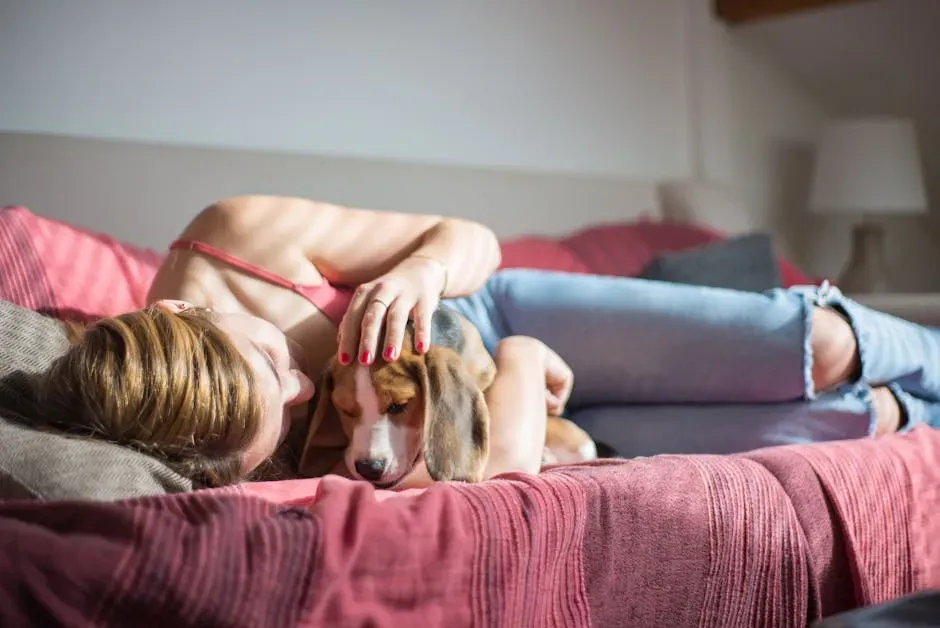
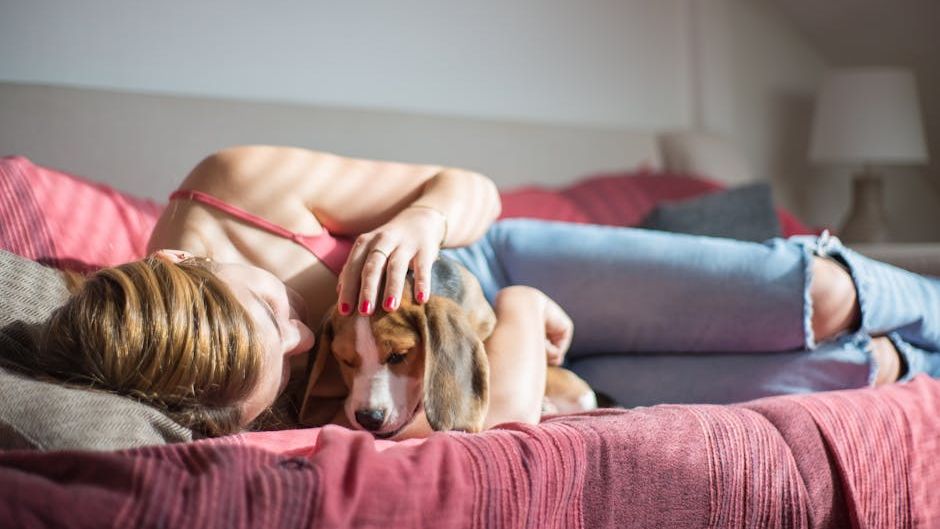
Dogs who feel secure and loved will often express affection in their own unique ways. It could be cuddling on the couch, resting their head on your lap, or giving gentle licks. When your dog chooses to be close to you and seeks connection, it’s a sign that they feel emotionally fulfilled. Senior dogs often become even more cuddly than they were in their younger years.
Happy dogs seek physical contact with their owners, like snuggling up to you on the couch or nudging your hand for a pat on the head. Some senior dogs with a laid-back temperament simply want to lay in a sunny spot and watch the world go by. They are happy with two or three meals a day and some quiet time with you, just sitting together. Closeness is its own kind of joy.
#9. Learning Something New
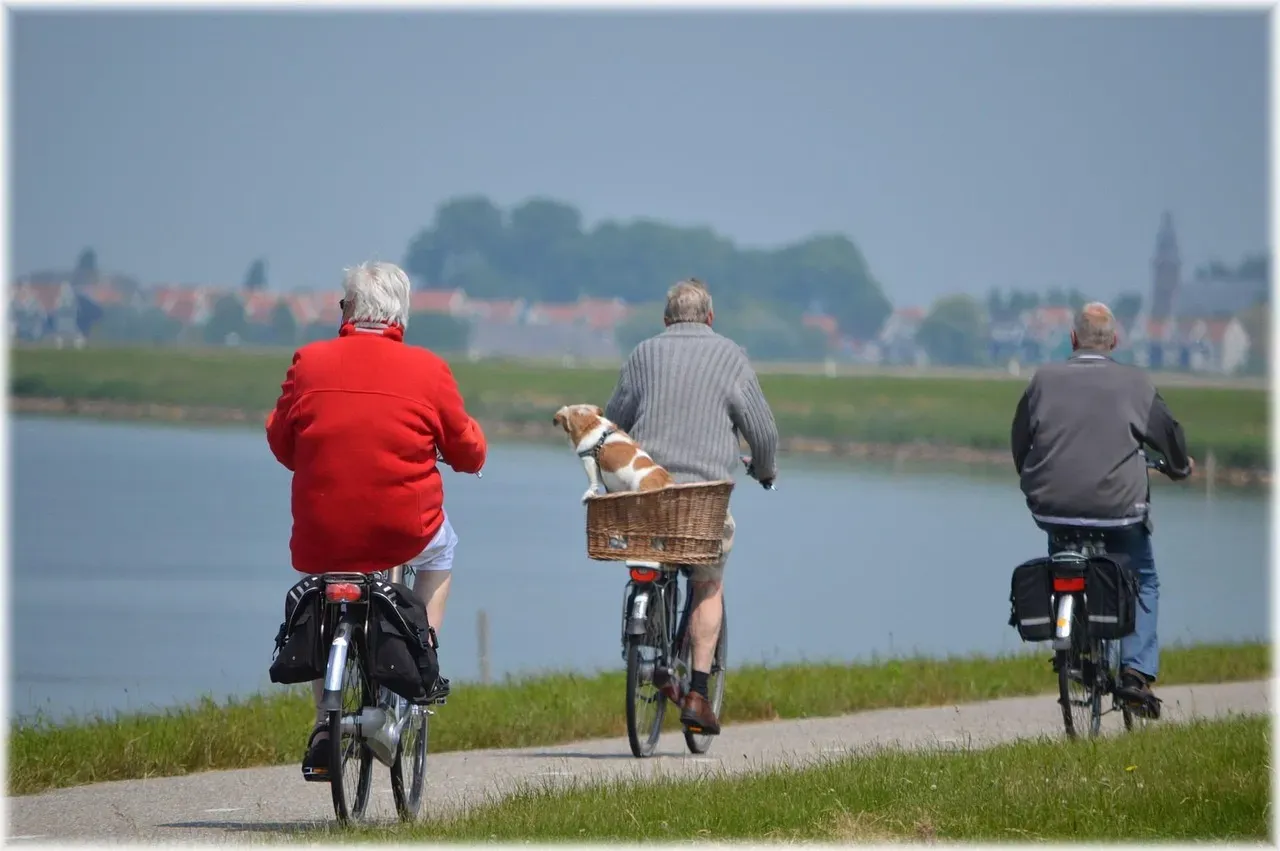
Contrary to the old adage, you can teach senior dogs new tricks – with adolescence out of their systems, they tend to focus pretty well on teaching moments. That focus is actually one of the quiet gifts of an older dog. They’re less distracted, more attuned to you, and genuinely motivated by the reward of connection. The moment a senior dog figures out what you’re asking of them and earns that reward, the look on their face is unmistakable.
Old dogs can definitely still learn new tricks. With older dogs, you may ask for easy exercises that won’t stress the body – stand, sit, shake paw, stand. Adapting the exercise so the dog can participate and feel included, without it being too difficult, keeps things enjoyable for everyone. The enthusiasm they bring to a training session is genuinely touching.
#10. Playtime, on Their Own Terms
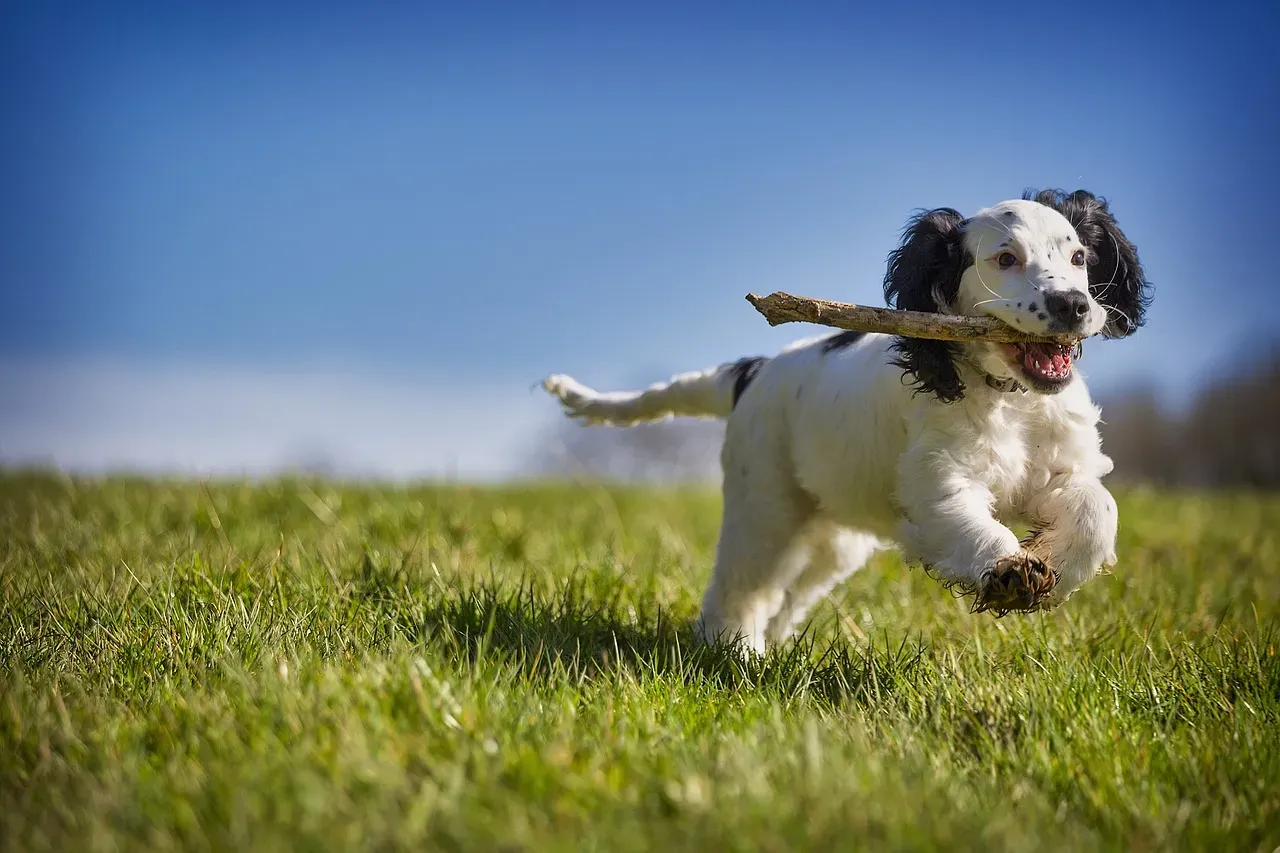
Many senior dogs still enjoy playtime, but they may prefer softer toys that are easier to chew. Light games of tug or rolling a ball gently across the floor can keep them engaged without overstressing their body. The spirit is absolutely still there. Your old dog will still be able to play with most of the same toys they did as a pup. It’s just that each toy needs to be played with in an age-appropriate way – slow and steady.
Old age does not necessarily mean a dog won’t enjoy a classic game of fetch anymore. Soft toys and balls instead of tennis balls may be more comfortable for dogs recovering from dental issues. To further help an older dog experiencing bodily discomfort, roll or toss the toys at a closer distance to avoid strenuous running and jumping. They’re not playing less because they care less. They’re just pacing themselves better than they ever did.
A Final Thought Worth Holding Onto
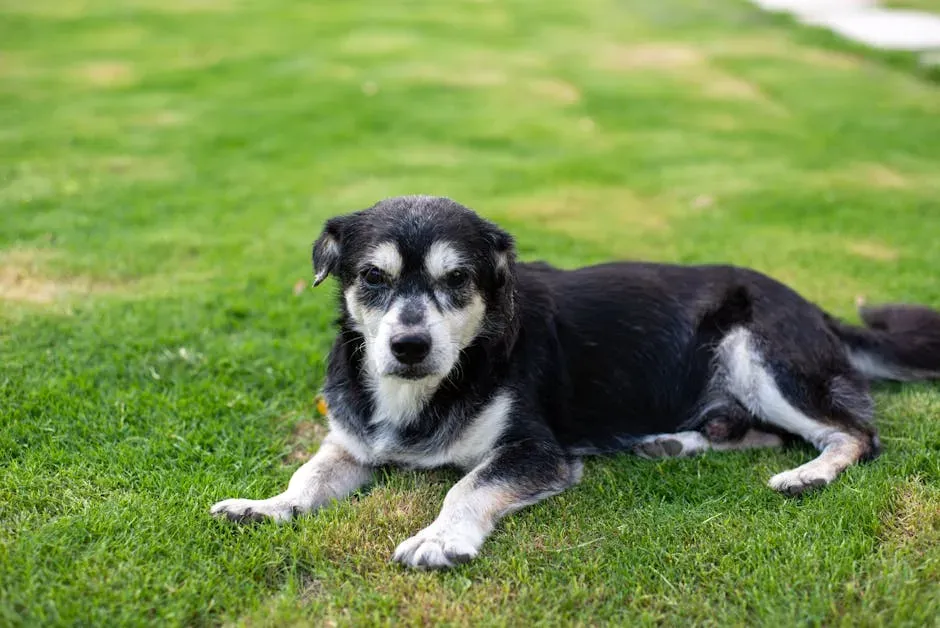
The narrative around senior dogs tends to be framed in loss – what they can’t do anymore, what’s fading, what’s ending. That framing misses something important. Aging is part of loving a dog long enough to see who they become in every season. The moments that light them up are not remnants of a more vibrant past. They are the present.
Honestly, caring for a senior dog demands that you slow down and pay closer attention. You stop assuming and start noticing. Dog happiness isn’t just about those big moments. It’s about the everyday signs, subtle cues, and healthy habits that keep your dog feeling safe, loved, and engaged.
A dog who still gets excited about a car ride, a puzzle toy, or just hearing your key in the lock is not a dog running out of life. They’re a dog who has figured out exactly what makes life worth living. That’s not a lesson we should be teaching them – it’s one we should be learning from them.


