

There’s a quiet kind of grief that settles in before the loss actually arrives. If you’ve ever shared your life with a senior dog, you probably know the feeling. Something shifts, almost imperceptibly, in the way they look at you, the way they move through the house, the way they rest. It doesn’t announce itself with fanfare. It arrives like a slow tide.
Most of us aren’t sure what we’re witnessing when our older dogs begin to change. Is it just aging? Is it a treatable condition? Or is something deeper happening? Understanding the signs of a dog gently letting go isn’t about bracing for the worst. It’s about showing up with the right kind of love when it matters most.
#1. They Lose Interest in Food and Water
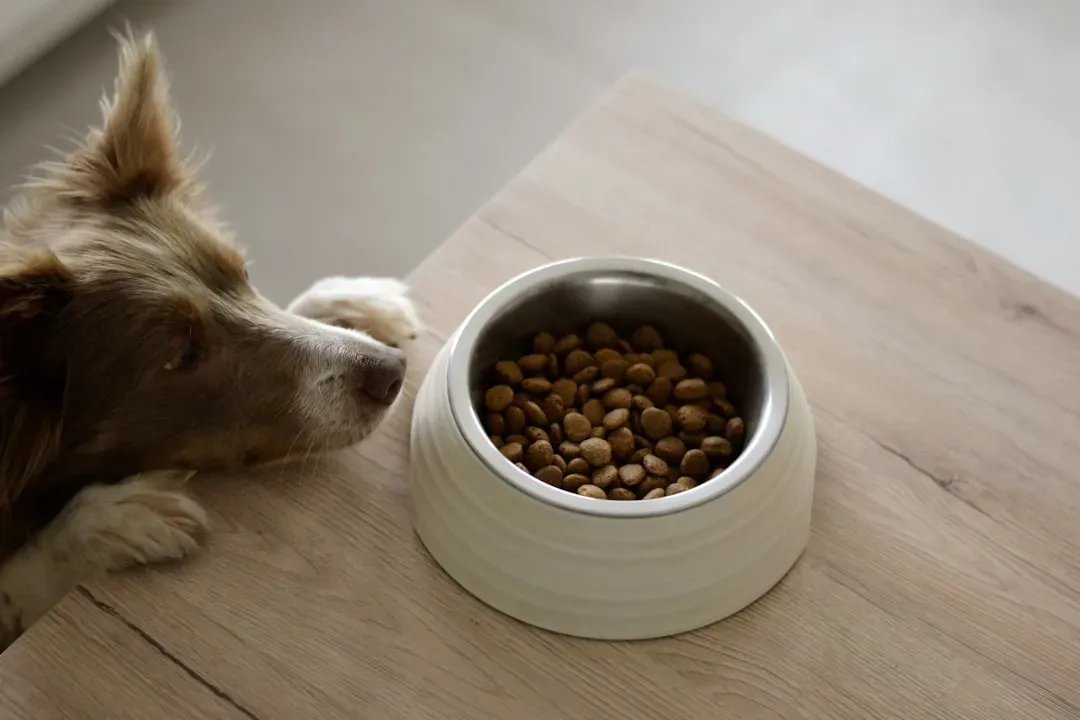
Pets may lose interest in food or water as vital organ functions begin to shut down and end-of-life behaviors set in. For a dog who used to dance around their bowl at mealtime, this shift can feel jarring and deeply sad. It’s one of the most reliable early signals that their body is beginning to step back from the world.
Your dog may be reluctant to approach their food bowl, but continue to take treats, or they may stop eating altogether. If your senior dog still accepts a small piece of something they love, that’s worth honoring. Offer gentle, familiar foods without pressure, and let their comfort lead the way.
#2. They Sleep Far More Than Usual

When dogs are nearing the end of life, changes to sleep patterns are common, and they may seem more lethargic. If they lack the energy to go for walks, generally seem listless, and just aren’t acting like themselves, it can be a sign of failing health. This isn’t laziness. Their body is conserving the energy it has left, and sleep becomes a refuge.
The best thing you can do is let your dog rest, and avoid pressuring them to get active. Instead, help make them comfortable by providing a peaceful, clean, safe place to relax and sleep. A warm, familiar bed in a quiet part of the home can make an enormous difference to a dog who’s slowly winding down.
#3. They Withdraw and Seek Solitude
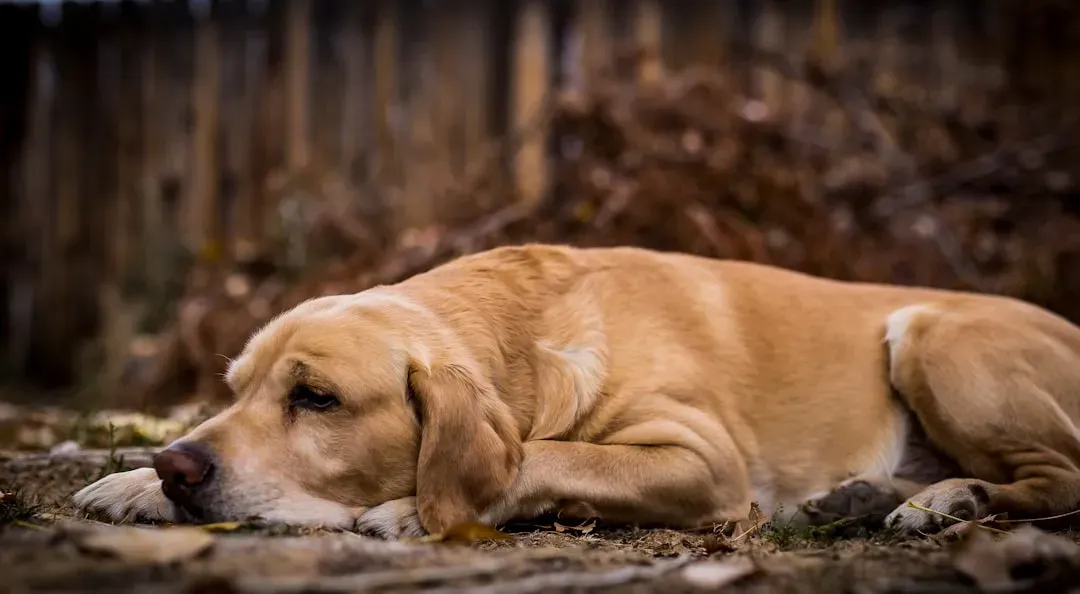
Dying pets may behave differently around people, often becoming more distant or sometimes more clingy. Choosing to hide or isolate themselves may reflect fatigue and a desire for quiet, or an instinct to separate oneself from others when the end is near. This is one of the hardest things to watch, because it can feel like rejection when it’s really just a deeply instinctual need for stillness.
As their body temperature regulation changes or their urge to feel safer increases, dying dogs start seeking unusual places to rest. This could include under furniture, in closets, and in other secluded spots. Your dog may want to be away from the hustle and bustle of daily household activities. Respect their chosen space. Sitting quietly nearby, without hovering, gives them both presence and peace.
#4. They Become Unusually Clingy
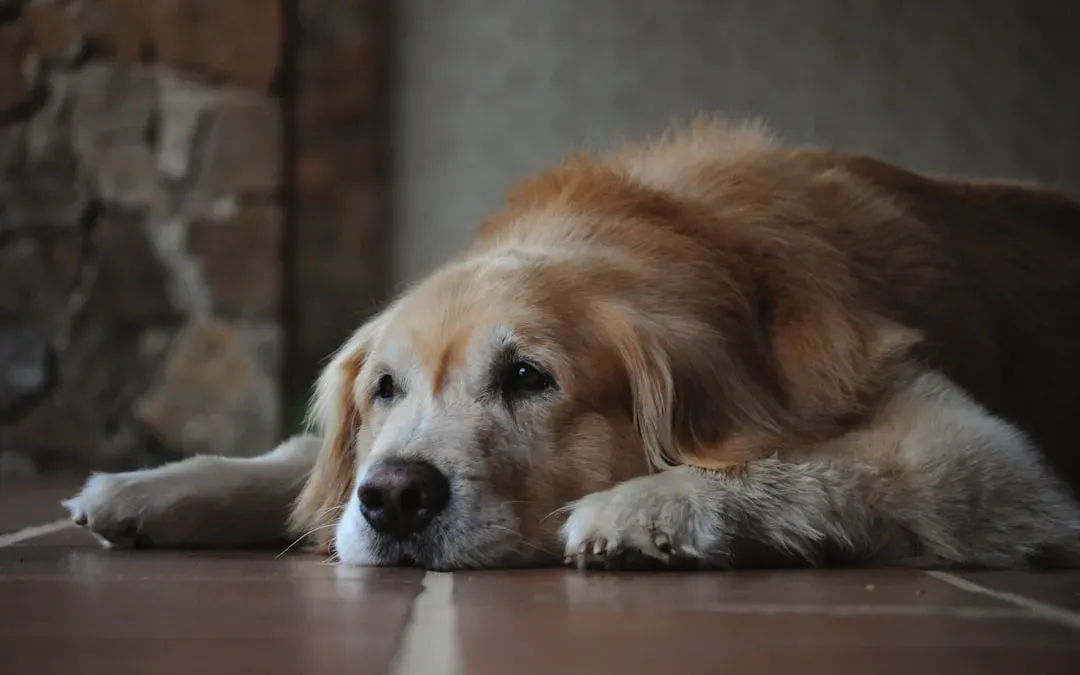
Elderly dogs become extremely clingy in their final days, following their owners’ every step, even waiting outside the bathroom door. This behavioral change is a manifestation of their deep attachment and reluctance to part. It’s one of the most emotionally tender signs, a dog who has always been independent suddenly unable to bear the distance between you.
Some dogs become unusually clingy, seeking constant companionship and reassurance from their owners. This end-of-life behavior can be interpreted as a way of seeking comfort and expressing their bond. When this happens, lean into it. Extra time on the couch, a hand resting gently on their side, soft conversation. These things cost nothing and mean everything.
#5. They Lose Interest in Things They Once Loved
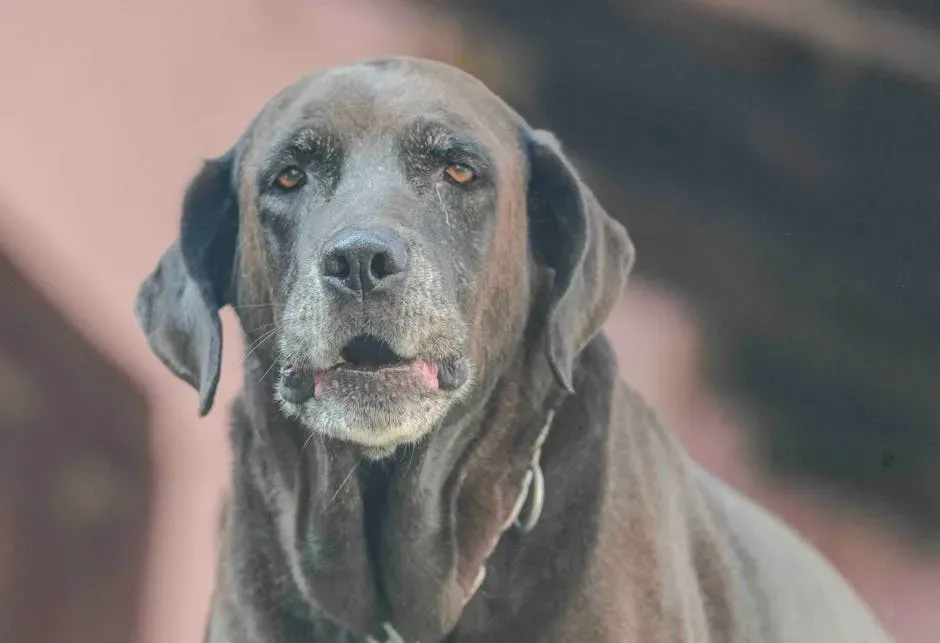
As a dog’s health declines, it may no longer show interest in its favorite activities. They may not rouse to play with toys, play with their pet siblings, or bark at small animals or passing cars. For a dog who once lost their mind over the sound of a leash, this silence carries real weight. It’s one of those changes that arrives quietly but hits hard.
As a dog’s illness progresses and natural death nears, their personality, behaviors, and physical abilities may change. Signs can include less interest in activities they previously enjoyed, such as toys, walks, car rides, and belly rubs. Don’t force enthusiasm. Instead, offer gentle versions of what they loved. A slow walk to the end of the driveway. A favorite toy placed nearby. The gesture matters more than the activity.
#6. Their Breathing Changes
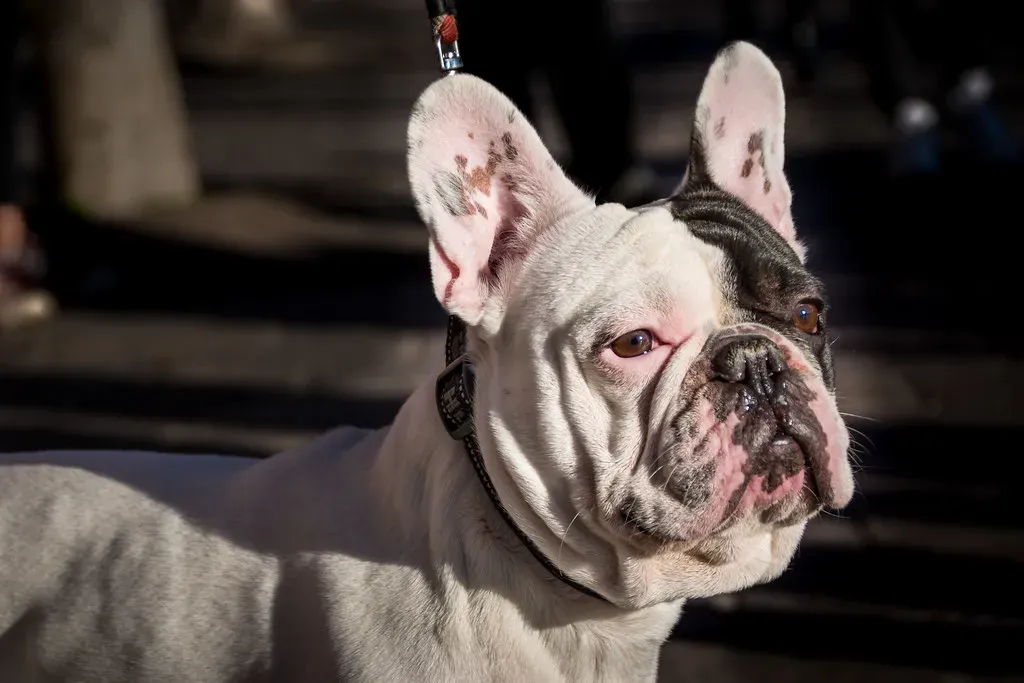
Difficulty in breathing is a common sign that indicates worsening conditions. As a dog approaches the end of its days, its respiratory functions weaken. This results in breathing difficulties, even when they are asleep. Abnormal breathing patterns, open-mouth breathing, and inhaling and exhaling at intervals are all signs of dying. It can be frightening to witness, especially during the night when the house is quiet.
Irregular, shallow, or labored breathing is a warning sign that a dog may be dying. Particularly in a pet’s final hours, a gasping breath pattern may occur. Because breathing difficulties can be painful and distressing, you should seek timely veterinary care or rapid euthanasia to reduce suffering if you notice this end-of-life behavior in your pet. If you notice a significant change in how your dog breathes, contact your veterinarian without delay.
#7. They Show Signs of Confusion and Disorientation
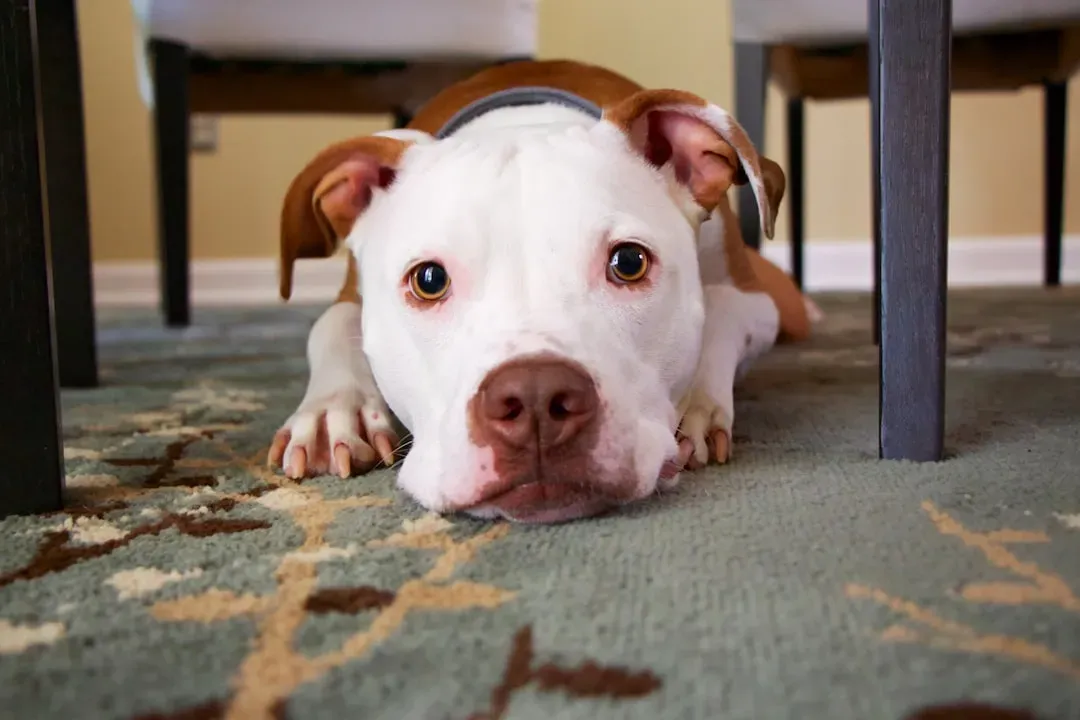
Particularly in senior dogs, cognitive decline can manifest as confusion or disorientation, impacting a dog’s awareness of their surroundings. They may stare blankly at walls or into space, appearing unresponsive to external stimuli, or wander around the house without any clear purpose. It’s distressing to watch a dog who once knew every inch of your home seem lost within it.
Some pets become mentally disoriented as they decline, which may reflect serious cognitive dysfunction or a health condition affecting the brain. Affected pets may pace, stare, vocalize, develop anxiety, or seem lost in their once-familiar home. Keep their environment simple and consistent. Avoid rearranging furniture, limit unnecessary noise, and stay close. Familiarity is a form of comfort when the mind begins to drift.
#8. Their Body Temperature Drops and Their Coat Changes

Dying dogs will find it difficult to regulate their body temperatures. You may notice their paws, ears, or belly feeling cooler than usual, even in a warm room. If your dog is near the end of life, you may notice they get hotter or colder than they used to. These temperature changes are due to hormonal changes that can make it difficult for your dog’s body to regulate temperature.
Due to decreased hygiene and grooming behavior, your dog’s coat may also look dull or unkempt. Near the end of life, dogs may be in too much pain or discomfort to groom. They may also simply be too tired or unable to coordinate the movement required to keep themselves clean. Gently brushing their coat or wiping them down with a warm cloth is a small act of dignity that can bring real comfort in these final days.
#9. They Experience a Sudden, Brief Rally
It’s not uncommon for dogs to have a sudden burst of energy before they pass away. This phenomenon, often called the “last bloom” or “rally,” can be confusing and misleading, giving pet owners false hope of recovery. One day they seem brighter, more alert, maybe even interested in food again. It can feel like a turning point, but experienced vets recognize it as a familiar part of the final chapter.
If this happens, treat it as a gift rather than a sign of recovery. Sit with your dog. Let them smell the backyard air. Offer their favorite treat. As you spot these changes, you can create meaningful, peaceful final experiences filled with love and comfort rather than confusion and distress. The rally rarely lasts long, but the memories you make during it absolutely do.
#10. They Hold Deep, Prolonged Eye Contact
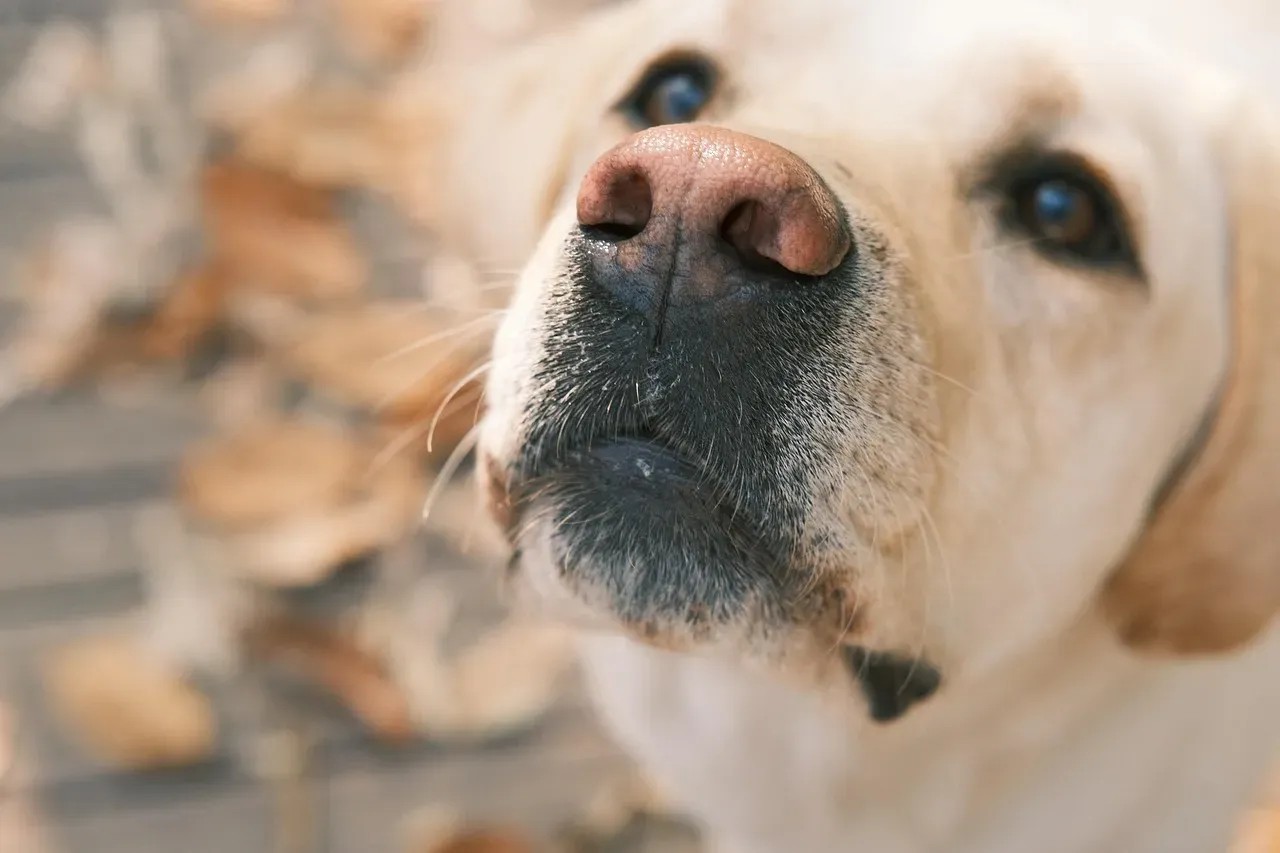
Many pet owners report that their dogs make prolonged eye contact as if trying to communicate something profound. This can be seen as a final connection or farewell. There’s something almost ancient about the way a dying dog looks at the person they love most. No words, no movement, just eyes that seem to carry the full weight of a shared life.
While it’s difficult to determine if dogs know when they are dying or if they say goodbye, their behavior often indicates a change as they approach the end of life, suggesting that dogs may understand death, at least to some extent. Whether or not they fully understand what’s happening, that gaze is real. Hold it. Don’t look away. That moment of connection is something you will carry with you long after they’re gone.
A Final Thought Worth Sitting With
Here’s an honest opinion: we are not always given the clean, cinematic goodbye we imagine. Sometimes the letting go is messy, frightening, and deeply unfair. But within all of that, there are these ten quiet signs, these gentle gestures our dogs make as they prepare to leave. Recognizing them is not a measure of how well we love our dogs. It’s a measure of how well we’re paying attention.
For many dogs, there’s just a gradual slowing down, followed by a peaceful ending. That simplicity deserves our full presence, not our panic. Being present, maintaining comfort and honoring your pet’s final moments can help bring peace to both you and your beloved companion. Knowing the signs that a dog may be dying can help you prepare in advance and help ensure that your dog’s last days are full of love and light.
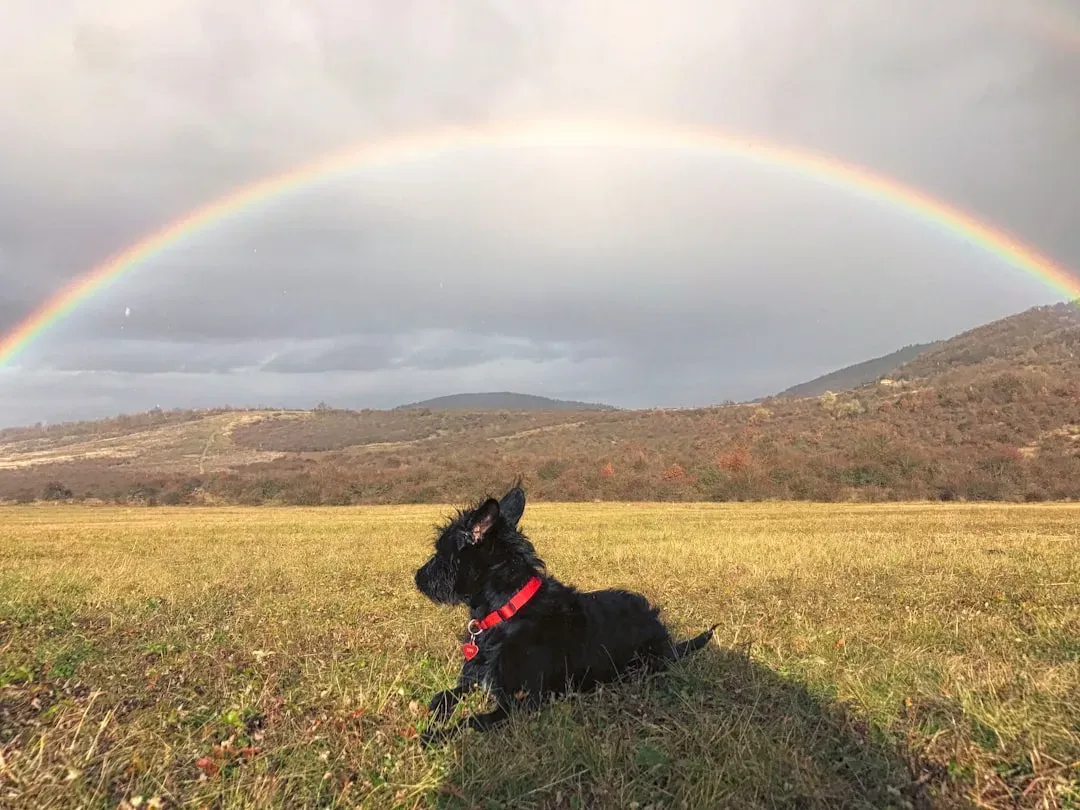
The rainbow bridge is a beautiful metaphor precisely because it suggests arrival, not just departure. Your dog walked into your life and changed it. The least we can do is walk with them, slowly and lovingly, to the very edge.


