
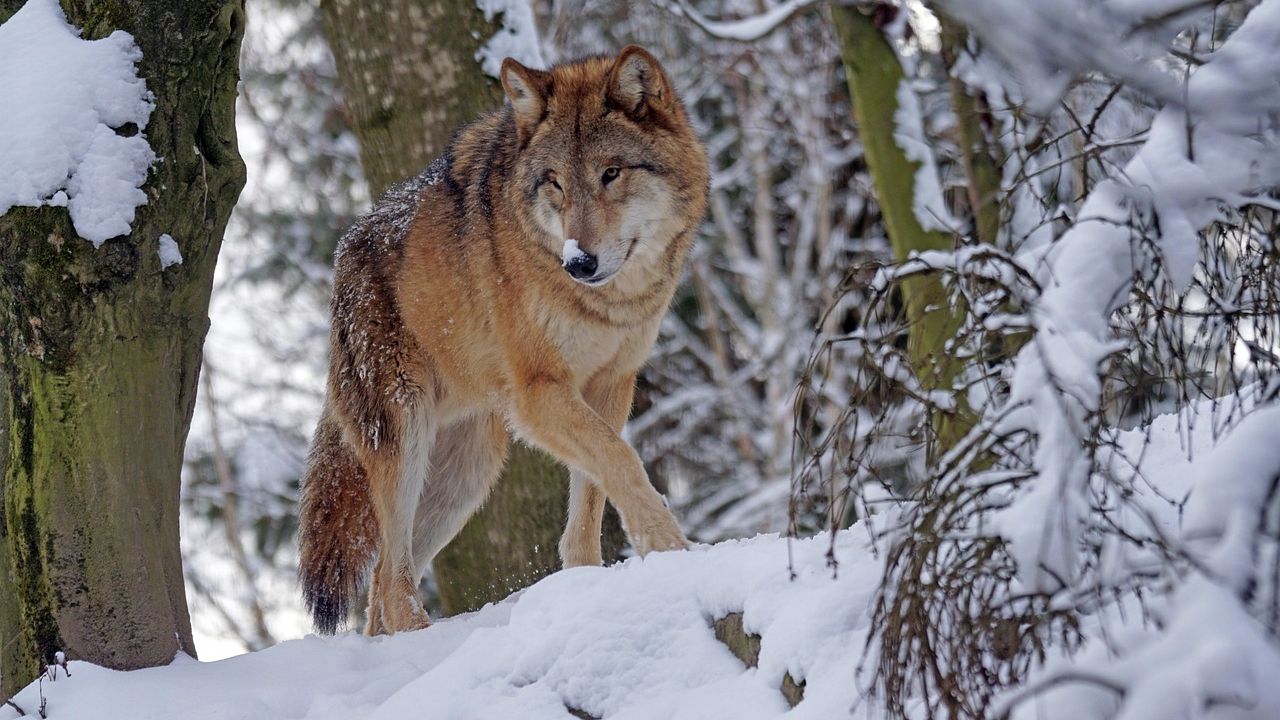
#1. Aries – The Northwestern Gray Wolf (Canis lupus occidentalis)
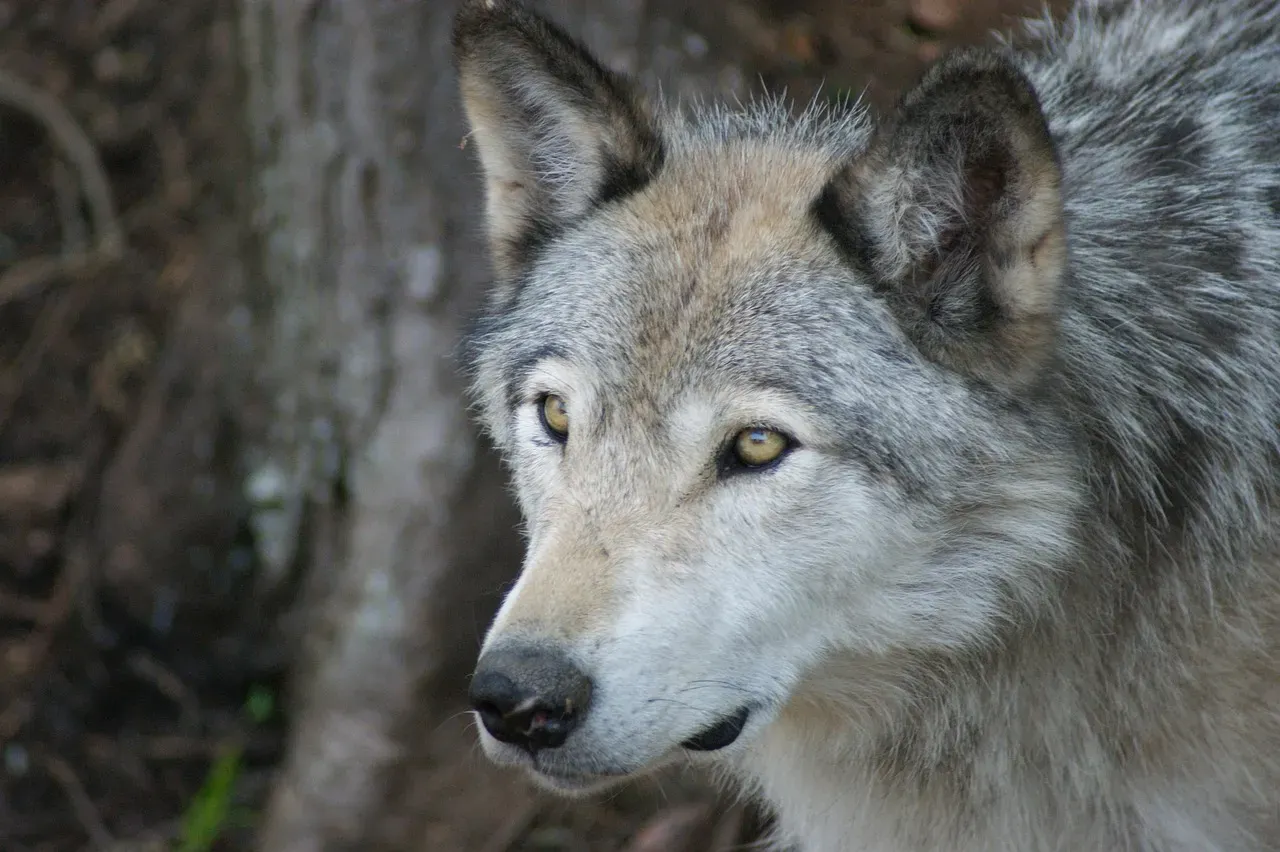
A powerhouse of energetic drive, the Aries personality presents a tough exterior that masks an all-or-nothing emotional intensity, communicating in a direct way and constantly seeking the thrill of newness in their relationships. That forward momentum and competitive spirit find a natural counterpart in the Northwestern Gray Wolf, one of the largest and most physically commanding subspecies in North America.
The Northwestern wolf is known for bold movement across vast territories and a commanding presence within the pack hierarchy. One sign of dominant behavior is leading pack travel, with the first wolf in the line typically being an alpha male or female. Aries thrives when they’re out front, setting the pace – and this wolf lives exactly that way.
#2. Taurus – The Great Plains Wolf (Canis lupus nubilus)
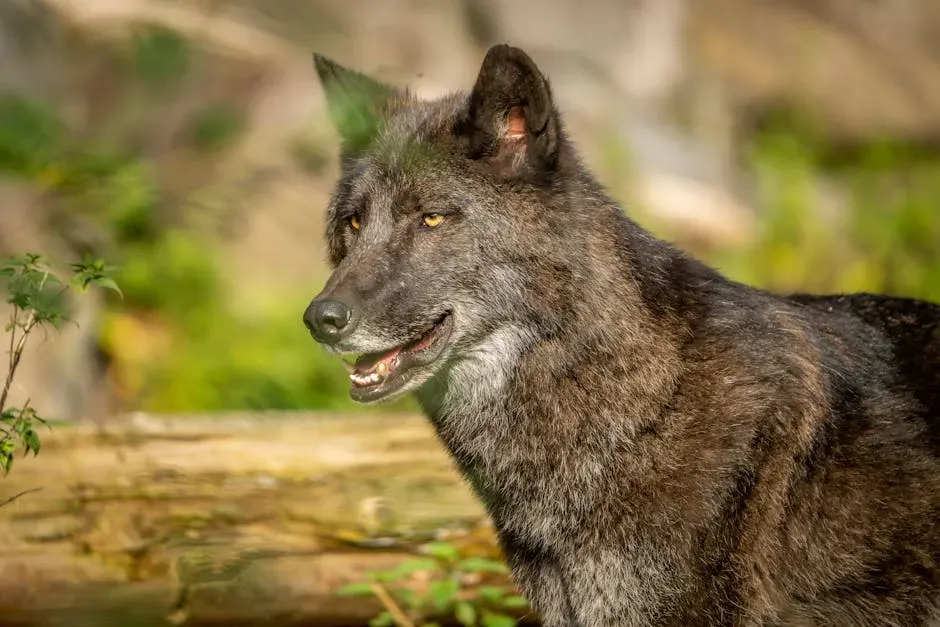
Deeply grounded and occasionally stubborn, a Taurus navigates life with a sensual appreciation for the physical world, processing information in a methodical way and prioritizing emotional and material security above all else. The Great Plains Wolf, historically roaming the wide open grasslands of central North America, shares that same deep-rooted sense of place and belonging.
This wolf thrived in stable, wide-ranging family packs, defending familiar territory with patience and persistence rather than aggression. Once wolves find a partner, they mate for life, which forms the basis of their wolf pack, or family unit. For Taurus, the idea of a lifelong bond built on trust and shared comfort is everything. Both the Bull and this wolf understand that security is its own form of love.
#3. Gemini – The Eastern Wolf (Canis lupus lycaon)
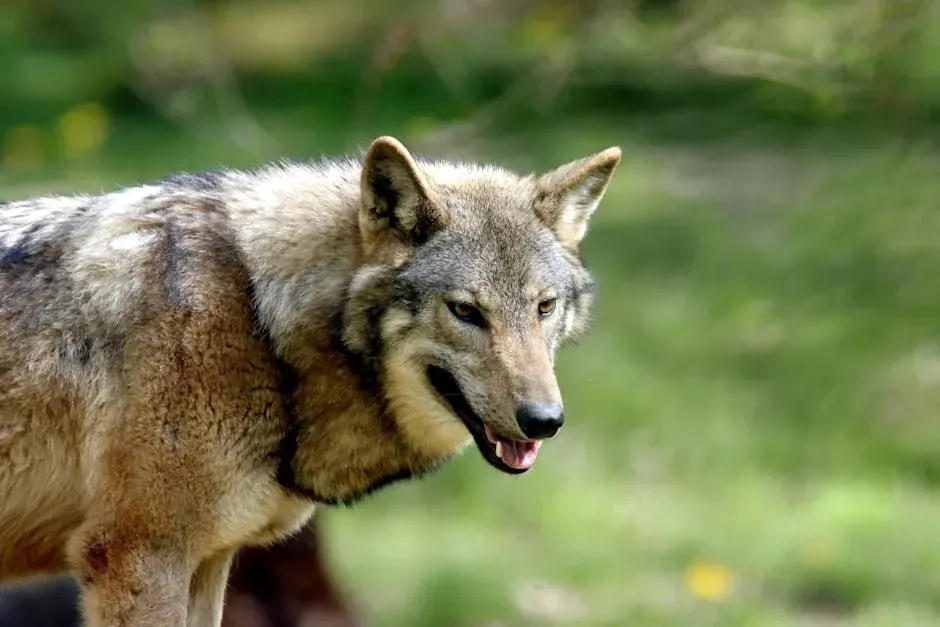
Gemini traits include being adaptable, curious, communicative, social, and witty, with a quick-witted and versatile personality that thrives on intellectual stimulation but can be indecisive or inconsistent. The Eastern Wolf mirrors this energy almost perfectly. The Eastern Wolf is a debated species or subspecies, often considered either a Gray Wolf variant or a unique species with coyote lineage – a creature that doesn’t fit neatly into any one category, much like the sign of the twins.
The Eastern Wolf’s vocalizations and behaviors are a blend of wolf and coyote traits, making it one of the most communicatively flexible wolves in the wild. Gemini is famous for moving between social circles with ease, adapting their tone and energy to whoever they’re with. This wolf’s behavioral fluidity is a mirror of that dual social nature – curious, expressive, and always keeping others guessing.
#4. Cancer – The Arctic Wolf (Canis lupus arctos)
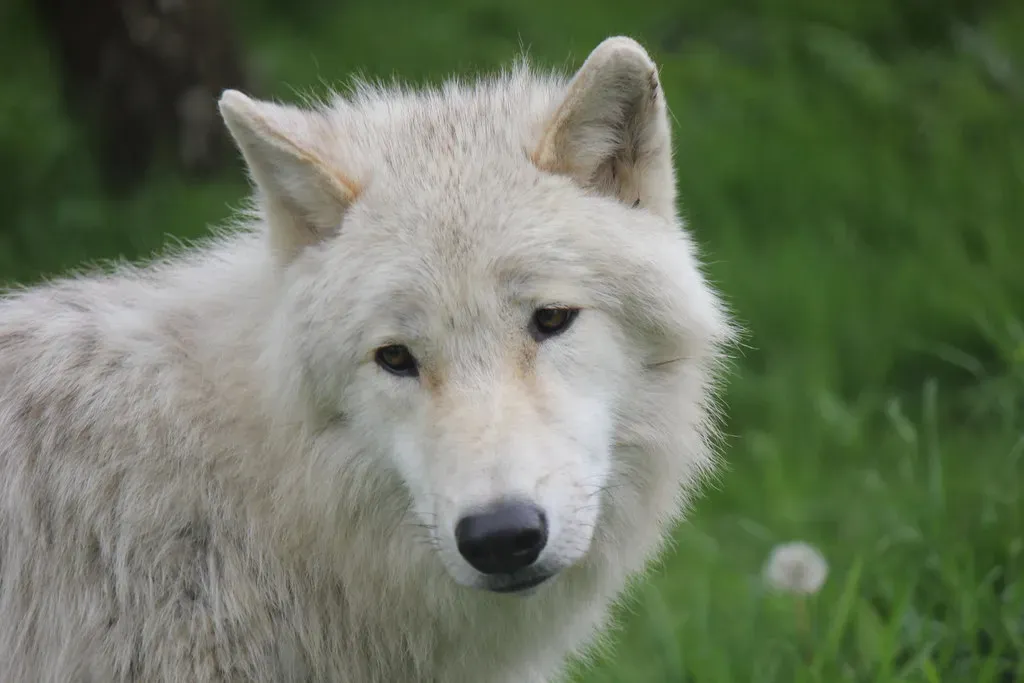
Cancer traits include being nurturing, emotional, intuitive, protective, and empathetic, with a family-oriented and sensitive personality that values home and security but can be moody or overly protective. The Arctic Wolf, living in some of the most remote and inhospitable regions on Earth, builds tight-knit family units that depend entirely on mutual protection and trust.
The Arctic Wolf is a subspecies of the Gray Wolf specially adapted to the extreme cold and remote terrain of the Arctic, found in the high Arctic regions of Canada, Alaska, and Greenland. It lives in small packs and is less exposed to humans than other wolves, making it more elusive. Cancer’s deep instinct to build a safe, sheltered inner world – and to fiercely protect those inside it – runs through this wolf’s survival strategy completely.
#5. Leo – The Alpha Wolf
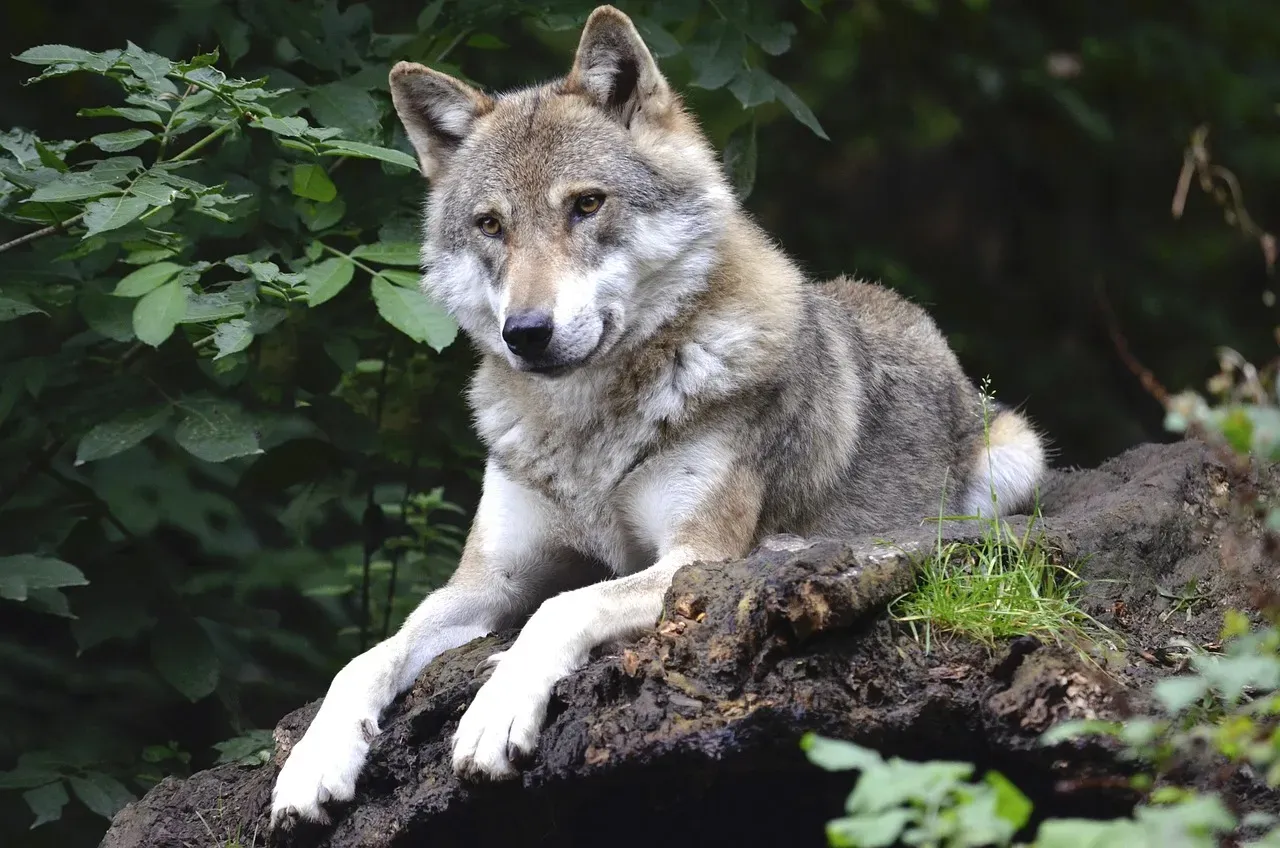
An optimistic and carefree spirit, the Leo personality has a flair for the theatrical, speaking in a dramatic way to capture the room and thriving on the adoration of others while channeling energy into constant acts of creativity. The Alpha Wolf occupies the pack’s center of gravity in much the same way. In a wolf pack, the Alpha pair leads the group, with the dominant Alpha displaying a posture and attitude befitting its status and enjoying privileges like eating first while being shown deference by other pack members.
Leo doesn’t just want to be in the room – they want the room to feel their presence. The Alpha Wolf operates on the same frequency. The long-standing notion of a strict, competitive alpha hierarchy maintained through constant aggression is largely a misconception; in the wild, the breeding pair leads primarily through parental authority and experience rather than physical domination. Leo’s at their best the same way – leading with warmth and earned respect, not force.
#6. Virgo – The Beta Wolf
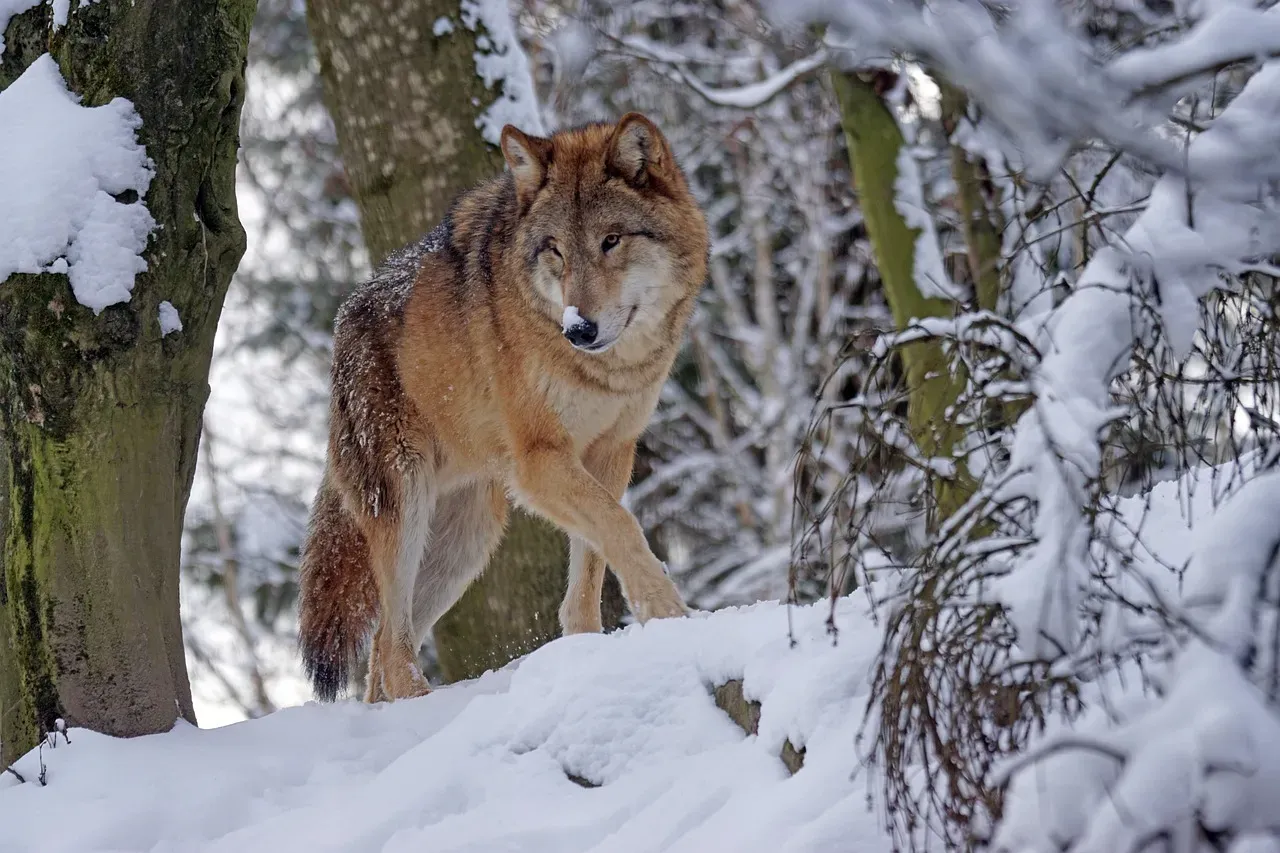
Practical and poised, Virgos often keep their inner world guarded until trust is earned, communicating in an honest way, valuing unwavering loyalty in their partners, and finding their greatest purpose in the act of helping others. The Beta Wolf occupies a role that is essential, often underappreciated, and deeply service-oriented – which should sound extremely familiar to any Virgo.
In packs where the alpha pair is aging, the beta often transitions into the lead role, either by inheriting the position when the alphas die or by splitting off with a mate to start a new pack, making it the most natural succession path in wolf social structure. Virgo rarely seeks the spotlight, yet their precision and dedication make them the quiet backbone of every group they belong to. The Beta Wolf earns its position through competence – which is exactly how Virgo would want it.
#7. Libra – The Omega Wolf
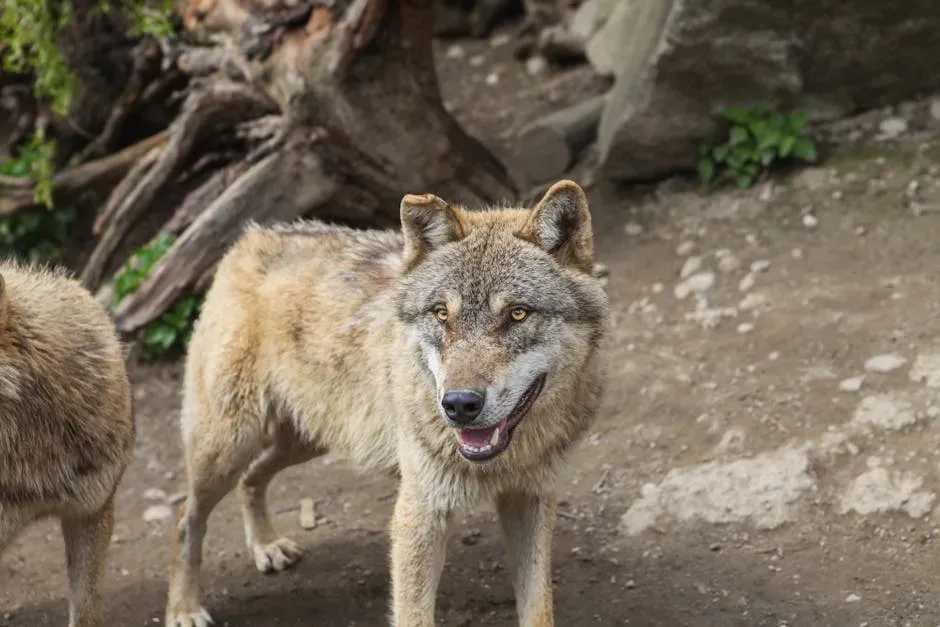
Flamboyant yet charming, Libras often struggle with an indecisive inner nature while trying to keep the peace, speaking in a calming fashion and dedicating their energy to maintaining total social harmony. The Omega Wolf is the pack’s peacekeeper, the one who smooths over conflict and keeps the group emotionally regulated. Their role is to act as the social glue, providing light relief within the volatile pack by promoting periods of play and calming others in times of conflict.
This parallel is genuinely striking. Libra is ruled by Venus, endlessly drawn to balance, beauty, and keeping the people around them at ease. The Omega Wolf fills a nearly identical function within the pack’s emotional ecosystem. Omega wolves play a crucial role in wolf packs by acting as social glue, providing easy prey during play, and calming conflicts among higher-ranking wolves. That willingness to absorb tension for the sake of group harmony is both a gift and a weight – for wolves and for Libras alike.
#8. Scorpio – The Lone Wolf
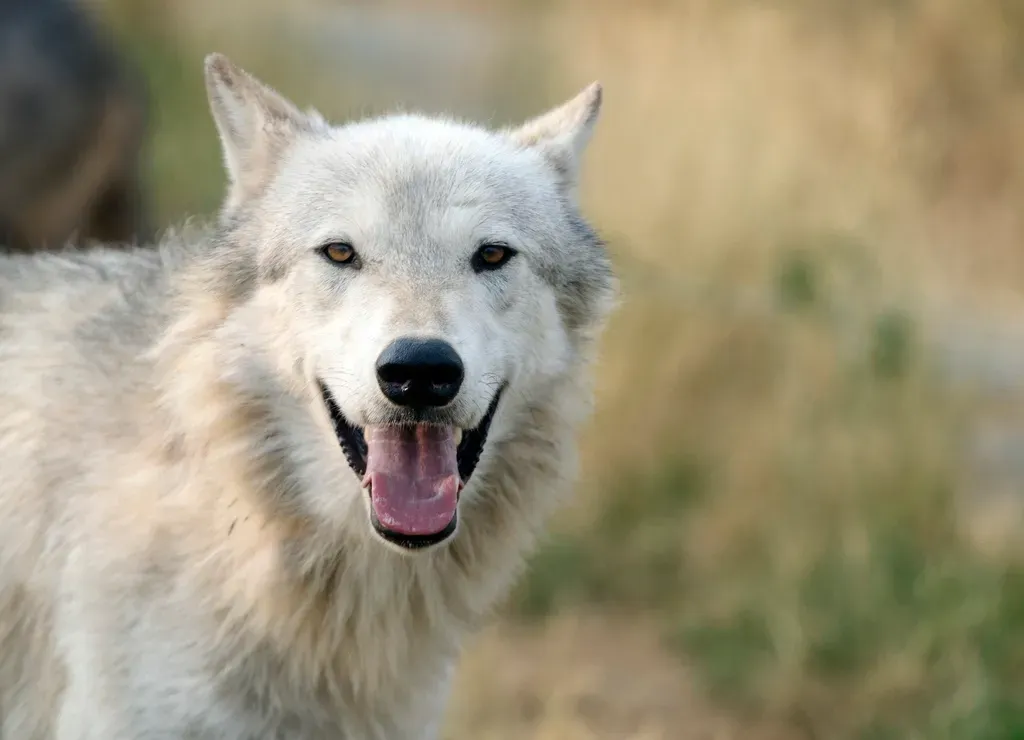
Intuitive and calculating, a Scorpio is fiercely devoted to those they let into their private circle, analyzing the world in a critical way and seeking profound depth in their relationships and mastery over the psychology of human behavior. The Lone Wolf moves in solitude, alert, self-reliant, and deeply private – a perfect match for Scorpio’s intensity.
A lone wolf is often viewed as a rugged individualist, uncompromising and independent, driven to forge their own path, but in reality, few wolves are truly interested in lives of solitude. A lone wolf is a wolf that is searching, and what it seeks is another wolf. Everything in a wolf’s nature tells it to belong to something greater than itself. Scorpio understands this tension intimately – they pull away from the world, yet the depth of their longing for genuine connection runs beneath everything they do.
#9. Sagittarius – The Mexican Wolf (Canis lupus baileyi)
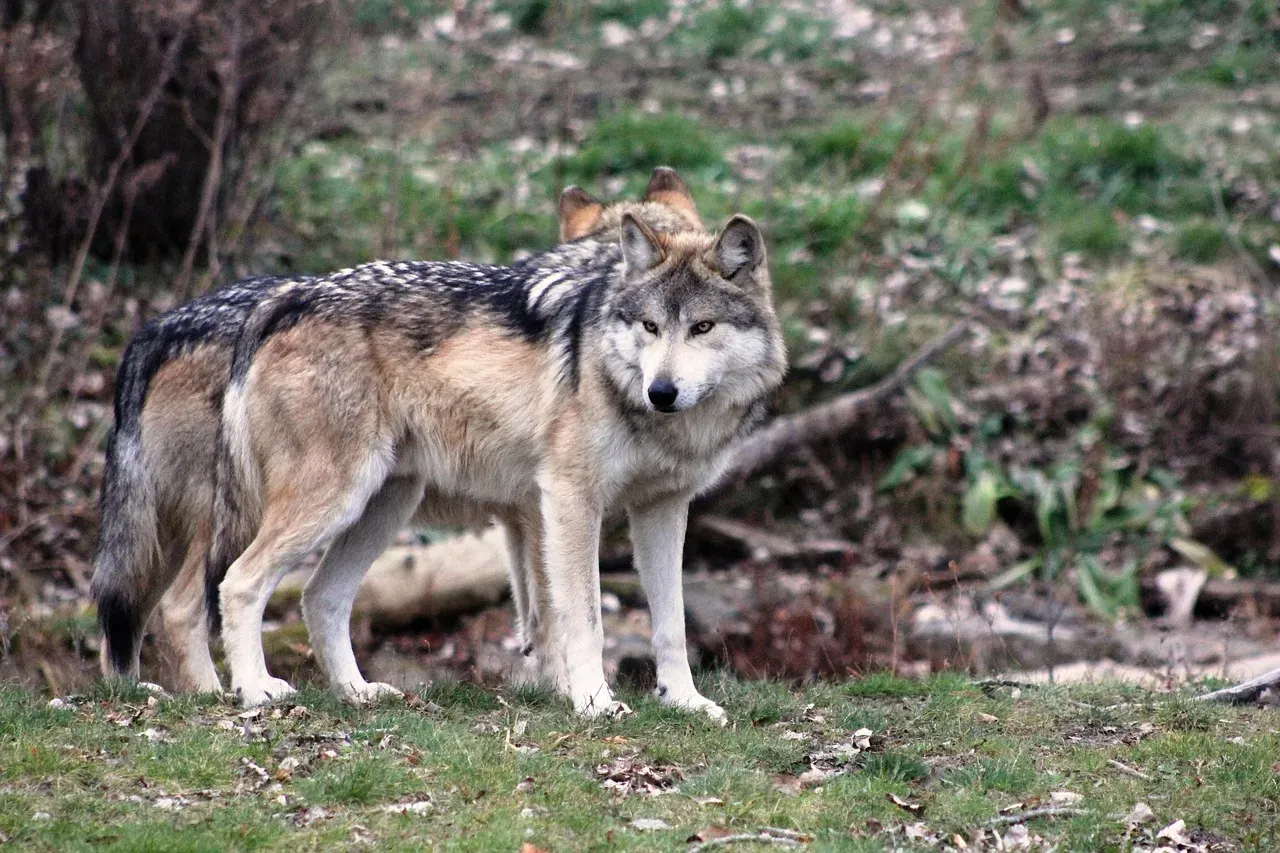
Sagittarius traits include being energetic, assertive, and adventurous, with natural leaders who are enthusiastic and courageous but can sometimes be impatient. The Mexican Wolf, the smallest of the subspecies of wolves found in the Americas, more than compensates for its size with relentless energy and a wild, roaming spirit that refuses to be contained.
Sagittarius is the traveler of the zodiac – always reaching beyond the horizon for the next adventure, the next philosophy, the next experience. The Mexican Wolf historically covered enormous ranges across Mexico and the American Southwest, adapting to diverse and shifting landscapes. Their ability to travel over large areas to seek out vulnerable prey makes wolves good hunters, with wolves traveling as far as 30 miles in a day. That restless range-covering drive belongs to Sagittarius completely.
#10. Capricorn – The Delta Wolf
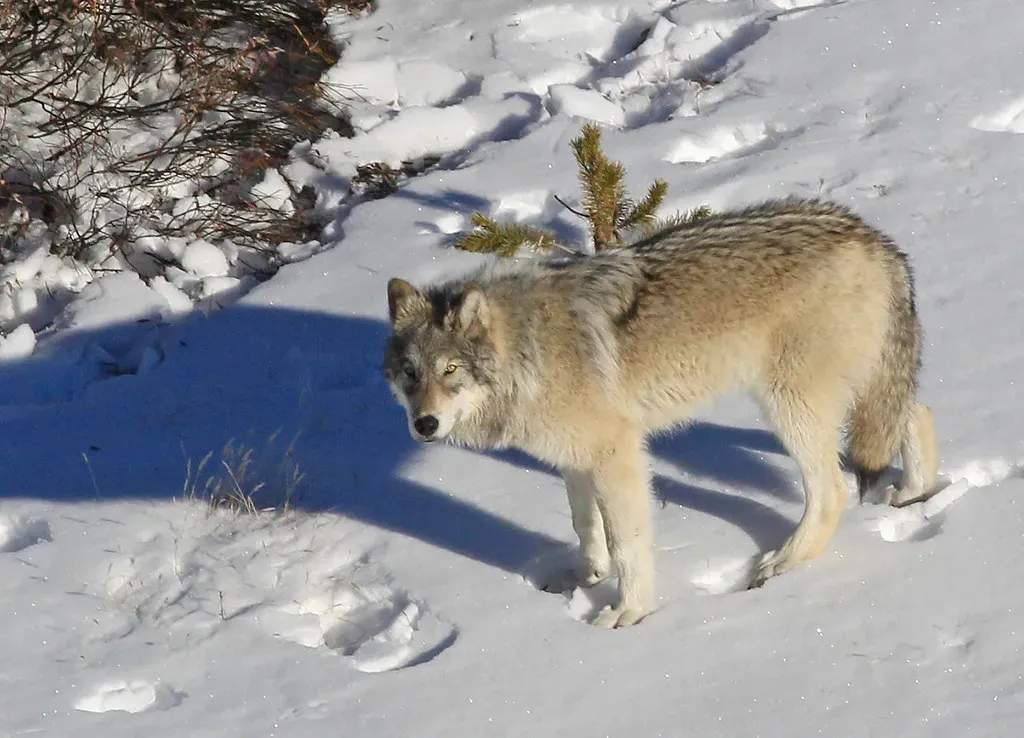
Capricorn is the zodiac’s most disciplined worker – strategic, patient, and quietly indispensable. The Delta Wolf matches that profile with remarkable precision. Deltas make up the pack’s working core, patrolling territory borders, participating in coordinated hunts, and tending to injured pack members afterward. They don’t hold the highest rank, but nothing would function without them.
During hunts, deltas often flank the pack, driving prey toward the alpha and beta wolves or cutting off escape routes – coordination that is learned behavior, refined over months of hunting alongside the same packmates, with younger deltas watching and mirroring the movements of older ones until the timing becomes instinctive. Capricorn learns the same way: through sustained effort, mentorship, and years of quiet refinement. The Delta Wolf earns its place through work ethic, not inheritance.
#11. Aquarius – The Scout Wolf
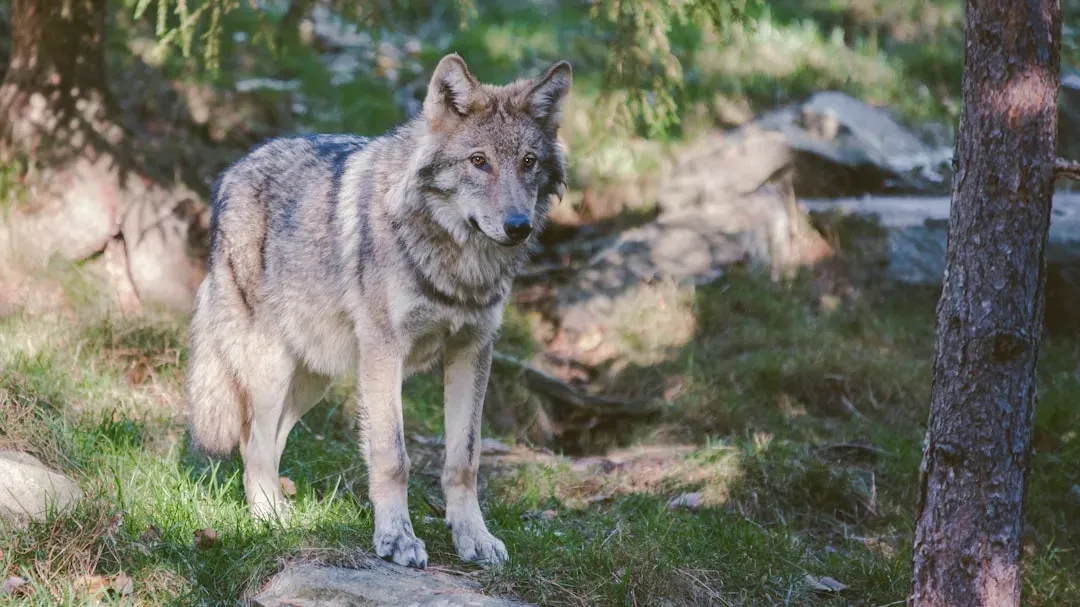
Air signs like Aquarius are intellectual, independent, communicative, and social – but Aquarius specifically holds a unique tension between deep independence and a fierce commitment to collective progress. The Scout Wolf operates exactly in that space. Scouts identify potential prey and relay its location to the main pack, with a group of wolves then initiating the chase. The scout works alone but entirely for the benefit of the group.
Functional roles such as caretakers, hunters, or scouts emerge naturally based on the individual’s age, personality, and skills. Aquarius rarely follows the herd and often operates from the edge of the group, but their unconventional thinking feeds back into the collective in ways no one else can replicate. The Scout Wolf is the visionary of the pack – independent in method, communal in purpose. That’s the Aquarian social contract in animal form.
#12. Pisces – The Omega Pup (Pack Caretaker)
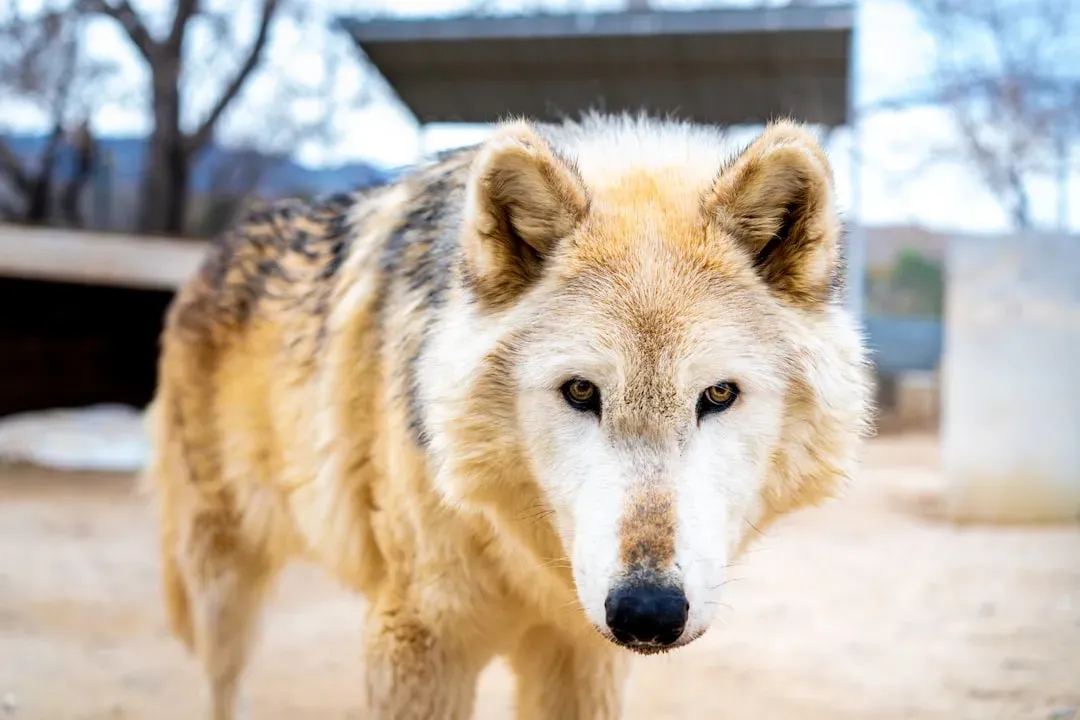
Pisces is the final sign of the zodiac, carrying within it a sensitivity and emotional permeability that makes connection feel both effortless and overwhelming. Other adult pack members, often referred to as helpers, play an active role in raising the pups, a practice known as alloparenting, contributing to feeding, guarding, and socializing the young, which increases the pups’ chances of survival. Pisces embodies this caretaker archetype – attentive, self-giving, and emotionally fluent in ways others often aren’t.
There exists a culture within wolf packs passed on to the offspring by the elders of the group, with pups learning something from each member of the pack and attaining the vital social skills required to create powerful bonds upon which the wolf’s societal structure relies. Pisces absorbs the emotional energy of everyone around them in much the same way – a sponge for feeling, a keeper of connection. They hold the pack’s emotional memory. Without them, the warmth at the center of any group would simply dissolve.
What These Comparisons Actually Reveal
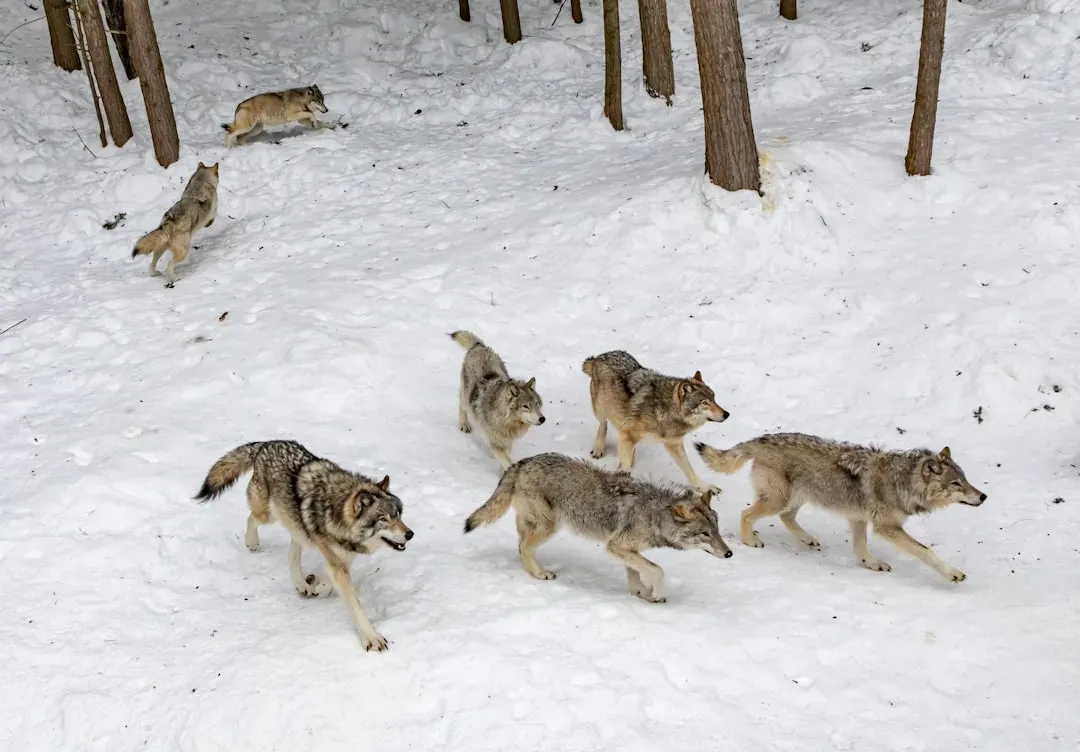
It’s worth pausing to appreciate what this exercise uncovers. Of all members of the genus Canis, the wolf is most specialized for cooperative game hunting, as demonstrated by its physical adaptations to tackling large prey, its more social nature, and its highly advanced expressive behavior, including individual or group howling. That sophistication in social expression isn’t so different from what astrologers have mapped onto the zodiac for centuries.
Like us, wolves form friendships and maintain lifelong bonds, with the alpha female serving as the glue keeping the pack together. Living in a pack not only facilitates the raising and feeding of pups, coordinated and collaborative hunting, and the defense of territory, it also allows for the formation of many unique emotional bonds between pack members, the foundation for cooperative living. Every sign, regardless of where they fall in a social hierarchy, is built for connection. So is every wolf.
Whether you’re the commanding Northwestern wolf leading from the front, the elusive Lone Wolf circling back toward belonging, or the caretaker pup absorbing the heart of the pack – your social nature has a wild counterpart somewhere out there in the dark. Wolves didn’t survive by being alone. Neither, ultimately, do we.


