
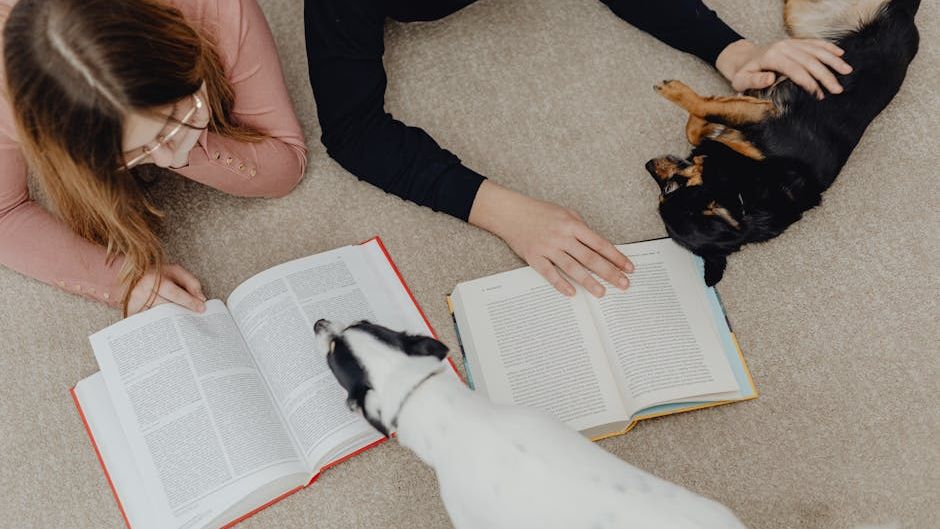
Dogs don’t choose their favorite humans casually. Research consistently shows that what a dog gravitates toward most isn’t the person who feeds them the most treats or buys the fanciest toys. It’s the person who makes them feel safe. Emotionally, consistently, reliably safe. That distinction matters more than most dog owners ever realize.
#1: The Secure Base Effect Is Real, and Your Dog Experiences It Daily
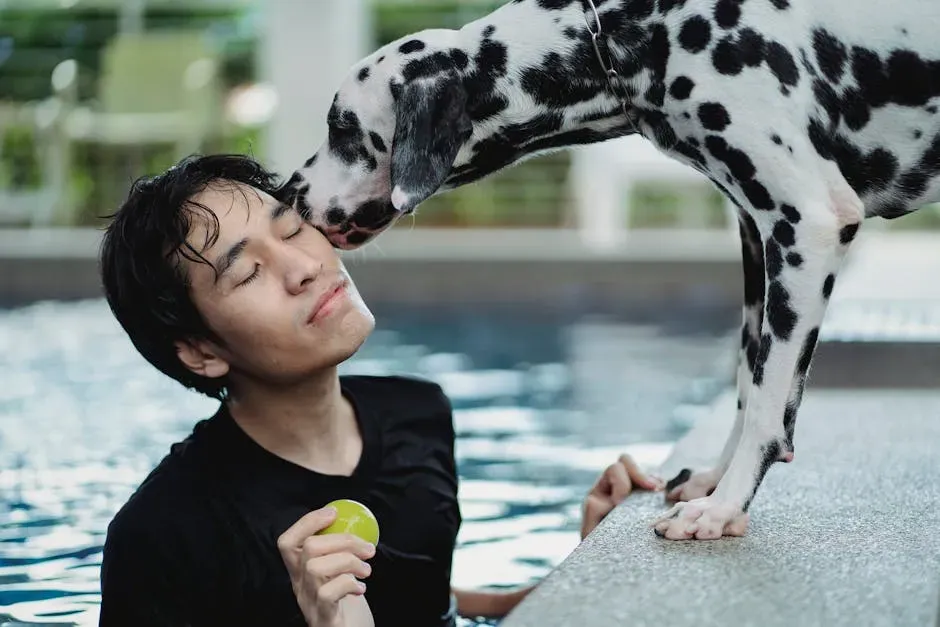
It has been well established that dogs display a secure base effect similar to that found in human children, meaning they use their owner as a secure base for interacting with the environment. This isn’t a metaphor. It’s a measurable psychological mechanism, and it plays out in your living room every single day.
The parent-child attachment bond includes a “safe haven” component: in a frightening situation, the owner’s presence alleviates the dog’s stress responses. There is also a secure base effect, where in the presence of their owners, dogs are less hesitant to explore a new environment and act more actively in challenging situations.
In experimental tasks designed to measure attachment, dogs play and explore more in the presence of their owner than when alone or in the presence of an unfamiliar person. These differing behaviors have been interpreted as a sign that owners can provide their dogs with a secure base, and that the dog-owner bond is an individualized relationship that makes the caregiver uninterchangeable with others.
Research has provided evidence for an owner-specific secure base effect in dogs that extends from attachment tests to other areas of dogs’ lives, confirming the remarkable similarity between the secure base effect in dogs and in human children. In other words, a stranger simply cannot stand in for you. Your dog has specifically bonded to your emotional presence, not just your general human shape.
#2: Dogs Are Wired to Read Your Emotional State With Striking Accuracy
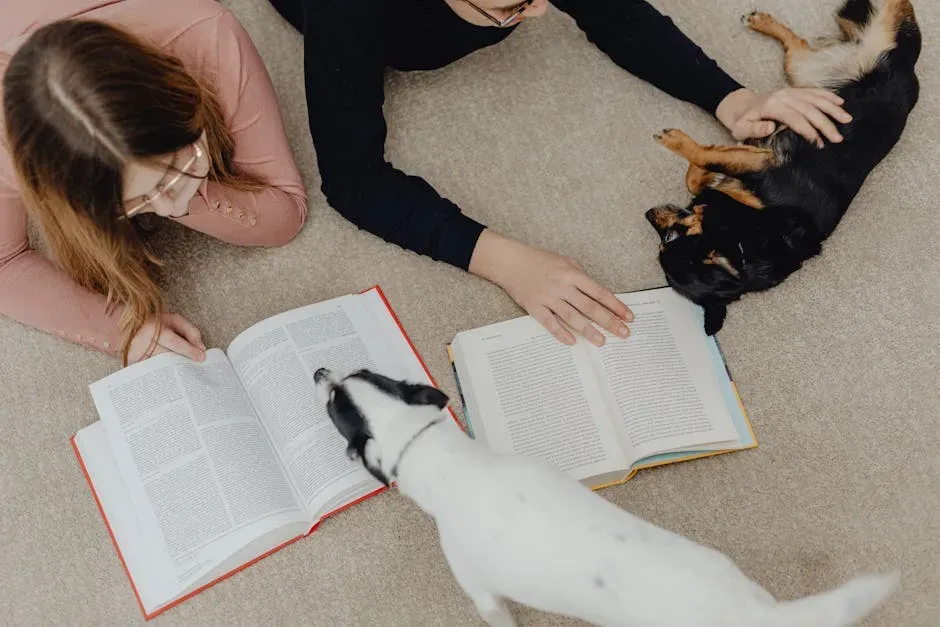
Modern studies show something much deeper than simple obedience: dogs process emotional cues from humans in sophisticated ways. Research from institutions like the University of Lincoln and the University of Vienna found that dogs can distinguish between happy and angry human facial expressions even when those faces belong to strangers.
Dogs are able to access implicit information from actors’ emotional states and appropriately use affective information to make context-dependent decisions. The findings demonstrate that a non-human animal can actively acquire information from emotional expressions, infer some form of emotional state, and use this functionally to make decisions. That’s not instinct. That’s active, functional emotional intelligence.
Dogs often reflect the emotional state of their owners. If you’re calm, your dog tends to relax. If you’re anxious, your dog may also show signs of stress. This emotional mirroring cuts both ways. The owner who manages their own emotional atmosphere doesn’t just feel better themselves. They’re actively shaping their dog’s inner world.
Dogs are incredibly skilled at reading the emotional atmosphere around them, and they often mirror what they sense from their most important people. Working on your own emotional regulation can be one of the most powerful gifts you give your dog. That’s a perspective worth sitting with for a moment.
#3: Attachment Theory Applies to Dogs Just as It Does to Children

Attachment theory, as it applies to dogs, is based on human studies in which it has been shown that infants have a strong need to be near their caregiver. Attachment theory explains the dog’s attachment to the owner and gives some insight into how dogs become attached. An attachment bond is a close emotional relationship between two individuals, and the dog-owner relationship shows some similarities to the human caregiver-infant relationship.
For individuals with insecure attachment patterns, dogs can serve as a secure base, offering the emotional safety they may struggle to find in human relationships. This is particularly true for people who feel lonely or disconnected, as dogs provide a dependable source of affection and connection.
Research has found connections between owners’ attachment styles and their dogs’ separation-related behaviors, suggesting that our own emotional patterns influence our dogs more than we might realize. The bond doesn’t form in isolation. It forms in the emotional climate that an owner creates, consciously or not.
Dogs of owners who were more secure in their attachment style would alternate their gaze between a stressor and their owner, initially stay in close proximity to the owner, but then approach the stressor without problems, suggesting regulation via a feeling of security and social support. A dog whose human radiates genuine calm and consistency becomes a bolder, more confident animal as a direct result.
#4: The Chemistry of the Bond Is Triggered by Emotional Safety, Not Just Proximity
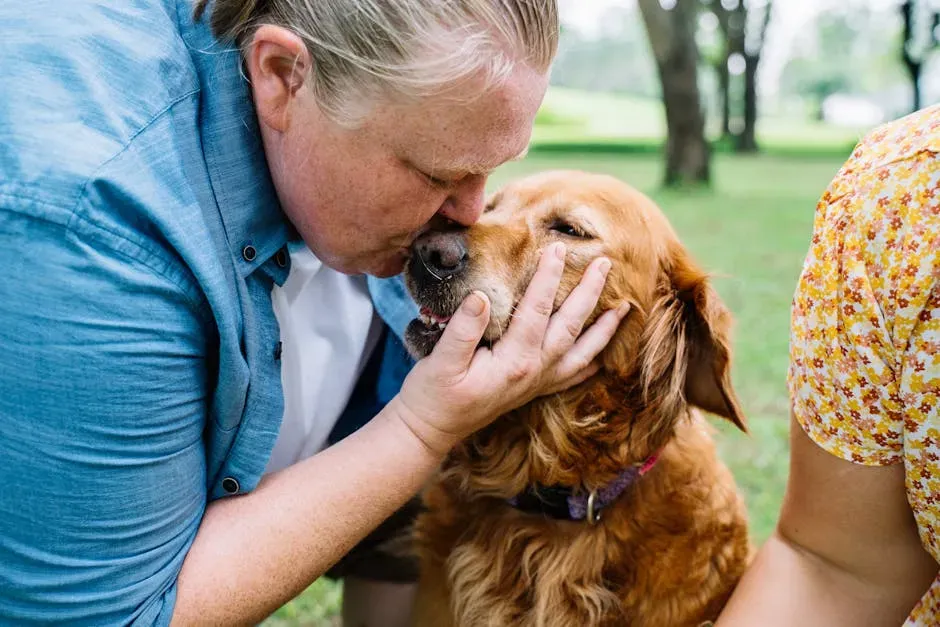
When owners and their dogs gazed into one another’s eyes during a 30-minute period, levels of oxytocin, measured in their urine, increased in both the humans and the dogs. This isn’t simply about being near each other. It’s about the quality of the emotional exchange itself.
What’s truly remarkable is the bidirectional nature of the oxytocin loop between humans and dogs. When we lock eyes with our dogs, not only does oxytocin flood our systems, but it also has the same effect on our canine companions. This reciprocal release of oxytocin forms the foundation of the special relationship we share with our dogs, deepening feelings of love, empathy, and trust on both sides.
Increases in beta-endorphin, oxytocin, and dopamine, neurochemicals associated with positive feelings and bonding, have been observed in both dogs and people after enjoyable interactions like petting, play, and talking. Essentially, interacting with a dog, particularly a known dog, can have some of the same psychophysiological markers as when two emotionally attached people spend time together.
Research has demonstrated that dogs even secrete tears when reuniting with their owner, and this tear secretion appears to be mediated by oxytocin. Eye contact plays a pivotal role in attachment behavior in dogs, with eye contact between dogs and humans eliciting human caregiving behavior. The depth of the emotional loop is genuinely extraordinary when you consider it from a biological perspective.
#5: Consistency and Calm Are the True Language of Love to a Dog

Dogs thrive on predictable emotional responses. Inconsistent reactions can increase anxiety or behavioral issues. Stability, then, isn’t just a nice quality in a dog owner. It’s a fundamental requirement for a deep and lasting bond.
Research surveying dog owners identified seven categories of behaviors perceived as important to human-dog bonding, including attunement, communication, consistency and predictability, physical affection, positivity and enthusiasm, proximity, and shared activities. Tellingly, consistency and predictability ranked among the most noted, not grand gestures or elaborate routines.
Consistency becomes a love language for anxious dogs. When your responses become predictable in the best possible way, your dog can start to relax into the relationship. That phrase “relax into the relationship” is a useful image. Dogs don’t bond by tolerating uncertainty. They bond by being freed from it.
Dogs thrive on predictability and trust. The more secure they feel, the more accurately they can respond to your emotional signals. There’s something almost quietly instructive here. The same qualities that make us trustworthy to the humans in our lives turn out to be precisely what makes us irreplaceable to our dogs.
Conclusion: The Deepest Bond Is Built, Not Given
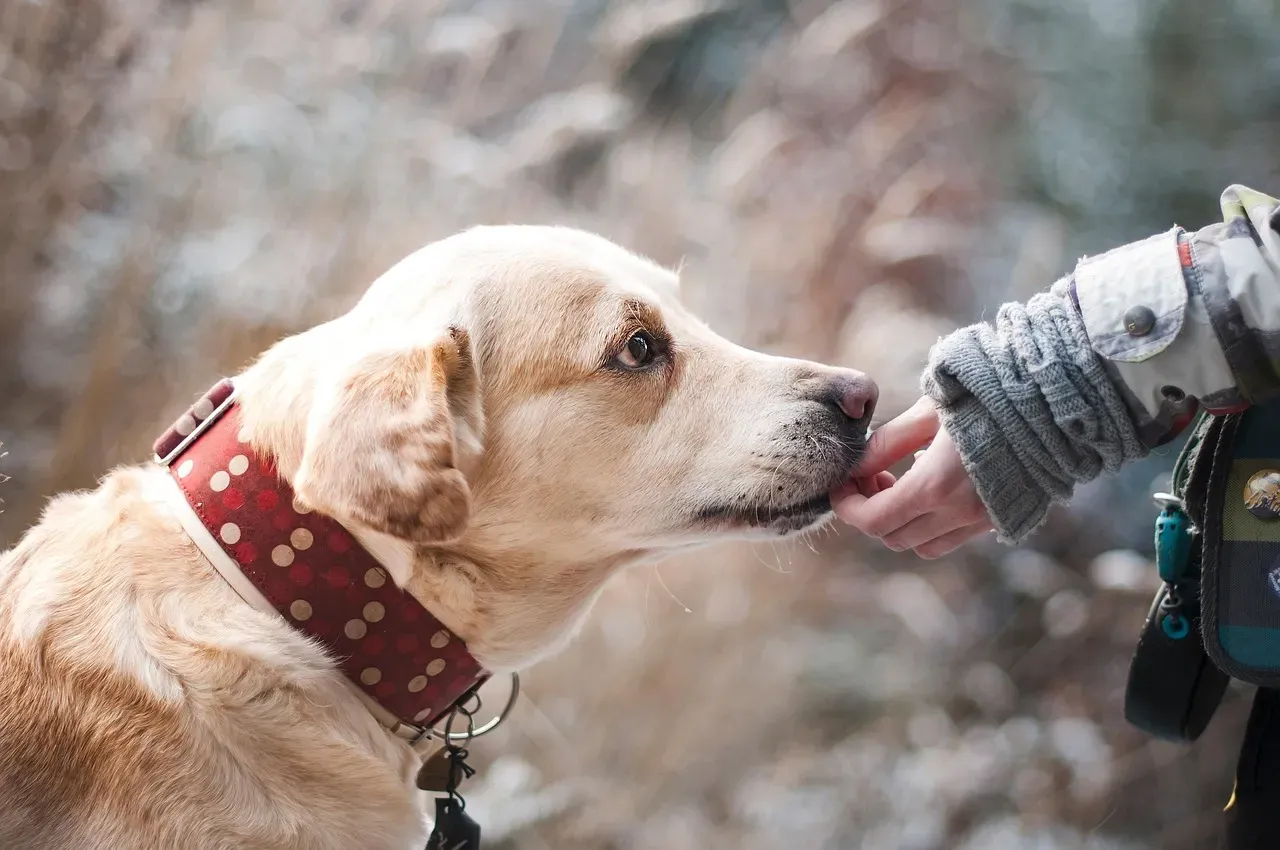
What emerges from the science is something that goes well beyond “be nice to your dog.” The evidence points toward something more deliberate: the humans who form the deepest bonds with their dogs are the ones who become emotionally legible, stable, and safe to be around. Not perfect. Not always cheerful. Just consistent, present, and trustworthy.
Dogs aren’t passive in this relationship. They observe, assess, and respond to emotional data continuously. They notice when you’re scattered and when you’re grounded. They feel the difference between a home that hums with nervous energy and one that carries a quiet steadiness. The bond they offer in return for emotional safety is unlike anything they extend to anyone else.
Perhaps the most meaningful takeaway isn’t about training techniques or feeding schedules. It’s about the kind of human you choose to be in the room. Your dog has already made up their mind about what that feels like. The real question is whether you’re paying close enough attention to notice.


