
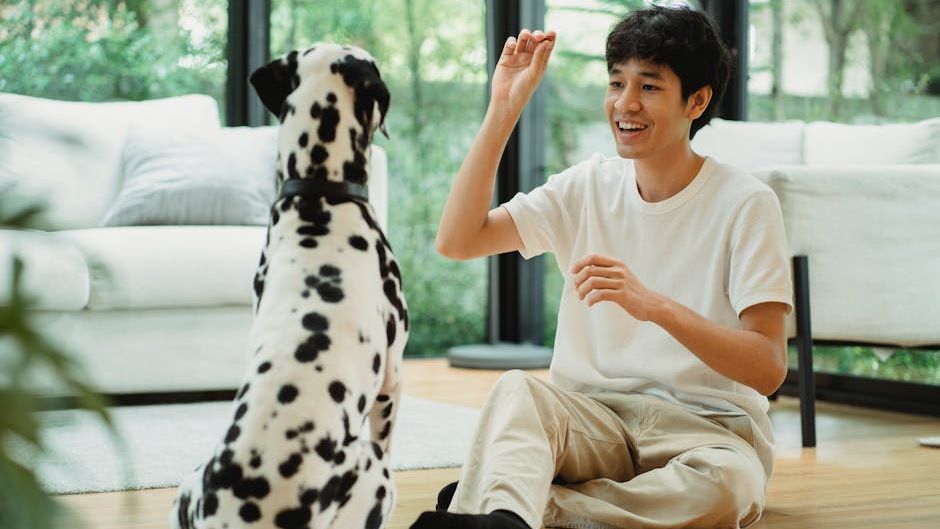
#1: Burn Off Energy Before Guests Arrive
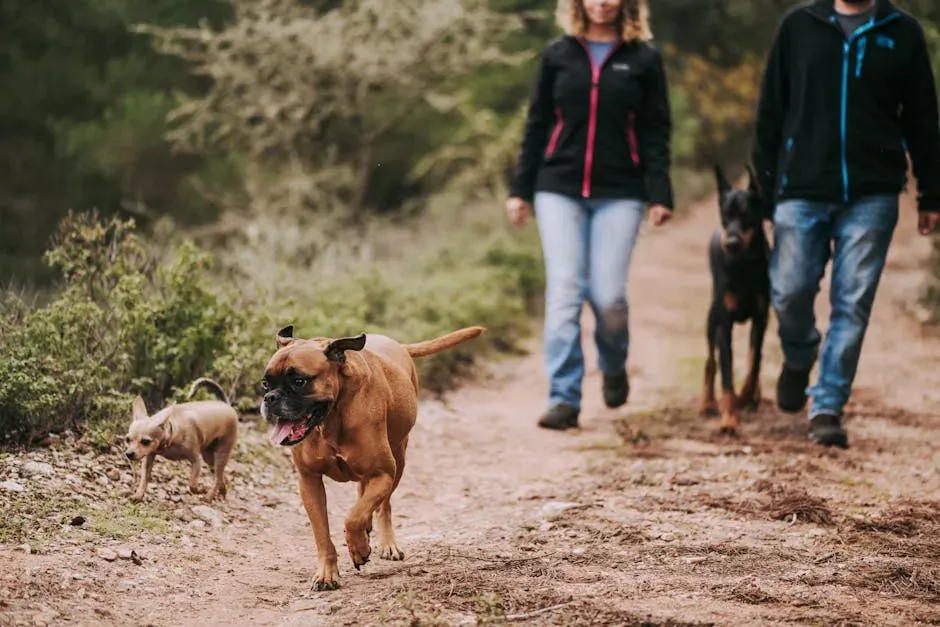
One of the simplest and most underused strategies for managing an overexcited dog is exercise. A dog that has already spent their energy on a long walk or play session simply has less fuel left for a frantic greeting. Giving your dog a good walk beforehand will help them to relax, since they will have burned off any excess energy. A tired dog will find it easier to switch off and relax.
Without adequate exercise and stimulation, your furry friend can become bored, engage in inappropriate behaviors, and cause trouble at the door. So to relieve their pent-up energy, take them for a daily walk. The more outdoor exercise they receive, the easier it will be for them to relax at home, even if something interesting happens.
After exercise, follow up with something mentally engaging. Physical exercise first, followed by a calming and mentally stimulating enrichment activity of licking, sniffing, or chewing, will help ensure a calm dog. A lick mat loaded with peanut butter or a frozen Kong placed on their bed can do a surprising amount of work in settling your pup before the front door even opens.
#2: Teach a Solid “Place” Command
Teaching your dog to go to a specific spot on cue is one of the most practical tools you’ll ever have. It gives your dog a job to do the moment things get exciting, and it keeps them out of the doorway where the bulk of the chaos usually happens. Create a safe space where your dog knows they won’t be approached by guests. A “place” cue can help anxious dogs as well as excitable ones.
The goal is to teach your dog that the sound of the doorbell or a knock means “go to your spot,” whether that’s a mat, bed, or crate. Practice ringing the doorbell or knocking. The instant your dog reacts, calmly redirect them to their designated spot. Lure them with a treat if needed. As soon as they are on their spot, give them a high-value treat.
When the dog masters the “Place” command, you can cue them to stay there while guests enter, minimizing the possibility of an overexcited greeting. Over time, the spot becomes a reliable anchor. Instead of sprinting toward the door, your dog learns that staying calm on their mat is actually the faster path to getting attention and treats.
#3: Desensitize Your Dog to Doorbell Sounds and Arrival Triggers
For a lot of dogs, it isn’t even the guest that sets them off. For many anxious pups, the ring of the doorbell, heavy footsteps on the front porch, or a knock on the door can all be triggering. These sounds can send them into a state of frenzy before the door even opens. That means by the time the guest actually walks in, your dog is already wound up and operating at full volume.
This will take some time, but if you train your dog to accept the doorbell as nothing but a boring sound, it will pay off in spades in the long run. You can do this by practicing when nobody is coming to the door to slowly desensitize your dog to the novelty factor of the doorbell. Repetition strips the sound of its drama.
You can even start small. Try knocking on a table or ringing a doorbell sound on your phone to begin practicing at a lower intensity. Effective counter conditioning requires repeated exposure to the triggering event, paired closely with a calming activity. This repetition is crucial for your dog to relearn their response, gradually shifting from hyper-arousal to their normal baseline when someone enters your home.
#4: Use Controlled Practice Sessions With Real People
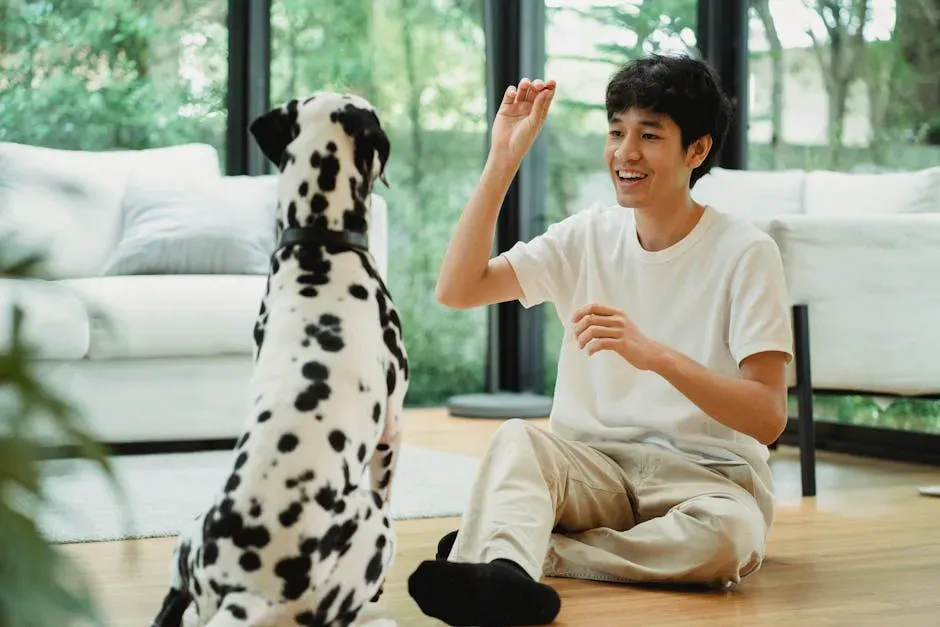
There’s no shortcut around this one. Practicing the right behaviors in a controlled setting before real guests arrive is what actually makes the training stick. Practicing these steps before you have guests is crucial because practicing during the actual event will likely lead to chaos. The chaos of a real unannounced visitor is no place to run your first training drill.
A helpful way to reinforce the behavior is through role-playing scenarios. Invite friends or family over specifically to help with your dog’s training. This way, your dog can practice greeting people in a controlled, familiar environment. The more that rehearsed arrivals feel routine, the less emotionally charged they become for your dog.
This part is critical: do not allow guests to pet or engage with your dog while they’re excited. Even friendly excitement reinforces the idea that jumping, barking, or pulling gets attention. Only allow petting after your dog is calm. This reinforces the concept that calm equals reward, which helps change your dog’s emotional response to new visitors. Ask your practice guests to be patient. Most people are happy to help once they understand what you’re working toward.
#5: Stay Calm Yourself and Keep Your Energy Consistent
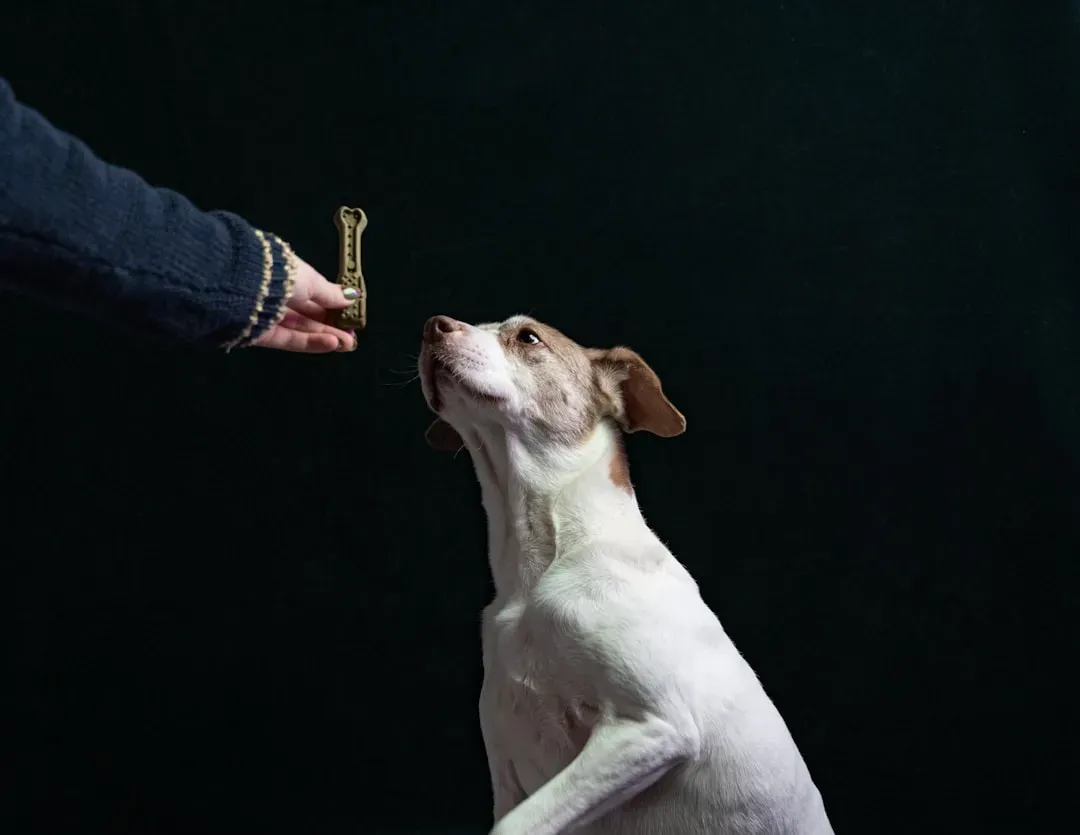
This one is easy to overlook but genuinely important. Dogs are extraordinarily good at reading human behavior, and they pick up on emotional tension faster than most owners realize. The ability of dogs to communicate with humans is unlike any other in the animal kingdom. They are experts at reading our emotions, so if you feel anxious, they may react accordingly.
Dogs feed off your energy. If you’re anxious, frustrated, or high-energy, your dog will mirror that. When your pup gets overly excited at the doorbell, it’s normal to react back. When a pet parent yells or gets physical with an overstimulated dog, it can exacerbate their behavior. The calmer and more deliberate you are in the moment, the more you signal to your dog that there’s nothing worth panicking about.
Consistency in training is key to long-term success. Make sure everyone in your household is on the same page regarding how to handle your dog when guests arrive. By establishing clear rules and consistently rewarding good behavior, your dog will learn to manage their excitement or anxiety over time. Mixed signals from different household members are one of the most common reasons training stalls, so getting everyone aligned is as important as the training itself.
Conclusion: Patience Pays Off Every Time Someone Rings That Bell
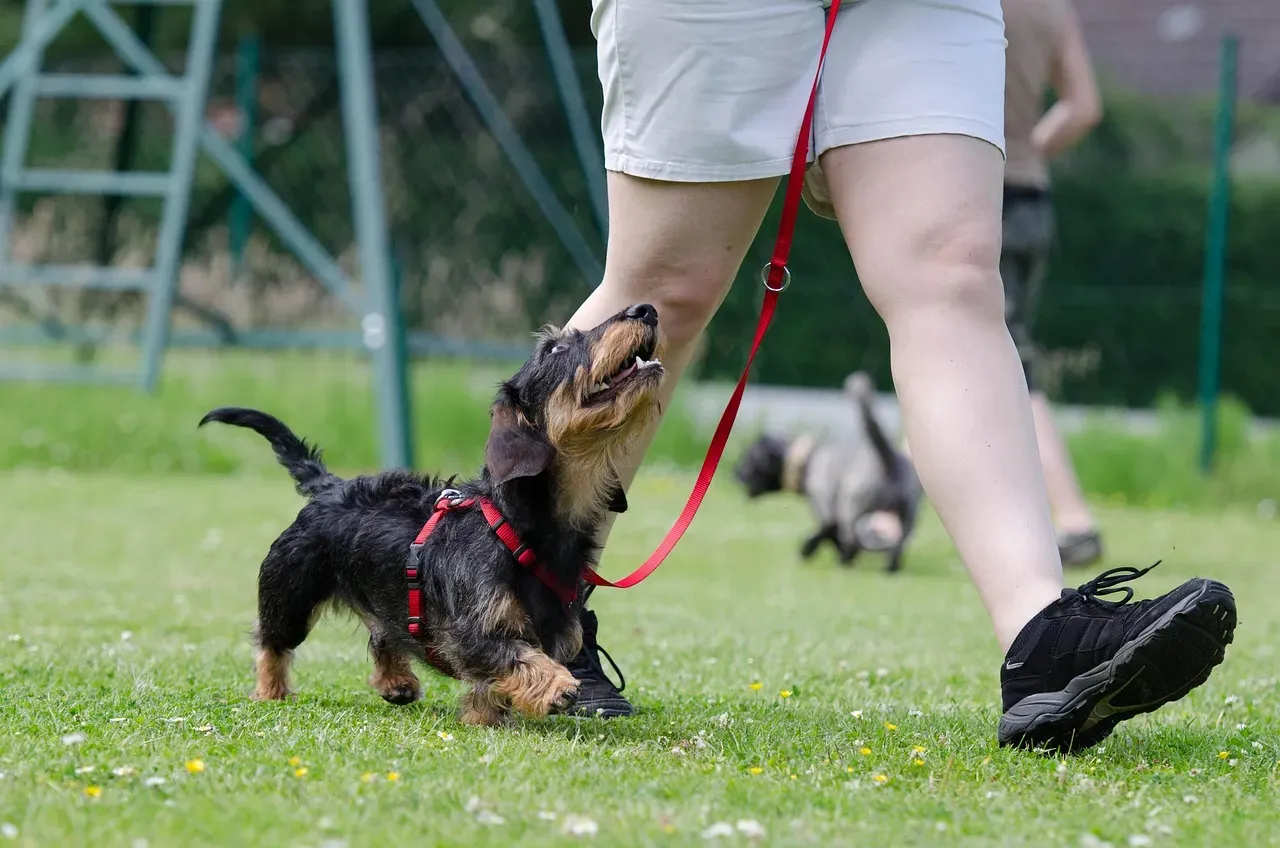
Turning a chaotic greeter into a composed one doesn’t happen overnight, and that’s perfectly okay. Training takes time and patience. Celebrate every little step forward, whether that’s a slight decrease in barking, a quicker settling, or a moment of calm before the storm. With consistent effort, your dog will learn that calm, polite greetings lead to positive attention.
In my view, the real payoff isn’t just a more peaceful doorstep. It’s the relationship that gets built along the way. Training your dog to handle guests calmly requires you to actually understand what your dog is feeling, to read their body language, and to show up consistently as a reliable guide. That kind of trust runs deeper than any single command.
The doorbell will always ring. What happens next is entirely up to how you’ve prepared. Start with one method, stay consistent, and remember that your dog is genuinely trying to figure out what you want. Give them the tools to get it right, and they will.


