

#1: The Nose Knows More Than You Think
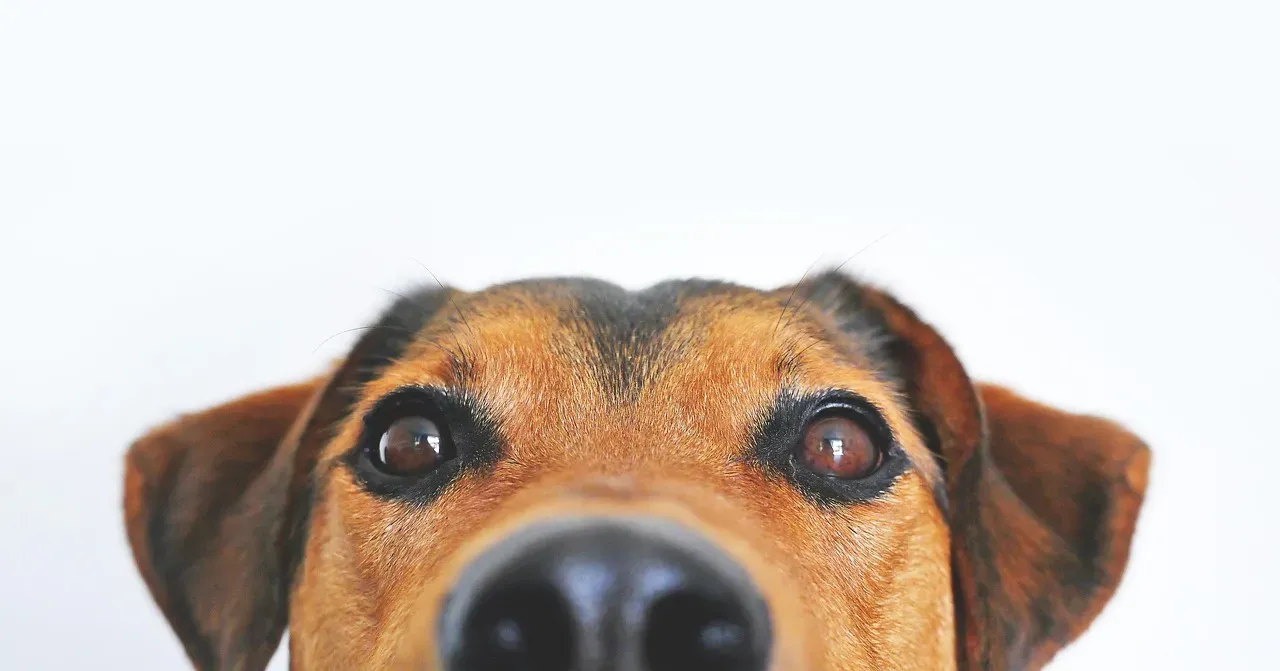
A dog’s nose is one of its most powerful tools. Dogs have up to 300 million olfactory receptors, compared to about 6 million in humans. That’s not a small difference. It’s a difference so vast it makes human smell seem almost rudimentary by comparison.
Dogs experience the world very differently from us. Their sense of smell is up to 10,000 times more powerful than ours, and our human body gives off different scents depending on our health status. So if your body changes, your scent will too, and that’s usually how dogs can tell if you’re sick. Every time your chemistry shifts, whether from a cold, an infection, or something more serious, your dog is registering that change in real time.
Research indicates that dogs are capable of detecting tiny traces of odors created by different diseases. How tiny? Around one part per trillion, or the equivalent of one teaspoon of sugar in two Olympic-sized swimming pools. That level of sensitivity is almost incomprehensible, and it goes a long way toward explaining why dogs are so reliably attuned to shifts in our physical state.
#2: Reading Your Body Language and Routine
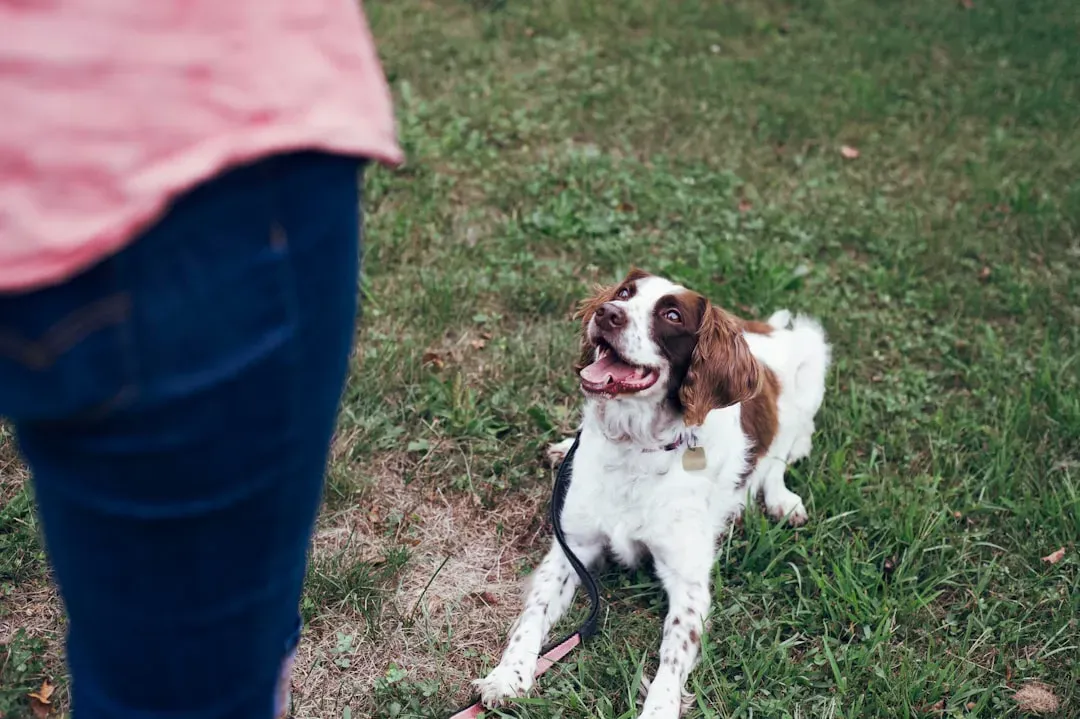
When a normally active owner gets in bed in the middle of the day or takes to the couch and doesn’t move, the dog knows something isn’t quite right. Depending on the illness, the owner may be exhibiting symptoms that are easy for the dog to detect. Sneezing, a runny nose, or gastrointestinal issues are other signs for the dog that the owner is not well. Dogs don’t need a medical degree when they have years of careful observation on their side.
Our canine companions are also keen observers of our behavior, and can often tell when we aren’t feeling well just by noticing subtle changes in our daily routines. Perhaps we are more tired and less mobile than usual, or we suddenly are home from work for a few days. That pattern recognition is sharper than most people realize. Dogs track your schedule with a precision that would make a timekeeper envious.
Sickness can affect your voice, making it softer or altering its tone. Dogs can pick up on these vocal cues and respond with increased attentiveness. They are masters of reading body language, observing your posture, facial expressions, and movements to gauge your emotional and physical state. It’s a full-body read, covering smell, sound, posture, and movement all at once. They’re processing a lot more information than they let on.
#3: Detecting Hormonal and Chemical Shifts

Dogs can smell and sense the rise and fall of our feel-good hormones, such as oxytocin, dopamine, and serotonin. When we are ill, these hormones often plummet, and our dogs are usually the first to know it. This might explain why many pets are known to curl up next to a sick or depressed owner. There’s a chemical conversation happening beneath the surface, one that we can’t access but they clearly can.
When a dog gets close to someone who is sick or depressed, the dog could be sensing a decrease in hormones such as oxytocin, dopamine, and serotonin. This biological sensitivity also appears to run in the other direction. Offering comfort and physical closeness many times will boost these feel-good hormones, and your dog is probably sensing that his or her presence increases your happiness and ultimately makes you feel better. The comfort they offer isn’t just emotional. It’s biochemical.
Dogs can detect isoprene, a common natural chemical found in human breath that rises significantly during episodes of low blood sugar. People can’t detect this chemical, but researchers believe that dogs are particularly sensitive to it and can be trained to tell when their owner’s breath has high levels of it. Even the invisible signals your body produces when it’s under stress are, apparently, perfectly legible to a well-attuned dog.
#4: The Science of Medical Detection Dogs
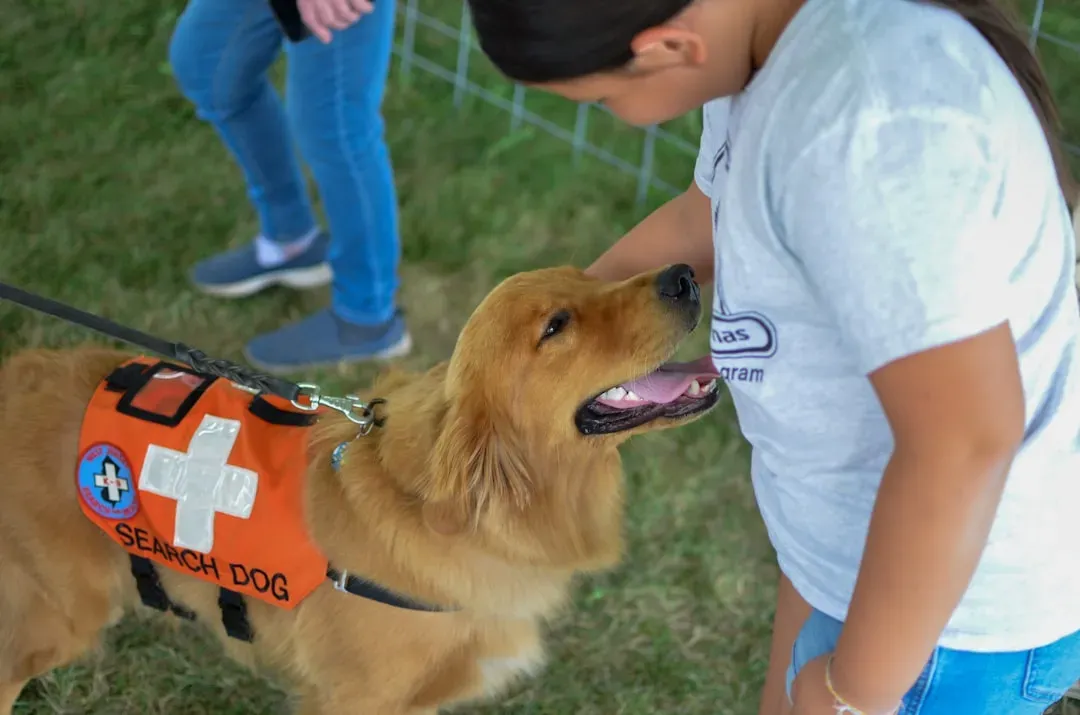
Case reports of dogs detecting cancer in humans via scent detection were first documented in 1989. Since then, multiple studies have shown that dogs are capable of being trained to detect some cancers in humans by perceiving specific “odor signatures” in samples of urine, sweat, breath, and blood serum. Decades of research now back what pet owners have quietly known for years.
In multiple studies, dogs have been “intriguingly accurate” at detecting certain cancers by smelling breath or urine samples. Research published in the journal Gut showed a Labrador retriever trained in cancer scent detection correctly identified 91% of breath samples and 97% of stool samples from patients with colon cancer. Numbers like those are hard to dismiss as coincidence. Still, scientists are appropriately cautious.
Some dogs can tell when someone living with seizures is about to have one because their body’s state, and thus scent, changes before the physical fit happens. The dog can indicate to their owner a seizure is about to take place, and the person can get themselves to somewhere safe to have the seizure in a more controlled way. Thanks to their ability to detect changes in blood sugar, diabetes alert dogs are well-known service animals. These specially trained dogs can detect when blood sugar levels are too high or too low in people with diabetes. Medical detection work is now a legitimate field, and it’s growing.
#5: How Your Dog Shows You It Knows

When a dog senses something is wrong, you may notice clinginess or increased affection, as your dog wants to stay close to you and offer comfort and companionship. Some dogs become more territorial or alert when they sense something is wrong with their owner. These behavioral shifts aren’t random. They’re purposeful responses rooted in thousands of years of co-evolution with humans.
Your dog is going to seem extra cuddly and like they love you just a little bit more than usual. If you are sick and you find your dog is constantly trying to lay on the bed or couch with you, if they always want to place their head in your lap, or just be somewhere close to you, they are trying to comfort you and let you know they are there for you. It’s worth paying attention to these moments, not just for the warmth they bring, but for what they might be trying to tell you.
Dogs may become more attentive, gentle, or protective towards their sick owners. Many pet owners have reported their dogs refusing to leave their side when they are unwell, providing comfort and support during times of illness. If your condition affects your energy level or routine, your dog might show signs of distress due to the change, and some dogs may whine or pace if they are anxious about your well-being. Every dog is different, but the instinct to respond to a vulnerable owner is remarkably consistent across breeds.
Conclusion: More Than a Gut Feeling
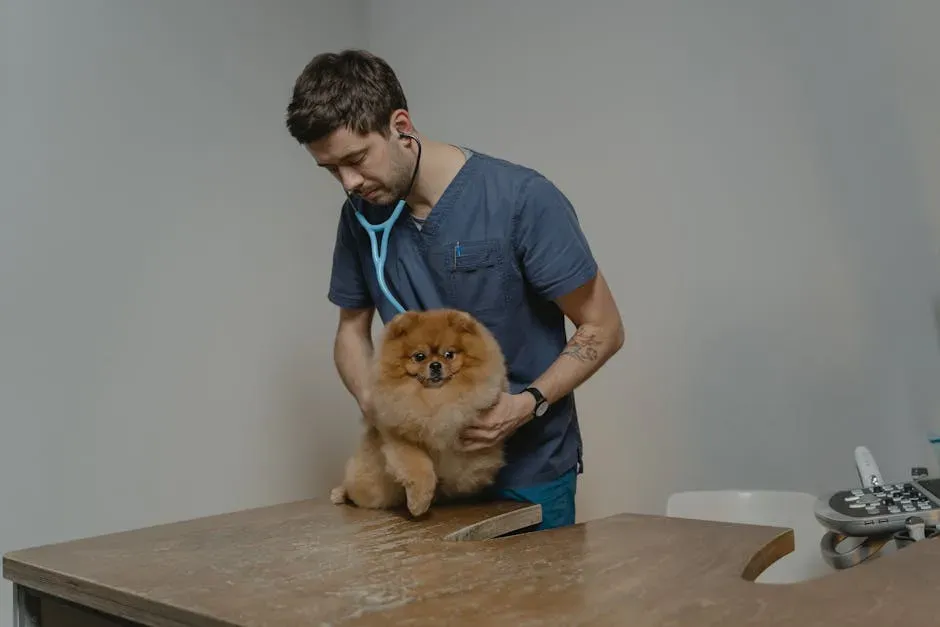
The evidence here is genuinely compelling, and it points in one clear direction. Your dog is not simply reacting to you staying home or sleeping in. It is reading your scent, your hormones, your routine, your posture, your voice, and your face, all at once, all in real time. That’s not a sixth sense. That’s an extraordinarily refined set of senses working together in a way that humans simply can’t replicate.
What makes this especially meaningful is the relationship underneath it all. Dogs have evolved alongside humans for thousands of years, forging a unique bond built on trust, loyalty, and unconditional love. This bond enables dogs to understand and empathize with their owners at a level that is often beyond our comprehension. The detection capability is impressive on its own. In the context of that bond, it becomes something more.
Personally, I think we’ve been underestimating dogs for a very long time. We’ve celebrated them as companions, workers, and protectors, but their ability to quietly monitor our health and respond to it with warmth and vigilance deserves a great deal more credit. Through their remarkable noses and emotional attunement, dogs can perceive health changes in their owners, often before we can ourselves. While they’re not a substitute for medical diagnostics, their instincts and devotion can be a helpful early warning system. The next time your dog presses a little closer than usual on a day you’re not feeling your best, maybe don’t brush it off. They might be the most honest health check you’ve got at home.


