
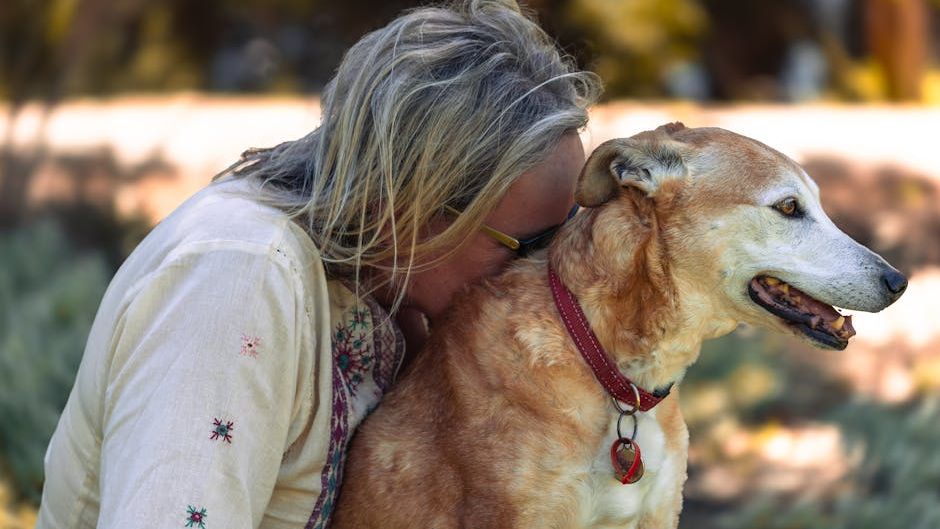
#1. The Attachment Bond Mirrors One of the Strongest Bonds in Nature
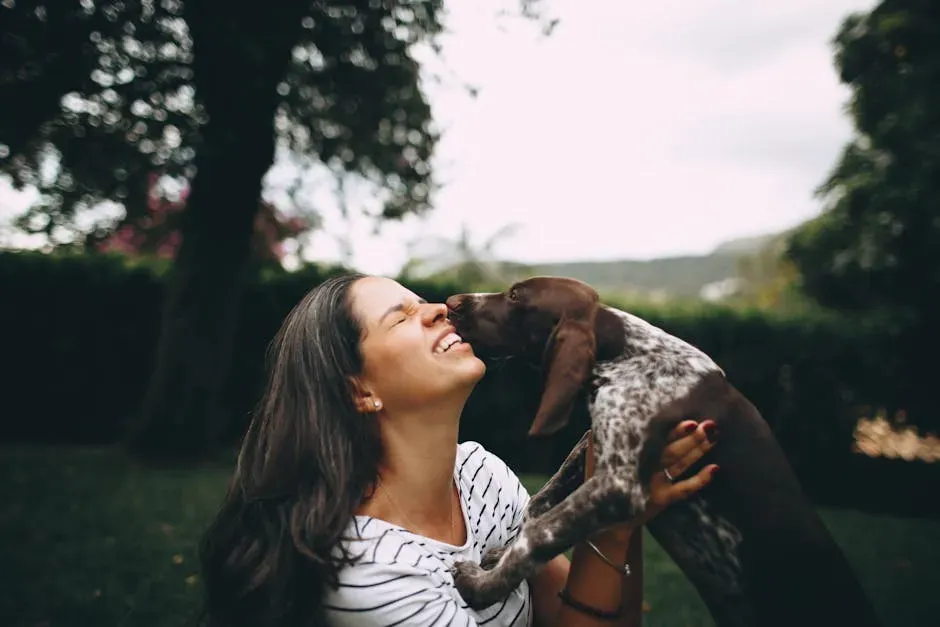
To understand why dogs grow more emotionally attached as they age, it helps to understand what their attachment actually resembles. The social bond between pet dogs and their owners resembles the attachment between parent and child. This isn’t a loose metaphor. Researchers have found that the same behavioral components observed in infant-caregiver attachment also appear in dogs.
These components include a safe haven effect, where the owner’s presence alleviates a dog’s stress responses in frightening situations; a secure base effect, where dogs are less hesitant to explore new environments when their owner is present; separation distress when isolated from the owner; and proximity seeking, where dogs stay close and show attention-seeking behaviors when uncertain or distressed.
This framework matters because it reveals that a dog’s emotional world is fundamentally organized around their person. The dog-owner bond is consistent over time and space, and is maintained even during periods of separation. Years of daily life together don’t dilute this bond. They calcify it.
#2. Older Dogs Actively Seek More Physical Contact With Their Owners
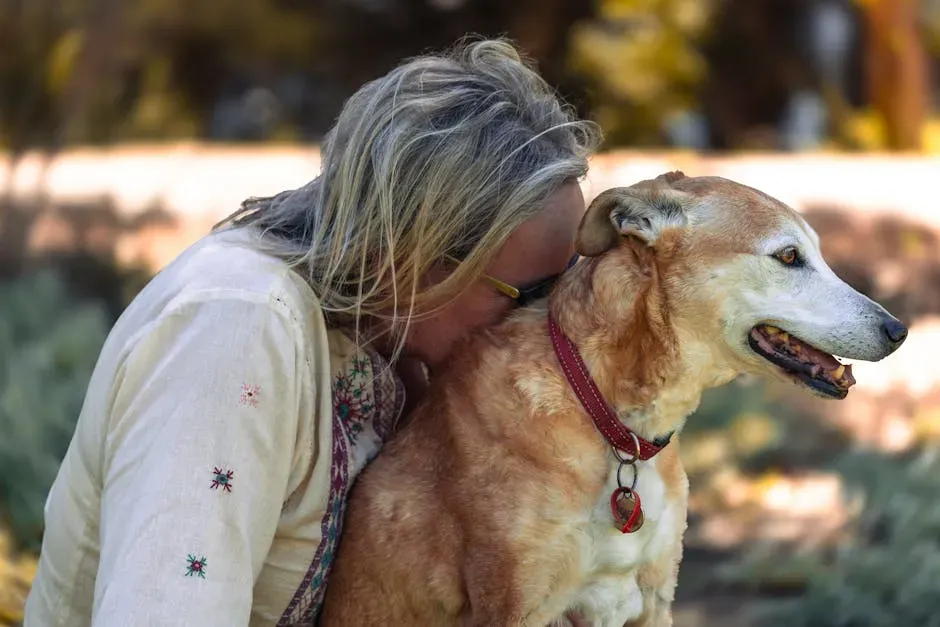
One of the clearest signs of deepening attachment in aging dogs is a measurable increase in how much physical closeness they seek. This isn’t just a behavioral quirk. It’s documented. Both adult and aged dogs expressed clear patterns of attachment to their owners, but during the initial part of testing, aged dogs sought more physical contact, while also behaving more passively and showing less interest in an unknown person during separation from their owners.
The emotional bond between a dog and their human often deepens with age, as the dog becomes more attached, more dependent, and seeks closeness more frequently. The dog that once greeted every stranger with enthusiasm may now save that energy almost exclusively for you. That narrowing of social focus isn’t withdrawal. It’s prioritization.
This behavioral shift is significant because it reflects a genuine recalibration of the dog’s emotional needs. Changes during senescence can significantly affect both the emotional and relational needs of older individuals and the characteristics of the attachment system. The world gets quieter for an aging dog, and their person becomes its most stable center of gravity.
#3. Separation Becomes Harder, Not Easier, as the Years Pass
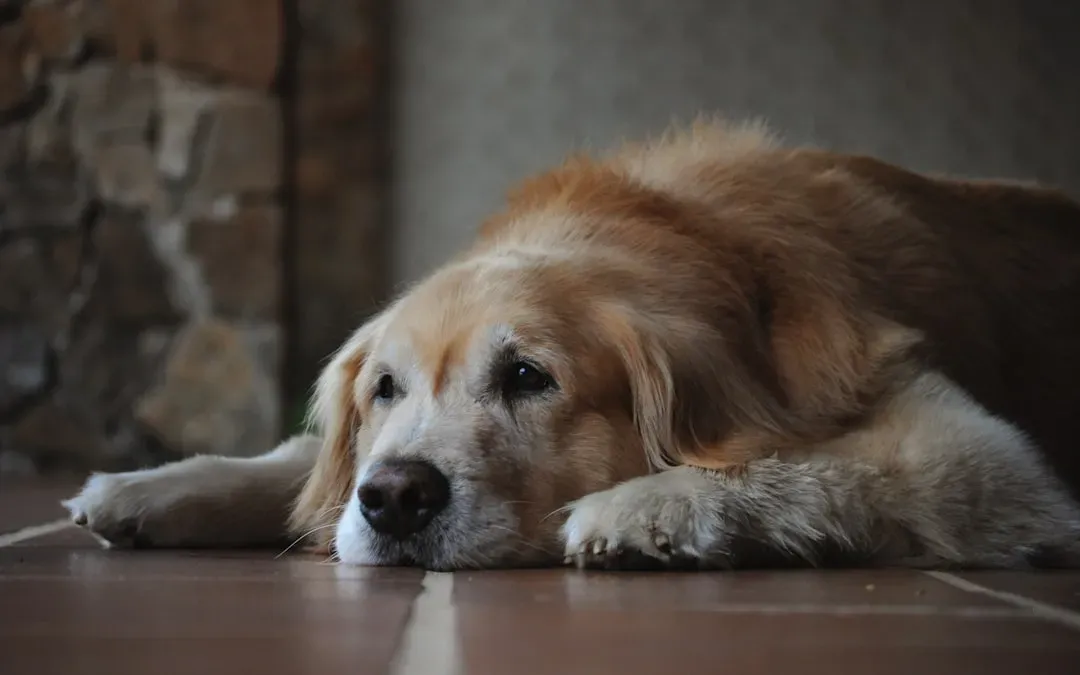
Here’s something that catches many owners off guard: as dogs age and become calmer, they are often more stressed by separation, not less. The stillness can be deceptive. Inhibiting outward signs does not mean successfully regulating emotions, and the passiveness observed during testing is more probably active suppression of behavioral signs than a relaxed reaction to social challenges.
Compared with adult dogs, aged dogs showed a significant increase in salivary cortisol concentrations after separation testing. Cortisol is the body’s primary stress hormone, and elevated levels tell us clearly that something emotionally significant is happening, even when nothing dramatic is visible on the outside. Older dogs may express their discomfort less openly, moving less, vocalizing less, and seeming passive, but this apparent calmness can be misleading, as it may hide a deeper, internal stress.
Older dogs in particular adapt harder to changes in general, so even small disturbances can cause distress, and they cope less efficiently with emotional distress caused by a mild social challenge. What this means practically is that an aging dog’s calm exterior deserves a second look. Their quiet is not the same as their comfort.
#4. The Oxytocin Loop Reinforces the Bond Every Single Day
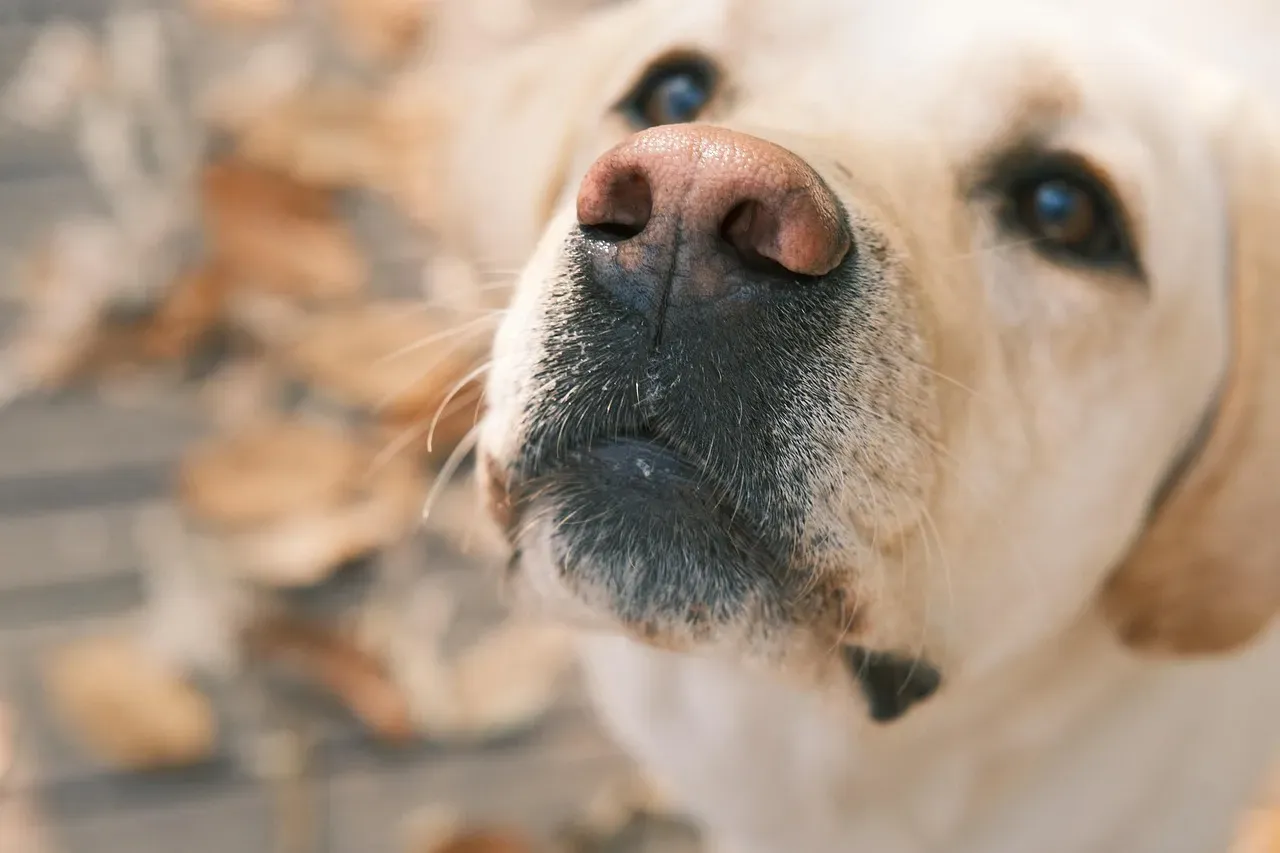
Every moment of eye contact you share with your dog is doing something biochemical. Research published in the journal Science found a remarkable feedback loop at work. Gazing behavior from dogs, but not wolves, increased urinary oxytocin concentrations in owners, which consequently facilitated owners’ affiliation and increased oxytocin concentration in dogs. Two separate beings, two separate species, sharing a hormonal response through eye contact alone.
The increase in oxytocin in dogs and their owners correlated with the duration of mutual gazing, as dogs and owners who exchanged long gazes had an increase in oxytocin, whereas oxytocin concentrations remained stable in dogs and owners that shared shorter gazes. Over years of daily life together, these moments accumulate into something substantial. Every long gaze, every quiet pat, every shared evening on the couch is actively reinforcing attachment at a biological level.
When you pet your dog and make gentle eye contact, oxytocin increases in both of you, and this feedback loop strengthens attachment. This is why the bond doesn’t simply persist over years. It compounds. The neurochemistry of closeness rewards both parties for staying close, and over a lifetime, that reward system runs very deep.
#5. How You Show Up as an Owner Shapes the Depth of the Bond
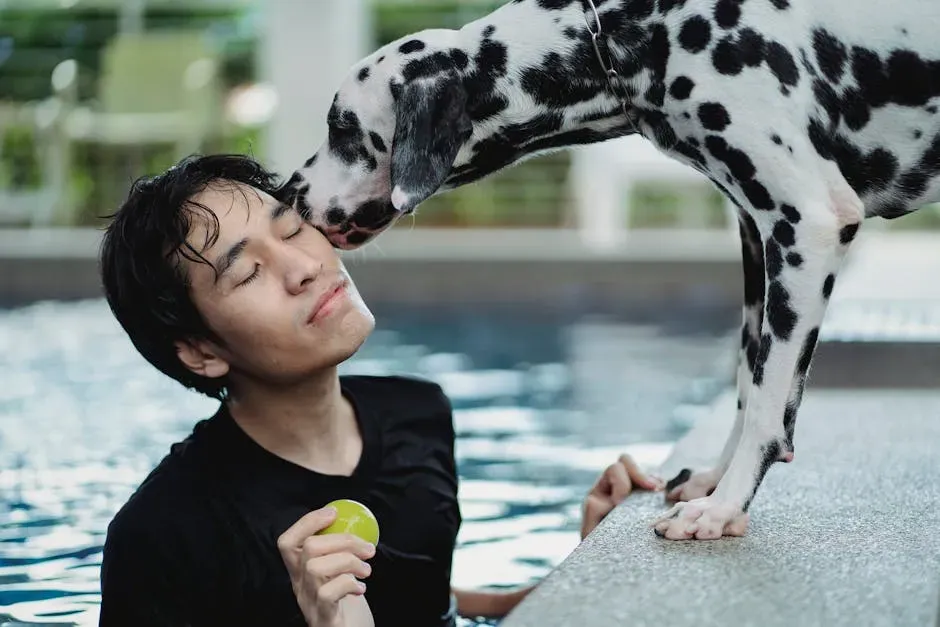
The emotional attachment your dog develops isn’t just driven by time. The quality of your presence matters enormously. The relationship between owner and dog affects the dog’s attachment behaviors and stress coping, and in turn, the quality of the relationship may affect the owner’s interpretations of their dog’s behavior. These dynamics feed each other in a continuous loop, becoming more entrenched with every passing year.
Dogs with owners who have high expectations and are highly responsive to their dog’s behavior and needs are more social, more secure when away from their owners, and more persistent problem solvers, according to an Oregon State University study. Responsiveness, attentiveness, and consistency don’t just produce a well-behaved dog. They produce a genuinely secure one, one whose attachment is grounded in trust rather than anxiety.
A close emotional bond with the owner appeared to decrease the arousal of dogs, which suggests that a well-cultivated relationship becomes a genuine source of calm for a dog over time. The owners who invest steadily in that bond aren’t just being indulgent. They’re building something that measurably improves their dog’s emotional wellbeing, especially as the dog ages and relies on that security more and more.
A Quiet Truth Worth Sitting With
There is something genuinely moving in what the research reveals. Your dog is not simply tolerating your company over the years. They are orienting their entire emotional world around you, more deeply as each year passes. The dog curled at your feet tonight carries the cumulative weight of every walk, every quiet morning, every time you came home. That weight feels like love because, by every meaningful measure, it is.
Some might find it bittersweet to learn that an older dog’s calm can mask deep emotional need. The stronger the bond, the more psychological risk: more anxiety about decline, more guilt about care, more intense grief before and after loss. Knowing this doesn’t make the bond easier to hold, but it does make it harder to take for granted.
The science here is clear enough to say with confidence: the dog aging beside you is not drifting toward detachment. They’re pressing closer. Quietly, steadily, with their whole heart. The least we can do is notice, and press back.


