
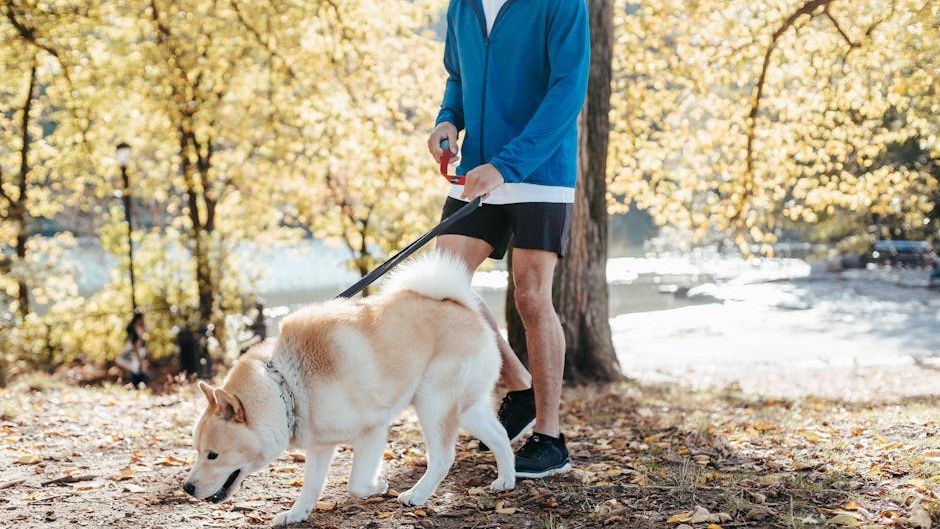
#1: Understand What a Healthy Weight Actually Looks Like
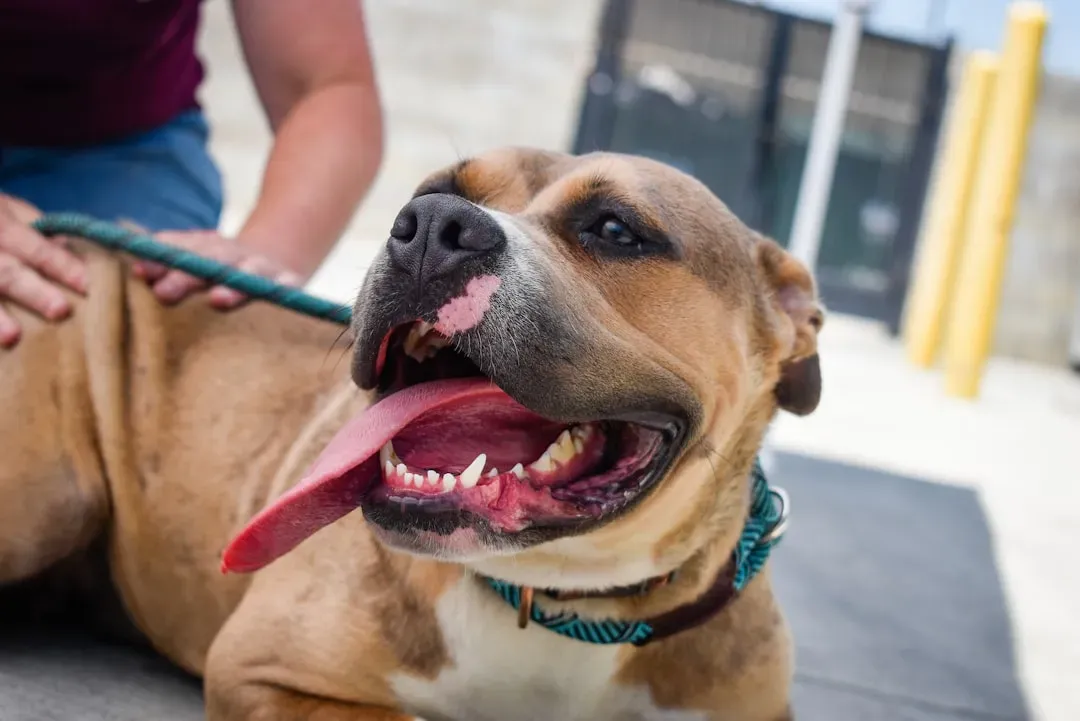
Before you can manage your dog’s weight, you need to know what you’re aiming for. There’s no single ideal weight that applies to all dogs. Depending on a dog’s breed, height, and age, the recommendations for ideal weight will vary. That’s why using a body condition score, rather than a number on a scale alone, gives you a much more complete picture.
Your veterinarian can help evaluate your dog and rank them with a body condition score from one to nine, with four or five being ideal. At a healthy weight, you should be able to feel the ribs but not see them, and your dog should have a tucked abdomen when viewed from the side and a visible waist from above. If the waist has disappeared and the belly sags, that’s a real signal worth taking seriously.
When a dog weighs ten to twenty percent above their ideal body weight, they’re considered overweight. Anything over twenty percent is classified as obese. These aren’t just clinical labels. They carry genuine health consequences that compound over time, quietly wearing on your dog’s joints, organs, and overall energy.
#2: Know the Real Health Risks of Excess Weight

It’s easy to think a slightly chubby dog is harmless or even endearing. The reality is far less comfortable. Obesity in dogs increases the risk of numerous health problems, including diabetes, heart disease, respiratory issues, joint problems, arthritis, and certain types of cancer. These conditions can significantly reduce the quality of life and lifespan of affected dogs.
Research indicates that dogs with obesity live shorter lives than their normal-weight counterparts, with two lifetime studies demonstrating that dogs with obesity lived approximately two years less. Two years might not sound like much, but for a dog whose total lifespan averages ten to fifteen years, that’s a meaningful chunk of time. In one longevity study conducted on dogs, researchers found that dogs fed roughly a quarter fewer calories than normal lived an average of two years longer, and those dogs had significantly fewer medical problems throughout their lives.
Excess weight puts additional strain on a dog’s joints, leading to conditions like osteoarthritis and worsening existing joint problems. This can result in pain, reduced mobility, and difficulty performing normal activities such as walking and climbing stairs. The cruel irony is that less mobility means less exercise, which makes the weight problem harder to reverse. It’s a cycle worth breaking early.
#3: Get Portion Control and Feeding Habits Right
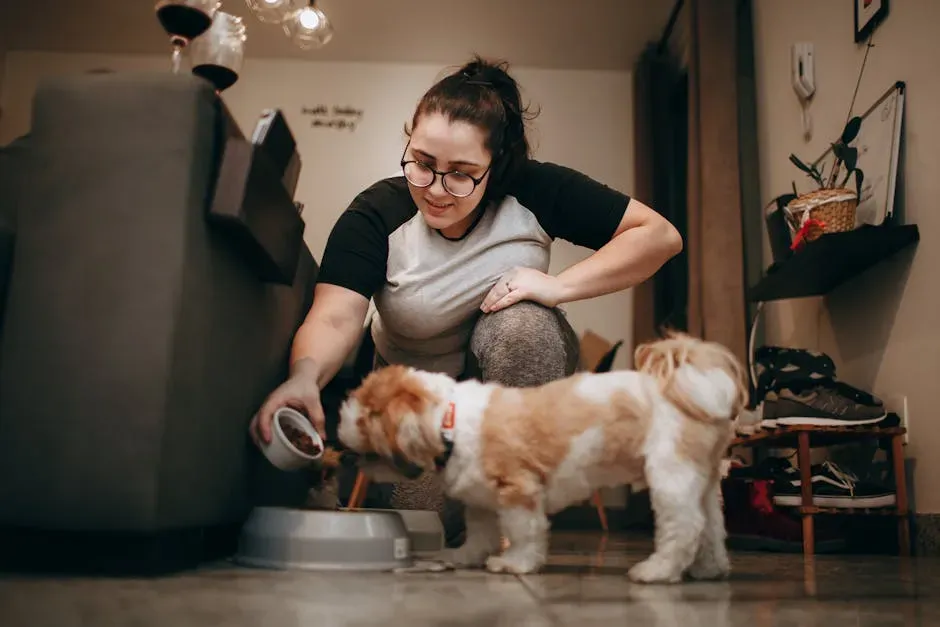
One of the simplest and most impactful changes you can make is actually measuring what goes into your dog’s bowl. Don’t free-feed or eyeball how much you scoop out. Instead, use an appropriate measuring device to ensure you’re managing portion control properly. It sounds almost too simple, but the gap between a heaped scoop and a level one can easily add up to hundreds of extra calories over a week.
Treats are often calorie-dense, meaning that even a few can throw off your dog’s diet considerably. Treats should never make up more than ten percent of a dog’s daily calorie intake. Many owners are genuinely shocked to learn how fast treat calories accumulate, especially with larger dogs who seem to need bigger rewards. Swapping in low-calorie alternatives like carrot pieces or cucumber slices works surprisingly well for most dogs.
Consistent feeding times help maintain metabolism and prevent overeating. Grazing throughout the day, or leaving a full bowl accessible at all hours, removes your ability to monitor intake. Scheduled meals give you control, and they also give your dog structure, which most breeds genuinely thrive on.
#4: Build a Sustainable Exercise Routine
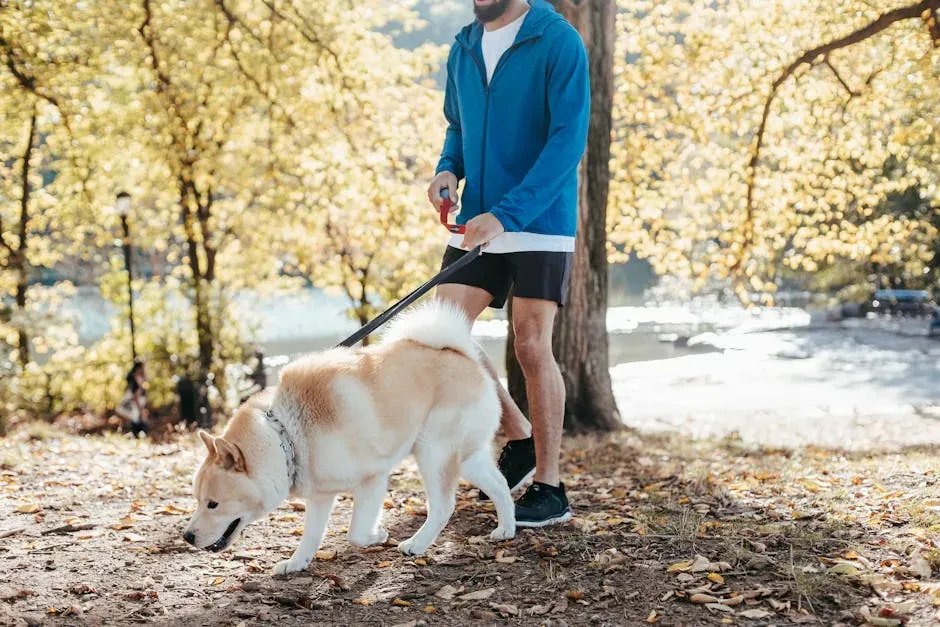
Exercise is not optional when it comes to weight management. It’s the other half of the equation. Just like in humans, exercise is crucial when it comes to helping an overweight dog get healthy. Increasing your dog’s activity helps burn off energy and the calories consumed. The key word here is “sustainable.” A burst of intense activity after months of sedentary living isn’t the goal.
Tailor the intensity and duration of exercise based on your dog’s breed, age, and health. Start with short walks if your dog isn’t used to regular activity, gradually increasing as they build stamina. A fifteen-minute stroll today can become a forty-five-minute adventure in a few months. Patience pays off, especially for older dogs or those with joint issues already in play.
Incorporating variety helps prevent boredom; exploring new parks or trails keeps things interesting. Monitoring your dog during exercise helps avoid overheating, especially on hot days. Play sessions count too. Fetch, tug-of-war, and even puzzle feeders that get your dog moving indoors all contribute to an active lifestyle without feeling like a workout regimen.
#5: Monitor Progress and Work Closely With Your Vet
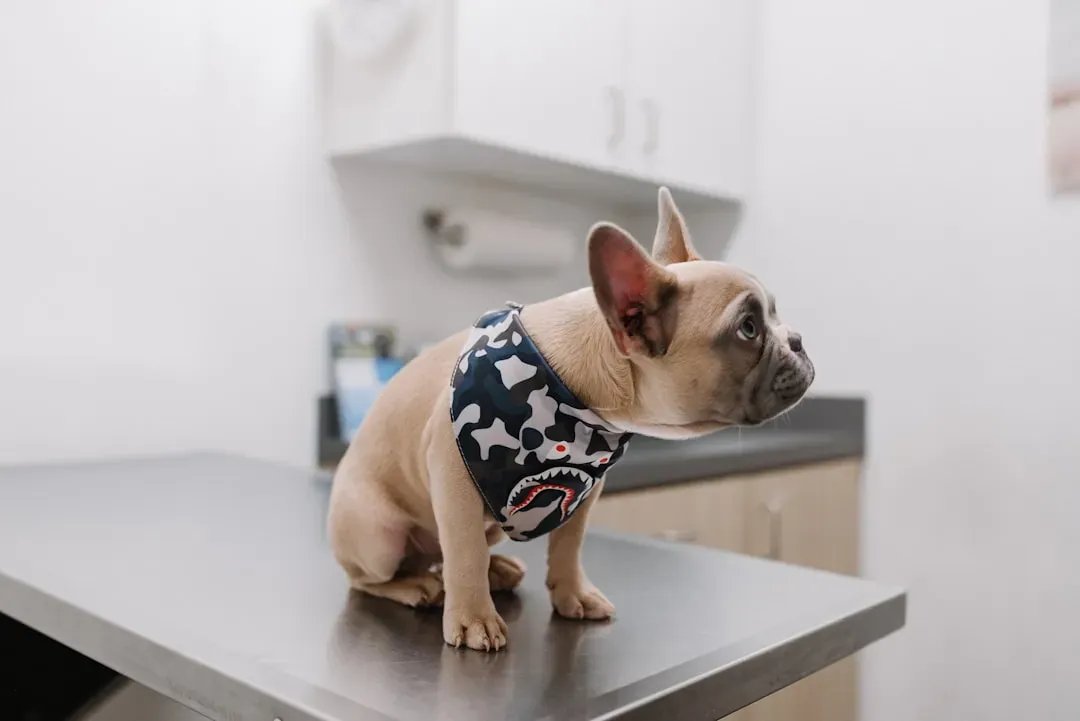
Consistency in checking your dog’s weight matters just as much as the diet and exercise changes you make. Regular monitoring of your dog’s weight helps in early detection of weight gain. Weigh your dog monthly to track changes and adjust their diet or exercise accordingly. Visiting your veterinarian for regular check-ups ensures your dog maintains a healthy weight.
It’s much easier to help your dog maintain a lifelong ideal weight if the feeding amount is adjusted based on minor weight changes, compared with having to undergo a full weight loss program when your dog becomes visually overweight. Catching a half-pound creep early is genuinely much simpler than trying to shift five or six pounds off a dog who has been comfortable at the wrong weight for years.
Before starting any weight-loss program, ask your veterinarian to assess your dog’s body condition, overall health, and potential risk factors. Together, you can set a realistic target weight and create a safe daily calorie plan, taking into account any underlying issues like arthritis or thyroid disease that could affect your dog’s progress. This matters especially for neutered dogs, since when a dog is neutered, the production of oestrogen and testosterone decreases, and this can affect the dog’s ability to feel full, leading them to eat more.
The Bottom Line
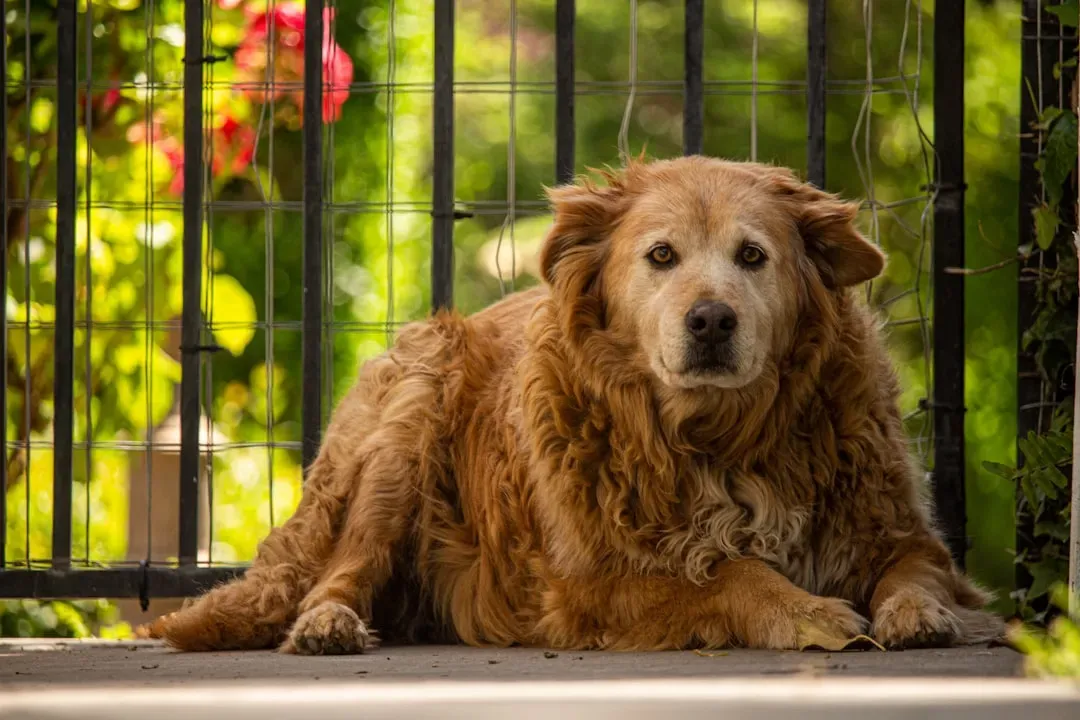
Managing your dog’s weight isn’t about restriction or deprivation. It’s about giving them a fuller, more comfortable, more energetic life. The research is clear: maintaining a healthy weight can help a dog live longer, and it’s far easier to prevent weight gain than to treat obesity. Prevention is always the gentler road.
It’s worth being honest here. A lot of weight gain in dogs happens because of love expressed in the wrong currency: extra treats, bigger portions, table scraps. The intention is kindness, but the effect accumulates quietly. Redirecting that love into play, consistent walks, and real attention to what goes in the bowl is not less loving. It’s actually more so.
Your dog can’t advocate for their own health. That responsibility sits with you, and it’s one of the most meaningful parts of being a pet owner. A lean, active dog with bright eyes and a wiggly gait is a dog that feels good. That, more than any number on a scale, is the real goal.


