
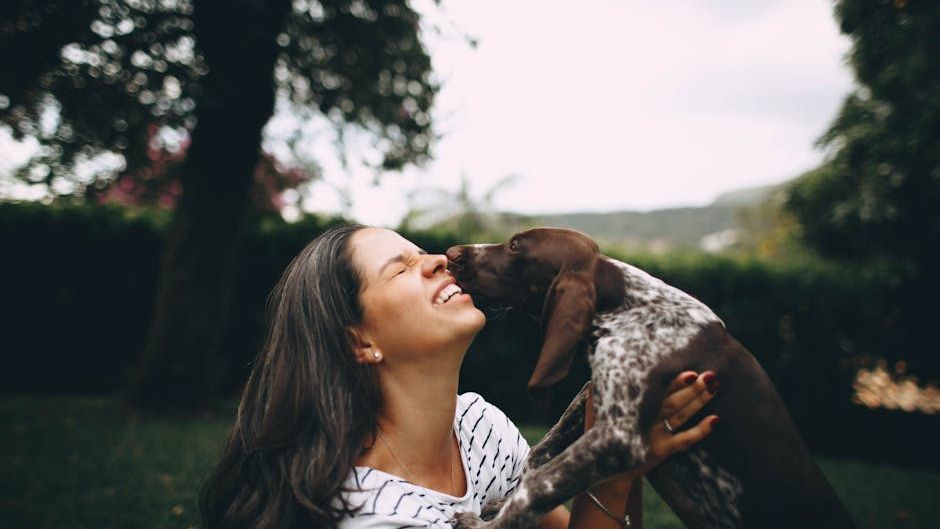
#1. The Loyalty That Human Relationships Don’t Always Guarantee
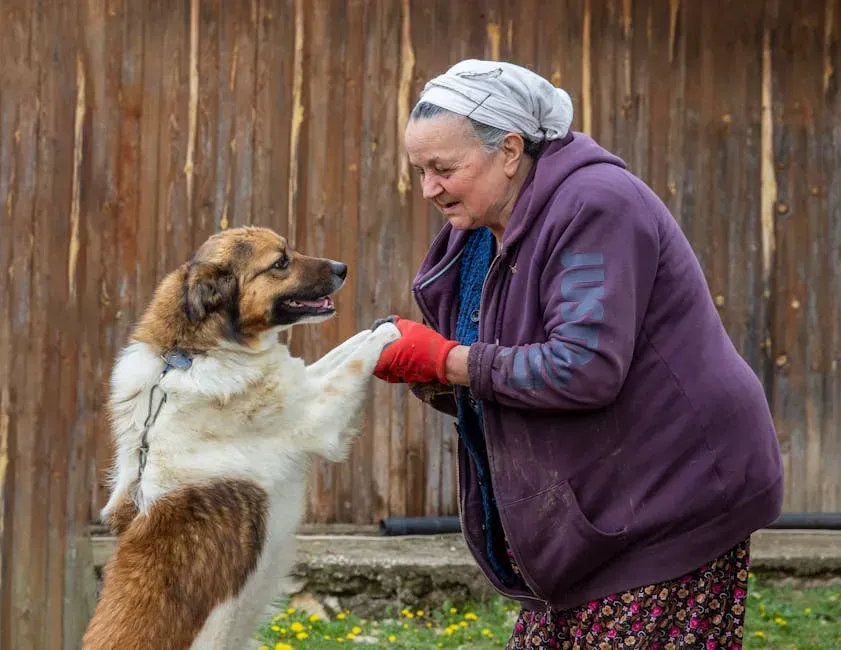
One of the most well-known aspects of dog loyalty is their unconditional love. Unlike humans, dogs do not judge or hold grudges. They are always excited to see their owners, regardless of how much time has passed or what has happened. In human relationships, that kind of consistency is genuinely rare, and most people know it from experience.
Attributes of dogs that led to positive mental wellbeing effects included the concept of the dog being loyal, non-judgmental, and showing empathy and unconditional love. When people find that quality in a dog, they don’t take it lightly. They recognize it for what it is: something they’ve been quietly looking for in people for a long time.
#2. Attachment Theory Explains More Than You’d Expect
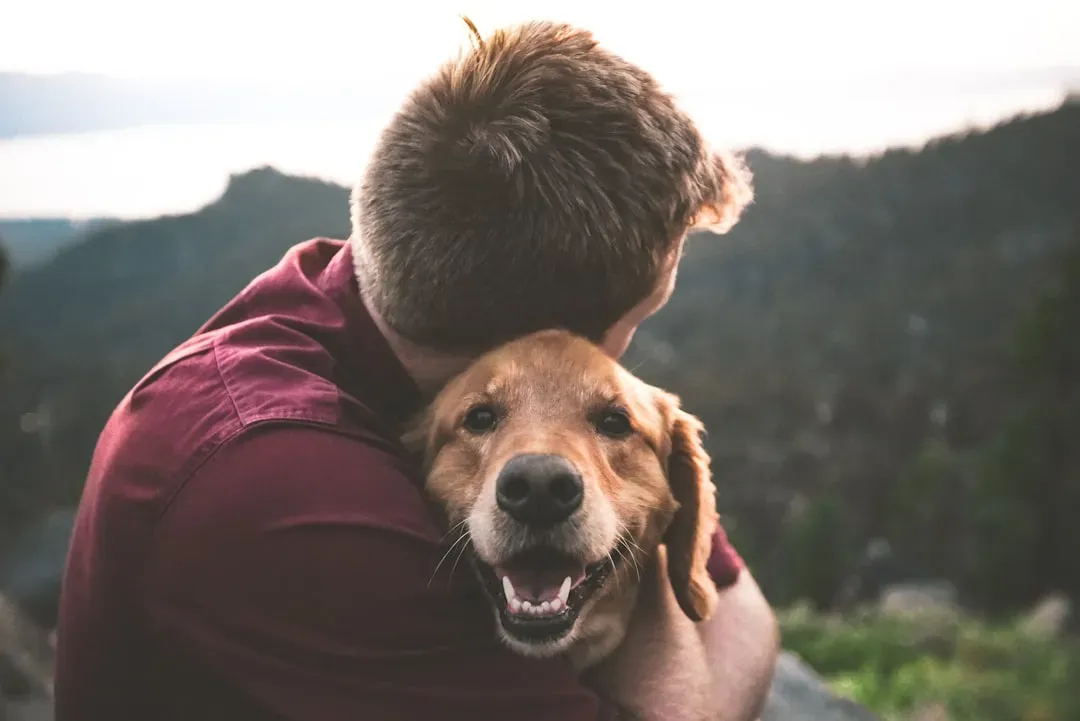
It will come as no surprise to dog lovers that dogs are part of the family, and relationships with those dog family members can be understood in terms of attachment theory. Attachment theory posits that humans have an innate need to form close emotional bonds to others because our ancestors needed protection from competing groups of people, predators, and the environment. That need doesn’t go away just because the world looks different now.
Unlike human relationships, dogs offer nonjudgmental companionship, creating a safe space for emotional vulnerability. Dogs provide consistent companionship, which fosters a sense of stability and predictability that is soothing to the attachment system. For individuals with insecure attachment patterns, dogs can serve as a secure base, offering the emotional safety they may struggle to find in human relationships. That last part is worth sitting with. A dog doesn’t ask you to be anything other than what you are.
#3. Personality Science Reveals Who Bonds Most Deeply
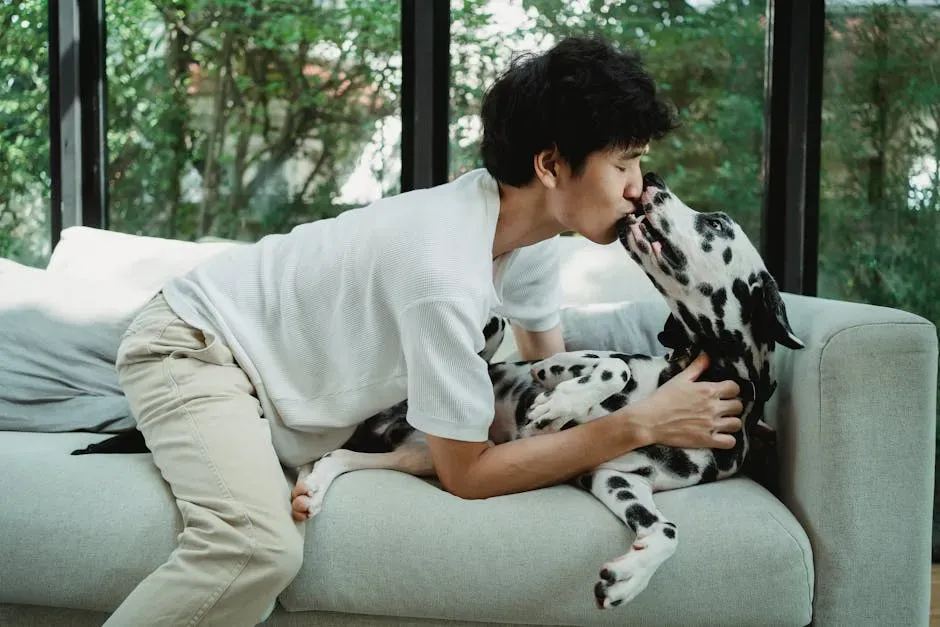
Researchers found that individuals with higher levels of neuroticism and conscientiousness reported stronger bonds with their pets. People higher in conscientiousness tend to invest deeply in commitments, honor routines, and show up reliably for others. It makes sense that they’d gravitate toward a relationship built on those same qualities.
Some researchers have proposed that the health effects of pet ownership might depend on the strength of the emotional bond between the owner and the pet, which could be influenced by the owner’s personality. In other words, not everyone bonds with a dog the same way, and those who do bond intensely are often people who already place enormous value on loyalty and emotional consistency in every area of their lives.
#4. The Oxytocin Connection and What It Tells Us About Need
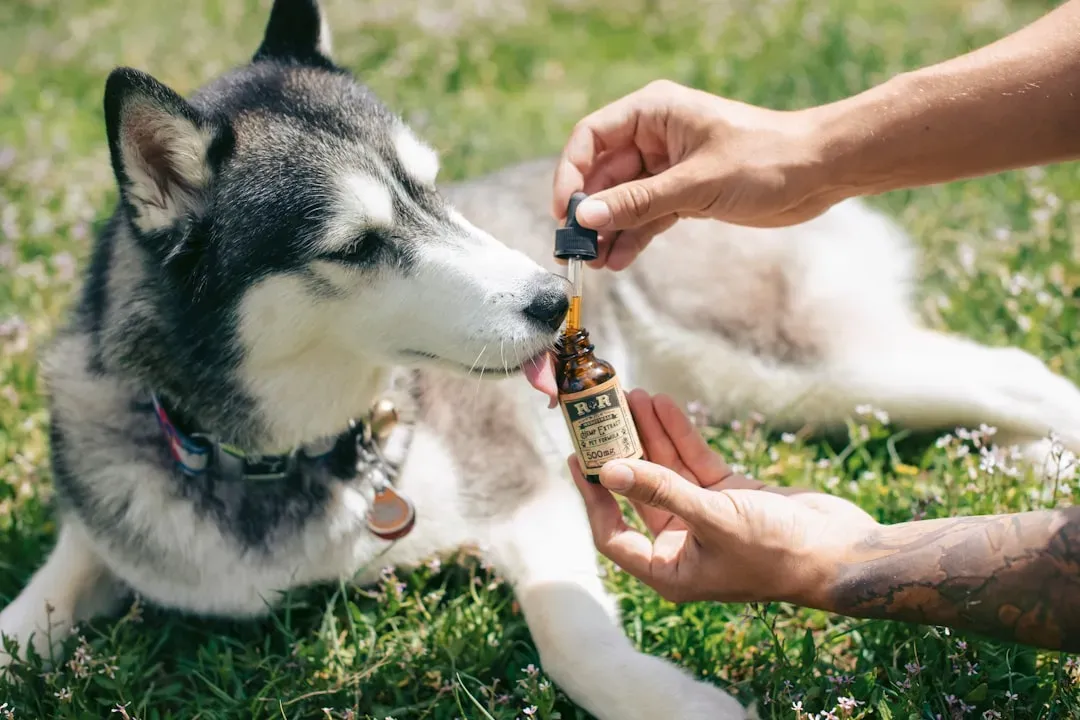
When you share a loving gaze with your dog, both of your brains release oxytocin, often referred to as the “love hormone.” This chemical plays a crucial role in social bonding and is the same hormone that strengthens the connection between human mothers and their infants. The mutual release of oxytocin during interactions like petting, playing, or simply making eye contact reinforces the bond between you and your dog, fostering feelings of trust and loyalty.
Due to the unconditional love, consistency, touch, and non-judgmental love that animals provide, pets help soothe humans during emotional turmoil as emotional anchors. As a result of this bond, pets help increase oxytocin while also reducing cortisol, the stress hormone. That biological loop is powerful. Every interaction reinforces the sense of being valued and safe, which is precisely what craving loyalty is really about at its core.
#5. What Loving a Dog Actually Reveals About How You Love People

Research on attachment shows that people who form secure bonds with animals tend to display higher levels of responsibility and follow-through in other areas of life too. How someone treats a dog when no one is watching says a great deal. The patience, the attentiveness, the willingness to show up on bad days as well as good ones, these aren’t just dog-owner traits. They’re the traits of someone who takes loyalty seriously as a life value.
Dog ownership can serve as a stepping stone toward healthier relational patterns, both with others and with oneself. Dog ownership is more than just a hobby or lifestyle choice; it is a profound psychological relationship that engages two fundamental human systems: the attachment system and the caregiving system. People who love dogs aren’t just seeking warmth. They’re practicing, and often modeling, the very kind of devotion they hope to find in return.
A Final Thought Worth Keeping
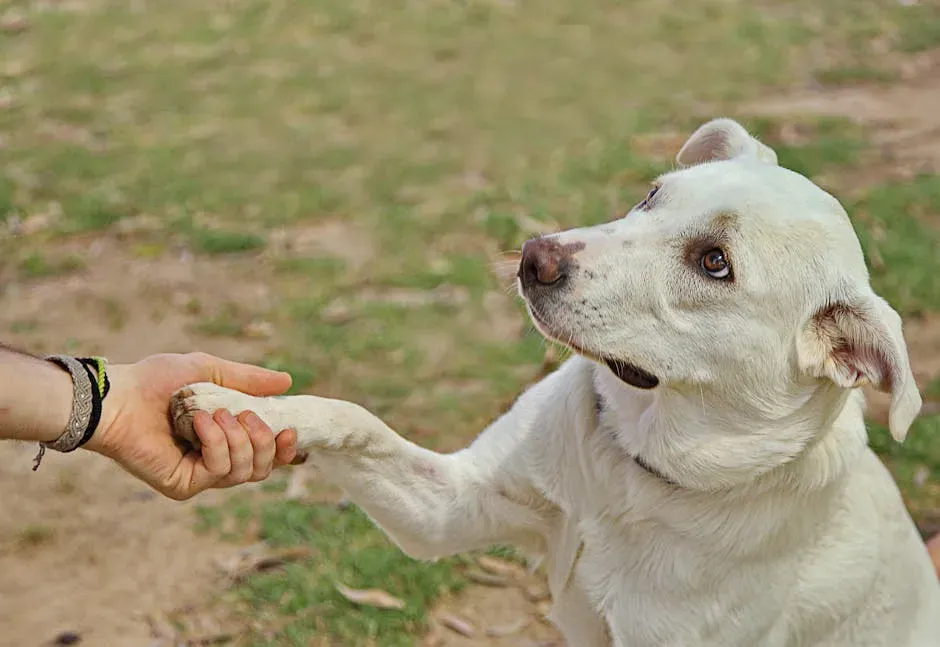
The craving for loyalty isn’t a weakness or a sign of emotional neediness. It’s one of the most honest things a person can want. In a world where relationships are often conditional, distracted, or temporary, the appeal of an animal that greets you the same way every single time isn’t sentimental. It’s deeply rational.
Psychology doesn’t just explain why dog lovers bond so intensely with their animals. It reveals something quieter underneath: that the people who love dogs most fiercely are often the ones who understand better than most what it actually costs to be truly loyal to someone, and how rare it is to find that reflected back without strings attached.
Maybe that’s the real reason a dog curled up on your feet at the end of a hard day feels like enough. Not because you’ve settled for less, but because you’ve finally found what you were looking for.


