
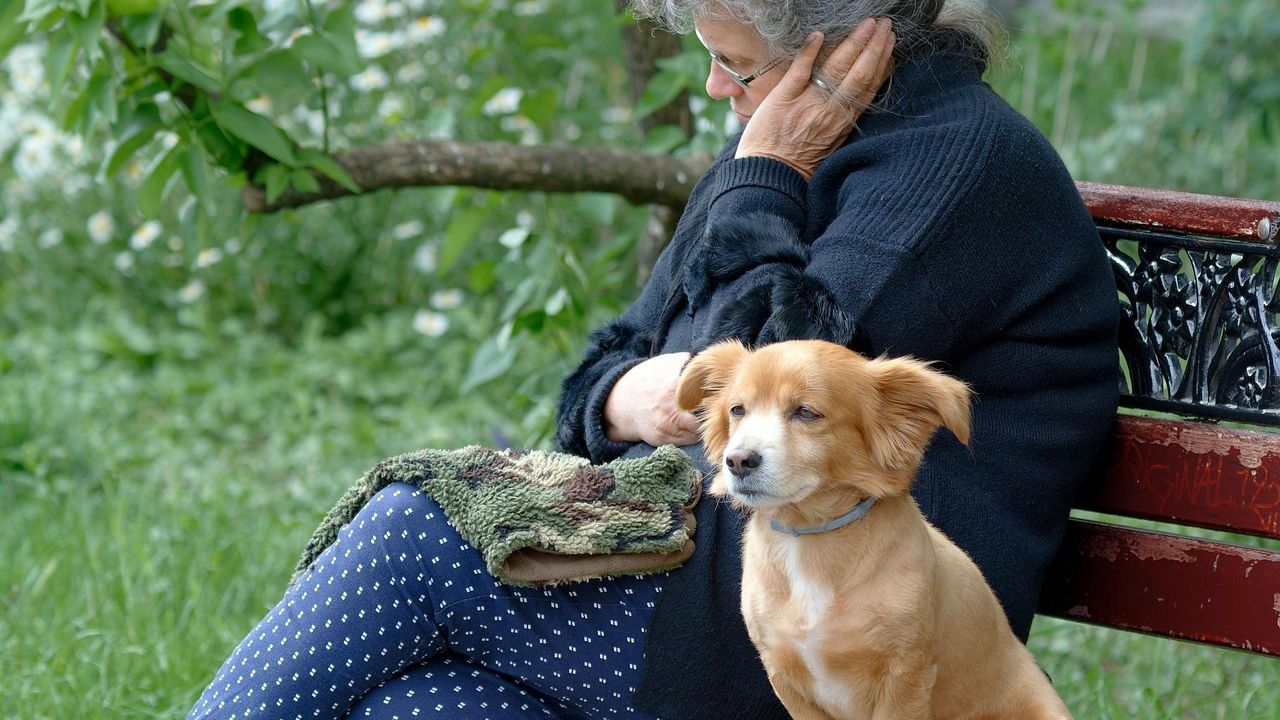
#1. Seeking Out Unusual Hiding Spots

One of the most telling and overlooked signals is a dog that suddenly starts retreating to places it never used to go. If you observe your dog crawling under bushes or decks outside or hiding under or behind furniture inside, take note, because your dog instinctively knows an ill animal in the wild is at risk of being hunted by a predator. This isn’t your dog being antisocial. It’s something much older than that.
Animals, including domesticated dogs and cats, are hardwired to hide when they are feeling sick or weak because they understand that weak animals are easier targets for predators. Sometimes, that instinct is engaged when a pet’s body is slowing down and approaching death, but it can also be triggered by pain, fever, and other treatable signs – which is exactly why a vet call is always worth making.
#2. Withdrawing From the People They Love
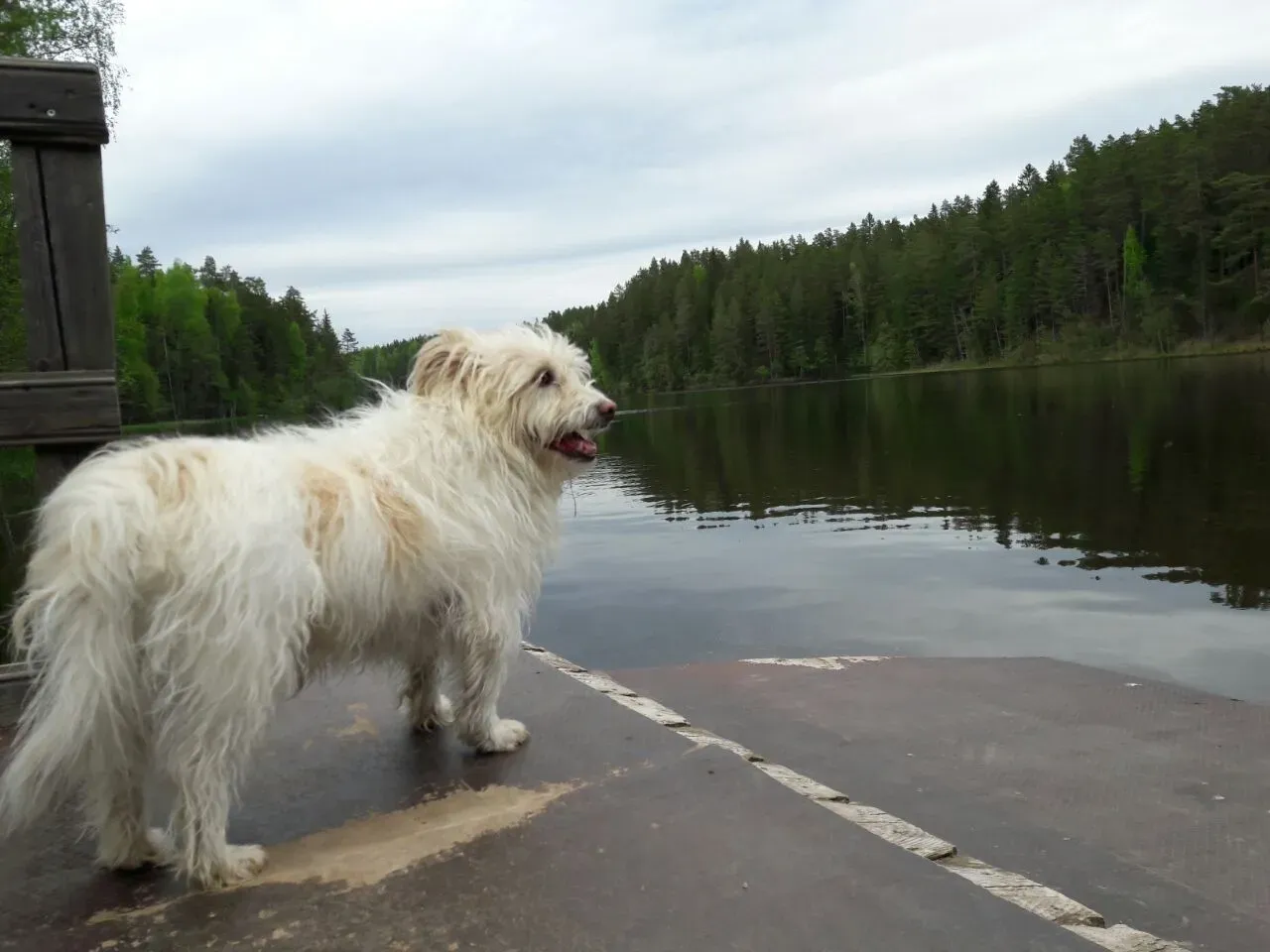
Dogs can begin to withdraw from people or other animals in the home, may no longer value playtime or toys that used to keep their attention, some get anxious in crowds or appear agitated when company comes, and reduced affection towards you or the group might be a sign of more serious illness. For a dog that used to greet every visitor with enthusiasm, this kind of quiet retreat is especially jarring.
Dying pets may behave differently around people, often becoming more distant or sometimes more clingy. Choosing to hide or isolate themselves may reflect fatigue and a desire for quiet, or an instinct to separate oneself from others when the end is near. If your dog is doing both – switching between clinging to you and then disappearing – that pattern itself is worth paying attention to.
#3. A Quiet, Unexplained Loss of Appetite

When the body begins to shut down, your dog may become averse to food or eat less than they usually do. Dehydration is also common in this situation, as they may even avoid drinking water. What makes this behavior particularly deceptive is that it often starts slowly – a missed meal here, smaller portions there – and owners commonly chalk it up to a picky mood or the heat.
While mild appetite changes can occur with aging due to reduced smell or taste, sustained refusal to eat is usually linked to pain, nausea, fatigue, or organ failure. Forcing food rarely improves wellbeing and can increase stress. If your dog has stopped eating consistently for more than a day or two, that’s not a phase. That’s a sign.
#4. Sleeping Far More Than Usual

Every senior dog sleeps more. That’s completely normal. The difference worth watching for is when sleep starts to feel less like rest and more like retreat. Senior dogs sleep a lot, and as your dog nears the end of his life, he will sleep more and more and will tire more easily. He may also opt to stay home on his dog bed instead of going on walks and outings like he used to.
A dog may start to sleep more and seek out isolation in areas where he or she can be undisturbed. Dog owners may notice that some behaviors and activities may start to lessen or disappear from the dog’s usual repertoire. When sleep replaces everything – play, curiosity, interaction – it’s a different kind of stillness than ordinary rest, and it matters.
#5. Complete Disinterest in Things They Once Loved

This one is quieter than most, and it tends to arrive so gradually that owners miss the shift entirely until they look back. As a dog’s health declines, it may no longer show interest in its favorite activities. They may not rouse to play with toys, play with their pet siblings, or bark at small animals or passing cars, and a lack of interest in what’s happening around them can signify they are near the end of their journey.
As a dog’s illness progresses and natural death nears, their personality, behaviors, and physical abilities may change, including less interest in activities they previously enjoyed such as toys, walks, car rides, and belly rubs. A significant and often heartbreaking sign is loss of interest in daily life, as dogs experiencing chronic pain or cognitive decline often withdraw long before physical symptoms become severe. When a dog no longer experiences comfort, curiosity, or enjoyment, quality of life is often significantly compromised.
#6. Subtle but Persistent Changes in Breathing

Breathing changes are easy to dismiss as tiredness after a walk or a warm day. That’s what makes them so dangerous to overlook. Irregular, shallow, or labored breathing is a warning sign that a dog may be dying. Particularly in a pet’s final hours, a gasping breath pattern may occur. Because breathing difficulties can be painful and distressing, you should seek timely veterinary care if you notice this end-of-life behavior in your pet.
Shallow breathing, excessive panting, or heavy sighing are all worth noting, especially when they appear without an obvious cause like exercise or temperature. Breathing changes should always be taken seriously, and respiratory distress is one of the most uncomfortable experiences for dogs. Even a subtle change in breathing rhythm, especially at rest, warrants a vet conversation sooner rather than later.
#7. Restlessness and the Inability to Get Comfortable

Some dogs will become restless, wandering the house and seeming unable to settle or get comfortable. Others will be abnormally still and may even be unresponsive. Your dog’s sleeping patterns may change. This unpredictability – the pacing, the lying down and immediately getting up, the shifting from room to room – is actually one of the more significant behavioral signals of internal distress.
You may notice your dog pacing at night, or appearing restless and unable to settle. Dogs that seek refuge under beds or in corners suddenly might be experiencing distressing pain or fear. When dogs experience pain, they may demonstrate alterations in their behavior, which can manifest as restlessness, agitation, aggression, or a reluctance to partake in activities that usually bring them joy.
#8. Changes in Sleeping Position or Location

Most people never think to track where or how their dog sleeps. It turns out, it tells you a great deal. A change in sleeping position or location is significant. A dog who used to enjoy sleeping on his side may now prefer to sleep on his chest to make breathing easier. Your dog may extend his neck while sleeping or drape it off the bed, or leave his bed to rest on a hard surface such as a rug or the floor. While some dogs have always exhibited these behaviors, for your dog, it may be new.
Hard floors can actually feel more soothing on inflamed joints or an uncomfortable abdomen than a soft dog bed. A dog who sleeps lightly, gets up frequently to pace the room, or moves to a new sleep location during the night may be ailing, and senior dog anxiety at night can definitely increase. These postural and positional shifts are the body’s way of managing pain when the dog has no other way to communicate it.
#9. Incontinence Without Prior History

A dog that has been reliably house-trained for years suddenly having accidents inside is one of the most frequently misread signals. Owners often feel frustrated or confused, attributing it to stubbornness or cognitive decline, without recognizing that it can signal something more serious. Dying pets may lose control of their bladder or bowels in the days before passing. Accidents can occur due to weakness, decreased mobility, nervous system problems, or organ failure, even after previously perfect housetraining.
As dogs age or decline, loss of bladder and bowel control becomes more common. Incontinence is not behavioral regression. It is a physical limitation. Responding with patience and gentle care rather than frustration is one of the most important things you can do in this phase. The dog isn’t choosing this. Their body simply isn’t cooperating anymore.
#10. Disorientation and Seeming “Lost” at Home
This behavior tends to come on gradually and can be genuinely alarming when you first notice it. Some pets become mentally disoriented as they decline, which may reflect serious cognitive dysfunction or a health condition affecting the brain and inducing end-of-life behaviors. Affected pets may pace, stare, vocalize, develop anxiety, or seem lost in their once-familiar home. A dog standing at the wrong side of a door, staring blankly at a wall, or failing to recognize a family member isn’t just “having an off day.”
Extreme behavioral changes – including aggression, fear, confusion, or disorientation from your dog who was fine yesterday – can signify a medical condition. Some pets become mentally disoriented as they decline, and affected pets may pace, stare, vocalize, develop anxiety, or seem lost in their once-familiar home. The key word here is change. If a dog that was sharp and responsive is suddenly walking in circles or seems confused by familiar spaces, that deserves prompt veterinary attention.
#11. Unexplained Weight Loss and Muscle Wasting

Weight loss in older dogs is common enough that many owners don’t register it as alarming until it becomes severe. Weight loss is very common in senior dogs and will start well before the end of life. Part of this is a normal aspect of the aging process: as the dog gets older, his body becomes less efficient at digesting protein, which causes him to lose muscle mass. That said, rapid or escalating weight loss is a different matter entirely.
Weight loss often accelerates as the dog ages or becomes more ill, even if he is still eating full meals. Visible weight loss and muscle thinning are important warning signs, particularly when they appear alongside other behavioral shifts listed here. Small changes to energy level, eating and drinking habits, breathing patterns, and behavior are clues to take seriously and discuss with your veterinarian. Running a hand along your dog’s spine or ribcage regularly is one of the simplest ways to catch this early.
#12. Subtle Muscle Twitching and Weakness in the Legs

This is one of the least talked about signs, largely because it can be so easy to miss. Involuntary muscle twitching or spasms are common and are possibly caused by electrolyte imbalances due to a lack of eating nutrients. You might see it as a brief shiver, a small tremor in the hindquarters, or a leg that seems to buckle slightly when your dog stands. It can look like cold, or clumsiness, or just old age.
As your dog’s body ages, his muscles and nerves stop functioning as well as they used to. Between the loss of muscle mass and the malfunction of proprioceptive nerves, coordination will decline. He may struggle with steps and navigating obstacles, or slip on non-carpeted surfaces. Some dogs stumble or have trouble placing their feet correctly when walking. These signs are usually progressive, with only mild periodic bumbles at first that slowly become more frequent and more severe.
What to Do When You Notice These Signs

None of these signs, taken alone, is an automatic death sentence. Some of them point toward treatable conditions that a vet can address with the right intervention. Remember that these signs can occur with many health conditions, so it is essential to have your dog evaluated by your veterinarian to determine the severity of your dog’s illness. The critical thing is to act quickly rather than wait and hope things improve on their own.
Guardians are most often the first people to notice early signs of illness or distress. You know your dog best, and you are your dog’s best advocate. You know their subtle behaviors, routines, and body language. That knowledge is genuinely irreplaceable. Trust your gut as a pet owner, especially if other signs of dying are present or your pet has a diagnosis that makes dying more likely. Reach out to your veterinarian or a hospice care provider for further guidance.
If your dog hides at the end of his life, it’s not because he didn’t love you or consider you his best friend. Even if you would have given him every comfort at the end, he was just following an instinct as a dog to hide for protection. He still loves you. That truth is worth holding onto.
A Final Word


