
Every night, before your dog settles in for sleep, they do something instinctive. They look for you. They might pad softly into your room, place their nose near your hand, or simply stand in your doorway for a moment before curling up. It’s brief. Easy to miss. Yet this one small act reveals something profound about how your dog sees you in relation to themselves.
#1: The Bedtime Check-In: What It Really Means
Similar to how a mother checks on her sleeping child before going to bed, a dog’s pre-sleep check on their owner is simply an act of affection. Many dogs will pop their head into their owner’s room as they sleep, checking on their loved one at varied intervals. This isn’t random nocturnal wandering. It’s deliberate, consistent, and deeply relational.
A bonded dog may check in on their sleeping owner multiple times throughout the night, wanting to be sure that you are right in the same spot they left you. These frequent bed checks can be a dog’s way of telling you they love you and want you to be okay. Think about that for a moment. Your dog is essentially tucking you in, the same way you might check on someone you’re responsible for protecting.
#2: The Science of the “Secure Base Effect”
Research conducted by scientists at the University of Veterinary Medicine in Vienna revealed that the bond between dogs and their owners shares striking similarities with the bond found between parents and children. This study was the first to trace the roots of this bonding back to what’s known as the “secure base effect,” which plays a fundamental role in parent-child bonding. This was not a minor finding. It fundamentally shifted how behavioral scientists think about the dog-human relationship.
Children only interact with their surroundings when they feel safe to do so – this is called the secure base effect. Without it, infants have a hard time growing into confident, independent adults. Scientific research shows that dogs have a similar relationship with their human owners. Once we prove to be trustworthy, canines start perceiving us as care providers and guardians. Your dog’s nighttime check-in is an expression of exactly this instinct – a need to confirm that their secure base is still present and safe.
#3: Sleeping Close as a Declaration of Trust
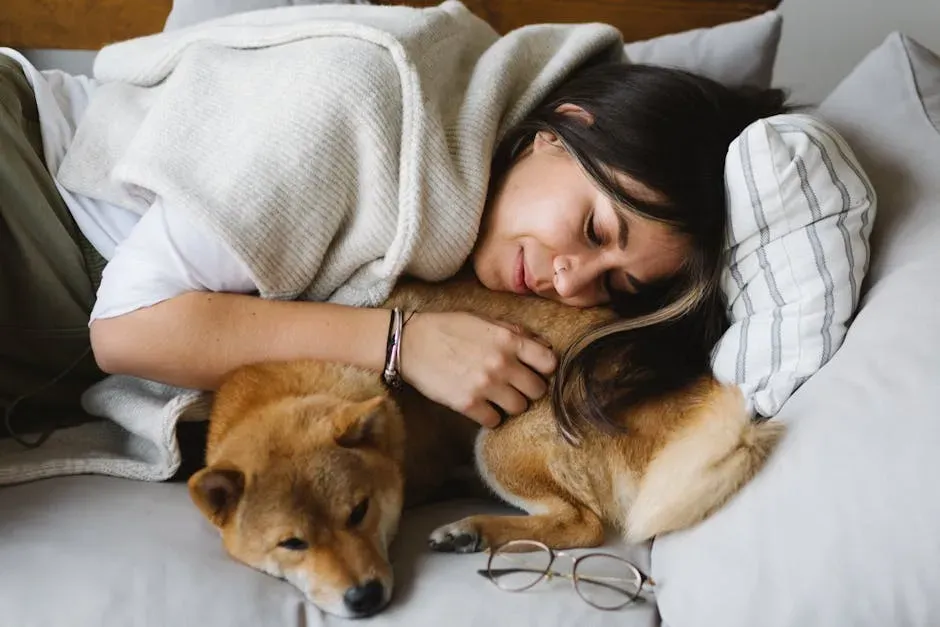
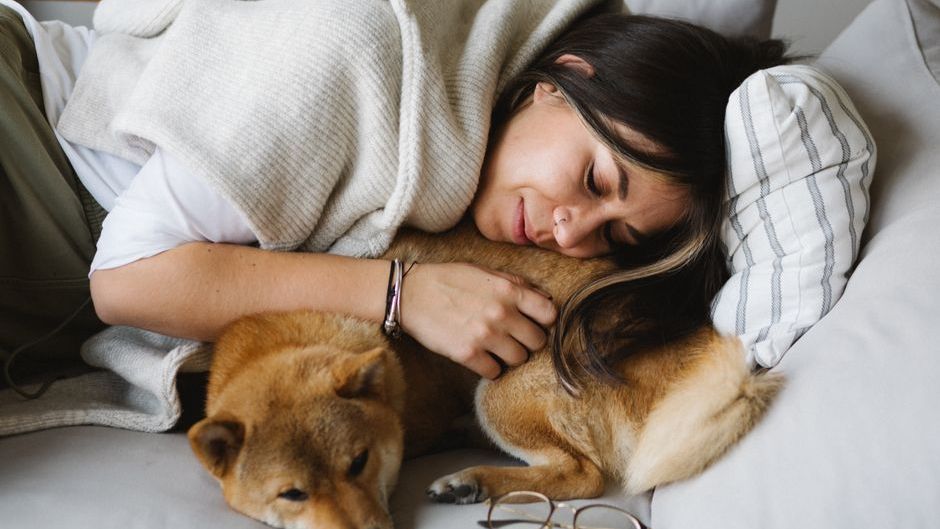
Dogs are at their most vulnerable when they sleep. If your dog chooses to sleep close to you, it’s a sign that they feel safe and protected in your presence. Dogs that trust their owners will often lay next to them, either on the couch, at the foot of the bed, or even in the same room, as a way of maintaining that bond. Vulnerability and trust go hand in hand for a dog. Choosing to be near you at the most defenceless moment of their day is not coincidence.
Research has found that higher attachment scores in dogs were associated with more time spent in NREM sleep, as well as specific differences in brain activity patterns. When dogs sleep in a novel environment in the company of their owners, differences in their attachment are reflected in their sleep EEG characteristics. In other words, a dog’s brain actually behaves differently during sleep depending on how strongly they’re bonded to you. The attachment isn’t just emotional. It’s neurological.
#4: The “Velcro Dog” Pre-Bed Ritual and What It Signals
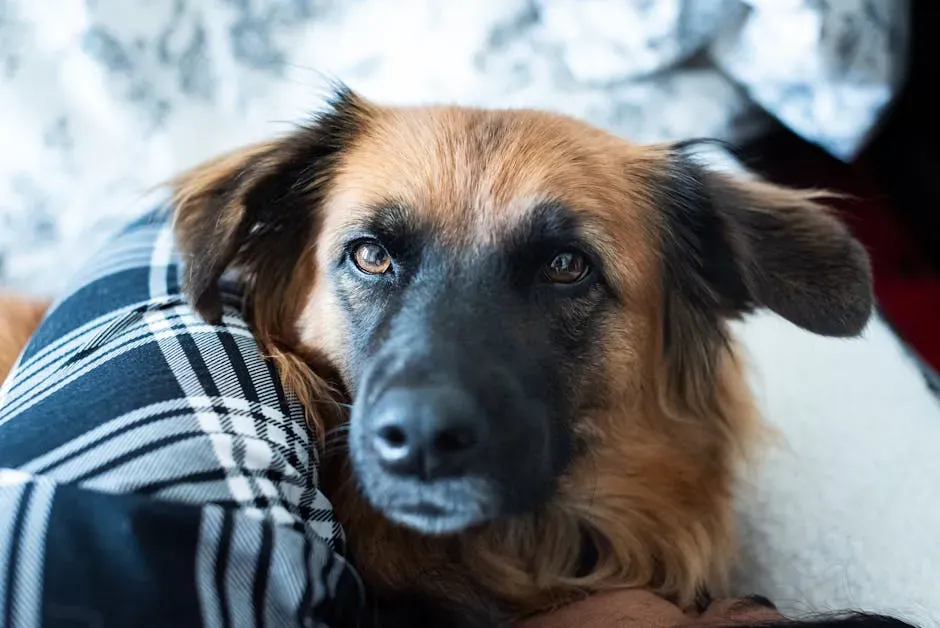
If your dog follows you from room to room, it’s one of the clearest signs of attachment. This behavior, often called “velcro dogging,” reflects your dog’s desire to be near you at all times. You’ll notice this behavior intensifies right before bed. Your dog trails you from the kitchen to the bathroom to the bedroom, not because they’re hungry or unsettled, but because the day is ending and they want to confirm where you’ll be.
While dogs may not cognitively recognize us as “mom” in the biological sense, they do associate us with safety, comfort, and security – mirroring the way a child might view a parent. This attachment, sometimes called “secure-base behavior,” means dogs feel braver and more confident exploring the world when their human is near. The pre-bed shadow routine is your dog doing a final inventory of their world – and you are the most important item on that list.
#5: The Oxytocin Connection and Emotional Synchrony
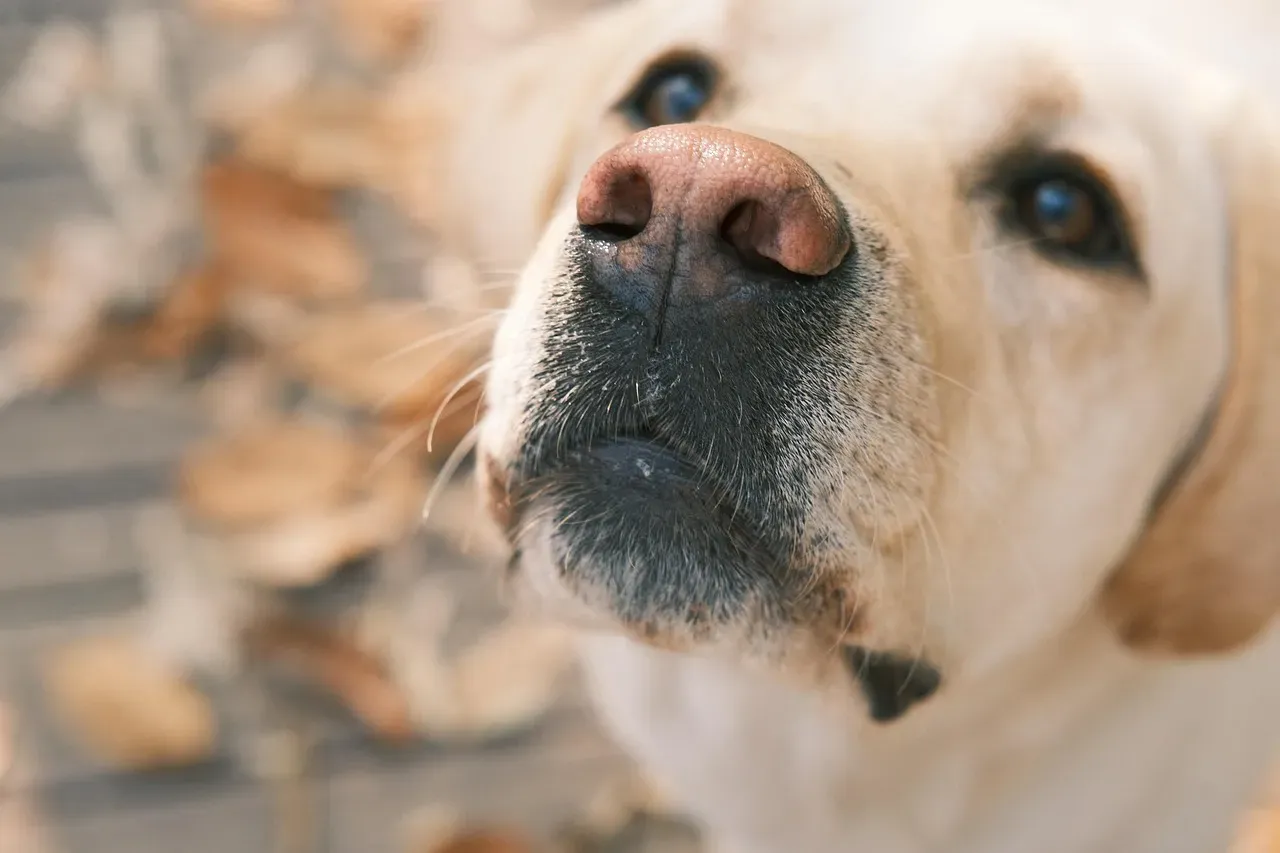
Dogs that are emotionally attached to their owners tend to maintain eye contact, looking at them with soft, relaxed eyes. Eye contact releases oxytocin, often referred to as the “love hormone,” in both dogs and humans, which helps to further foster a sense of connection and affection between pet and parent. That last meaningful look your dog gives you before settling down for the night is not accidental. It’s biochemically driven closeness.
Studies have shown that oxytocin levels increase in both dogs and humans when they interact with each other, such as during petting and eye contact. This surge of oxytocin reinforces the bond and promotes feelings of trust and affection. The calm, slow blink or soft gaze your dog offers right before sleep isn’t just sweet to witness. It’s a measurable moment of mutual bonding that mirrors what happens between a parent and a child at the end of a long day.
#6: What Attachment Theory Tells Us About Your Role in Their Life
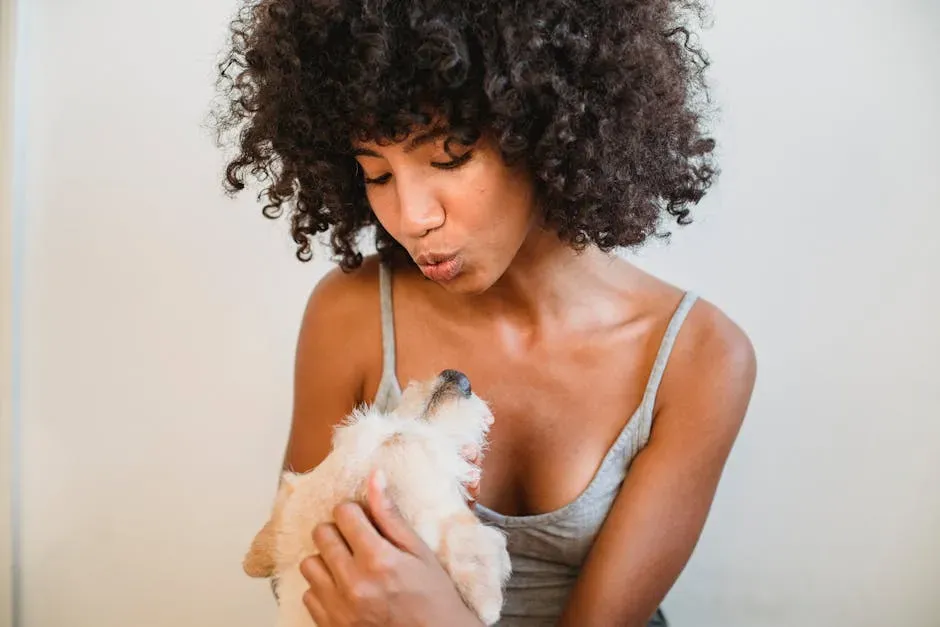
An attachment bond is a close emotional relationship between two individuals. The dog-owner relationship shows some similarities to the human caregiver-infant relationship. Dogs show similar behaviors of attachment, such as approaching, following, clinging, or vocalizing towards their owners. These aren’t learned tricks. They’re instinctive responses to a figure of safety – which, for your dog, is you.
The attachment bonds dogs form with humans are in many ways similar to parent-child relationships. These connections are built on mutual trust, emotional synchrony, and social learning. In many ways, your dog really does see you as their mom or dad. Science backs up what our hearts already knew: you are their safe haven, their teacher, and their ultimate source of comfort. Every bedtime check, every soft look in the hallway, every nose placed gently on your knee before they curl up – it all points to the same truth.
What This Means for You as a Dog Owner
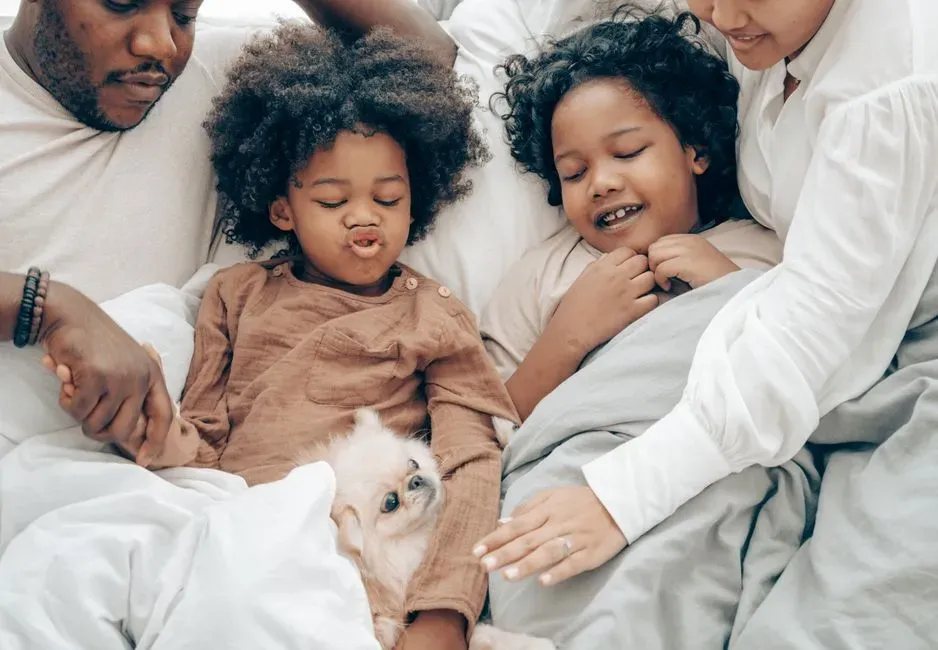
There’s something quietly powerful about understanding this. Your dog isn’t just looking for food or habit when they appear at your bedside each night. They’re checking on the most important relationship in their world. That’s not projection. It’s observable behavior rooted in decades of behavioral science.
Research suggests dogs view their owners as a combination of both parent and companion. They form attachment bonds similar to those between children and parents, while also maintaining unique aspects of dog-human companionship. Knowing this should change how you respond. According to professional dog trainers, positive reinforcement strengthens the dog-human bond and helps your pet feel safe, loved, and emotionally connected. When your dog does their bedtime check, acknowledging them – a gentle pat, a soft word, making eye contact – reinforces everything they’re already trying to tell you.
The parent-child bond is one of the most studied and revered connections in all of human experience. The fact that your dog reaches for something so close to that each evening, asking only that you be present and safe, is one of the more remarkable things about sharing a life with them. They don’t need much. They just need to know you’re still there. And honestly, there’s a kind of grace in that simplicity that we could all learn something from.


