

#1: Becoming Unusually Clingy or Velcro-Like

Some dogs become excessively clingy near the end of their lives, constantly seeking your attention, following you from room to room, and becoming anxious when left alone. This increased need for security and comfort is a natural response to their weakening state. It can feel flattering at first, even sweet, until you realize something deeper is happening beneath the surface.
Elderly dogs can become extremely clingy in their final days, following their owners’ every step, even waiting outside the bathroom door. This behavioral change is a manifestation of their deep attachment and reluctance to part. If your dog, who has always been independent, suddenly can’t stand being more than a few feet away from you, pay attention. That closeness isn’t neediness. It’s love speaking in the only language available.
#2: Withdrawing Into Solitude

You might notice your dog becoming more withdrawn, seeking out quiet spots in your home where they can be alone. This behavior can be a way for your dog to find comfort as they prepare to say goodbye. It’s one of the more disorienting shifts to witness, especially if your dog has always been the heart of the household.
Dying pets may behave differently around people, often becoming more distant or sometimes more clingy. Choosing to hide or isolate themselves may reflect fatigue and a desire for quiet, or an instinct to separate oneself from others when the end is near. If your pet displays this end-of-life behavior, avoid forcing interactions, but remain close by so they can feel your calming presence. Respect their space, but don’t disappear. Just being nearby can bring enormous comfort.
#3: Losing Interest in Food and Water

Pets may lose interest in food or water as vital organ functions begin to shut down. Your dog may be reluctant to approach their food bowl, but continue to take treats, or they may stop eating altogether. For a dog that has always been enthusiastic about meals, this can feel like one of the most alarming shifts of all.
A common sign that a dog is close to death is when they start refusing to eat or becoming fussy with certain foods. If they feel sick or take medication that causes a loss of their sense of smell or taste, the pet may also lose their appetite. Warming up food slightly to enhance the scent or offering something especially flavorful can help, but there comes a point where the body is simply shutting down, and refusing food is part of that process rather than a problem to solve.
#4: Sleeping Far More Than Usual

Dogs may sleep more frequently and for longer durations, reflecting their increasing fatigue and decreasing energy levels. Conversely, some dogs may experience restlessness and difficulty settling down or waking up more often. These changes can be due to discomfort, pain, cognitive decline, or disrupted physical functions, especially in aging dogs. The shift can be dramatic or gradual depending on the dog.
Extreme lethargy is one of the most common changes in dog behavior before death. Dogs may no longer have the energy for their usual activities, such as playing, going on walks, or greeting family members. Many senior or terminally ill dogs withdraw to quiet areas of the home, preferring to rest undisturbed. If your once-lively dog now sleeps through the morning walk, through playtime, through the things that used to light them up, that’s a sign worth taking seriously.
#5: A Sudden and Unexpected Burst of Energy
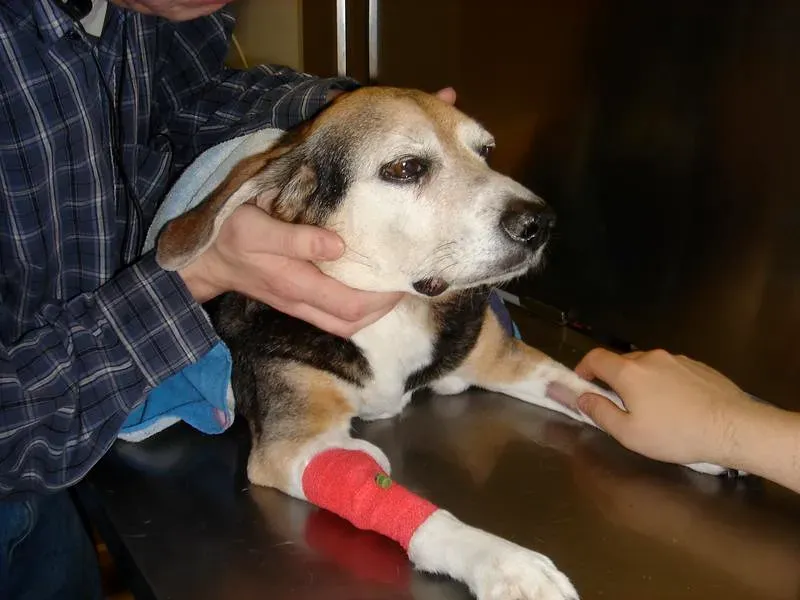
It’s not uncommon for dogs to have a sudden burst of energy before they pass away. This phenomenon, often called the “last bloom” or “rally,” can be confusing and misleading, giving pet owners false hope of recovery. One day they seem to be fading, and the next they want to play, eat, and greet you at the door. It feels like a miracle.
Heartbreakingly, this brief revival is often one of the last signals before decline accelerates. Cherish every second of it. Take the walk. Give the belly rub. Sit outside together if they seem up for it. As you spot these changes, you can create meaningful, peaceful final experiences filled with love and comfort rather than confusion and distress. That burst of life is a gift. Receive it as one.
#6: Prolonged and Meaningful Eye Contact

Many pet owners report that their dogs make prolonged eye contact as if trying to communicate something profound. This can be seen as a final connection or farewell. There’s something about a dog’s gaze in those final days that reaches right into your chest. It’s not the casual glance for a treat or a walk. It’s something else entirely.
Dogs can detect many more smells, sounds, and movements than people can. These keen senses and observations help dogs recognize when we are happy, sad, fearful, stressed, or angry. They are, in their own way, reading us just as much as we’re reading them. That long, quiet look in the final days may be their most honest act of communication. Don’t look away.
#7: Changes in Vocalization

Changes in vocalization patterns can provide insights into a dog’s comfort level, pain, or emotional state as their time draws to a close. Vocalizing, whining, or whimpering more due to discomfort is common. Becoming unusually quiet, ceasing to bark or growl, is equally notable. The dog that once announced every visitor or squirrel now lies in silence, and that silence lands differently.
Emitting low-pitched howls or disoriented barks can occur if experiencing a decline in mental faculties. Whether it’s more noise or less, any shift in your dog’s usual vocal patterns deserves attention. Emotionally, you can expect sensory changes, confusion, and different vocalization patterns that reflect their internal experience. These sounds, or the absence of them, are the closest thing a dog has to spoken words at the very end.
#8: Confusion, Disorientation, and Staring Into Space

Particularly in senior dogs, cognitive decline can manifest as confusion or disorientation, impacting a dog’s awareness of their surroundings. Staring blankly at walls or into space and appearing unresponsive to external stimuli is common. Wandering around the house or pacing back and forth without any clear purpose may also occur. Some dogs stop recognizing their owners, other family members, or even their own home.
Sometimes, dogs near the end of their life experience extreme confusion. They may wander the house aimlessly or get lost in the backyard. There may be times when you think they don’t recognize you or your family members. This is one of the hardest behaviors to witness because it can feel like a kind of absence before the actual absence. Stay gentle. Stay calm. Your voice and your scent still reach them even when their eyes seem far away.
#9: Restlessness and Difficulty Getting Comfortable
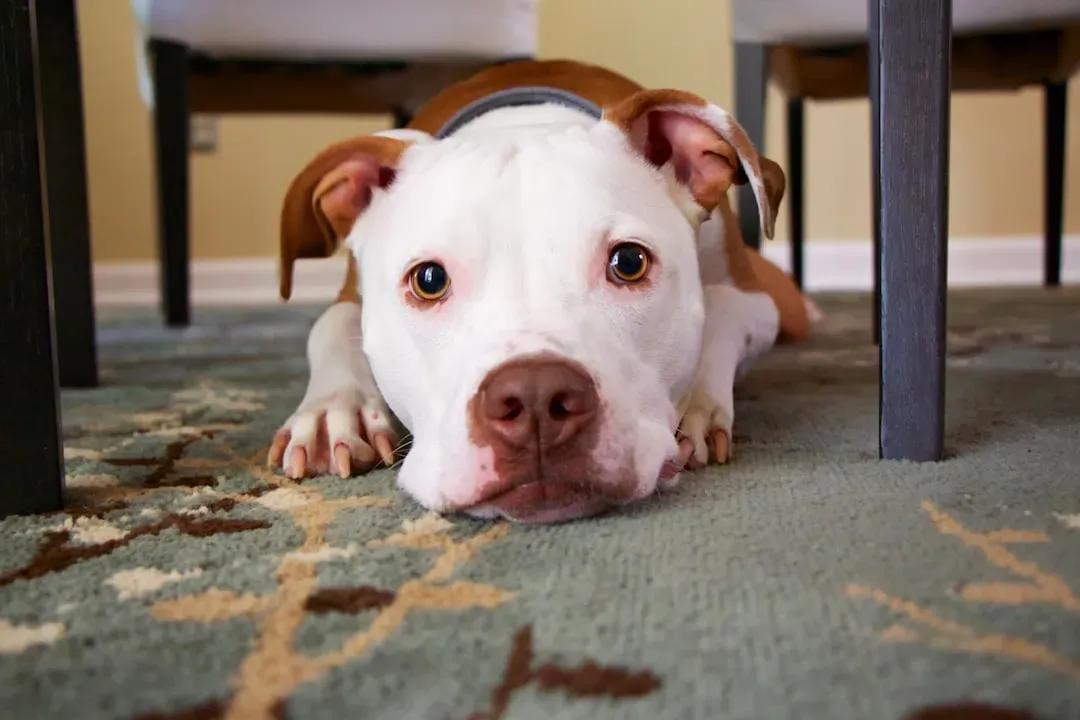
Some dogs will become restless, wandering the house and seeming unable to settle or get comfortable. Others will be abnormally still and may even be unresponsive. Both extremes are worth noting. Restlessness in a dog that was once calm is often a sign of underlying discomfort or pain that they can’t articulate any other way.
A dog’s emotional state can become more fragile as their final journey nears, leading to heightened anxiety or apprehension. Becoming restless, unable to settle in one spot, or engaging in repetitive pacing, even at night, is not unusual. Seeking out secluded or dark places to hide as a way to cope with discomfort is also common. If this is what you’re seeing, a conversation with your vet about pain management is one of the most compassionate things you can do.
#10: Choosing a Specific Spot to Rest and Staying There

This is one of the most common signs that the dying process has begun. Lying in one spot, often a quiet spot where they don’t usually lie, not interested in toys or walks, barely acknowledging family members, in other words, just not acting like themselves. It’s different from ordinary laziness. The spot feels chosen. Deliberate. Final.
Some dogs seek out the comfort and company of their humans to the point of clinginess, while others become more solitary and seek quiet corners to be alone. Some dogs seem to know when they are about to die and wander off to a secluded location in the house or yard for their final moments. Whether they choose to spend that time glued to your side or quietly tucked away, both are forms of the same farewell. Honor it by simply being present, unhurried, and as calm as you can manage through the grief.
A Final Thought: What to Do With What You Know
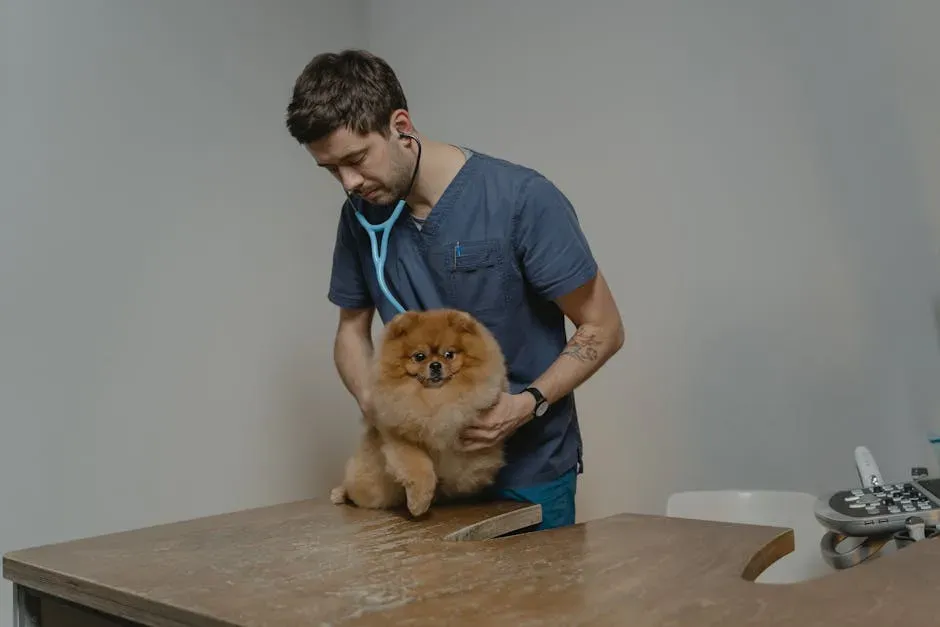
While it’s true that some behavioral changes can signal the end of life, it’s just as important to remember that not every sign of decline means your pet is dying. Many pets, especially seniors, experience health issues that are treatable or manageable with proper veterinary care. So the first and most important step is always the vet. Rule out what can be treated. Then, if the picture becomes clear, you can shift your focus to comfort and presence.
Behavioral and physical changes such as confusion, incontinence, labored breathing, or more bad days than good may indicate it’s time to speak with your vet about end-of-life care. Being present, maintaining comfort, and honoring your pet’s final moments can help bring peace to both you and your beloved companion. None of this is easy to face. Most people look back on a dog’s final days and wish they’d known sooner, been more present, or worried less about the practical and more about the simply being there.
The truth is, your dog has been saying goodbye in small ways throughout their whole life, every time they laid their head in your lap or waited at the door. The behaviors at the end are simply a quieter version of the same thing. They’re not leaving without telling you. You just have to know how to listen.


