
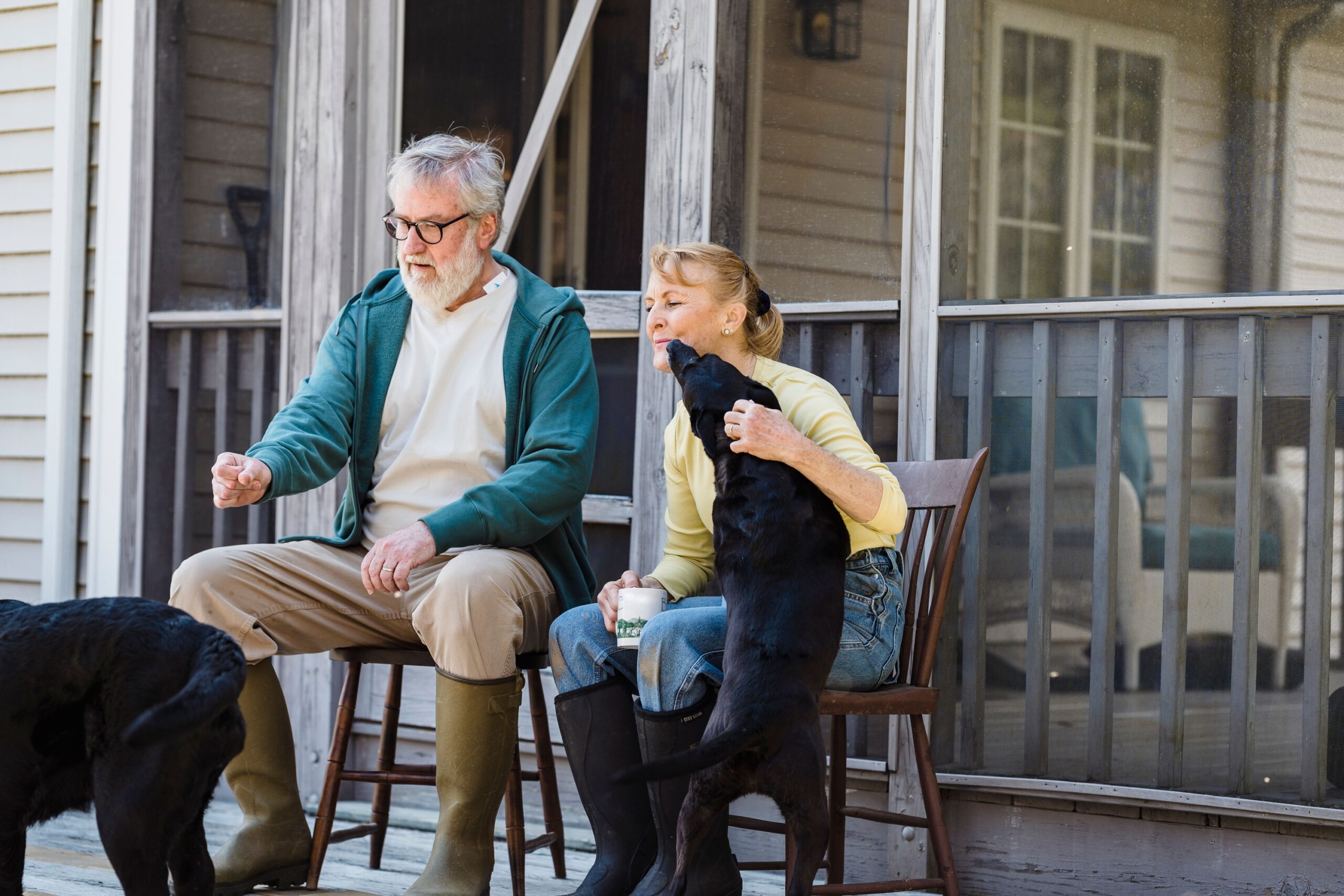
Most people assume that as dogs get older, they quietly fade – less playful, less affectionate, more asleep than awake. It’s an easy assumption to make, and it’s almost entirely wrong.
Senior dogs don’t stop loving you. They just start showing it differently, in smaller, slower, more deliberate ways that are easy to miss if you’re not paying attention. Some of these gestures are subtle enough that owners mistake them for decline, when they’re actually the opposite – a dog’s quiet, aging heart finding new ways to say thank you before time runs out.
13. Seeking Physical Closeness
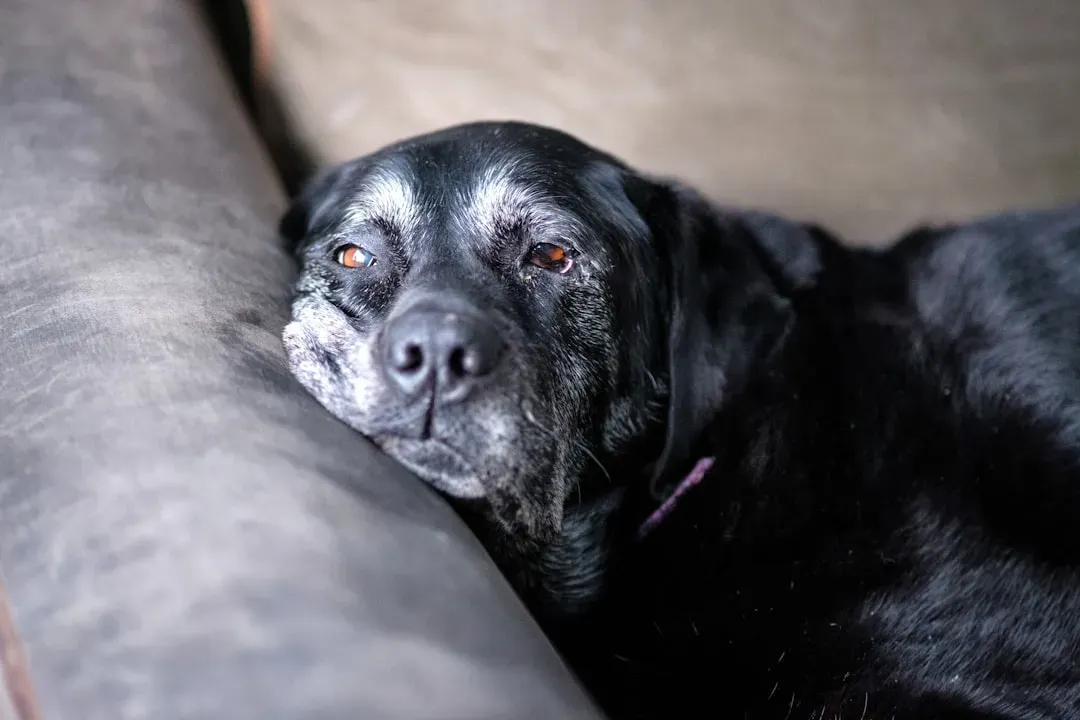
You’ll notice it first in the little things – the way they lean their weight into your leg, or park themselves against your foot instead of across the room like they used to. It’s not neediness. It’s trust, worn soft with age, and it shows up as a body that simply refuses to be far from yours.
Aging is disorienting for a dog. Their joints ache, their senses dull, and the world gets a little less predictable every year. Staying physically close is how they steady themselves against all of that – and it’s also, quietly, their way of saying you’re still the safest place they know.
Fast Facts
- Giant Breeds (over 90 lbs): May be considered senior as early as 5 to 6 years.
- A dog is considered a senior based primarily on their size: small dogs usually become seniors around 10–12 years old, while large and giant breeds may be seniors as early as 6–8 years old.
- Common signs include graying fur around the muzzle, stiffer joints, slower movement, reduced muscle tone, dental wear, and changes in appetite or digestion.
- Increased desire for closeness and touch is one of the most frequently reported behavior shifts in aging dogs.
12. Bringing You Their Favorite Toy
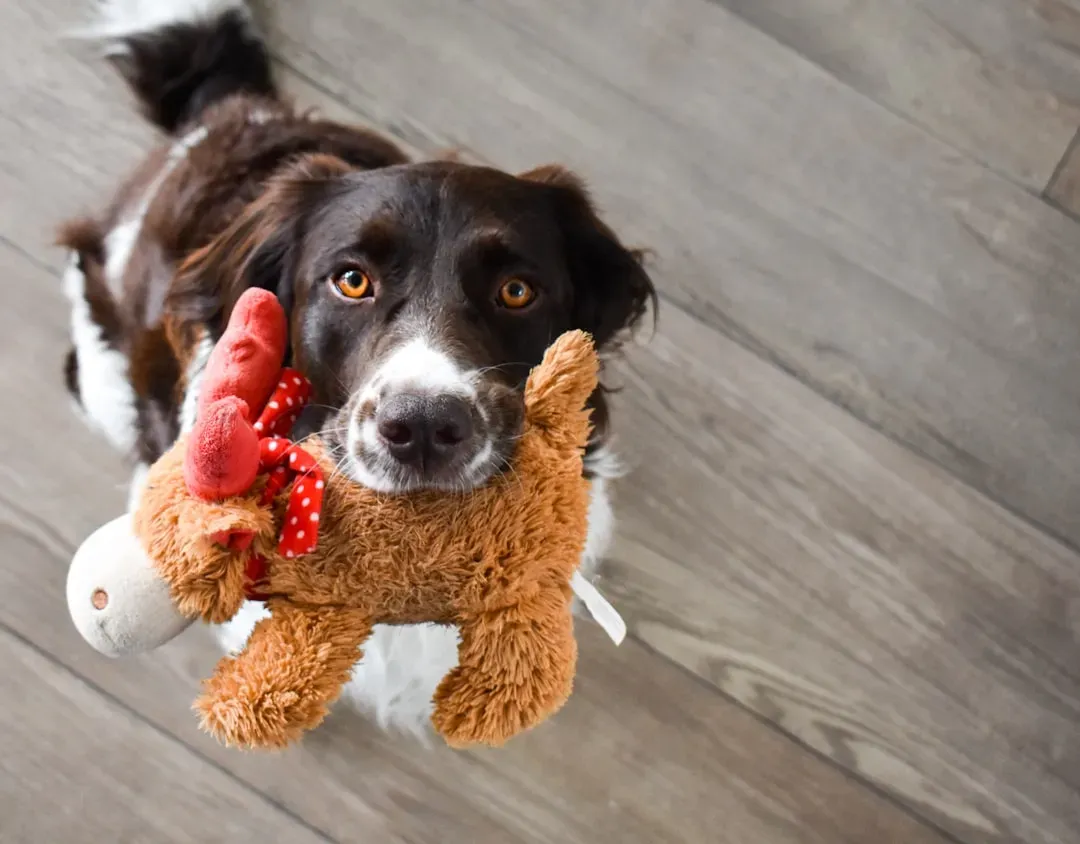
When an old dog drags out a tattered, years-old toy and drops it in your lap, pay attention. That toy has survived a decade of chewing, tug-of-war, and neglect in a toy box – and they chose to give it to you anyway.
It’s not about play anymore, not really. It’s an offering. Even with stiff hips and graying fur, they still want to connect with you the way they did as a puppy, and this is their clumsy, tender way of doing it.
11. Following You Around the House
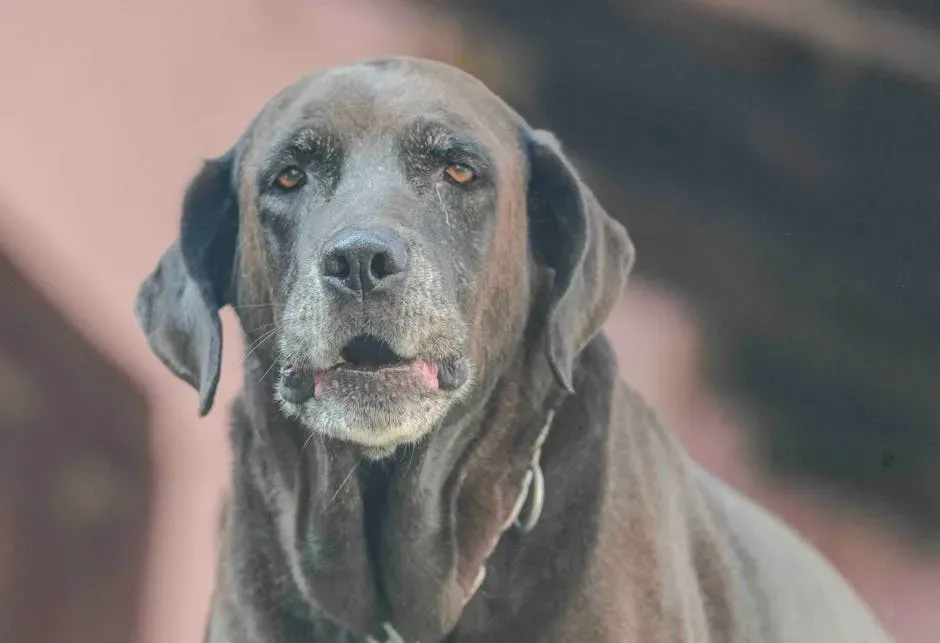
Room to room, task to task – your senior dog trails behind you like a small, slow-moving shadow. It can look like clinginess, or even worry, but it’s usually neither.
It’s devotion in its simplest form. They’ve spent years learning your rhythms, and now, with less time ahead of them than behind, they want to spend as much of it as possible within arm’s reach of you.
10. Gentle Licking
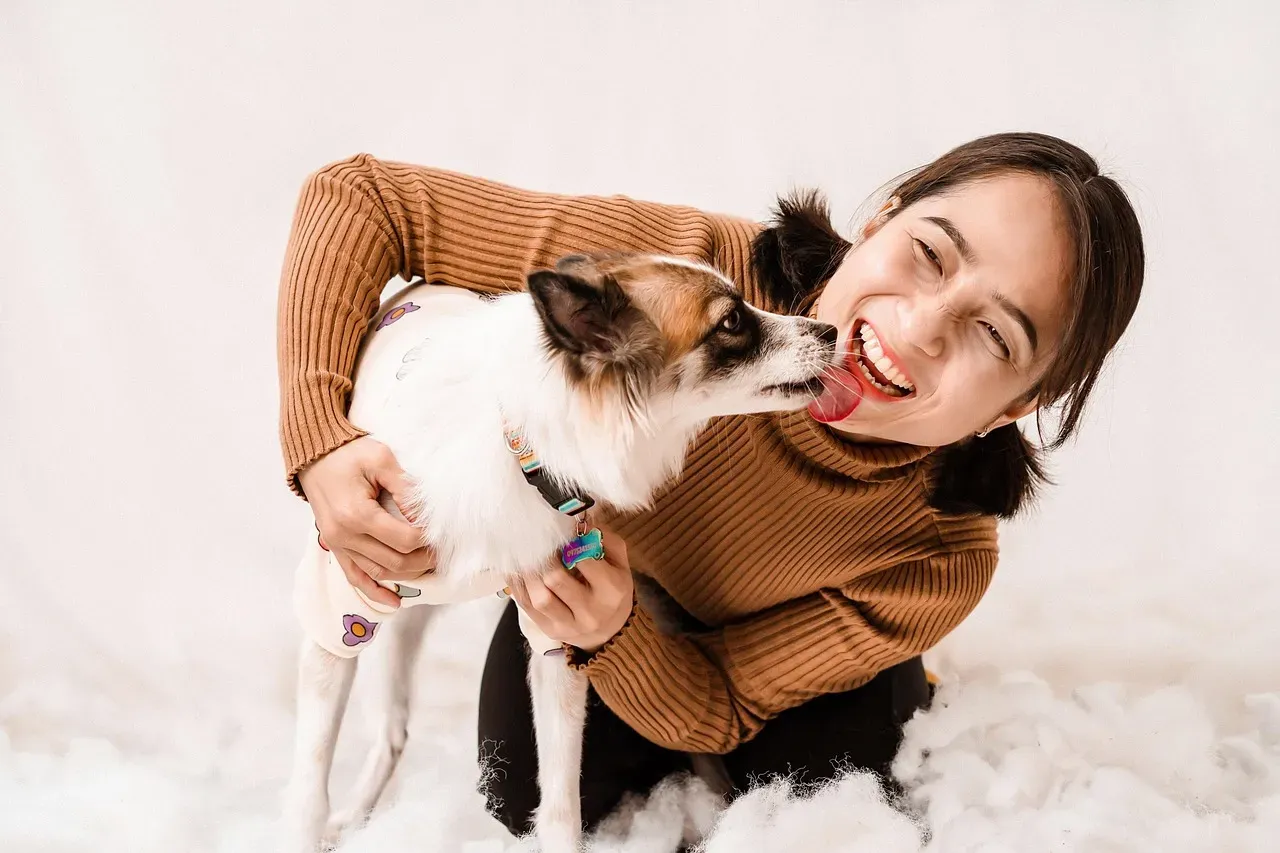
A soft lick on your hand or cheek from an old dog carries a different weight than it did when they were young and hyper. It’s slower, quieter, more deliberate – almost thoughtful.
It can be affection, it can be comfort-seeking, and often it’s both at once. Either way, it’s their nervous system’s way of saying: this contact with you makes things feel okay.
9. Maintaining Long Eye Contact
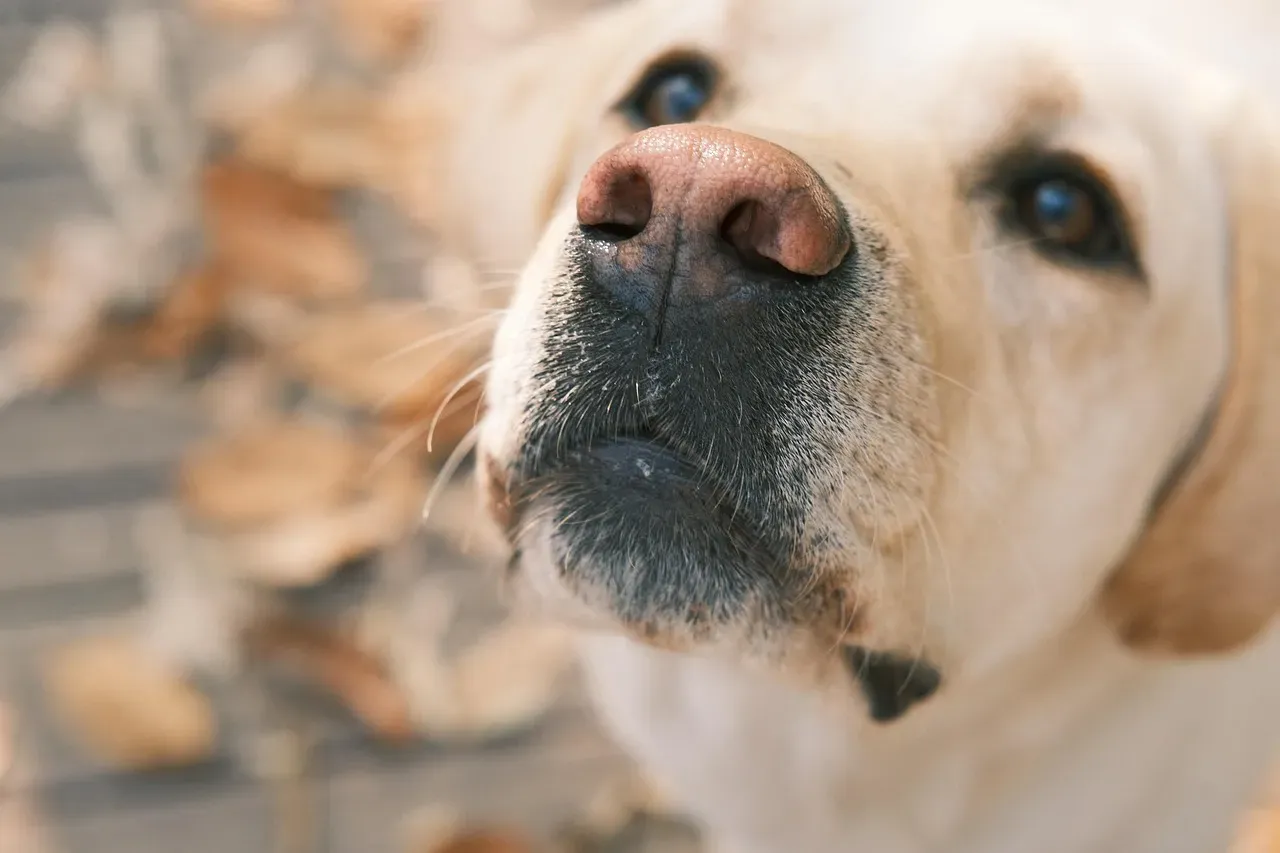
There’s a particular stillness in the way an aging dog holds your gaze – longer than they used to, without the fidgeting or distraction of youth. It’s one of the most powerful, and most overlooked, signs of trust a dog can give you.
Researchers have long noted that sustained eye contact between dogs and their owners can trigger the same bonding hormone response seen between parents and infants. In a senior dog, that lingering look often means something even deeper – they still recognize you, still choose you, even as everything else starts to blur.
Dogs do speak, but only to those who know how to listen.
Orhan Pamuk
8. Wagging Their Tail Despite the Pain
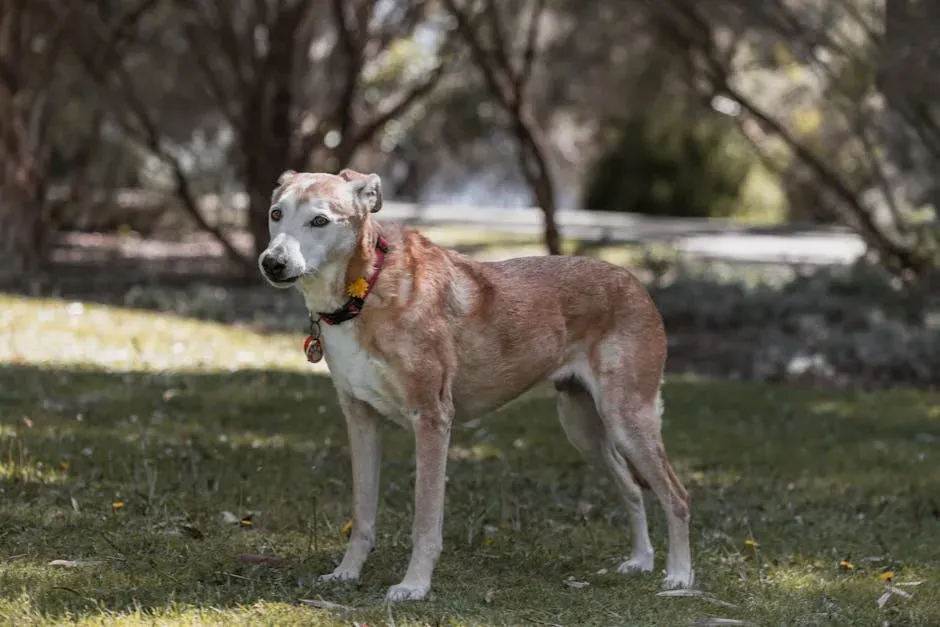
You’ll see it happen even on the hard days – the ones with stiff mornings and slow, careful steps. You walk into the room, and somehow, that tail still finds the energy to thump against the floor.
That effort matters. A senior dog wagging through discomfort isn’t performing happiness; they’re spending precious energy to make sure you know you still light them up.
Worth Knowing
- One in five dogs will develop arthritis as they age.
- A slower, lower wag in an older dog is often a sign of contentment rather than excitement.
- Watching for changes in a senior dog’s movement patterns can offer an early clue to joint pain.
7. Choosing to Sleep Beside You
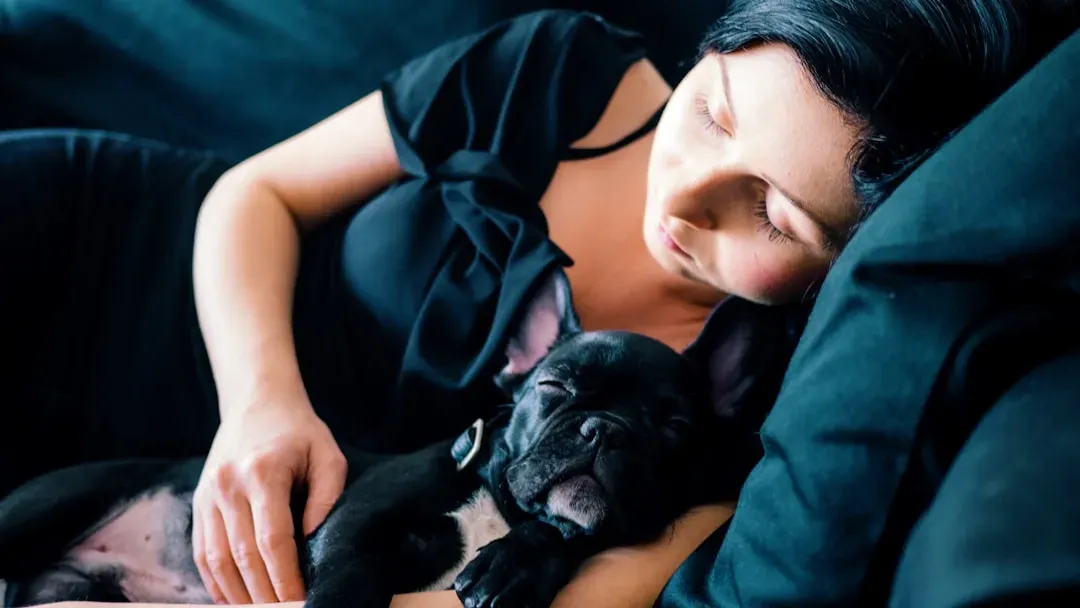
Sleep is when a dog is at their most defenseless, and an aging dog choosing to spend that vulnerable time pressed against you is not a small thing. It’s one of the clearest statements of trust they have left to give.
As their senses fade – hearing dulling, eyesight clouding – proximity becomes their new form of security. Sleeping beside you means they’ve decided, without hesitation, that you’re still worth trusting completely.
6. Leaning Their Full Weight Against You
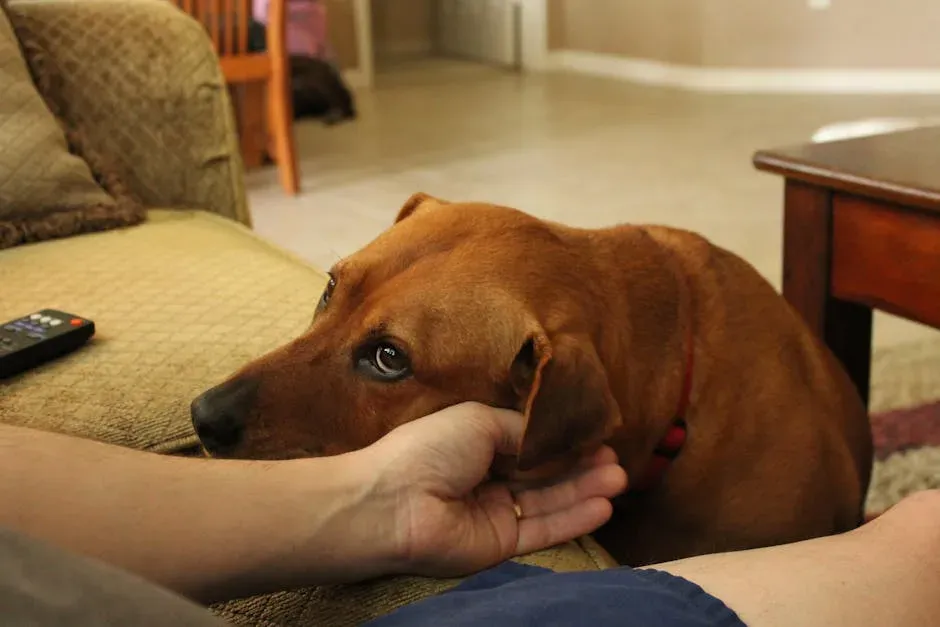
There’s a difference between a nudge and a lean. When a senior dog presses their whole body against your leg and just stays there, they’re not asking for attention – they’re borrowing your steadiness.
It often shows up most on the days they feel worst, when anxiety or soreness creeps in. Leaning into you is their way of saying, without a single sound, that your presence is the one thing still holding them together.
5. Bringing You Strange “Gifts”
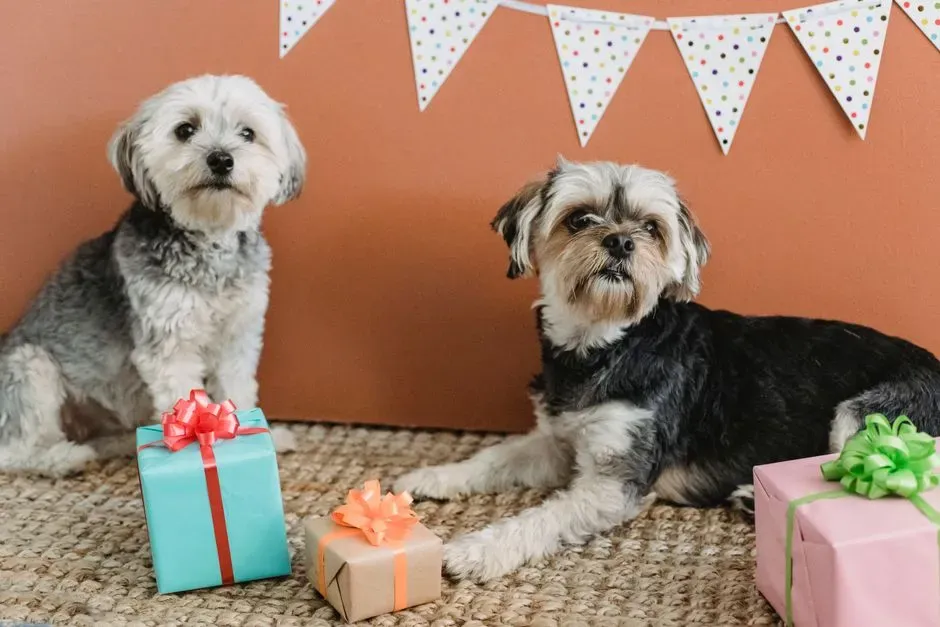
A single sock. A slipper. Sometimes, inexplicably, a sofa cushion. Senior dogs occasionally develop a habit of hauling random household items to you like trophies, and it’s easy to laugh it off as silliness.
But underneath the absurdity is something sweeter – it’s their version of sharing. They’ve decided this random object is worth something, and worth giving to you specifically, which, in dog logic, is about as close to “I love you” as it gets.
Quick Compare
- Puppies: bring toys to start a game – it’s all about energy and play.
- Adult dogs: often skip the ritual entirely; toys fade into background objects.
- Senior dogs: revive the habit, but the object becomes an offering rather than an invitation to chase.
4. Comforting You When You’re Sad
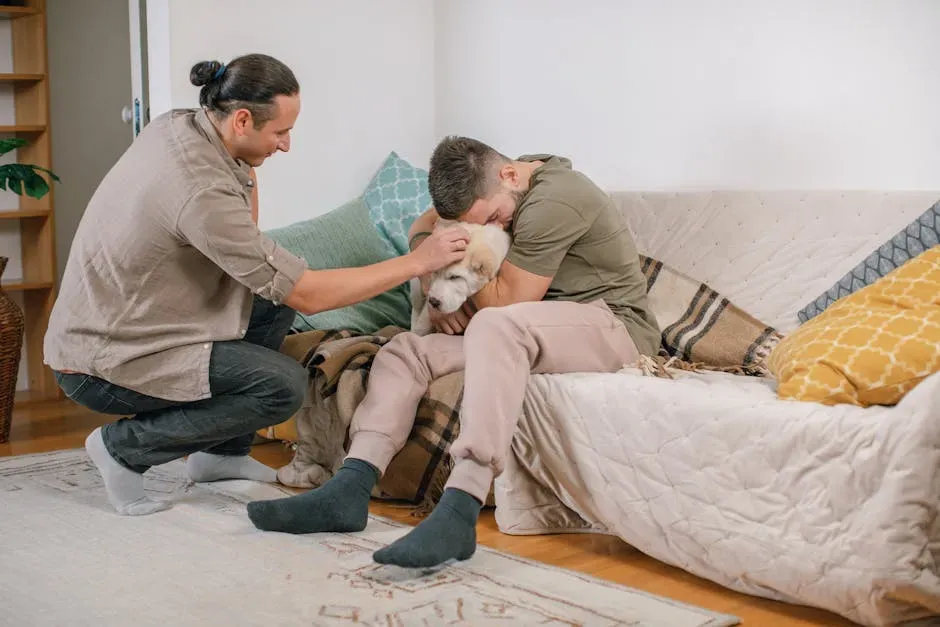
Old dogs become quietly perceptive. They notice the slump in your shoulders, the change in your voice, the days you’re not quite yourself – and they respond, often before you’ve said a word.
A nuzzle, a paw on your knee, a body that suddenly won’t leave your side – this is gratitude turned inside out. After years of you showing up for them, they’re finally in a position, however small, to show up for you too.
3. Wanting to Be Held and Petted Constantly
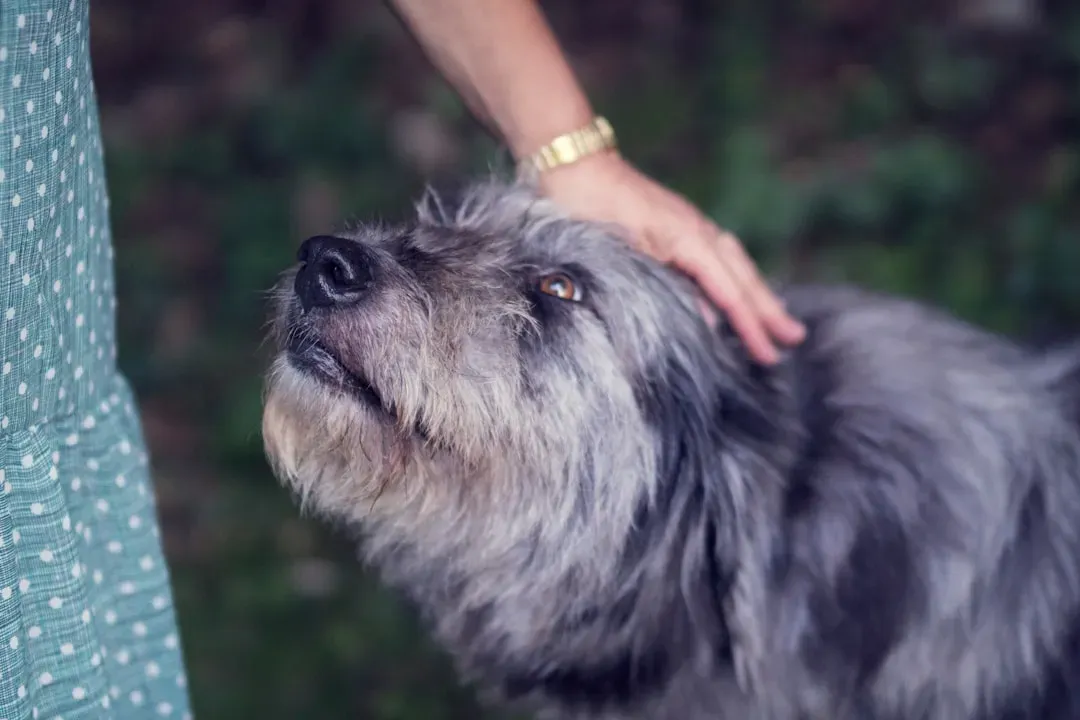
Some senior dogs, especially ones who were once fiercely independent, suddenly can’t get enough physical affection. They lean into every scratch, nudge your hand back onto their head the second you stop, and settle into your lap like they’ve never done before.
It’s a shift worth noticing. As their world gets smaller and quieter, touch becomes one of the last, purest ways they have to feel connected – and to say thank you for every year you gave them.
Why It Stands Out
- Increases in oxytocin and dopamine – neurochemicals associated with positive feelings and bonding – have been observed in both dogs and people after enjoyable interactions like petting.
- Researchers didn’t find the same oxytocin response in wolves and their owners, suggesting this bond is shaped uniquely through domestication.
- For a senior dog with fading eyesight or hearing, touch often becomes the clearest channel of connection left.
2. Resting Their Head or Paw on You
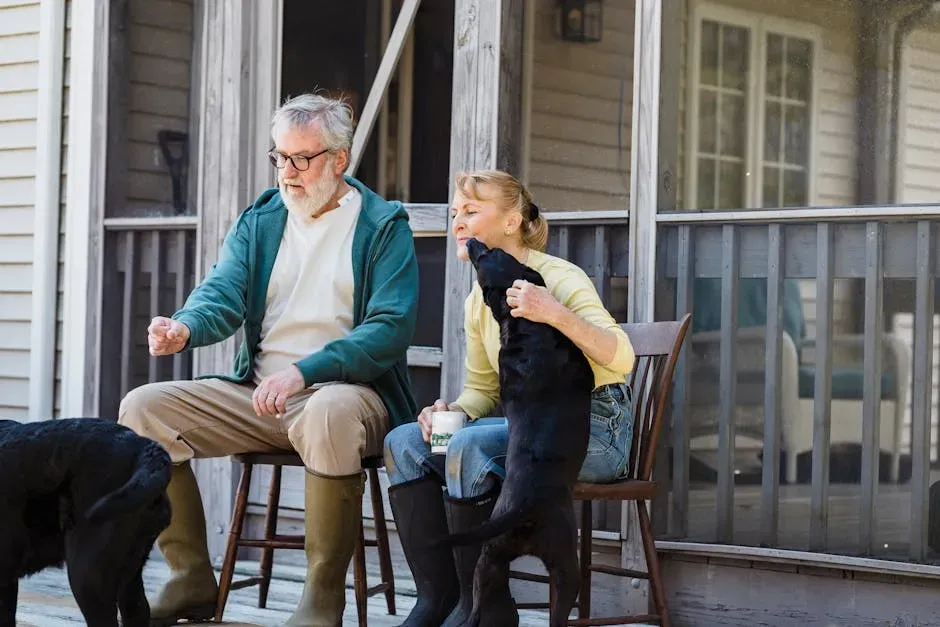
It’s a small, deliberate gesture – a chin dropped onto your knee, a paw laid gently over your hand while you sit together. Senior dogs do this with a kind of quiet intention that puppies simply don’t have yet.
It’s contact for contact’s sake, no agenda attached. In that small weight resting against you, there’s an entire unspoken conversation – one built on years of trust, and gratitude for every one of them.
1. A Long, Contented Sigh in Your Arms
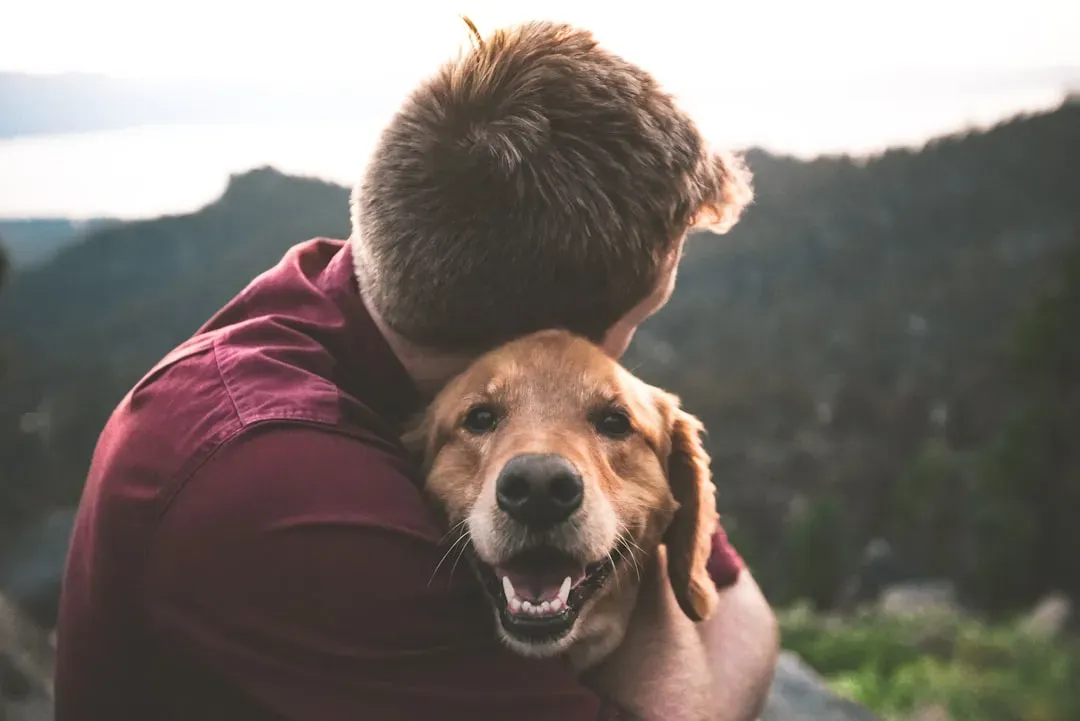
There is a specific sound an old dog makes when they finally settle against you completely – a slow exhale, deep and unhurried, like they’ve been waiting all day just to let go. It’s different from the huffs and grumbles of youth. It’s peace.
That sigh is often the clearest “thank you” a senior dog will ever give you. It says the fear is gone, the body can finally rest, and wherever they are in their journey, they know – without question – that they are loved, and that they are home.
None of these gestures are grand. No senior dog throws a parade for the years you gave them. But if you’ve ever felt a graying head rest heavy on your knee, or heard that long, settled sigh in the dark, you already know – that’s the whole thank you, and it’s more than enough.


