
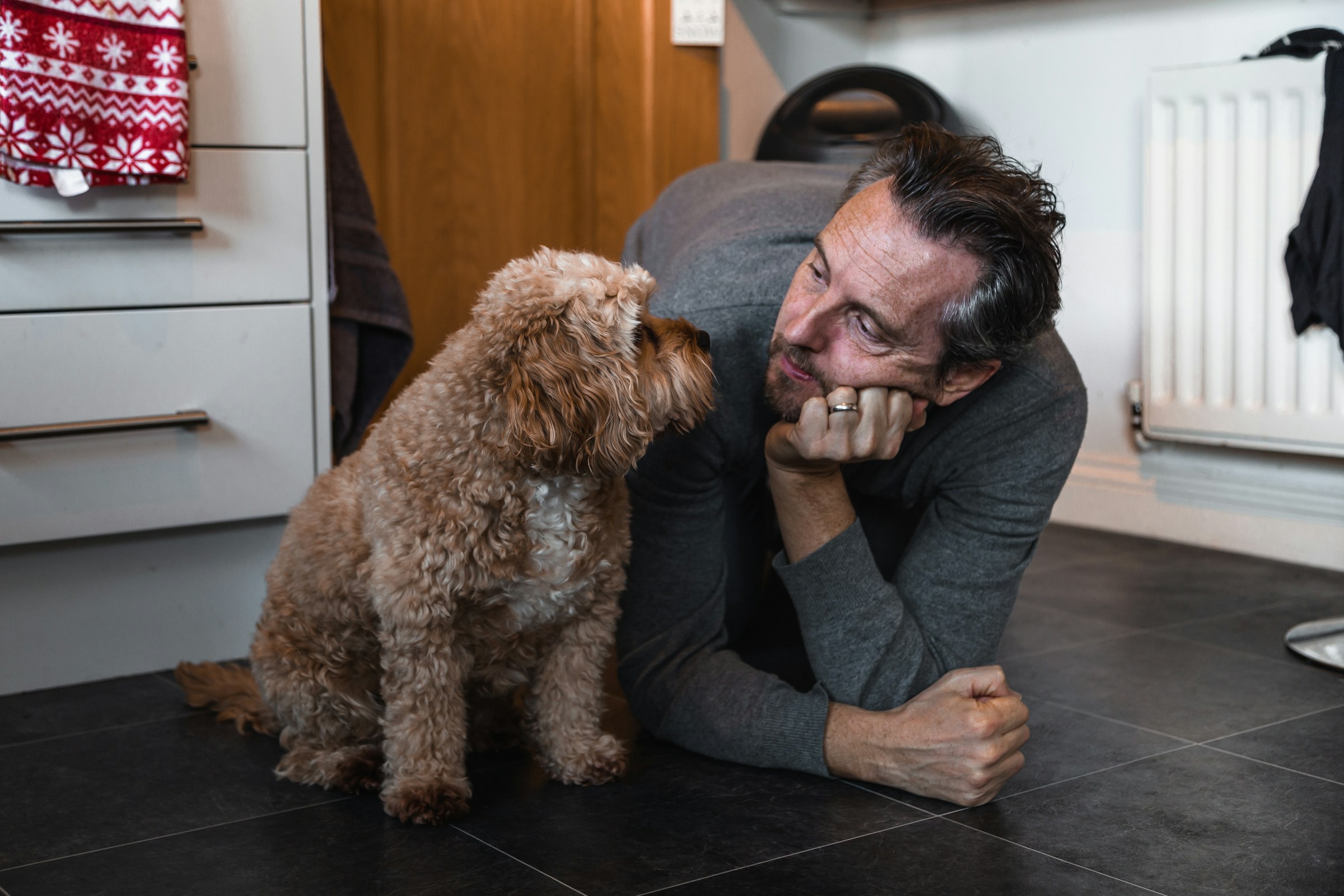
You probably think the wagging tail and the frantic front-door greeting are the real proof your dog loves you. They’re sweet, sure. But they’re also the easy, obvious stuff – the canine equivalent of a polite handshake.
The real proof is quieter than that. It shows up in the way your dog breathes when they’re pressed against your leg, the way their eyes go soft when you walk into a room, the way they let their guard down completely the second you’re near. Once you know what to look for, you’ll never see your dog the same way again.
13. They Lean Into You Without Being Asked
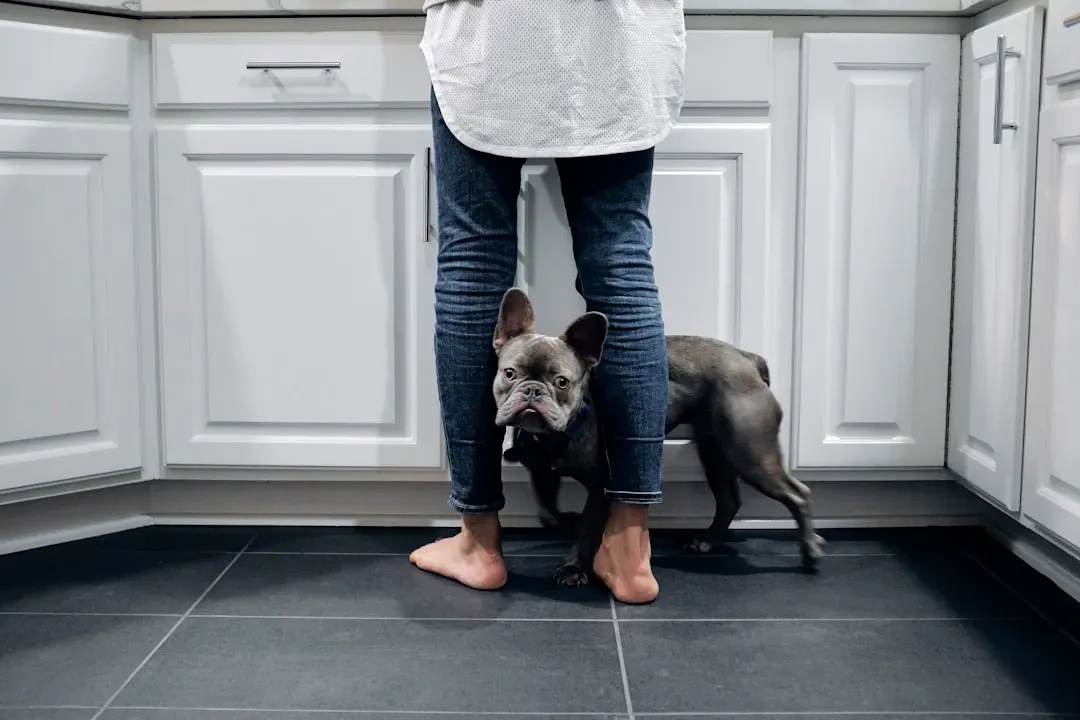
Watch what happens when your dog is standing near you and there’s no toy, no treat, no reason to move. If they drift sideways until their body is pressed against your leg, or they climb into your lap even though they’re clearly too big for it, that’s not an accident. Dogs don’t waste physical contact on people they’re unsure about.
A paw placed gently on your arm, a head dropped heavy onto your knee, a full-body lean while you’re on the couch – these are quiet requests for closeness, and dogs only make them with people they’ve already decided are safe. It’s less “I want something from you” and more “I just want to be near you.” That distinction matters more than most owners realize.
12. Their Whole Body Goes Loose Around You
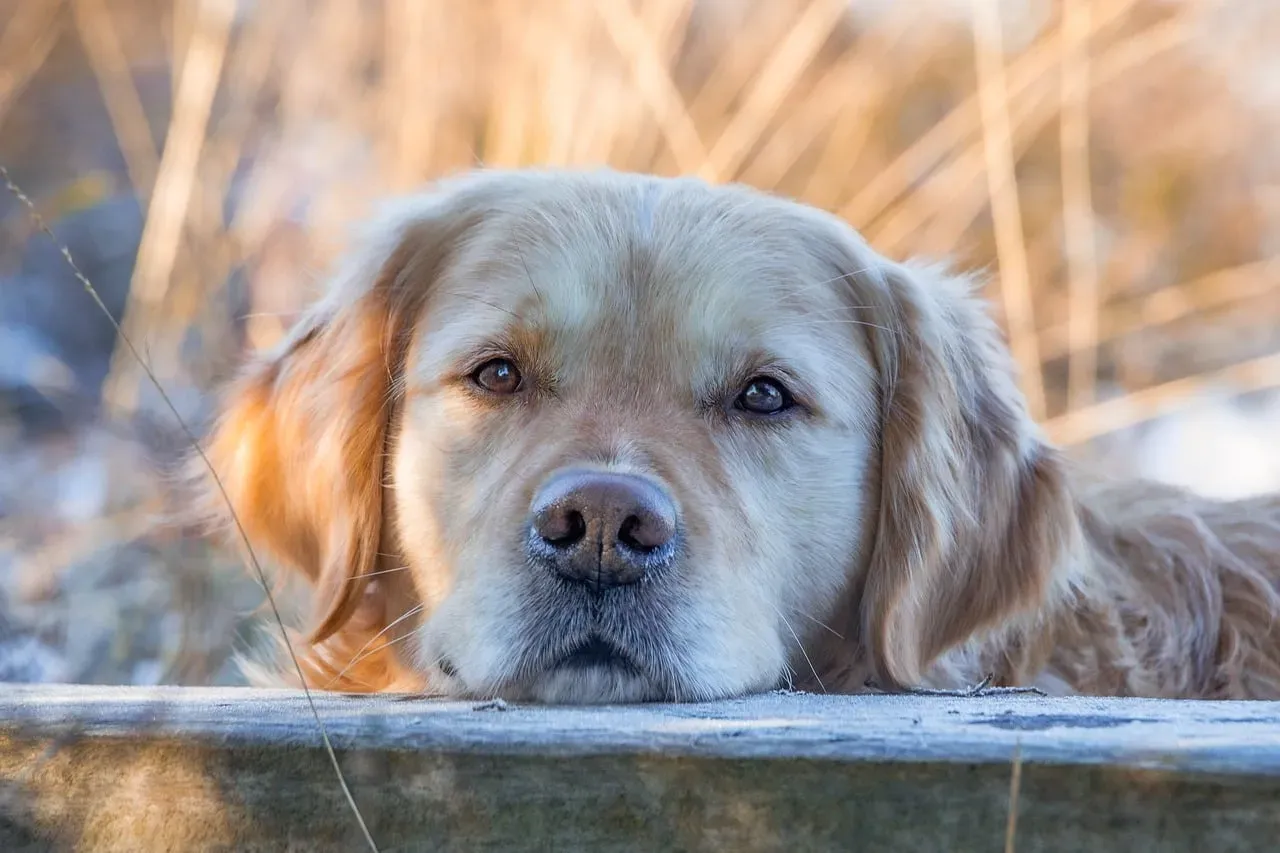
A nervous dog is a tight dog. Stiff shoulders, a tense jaw, ears pinned or locked forward, a tail held high and rigid – that’s a body bracing for something. Trust looks like the opposite. Soft eyes, a slack jaw, ears sitting naturally, a tail that swings low and easy instead of snapping back and forth.
This isn’t something your dog can fake. Body language like this is involuntary, which is exactly why it’s such a reliable read. If your dog turns into a puddle of loose limbs the moment they’re near you, their nervous system has already made the call: you are not a threat, you are the opposite of one.
Quick Compare
- Guarded dog: stiff shoulders, locked or pinned ears, a tail held high and rigid, a hard unblinking stare
- Relaxed dog: soft eyes, a loose jaw, ears sitting naturally, a tail that swings low and easy
- The tell: tension shows up in the shoulders and tail first, long before a dog ever growls or backs away
11. They Choose to Sleep Right Next to You
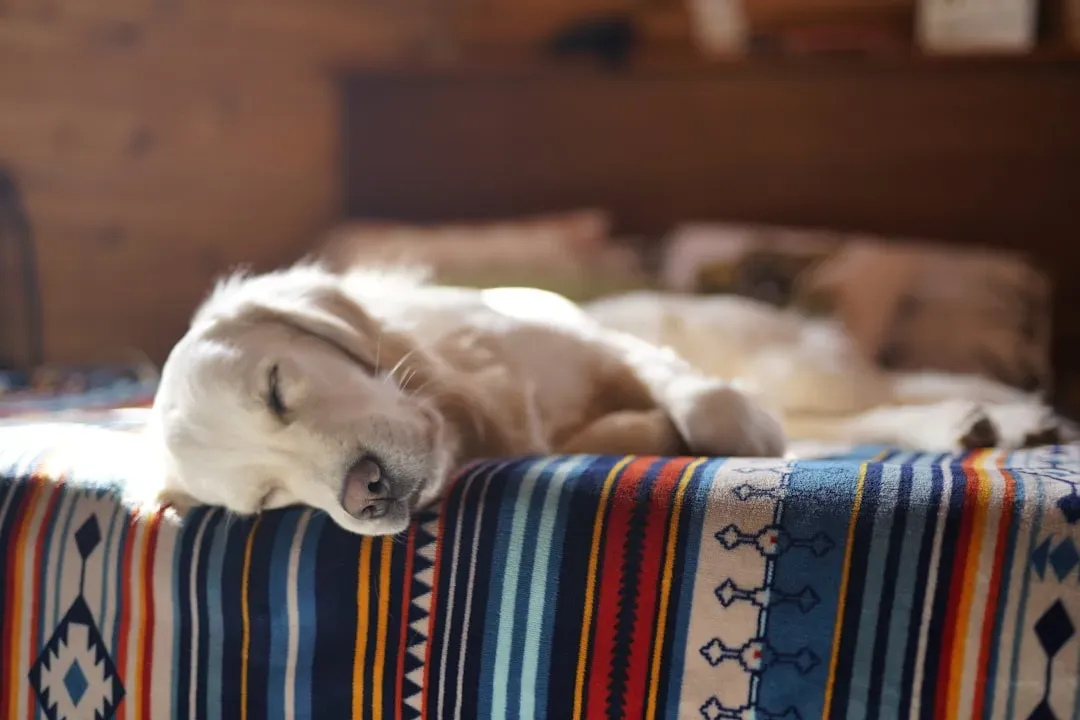
Dogs are hardwired to sleep in a pack formation, close enough to the group that someone will notice if trouble shows up. When your dog picks the spot beside your bed, or insists on curling against your hip on the couch instead of stretching out alone across the room, they’re doing something ancient and deliberate.
Sleep is the most defenseless state an animal can be in. A dog who chooses to be unconscious right next to you has essentially handed you the job of keeping watch. That’s not a small thing – that’s them saying you’ve earned the position of pack leader, guardian, and safe harbor all at once.
10. They Hold Your Gaze Instead of Looking Away
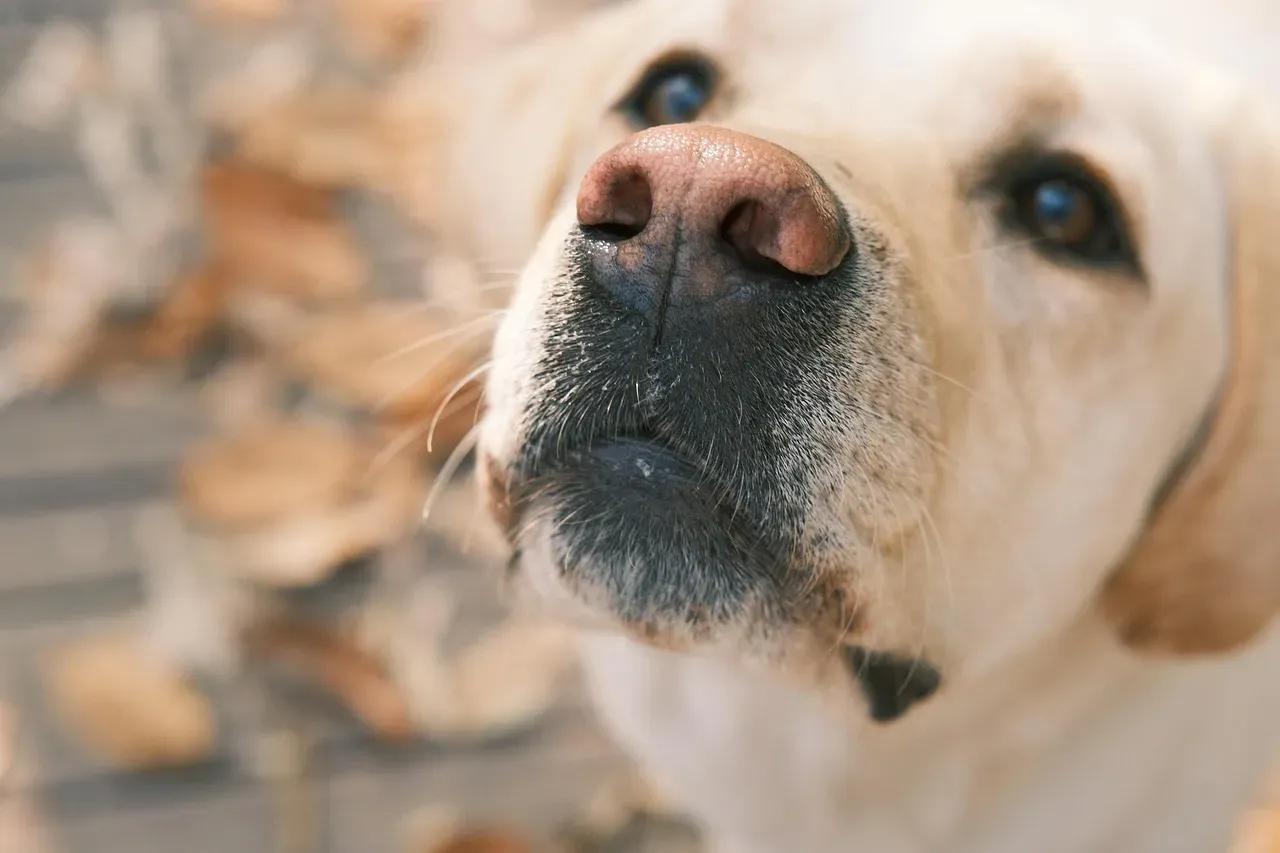
In the dog world, a long, direct stare from a stranger is often read as a threat or a challenge. That’s exactly what makes it so meaningful when your own dog looks you straight in the eye and just… stays there. They’re breaking one of their own species’ rules because they already know you’re not dangerous.
There’s chemistry behind it, too. Mutual eye contact between dogs and their humans triggers a release of oxytocin in both species – the same bonding hormone that spikes between parents and infants. So when your dog locks eyes with you across the room, it’s not just affection. It’s biology confirming the bond is real.
9. They Bring You Their Prized Possessions
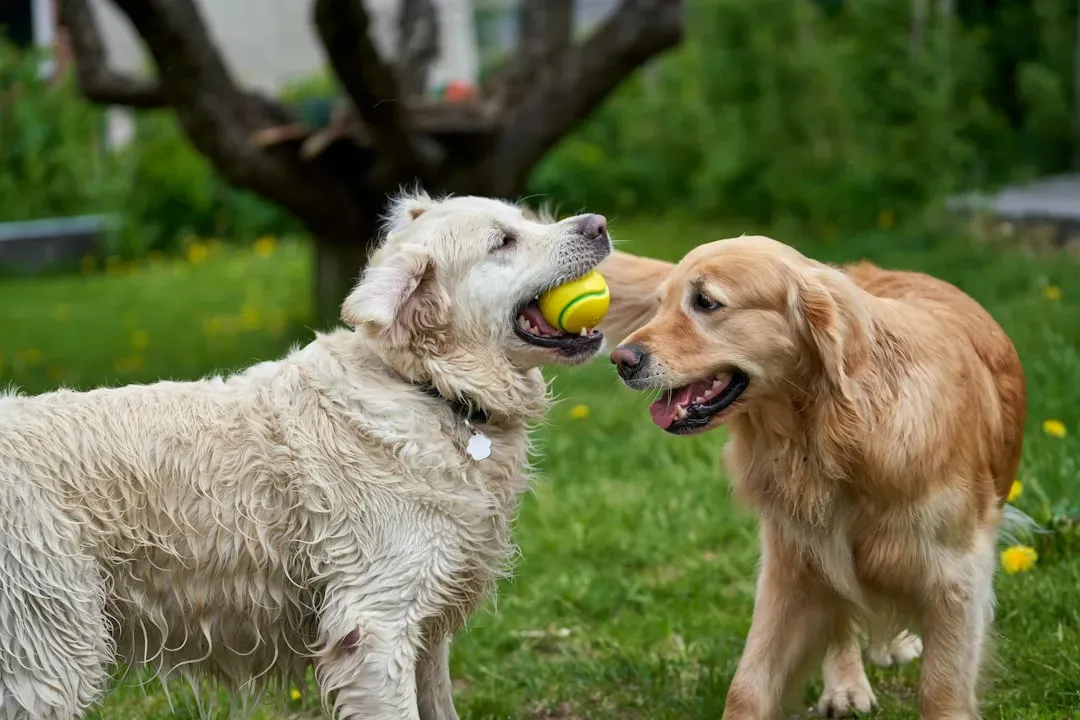
It looks like sharing, but it’s actually something closer to an invitation. When your dog drops their favorite squeaky toy or a half-chewed bone in your lap, they’re not necessarily giving it away – they’re asking you to be part of something that matters to them.
This is a dog choosing vulnerability over hoarding. In the wild, guarding resources is survival instinct. Handing you the good stuff instead means they trust you not to take it, not to punish them for having it, and not to break the moment. It’s a small gesture with a surprisingly large amount of faith packed into it.
Worth Knowing
- Guarding food, toys, and resting spots is a built-in survival instinct in the wild
- A dog that drops a toy in your lap is choosing connection over control
- Offering a trade instead of just taking the item outright reinforces that trust even further
- Dogs rarely hand over their most-guarded belongings to someone they view as a threat
8. They Look to You When Things Get Uncertain
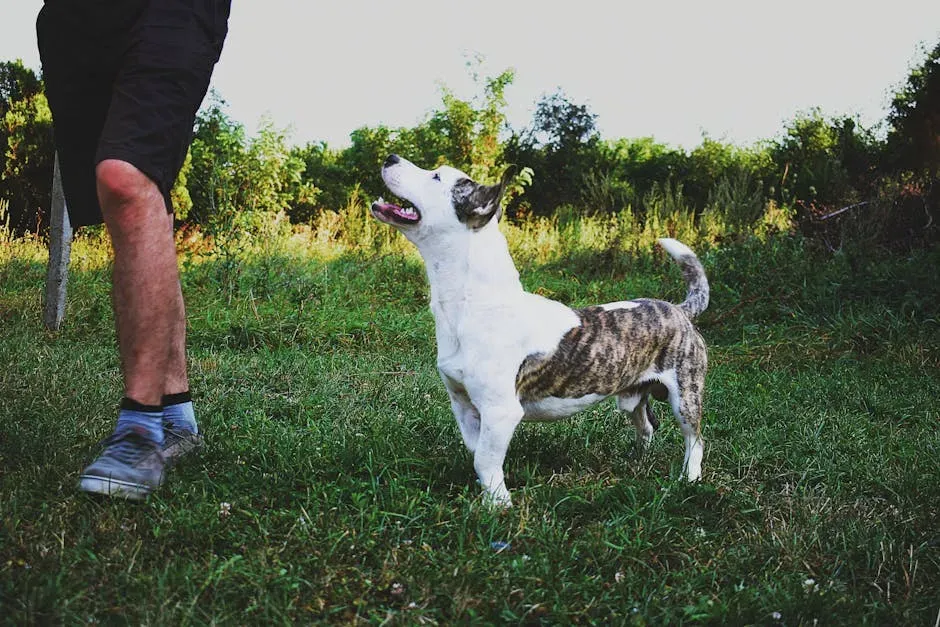
Drop something loud, meet a strange dog on a walk, or step somewhere unfamiliar, and watch your dog’s first move. A dog who trusts you won’t panic and bolt – they’ll glance at you first, checking your reaction before deciding how to feel about the situation.
This is called social referencing, and it’s the same instinct toddlers use with their parents. Your dog has essentially outsourced their sense of safety to you. If you stay calm, they relax. If you tense up, they will too. That kind of dependence doesn’t happen with someone they don’t fully trust.
7. They Roll Over and Show You Their Belly
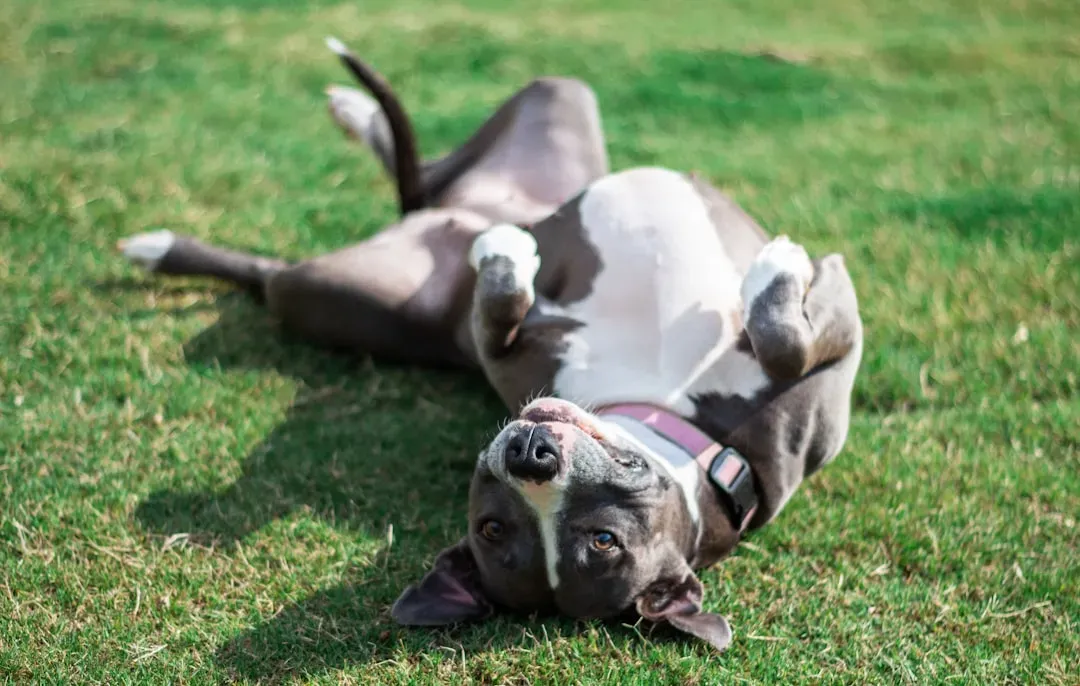
The belly is the most exposed, least protected part of a dog’s body – no fur-covered ribs, no muscle armor, just soft skin over vital organs. Rolling onto their back and offering it up isn’t just cute. It’s a dog voluntarily disabling their own defenses in front of you.
Paired with a loose, wriggling body and soft eyes, this is about as unguarded as a dog can get. They’re not asking to be protected from you – they’re showing you they don’t need to be. Few gestures communicate “I feel completely safe here” more clearly than this one.
6. They Run to You When the Thunder Starts
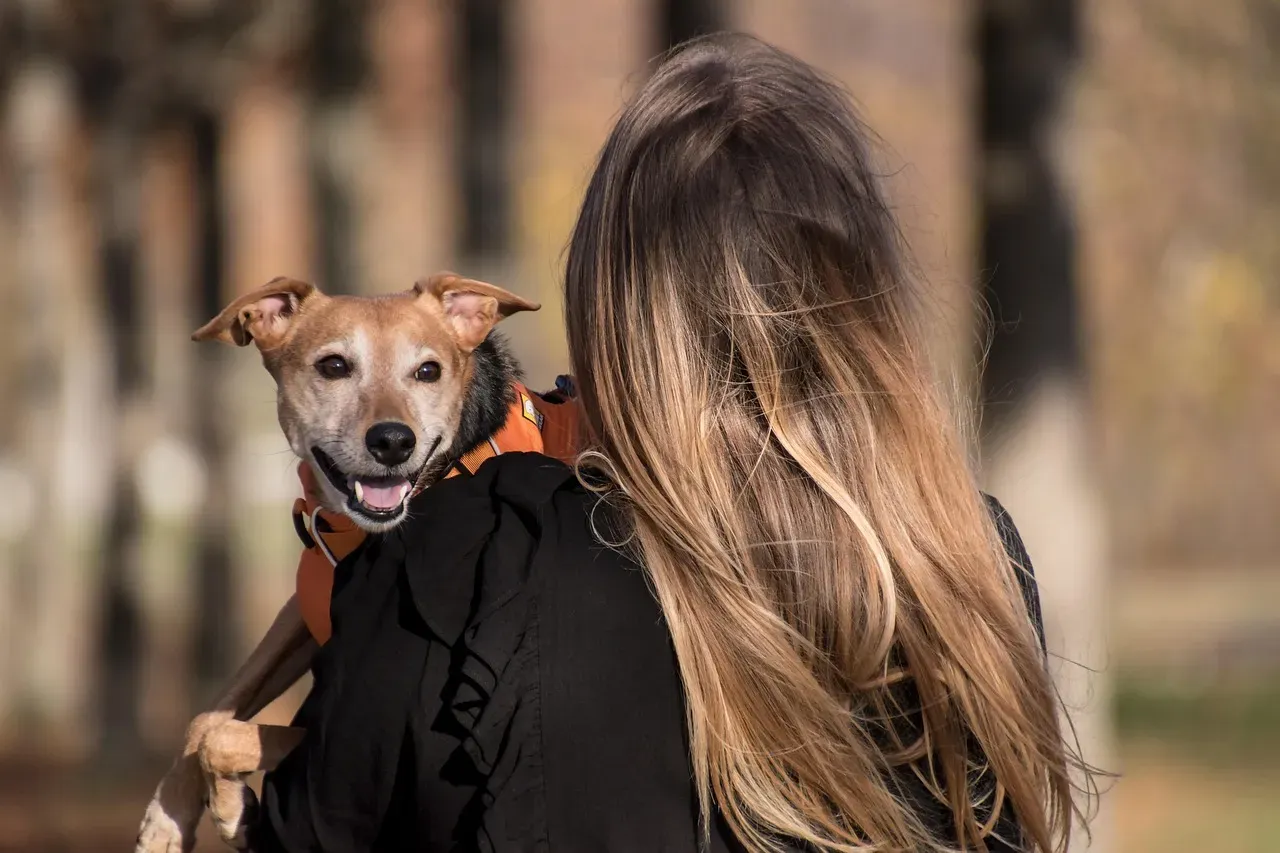
Some dogs shrug off storms entirely. Others turn into a shaking, panting mess the second the sky rumbles. If your dog’s first instinct during a storm, fireworks show, or unexplained loud noise is to find you – not the corner, not the crate, but specifically you – that’s a trust signal wrapped in fear.
Being sought out during a moment of real distress means your dog has mentally filed you under “protection.” They’re not hiding from the world; they’re hiding with you, betting that your presence alone will make the scary thing more survivable.
Fast Facts
- Noise sensitivity is one of the most common fear responses in dogs, showing up around thunder, fireworks, and even vacuum cleaners
- A frightened dog’s first move usually falls into one of two camps: flee and hide, or seek out their person
- Dogs who consistently choose to seek you out are showing they trust your presence more than their own instinct to bolt
5. They Let Their Goofy Side Out Around You
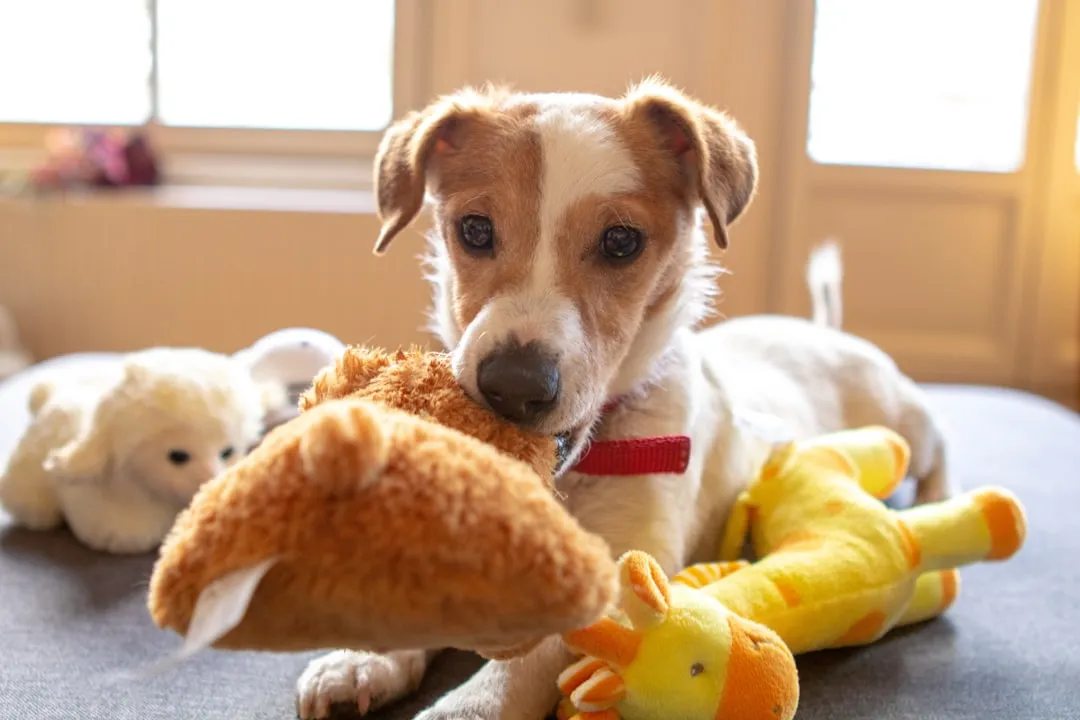
Zoomies around the living room. A dramatic flop onto the floor for no reason. A ridiculous play bow followed by a full-speed sprint in a circle. Dogs don’t perform this kind of unfiltered silliness for just anyone – it requires feeling completely unjudged.
A dog who’s uncertain about their environment stays watchful and controlled. A dog who feels safe lets loose. If your dog acts like a total goofball specifically when you’re around, consider it a compliment: you’re the person they feel comfortable enough to be ridiculous in front of.
4. They Eat Like There’s Nothing to Worry About
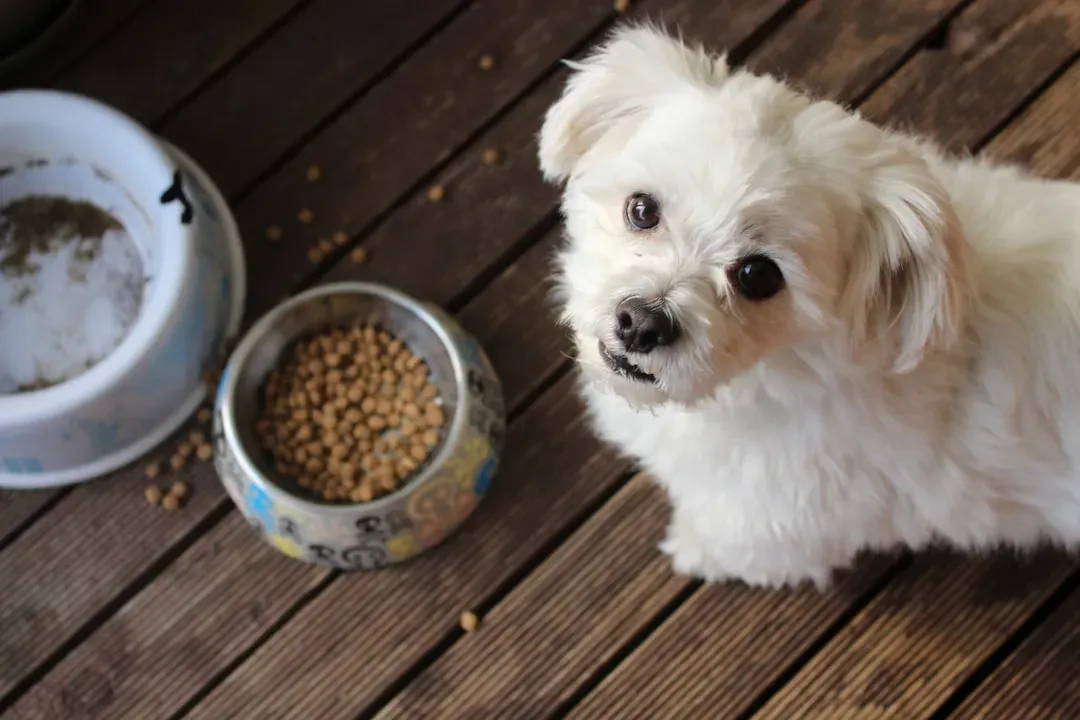
Mealtime reveals more than people expect. A dog who gulps food anxiously, watches the room while eating, or tenses up if you walk by their bowl is a dog operating on some level of guardedness. A relaxed, unhurried eater is telling you something different.
Calm eating means your dog isn’t worried the food will be taken, isn’t bracing for competition, and trusts that their needs will keep being met without a fight. It’s one of the most mundane moments of the day – and one of the clearest windows into how secure they actually feel in your care.
3. They Have a Greeting They Save Just for You
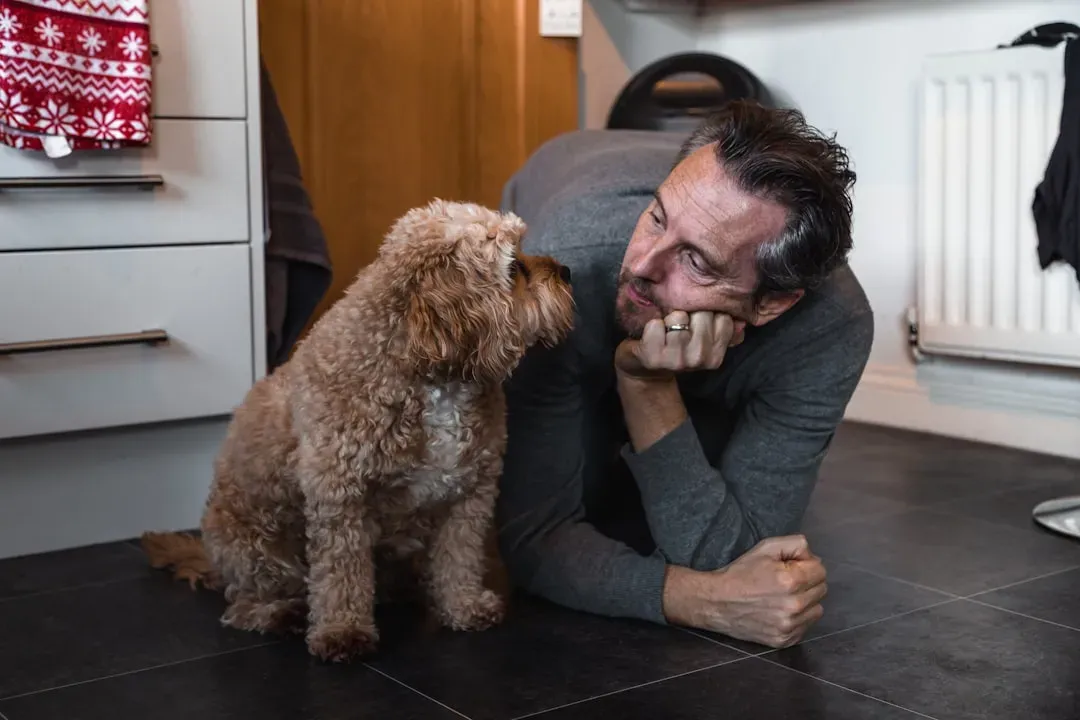
Plenty of dogs greet strangers politely. Almost none of them greet strangers the way they greet their person. Maybe it’s a specific wiggle, a spin, a low happy groan, or racing to grab a toy before running back to you – whatever it is, it’s reserved, and that’s the point.
A signature greeting is a dog’s way of marking you as different from everyone else in their world. It’s rehearsed, personal, and entirely yours. If your dog has a “hello” that no one else gets, you’ve been given a title most people never earn.
At a Glance
- A spin, a specific whine, a favorite toy grab, a full-body wiggle – signature greetings are as individual as a signature
- Strangers get a polite tail wag; you get the whole performance
- These greetings are usually consistent, repeated the same way every single time you walk through the door
2. They Let You Touch Their Most Vulnerable Spots
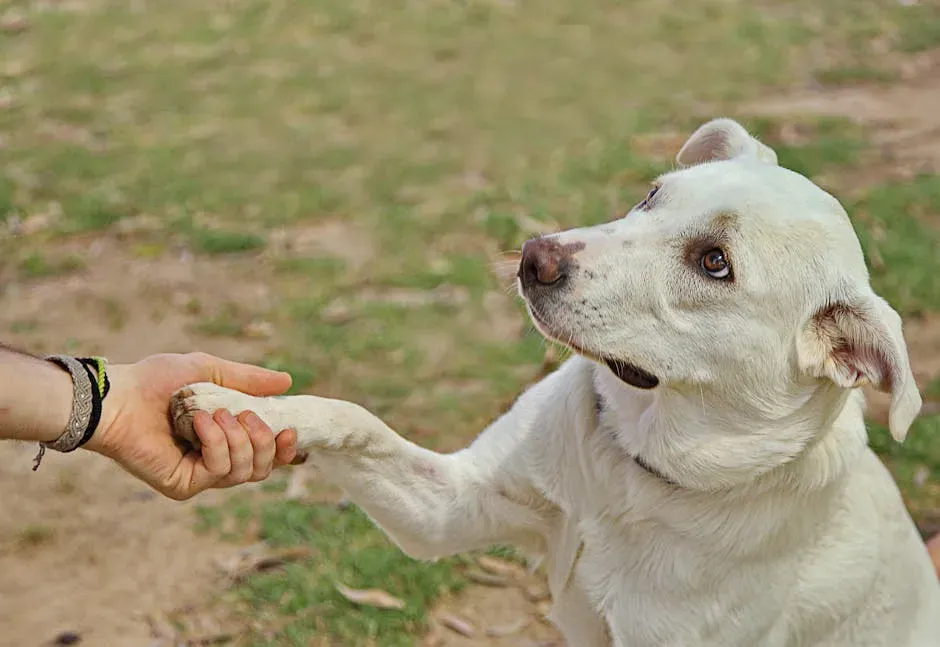
Paws, ears, mouths, tails – these are the areas most dogs instinctively protect, especially around unfamiliar hands. A dog who lets you casually check their paws, clean their ears, or peek inside their mouth without flinching has made a very specific decision about you: you’re allowed access to the parts of them that feel most exposed.
This kind of physical trust is often hard-won, especially in dogs with a rocky past or a rough start in life. If your dog goes soft and still while you’re handling their most sensitive spots, they’re not just tolerating you. They’ve decided you’re one of the few hands they don’t need to defend against.
1. They Fall Into a Deep, Twitching Sleep Beside You
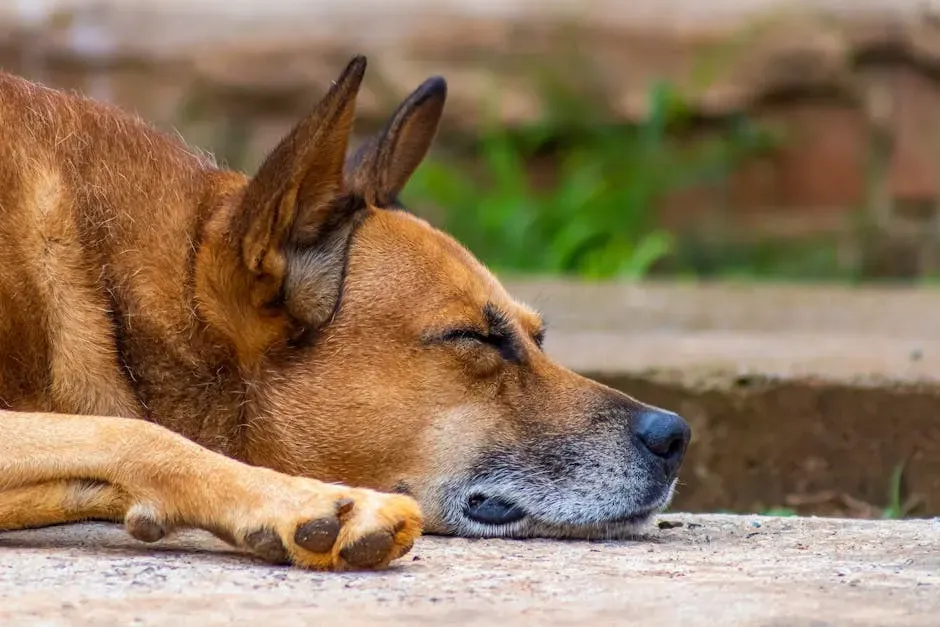
There’s a difference between a dog dozing lightly, one ear still tuned to the world, and a dog fully gone – legs twitching, breathing slow and heavy, maybe even a little snore escaping. That deep, vulnerable sleep only happens when a dog’s nervous system has fully stood down, and that only happens near someone they trust without reservation.
This is the deepest form of “you are my safe place” a dog can express. They’re not just comfortable enough to rest – they’re comfortable enough to be completely unconscious and undefended, betting everything on the fact that you’ll keep watch.
Dogs are not our whole life, but they make our lives whole.
Roger Caras
Here’s the part nobody tells you when you bring a dog home: they’re not loyal to you because you feed them or because they don’t know any better. They’re loyal because somewhere along the way, you became the calmest, safest, most predictable thing in their world – and dogs notice that kind of stability far more than we give them credit for.
Skip the tail wags and the excited barking for a second. Watch for the quiet stuff instead – the belly rolls, the deep sleep, the way they check in with you before deciding how to feel about the world. That’s not just affection. That’s a dog telling you, in the only language they have, that you’re home.


