
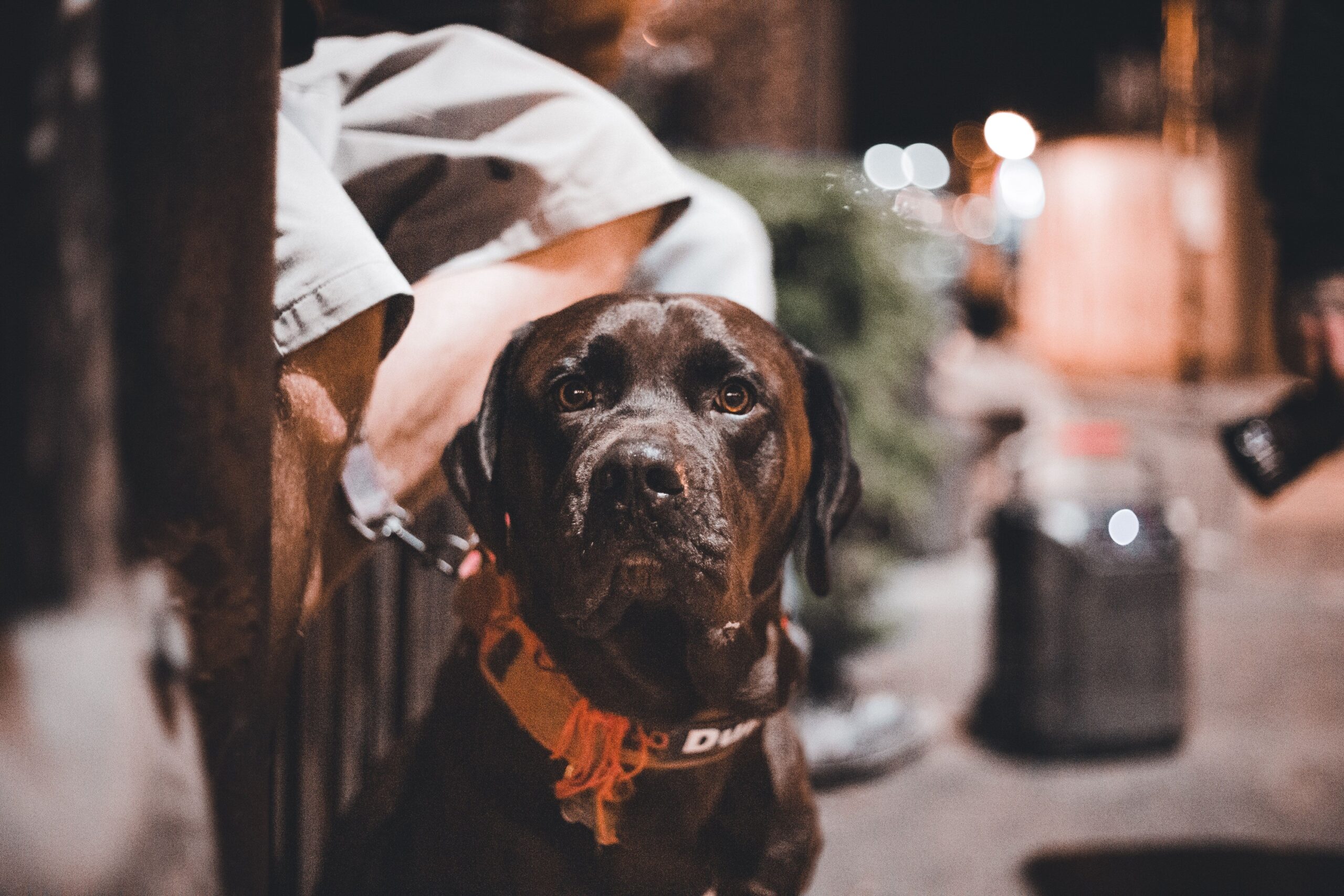
You expect a dying dog to slow down. Less energy, less appetite, maybe some stiffness in the legs. What you don’t expect is for your dog to start acting like it knows something you don’t.
Owners and hospice caregivers have quietly noticed the same pattern for years, and it’s stranger than simple decline. Dogs nearing the end don’t just get sicker, they change in ways that feel almost deliberate, almost aware. Here are the 13 signs that make even the most skeptical owners wonder exactly how much their dog understood.
13 – They Start Pulling Away From Everyone They Love
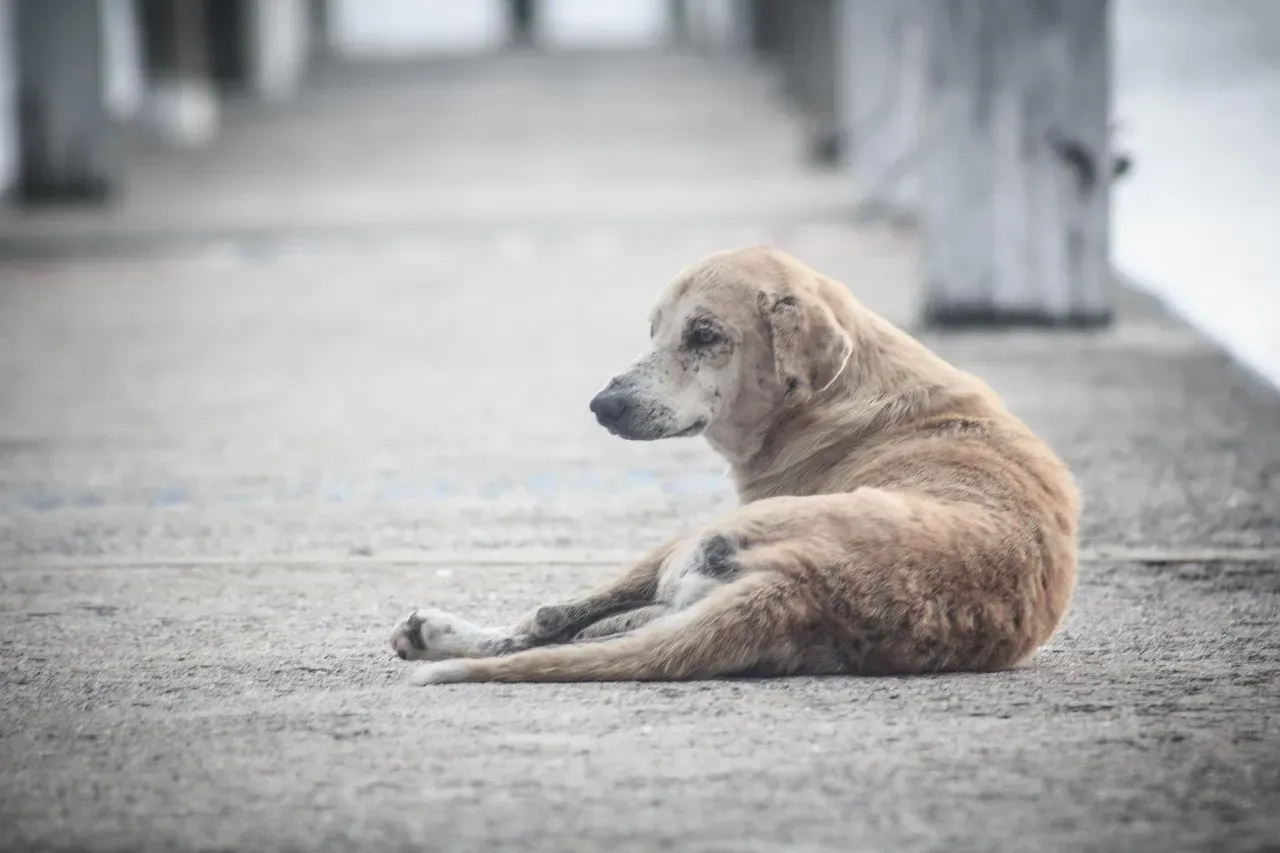
A dog who has spent years sleeping at your feet suddenly wants to be alone. They wander off to a corner, a closet, or the far side of the yard, away from the family chaos they used to thrive in.
It looks like rejection, but it isn’t. Wild animals do this instinctively when they’re vulnerable, seeking distance so predators won’t notice weakness. Your dog isn’t pushing you away out of anger. Something older and more primal seems to be taking over.
12 – The Toys and Walks Suddenly Stop Mattering
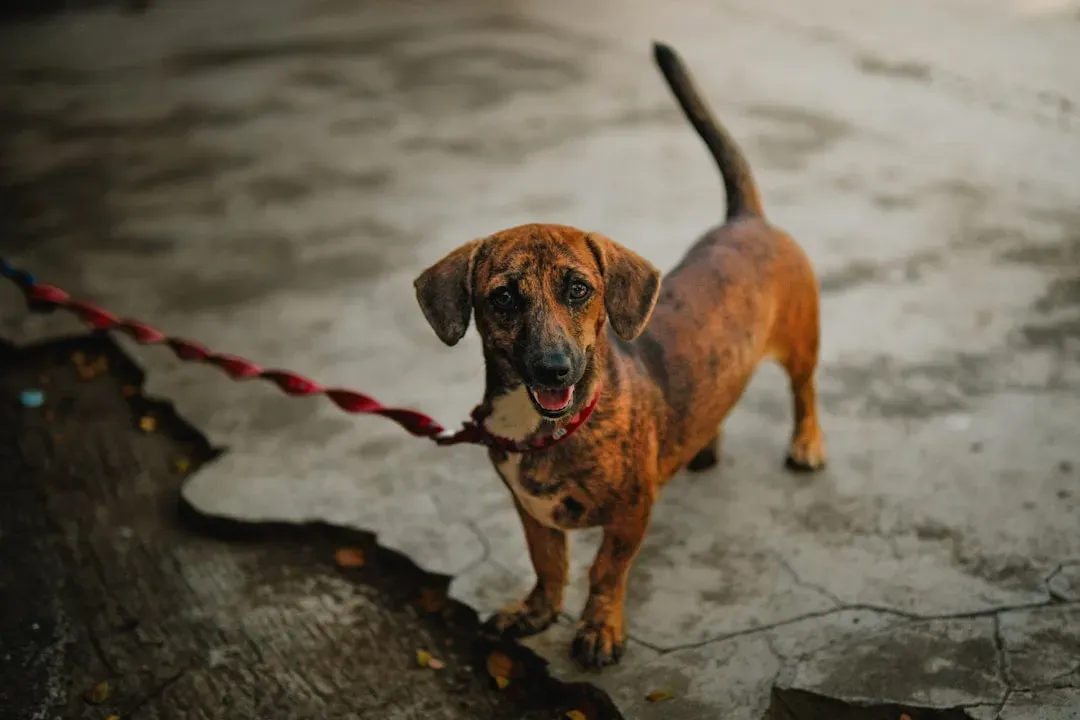
The squeaky toy that used to trigger instant chaos now just sits there. The leash comes out and there’s no spin, no excited whine, no scramble toward the door.
This isn’t laziness. It’s a quiet kind of surrender, as if the dog senses that the body chasing that ball is no longer the body it used to have. Owners often describe this moment as the first real gut-punch, the first time it feels undeniably real.
11 – Day and Night Flip Upside Down
Dogs who slept through the night for years start pacing the house at 3 a.m. Then they crash hard in the middle of the afternoon, sleeping through meals and visitors alike.
Some vets believe this shift reflects discomfort that’s easier to ignore during the distraction of daylight. Others think dogs are simply conserving whatever energy they have left, rationing it out for the hours that matter most to them.
Fast Facts
- Circadian rhythm disruption is one of the most common early hospice-stage signs in senior dogs.
- Daytime napping can stretch dramatically as the body conserves energy for essential functions.
- Nighttime restlessness often peaks in the very early morning hours.
- Some vets compare this pattern to “sundowning,” a shift also seen in aging humans.
10 – Even the Favorite Treat Gets Ignored

This is often the moment owners know something is seriously wrong. The cheese, the bacon, the one snack that never failed before, now gets sniffed and abandoned.
It’s not stubbornness. A dog’s body in its final stretch starts prioritizing survival over pleasure, and appetite is one of the first things to go. It’s as if some internal switch has quietly flipped from living to letting go.
9 – Some Dogs Do the Opposite – They Won’t Leave Your Side
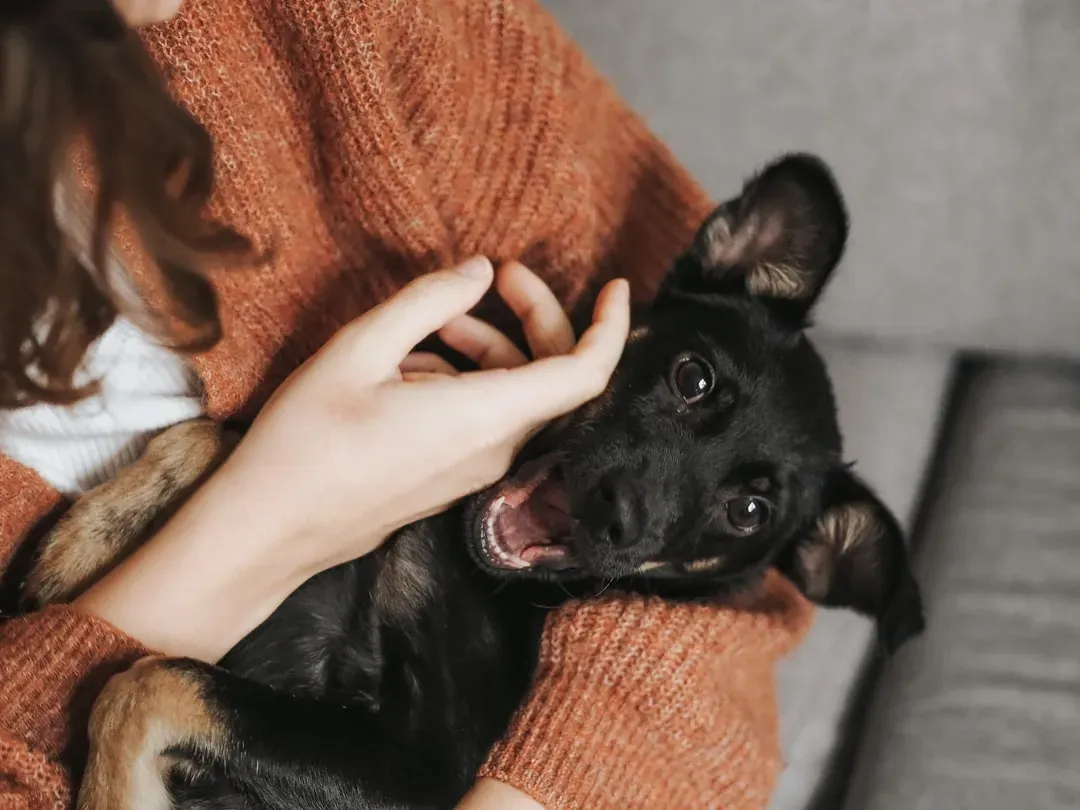
Not every dog withdraws. Some become almost desperately clingy, following their owner from the kitchen to the bathroom to the bedroom, refusing to be more than a few feet away.
This clinginess isn’t neediness in the usual sense. It reads more like reassurance-seeking, a dog trying to stay anchored to the one thing that has always meant safety. For these dogs, closeness seems to matter more than comfort.
8 – Their Breathing Starts to Sound Different

Shallow breaths. Long pauses between breaths. Sometimes a faint wheeze or rattle that wasn’t there a week earlier. It’s one of the most physically obvious signs, and one of the hardest to hear.
This shift usually signals that the body’s systems are slowing in a coordinated way, not failing randomly. Many owners say this is the sign that finally convinces them their dog isn’t just tired. Something bigger is happening.
Worth Knowing
- Hospice vets often describe irregular breathing as one of the clearest “active dying” indicators.
- Alternating shallow and deep breaths are common in the final day or two.
- A faint rattle or gurgle can occur as muscles controlling the airway relax.
- Breathing changes rarely appear alone; they usually follow other signs on this list.
7 – Accidents Start Happening – and They Seem to Notice
Muscle control fades, and house-trained dogs who haven’t had an accident in years suddenly do. What’s striking to a lot of owners isn’t the accident itself, it’s the dog’s reaction to it.
Many dogs seem embarrassed or confused, tucking their tail or avoiding eye contact afterward. That reaction suggests they notice the loss of control, even if they can’t do anything to stop it. It’s one of the more heartbreaking signs on this list.
6 – Strange Whines and Cries With No Clear Cause

A dog who was never vocal suddenly starts whimpering at nothing. No visitor at the door, no squirrel in the yard, no obvious trigger at all.
These sounds seem less like pain and more like communication, a dog trying to express something it has no other way to say. Whether it’s discomfort, confusion, or something closer to fear, it’s rarely random.
Dogs do speak, but only to those who know how to listen.
Orhan Pamuk
5 – They Can’t Seem to Get Comfortable
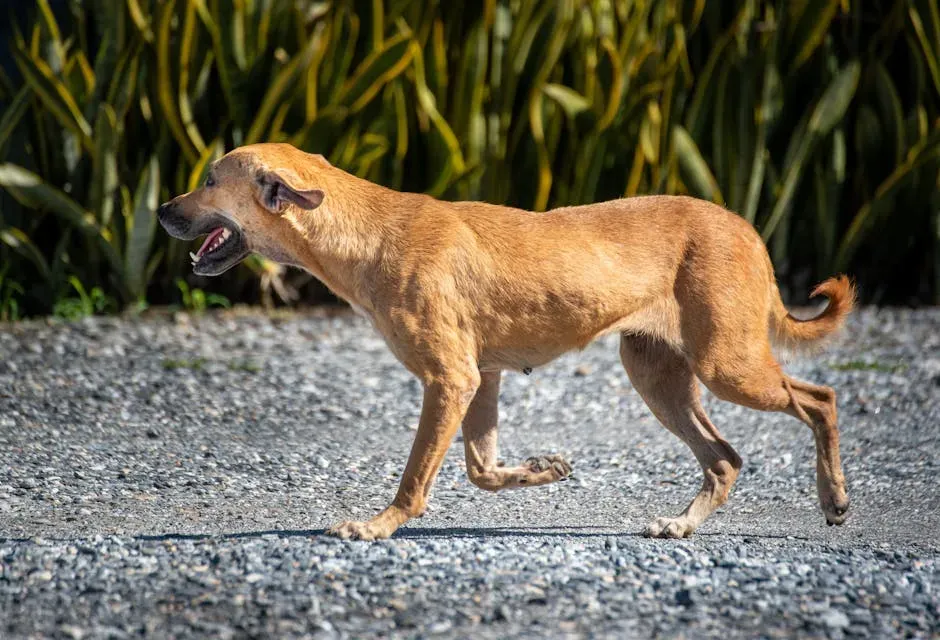
Constant pacing. Circling the same spot five or six times before lying down, only to get back up minutes later. It looks exhausting to watch, and it likely is exhausting to experience.
This restlessness often points to internal discomfort the dog can’t resolve on its own. Some caregivers describe it as a dog searching for a position that simply doesn’t exist anymore, one where nothing hurts.
4 – Their Eyes Lose the Spark You Know

The eyes are often where owners feel the change most. That familiar brightness, the one that used to track every move you made, starts to look cloudy, distant, harder to read.
Physically, this can reflect declining organ function. Emotionally, it feels like watching someone start to step back from the world, still present but no longer fully in the room with you.
At a Glance
- Cloudy or unfocused eyes often reflect declining circulation and organ function.
- Reduced blinking and a fixed, distant gaze are commonly reported in final days.
- Pupils may respond more slowly to changes in light.
- These changes usually appear alongside reduced responsiveness to voice and touch.
3 – Your Voice Doesn’t Land the Way It Used To
Calling their name once meant an instant ear-flick or head-turn. Now it barely registers. Commands they’ve known for a decade get a delayed response, or none at all.
This isn’t defiance and it isn’t hearing loss alone. It often reflects a slow retreat inward, as the dog’s focus narrows to whatever is happening inside its own failing body.
2 – They Go Looking for a Hidden, Quiet Place
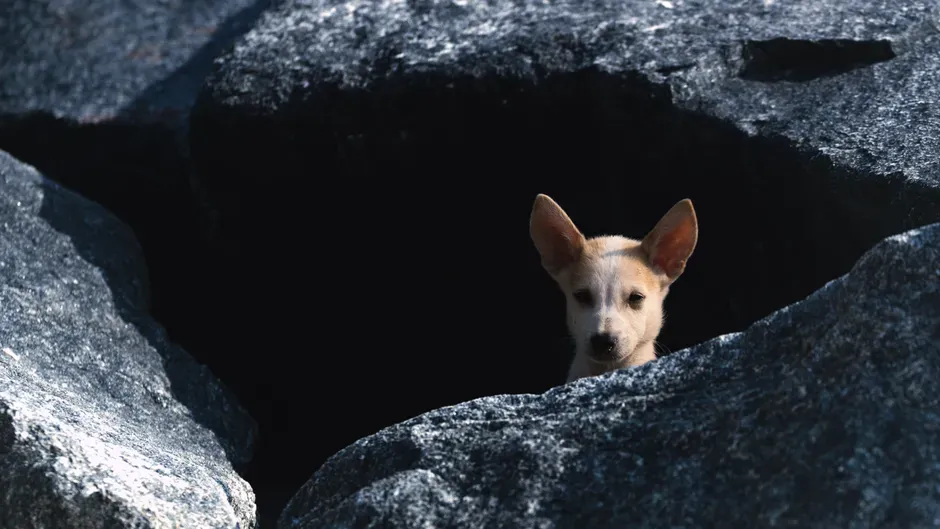
Under the bed. Behind the couch. Deep in a closet where no one usually goes. Some dogs actively seek out these tucked-away spots in their final days, places that feel safe and unseen.
This mirrors an old survival behavior seen across the animal kingdom, where vulnerable creatures hide rather than expose themselves in the open. It’s one of the clearest signs that something instinctual, not just physical, is guiding the dog’s choices.
Why It Stands Out
- This denning instinct predates domestication, rooted in wild canine survival behavior.
- Vets often note it as one of the strongest signs a dog is entering the final stage.
- Unlike other signs on this list, it’s driven almost entirely by instinct rather than physical decline.
- Owners frequently find their dog returning to the same hidden spot day after day.
1 – One Last Look, One Last Nuzzle
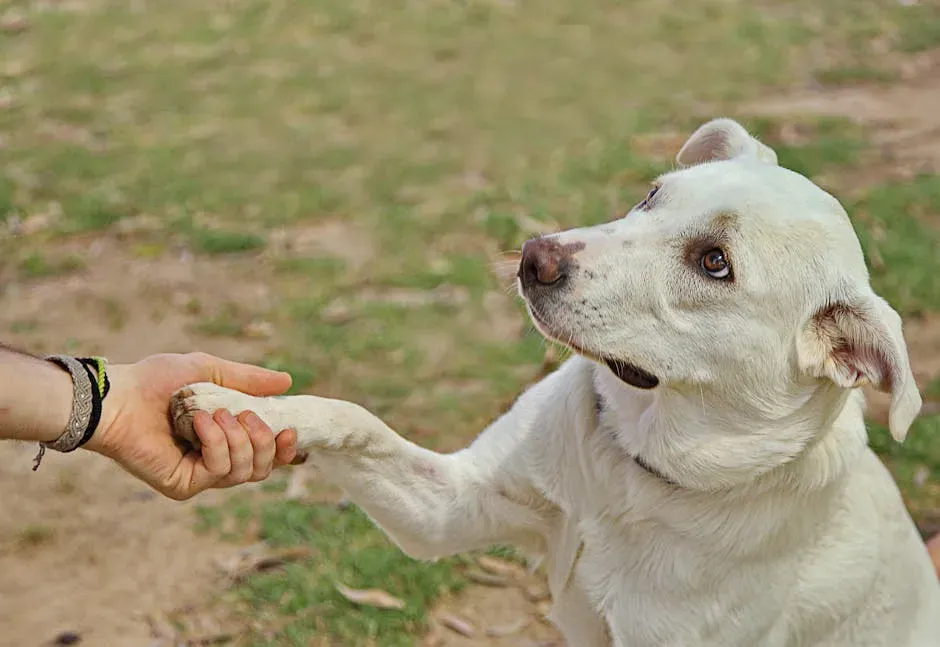
This is the moment almost every owner who’s been through it describes the same way. In the final hours, a dog who has barely moved for days suddenly musters the strength to find its person, resting its head against them or holding their gaze a beat longer than usual.
It’s impossible to prove what’s happening in that moment. But to the people who witness it, it never feels random. It feels like a goodbye, delivered in the only language a dog has ever needed.
The Uncomfortable Truth

We’ll never get a straight answer on how much dogs actually understand about death, and honestly, I don’t think that’s the point. What these 13 signs show is that dogs don’t fade out quietly and unaware. They react, adjust, seek, and reach for us, right up to the very end.
If your dog is showing even a few of these behaviors, don’t waste the time you have left waiting for clarity you’re not going to get. Sit with them. Let them lean on you. Whatever they understand, they clearly understand that you’re the one who matters most.


